
Signature Programs
Learning Doesn’t Stay in One Classroom.
Some of the most powerful learning happens when ideas move beyond the boundaries of a single subject. A science question can become an engineering project. A garden harvest can lead to cooking, measurement, and sustainability. A walk to the brook can become an investigation of an entire ecosystem.
Through Unquowa’s signature programs, students make, create, investigate, perform, reflect, and apply what they know through experiences ranging from MakerSpace and the arts to outdoor learning, Farm-to-Fork dining, mindfulness, and purposeful technology. These experiences are not extras. They are an essential part of how students connect ideas, develop new skills, and experience learning as something active, relevant, and real.
MakerSpace
Where the Garage Meets the Classroom.
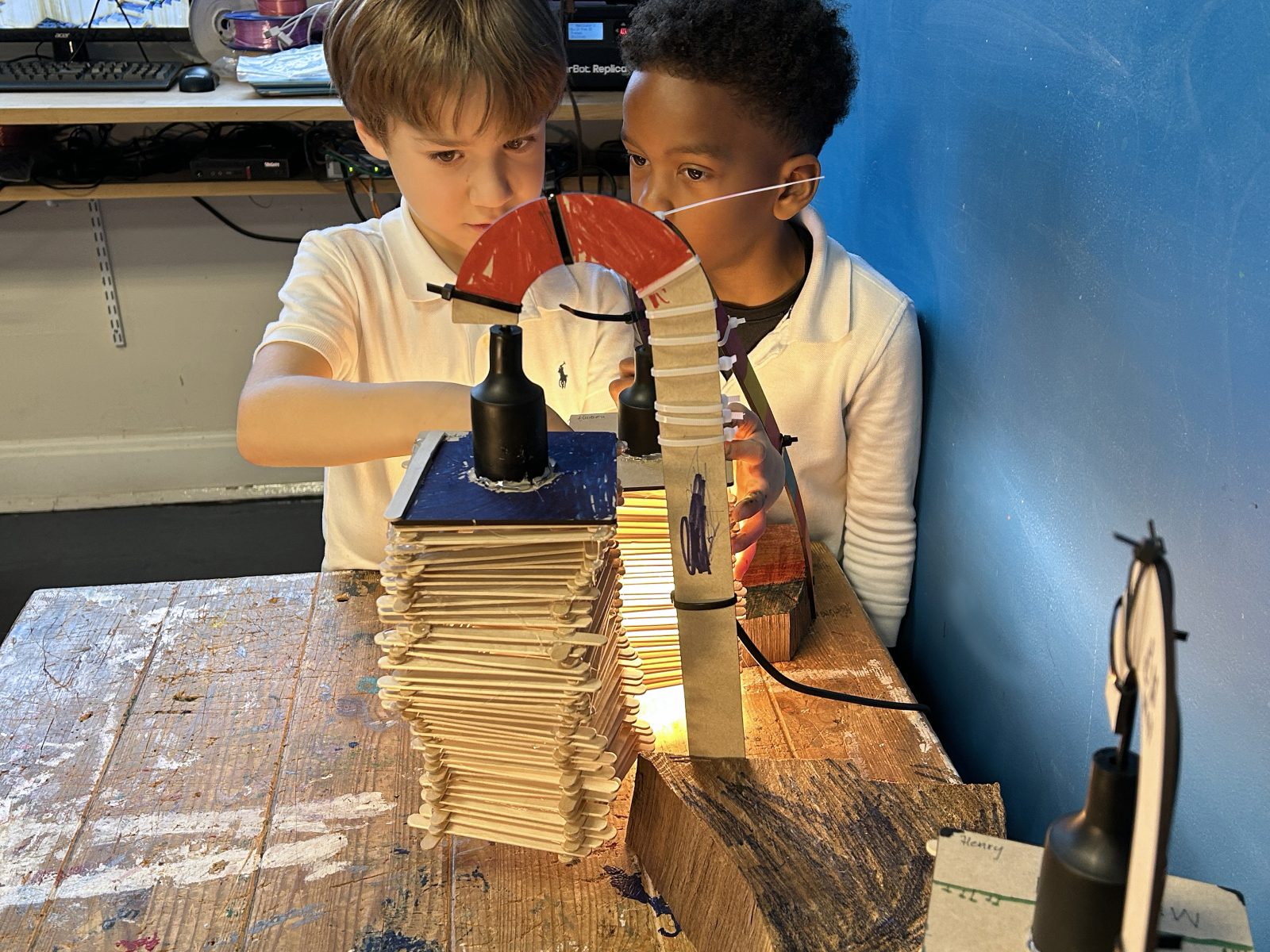
Making, unmaking, tinkering, designing, and problem-solving have long been part of learning at Unquowa. Today, our 1,500-square-foot MakerSpace gives students room to turn ideas into something tangible.
Students work with materials and tools ranging from wood, metal, and fabric to robotics, CAD software, and 3D printing. As they progress through the grades, projects become increasingly sophisticated, requiring students to plan, measure, build, test, encounter problems, and revise their thinking.
Making Across the Grades
Early Childhood
Children begin with materials, construction, simple tools, and open-ended design challenges.
Lower School
Making becomes increasingly connected to academic learning through engineering, CAD, circuitry, fabrication, and 3D printing.
Upper School
Students tackle more sophisticated robotics, engineering, fabrication, and independent design challenges requiring greater precision and iteration.
Visual & Performing Arts
The Arts Aren’t Extra. They’re Essential.
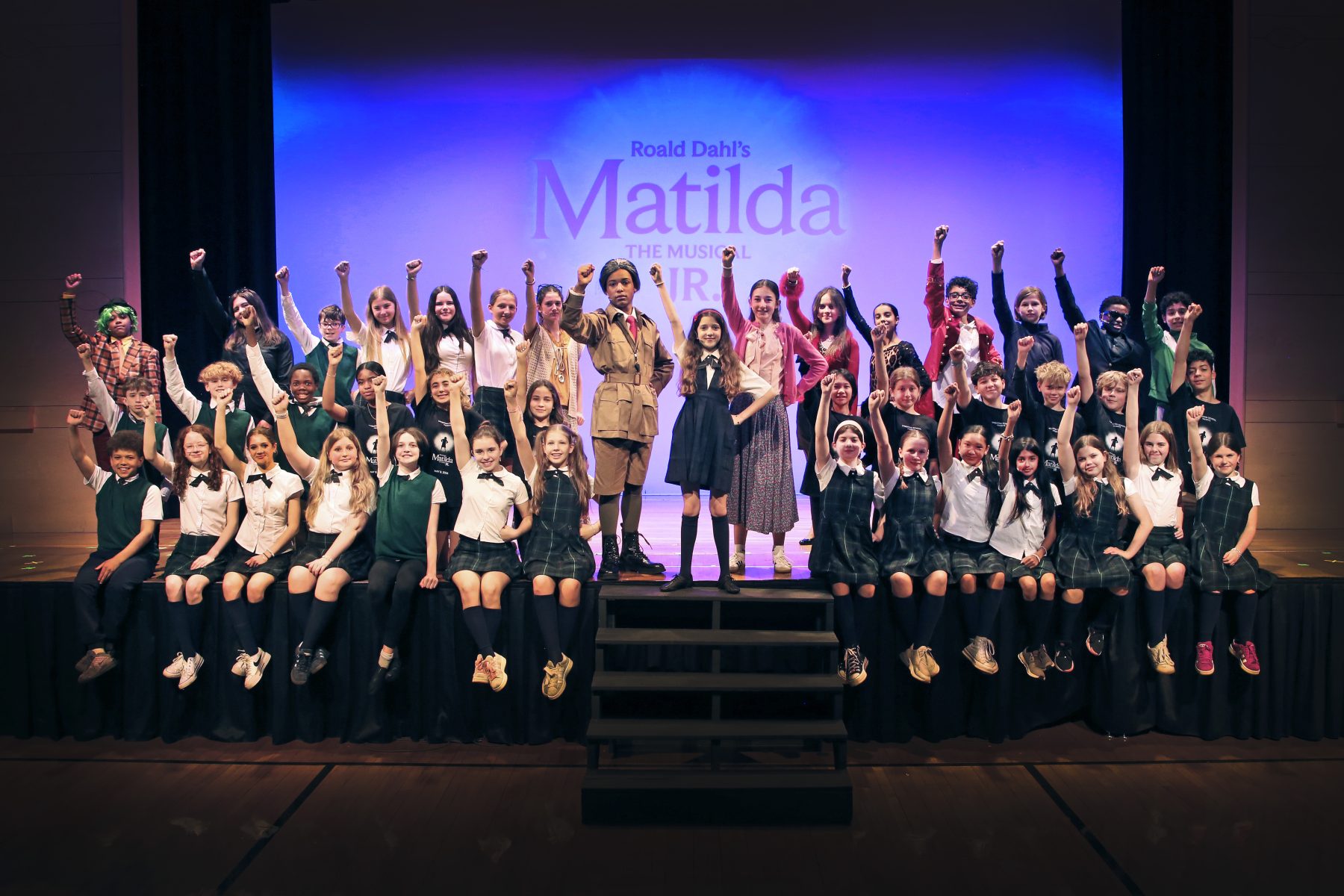
From PreK through Grade 8, visual and performing arts give students opportunities to observe closely, develop technique, communicate ideas, take creative risks, and discover their own voices.
Students work across visual art, music, drama, movement, and performance. As they grow, exploration develops into increasingly intentional creative work, greater technical skill, and the confidence to share original ideas with others. Your existing material already makes a strong case that artistic practice develops concentration, discipline, empathy, risk-taking, and confidence.
The Arts at Unquowa
Visual Arts
Drawing, painting, sculpture, ceramics, textiles, printmaking, photography, digital work, and other media introduce students to materials, artists, cultures, and visual traditions.
Performing Arts
Drama, movement, voice, and instrumental music begin in the earliest years. Reading and composing music become increasingly important as students develop ensemble skills, stage presence, and performance confidence.
Art Beyond the Studio
Use this space for current exhibitions, performances, visiting artists, museum partnerships, awards, and faculty expertise.
Farm-to-Fork Dining & Culinary Experiences
Food Is Part of Our Mission.
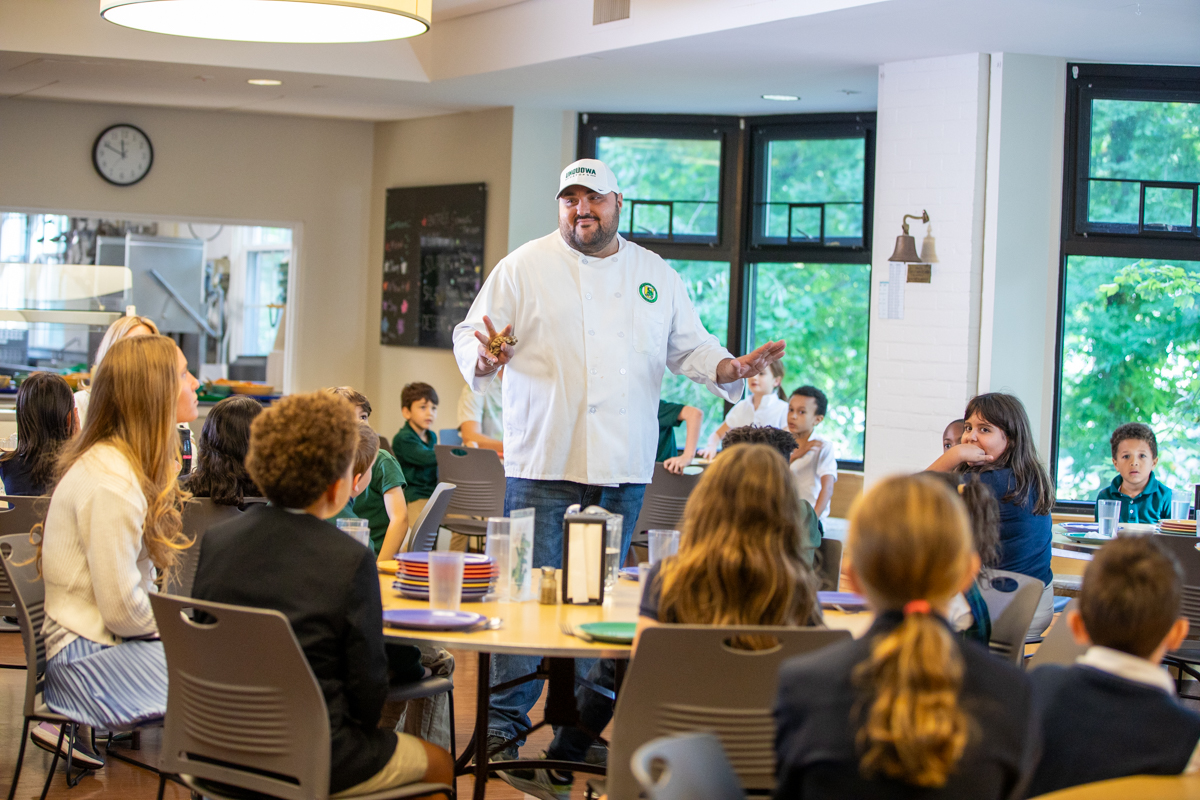
Every day, Unquowa students gather around the table for fresh, thoughtfully prepared food and something equally important: time together.
Our Farm-to-Fork program connects daily dining with the garden, sustainability, nutrition, culture, and community. Students dine family style, take turns serving, help care for their shared space, and experience firsthand that a community meal depends on everyone’s contribution.
From Garden to Table
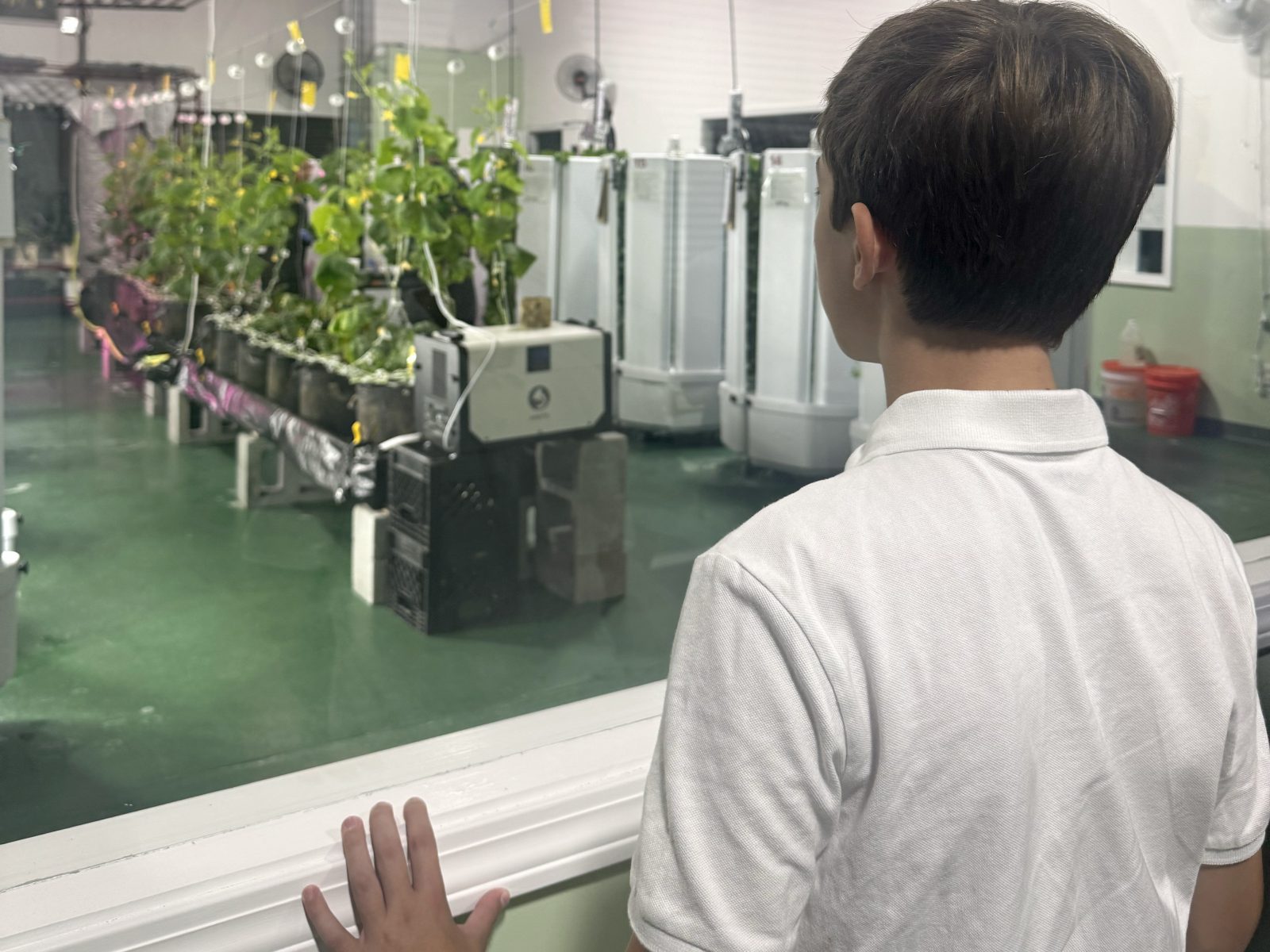
Students plant, tend, harvest, and investigate seasonal growth in our teaching garden. Food becomes a natural connection to science, ecology, measurement, culture, and environmental responsibility.
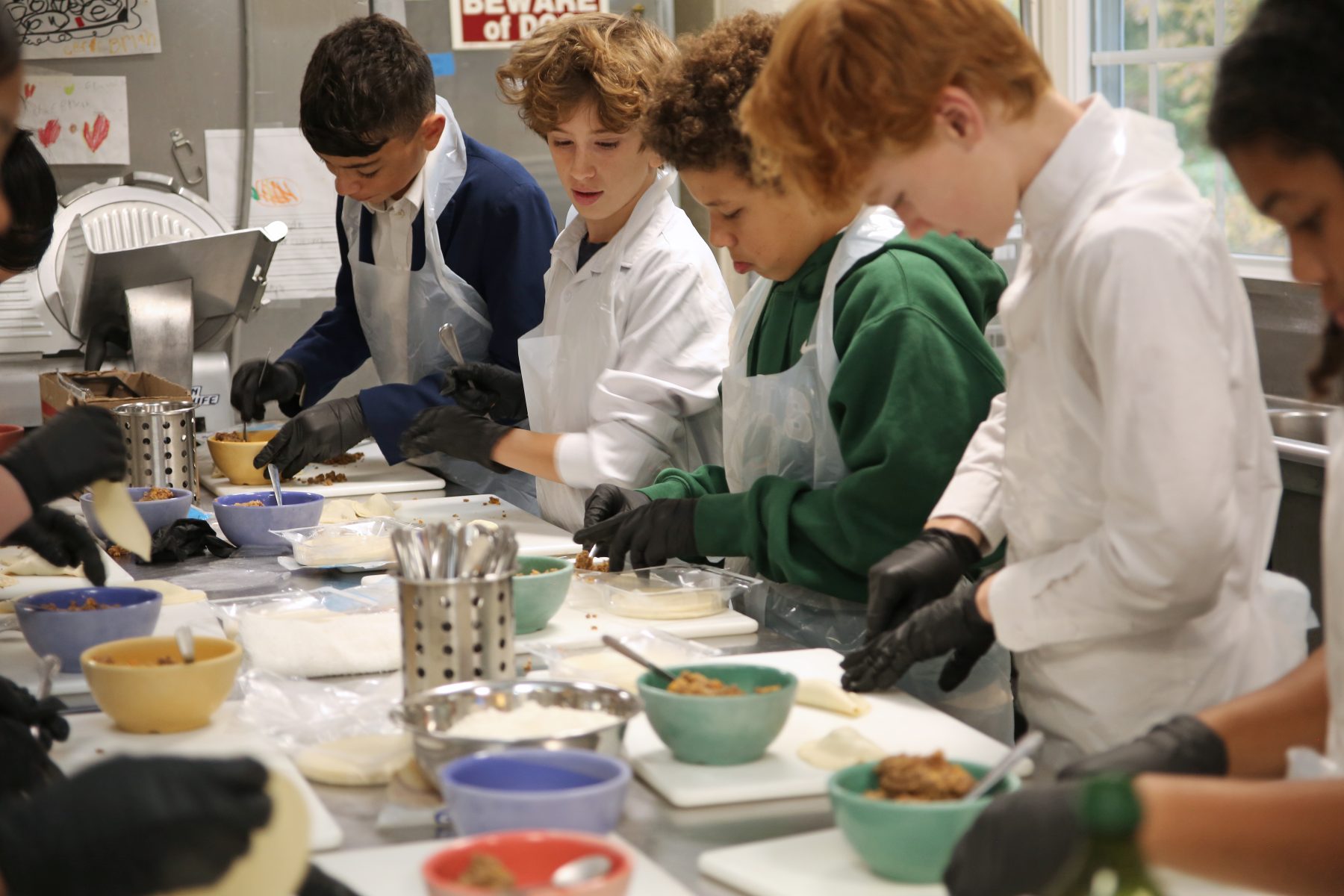
A Kitchen for Learning
Cooking can become an investigation of chemistry, mathematics, culture, sustainability, and creativity. Culinary experiences allow students to measure, experiment, taste, create, and understand where food comes from.
Outdoor Learning
The Natural World Is One of Our Classrooms.
Unquowa’s garden, woods, brook, and outdoor spaces give students direct access to movement, observation, investigation, and discovery.
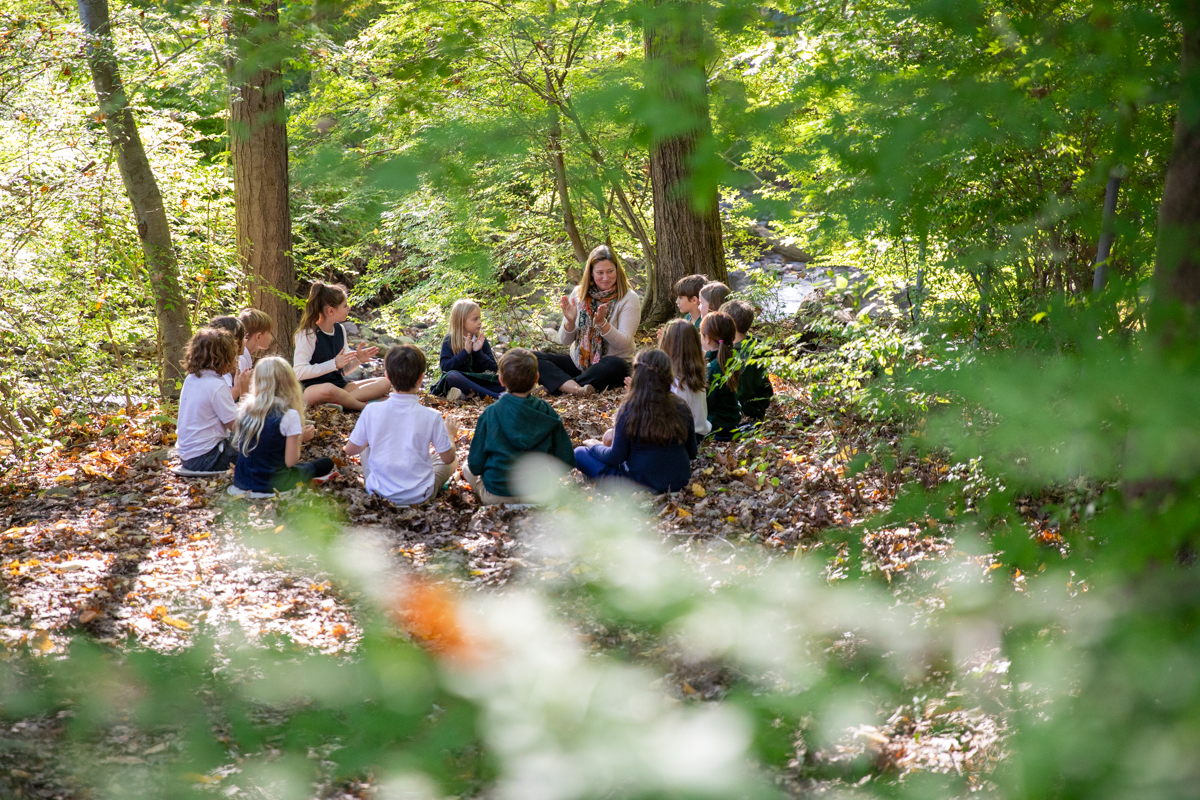
Outdoor learning isn’t limited to recess. Students use the campus for science, environmental study, art, mindfulness, physical education, and hands-on investigation. As they grow, simple observation develops into more sophisticated field study, data collection, environmental research, and stewardship.
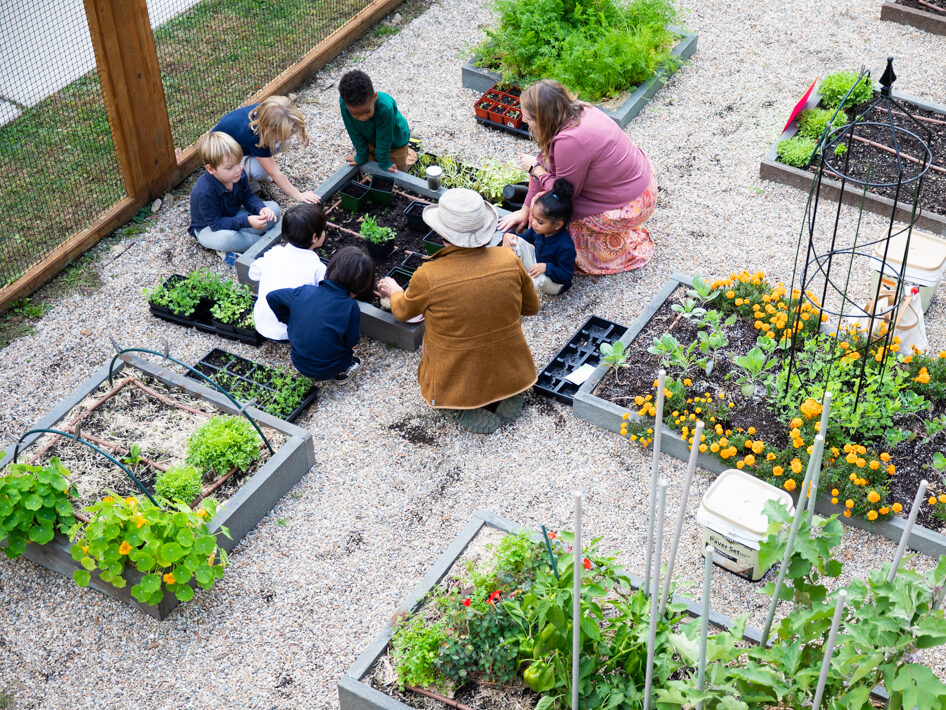
Garden
Food, ecology, seasonal change, and responsibility.
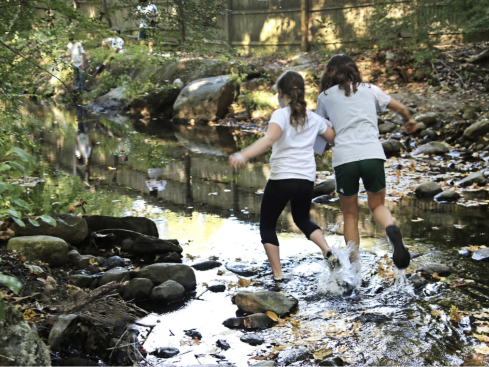
Brook
Water study, habitat observation, environmental science, and data collection.
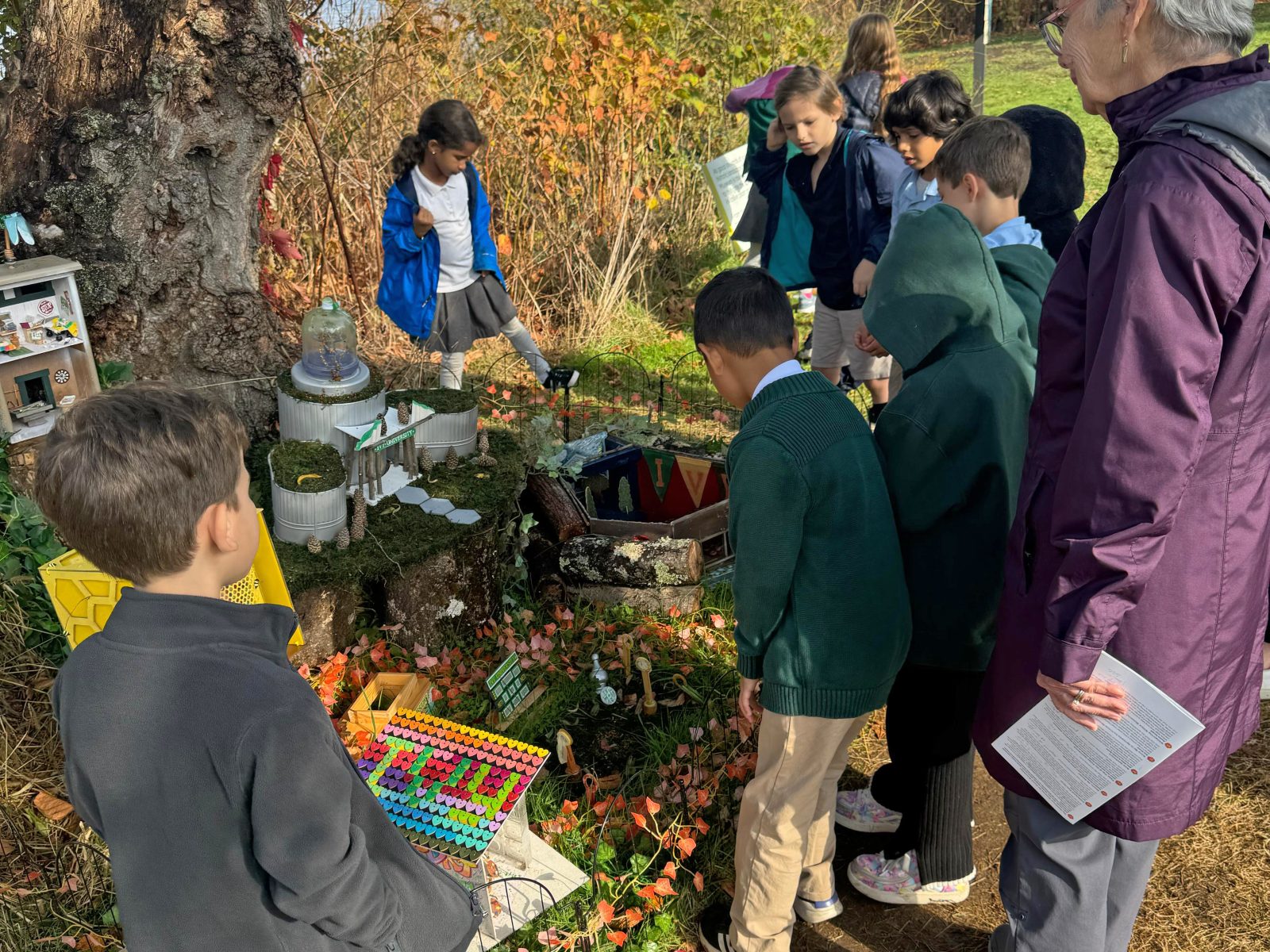
Woods
Nature exploration, field study, creativity, movement, and reflection.
Beyond Campus
Field experiences extend environmental and experiential learning throughout the region.
Technology With Purpose
Knowing When to Use Technology Matters as Much as Knowing How.
The question isn’t whether children will use technology. They will. The more important questions are when, why, and how.
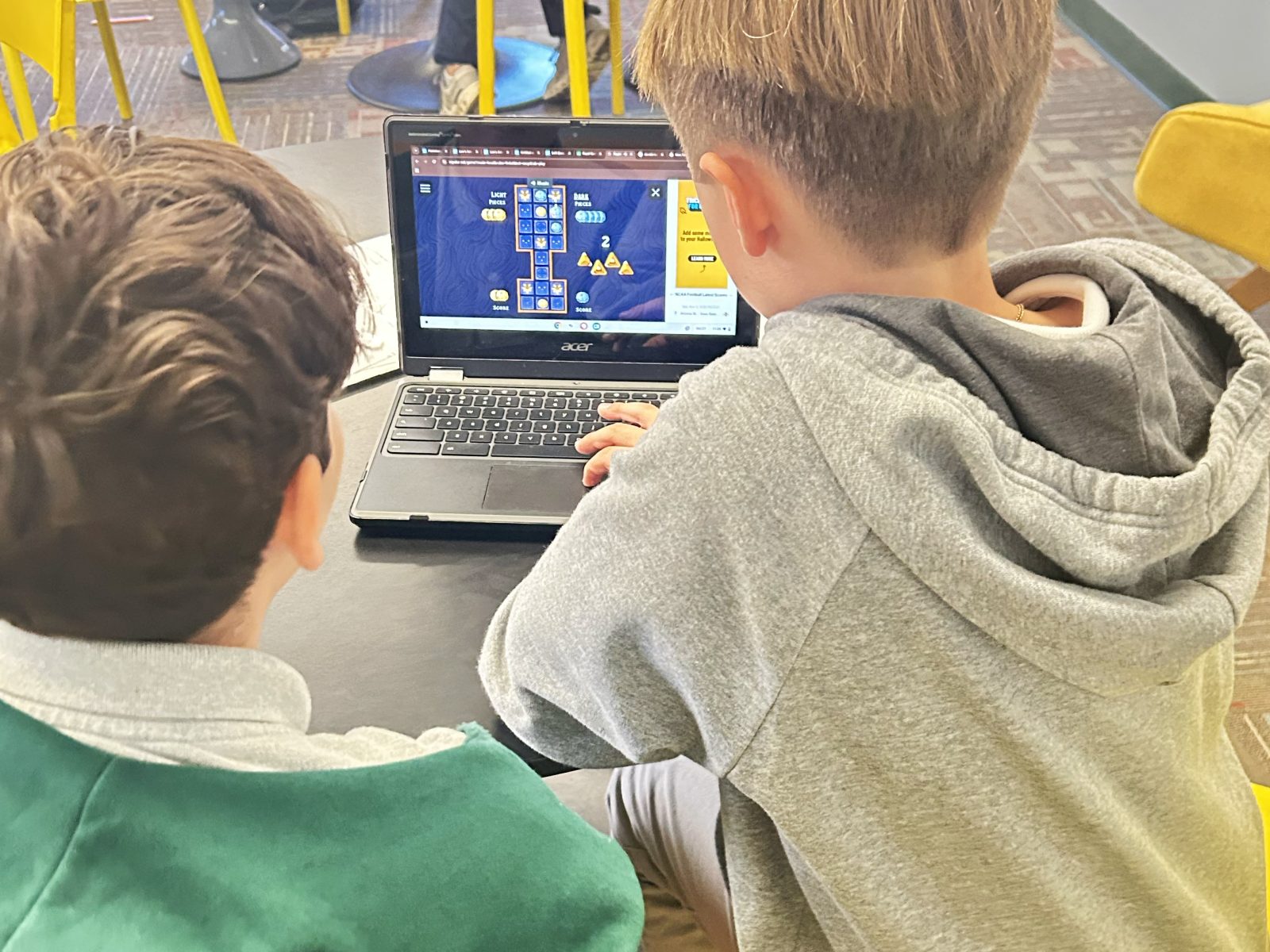
At Unquowa, students first build foundations through conversation, books, handwriting, physical materials, movement, direct experience, and hands-on problem-solving. Digital tools are introduced progressively when they can meaningfully expand creation, research, engineering, collaboration, and communication.
EARLY YEARS
Build the Foundations
Hands-on materials, books, writing, conversation, movement, and direct experience remain central.
→
LOWER SCHOOL
Build Digital Fluency
Students progressively develop skills in keyboarding, research, digital citizenship, organization, and technology-based creation. Robotics begins in Grade 4.
→
UPPER SCHOOL
Use Technology as a Tool
Macbook Neos support writing, research, collaboration, digital creation, robotics, CAD, communication, and increasingly sophisticated academic work.
Mindfulness
Focus, Reflection, and Resilience.
Mindfulness has been part of Unquowa’s school-wide approach since 2013, giving students practical ways to direct their attention, reflect, navigate transitions, and respond thoughtfully to challenges.
Developmentally appropriate practices such as gratitude circles, mindful walks, guided listening, breathing, reflection, and Upper School advisory are woven naturally into the rhythm of school life.
Mindfulness in Practice
Gratitude Circles
Reflection and appreciation.
Mindful Walks & Guided Listening
Attention to surroundings and the natural world.
Breathing & Reflection
Simple strategies for focus and transitions.
Advisory & Homeroom
Reflection and thoughtful decision-making as independence grows.
One Education. Many Ways to Learn.
MakerSpace, the arts, outdoor learning, Farm-to-Fork dining, mindfulness, and purposeful technology may look very different from one another, but they share the same idea: children learn deeply when they have opportunities to experience, apply, question, create, and reflect.
At Unquowa, these aren’t separate programs competing for space in a child’s day. Together, they create an education that develops capable learners, creative thinkers, thoughtful community members, and young people ready to engage confidently with what comes next.
See what learning looks like at Unquowa.
The best way to understand our program is to experience it during the school day.