

Welcome to Spaces and Moments: The Unquowa Blog Page
Something is always going on at Unquowa and this is the place to keep up with all the exciting happenings. Whether in the classroom, the makerspace, on stage, or at play, every space and every moment is a chance to discover, connect, learn, and have fun. Check here frequently for news, campus-wide events, and other highlights from around campus, all posted by our inspiring teachers!
Understanding Ancient Egypt
Posted by Thomas Iezin
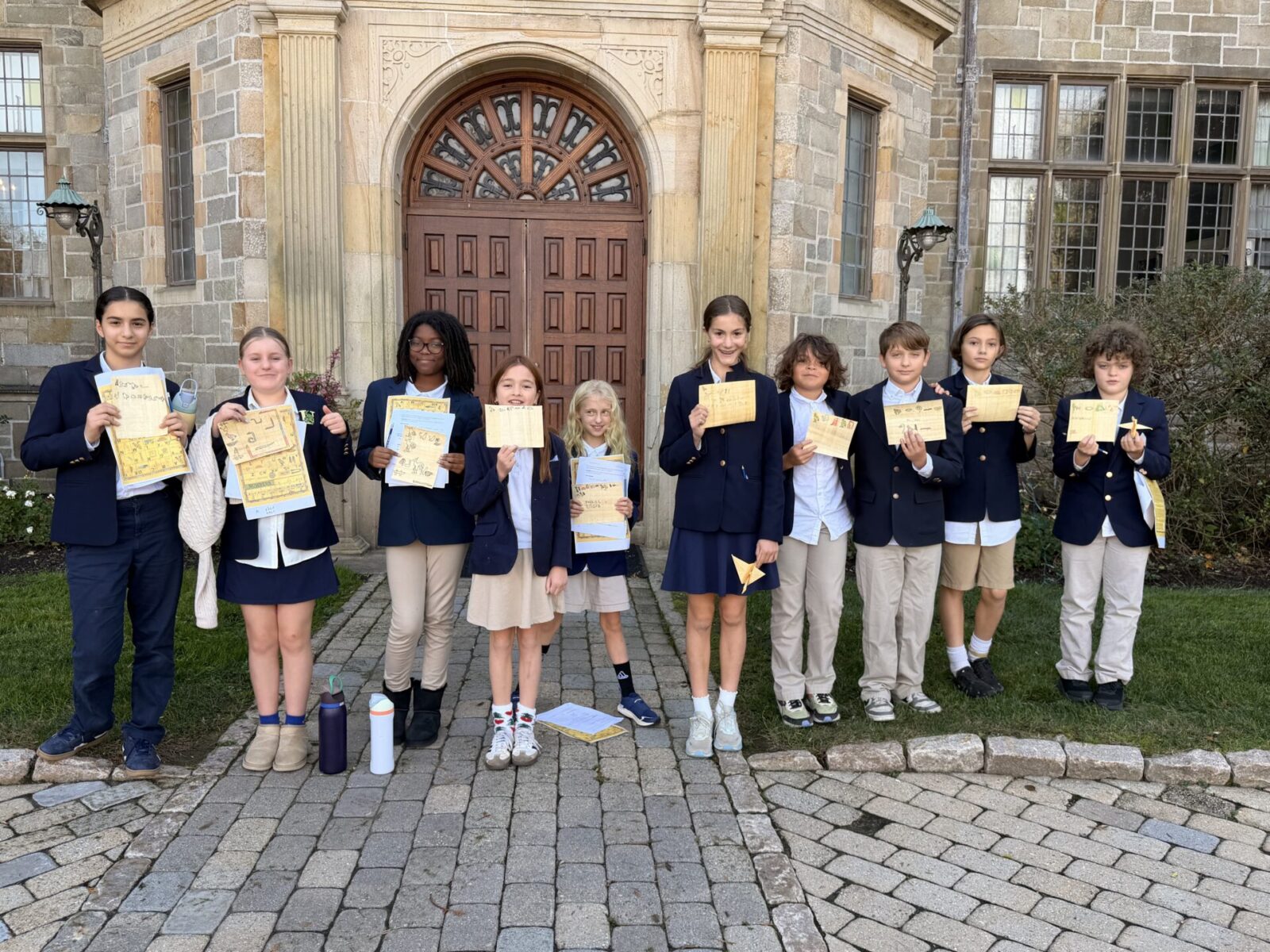
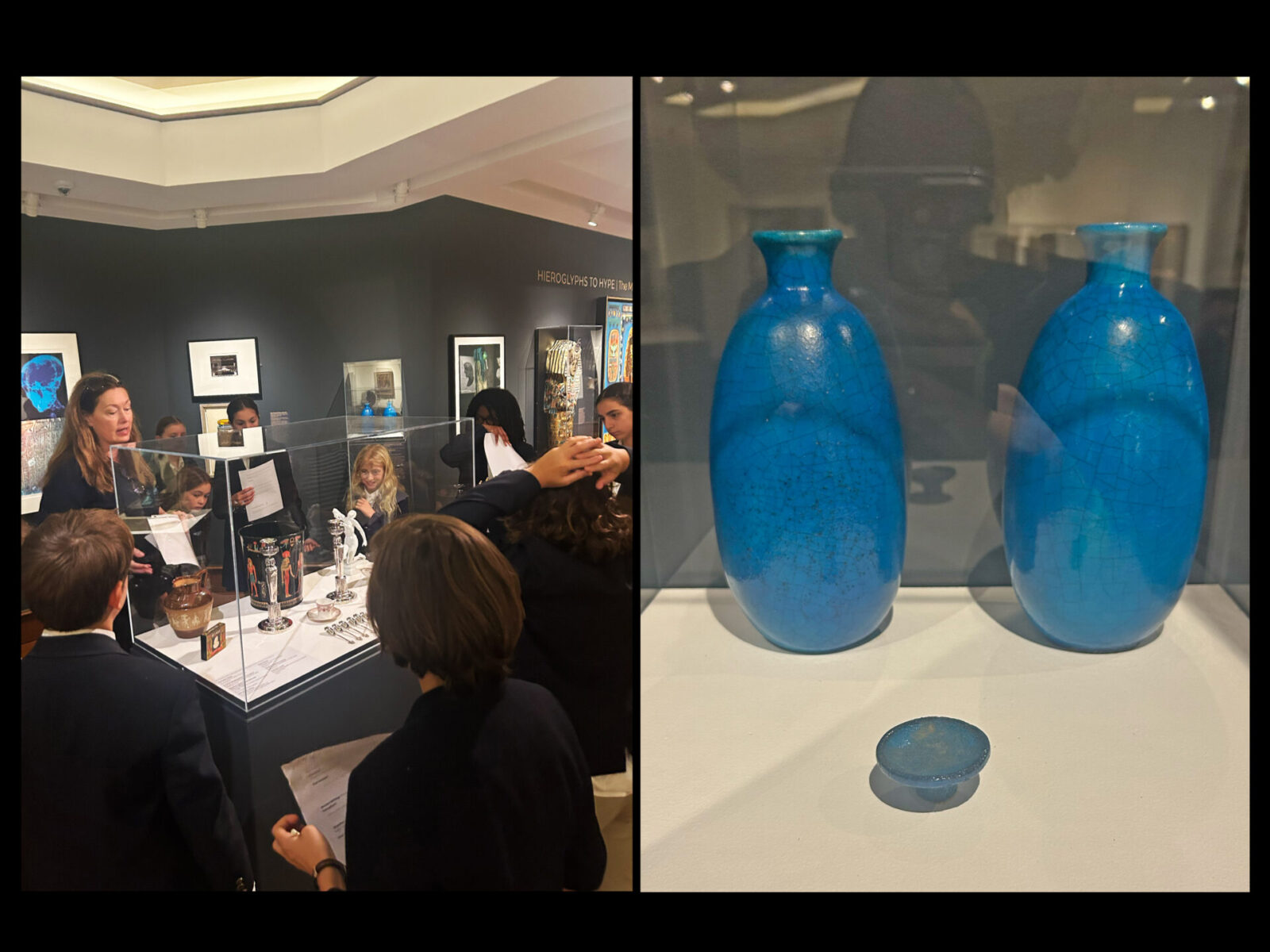
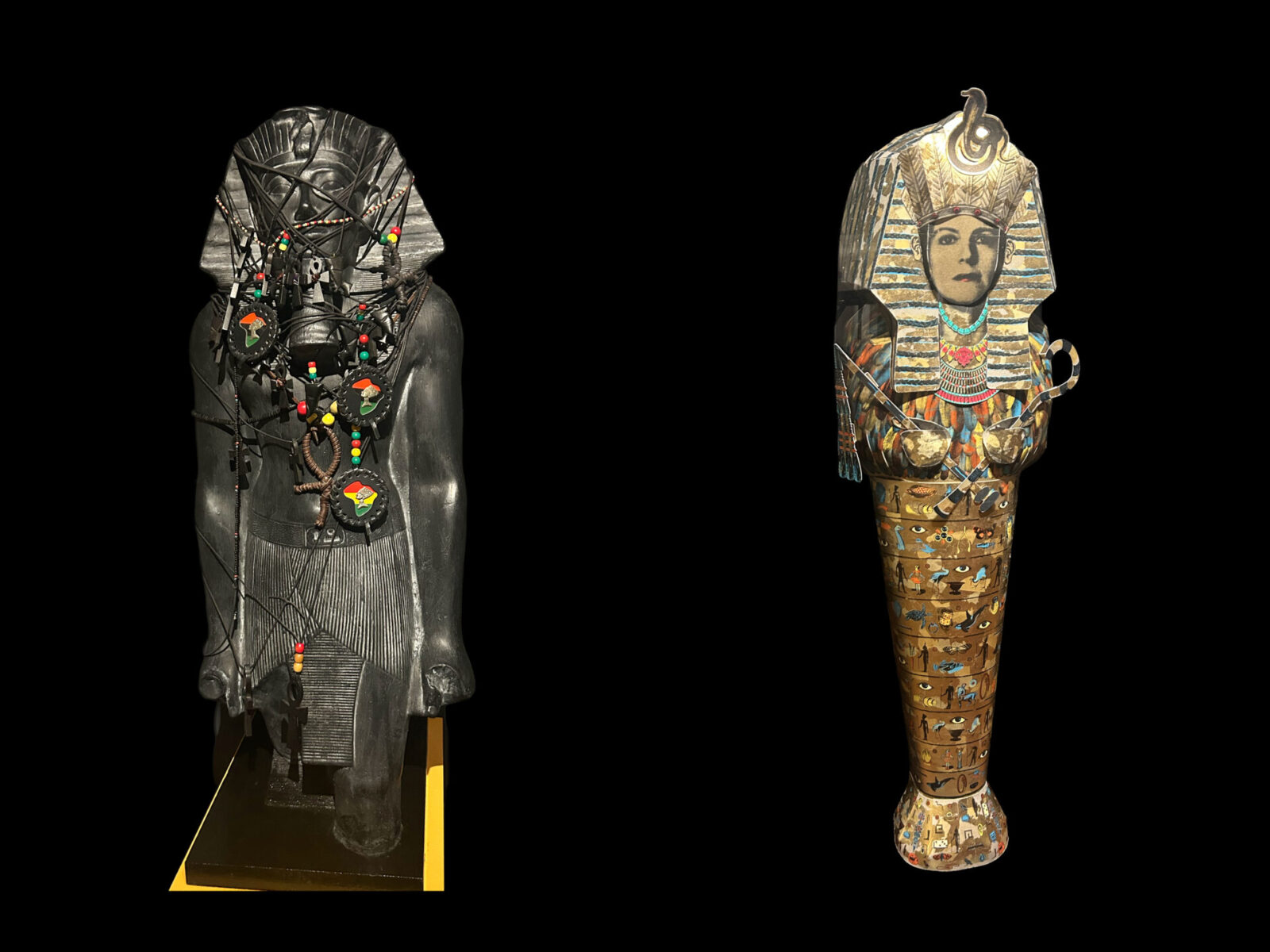
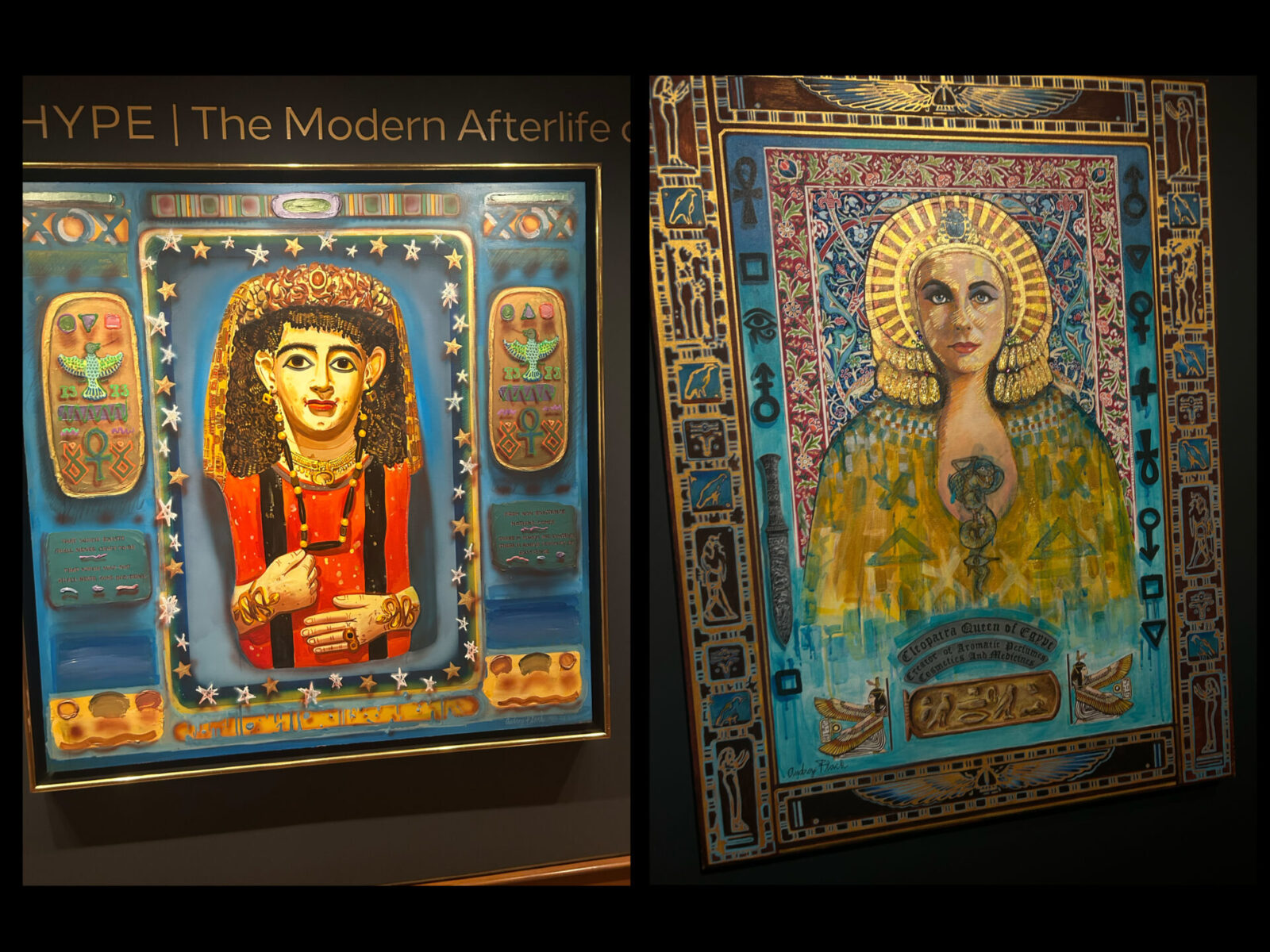
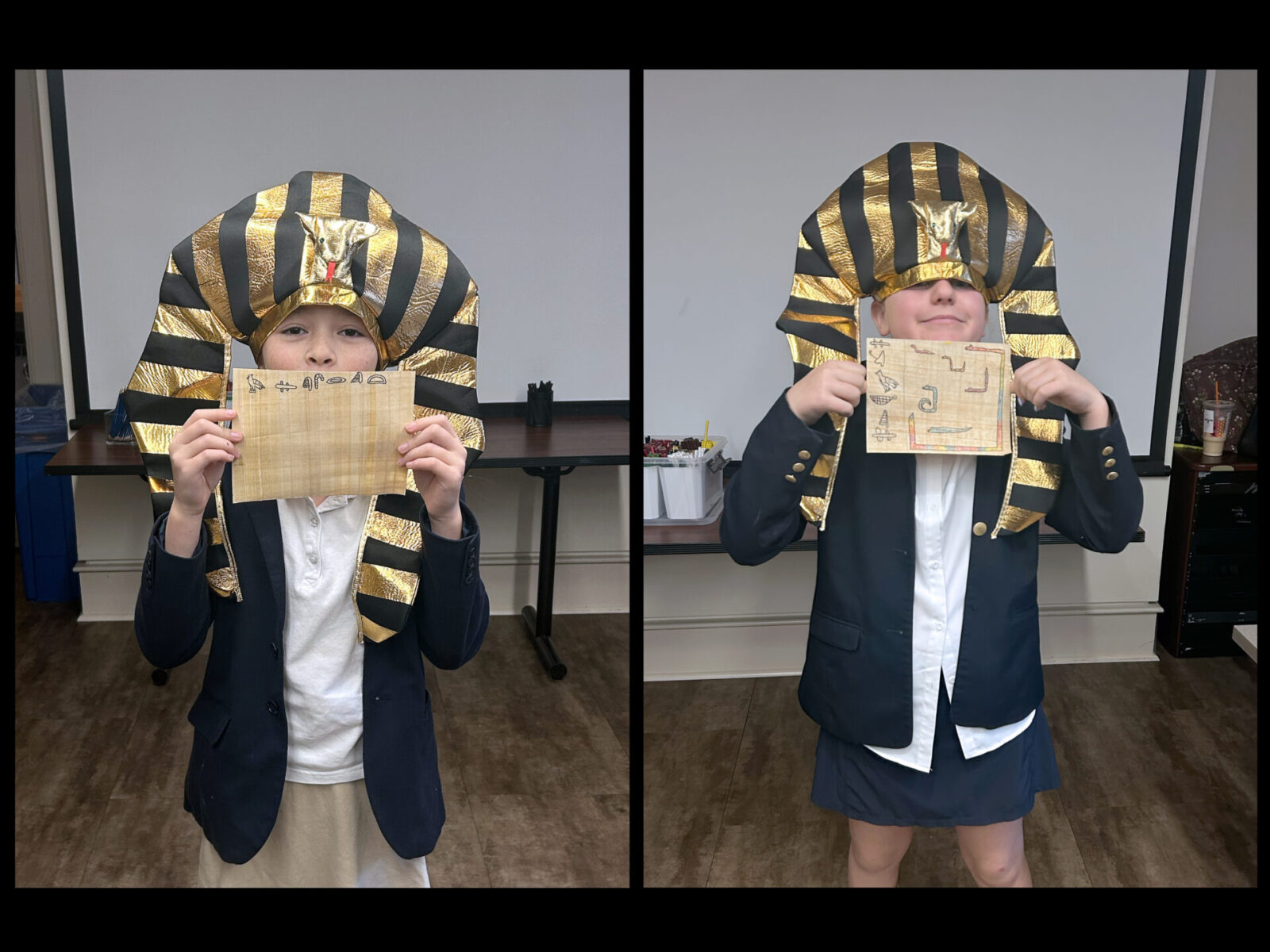
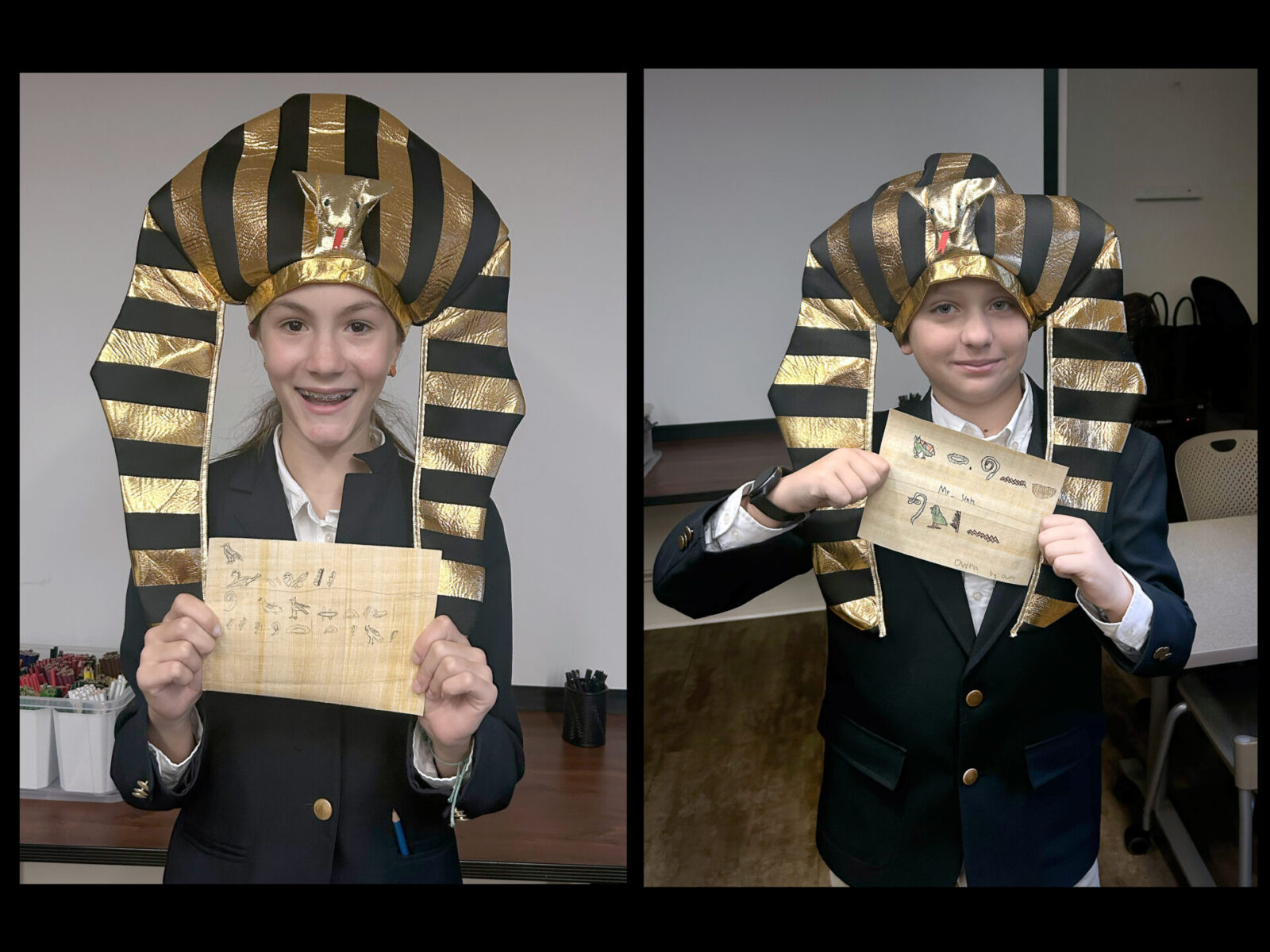
Sixth Grade Humanities class recently visited Fairfield University to explore how modern art has influenced society’s understanding of Ancient Egypt and to challenge some common misconceptions. Students learned about those misconceptions surrounding mummification, including the idea that mummies are cursed. They also discussed why referring to these individuals as mummified people is more historically accurate and respectful than simply calling them mummies.
During the exhibition, students examined a variety of works of art, searching for symbols and imagery connected to Ancient Egypt and exploring how these elements have been incorporated into modern art.
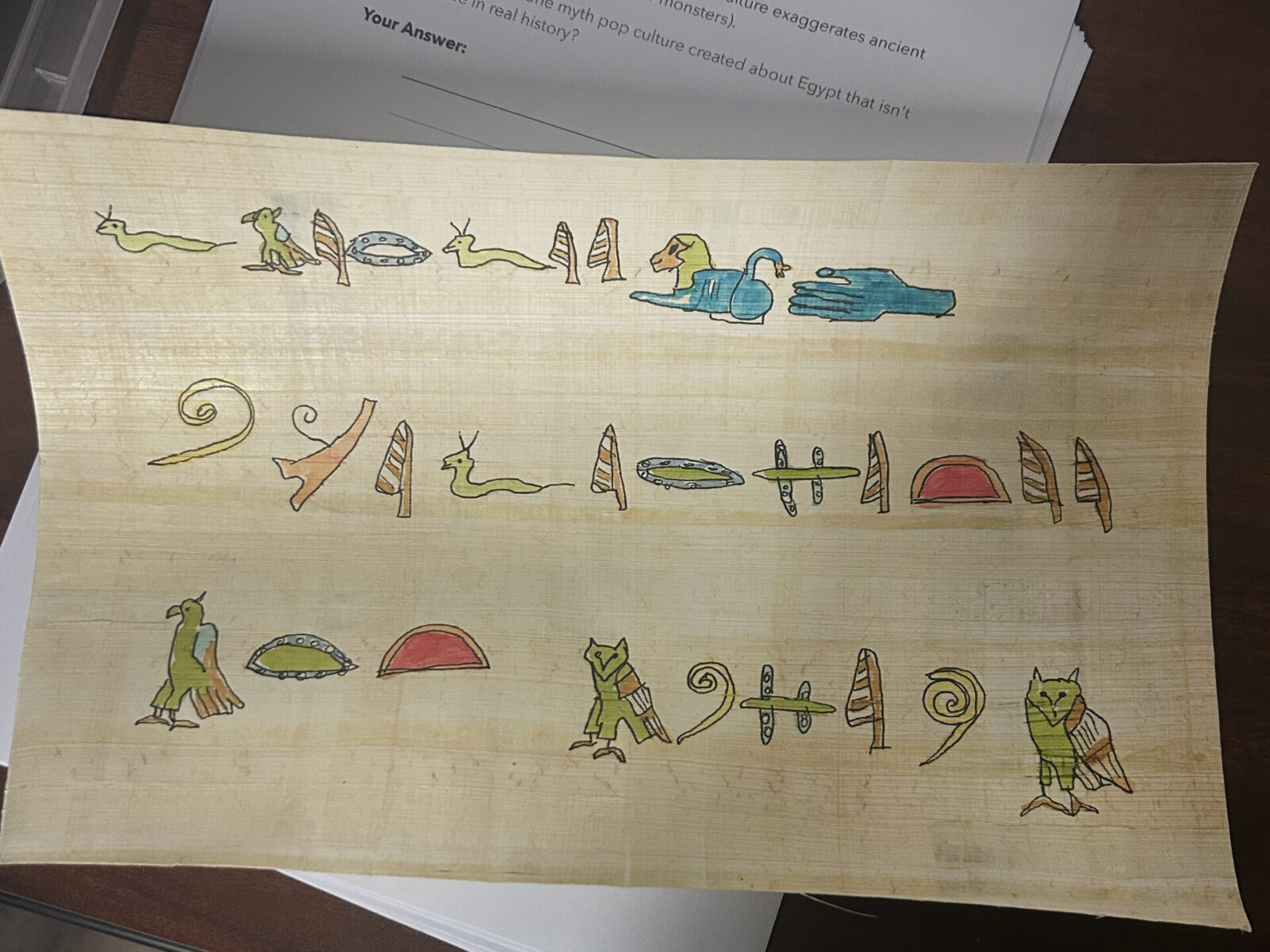
Following the exhibition, students had the opportunity to write on authentic papyrus paper, similar to the material used by Ancient Egyptians. Using hieroglyphics, they created their own messages and brought a little piece of ancient writing to life.
Just another fun and engaging way we bring history to life in 6th Grade Humanities!
SHAPE: Building Skills for Life
Posted by Sarah Pollex
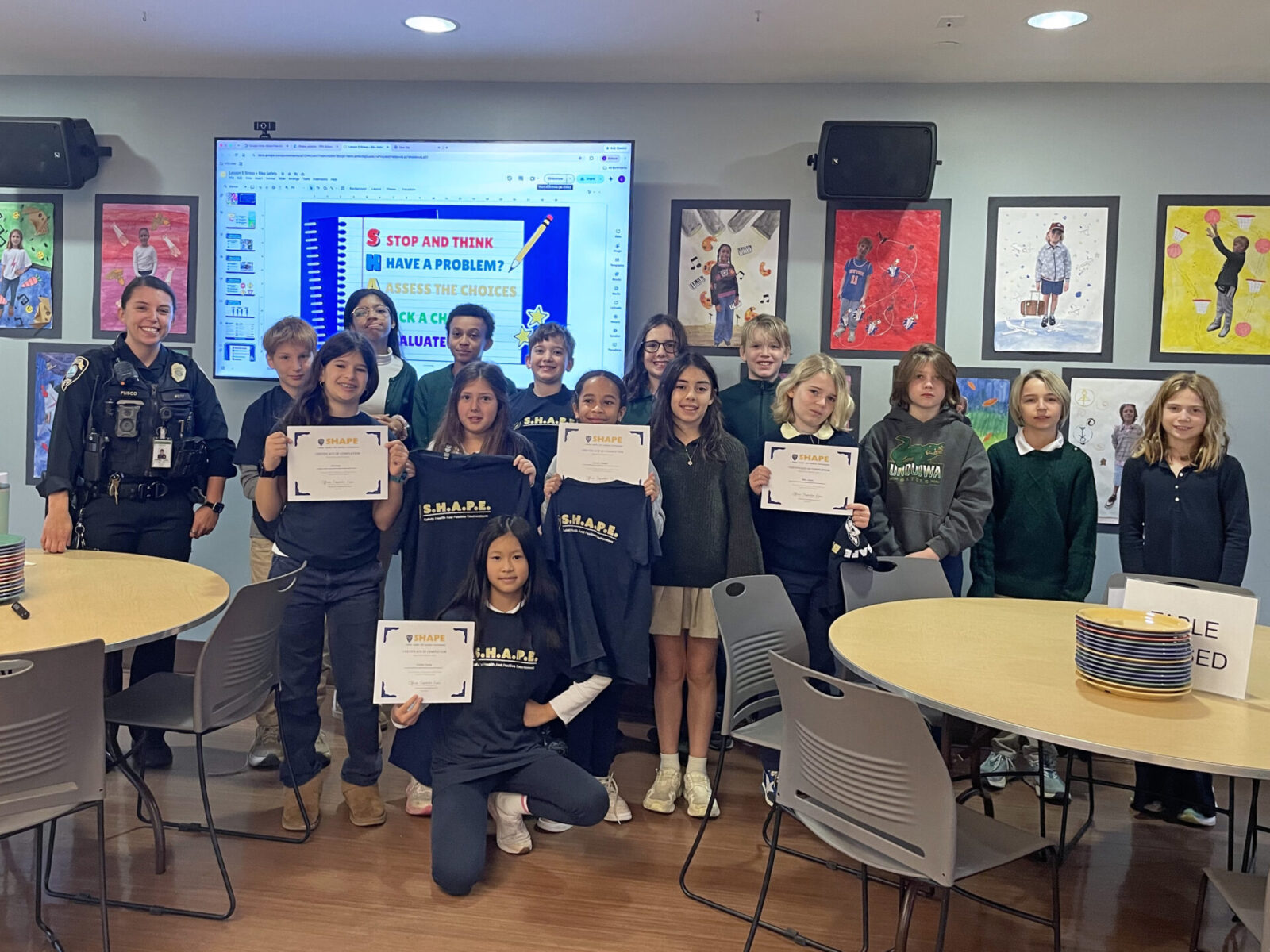
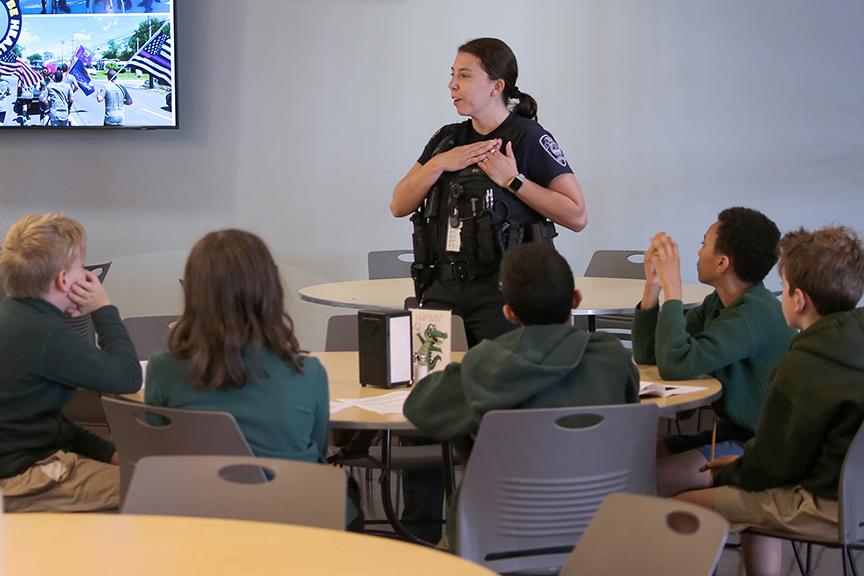
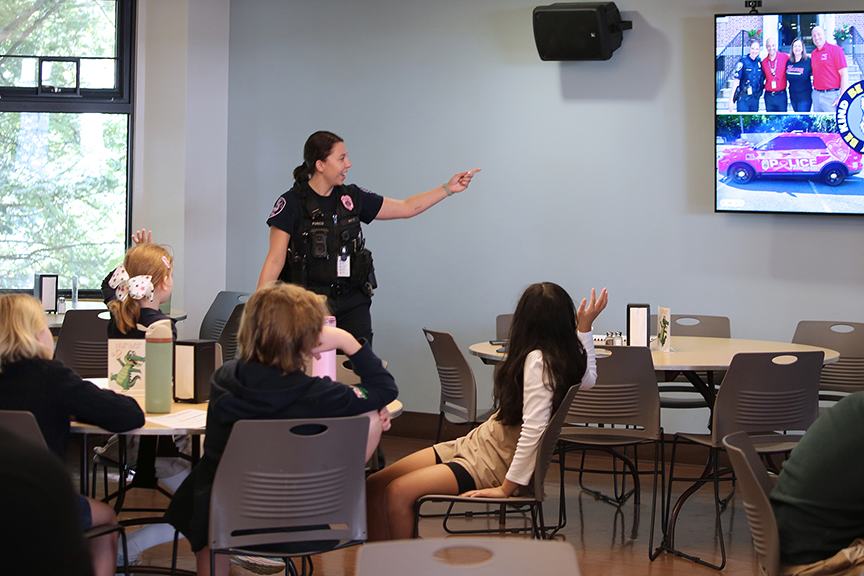
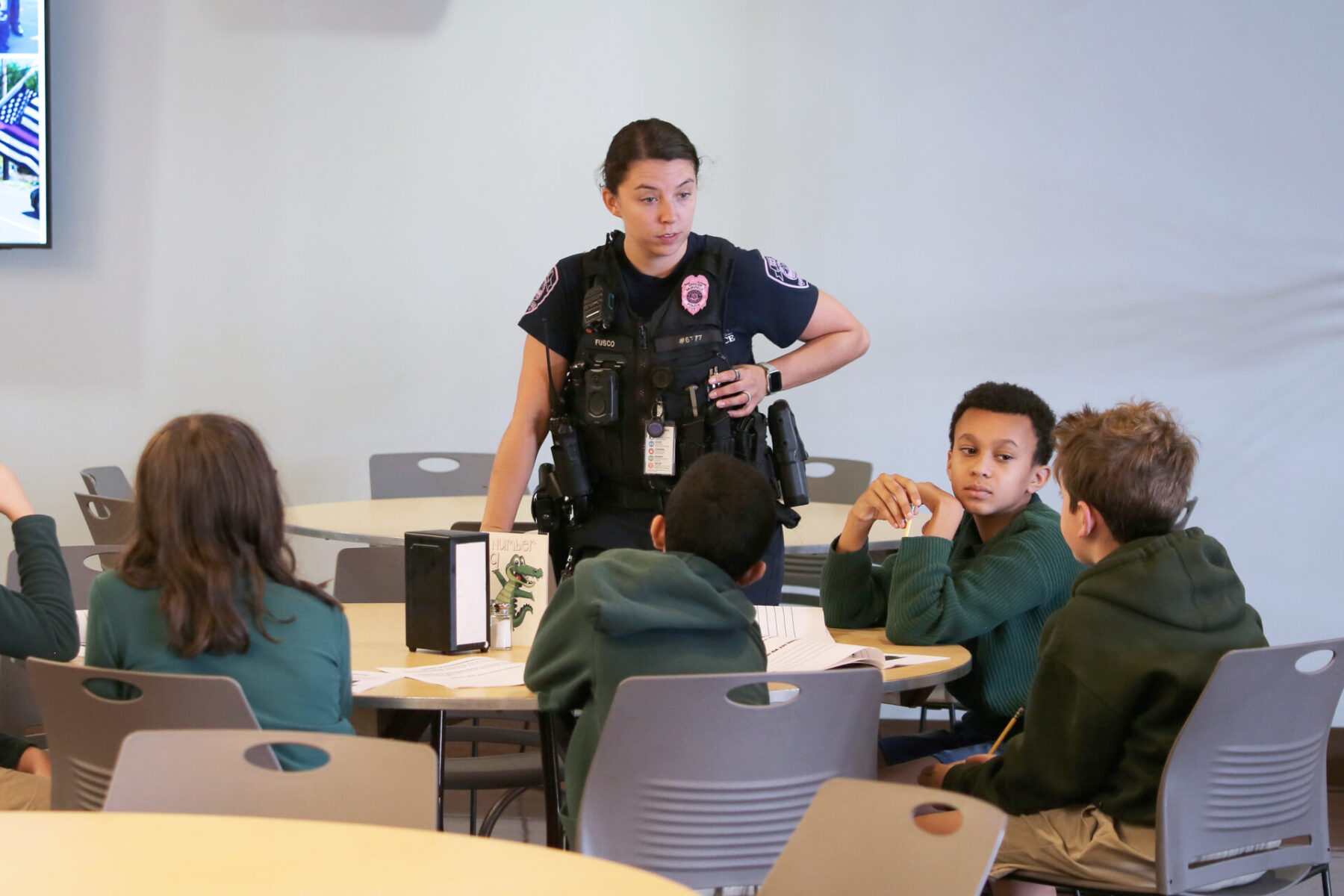
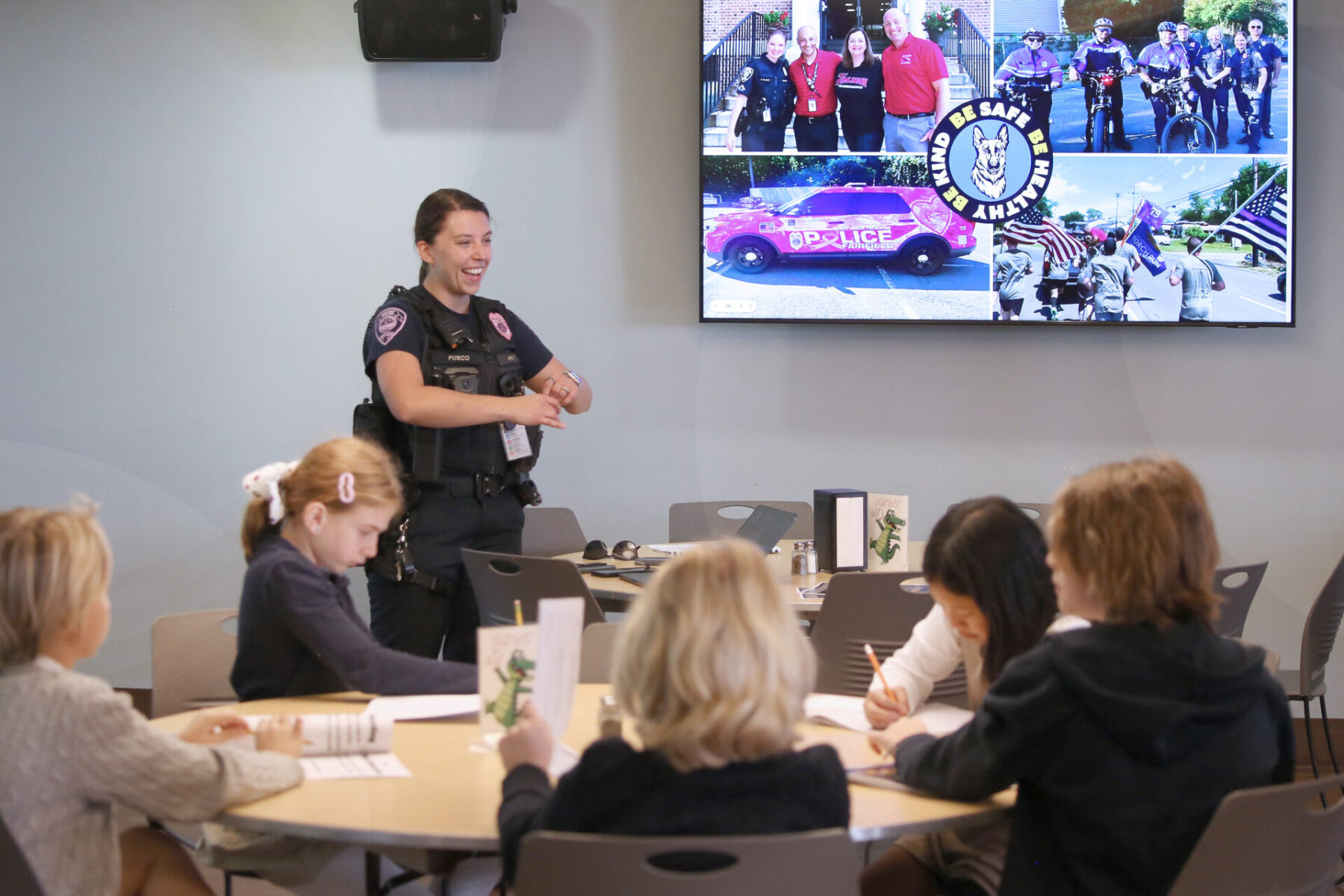
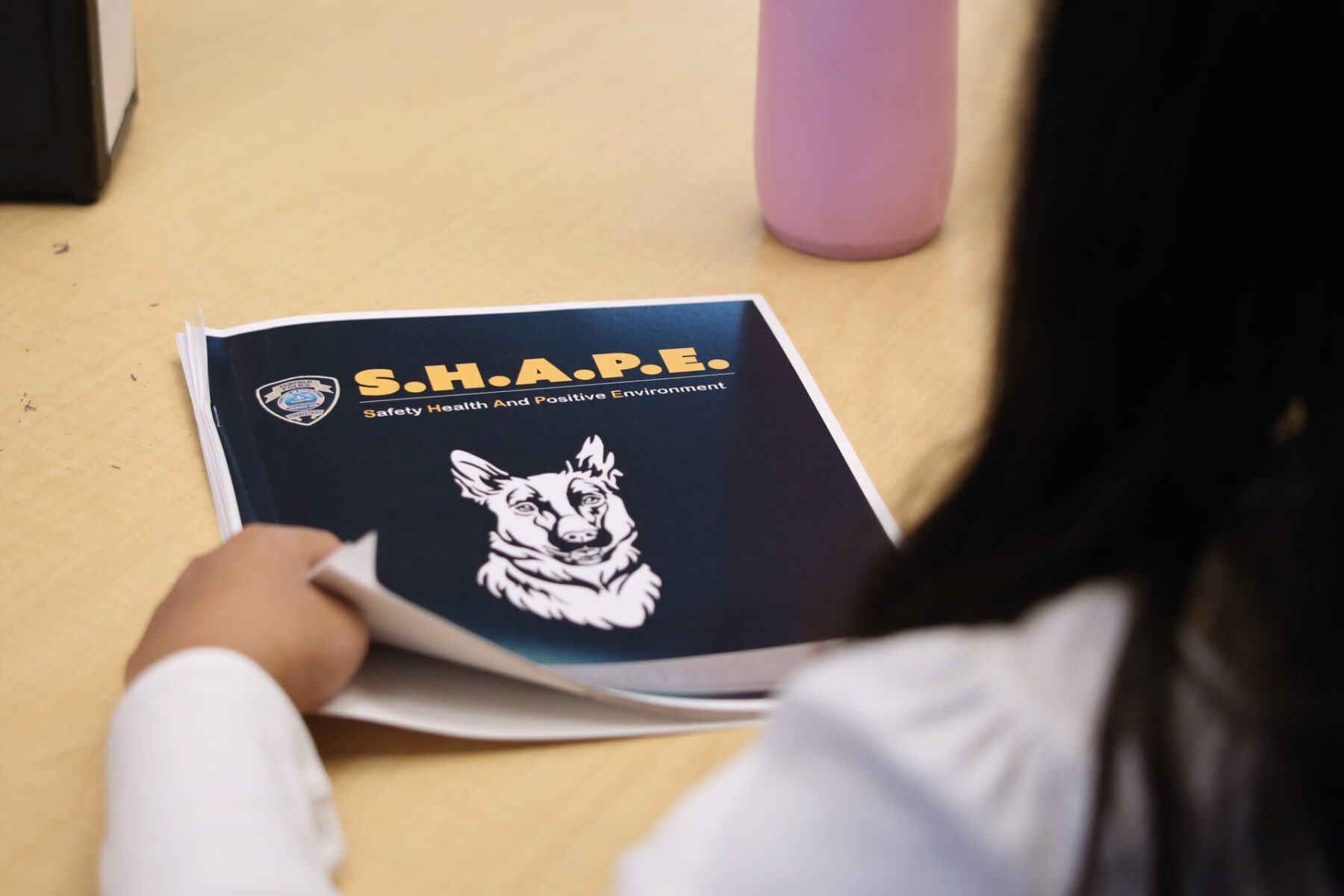
Our 5th graders have gained valuable tools to help them navigate everyday challenges through the SHAPE (Safety, Health, and Positive Environment) program, led by Officer Cassandra from the Town of Fairfield Police Department. Through thoughtful conversations and interactive role-playing activities, students learned how to make responsible choices, communicate effectively, handle peer pressure, and navigate the online world safely. These lessons encourage students to think critically, support one another, and build confidence in challenging situations. Thank you, Officer Cassandra, for helping our Gators develop skills that extend far beyond the classroom!
Measuring Density
Posted by Joshua Bartosiewicz
-
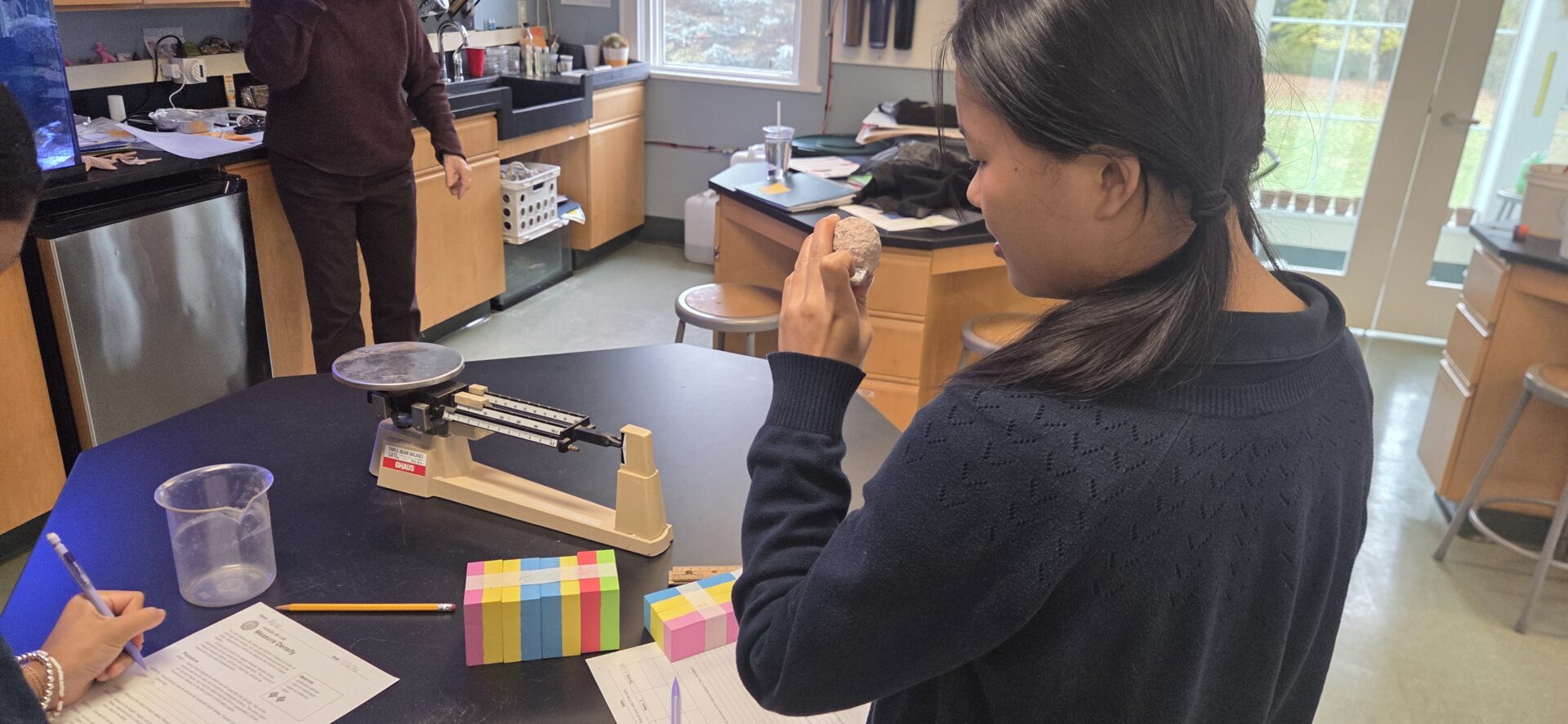
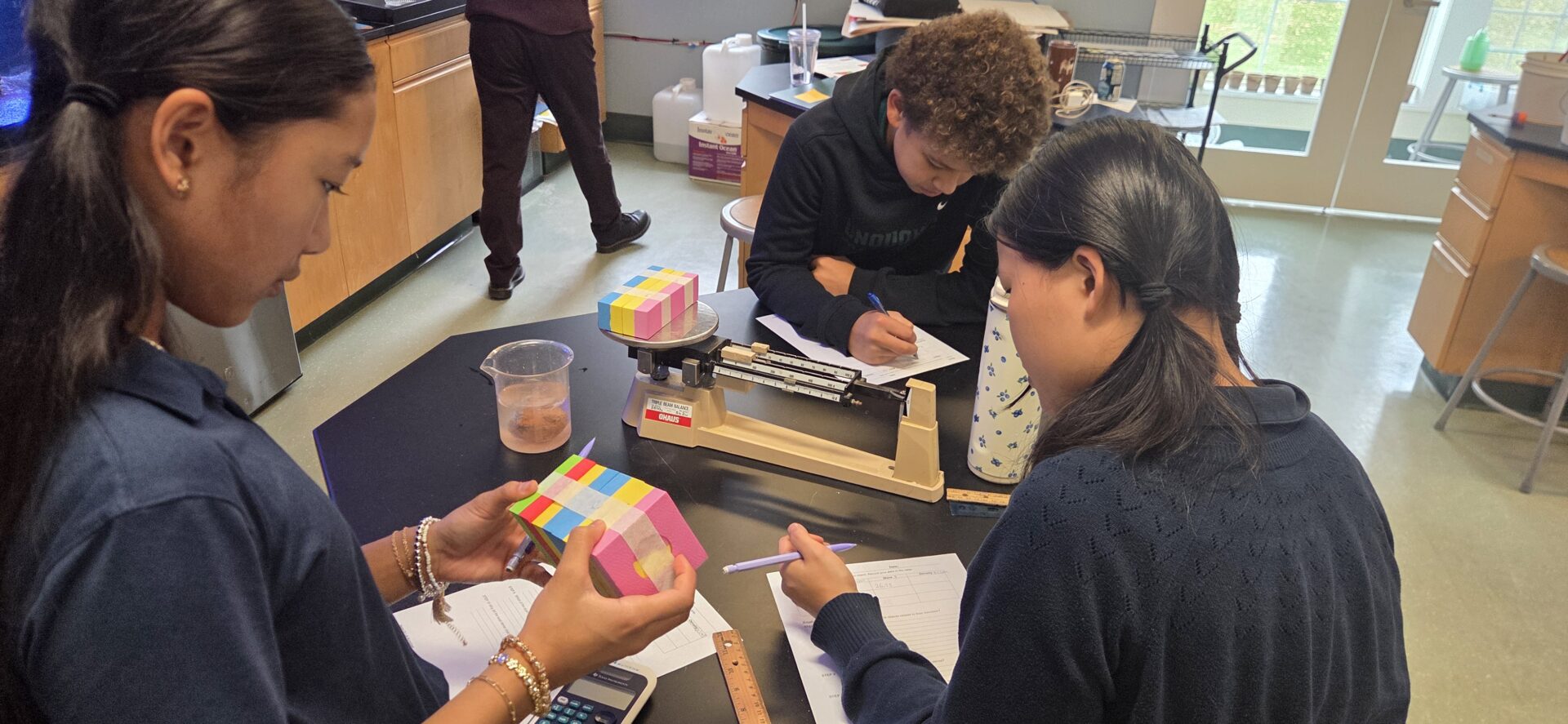
- Observing the objects before taking the mass and volume to calculate the density.
-
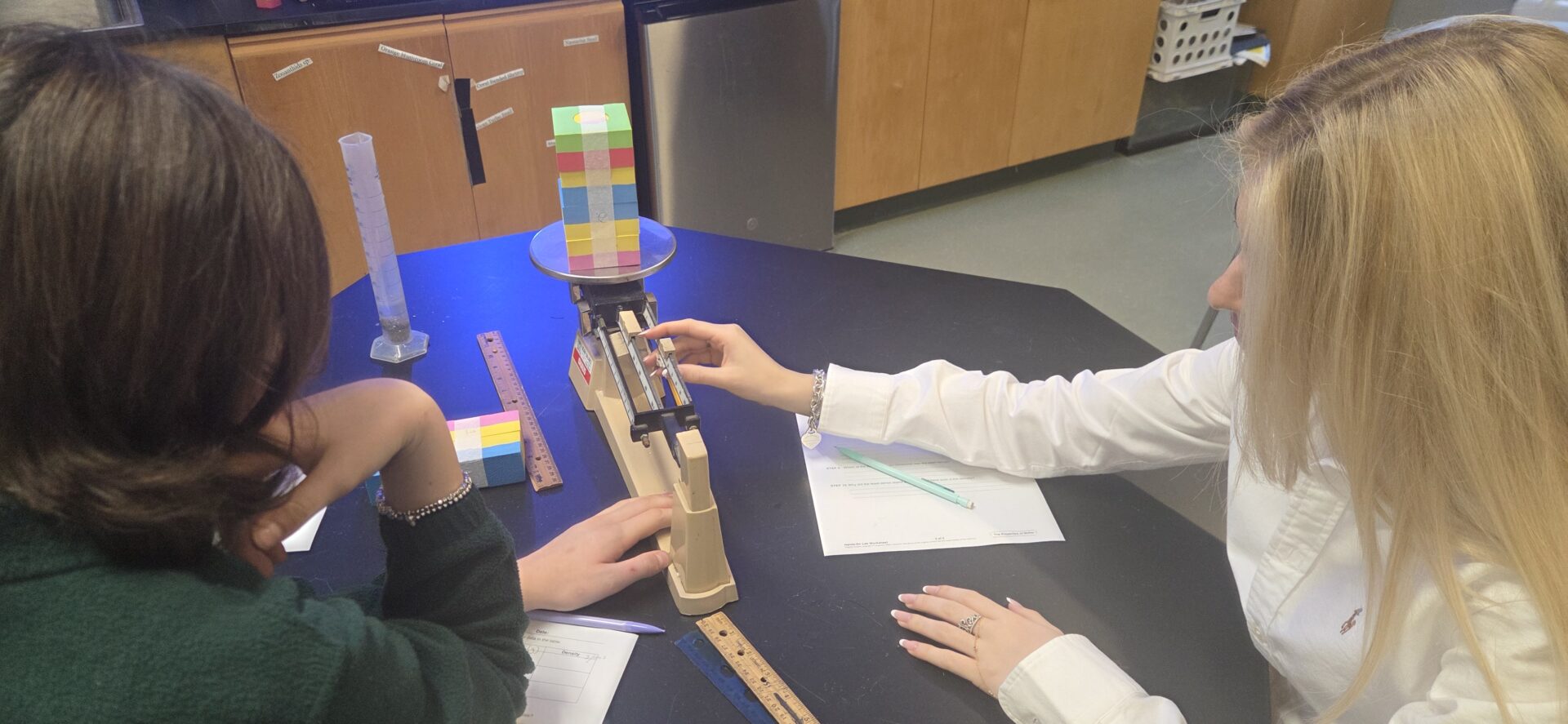
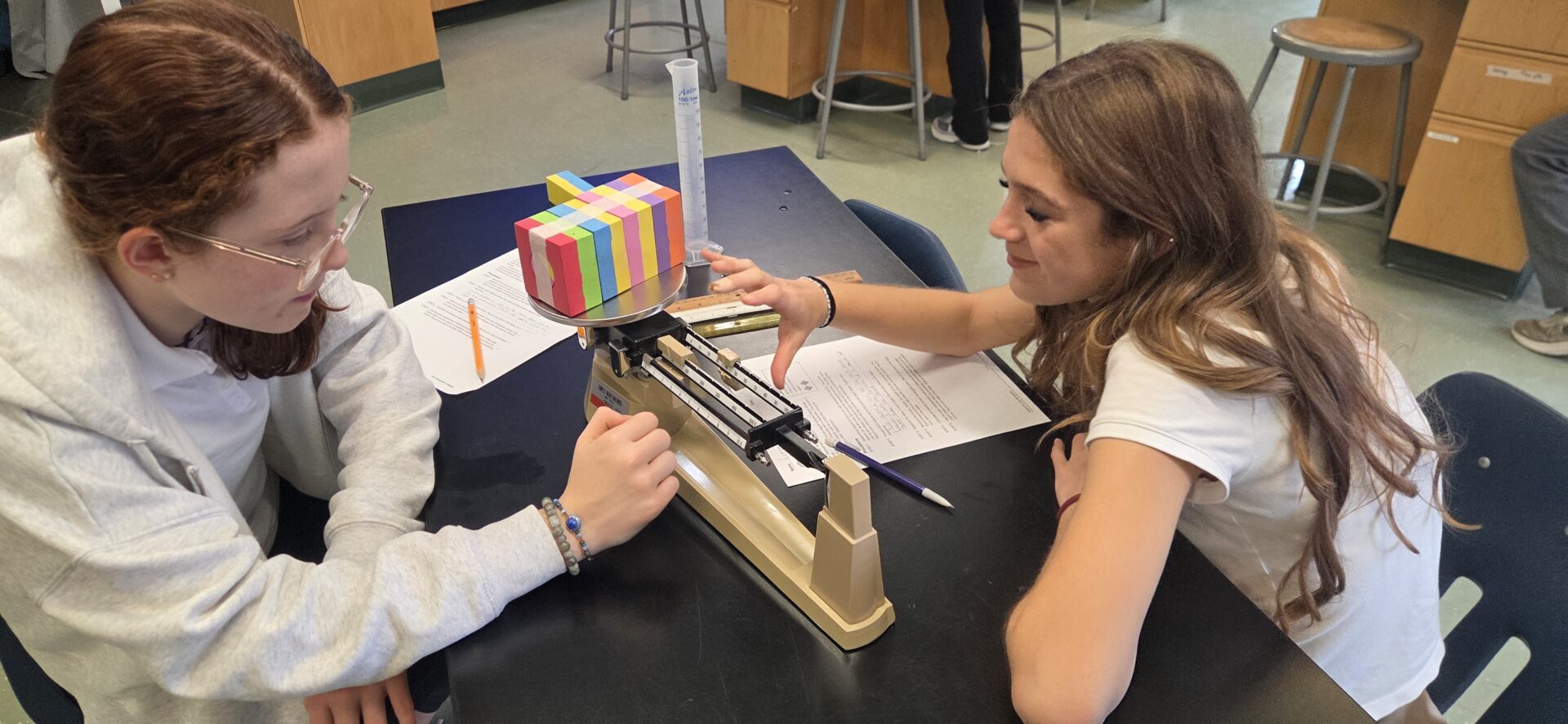
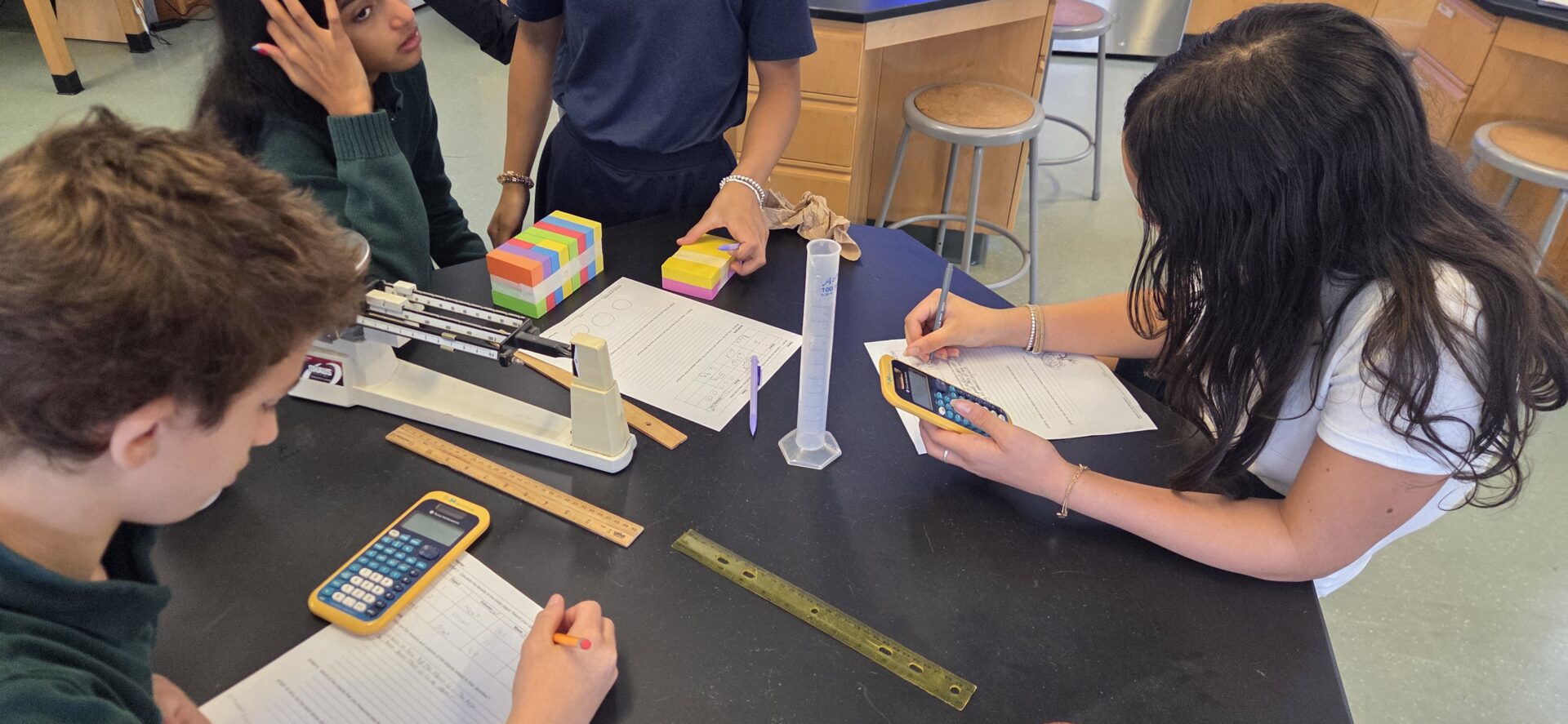
- Using the triple-beam balance to determine the mass of the object.
-
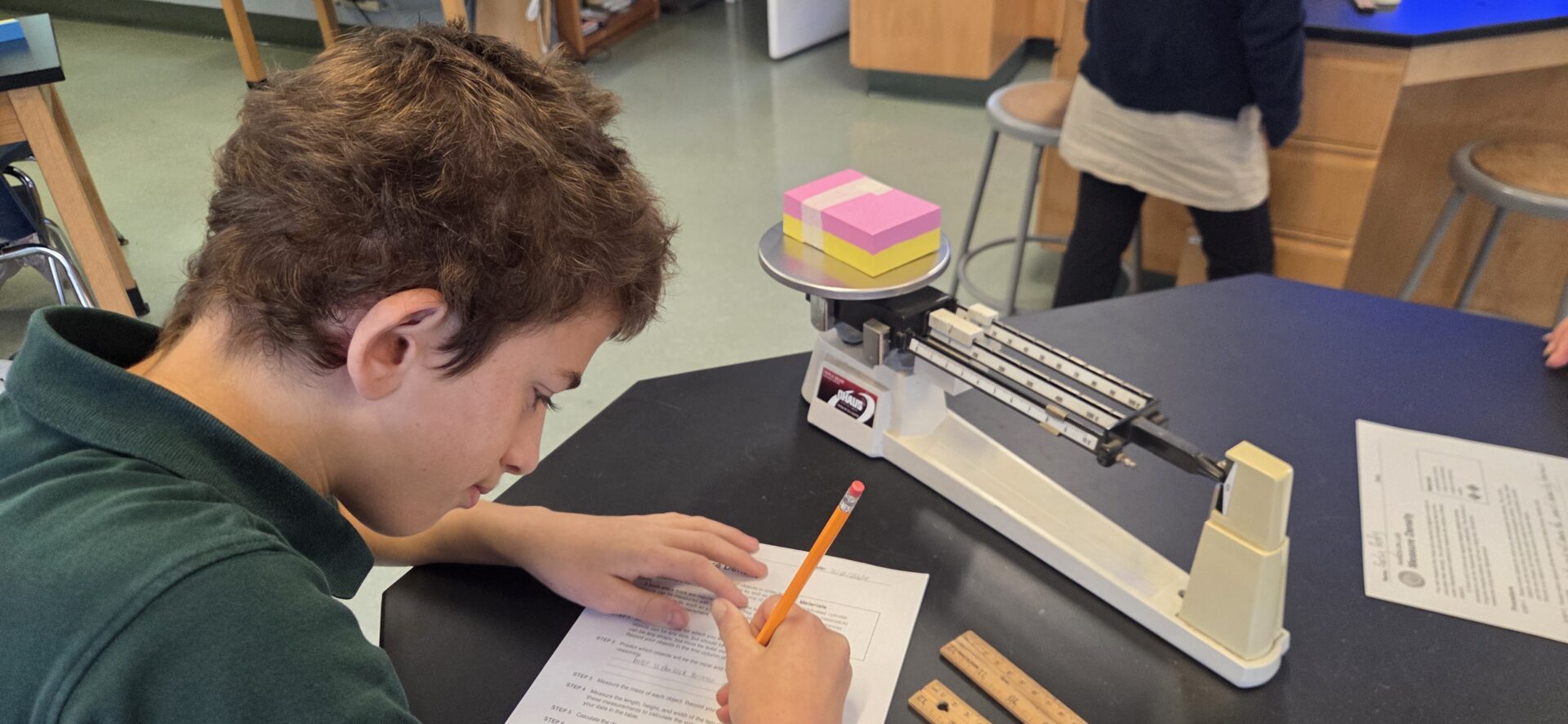
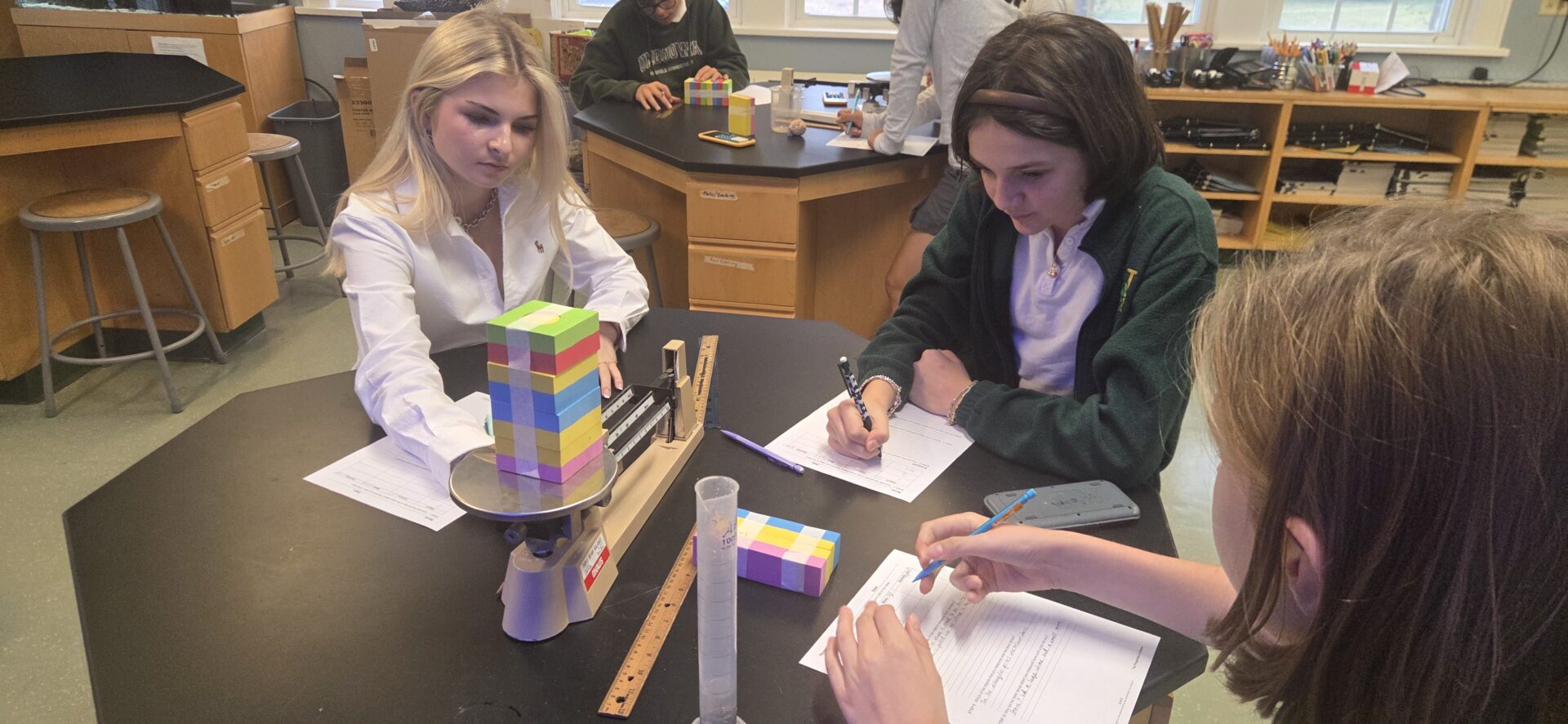
- Recording data.
-
- Using the density equations to calculate each items density.
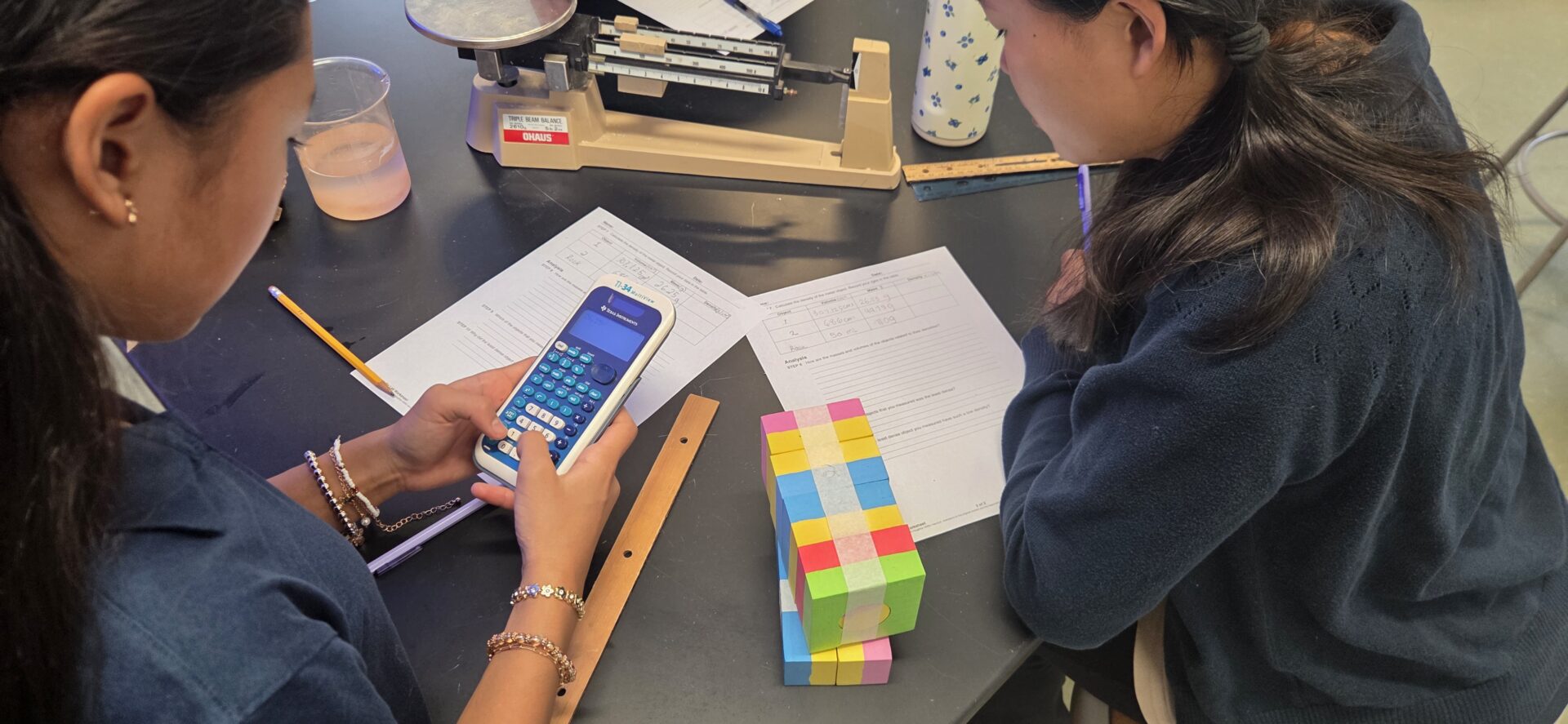
As 8th grade plunges into chemistry, we started this lesson with a lab focused on mass, volume, and density. Anything made of particles has mass, and those particles take up a certain amount of space, which we refer to as volume.
During the activity, students measured the mass and volume of three objects (two prisms and one irregularly shaped object). They then used that data to determine the density of each object. To calculate density, students used the formula: Density = Mass / Volume.
To begin, the mass of each object was determined using a triple-beam balance. Next, to find the volume of a prism, students used the formula: Volume = Length × Width × Height. However, this formula only works for prisms. For the irregularly shaped object, students had to determine its volume using water displacement.
Students filled a graduated cylinder with a known amount of water, submerged the irregularly shaped object, and measured the difference in water levels. The change in water level before and after the object was added represented the object’s volume.
Finally, once the mass and volume were determined, students used the density formula to calculate the density of each object.
This lab showed our Gators that larger objects don’t necessarily have higher densities. Rather, it is the relationship between an object’s mass and volume that determines its density!
5th Grade Word Problems
Posted by Colleen Jacques
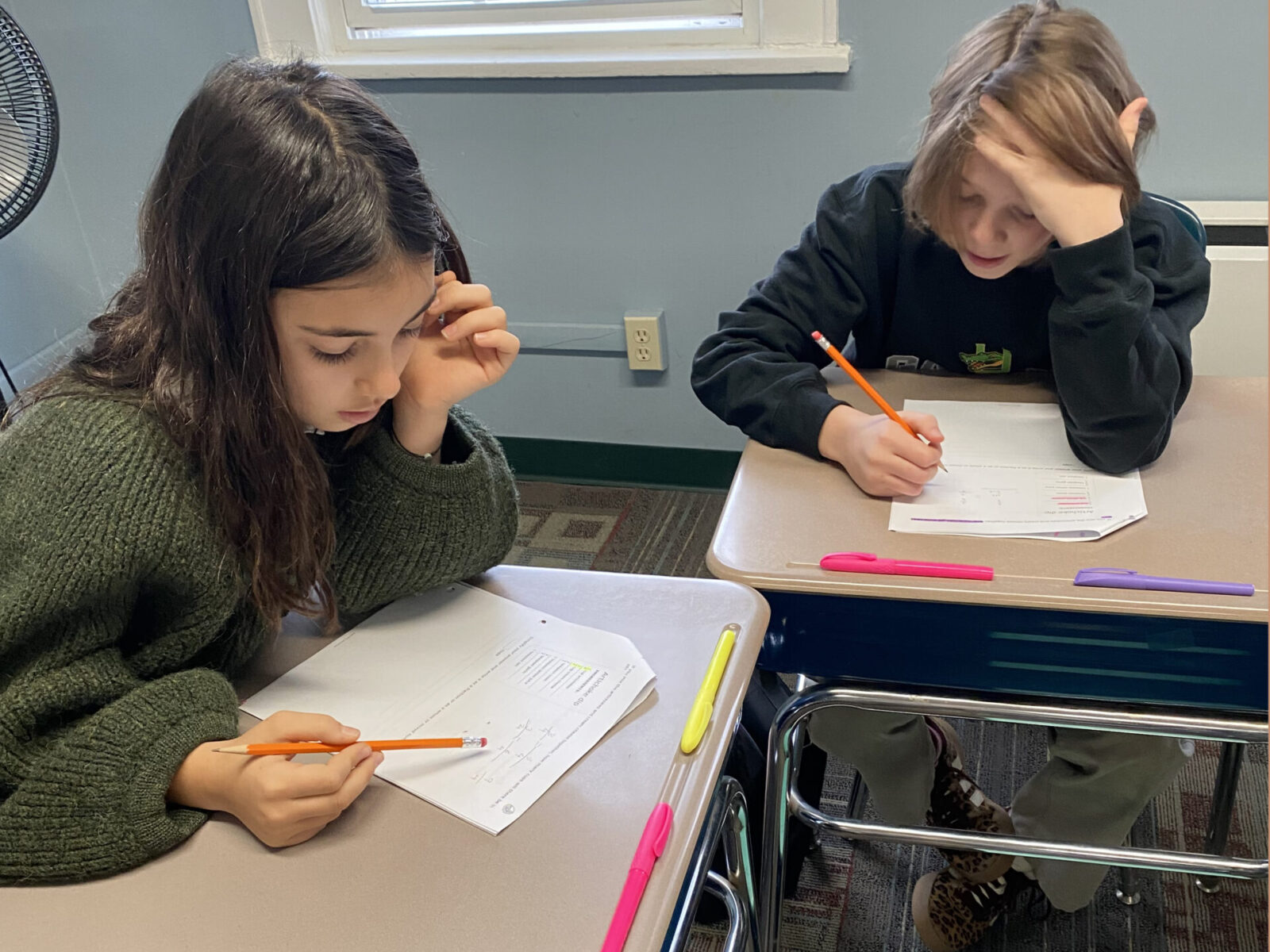
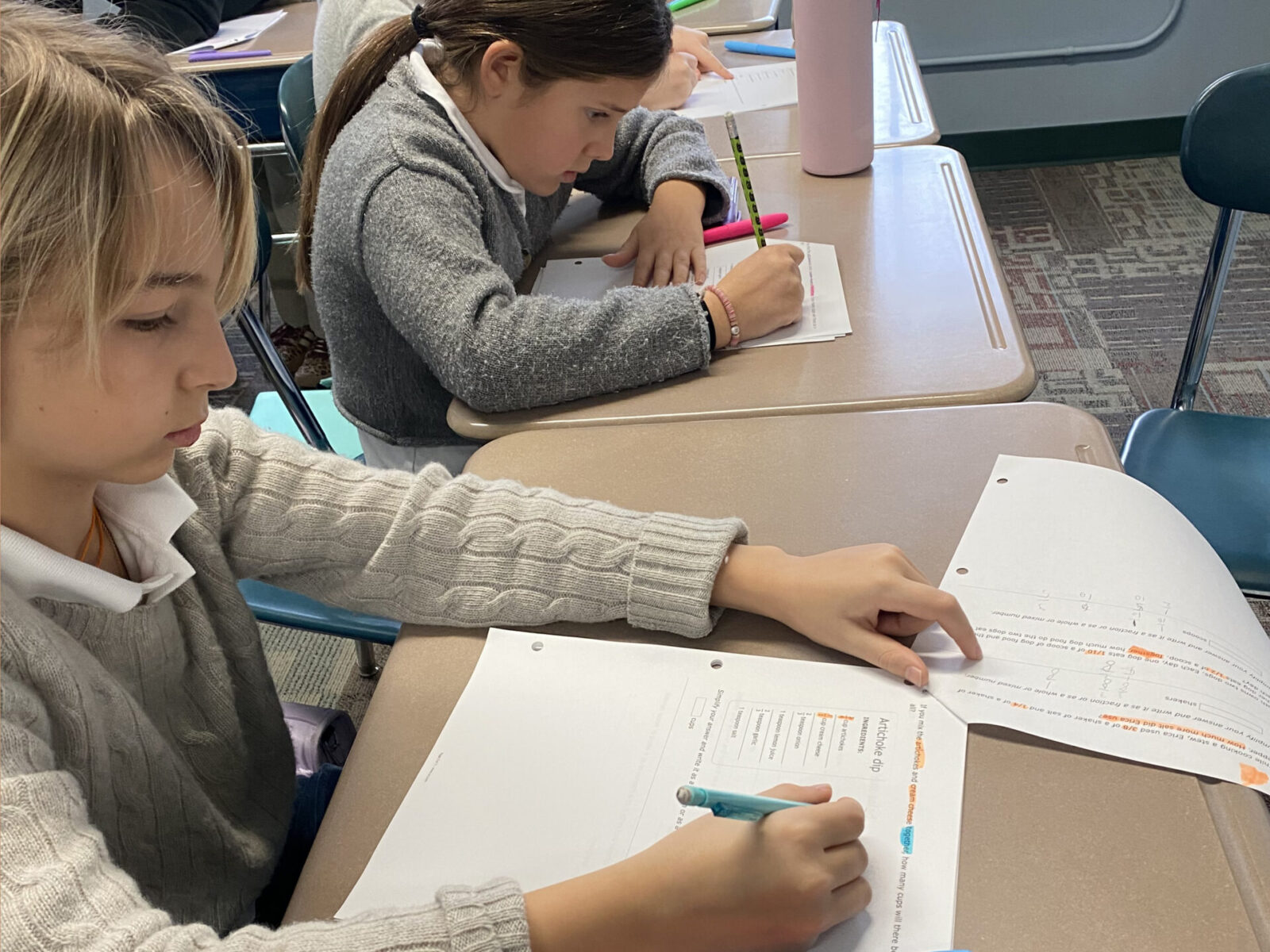
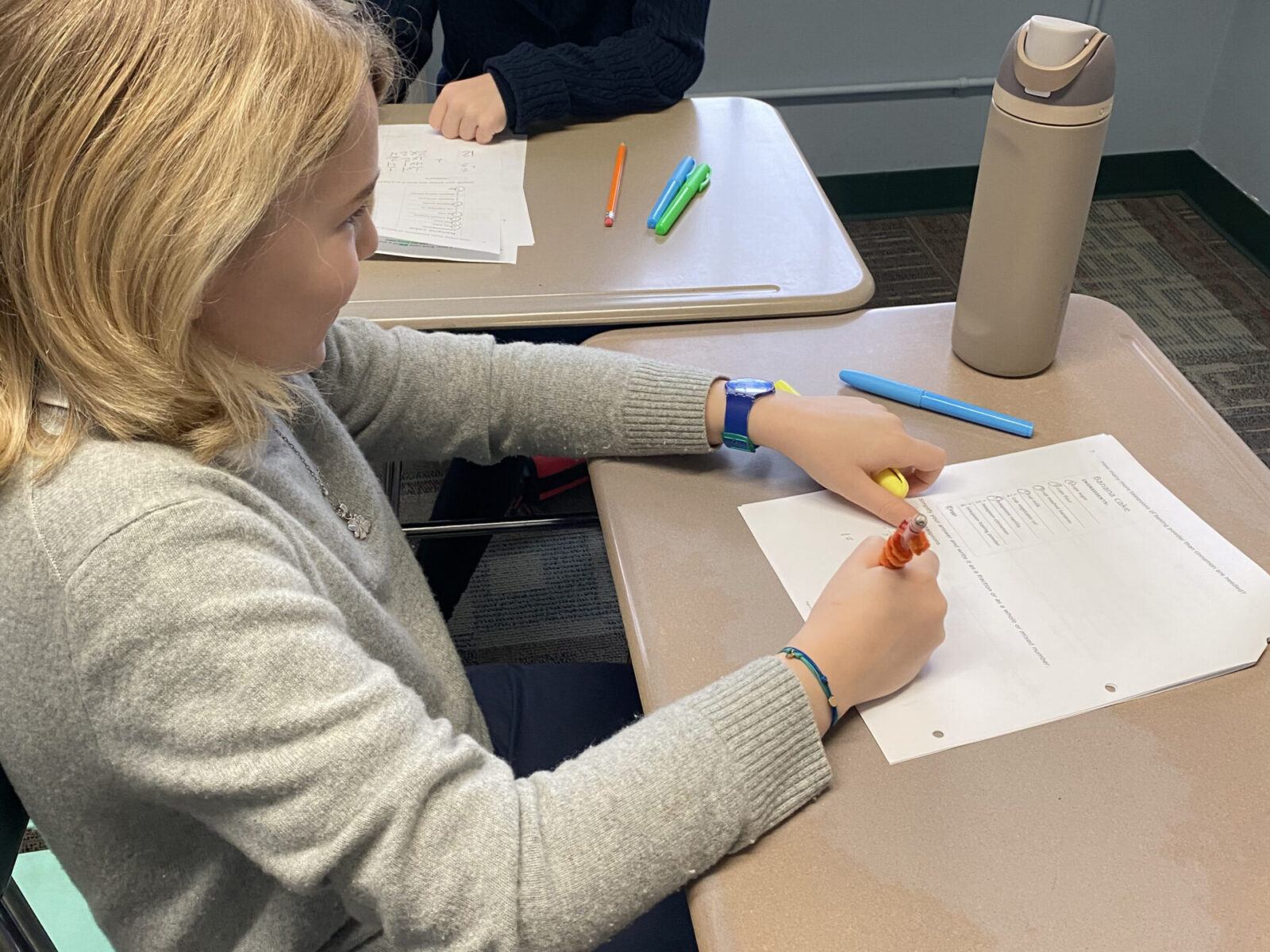
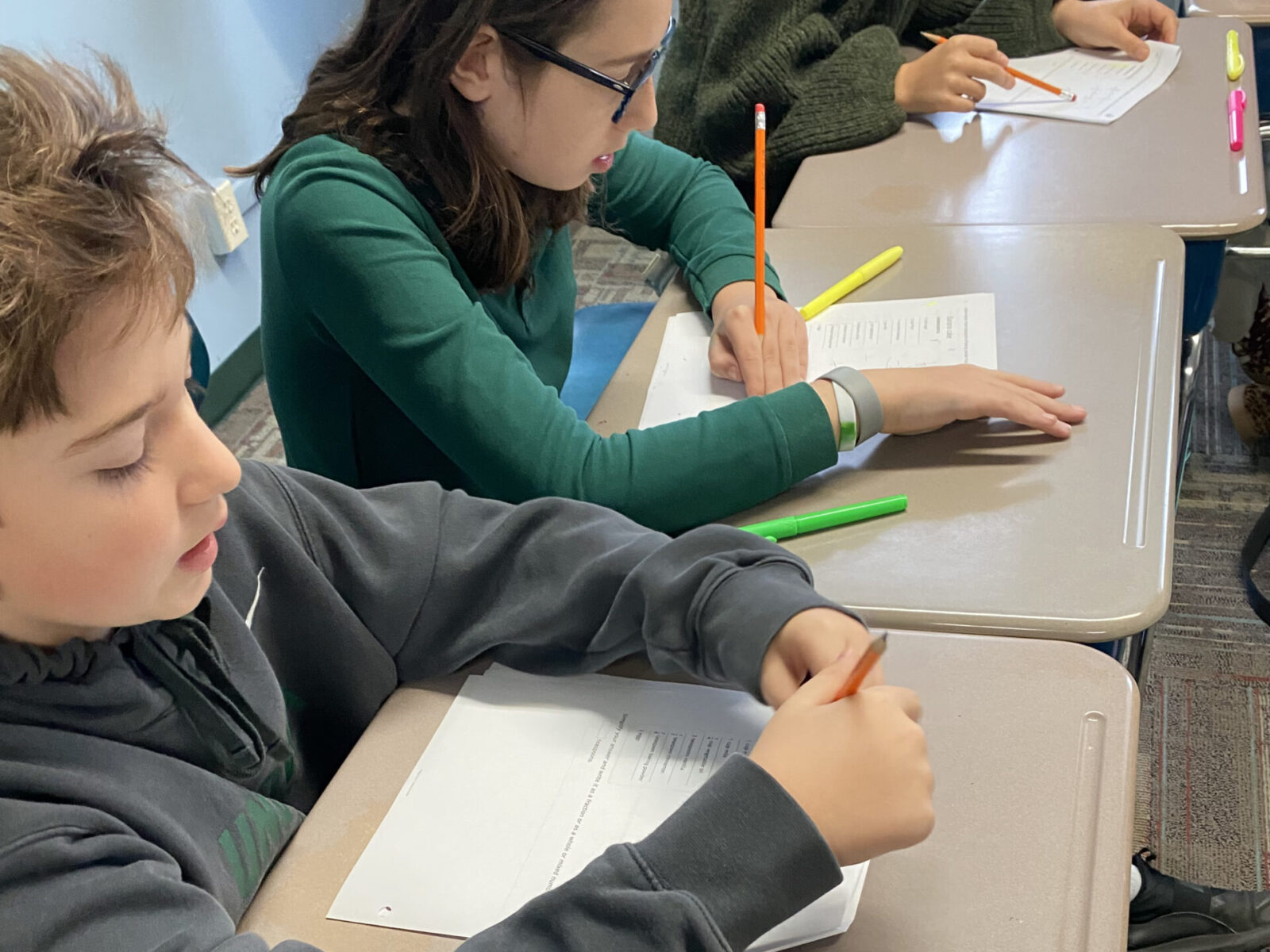
Fifth graders are confidently tackling word problems with fractions! After a unit study on adding and subtracting fractions, students discussed key words or phrases that indicate which mathematical operation is used to solve various word problems. They worked in pairs and used highlighters to identify key information and recalled making common denominators, simplifying fractions and converting improper fractions to mixed numbers. Through collaboration and careful problem-solving, our fifth graders are building the confidence and skills to put their fraction knowledge into action!
Clay Tablets using Cuneiform!
Posted by Thomas Iezin
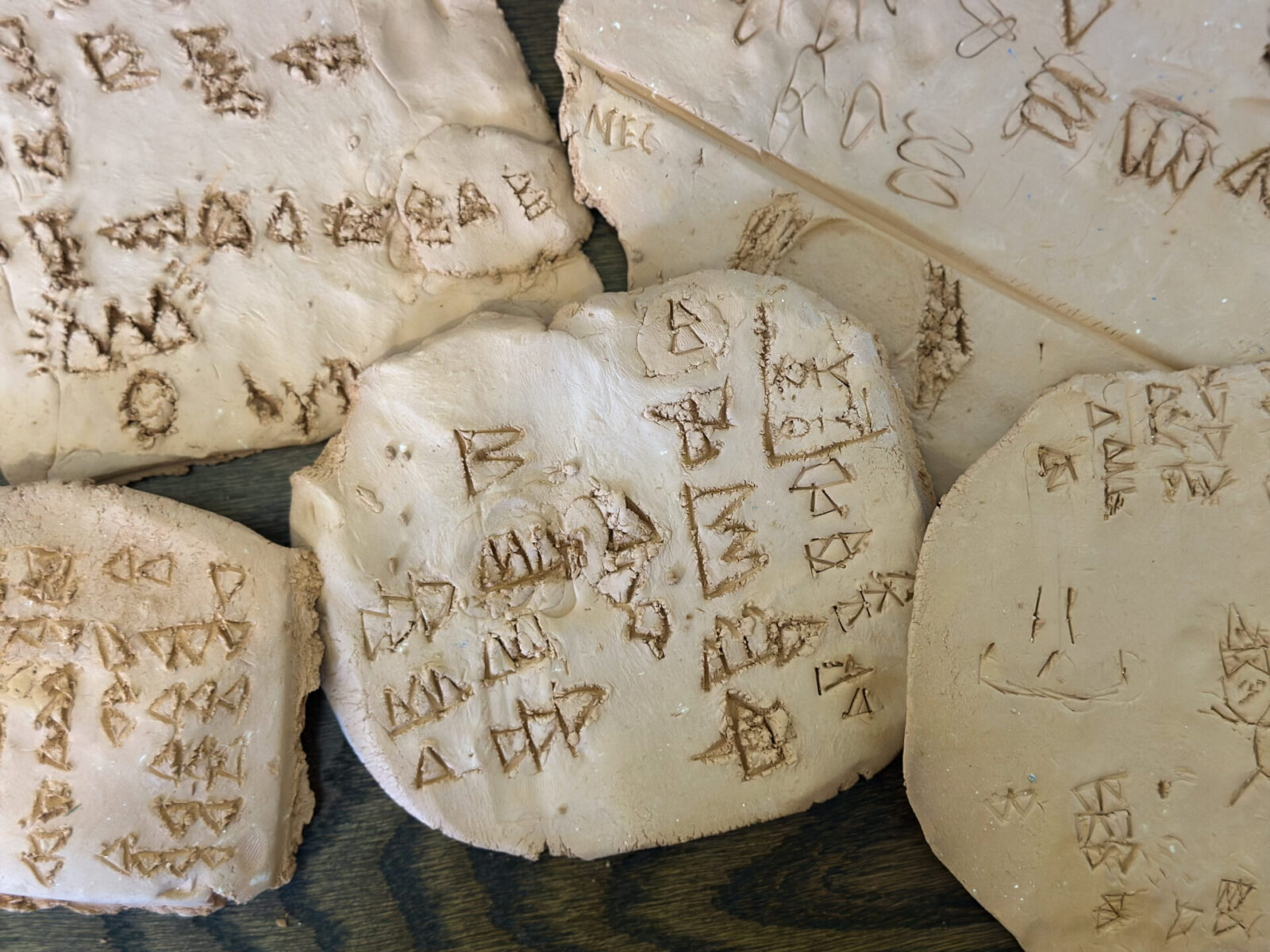
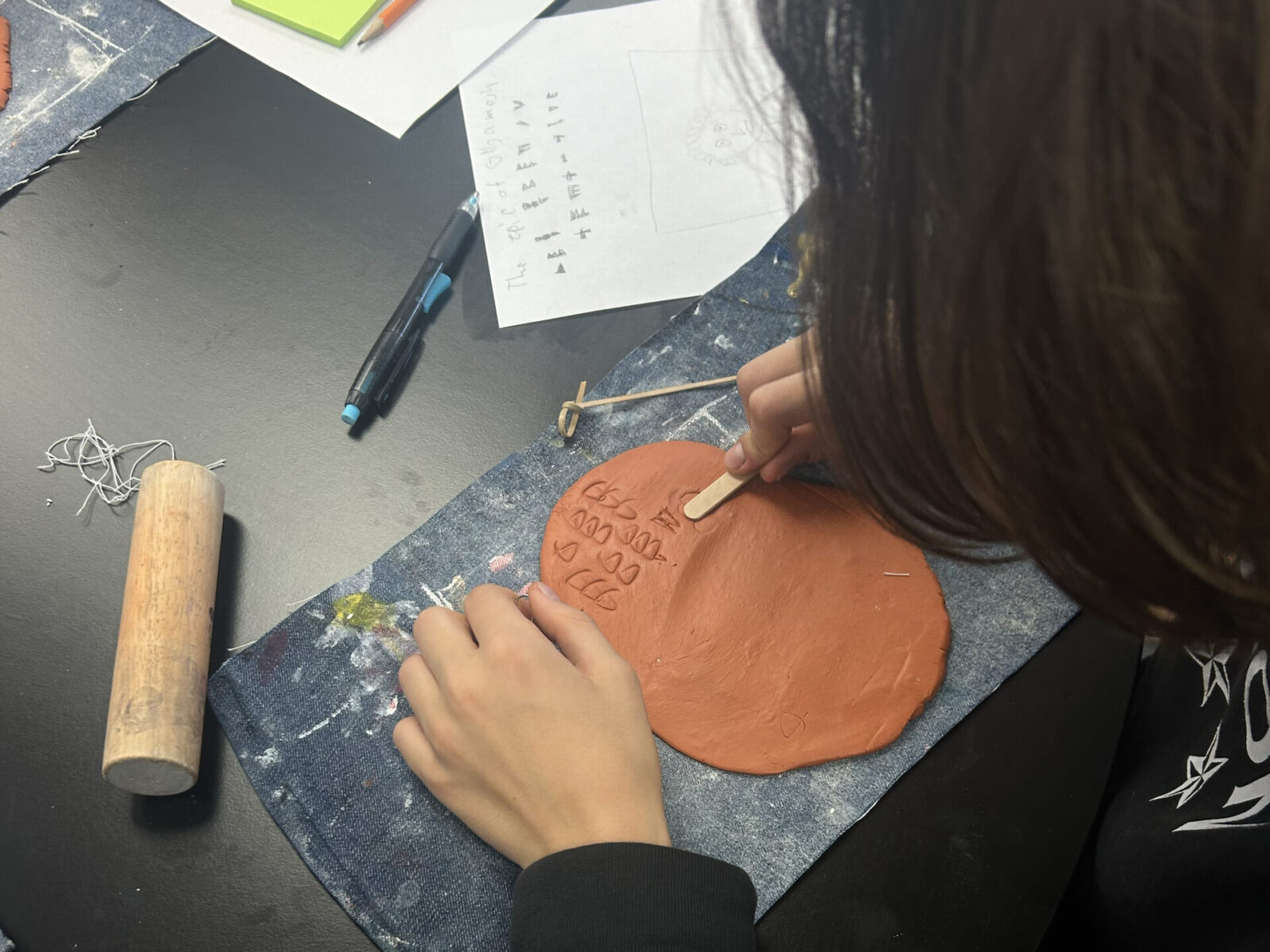
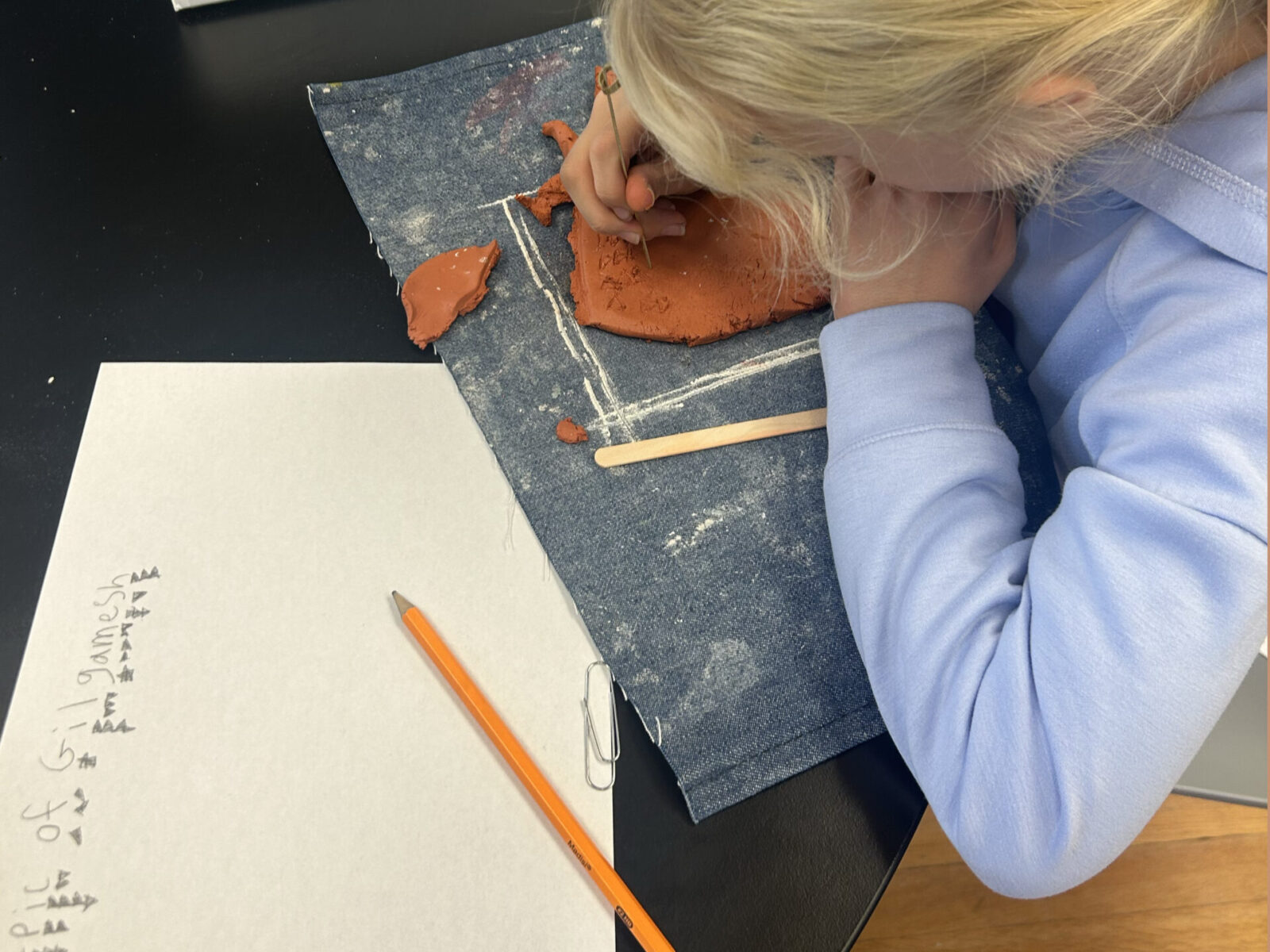
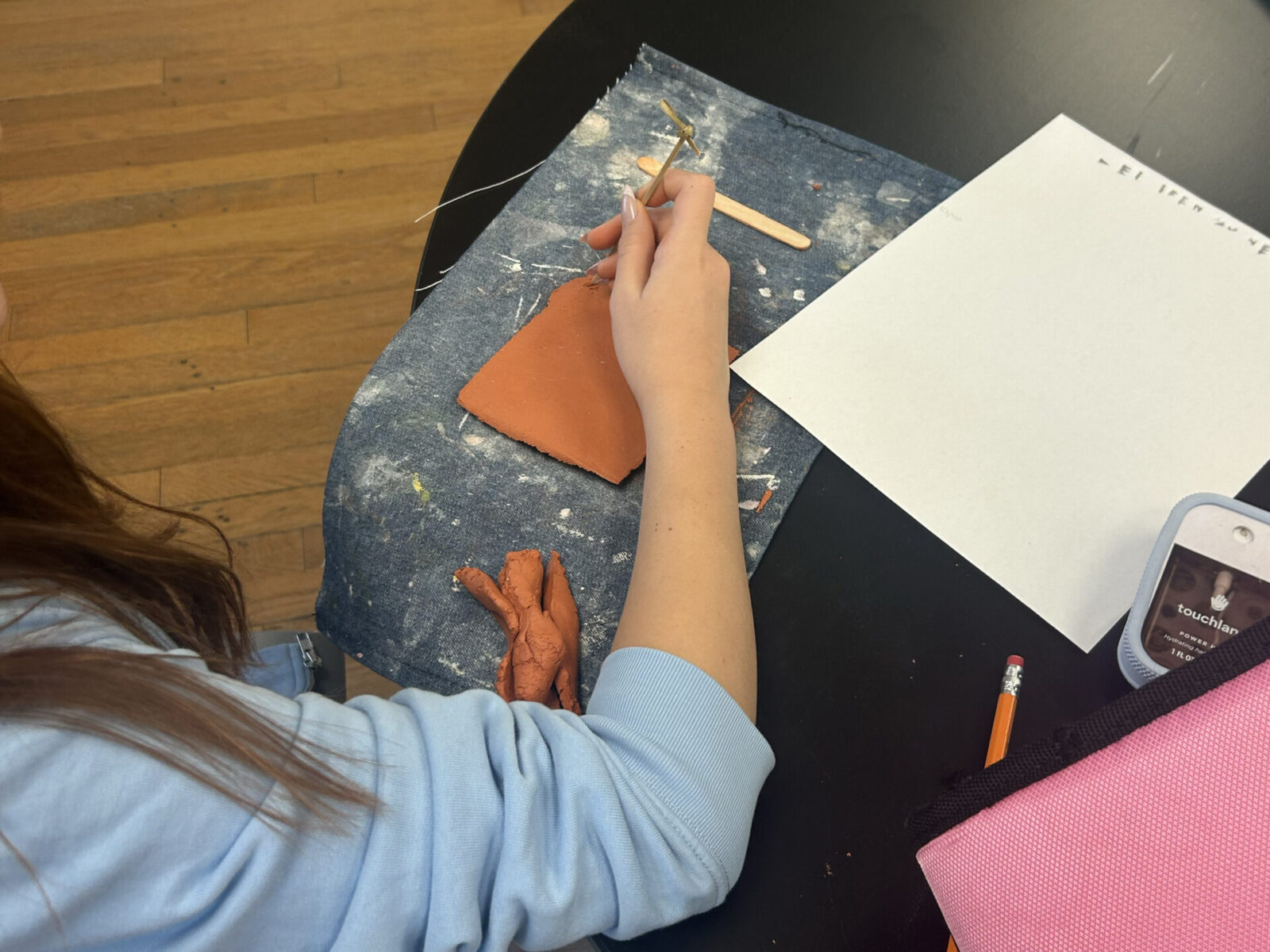
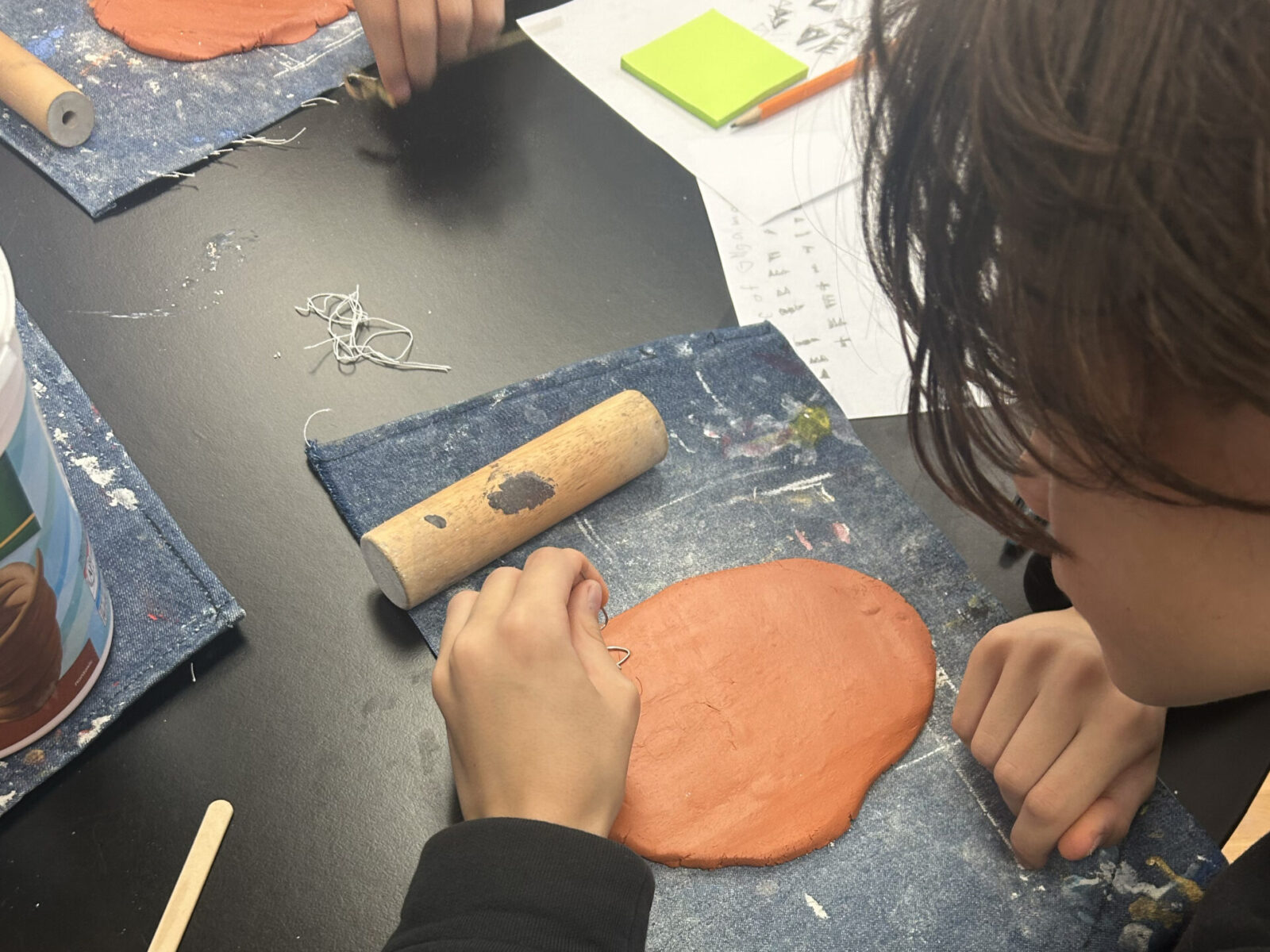
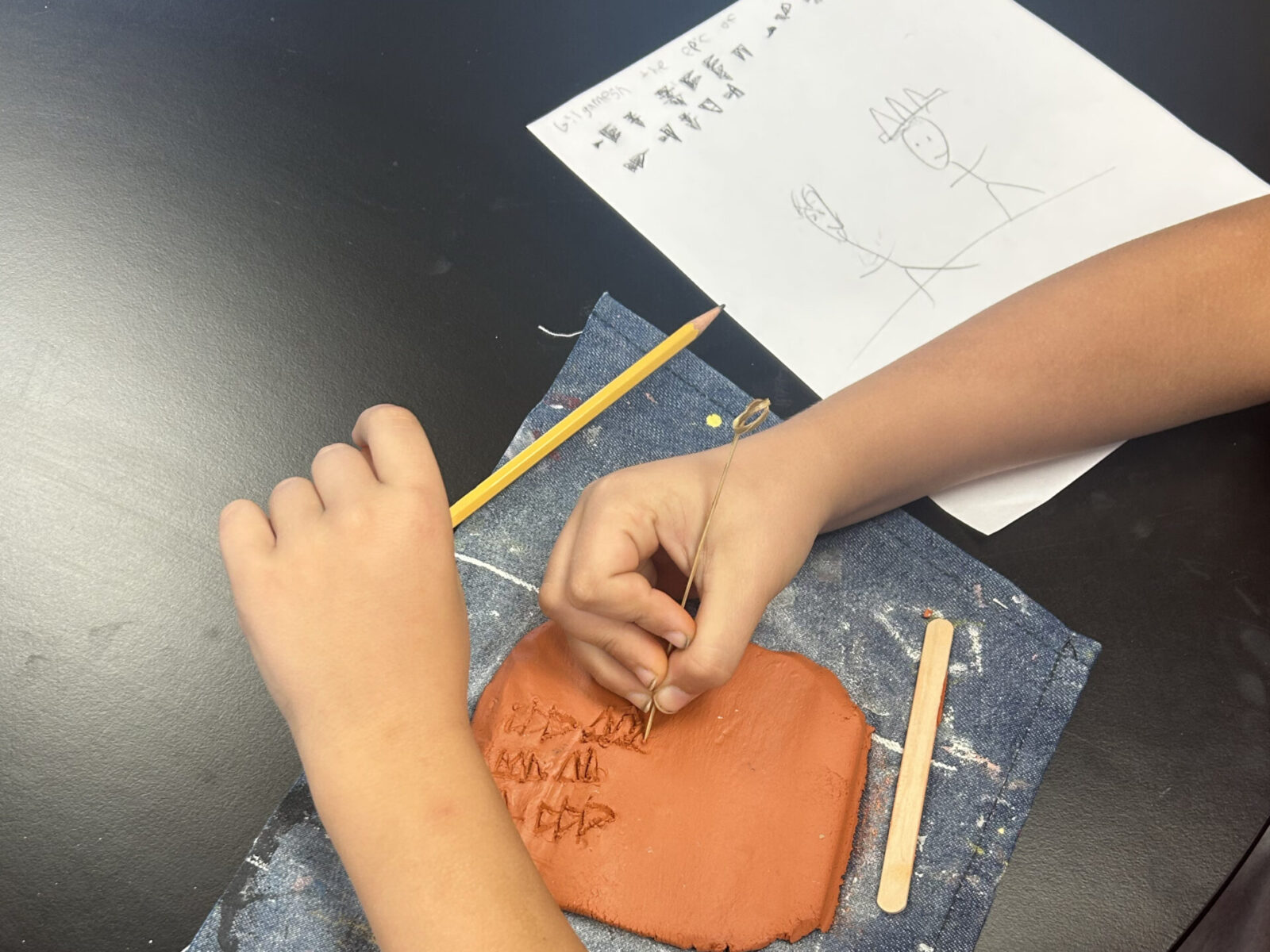
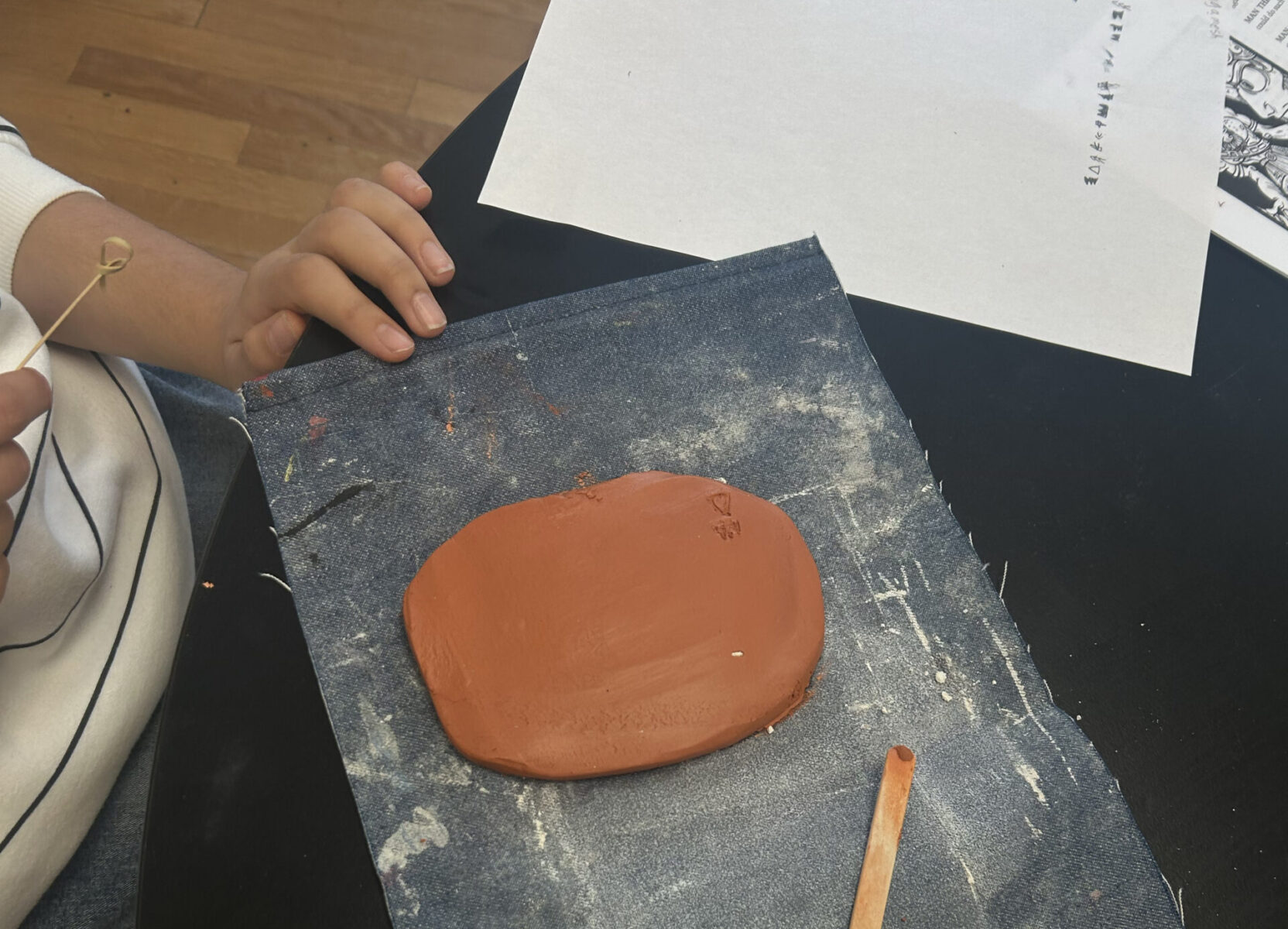
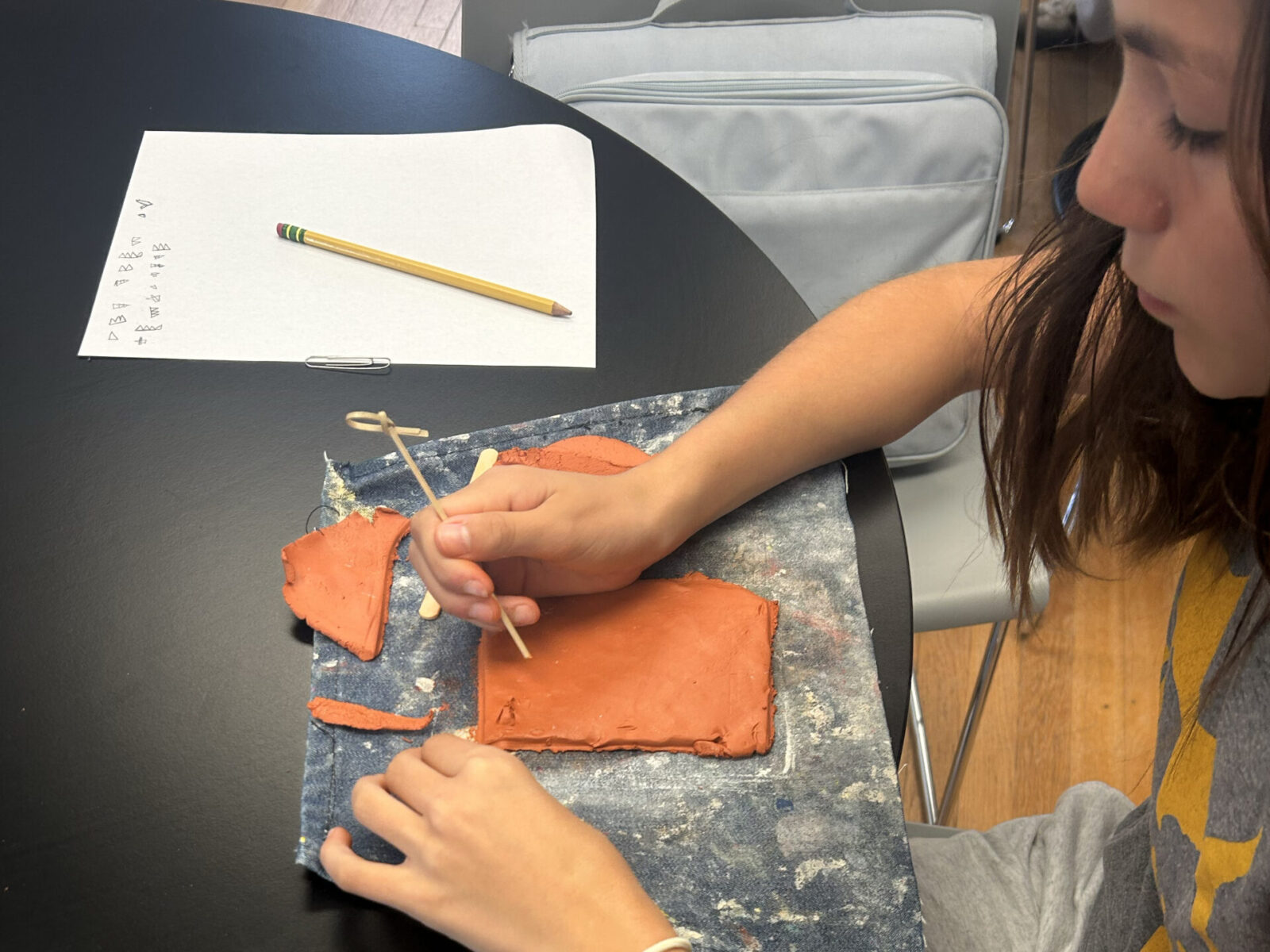
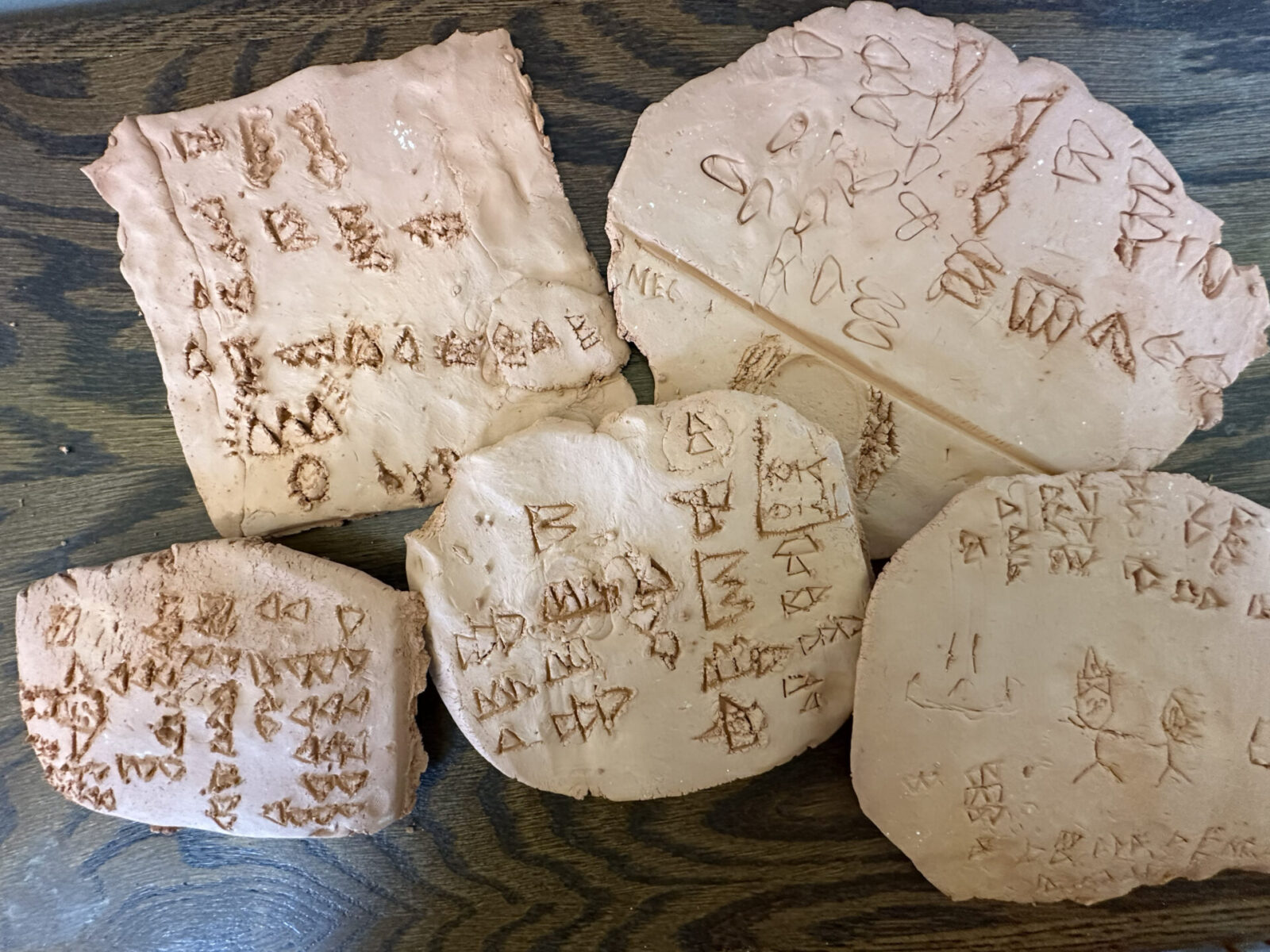
As one of our culminating activities in 6th Grade Humanities, students had the opportunity to create their own clay tablets using cuneiform, one of the earliest known systems of writing developed by humans. As part of our Fertile Crescent unit, students explored how early civilizations used writing to communicate, record information, and preserve stories.
To bring their learning to life, students connected both sides of Humanities by combining Social Studies and Language Arts. After creating their clay tablets, they designed book covers for one of the earliest surviving literary works in human history: The Epic of Gilgamesh.
This hands-on experience allowed students to step into the role of early Mesopotamian scribes while exploring the lasting impact of writing, storytelling, and literature throughout human history!
Solar Ovens
Posted by Joshua Bartosiewicz
-
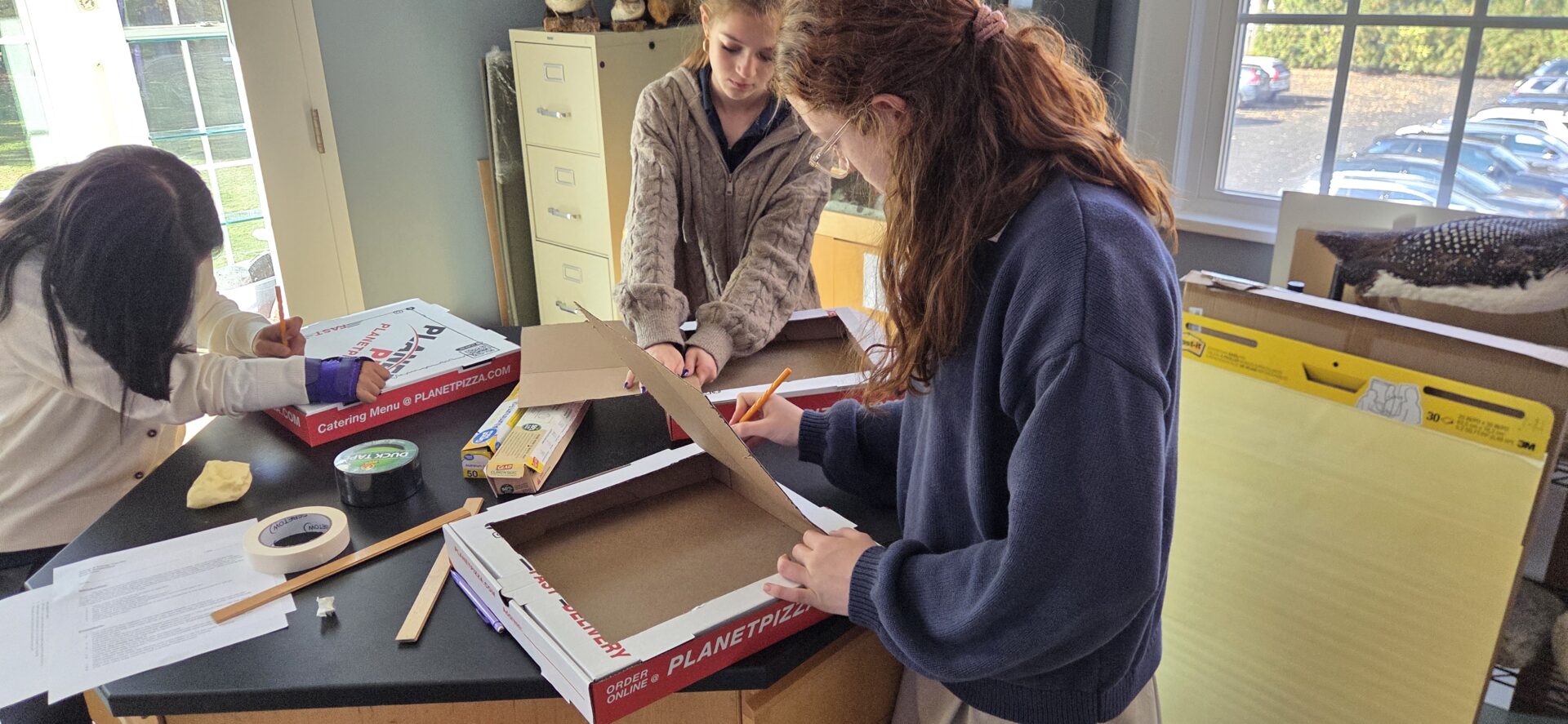
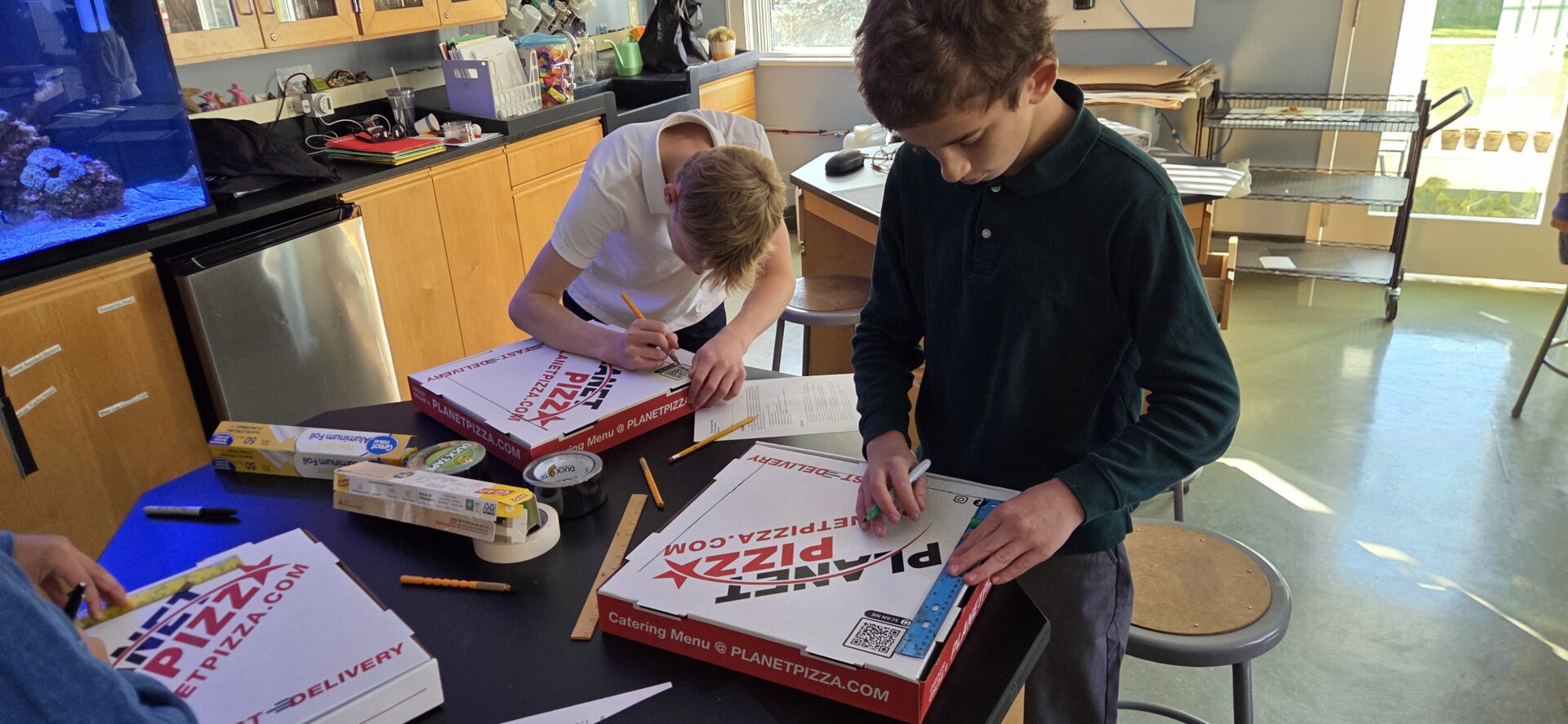
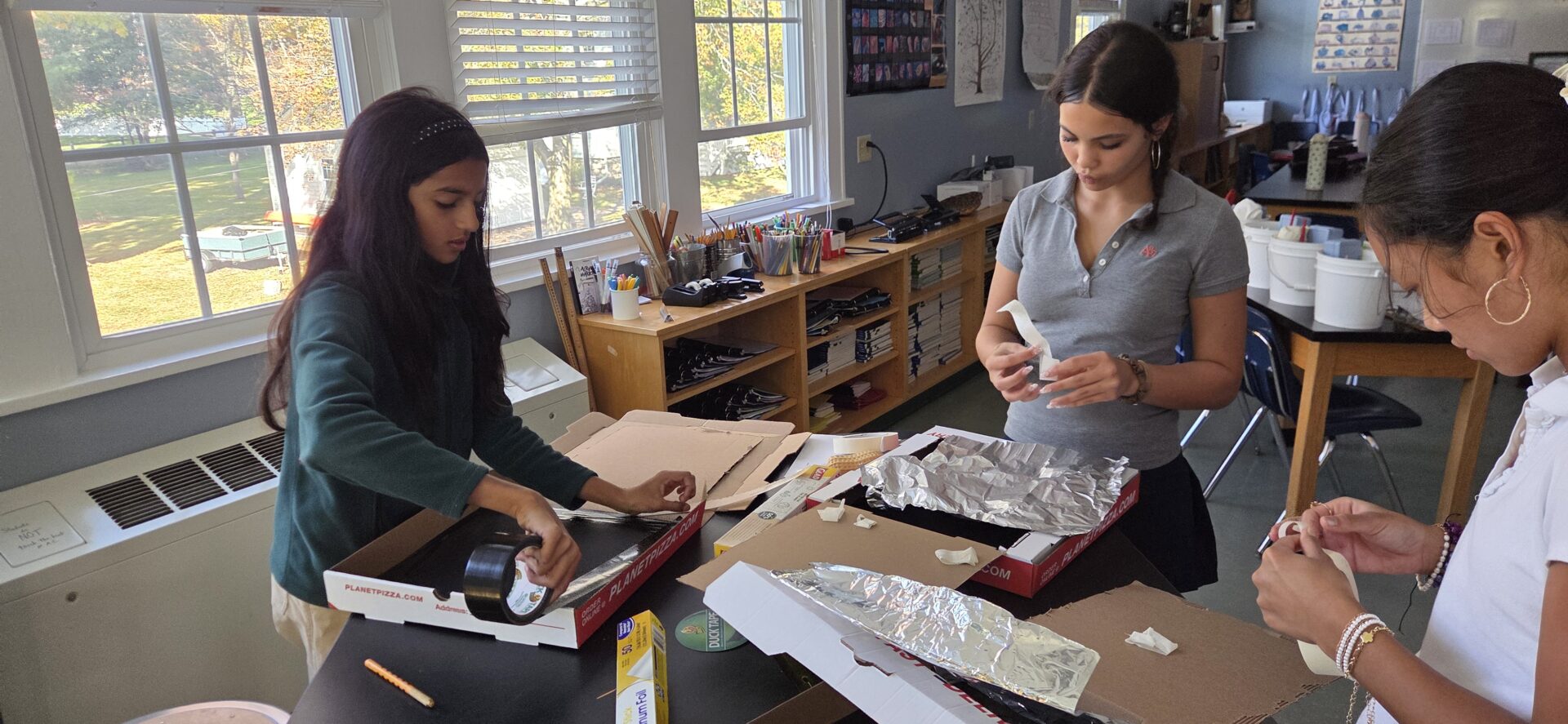
- Cutting top flap that will have aluminum foil wrapped around it to deflect electromagnetic rays.
-
- Measure twice! Cut Once!
-
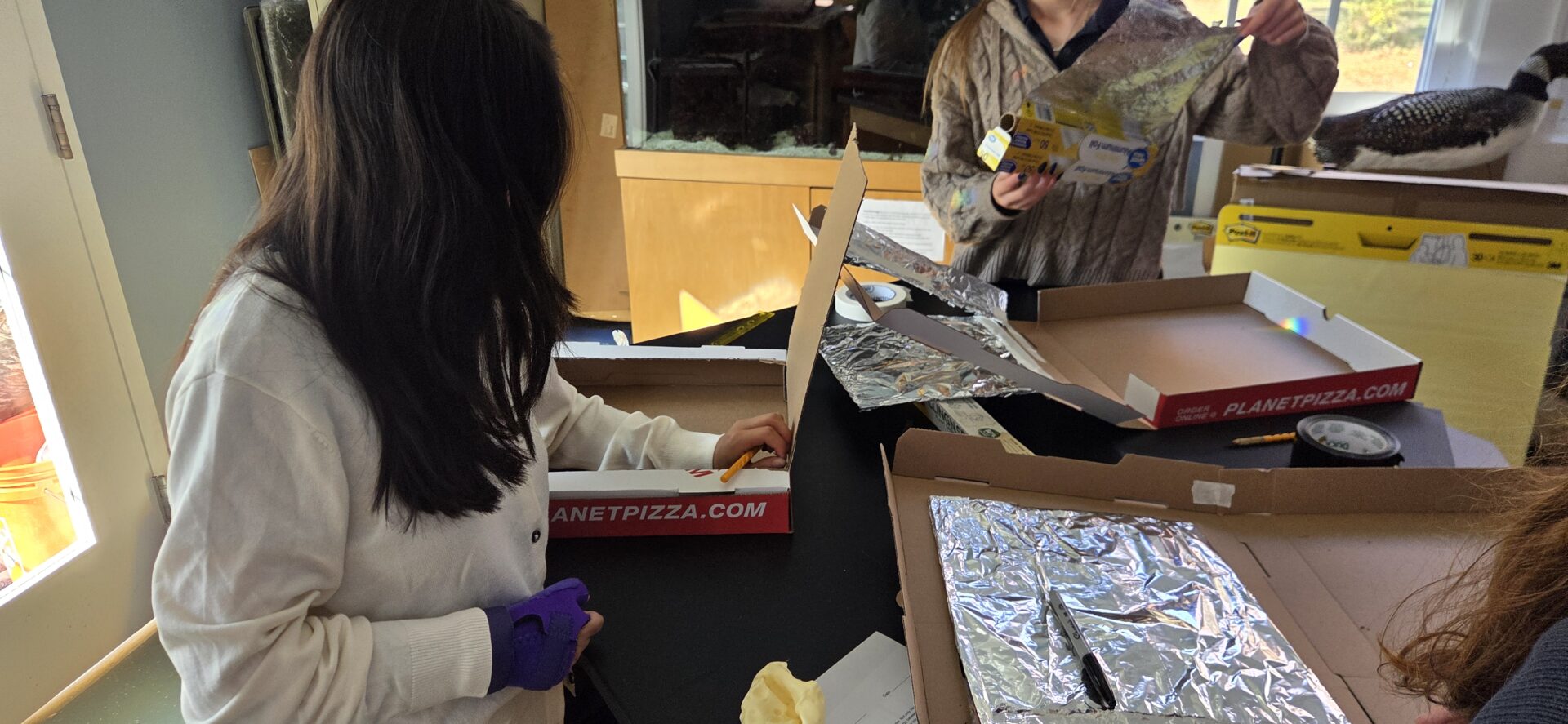
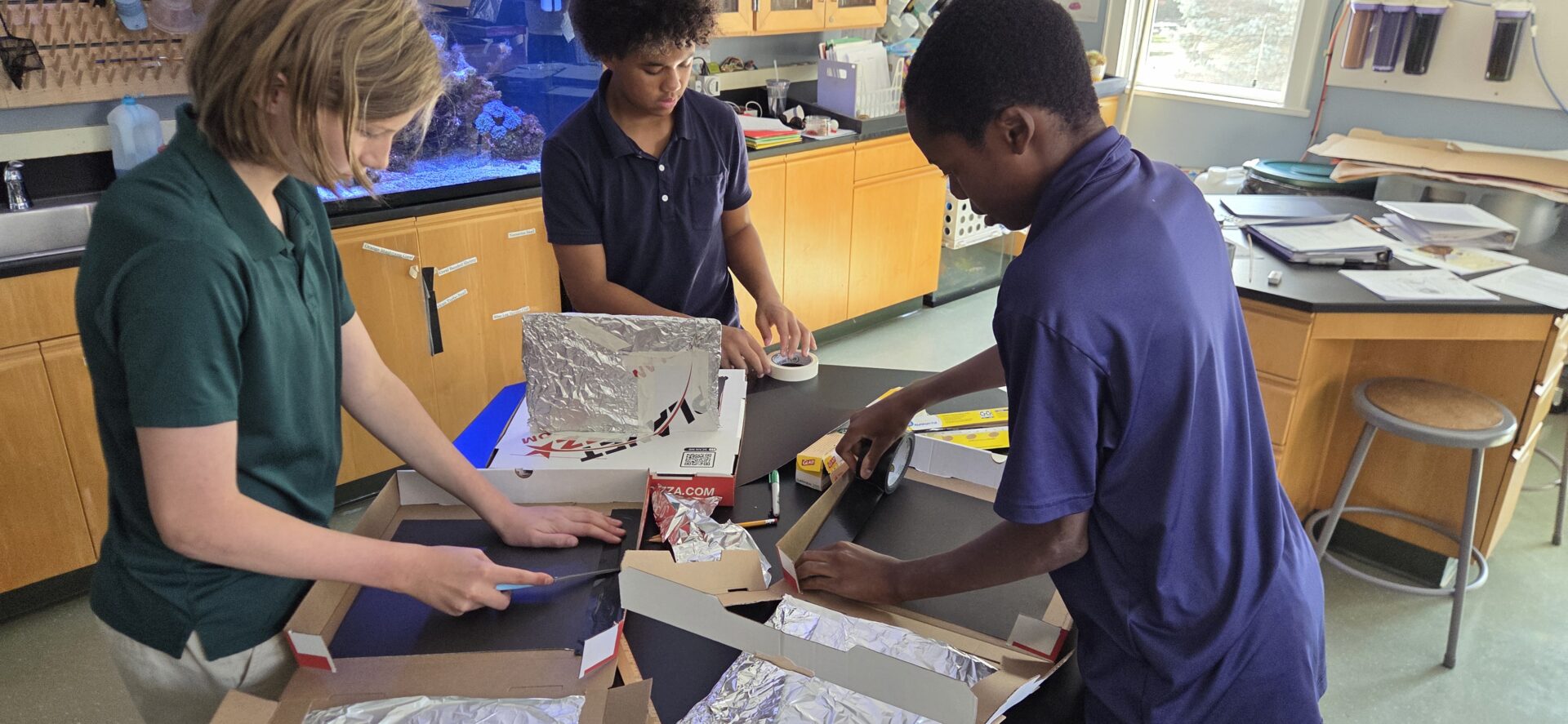
- Lining the top flap with aluminum foil and inside of the box with black paper and tape.
-
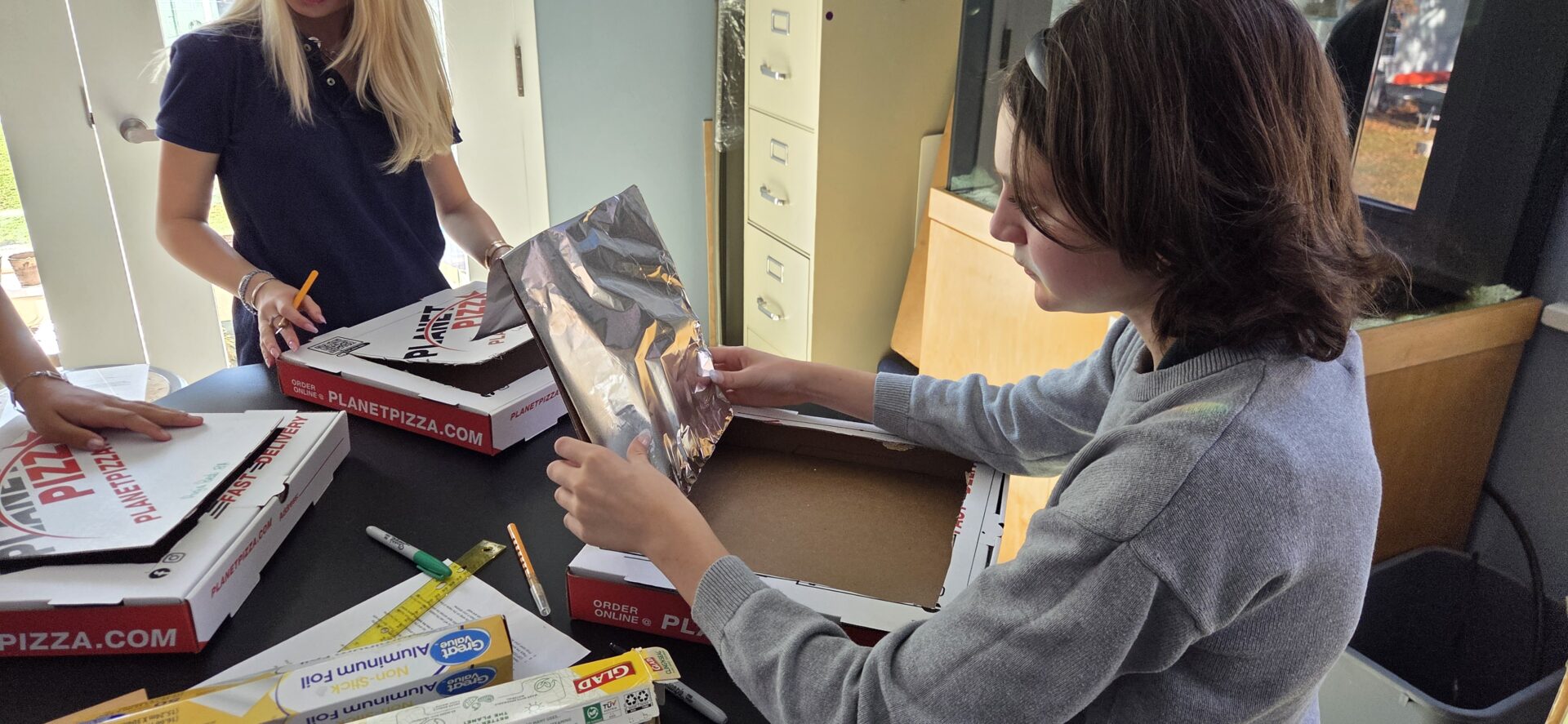
- Applying foil to deflect rays!
-
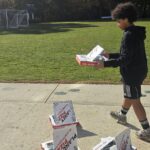
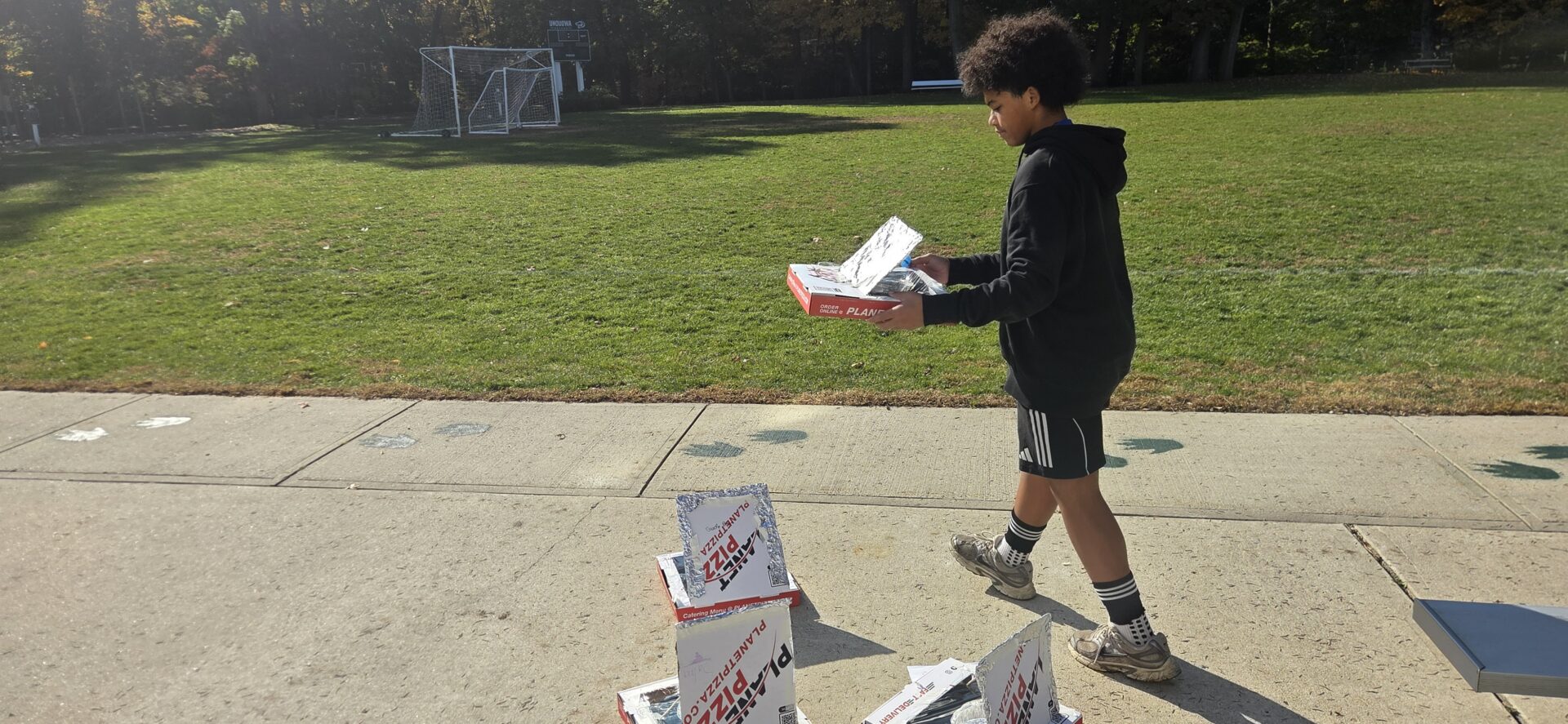
- Finding the perfect place to place the solar oven!
-
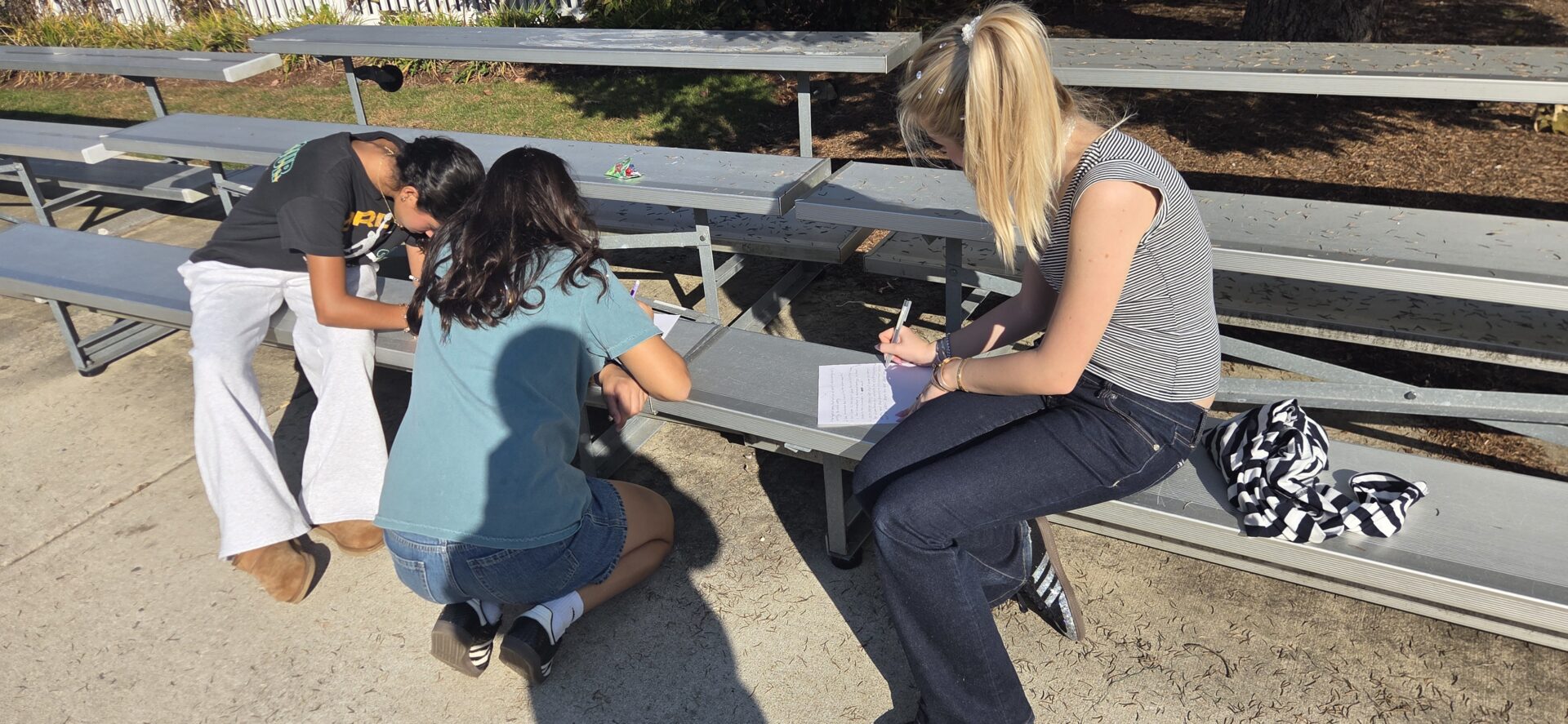
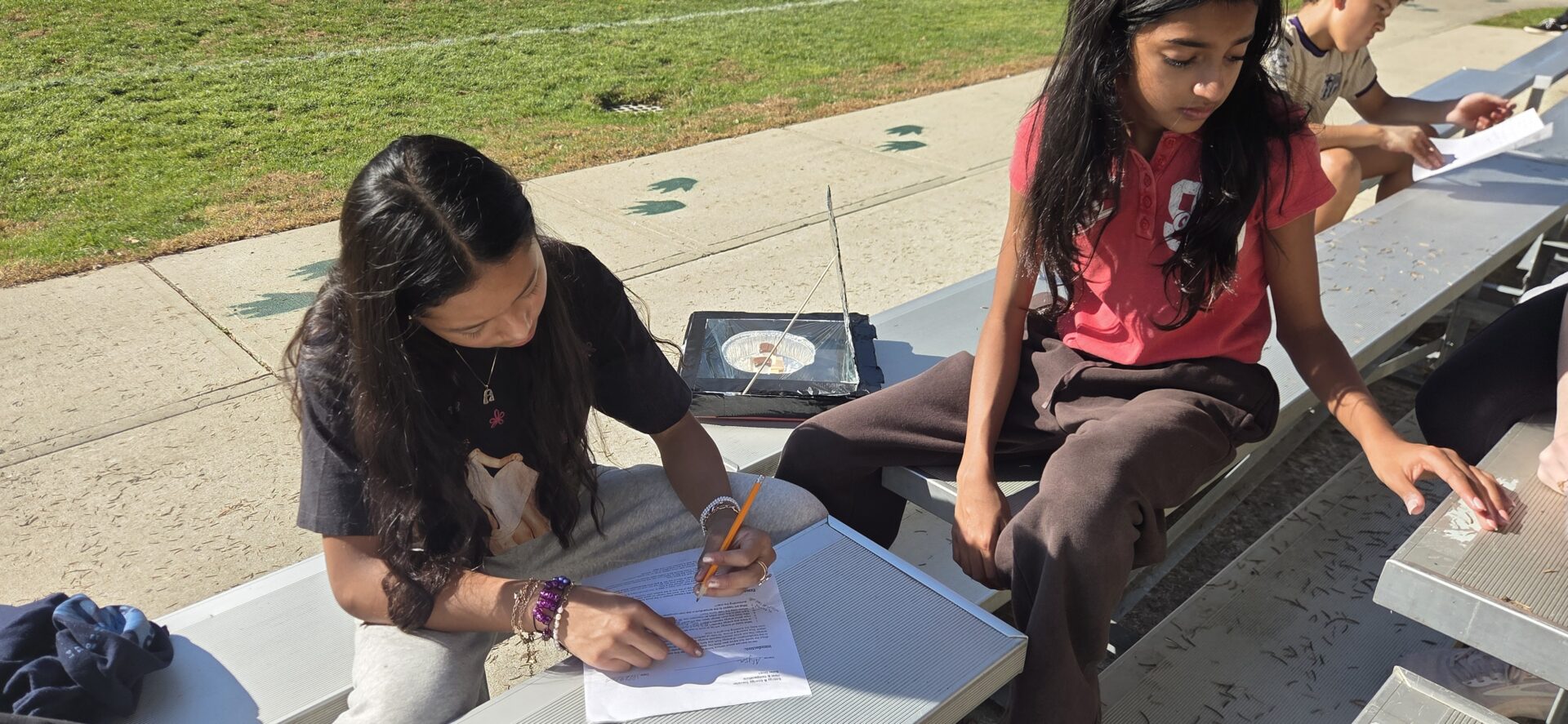
- Cooking while working!
-
- Tasty treat after hard work!
-
- Rewarded for hard work!
-
- Cooking smore’s!
-
- Cooking smore’s.
-
- Cooking smore’s with energy from the sun!
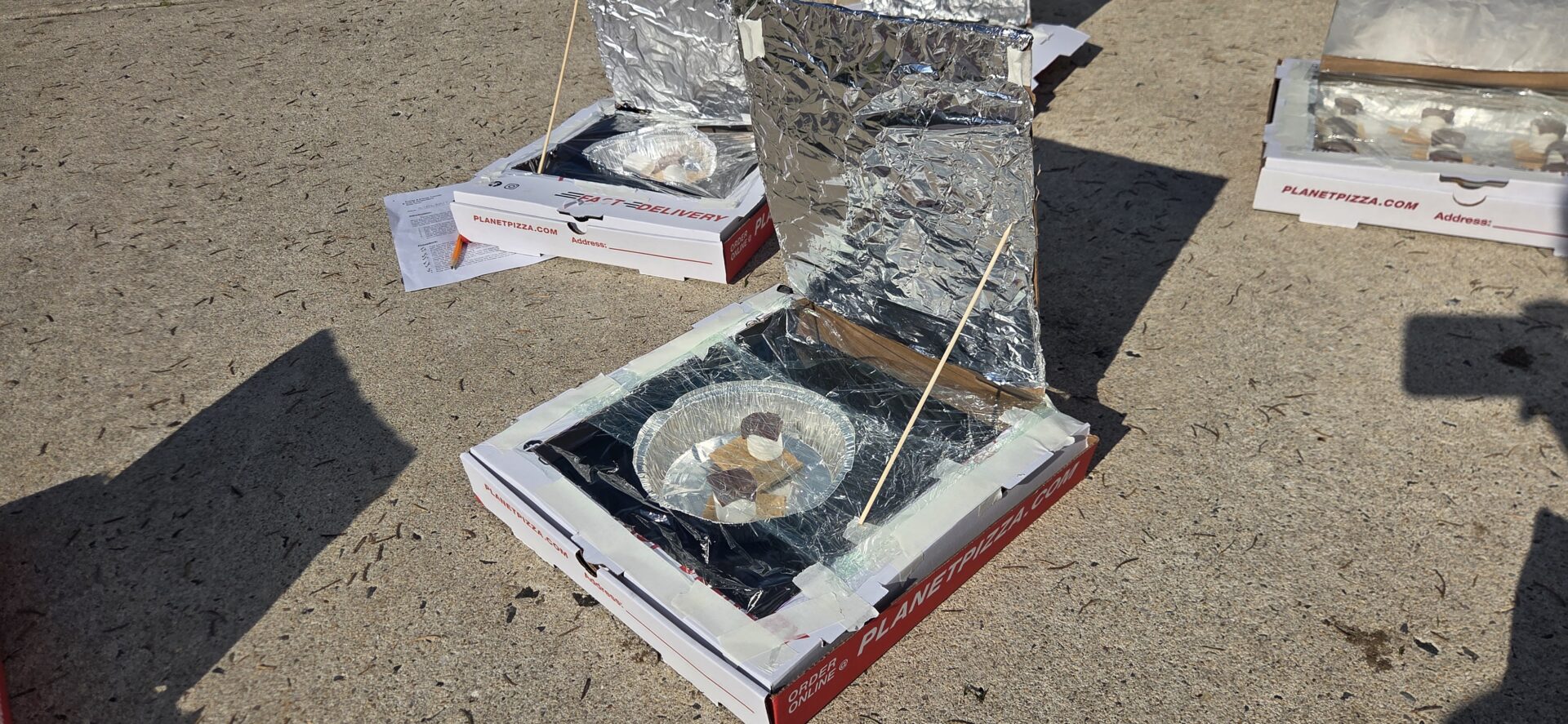
-
- Cooking smore’s with energy from the sun!
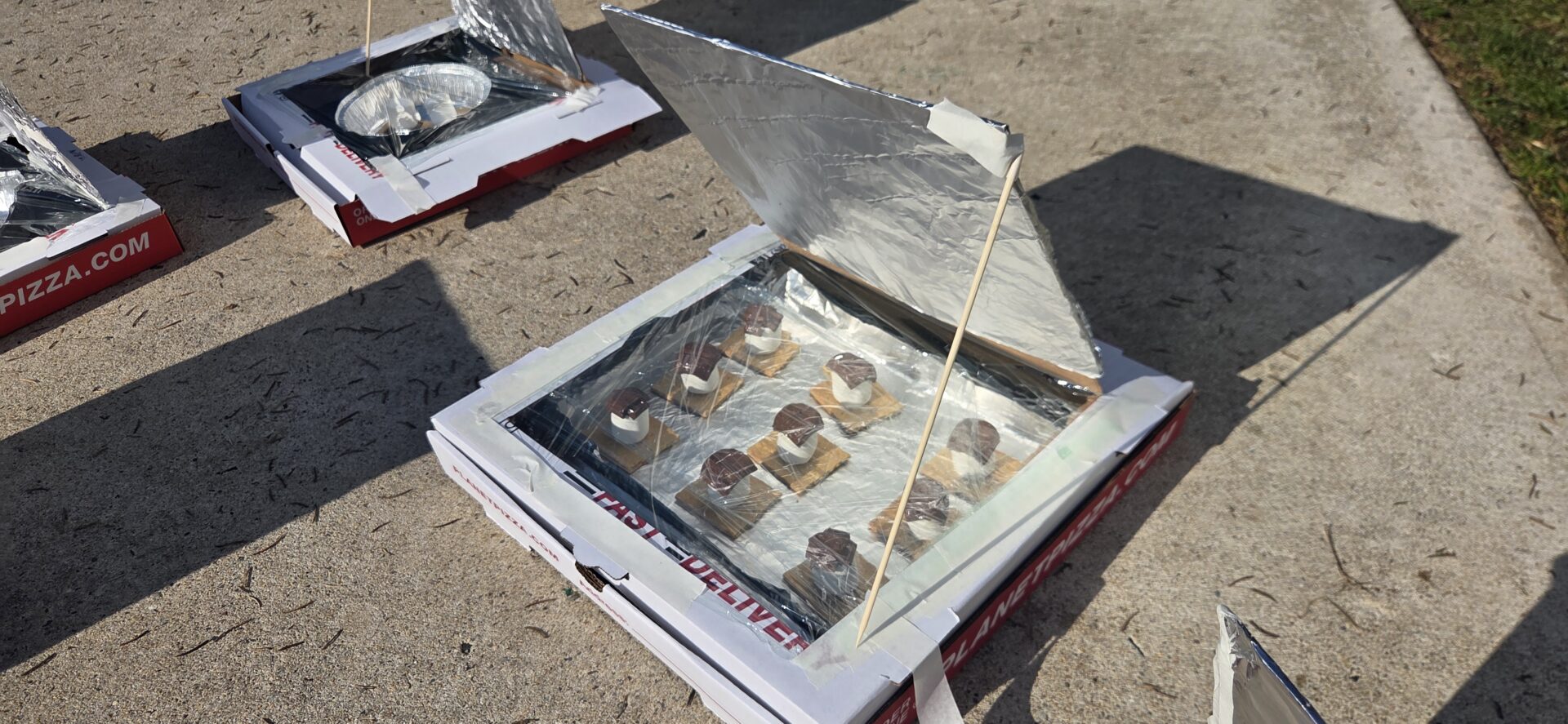
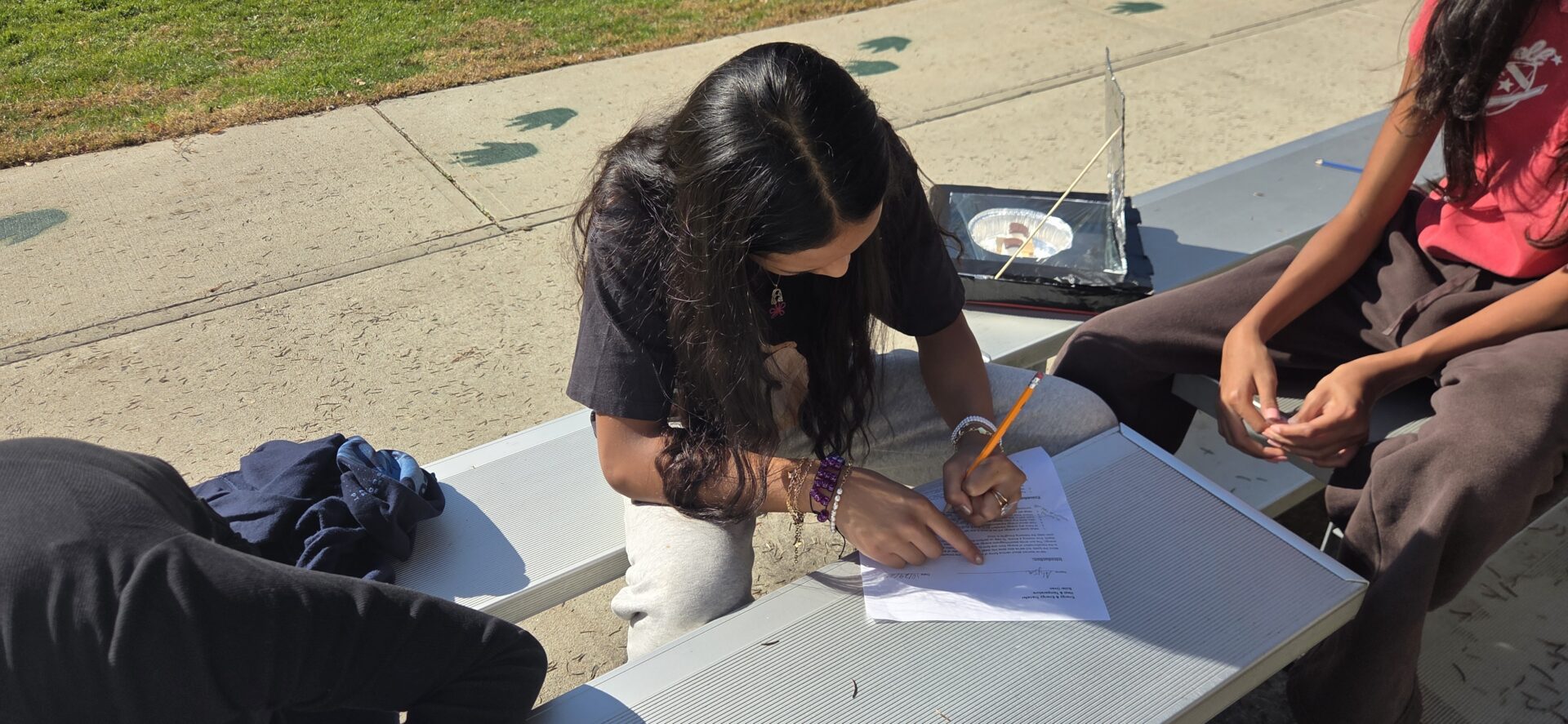
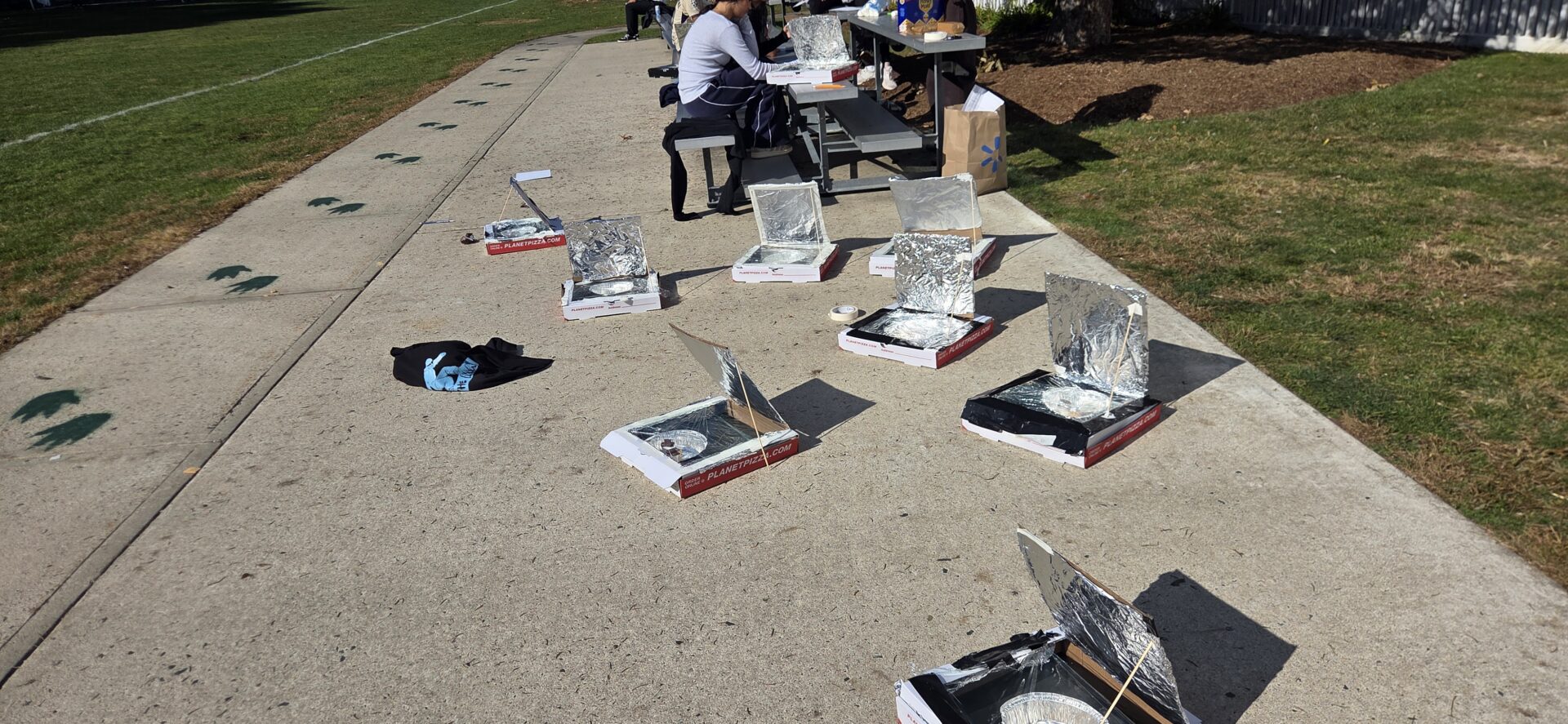
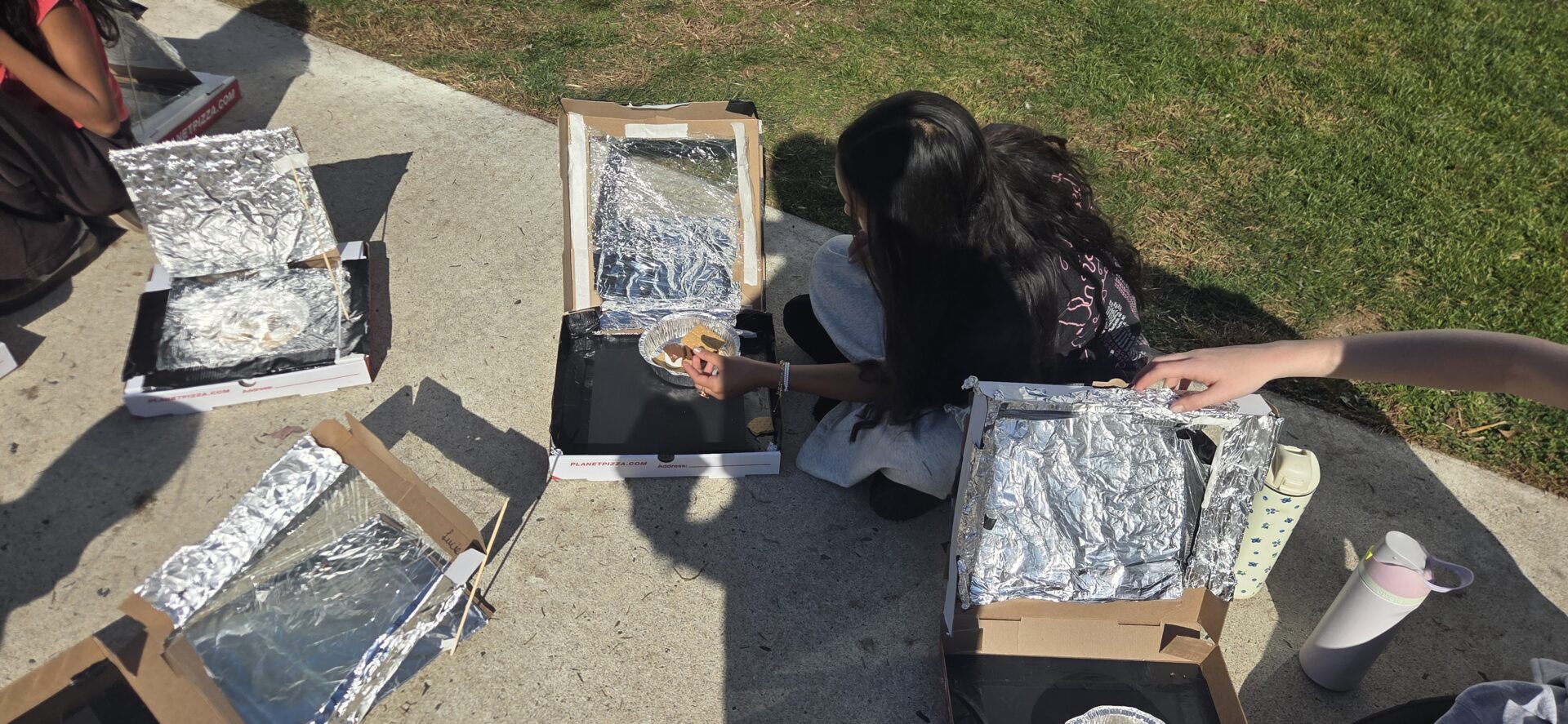
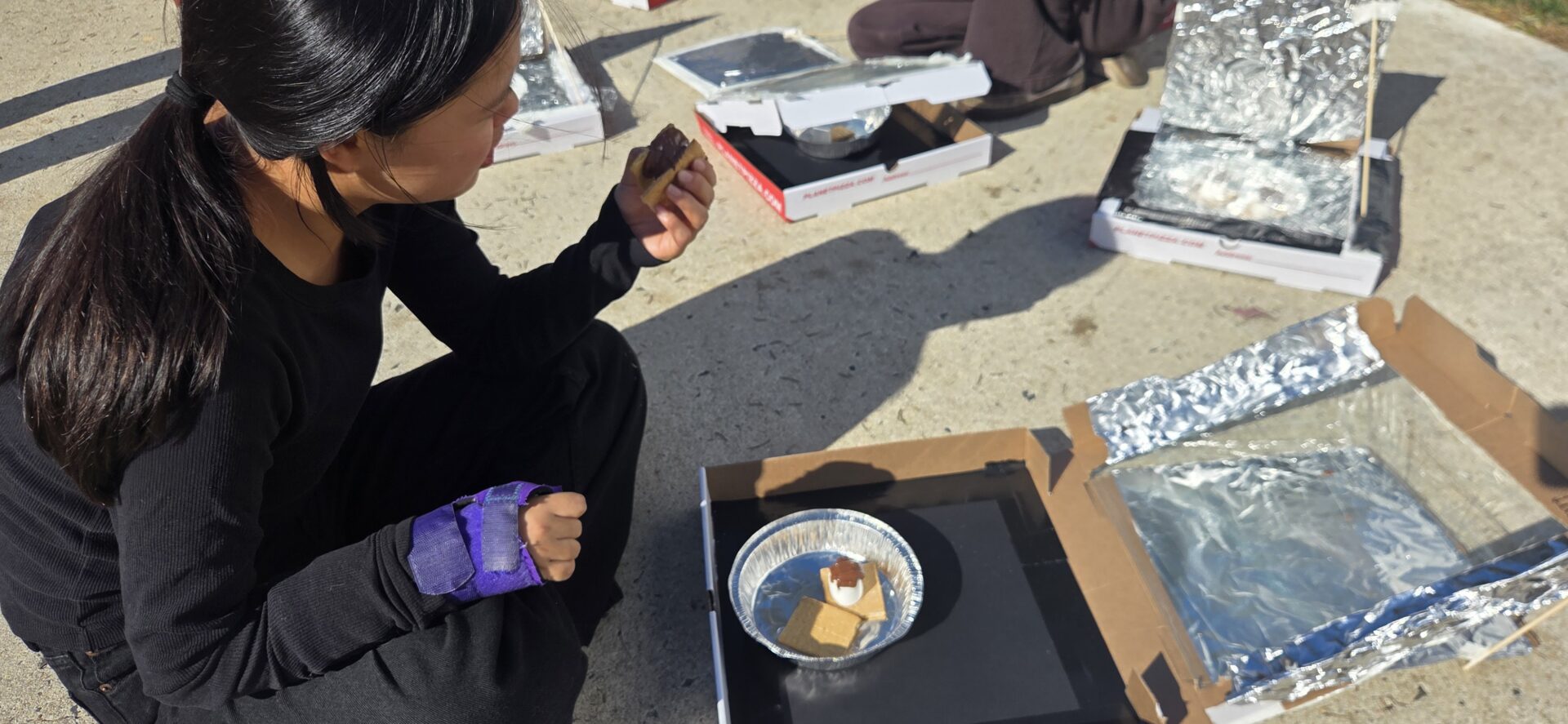
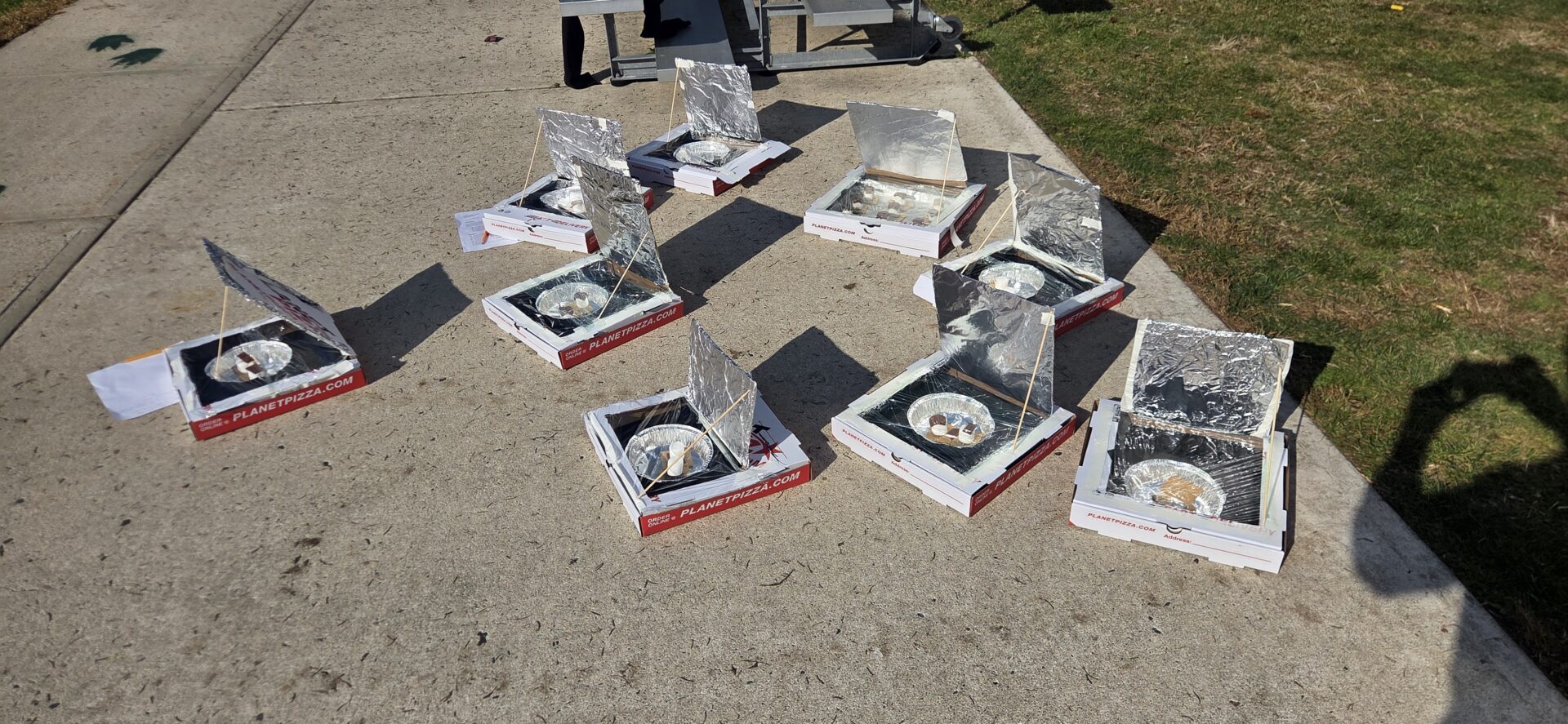
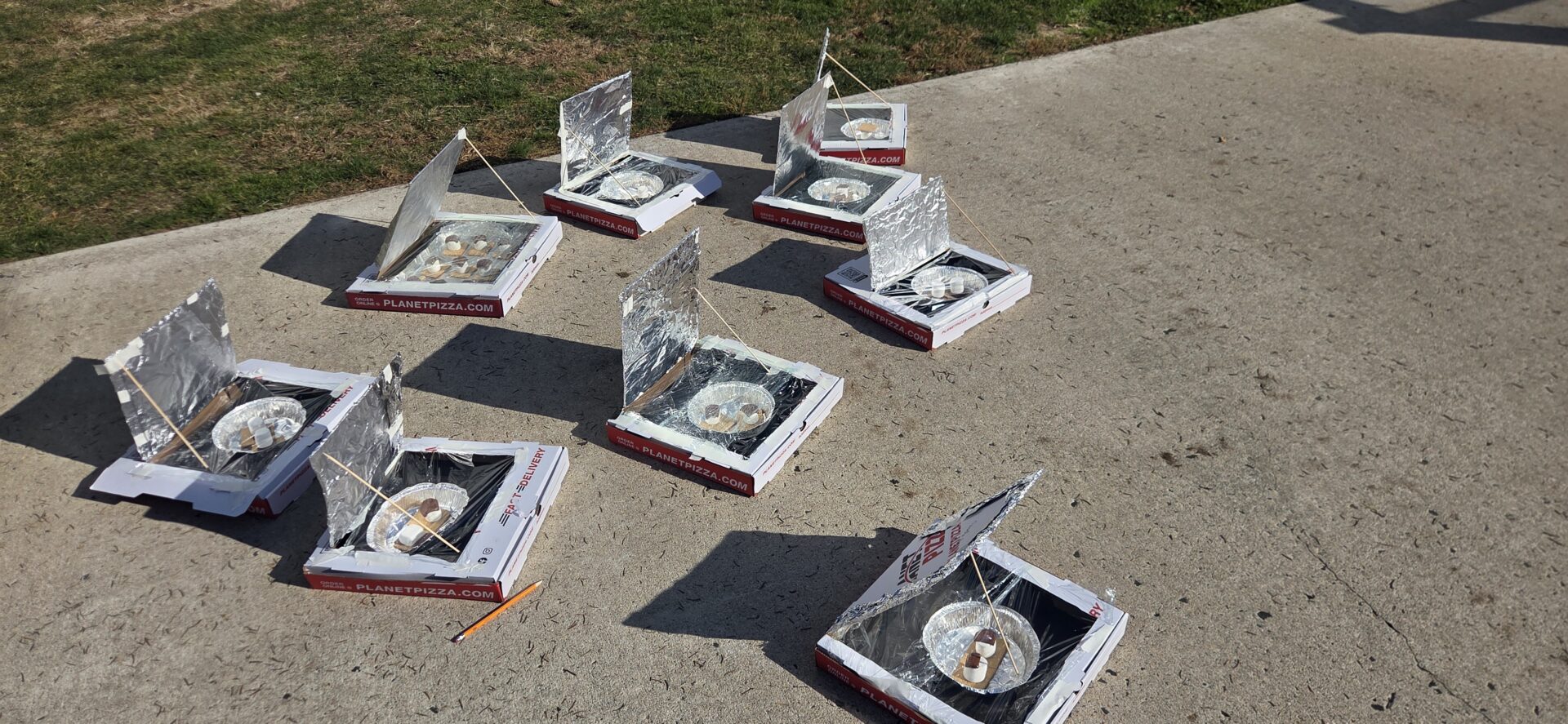
To wrap up our physics unit on energy transfer and transformation, the 8th graders built their own solar ovens which would demonstrate many of these processes. In this lab, the students not only applied their knowledge in an exhilarating experiment, but they were rewarded with a sweet treat at the end for their efforts and diligence. The solar ovens were built from cardboard boxes, aluminum foil, black construction paper, plastic wrap and a wooden dowel. The finished solar ovens had an open top with foil on it to reflect the electromagnetic rays from the sun into the solar oven which has a black lining to absorb the heat being transferred. The top of the oven cut out was lined with plastic wrap so it could keep the inside of the oven insulated and warm. Within this lab students gained a better understanding of the three different types of thermal energy transfer (radiation, conduction & convection) as well as other energy transfers and transformation mechanics.