




8th Grade Broadway Experience
Posted by Eric Snow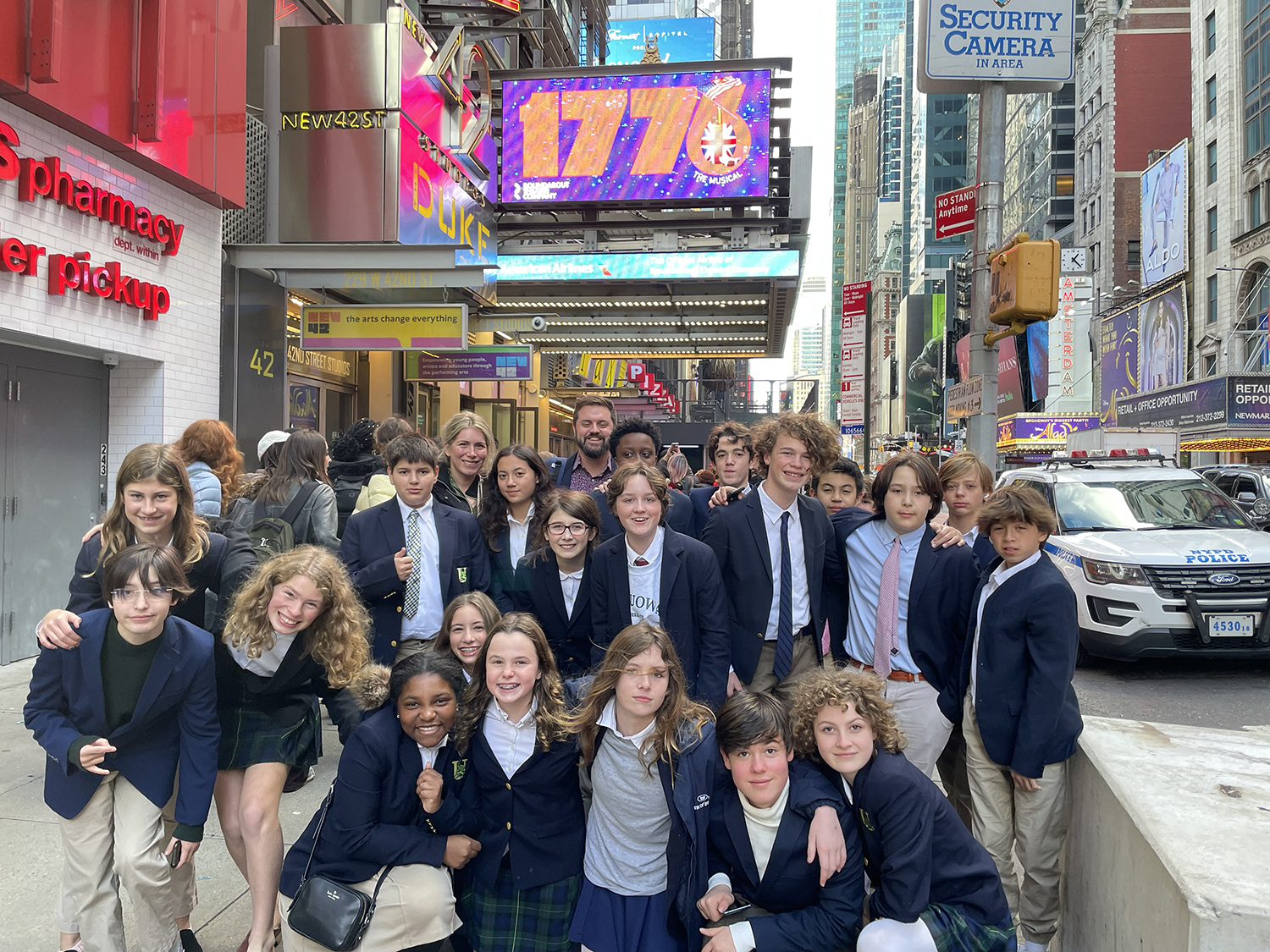
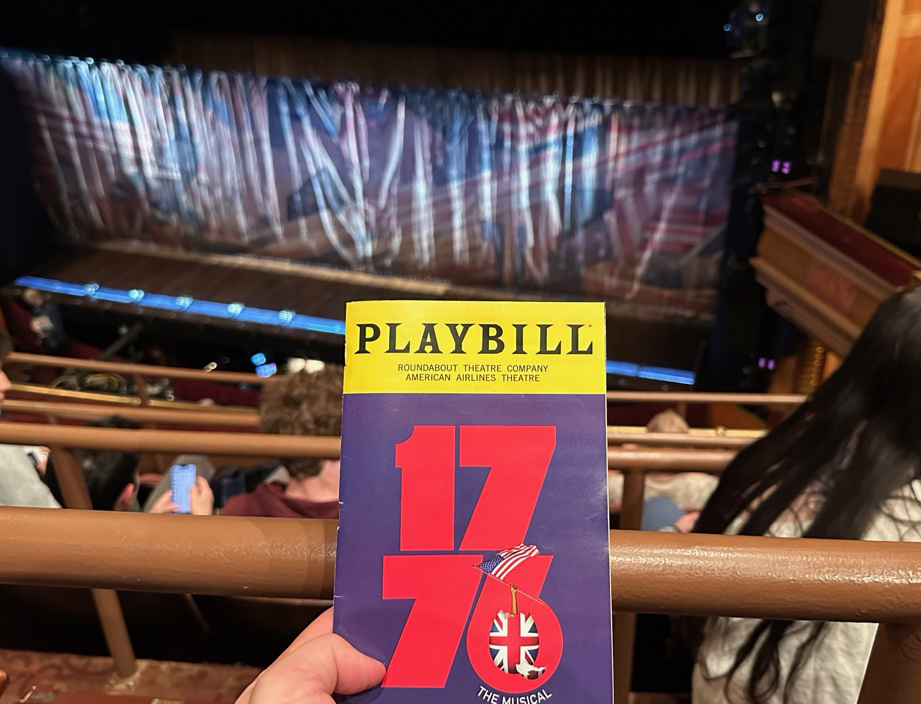
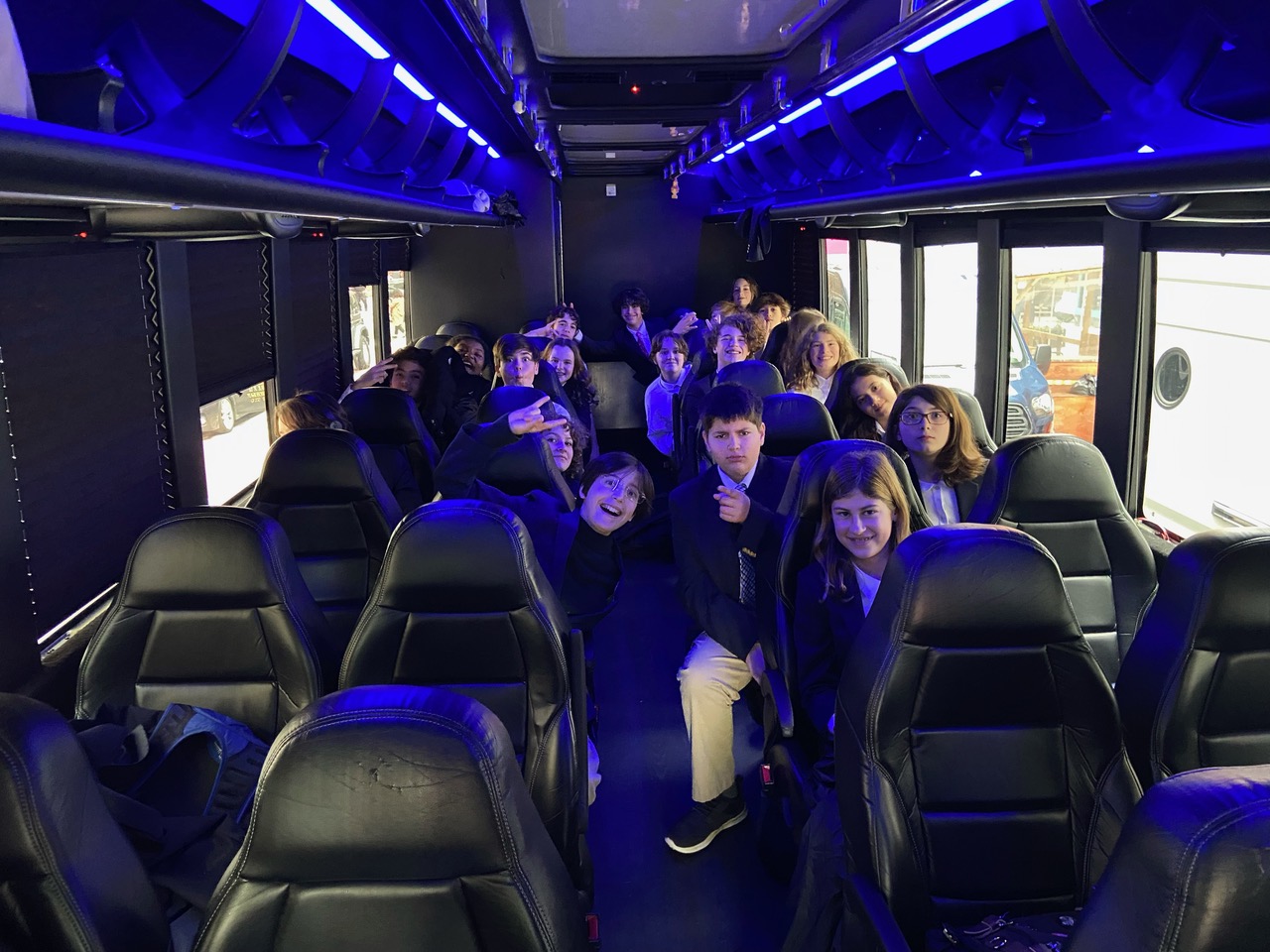
8th Grade Humanities at Unquowa includes an in-depth study of American History from the American Revolution to the present day. One of the essential questions we ask students from the beginning is: “What is the American Dream?” We use this question to look at the historical record and try to determine what, if anything, the Founders had to say about a unified – or perhaps an individual – American dream. We also use this question as a touchstone throughout the year as we seek more understanding about who was initially included in the American experiment, and who was (intentionally or unintentionally) marginalized or left out — what American voices still need to be heard? After learning about the Declaration of Independence, it helped students understand that the questions their teachers are asking them to think about and wrestle with are the very same questions that artists on Broadway are asking in the new 2022 revival of the Tony-award winning musical 1776 by Sherman Edwards and Peter Stone. With a revolutionary cast of women, black and indigenous people of color (BIPOC), and transgender actors, this new production highlights tensions between not only the Northern and Southern states at that First Continental Congress, but also the unspoken tensions between the America of today and the America of the late 1700s. It was a masterful performance, and students spent the next class period in school discussing their thoughts and writing up their own reviews of the show. It’s always good to be able to bring students back to Broadway, especially after the necessary hiatus during Covid. Pizza at the world-famous John’s of New York was icing on the cake!
Elephant’s Toothpaste!!!
Posted by Joshua Bartosiewicz
-

- Woah, it’s actually working!


As the 8th grade continues to explore the realm of chemistry, we’re actively conducting experiments obtaining visuals of chemical reactions! Here, we conducted an experiment known as, “Elephant’s Toothpaste”. To execute this experiment we used the following materials; an erlenmeyer flask, a tin tray, dish soap, potassium iodide, 12% hydrogen peroxide and food coloring. We mixed 2TBS of potassium iodide with 30ml of water, meanwhile 100ml of 12% hydrogen peroxide was added to the flask. Once the peroxide was added to the flask, students added some dish soap and food coloring. Next the fun part, students added the 30ml of dissolved potassium iodide to the flask which would trigger a chemical reaction. The potassium iodide reacts with the 12% hydrogen peroxide and begins to release oxygen gas bubbles. Normally the bubbles would pop but the dish soap keeps the oxygen bubbles from dispersing, therefore foaming up and creating this “paste” like substance!
A Record Season!
Posted by Sarah Pollex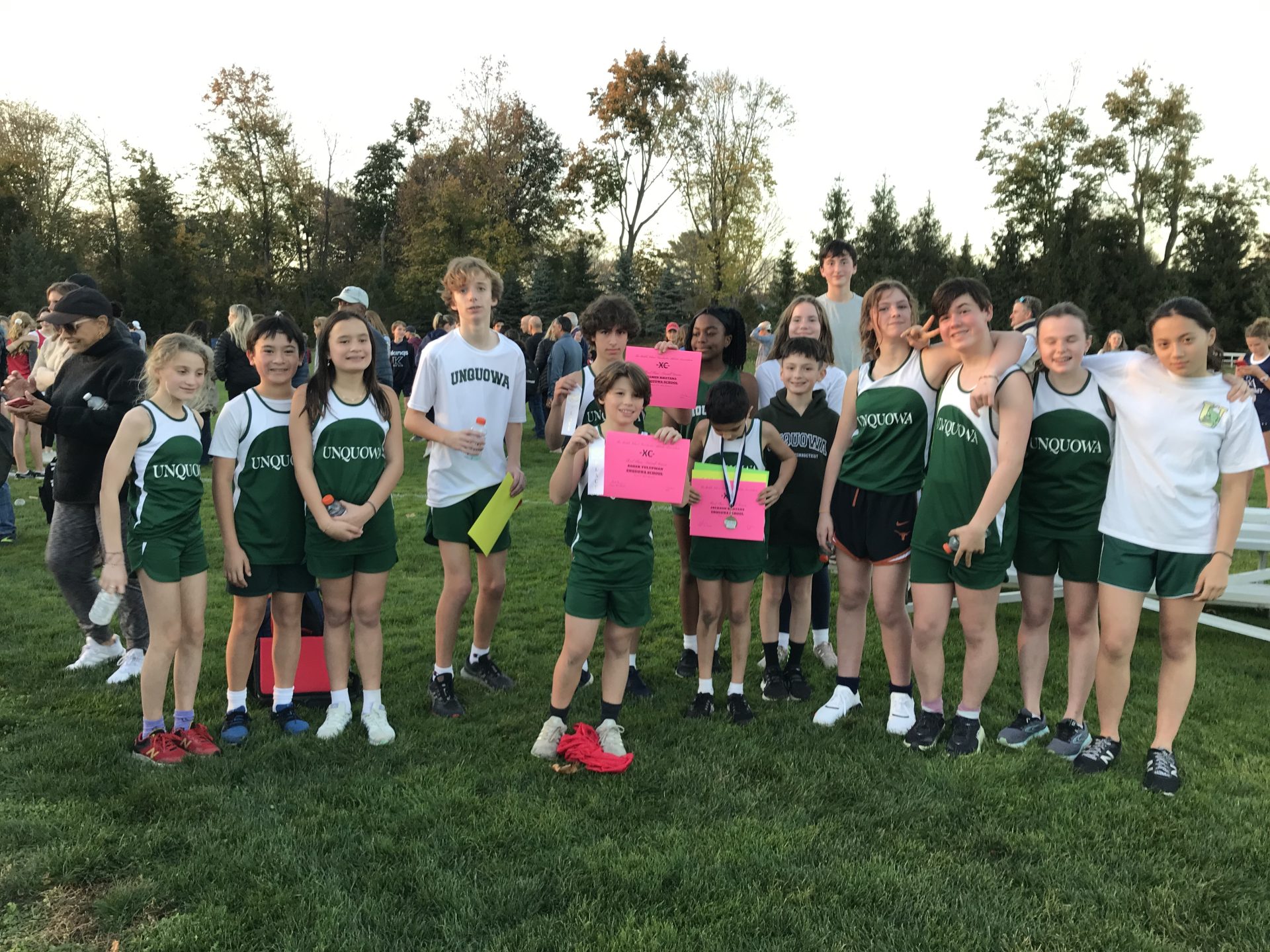
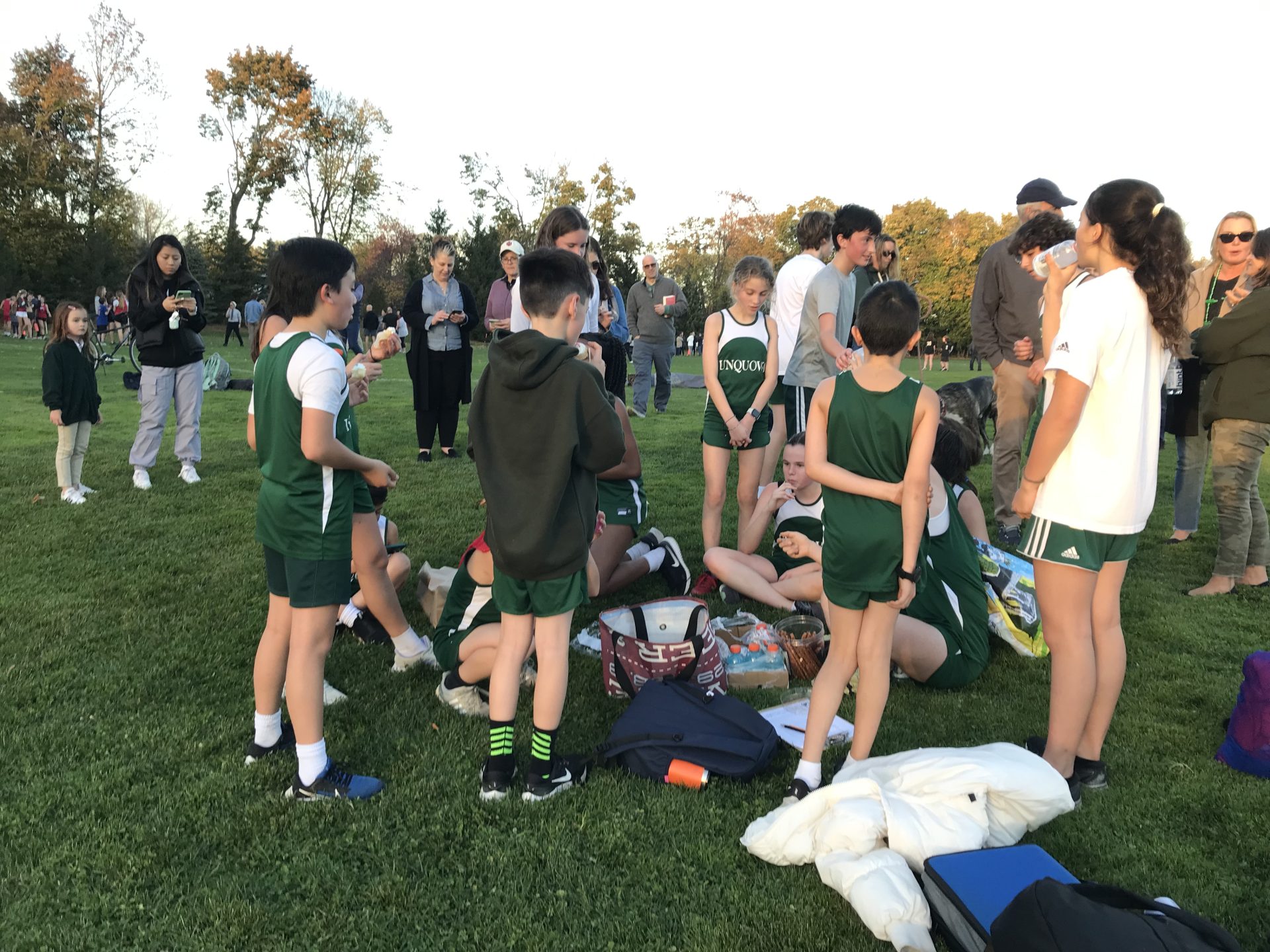
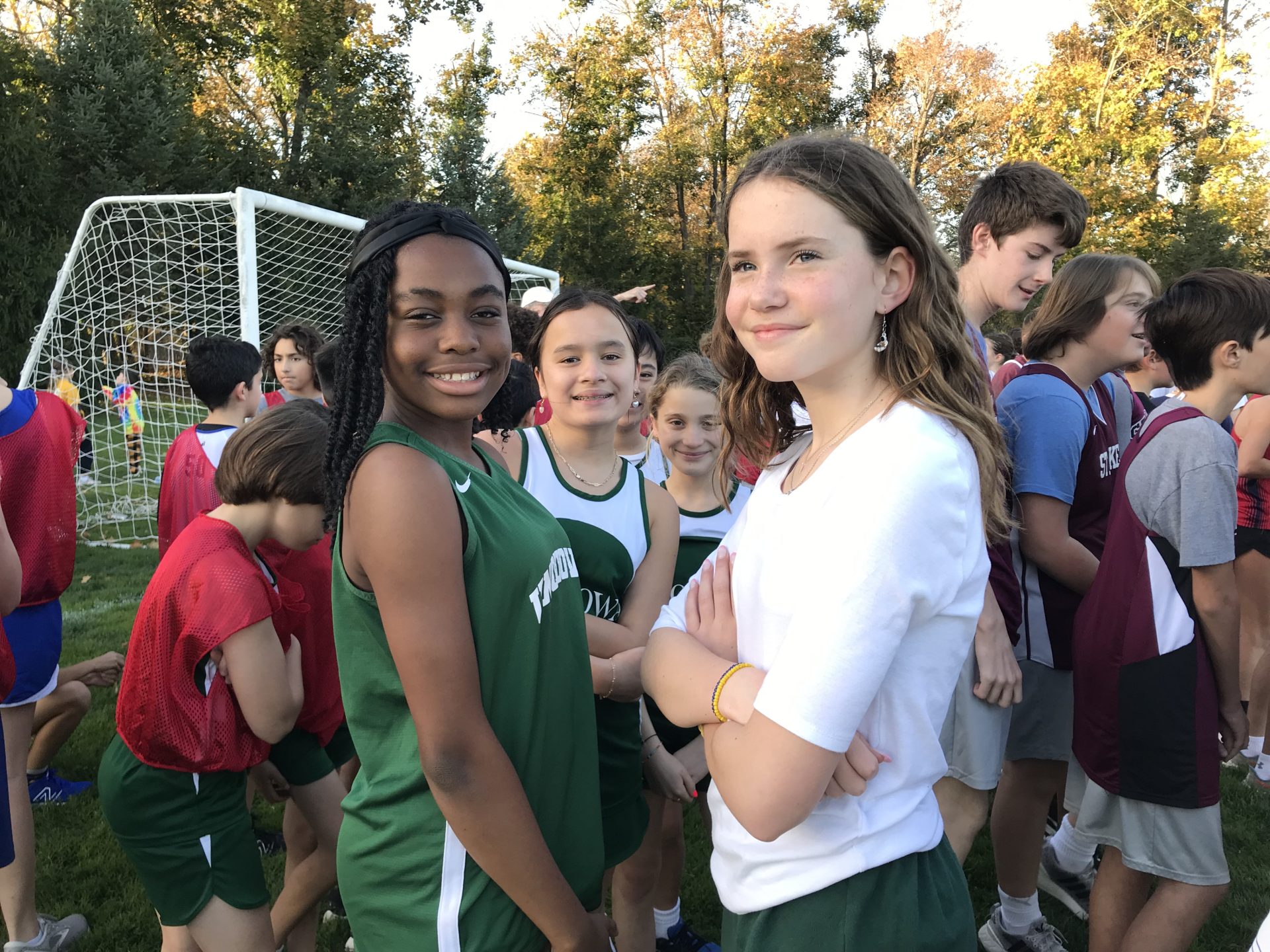
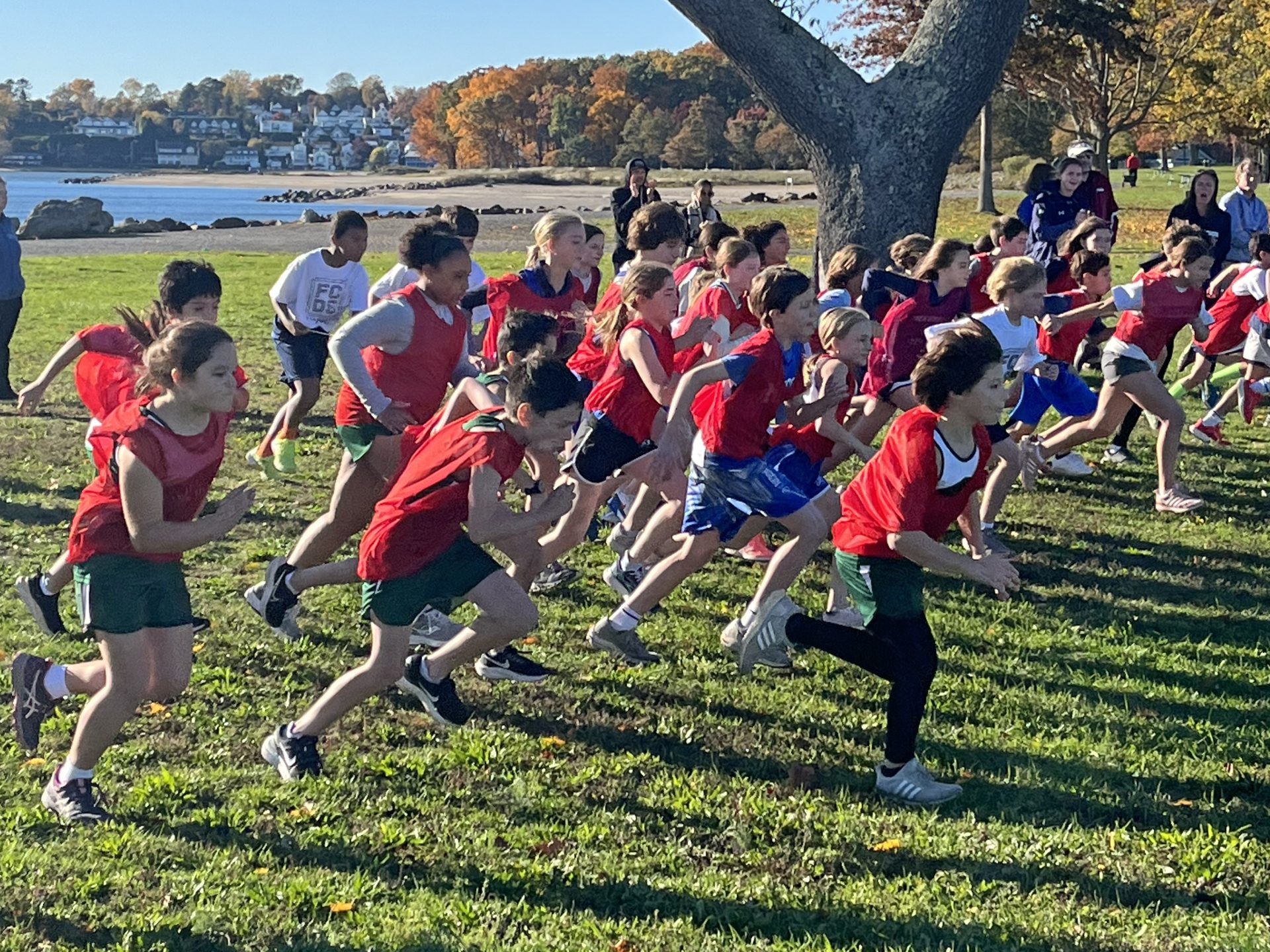
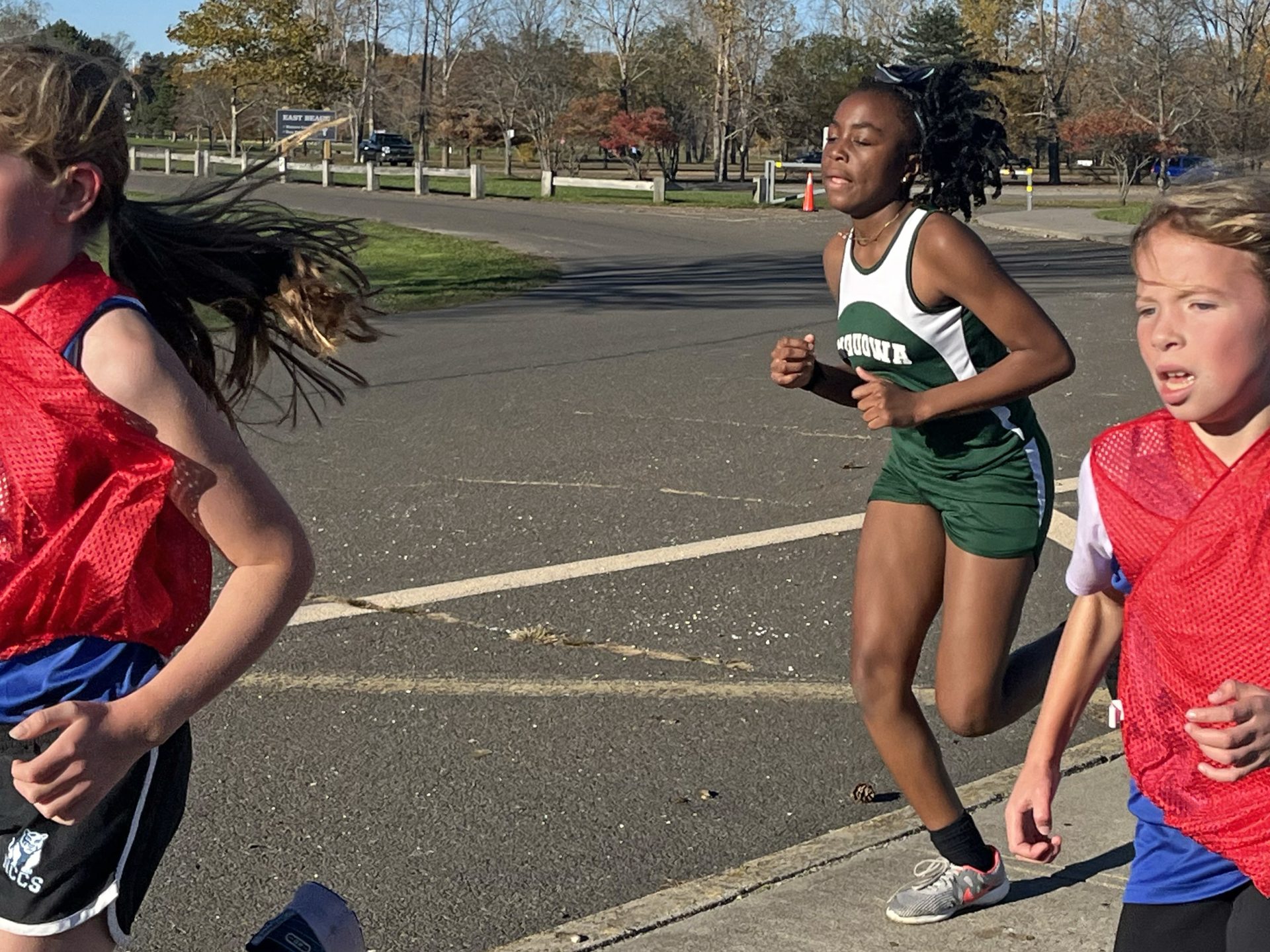
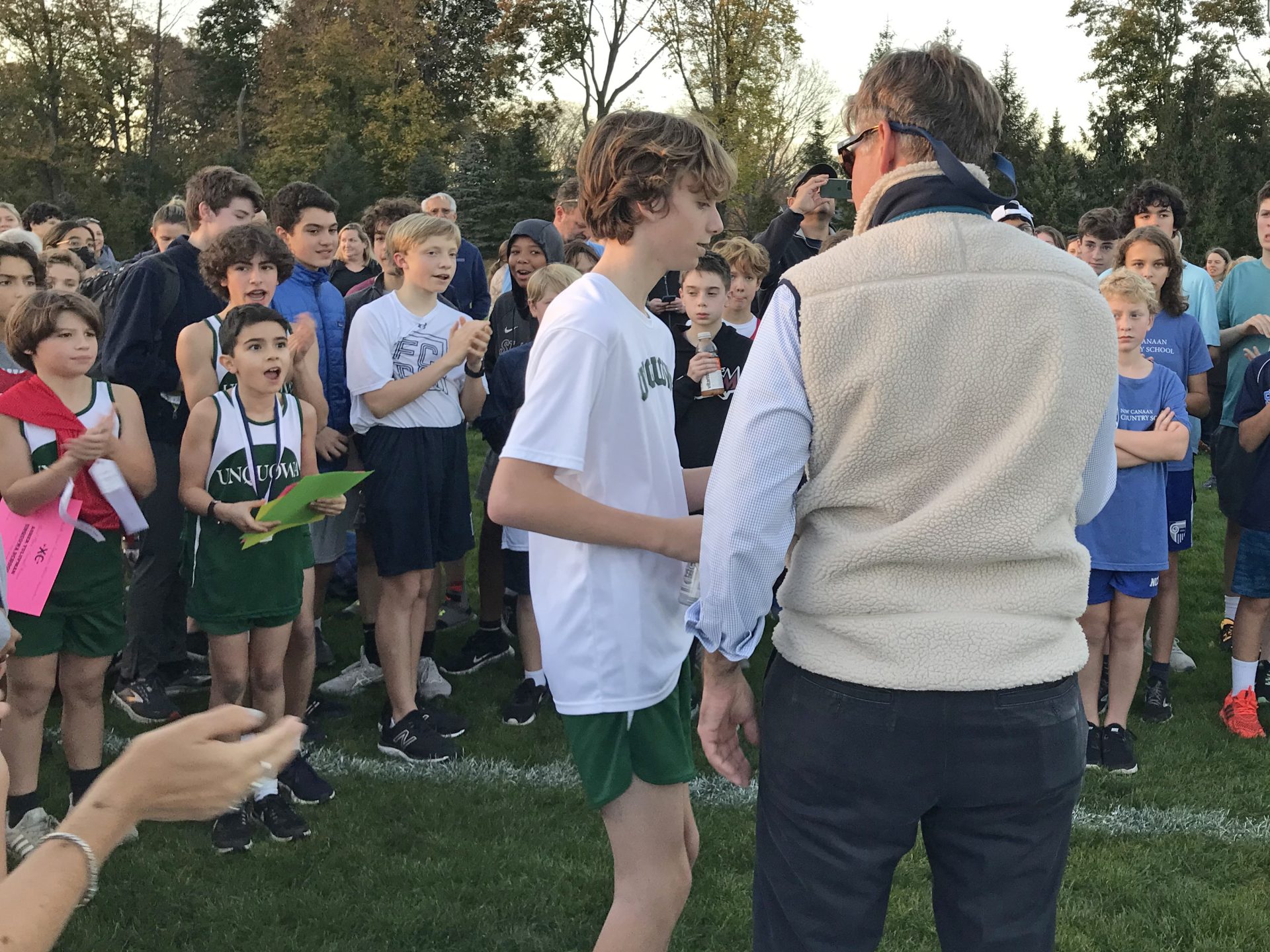
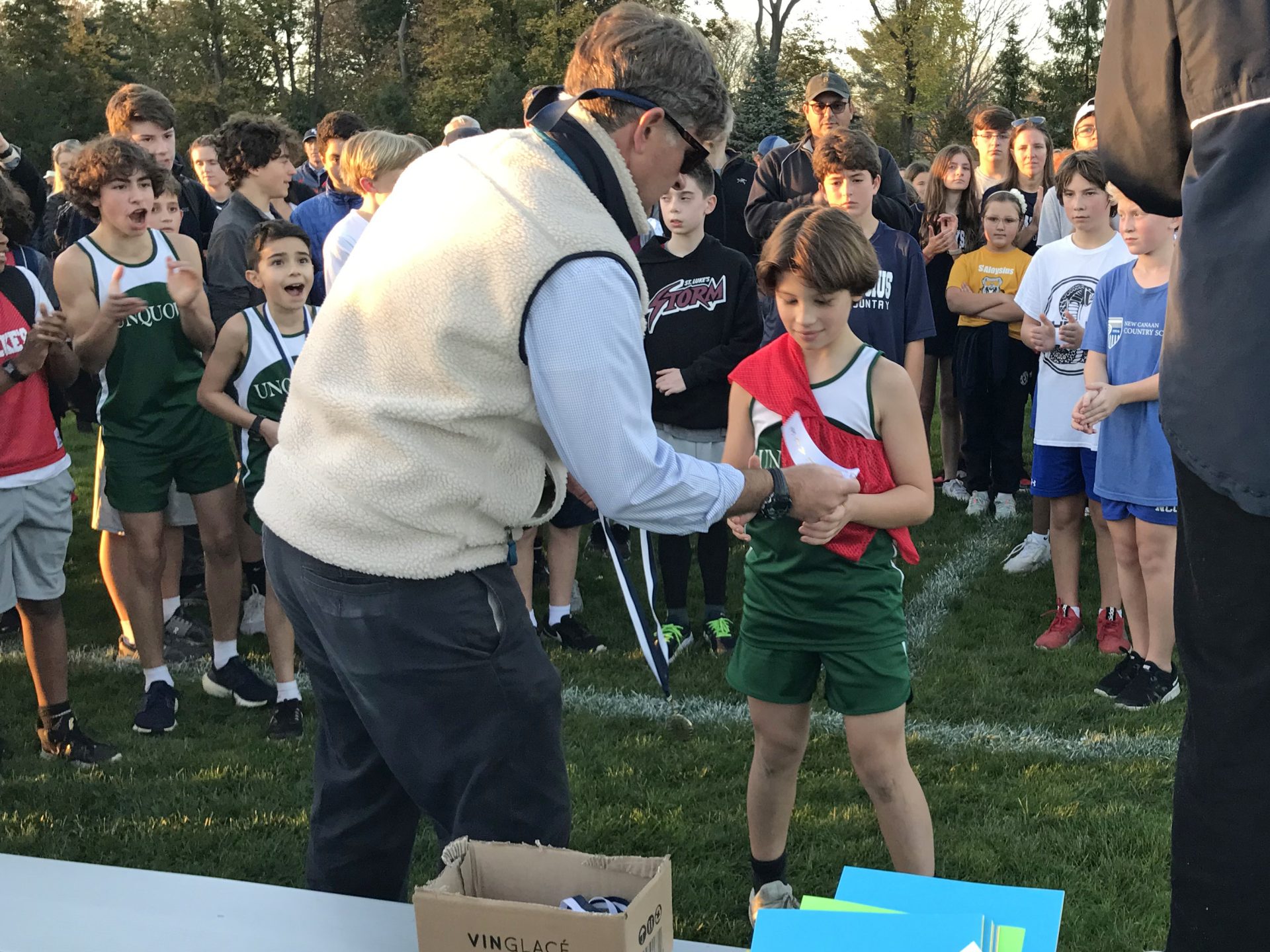
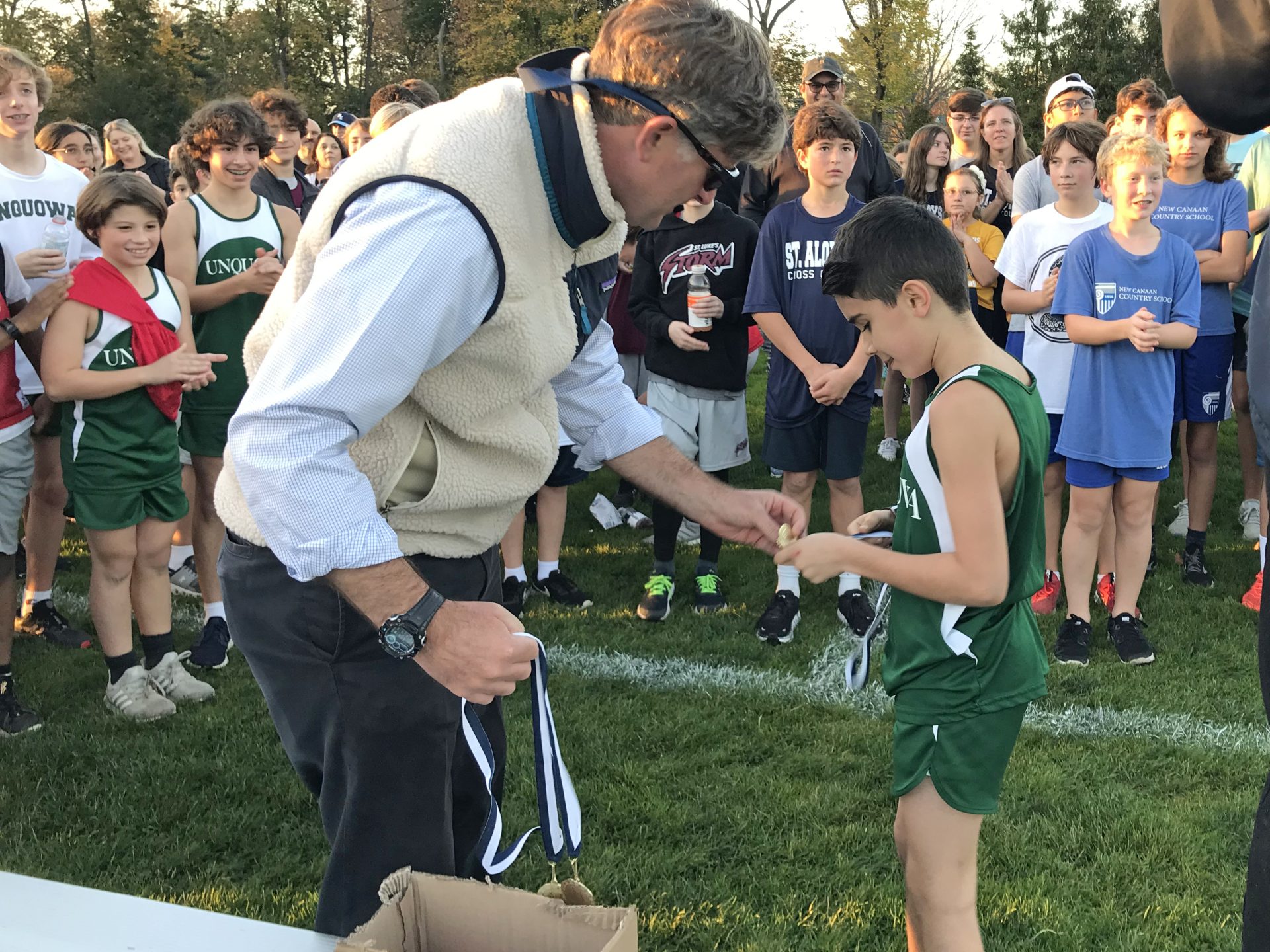

Cross country, Fall 2022, was a season of records. We enjoyed new members to our squad. They, along with our veterans, worked hard to become faster runners, taking minutes off their best times. Comparing the season’s opening and final mile runs, the team took a total of 10 minutes off its personal best. At every meet at least 5 runners placed in the top 5. At the Penfield Beach meet, a record number of 8 runners placed in the top 5. For the overall season standings, again a record number of 8 runners placed in the top 5. At the Championship Meet, a record number of 4 runners placed in the top 3, including a first place finish. We are very proud of our team! Go Gators!
Spanish Students Real-Life Topics!
Posted by Diane Nietupski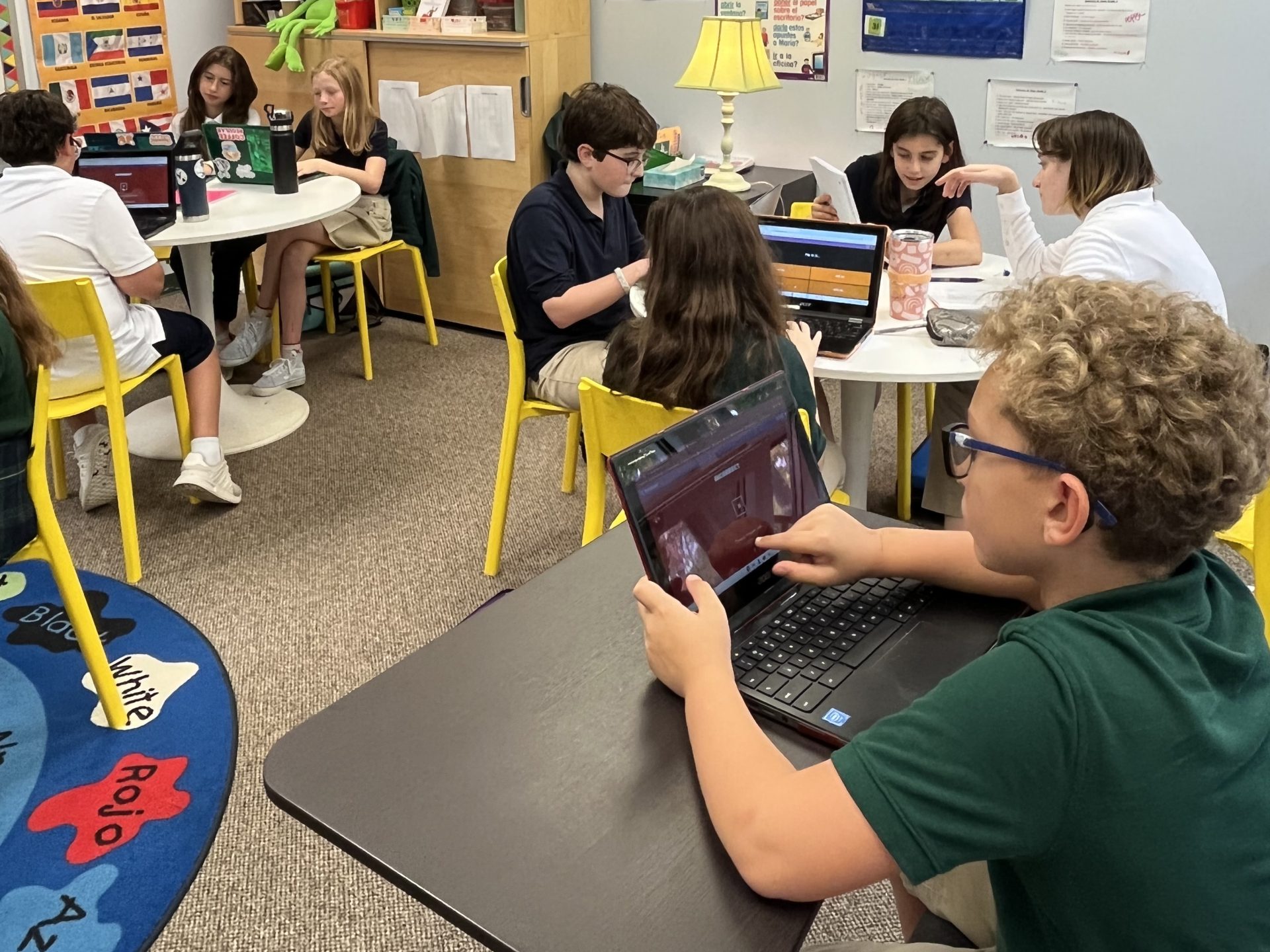
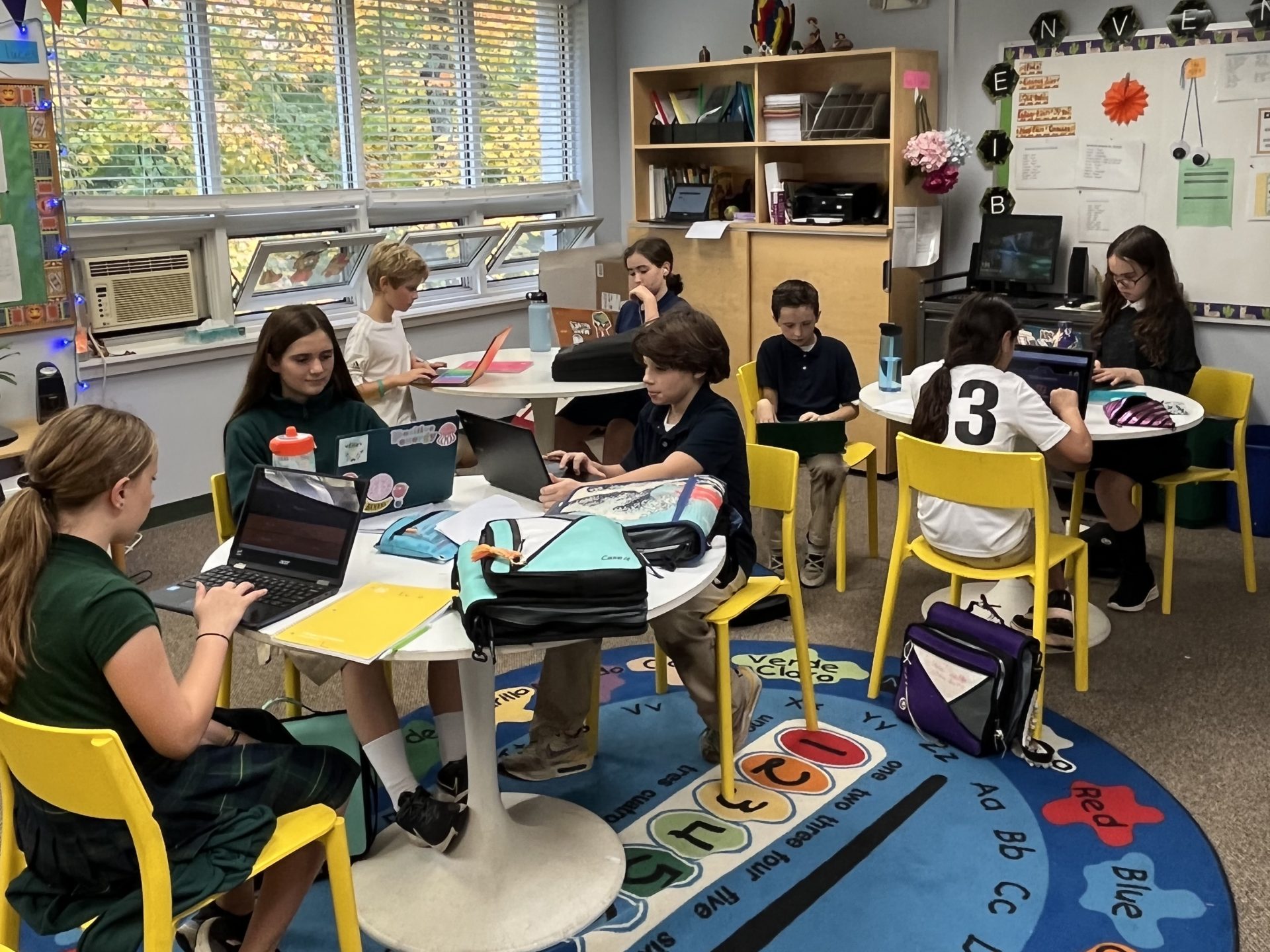
Upper School Spanish students are offered a wide range of audio and visual material, enabling them to learn about interesting real-life topics.
Using these tools students are effectively and efficiently gaining reading, writing, listening, and speaking skills, in Spanish.
The Memory Project expands to 7th grade!
Posted by Krissy Ponden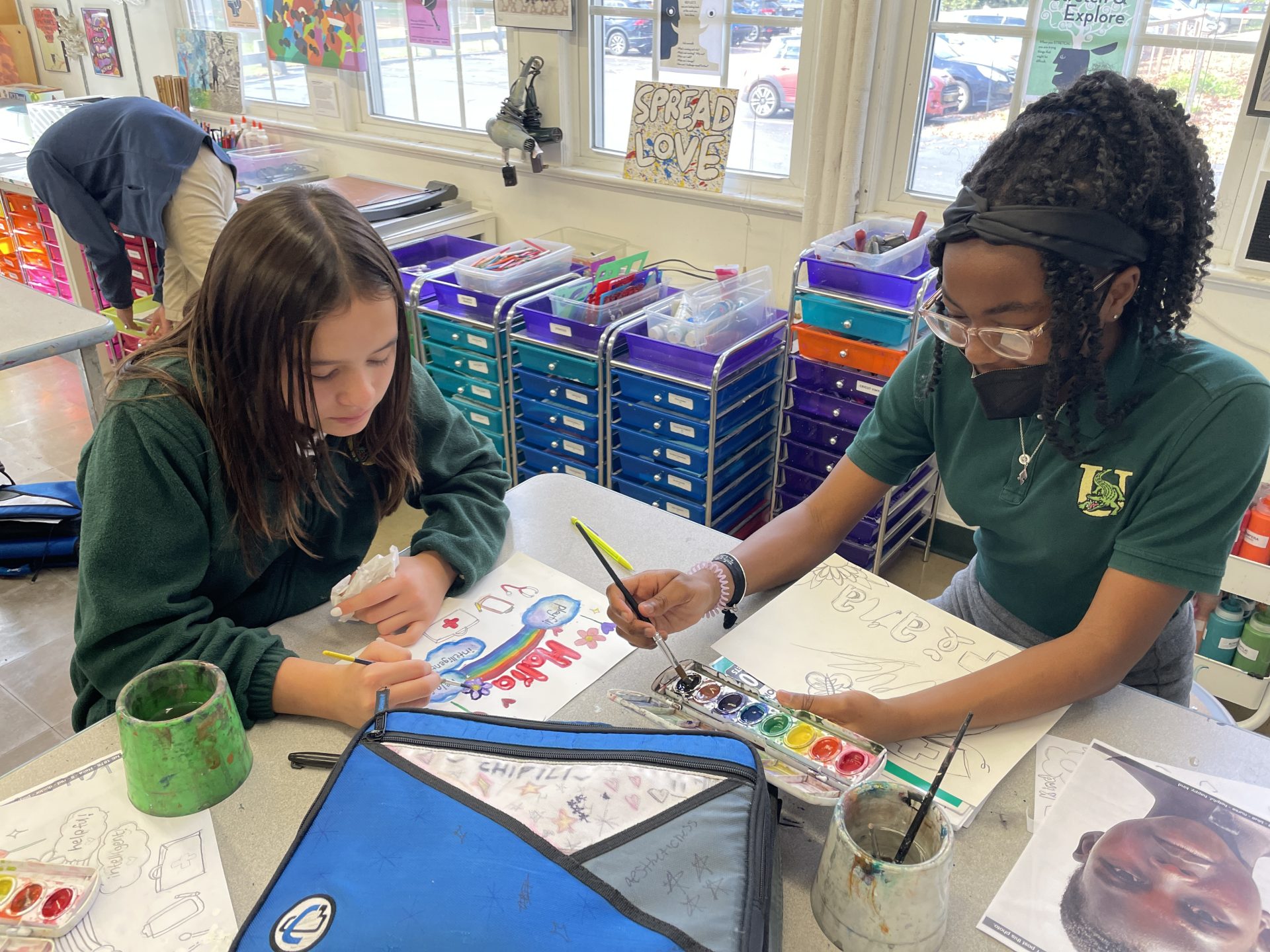
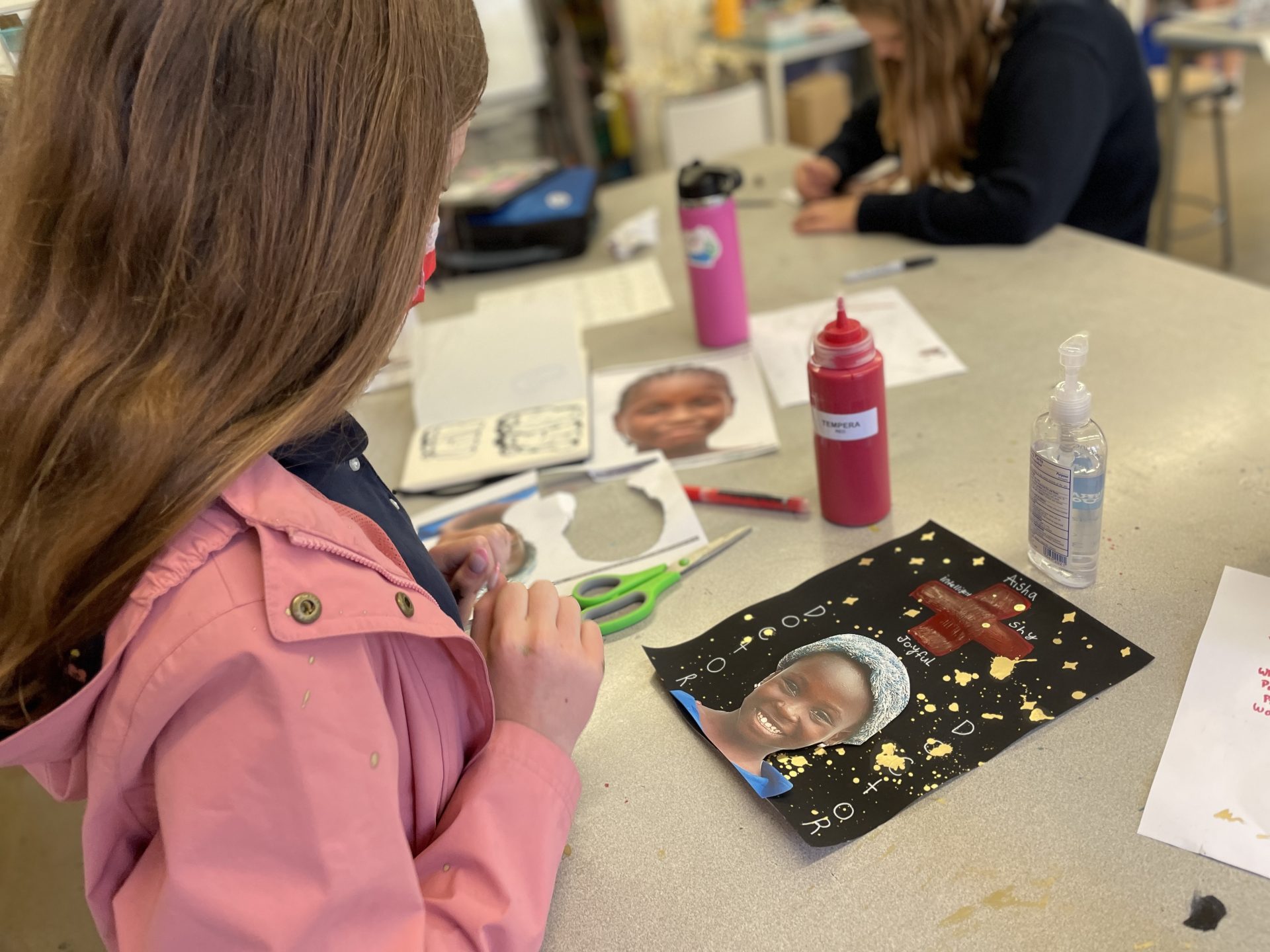
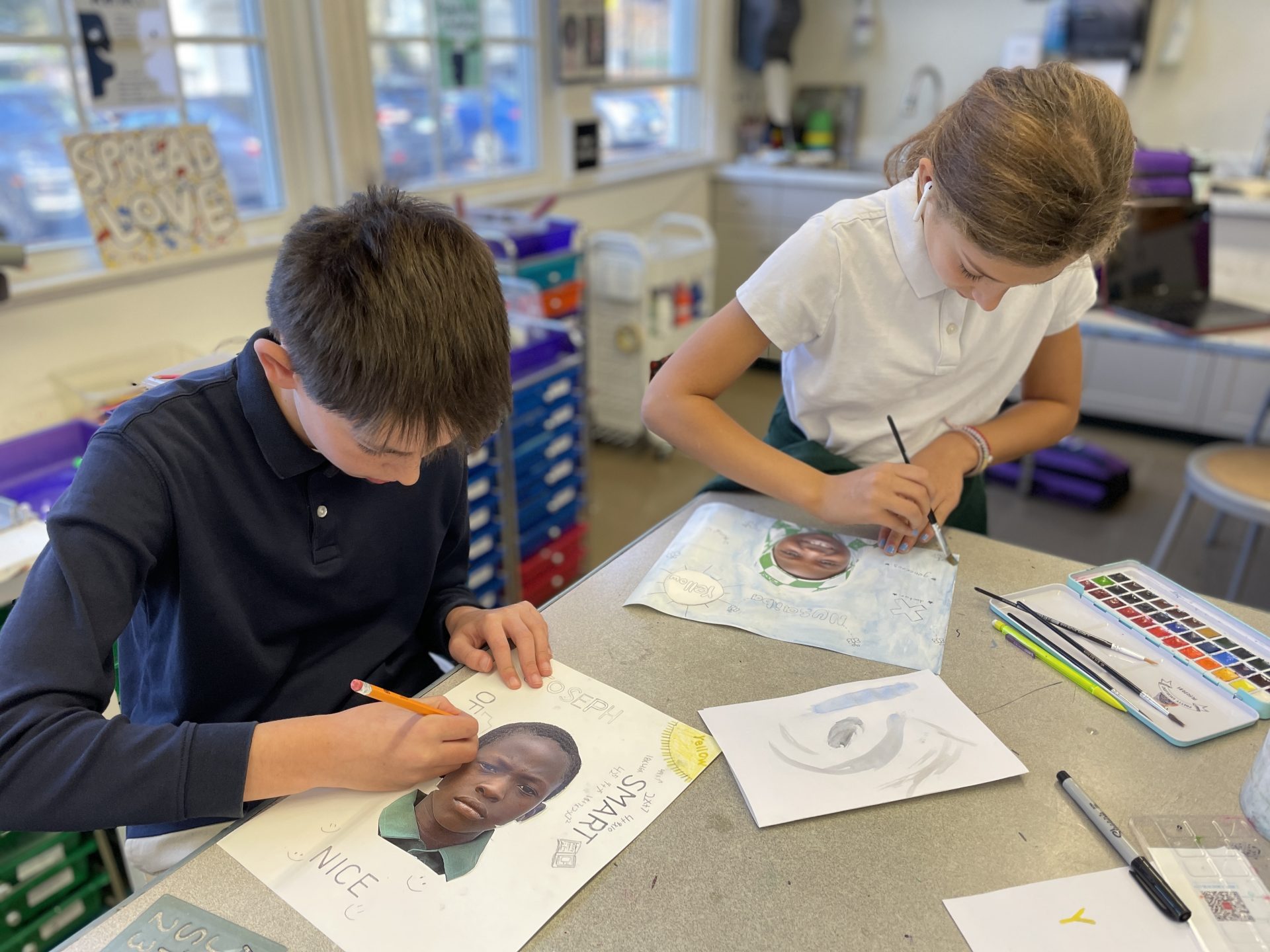
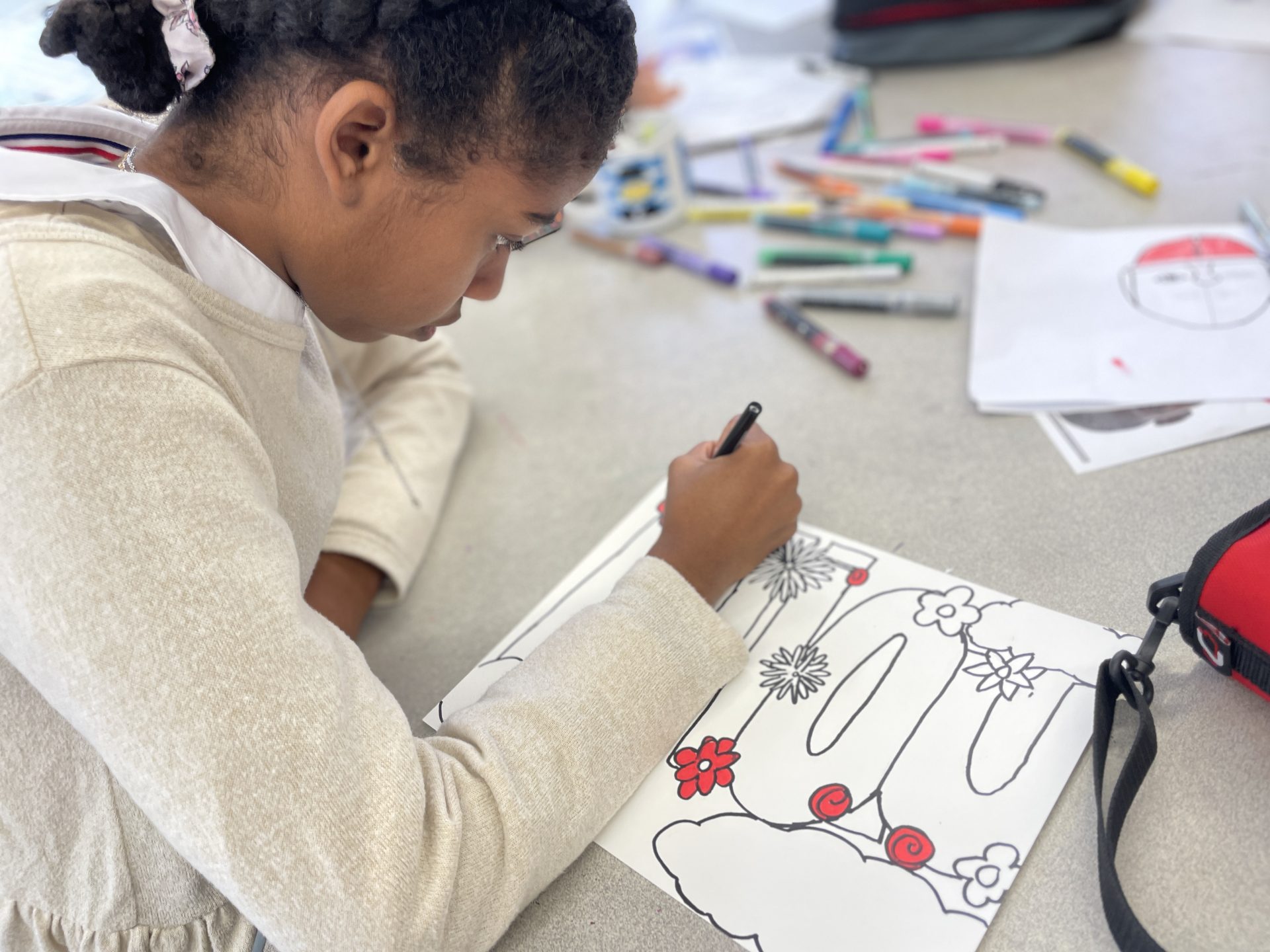
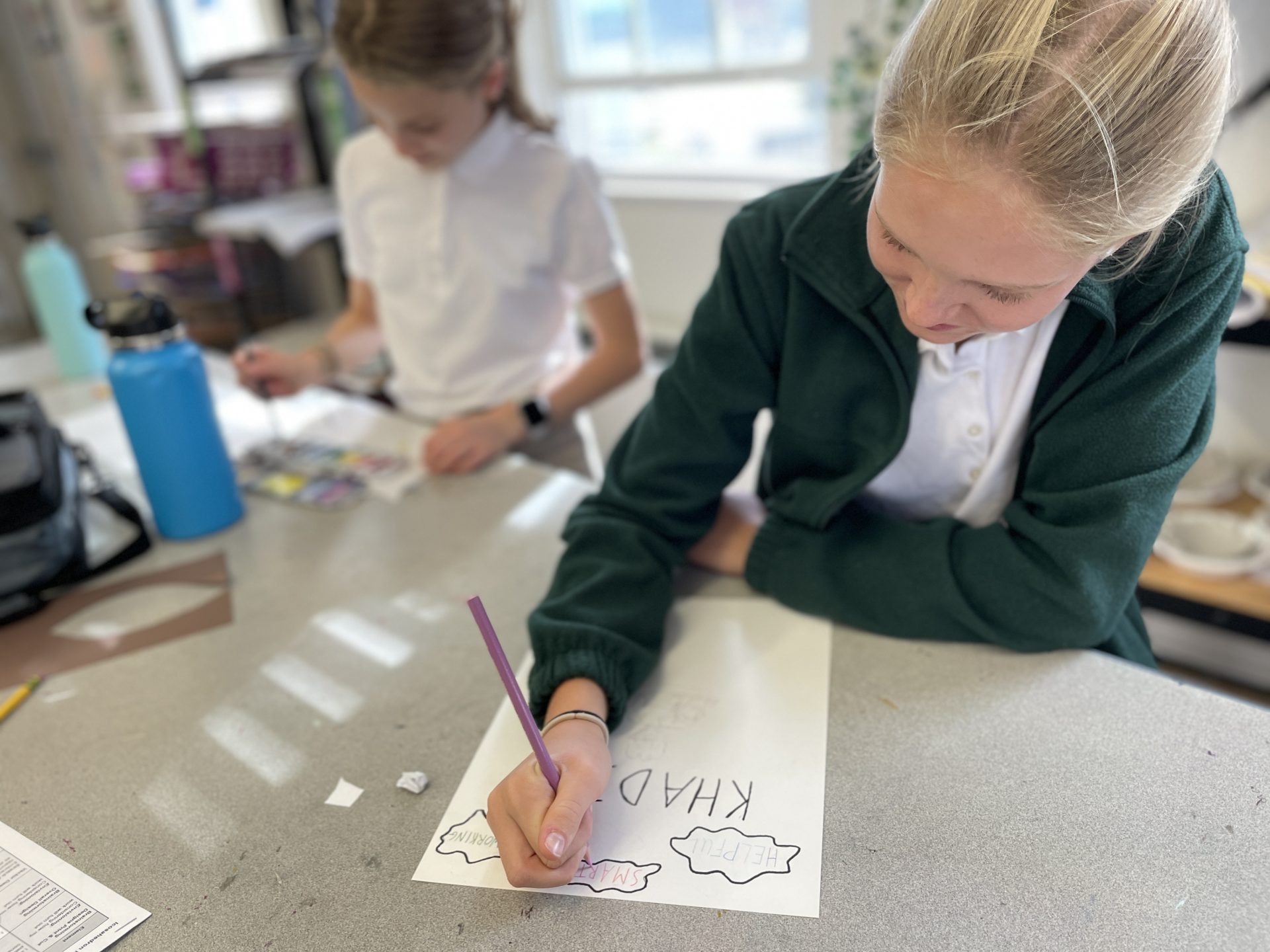
The Memory Project has become a rite of passage for 8th grade visual art students. They learn how to draw a portrait as a gift for a child experiencing hardships somewhere in the world. This year, 7th graders have been invited to create “inspiration art” for children living under the threat of Boko Haram in Nigeria. The students were given a photo of a child along with their name, age, favorite color, three words they used to describe themselves, and their hope for a future career. Their artwork will be mailed to the children as a gift to let them know that we are thinking of them and wishing them well!
The year is 1830, and there is a bill before the US Congress!
Posted by Ariel Warshaw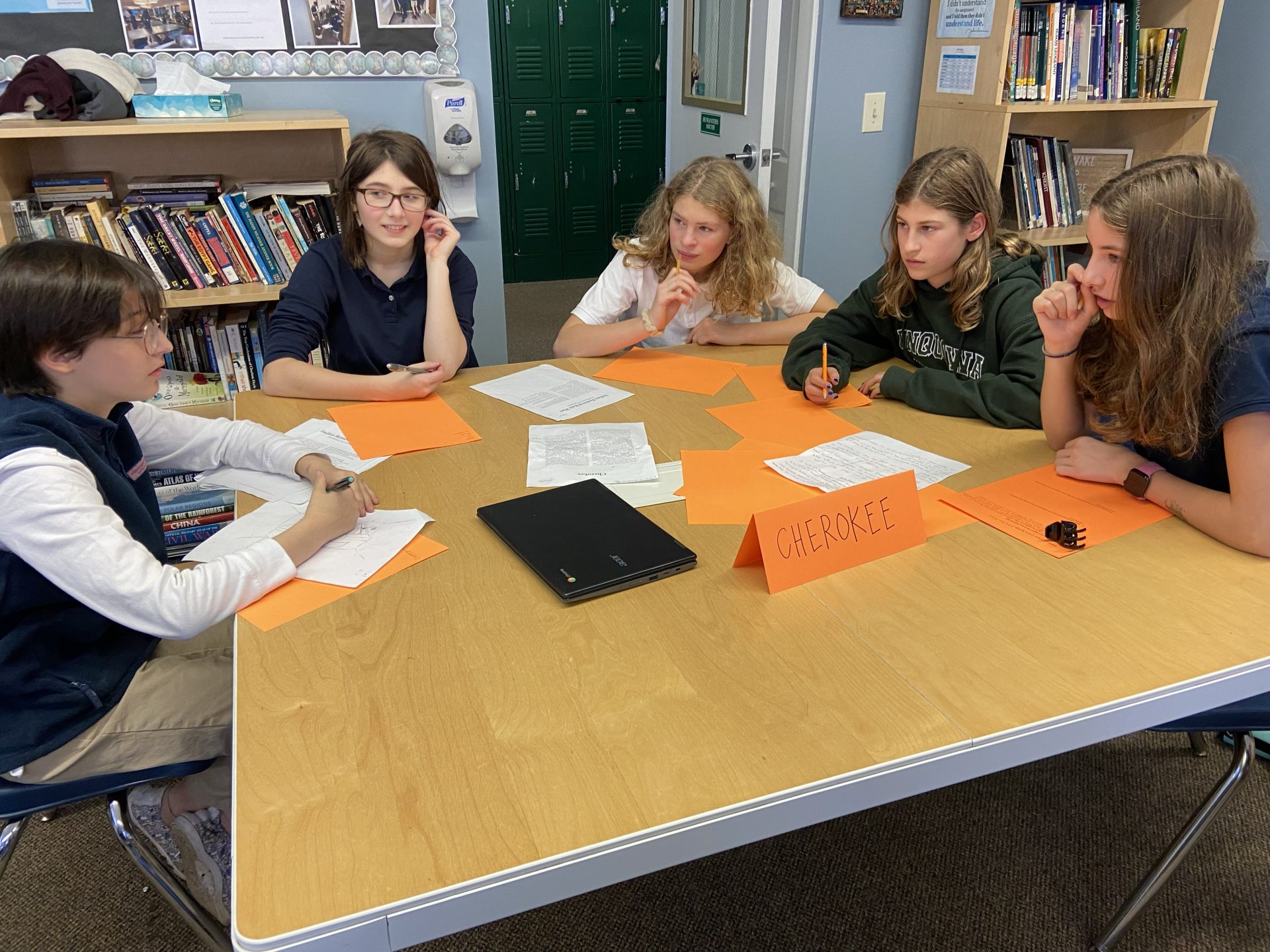
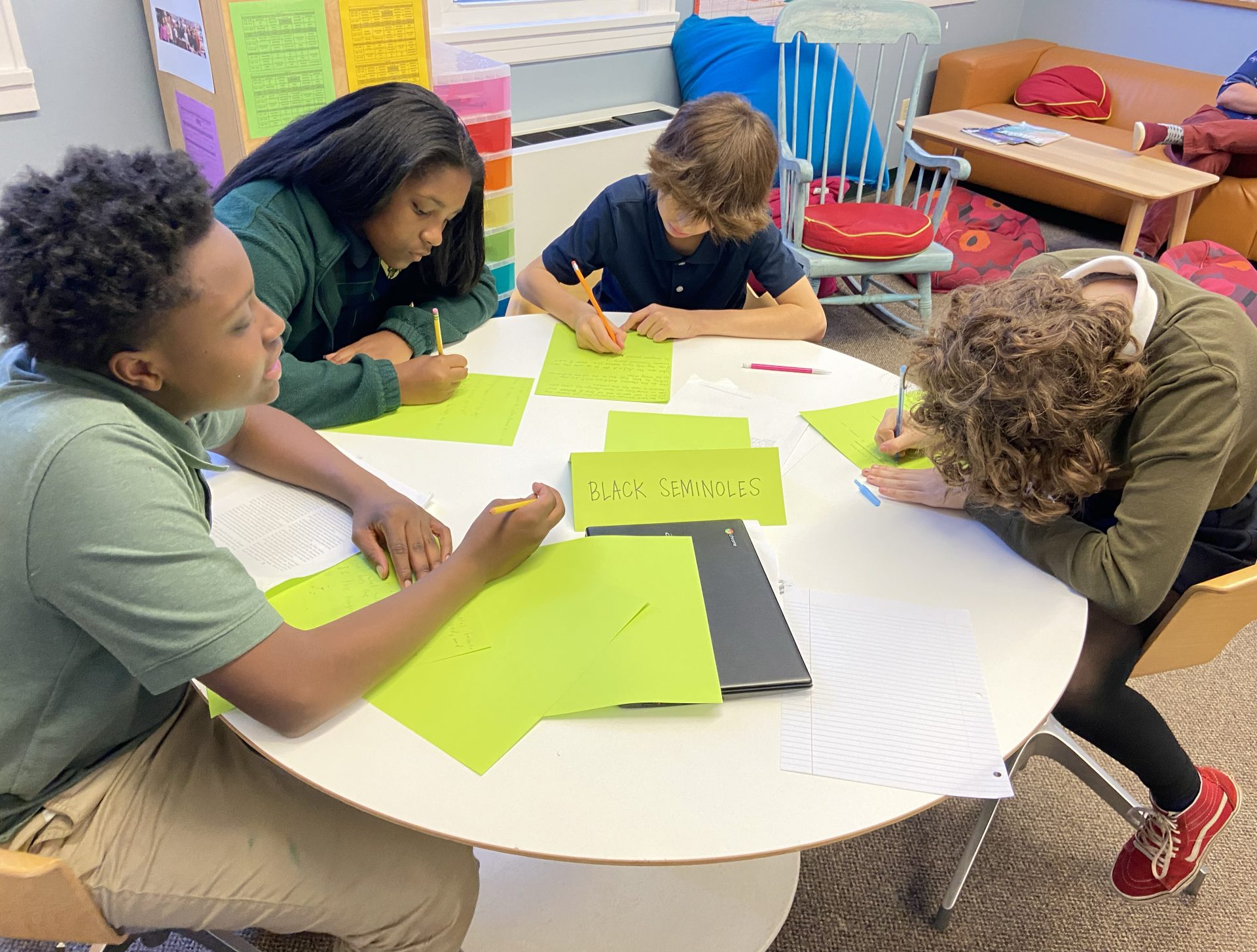
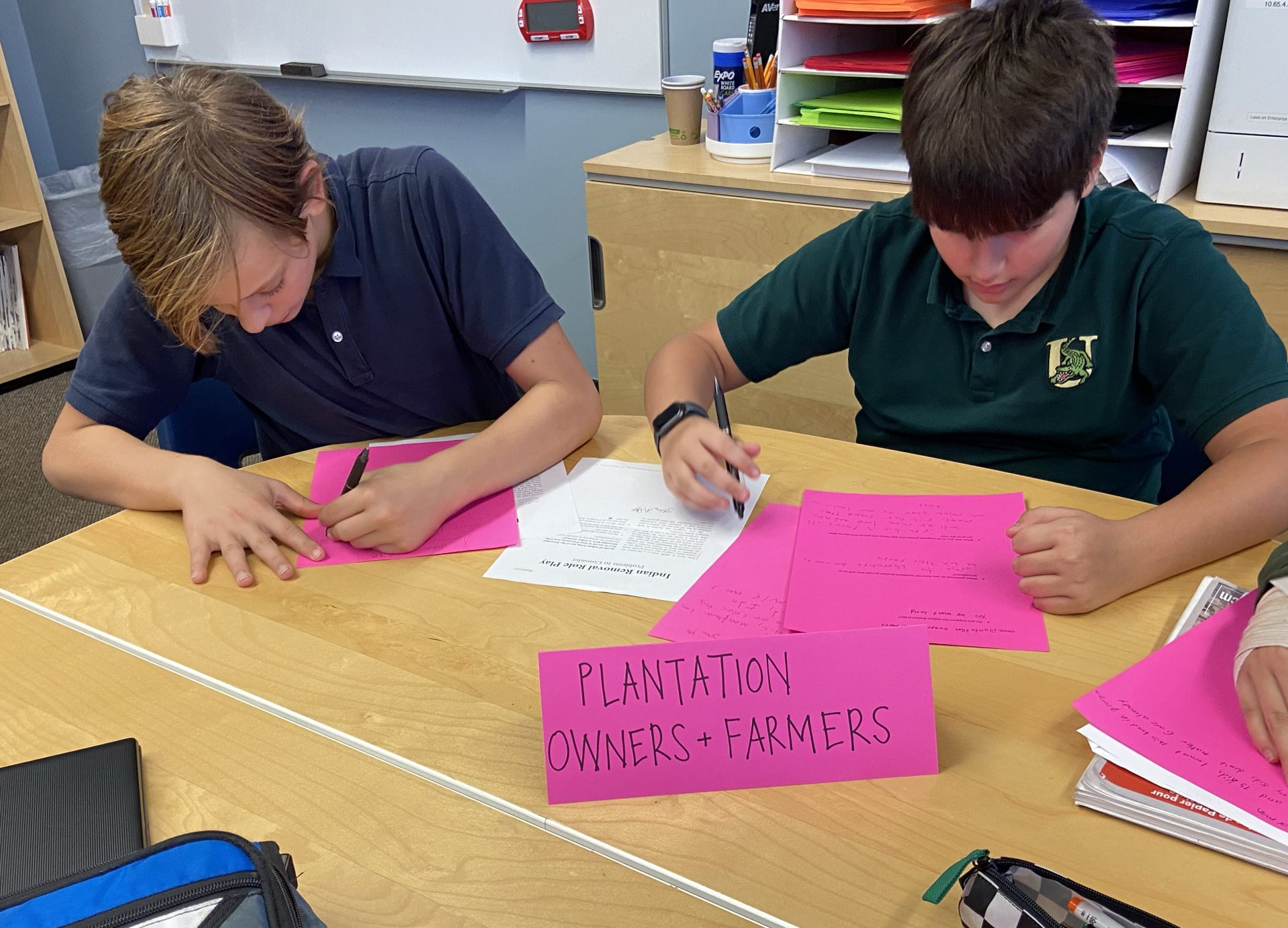
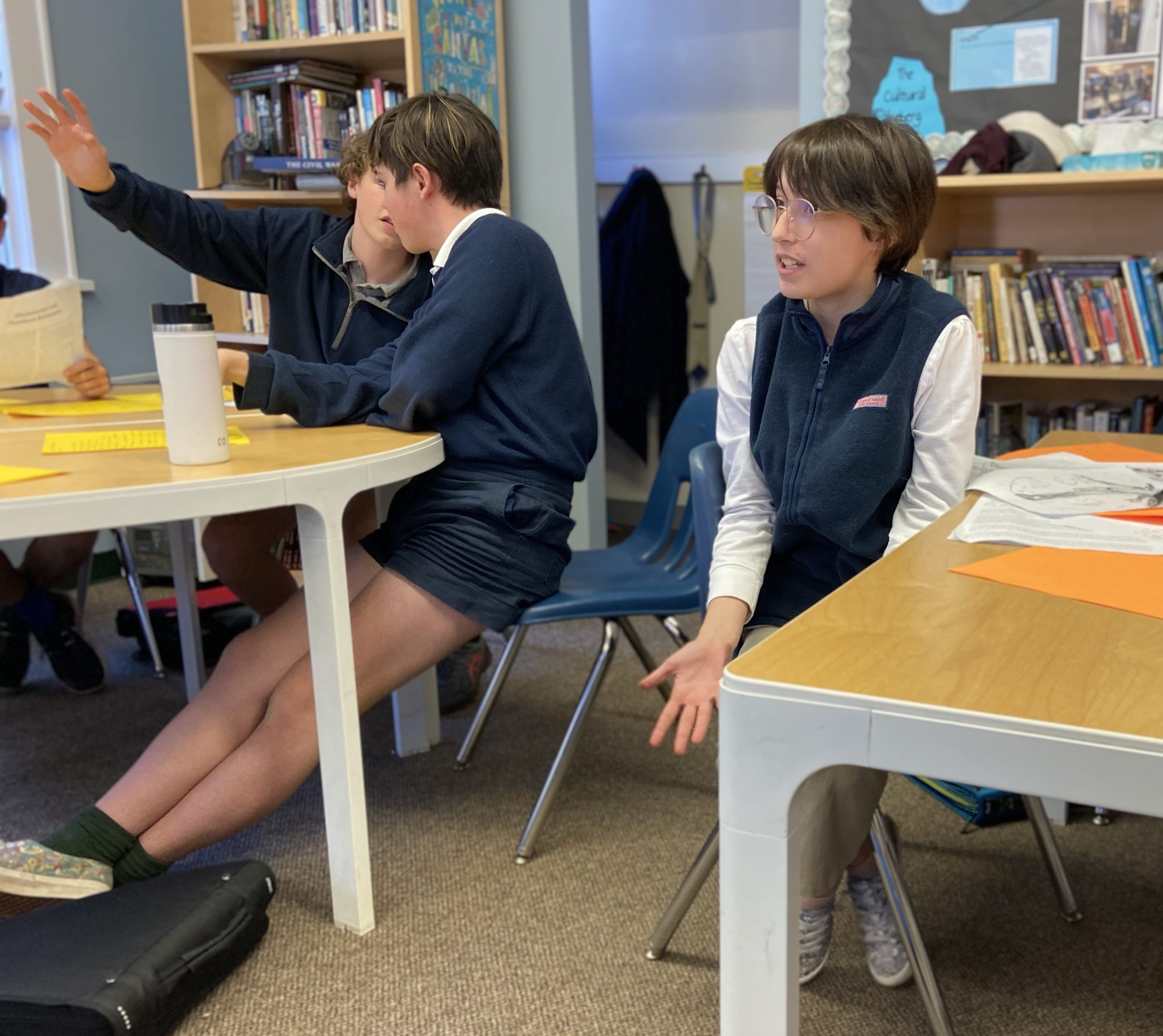
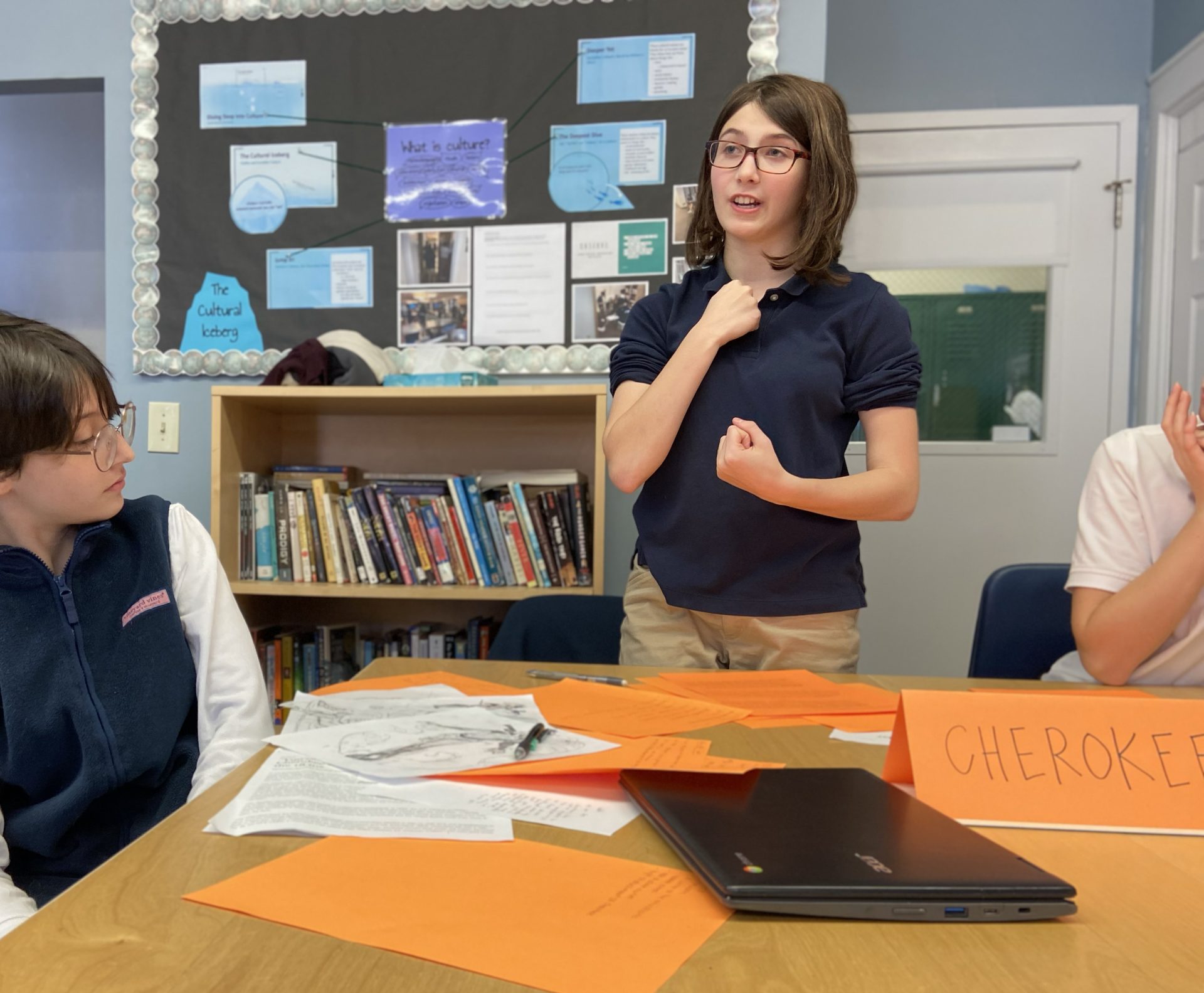
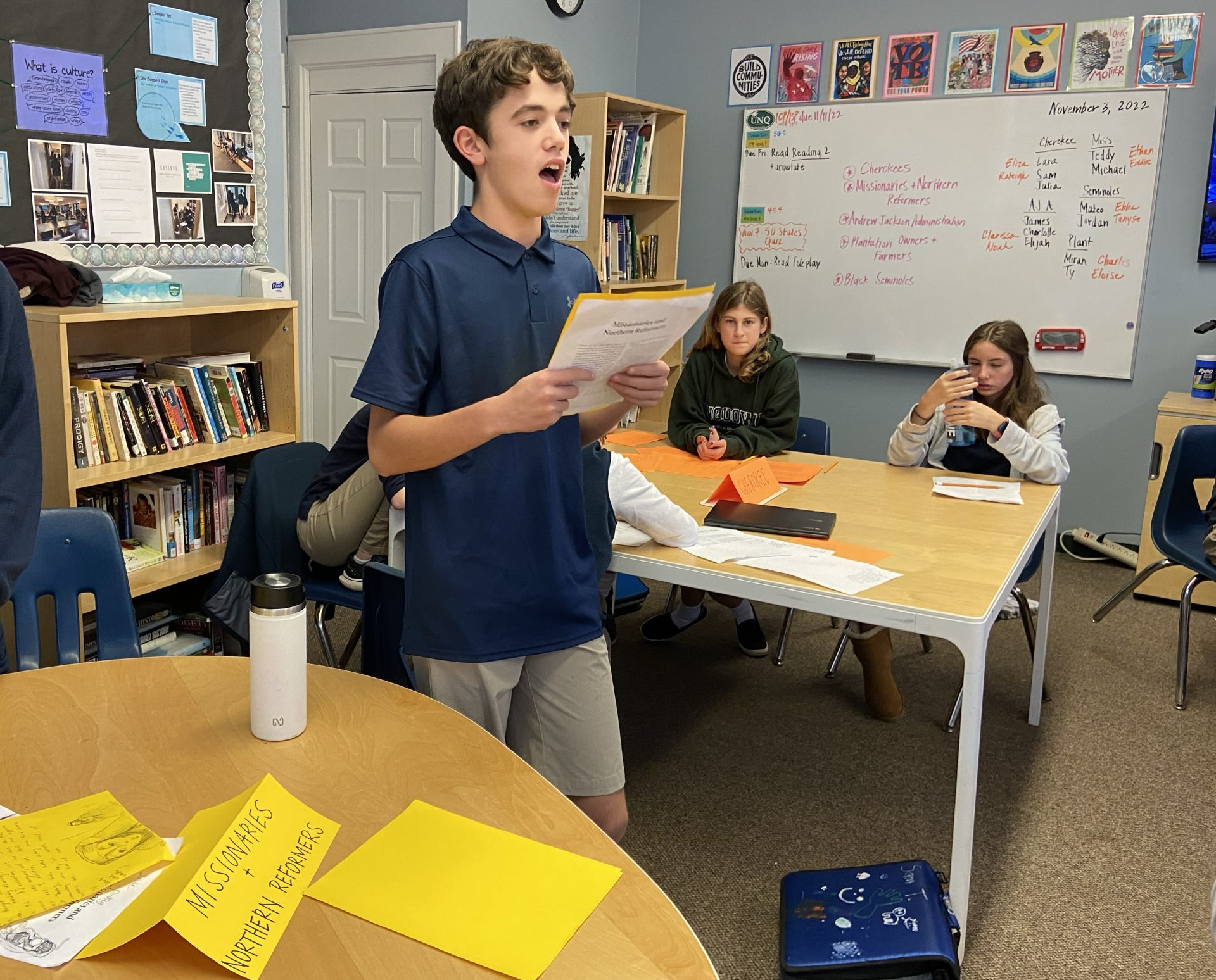
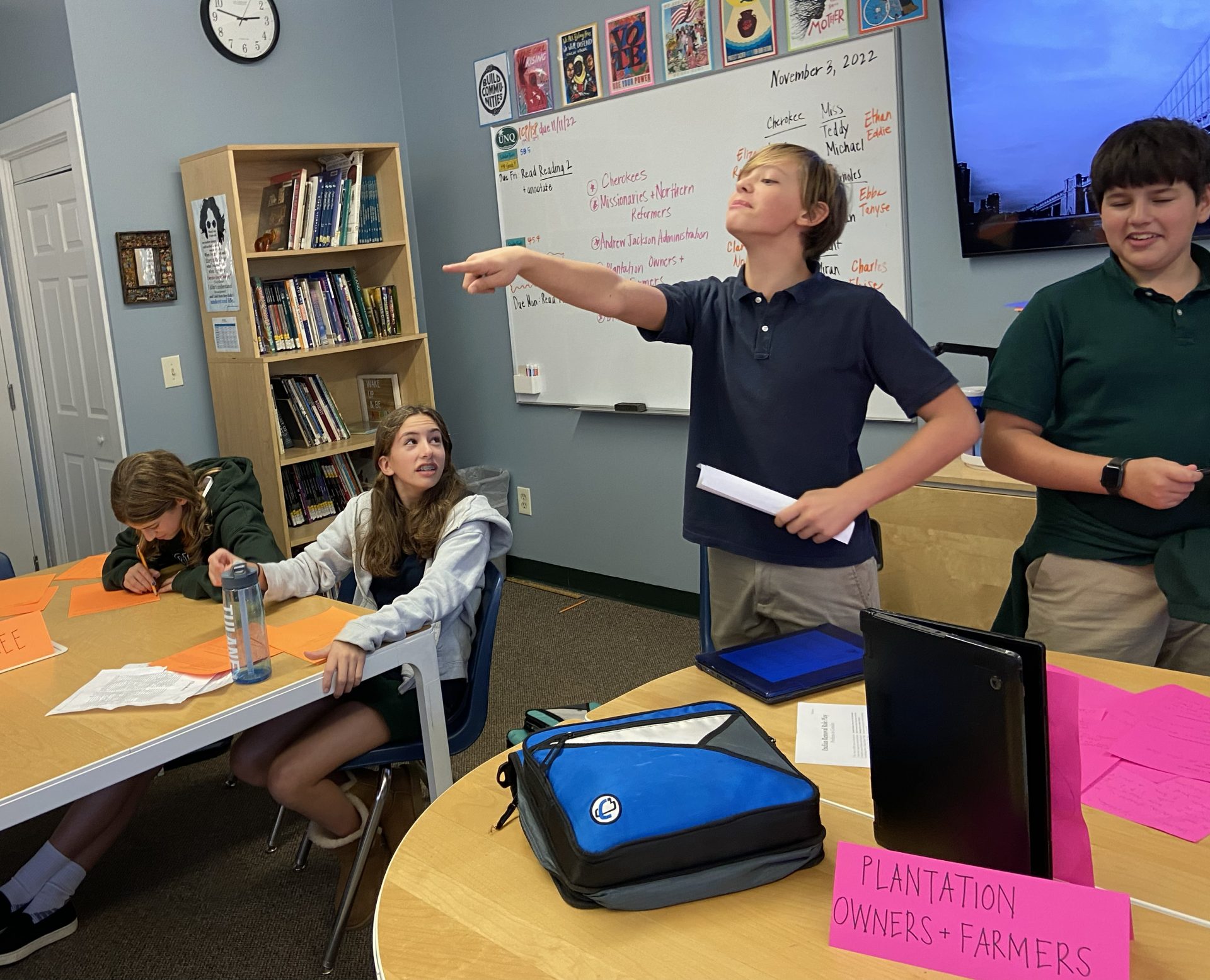
The year is 1830, and there is a bill before the US Congress that would provide funds to move all indigenous people now living east of the Mississippi River to “Indian Territory” (current-day Oklahoma) west of the Mississippi. Congress has decided to hold hearings on this bill, and various groups have been invited to give testimony and question other individuals in attendance. Eighth grade Humanities students were assigned to embody and testify as members of the Andrew Jackson Administration, Cherokees, Plantation Owners and Farmers, Black Seminoles, or Missionaries and Northern Reformers. Within their groups, they planned their presentations and considered why or why not they supported the Indian Removal Bill and what they would do if it were passed. Representatives were able to visit with other groups to pose questions, negotiate, and build alliances. When it was time to begin the hearing, each delegation provided their testimony and then engaged in questioning and cross-examination. The conversation was dynamic, impassioned, and challenging as students considered others’ motivations. Following the simulation, students speculated about what happened in real life and why, and analyzed the actual vote in Congress. These findings will help inform our understanding about the growing tensions between the northern and southern states.