











Not Your Typical Sponge…
Posted by Lloyd Mitchell
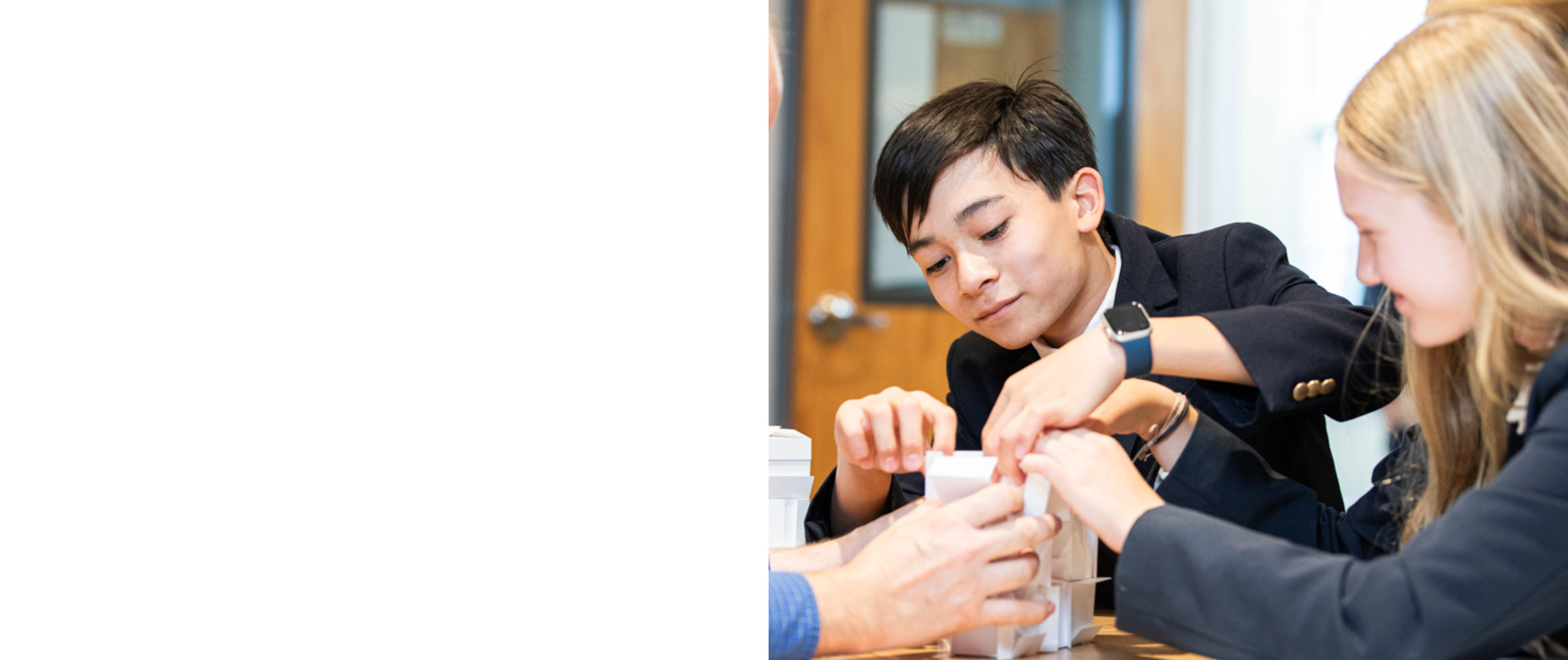
The sixth grade class recently embarked on a new project-based learning activity, constructing a Menger Sponge also known as a fractal curve. The shape, as constructed, has an infinite surface area but zero volume! The Menger Sponge is built in levels: a level 0 sponge is a single cube; a level 1 sponge contains 20 single cubes; level 2 contains 20 level 1 sponges or 400 individual cubes; level 3 contains 20 level 2 sponges or 8,000 individual cubes! When we started this project, our goal was to construct a level 1, and we exceeded that in the very first week of the project! Students took cards home to construct in their free time. One student even went home and asked parents to collect enough cards to construct a level 1 all on her own! The persistence shown by all of the 6th graders has been impressive. Try to imagine getting all the way to the end of the level 1 and having it collapse – that happened! But they got right back to work and rebuilt. Now the students are on to the next goal – working in teams to construct a level 2 sponge!
Big Block Bridge Building
Posted by Cameron Ross-MacCormack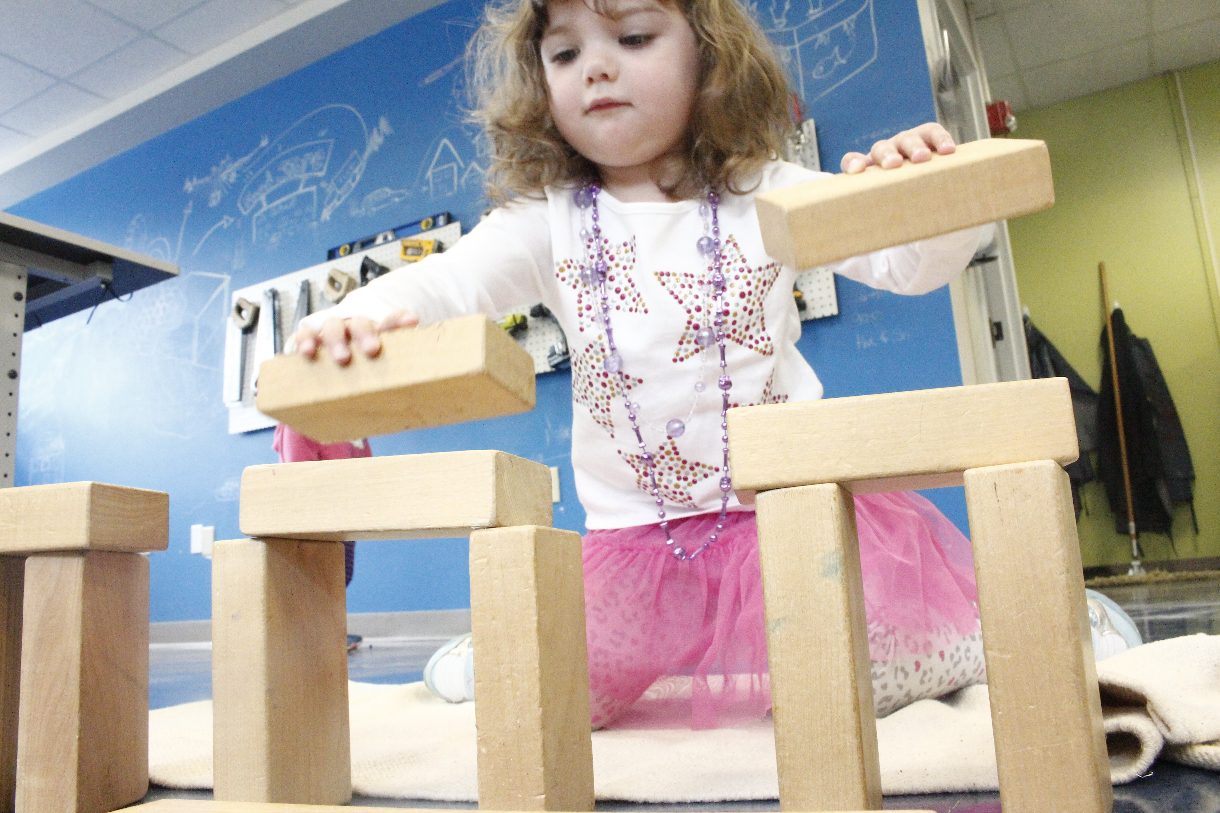
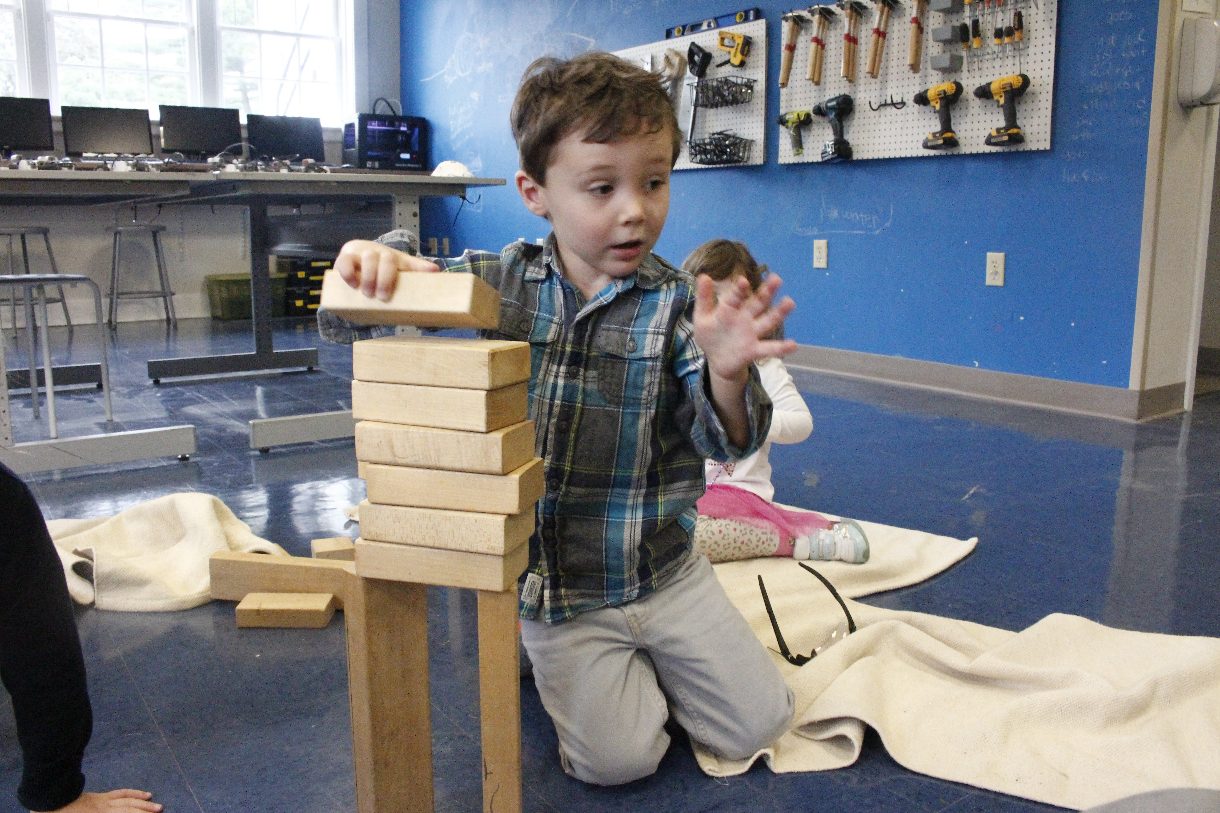
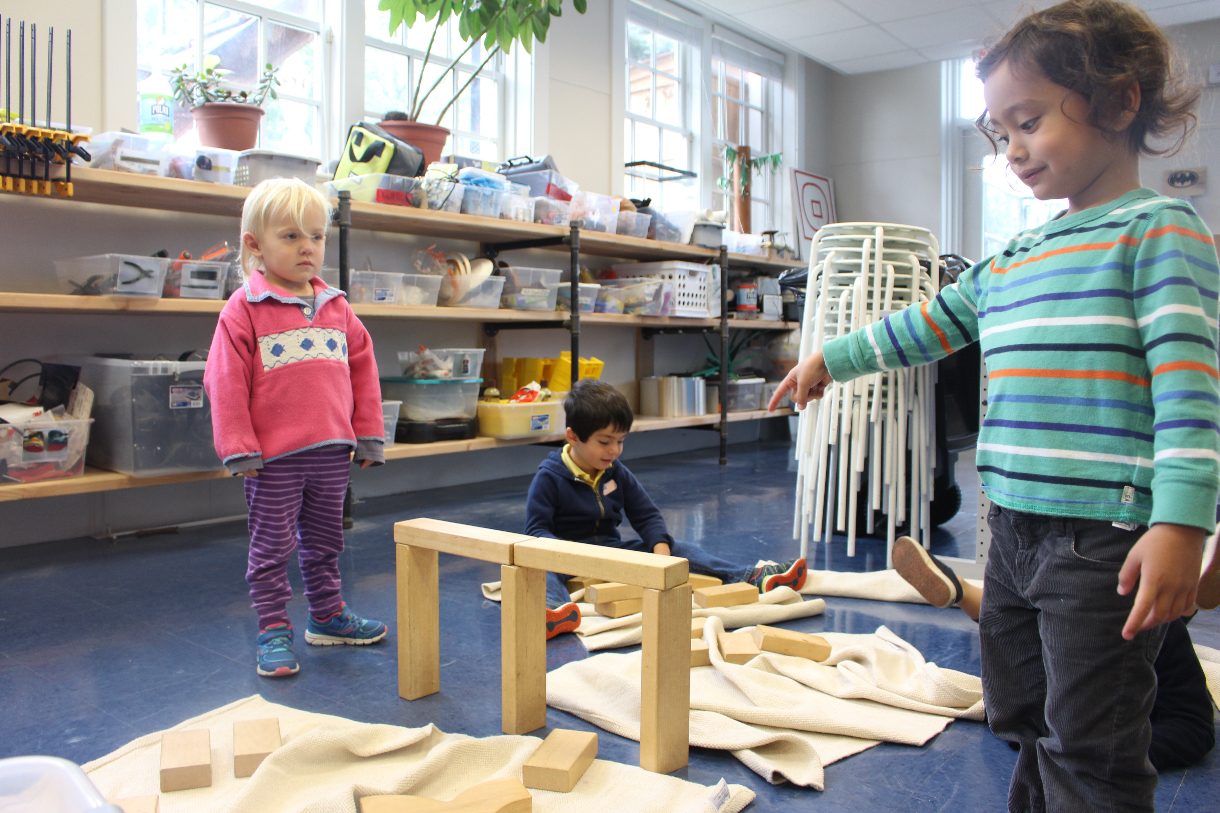
PreK-3 students explored structural engineering through the challenge of building a bridge. At first we struggled with the concept itself and by the end we had worked through several unique designs. This design thinking will build on itself through the next projects and years in the Gator Garage.
Mixing Creativity with Automation!
Posted by Lloyd Mitchell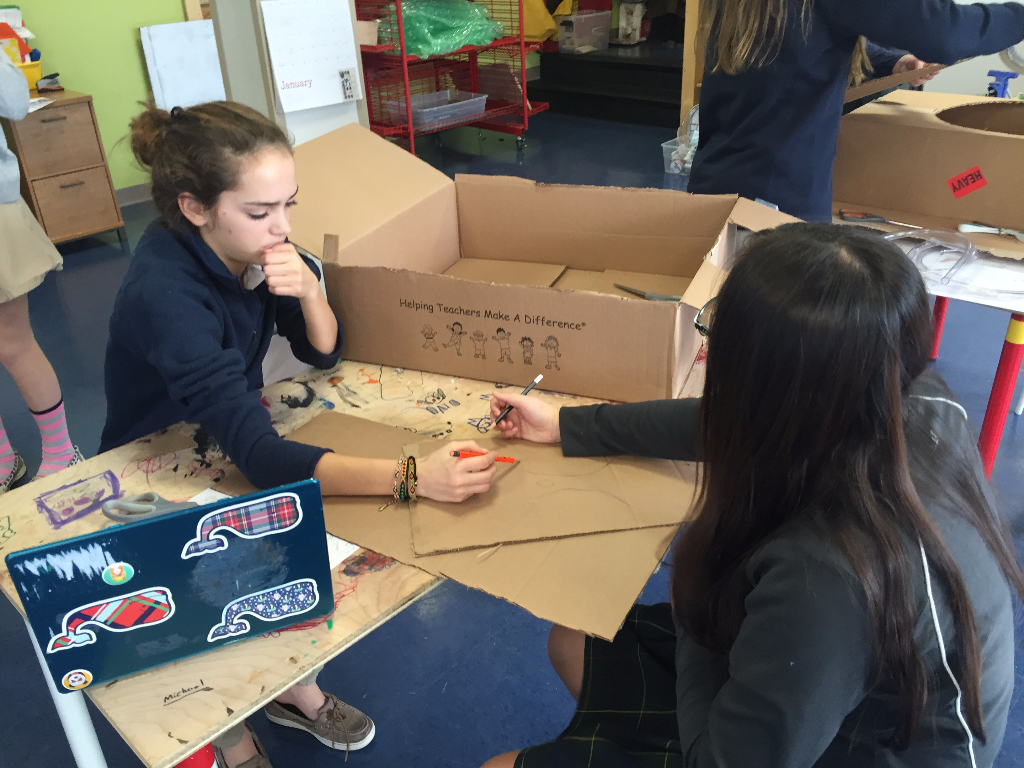
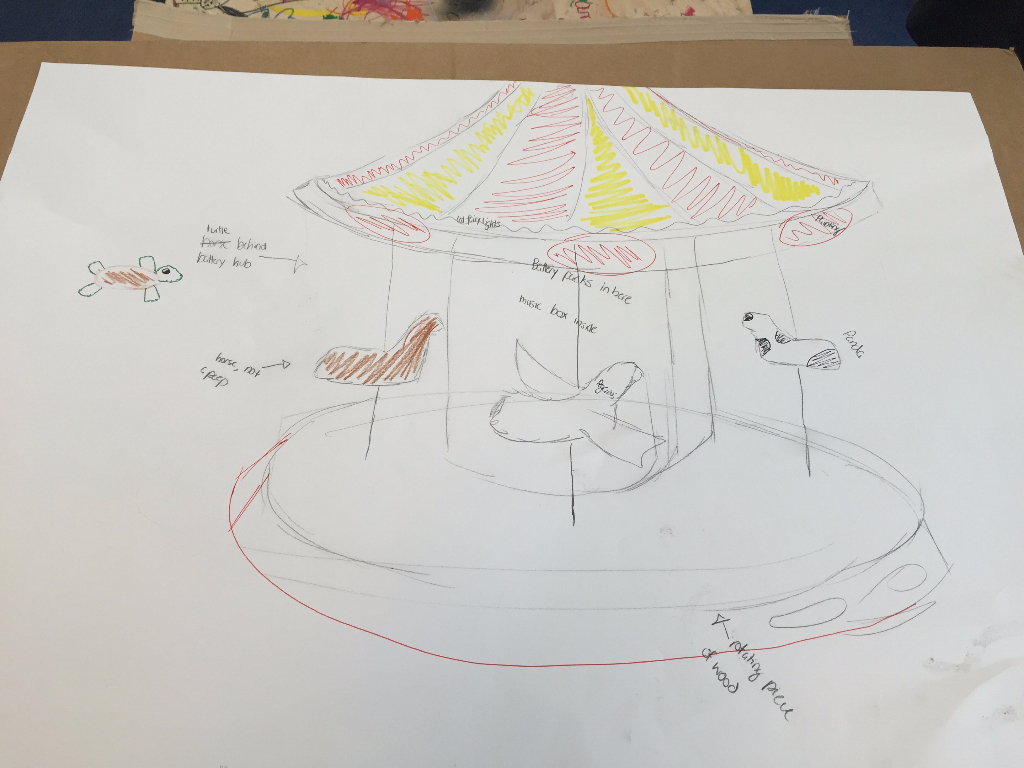
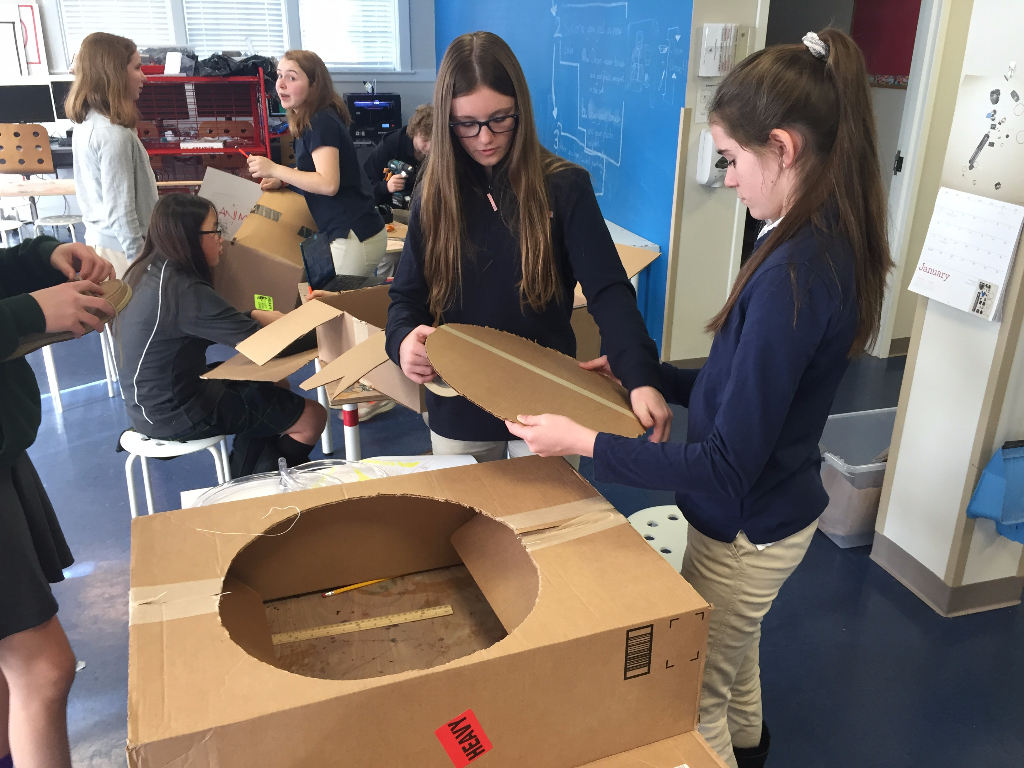
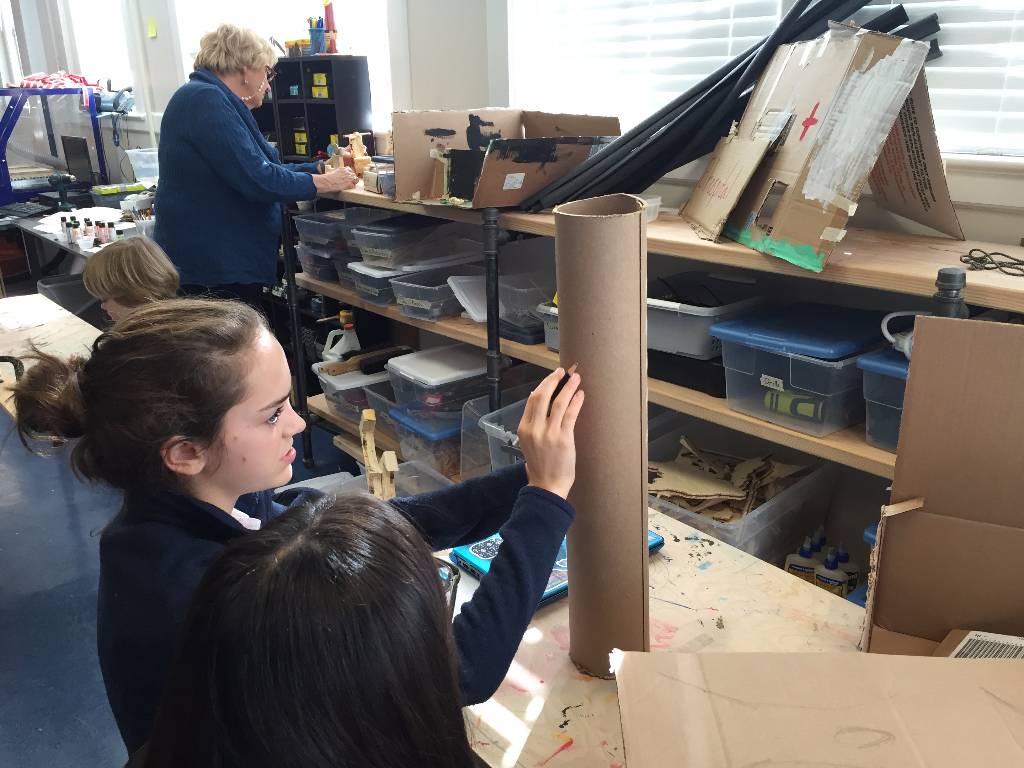

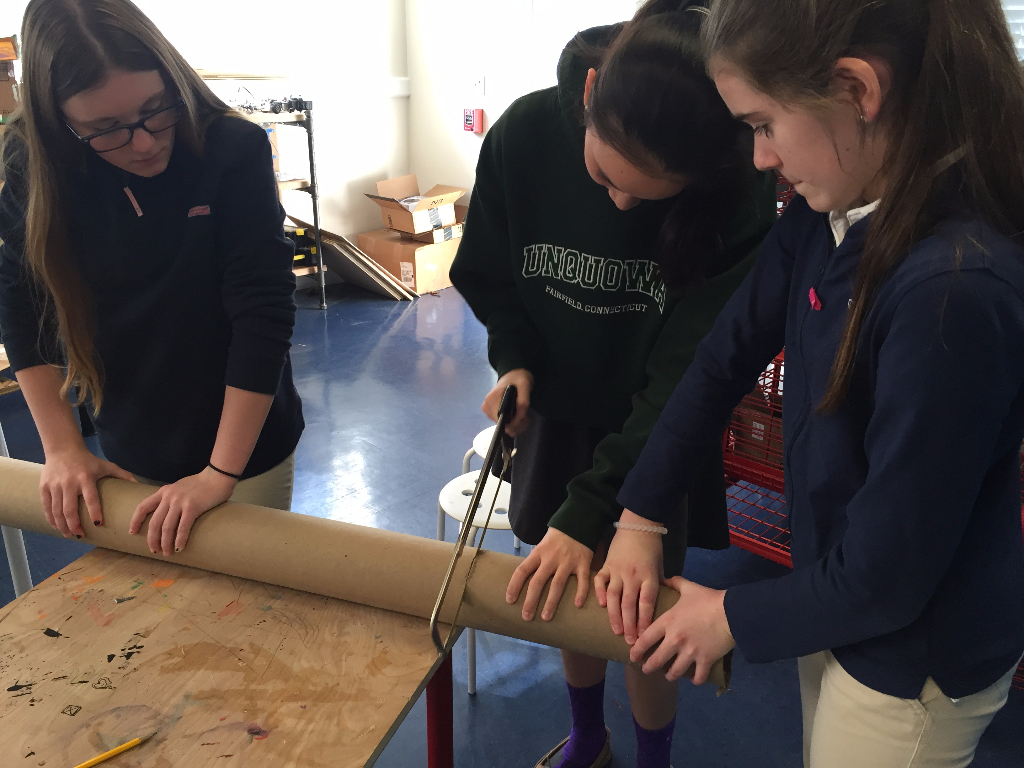
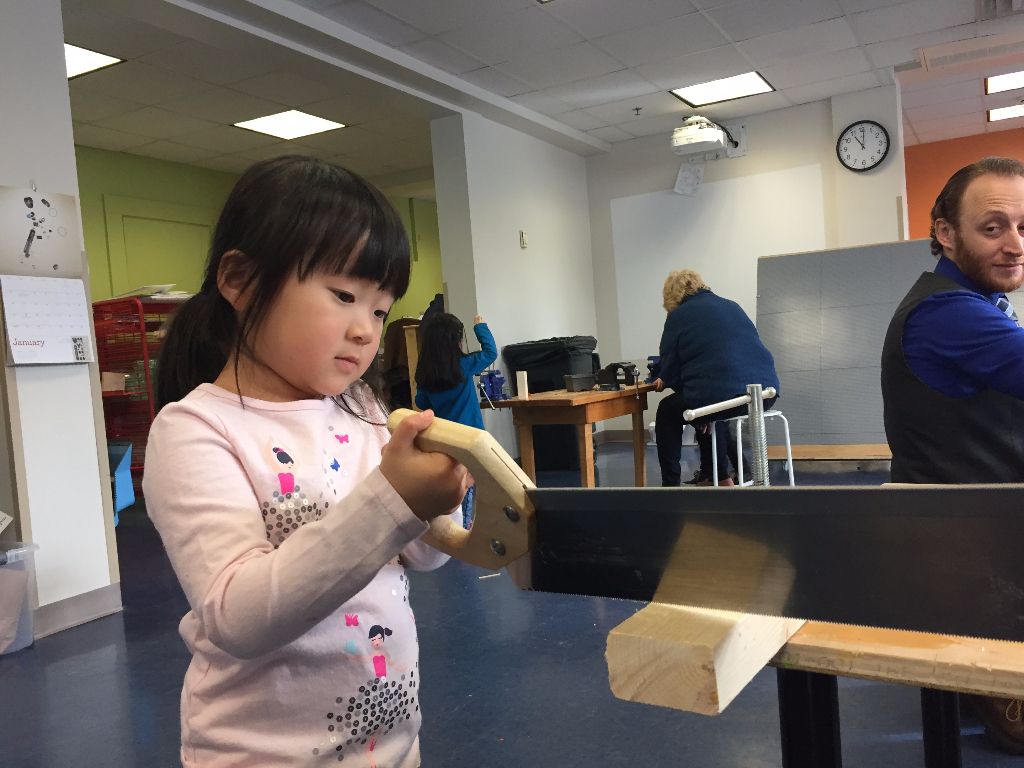

Mixing both creativity and innovation, eighth graders have begun planning their final robotics project of the year. The product is their choice with the only caveat being that some robotic element is incorporated to create a mechanical component. Ideas such as a puppet circus, a carousel and many more are slowly coming to life with the use of our makerspace. Our first day in the process of building found us working with saws and it just so happened that PreK-3 was already there practicing their own sawing skills. We intently watched as the younger students demonstrated how to cut properly and then put those skills to work in cutting materials for our projects. We are eager to see the finished product!
Hovercrafts from Scratch
Posted by Carlene Gordon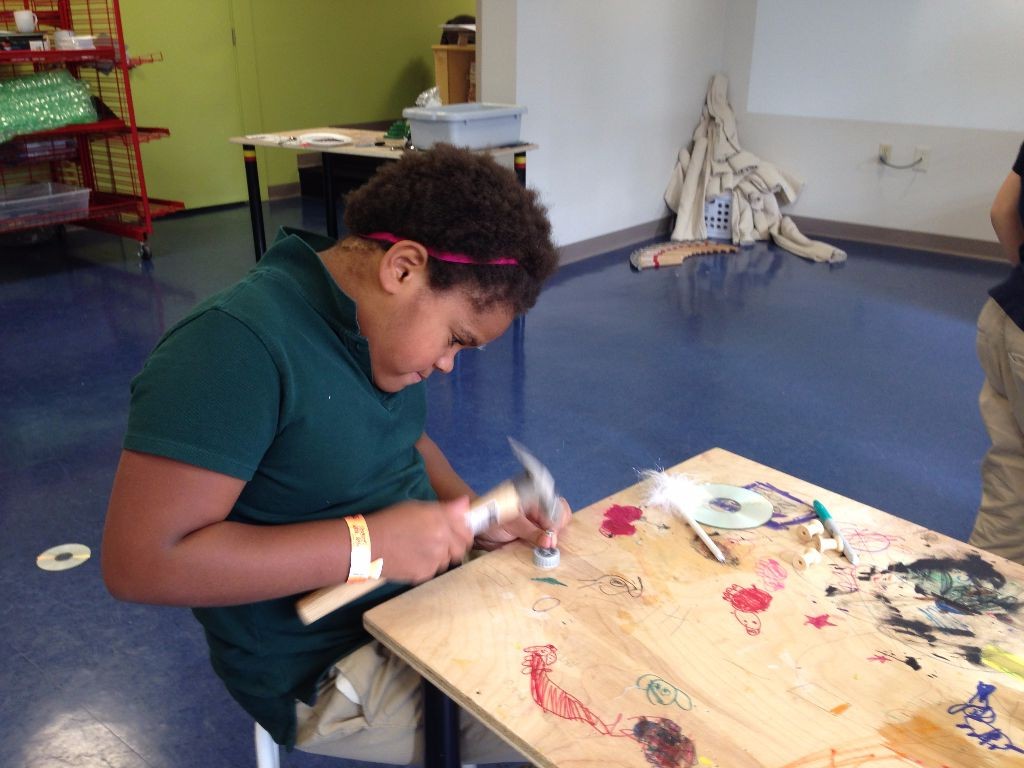
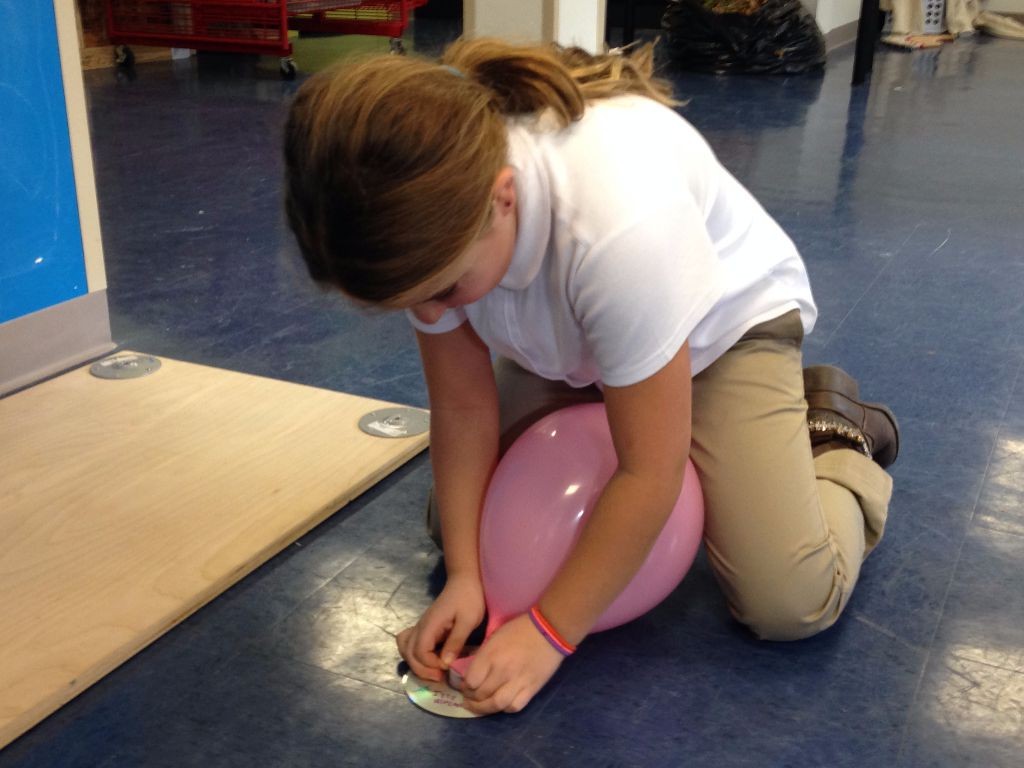
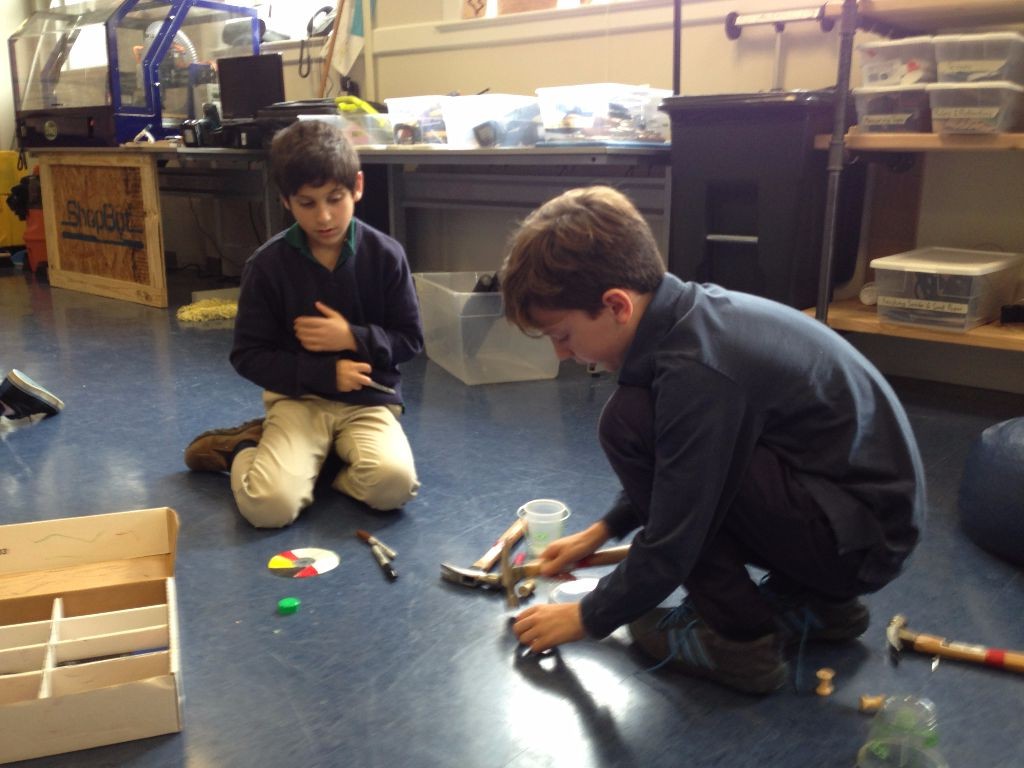
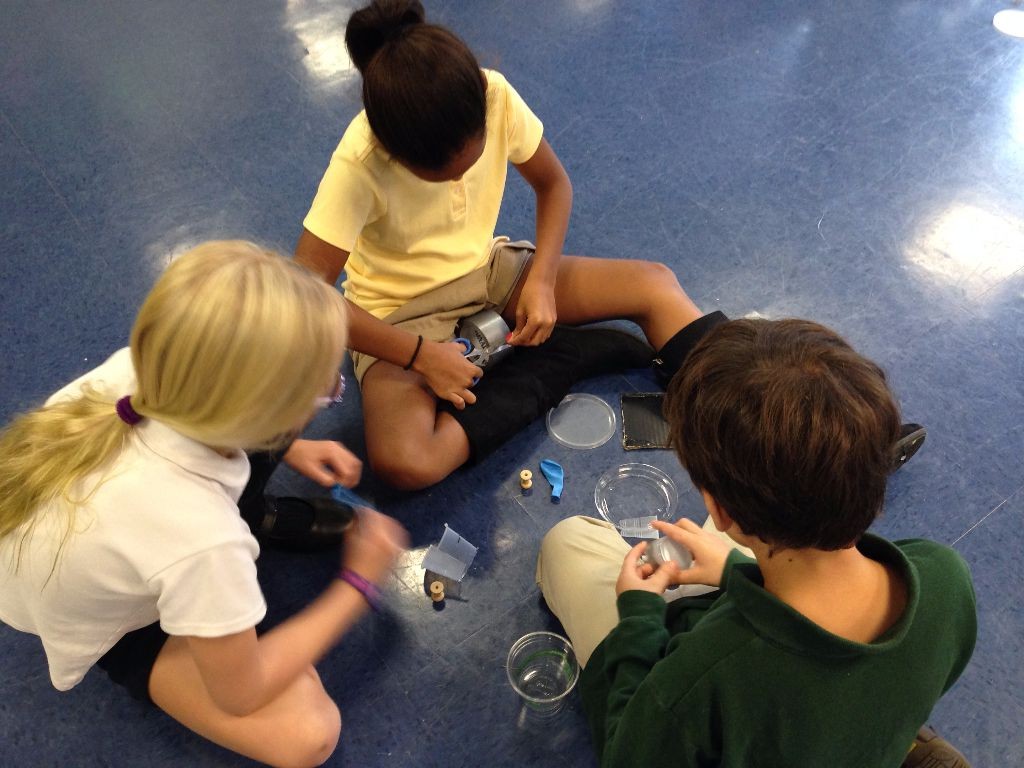
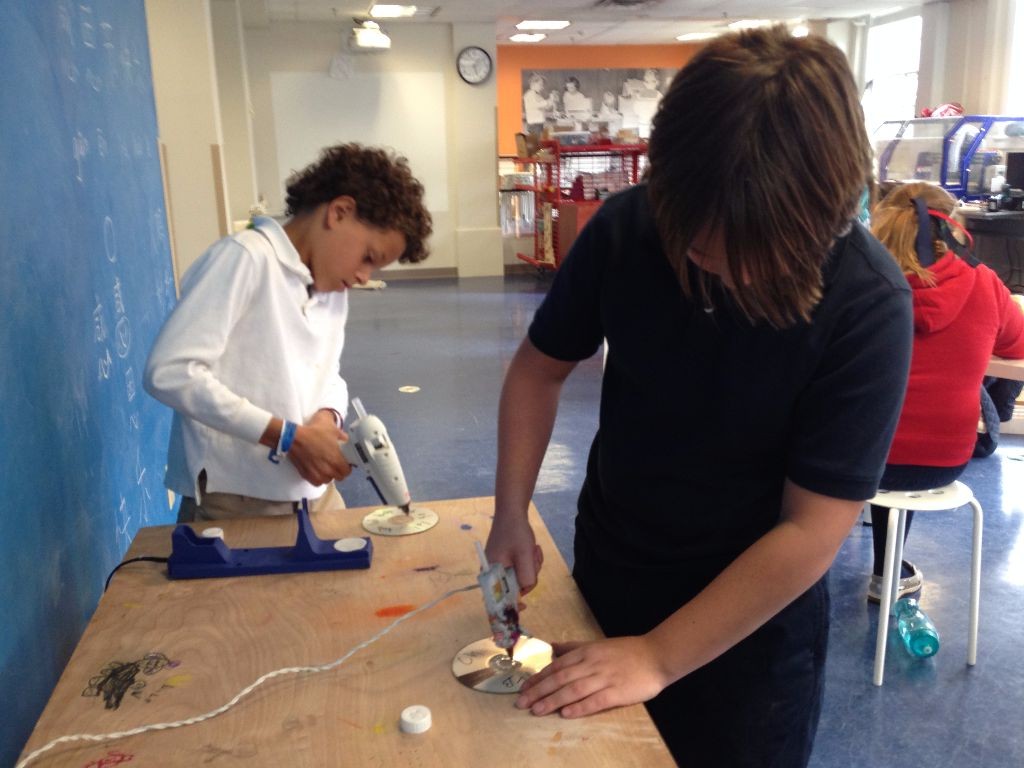
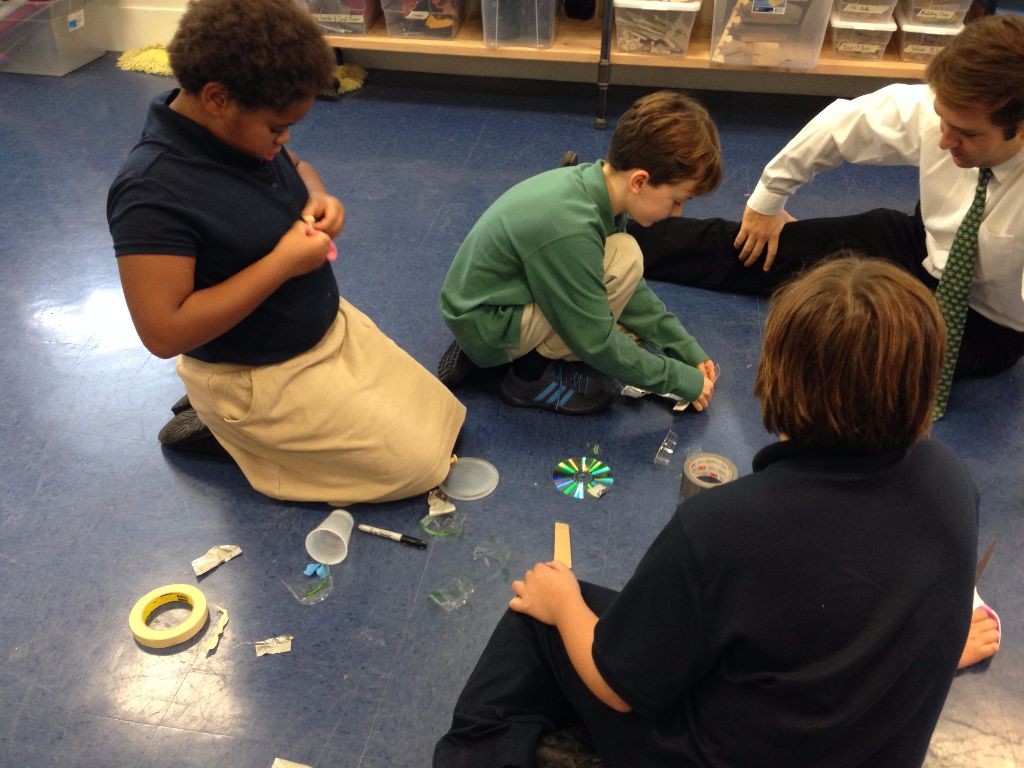

Fourth graders were recently presented with a task…create a hovercraft to move across the floor. No other instructions were provided. Within teams, students had to first plan and design a hovercraft with the purpose of moving the greatest distance. Then, carefully select materials to build their design. Students were surprised and sometimes frustrated when an original design failed and they needed to go back and redesign. Cheers of excitement and achievement were soon heard though as the newly designed hovercrafts floated across the gym floor and stage. Great job building your problem solving skills fourth graders!
Inventors Practice and Produce in the Makerspace
Posted by Craig Knebel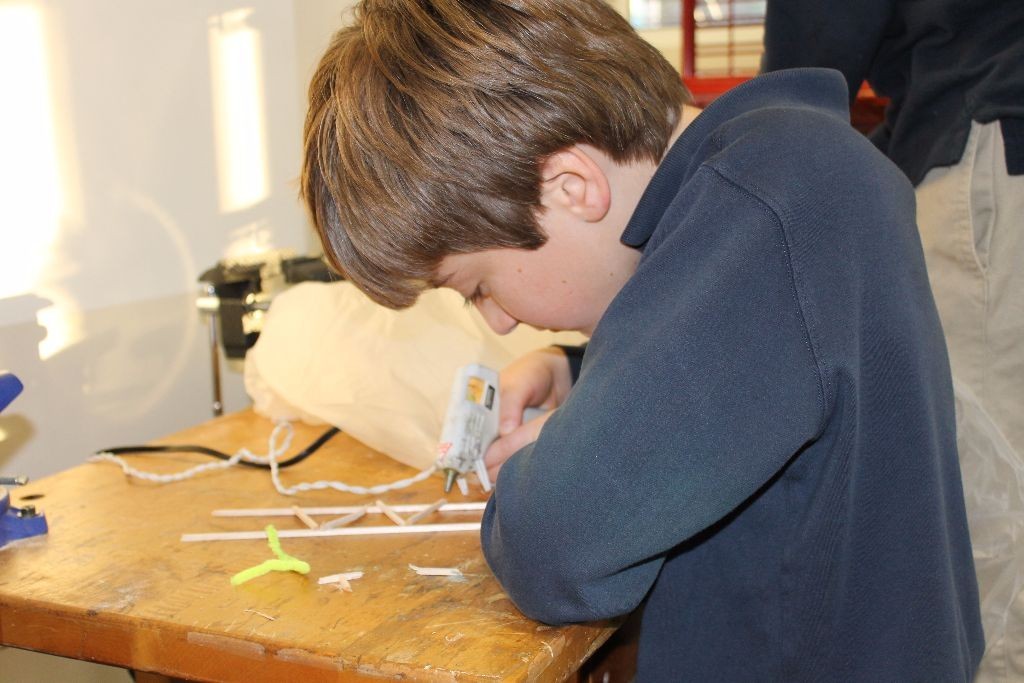

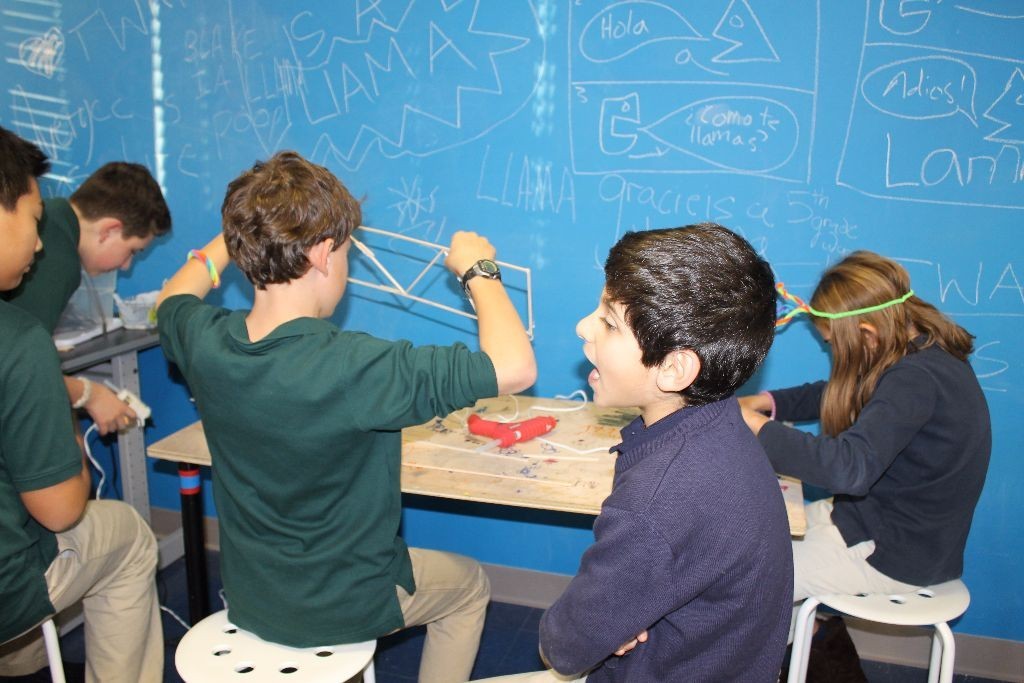
The inventors club has been studying the design process and is currently working to build strong bridge supports called trusses. Students learned about the forces a bridge faces and built sample bridges in the computer lab. They then moved to the makerspace to construct the columns and structure for a weight and a twist test. This activity is intended to familiarize students with the kinds of designs best suited for sustaining weight and to give them practice engaging in engineering design.
Exploring the Mars Rover Challenge
Posted by Lloyd Mitchell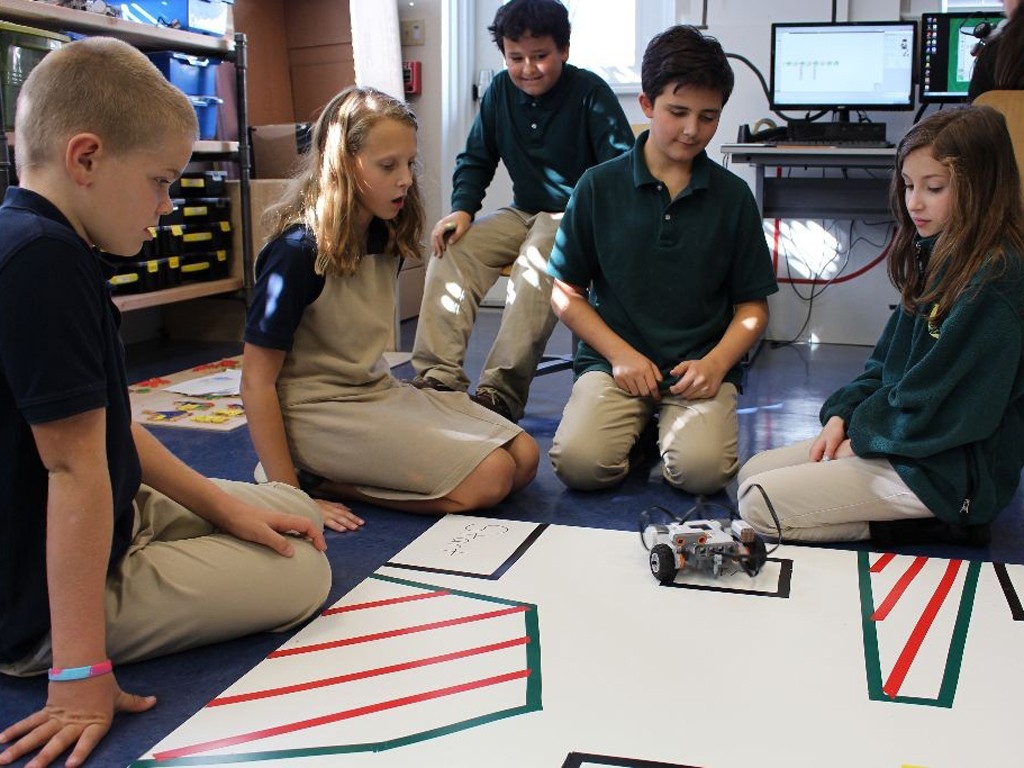

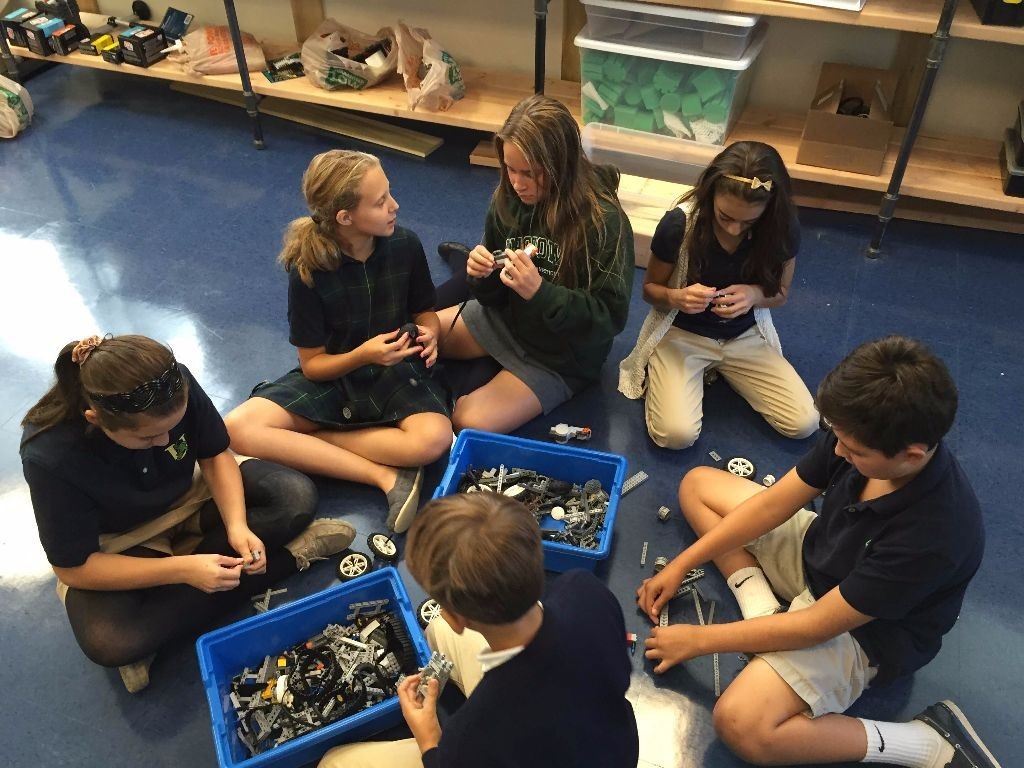
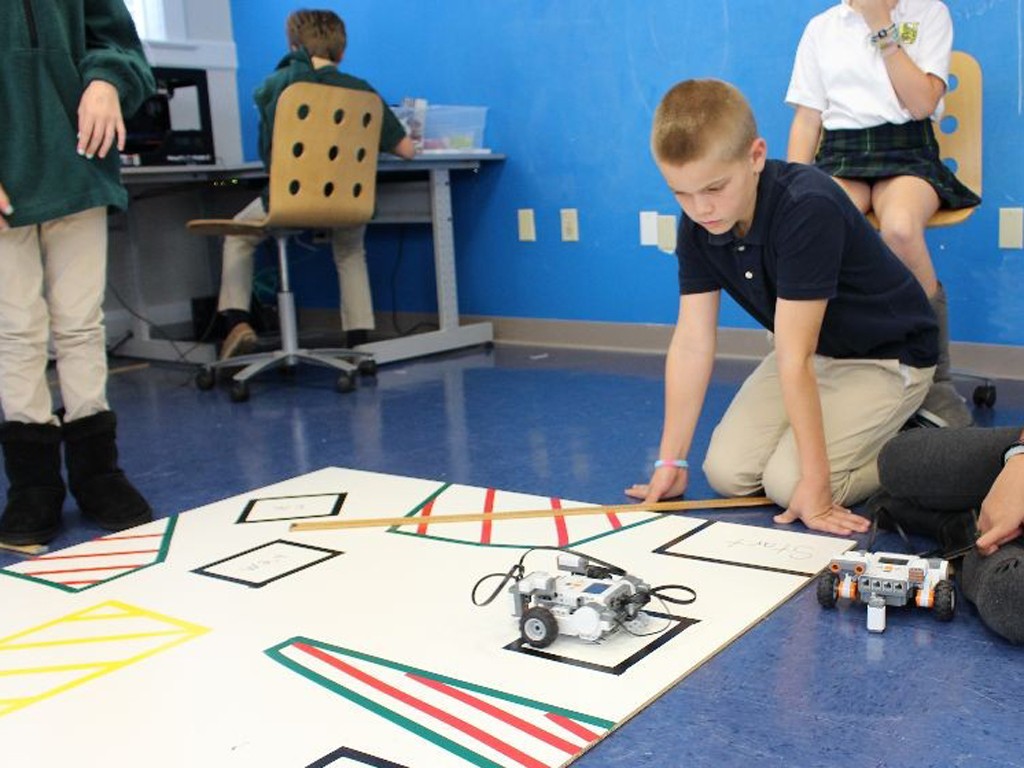
Sixth grade is off and running with their robotics unit in technology. We began the year by exploring the construction process and assembling a project with no directions or guides. Many found it challenging, but rose to the occasion. After this opening experiment, we moved into constructing a simple bot that could move with simple commands. As we progressed, we learned how to use math in calculating exact distances traveled. Currently, we are exploring the Mars Rover challenge which requires a lot of math calculations and the use of ratios to get exact turns in order to navigate the simulated surface of Mars. Stay tuned as we explore further into the world of robotics!