











STEM Fair begins….
Posted by Karen Engelke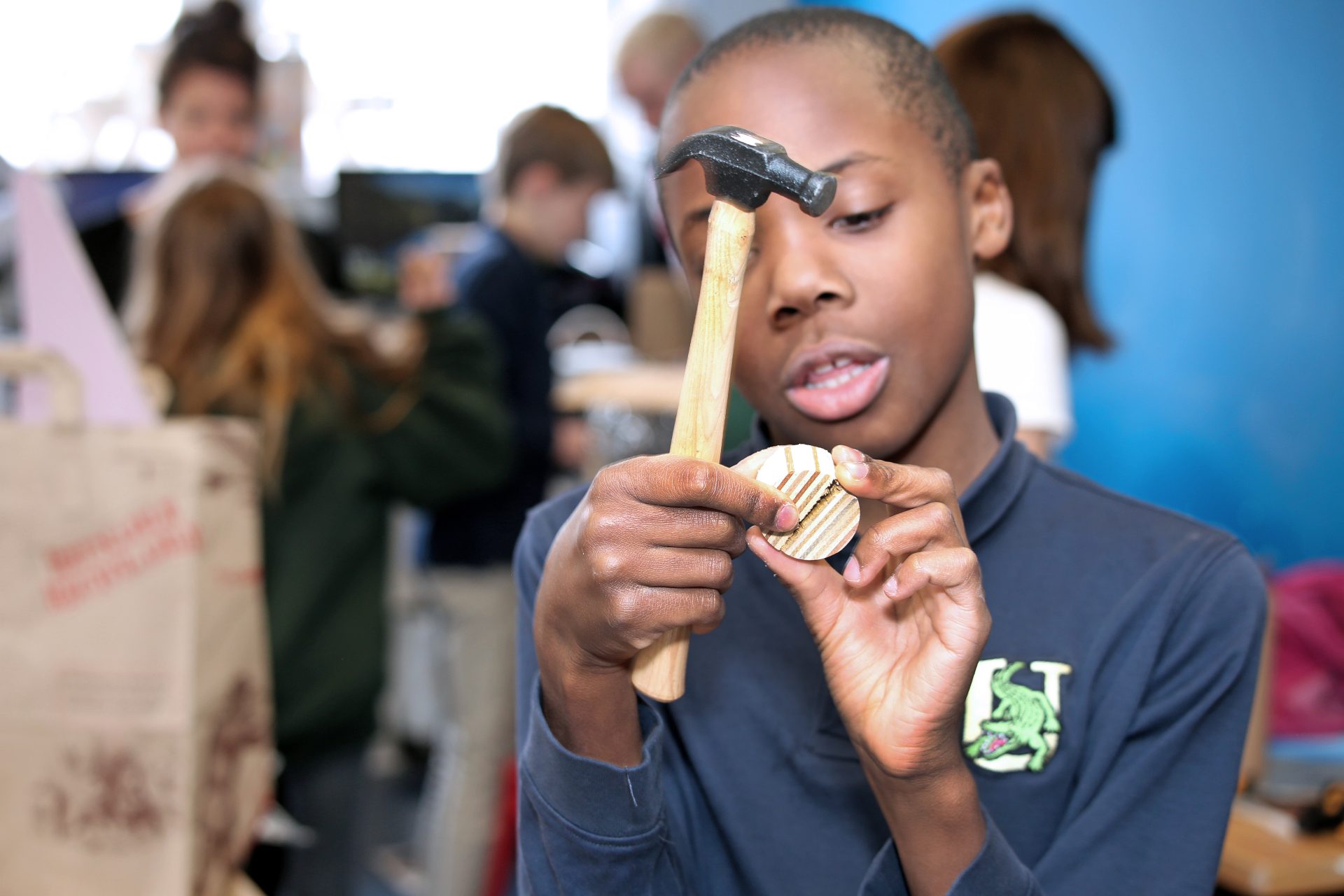
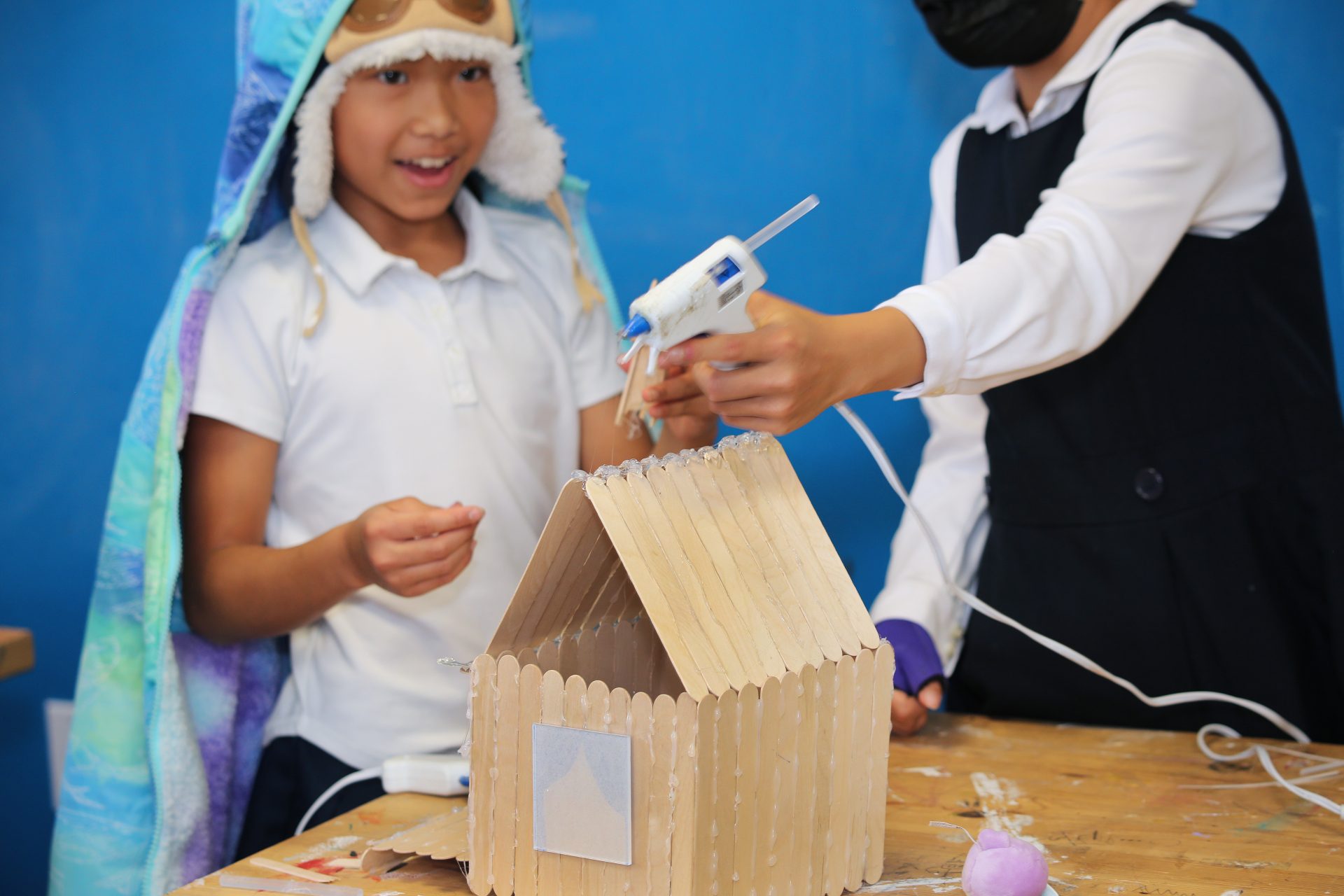
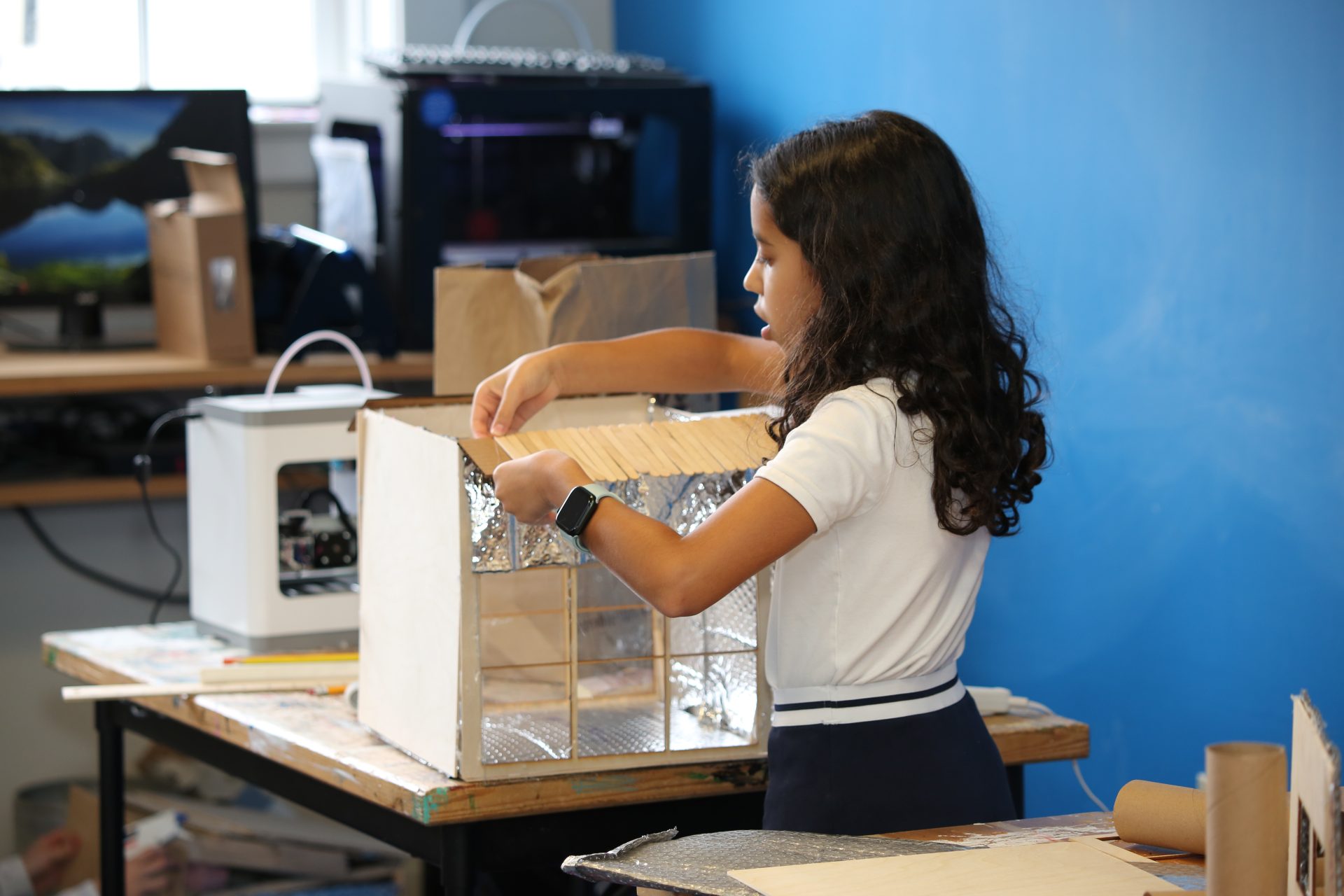
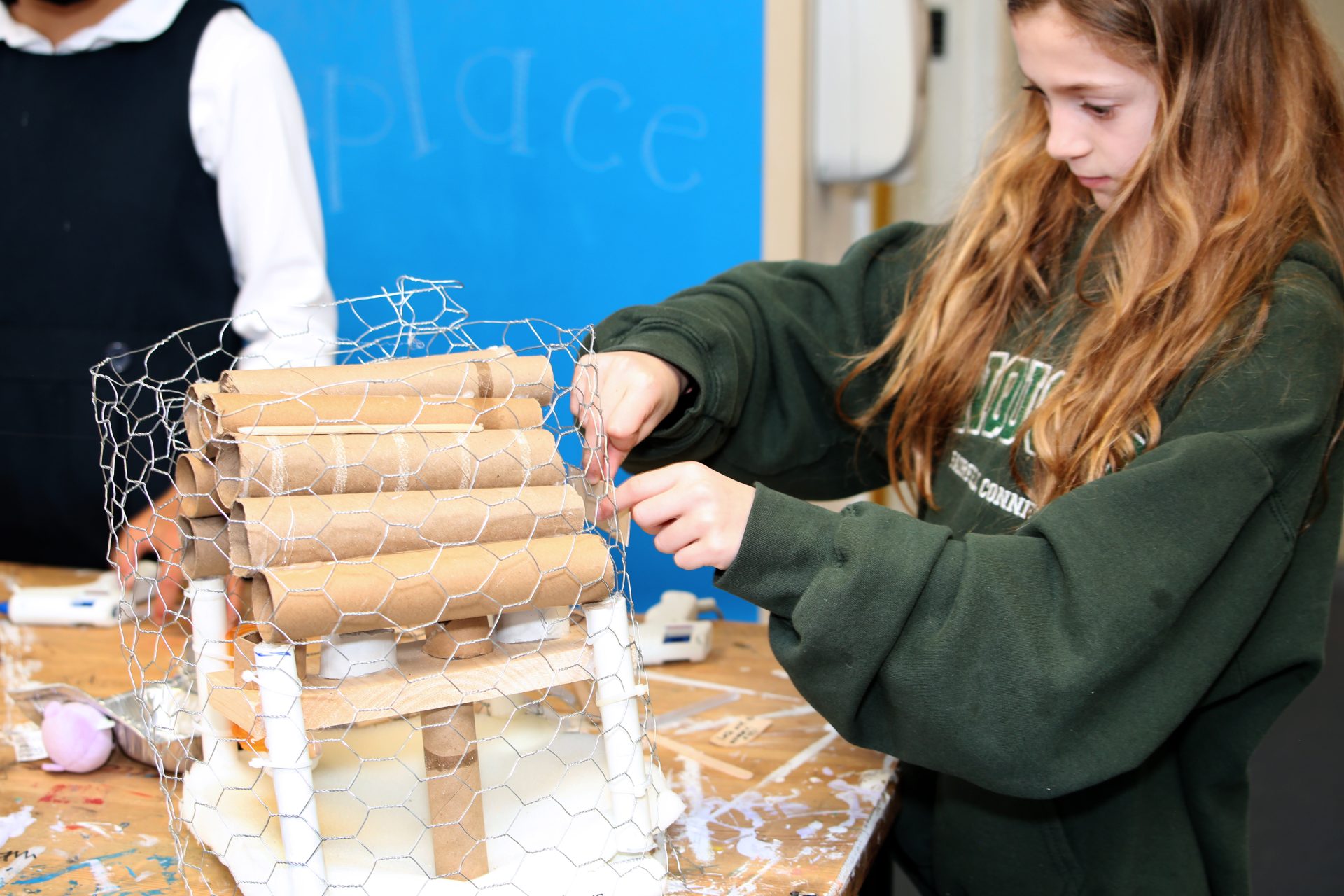
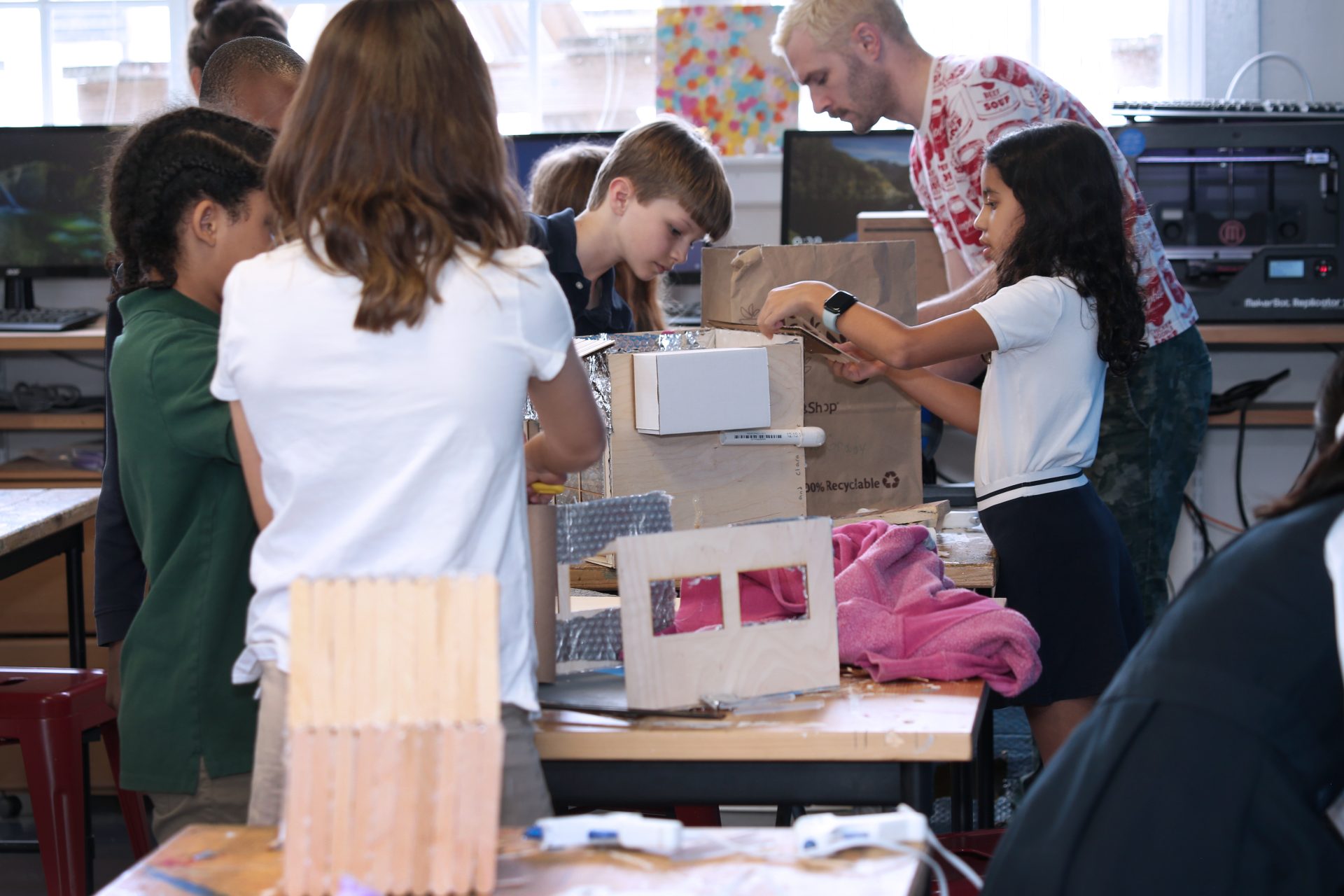
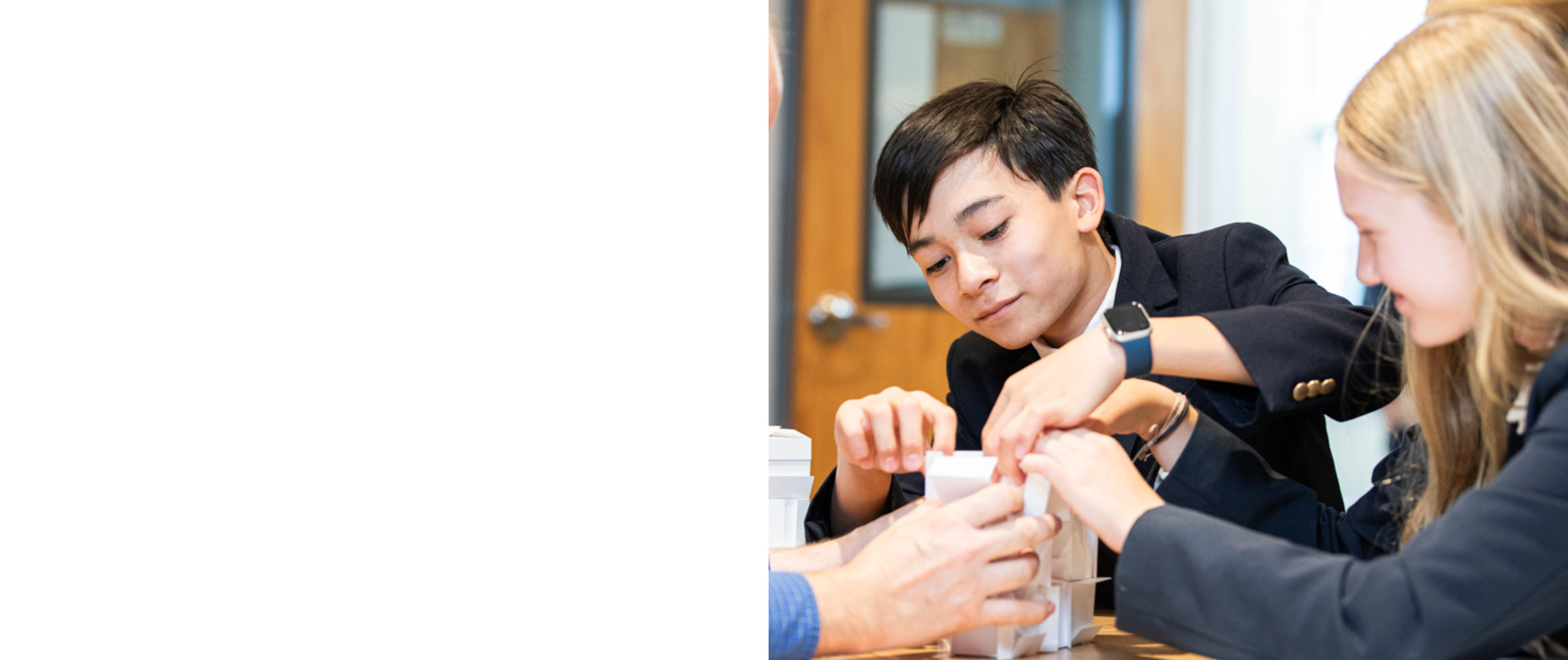
Grades 4, 5, and 6 have begun working on their STEM Fair projects. Over the next 3 weeks, each grade has been tasked with creating a structure that utilizes renewable energy. Grade 4 has been charged with building a model highlighting how passive solar energy can power a structure. After learning about the nature of passive solar energy, they were put in teams, and together, with the aid of Mr. Casey, they are currently building their models. When their work is complete, they will present their ideas to the rest of the class. We can’t wait to see what these future engineers have in store for us!
Magnificent Magnetism!
Posted by Joshua Bartosiewicz-

- Checking out the properties of magnetism.


-

- Measuring the strength of magnets.


-

- Measuring the distance between the magnet and paperclip.

-

- Adjusting the paperclip over the “X” so the distance of the magnetic force can be calculated accurately.

In this lab, the 8th grade studied and observed magnetic properties. This was a two part lab where students used materials such as magnetics, paperclips, compasses and more to help them achieve an understanding of the properties.
In part one of the lab, students put a compass down on the lab table with a meter stick lined up so the compass was at 0 centimeters. Next students took a few different magnets and one at a time would place a magnet on the opposite end of the meterstick. After, the students slowly moved the magnets along the meterstick, slowly inching it closer to the compass. Since compasses operate using the Earths magnetic field to point north, our objective was to see how far away the magnet could be from the compass until it starts to change the compass reading. This was done with several types of magnets, in addition, students flipped magnets around to see if the opposite side would have as strong of an effect on the compasses.
For the second part of the lab, a paperclip was hanging off the side of the lab tables which was tied to a meterstick. On the floor beneath the hanging paperclip there was a piece of paper with an “X” marked on it. Next, another meterstick was placed by the “X” on the ground with the “0 cms” next to the “X.” Once again, students used different magnets and would record the distance of the magnet from the “X” once they saw the paperclip either start to repel or attract to the magnet. In addition, after these trials were completed, students put barriers (all ranging from different materials like aluminum, wood, plastic and iron) in between the paperclip and magnet to see if the magnetism from the magnet would still affect the paperclip on the other side. Overall, students had a blast with the magnets and furthered their understanding of magnetic properties
Falling Objects: Mass and Air Resistance
Posted by Joshua Bartosiewicz-

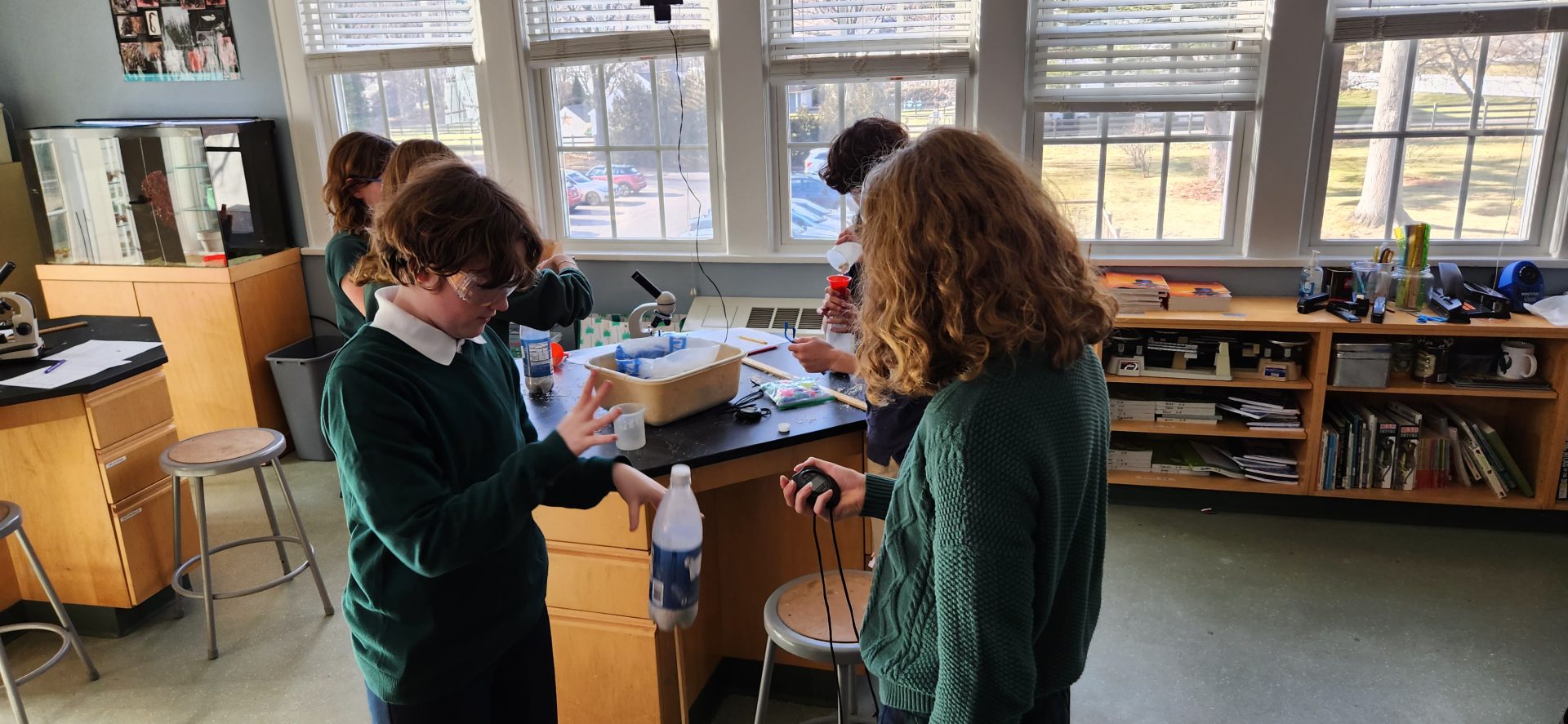
- Filling the containers with sand for the second trial.

-

- Testing the law of gravity.
-

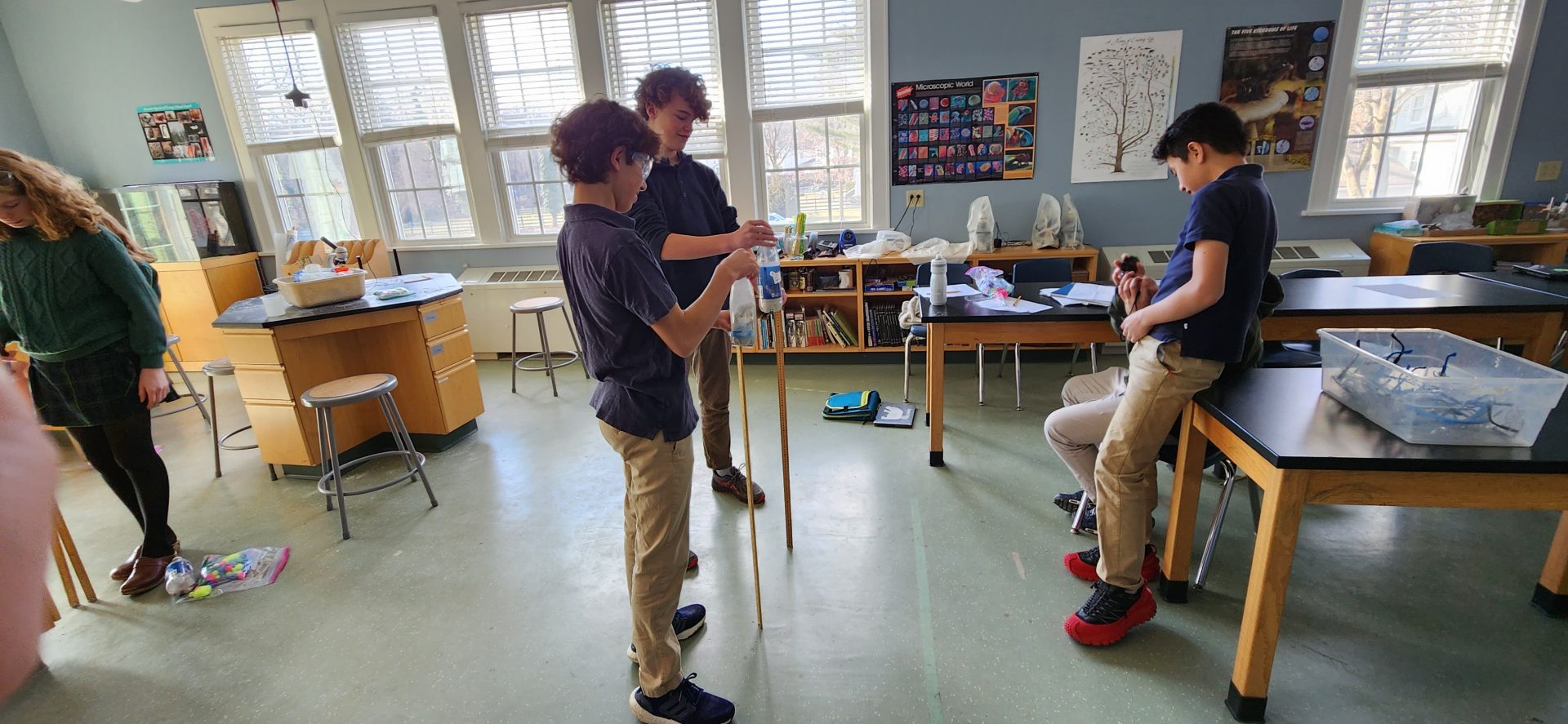
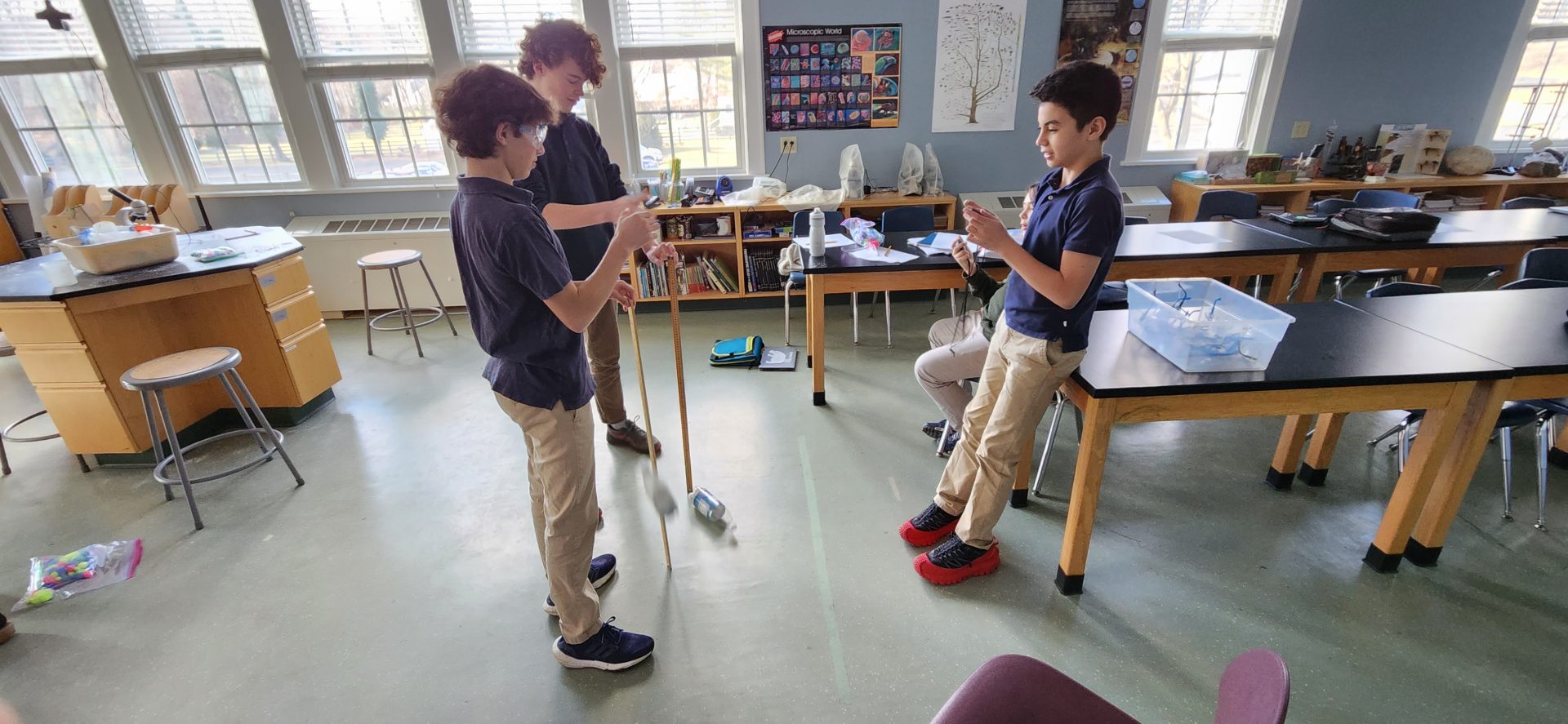
- Whose bottle will land first?
-

- Building parachutes to test air resistance.
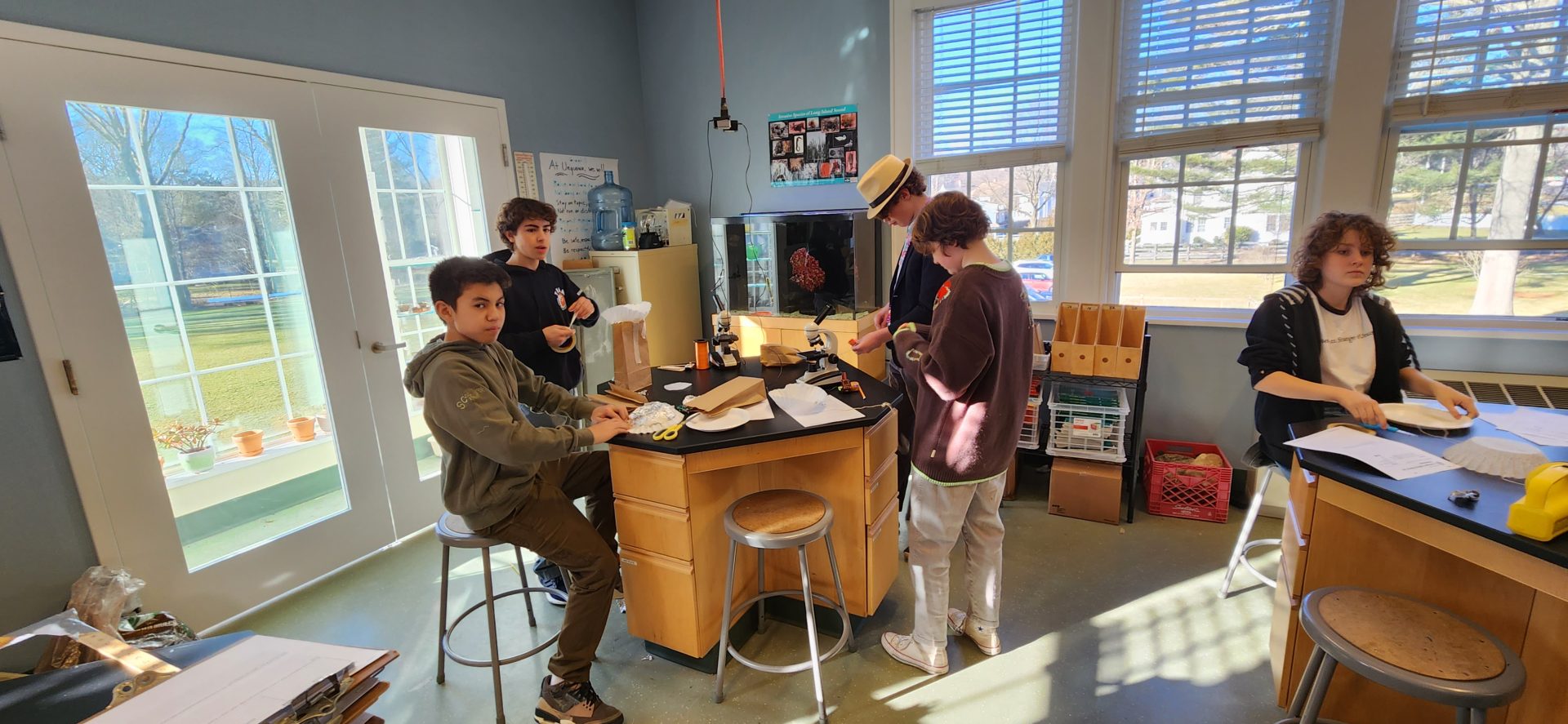
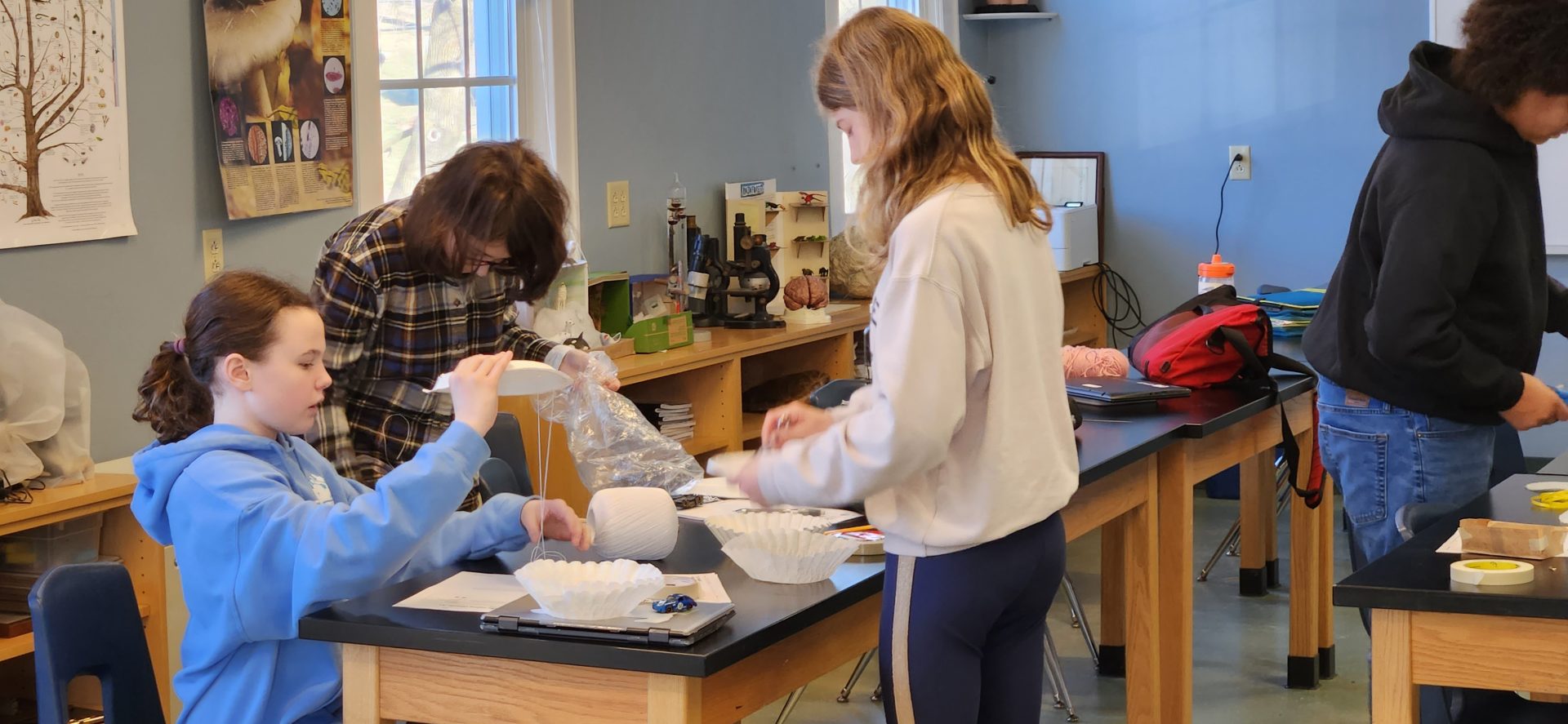
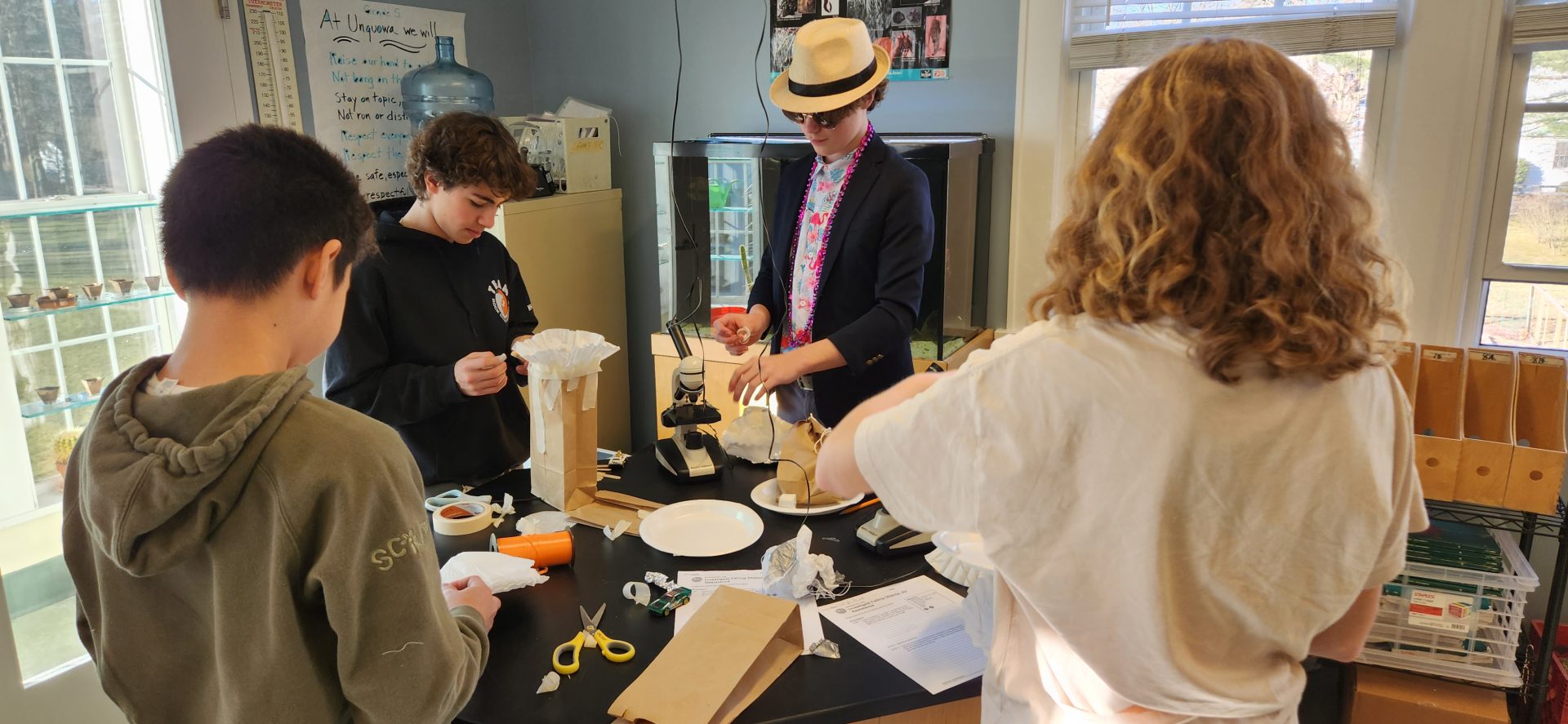
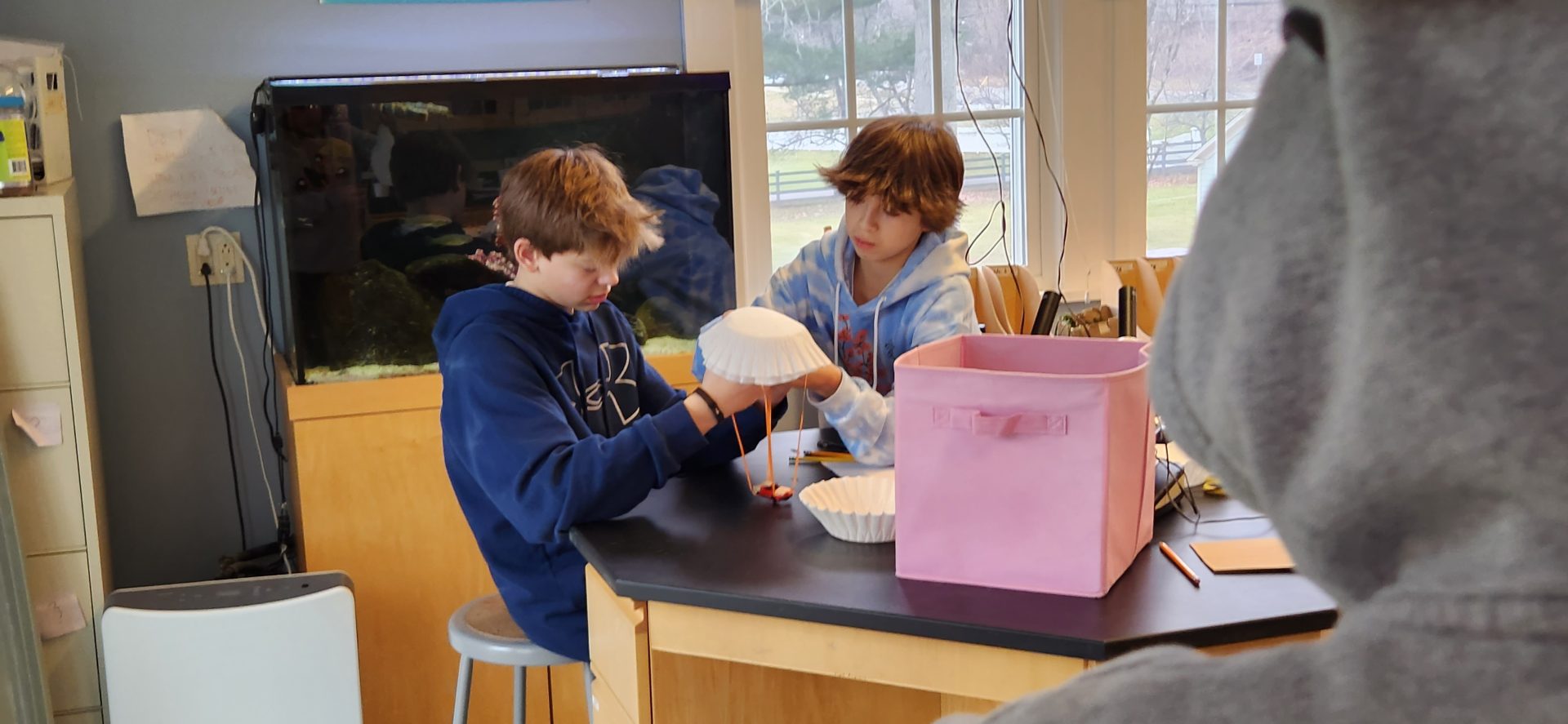
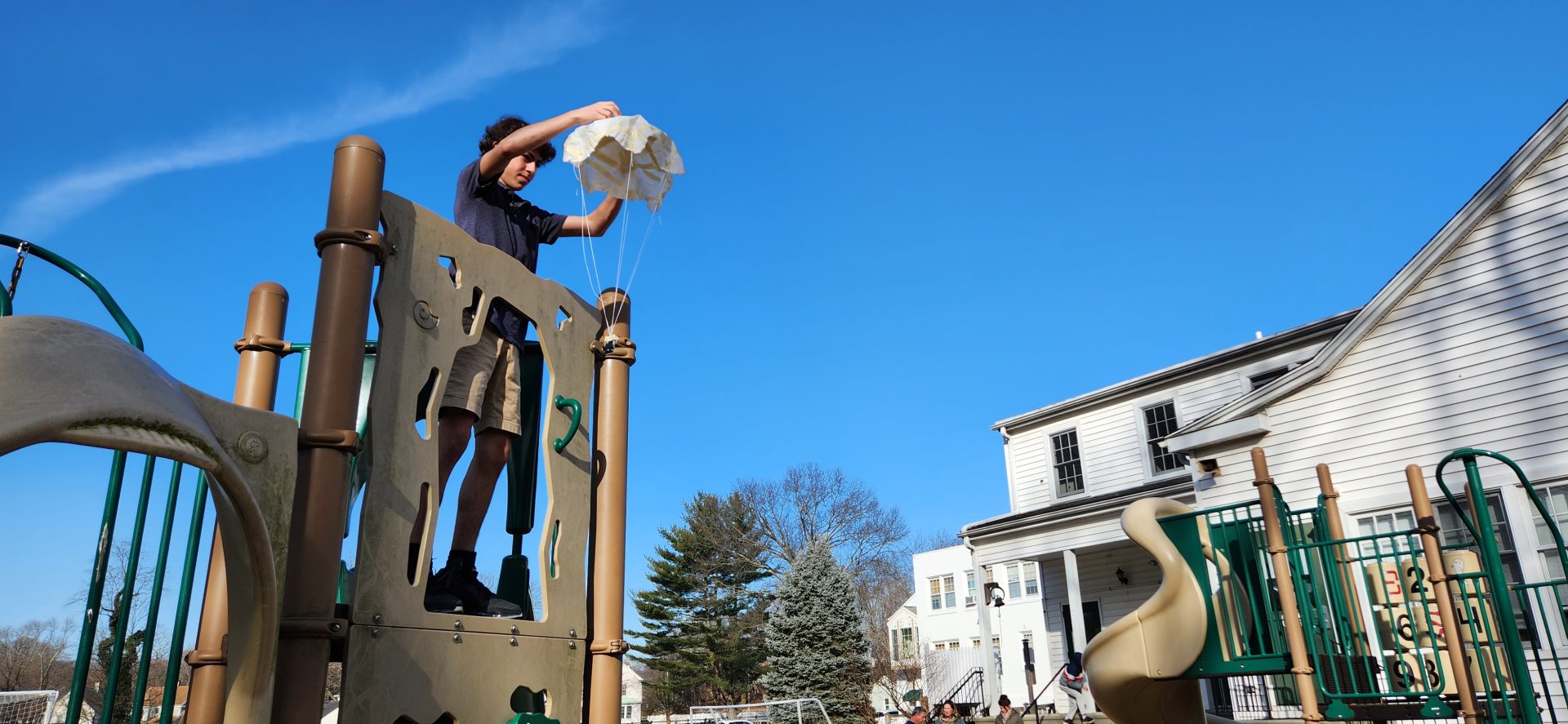
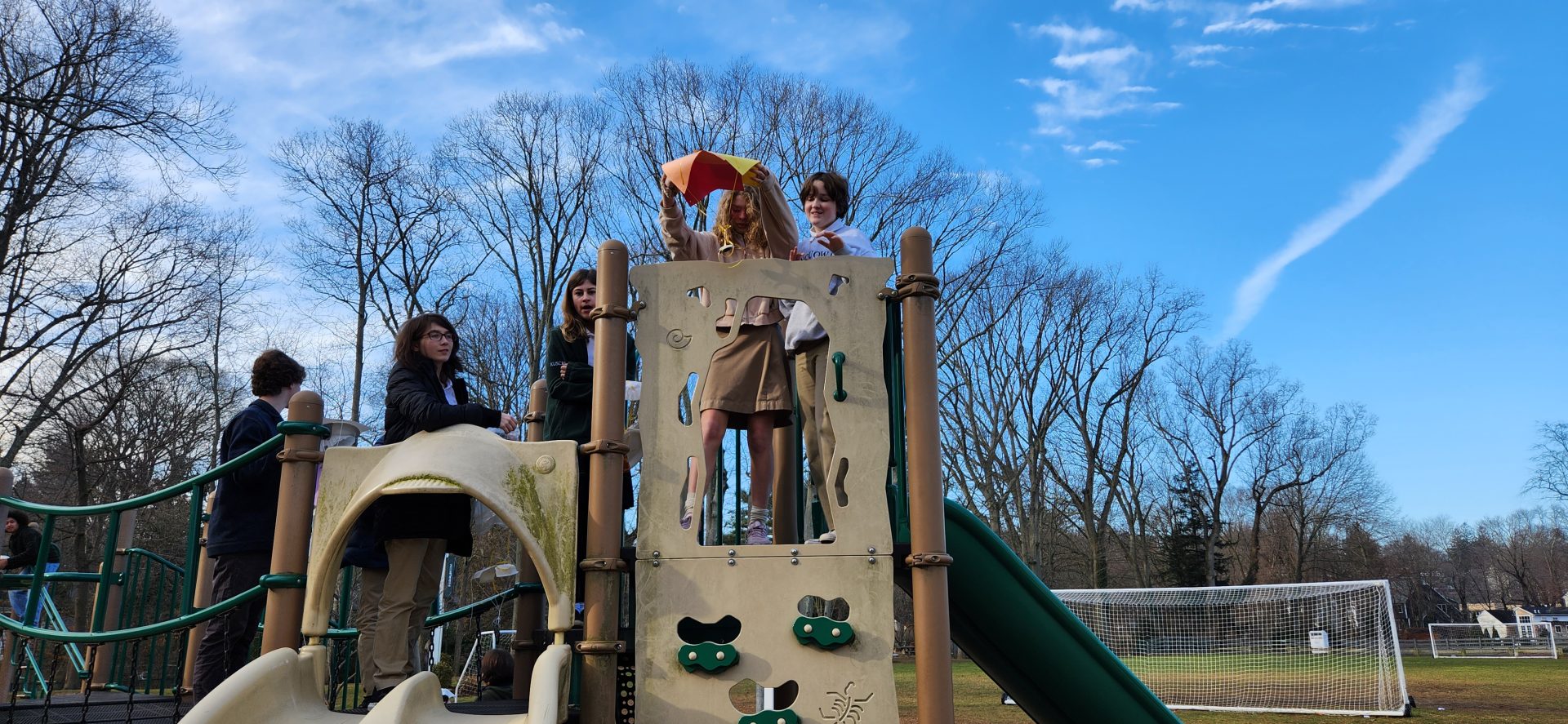
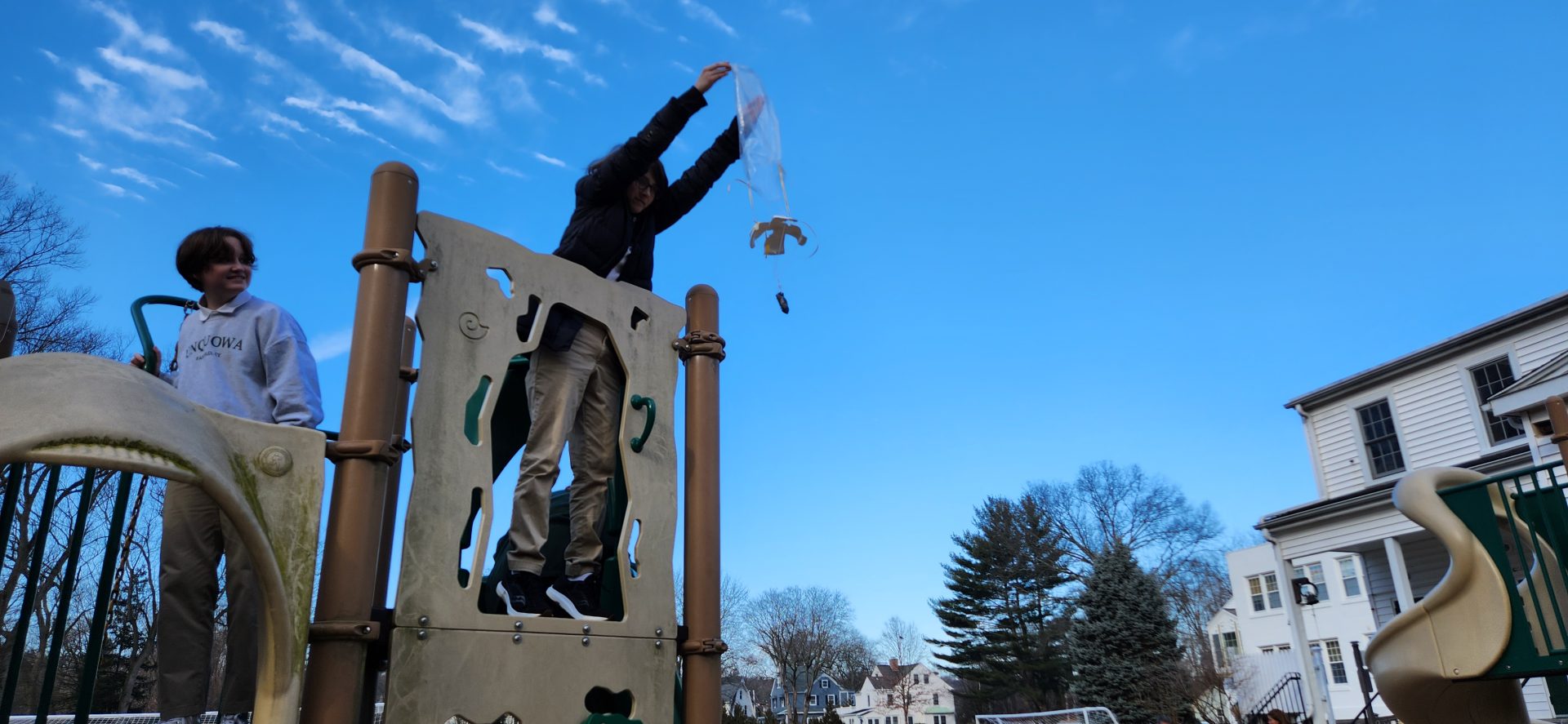
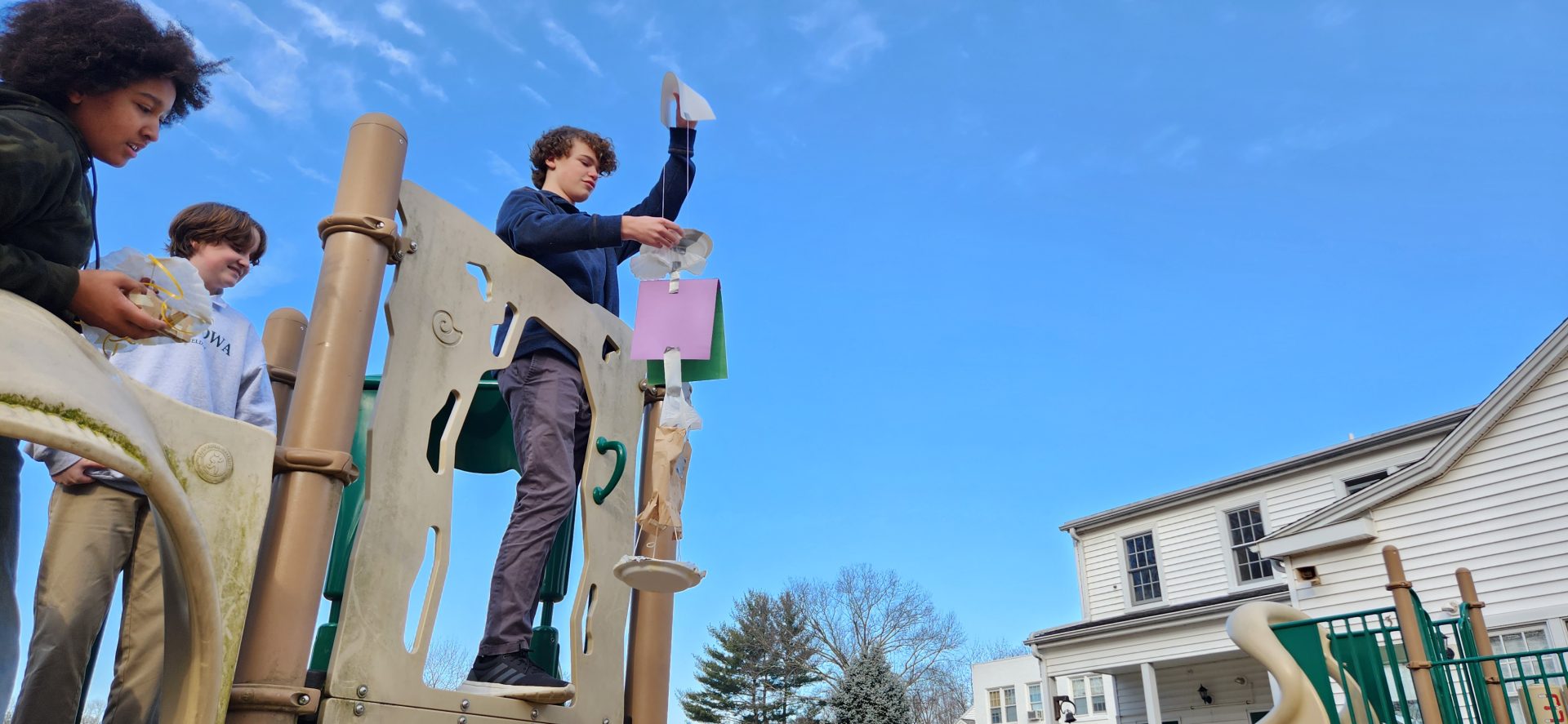
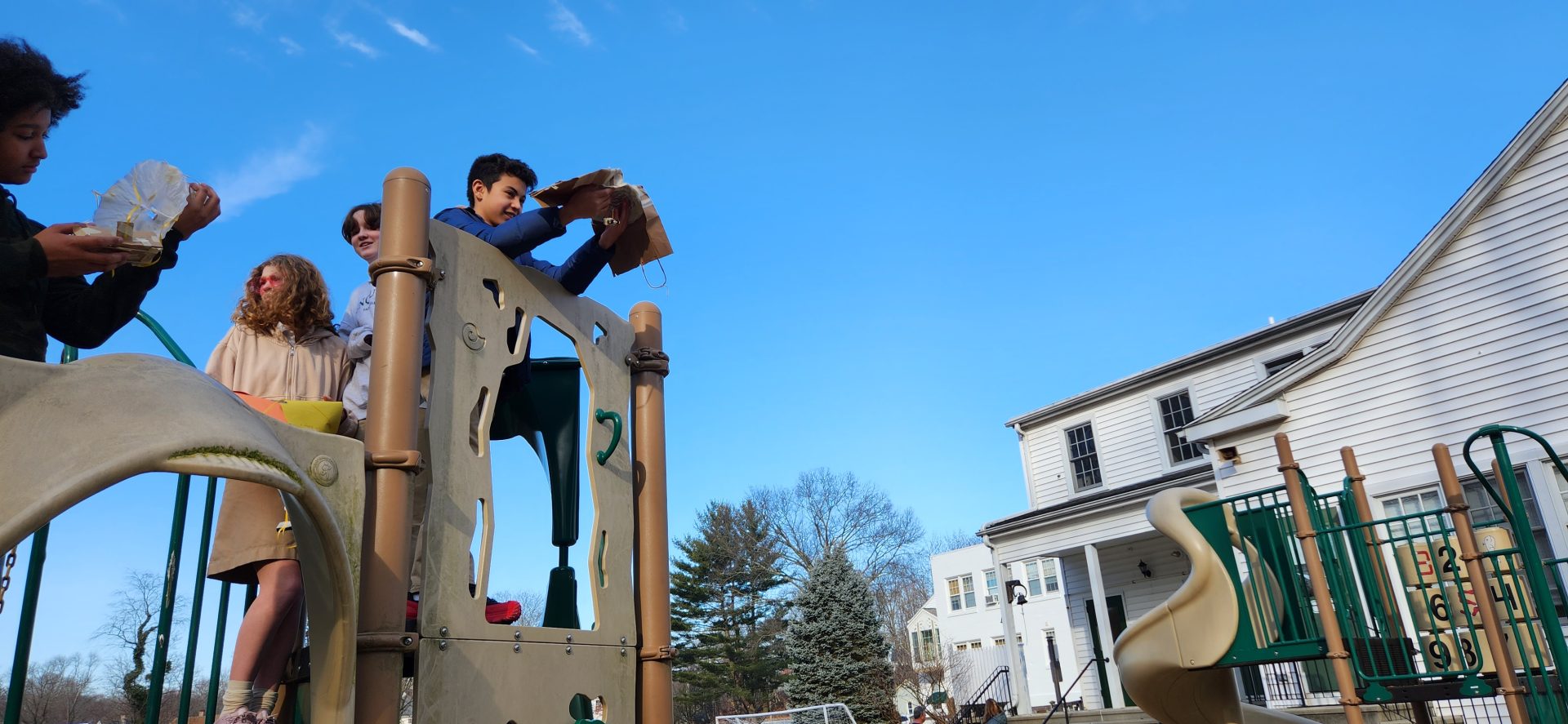
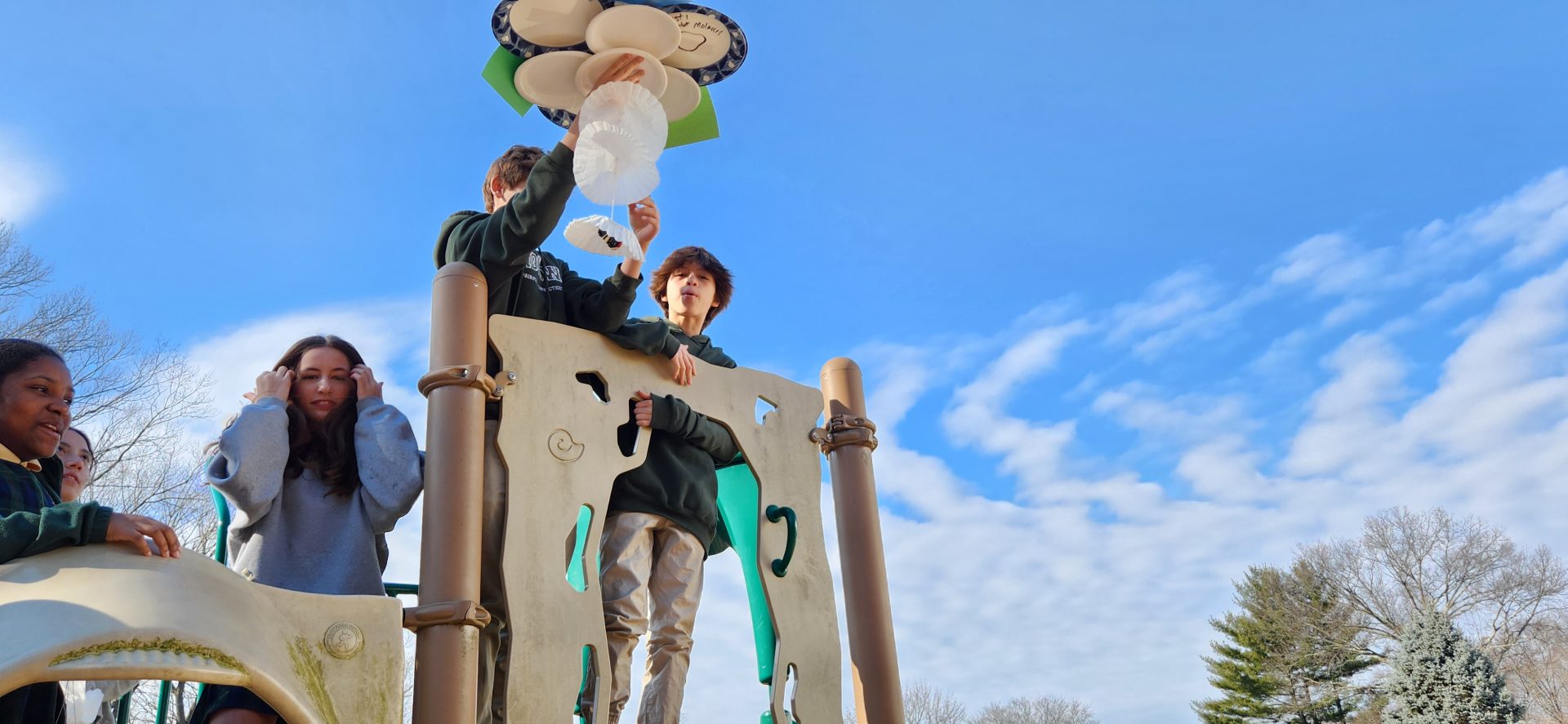
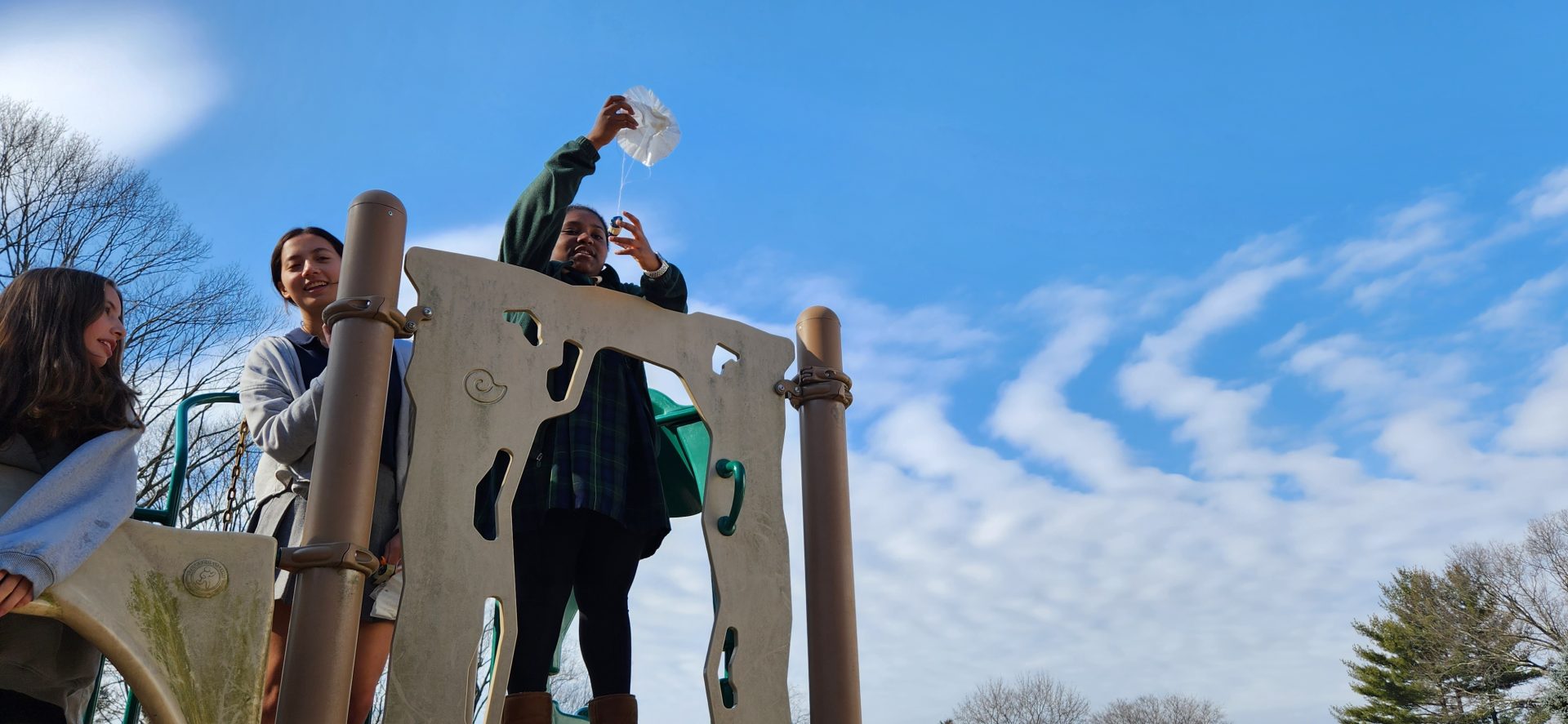
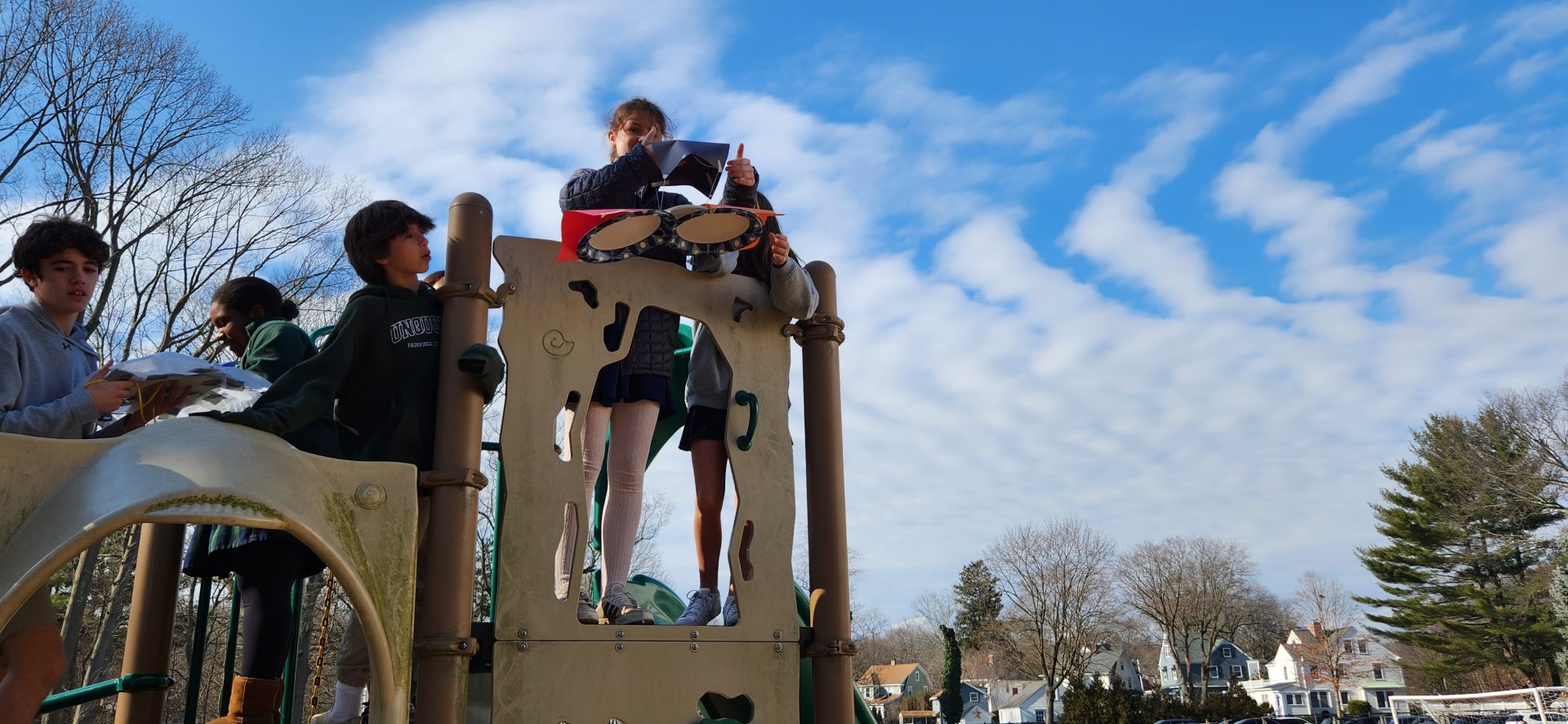
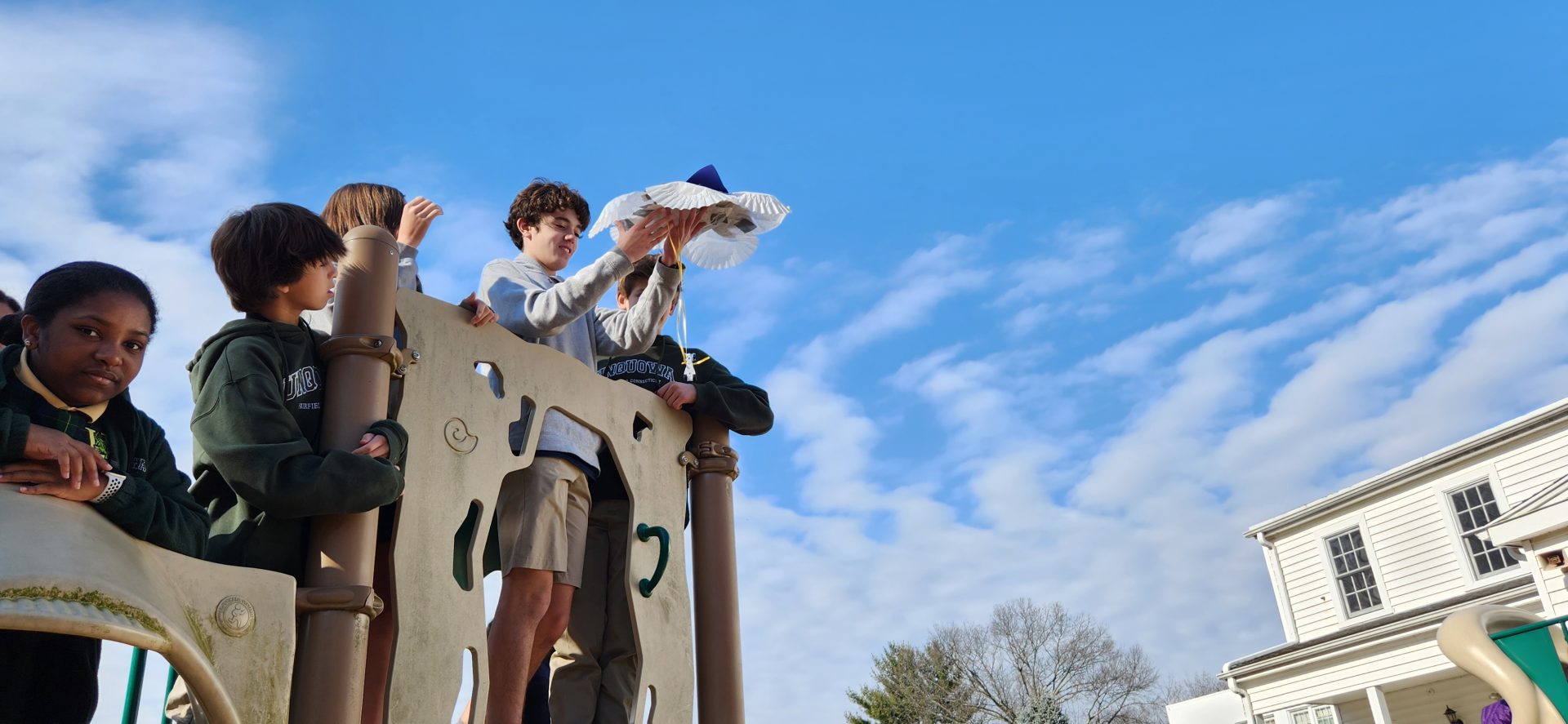
This lab was a two (2) part activity for the 8th graders. Lately, we’ve been learning about mass, weight, gravity, forces, Newton’s Laws, air resistance, motion and much more within the realm of physics. For the first part of the lab, students were testing gravity by dropping an empty water bottle from a meter which was timed using a stopwatch. After a few trials with the empty bottle, students filled the bottles a quarter of the way with sand and repeated the process. The final trial the bottles were filled halfway with sand and they were tested once more. The students observed that no matter how much sand was in the bottles, the time it took to hit the floor was relatively the same (slight differences due to human error which we discussed as a class). The reason for this is because gravity on Earth is constant (9.8 meters per second squared or 9.8m/s^2); this means no matter what the mass of the object is, as long as there is no outside forces acting on the object like air resistance, they will all fall at the same rate!
The second part of the activity involved the students testing air resistance! In this section of the lab, students were given a toy and a bunch of materials which they would use to create a parachute for their toy. We saw a wide range of ideas and these are just some of them! The scholars concluded that the parachutes needed to be light weight but cover a large surface area in order to provide the most air resistance. In the end, students had a blast and they were able to test their designs by dropping them off of the jungle gym and outside the second story window of the Science Lab.
What can Electricity flow through?
Posted by Karen Engelke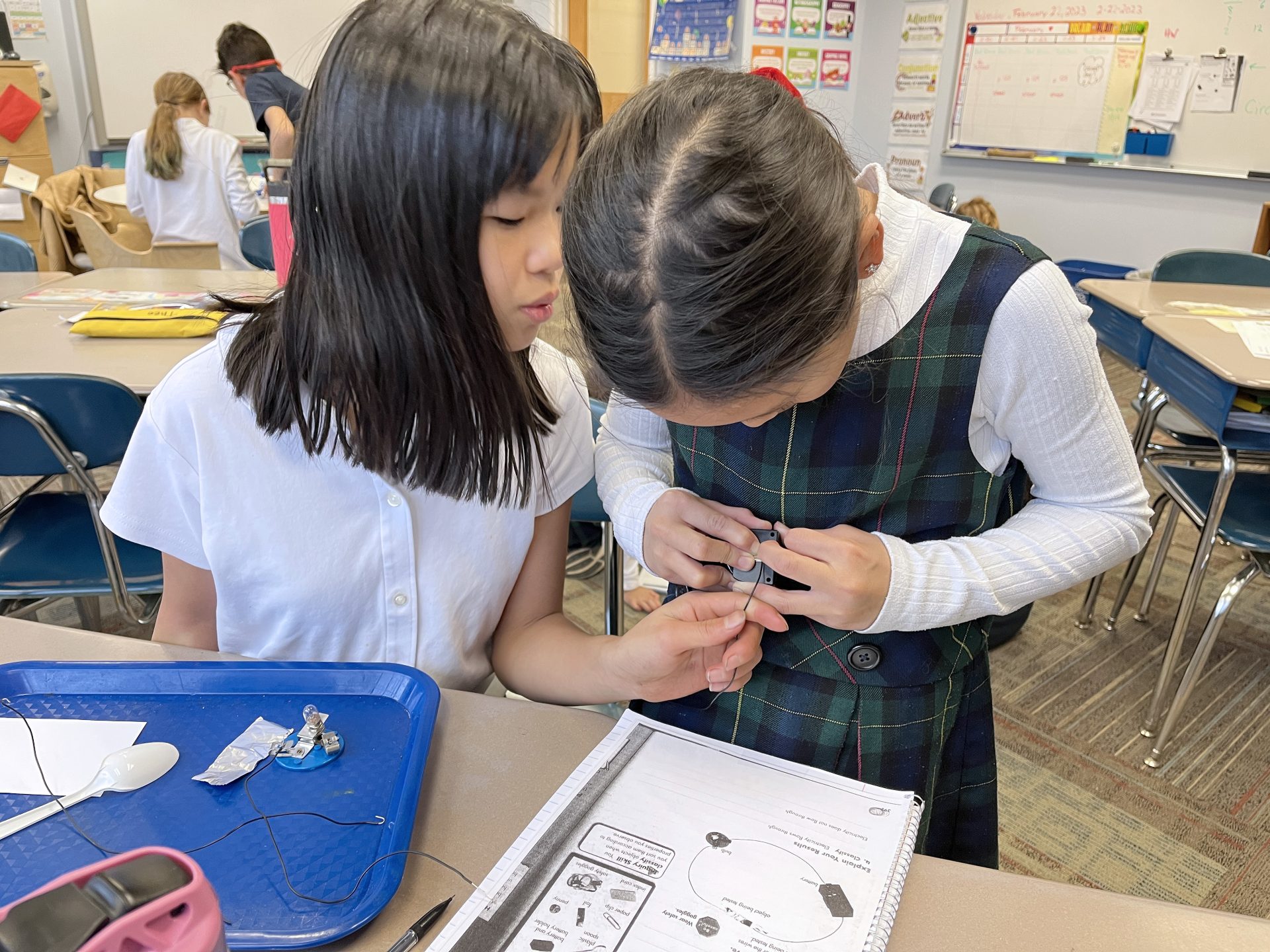
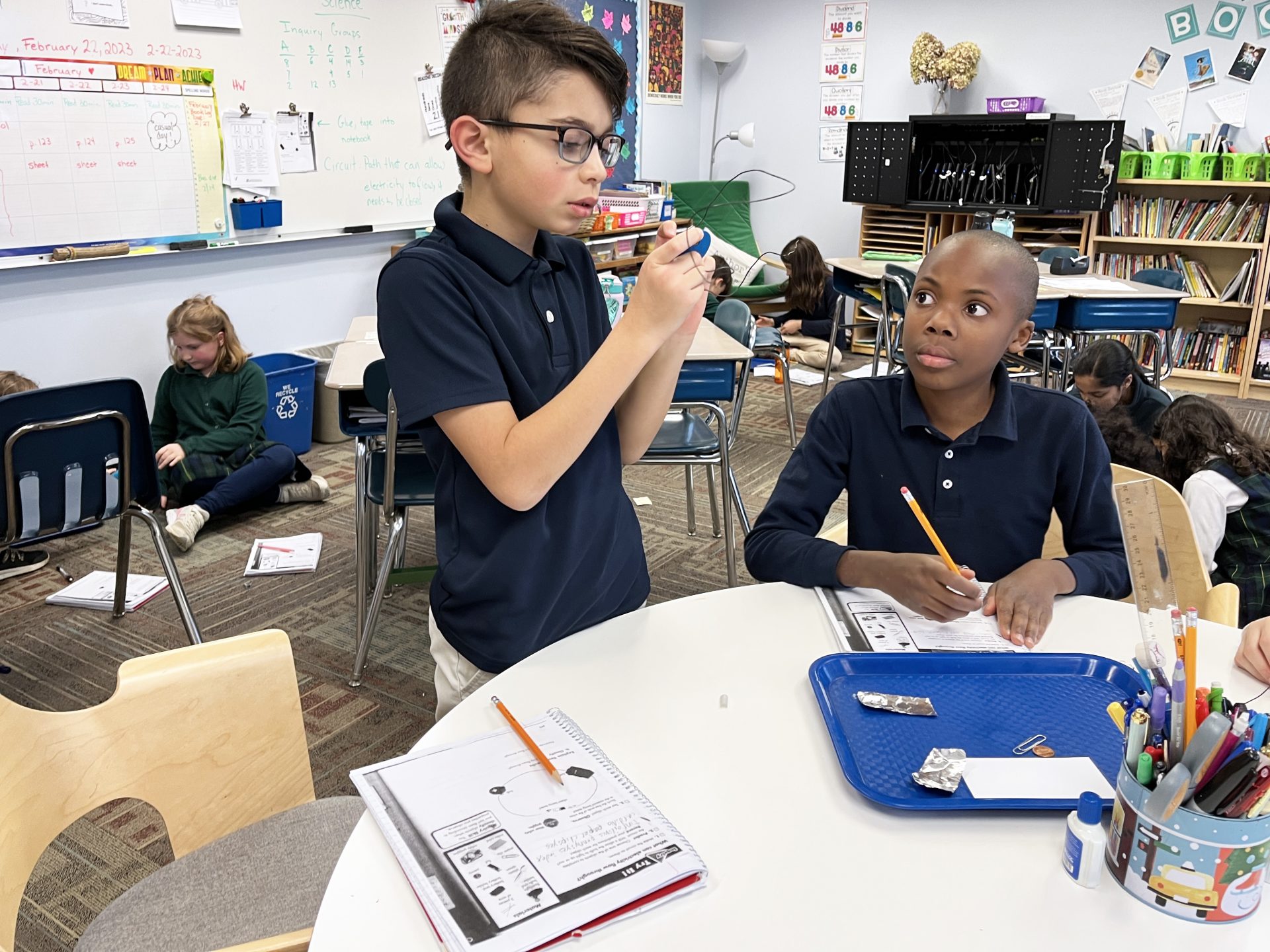
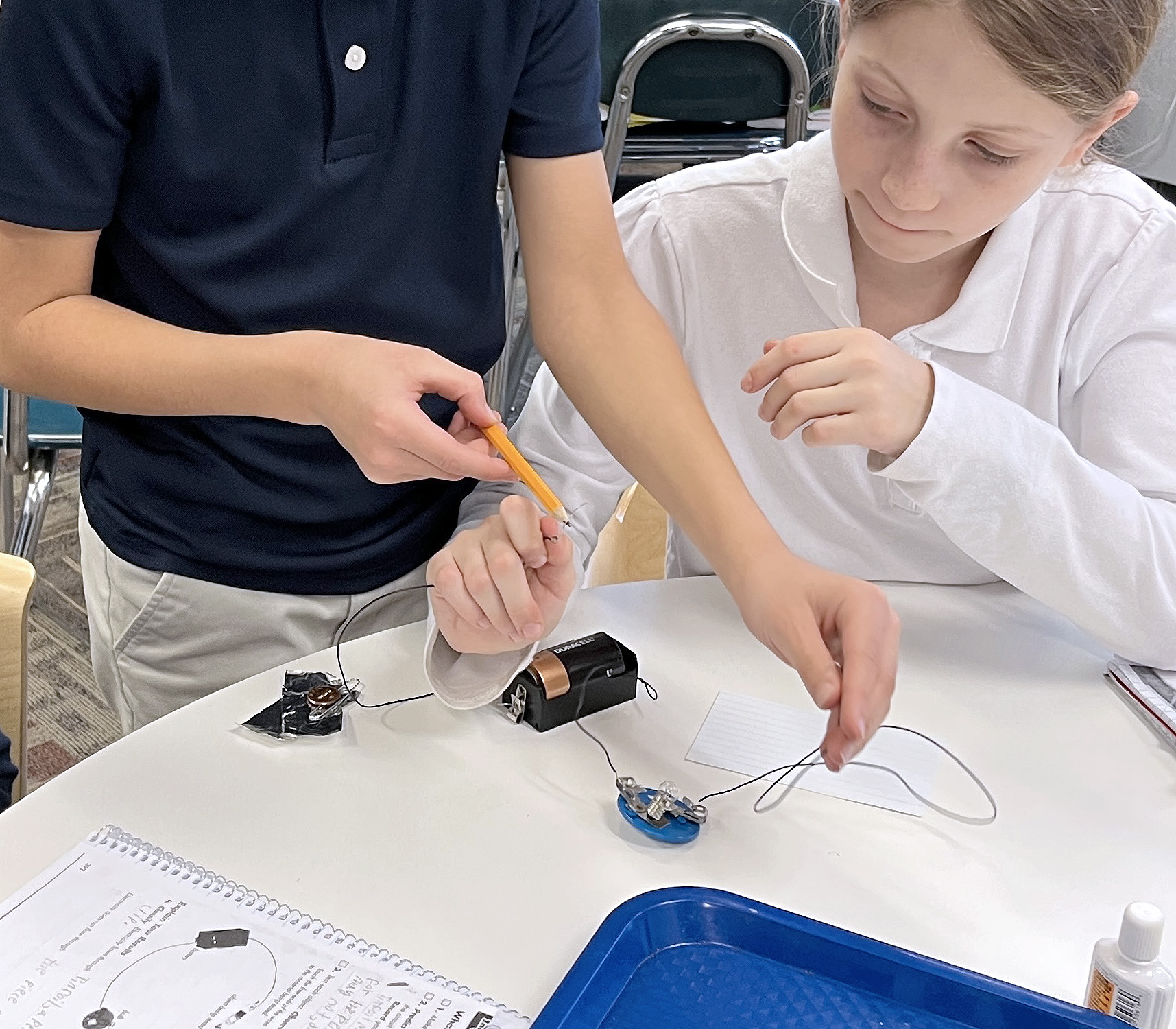
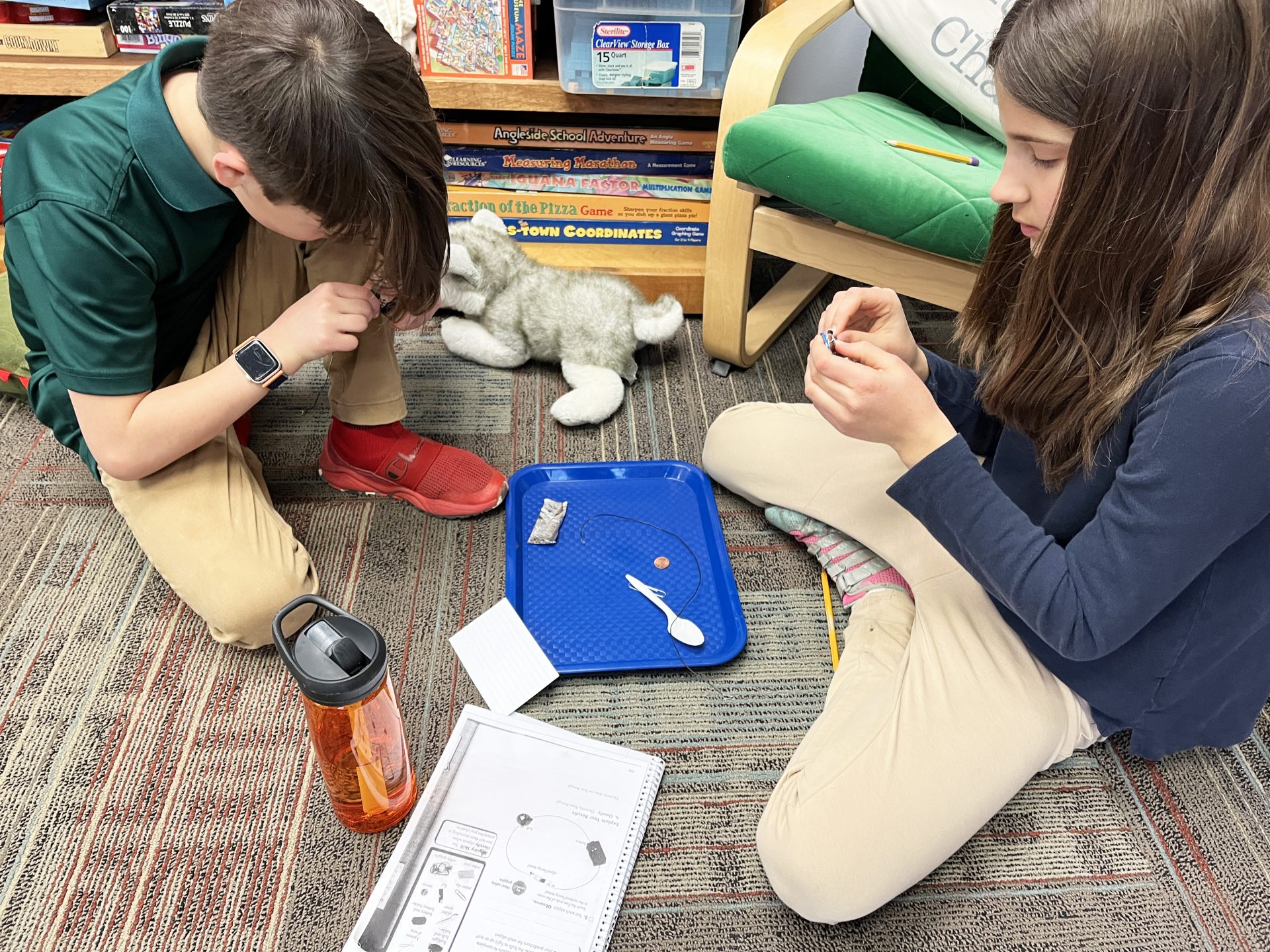
This week in Grade 4 science, students demonstrated that some objects conduct electricity and some do not. Students constructed a simple circuit and observed that a penny, a piece of foil, and a paper clip conduct electricity, while a plastic spool and paper index card does not. They better understood how conductors of electricity allow currents to flow freely. Meanwhile, they observed that insulators resist the flow of an electric current.
Concept to Reality!
Posted by Lloyd Mitchell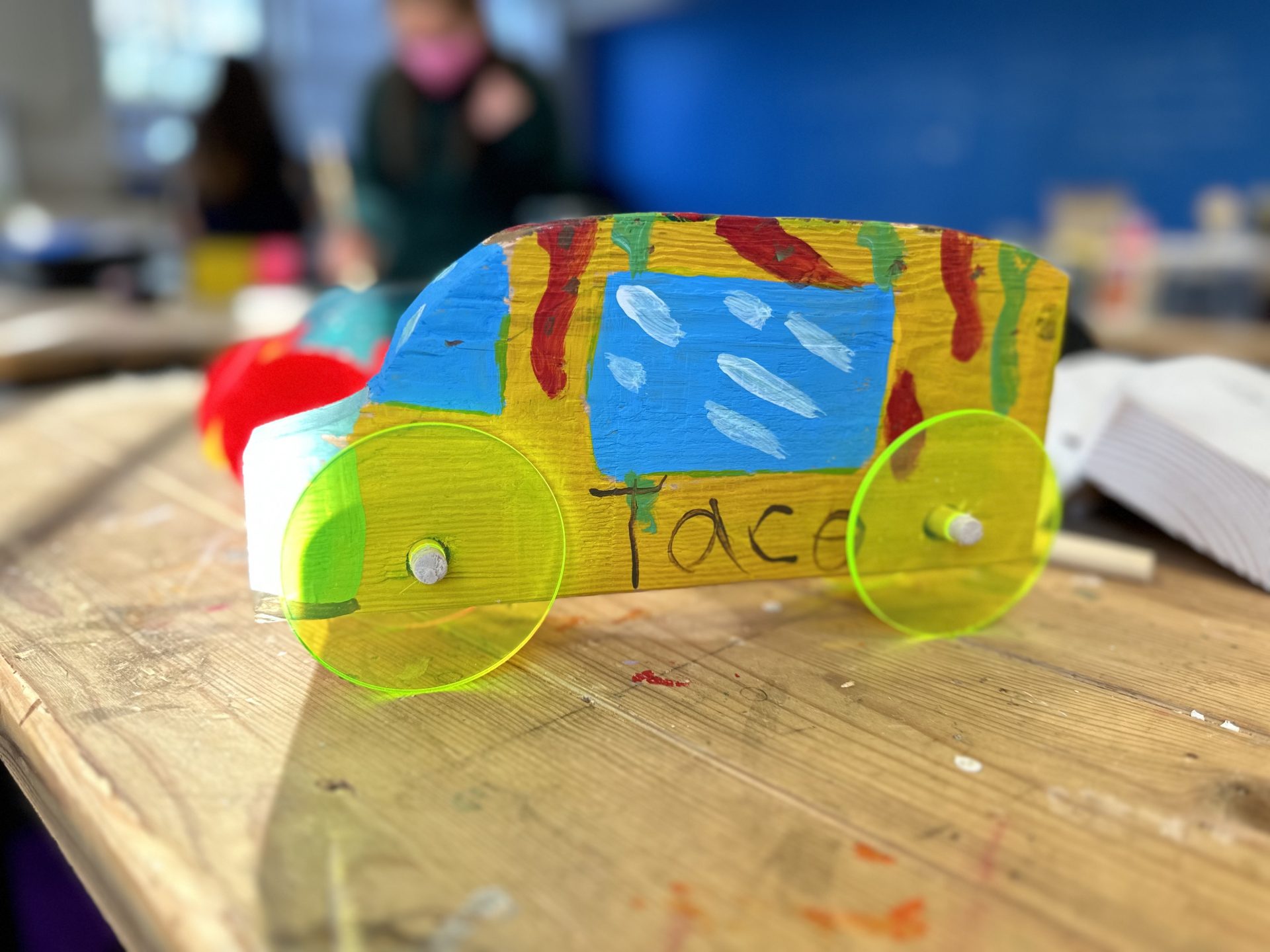


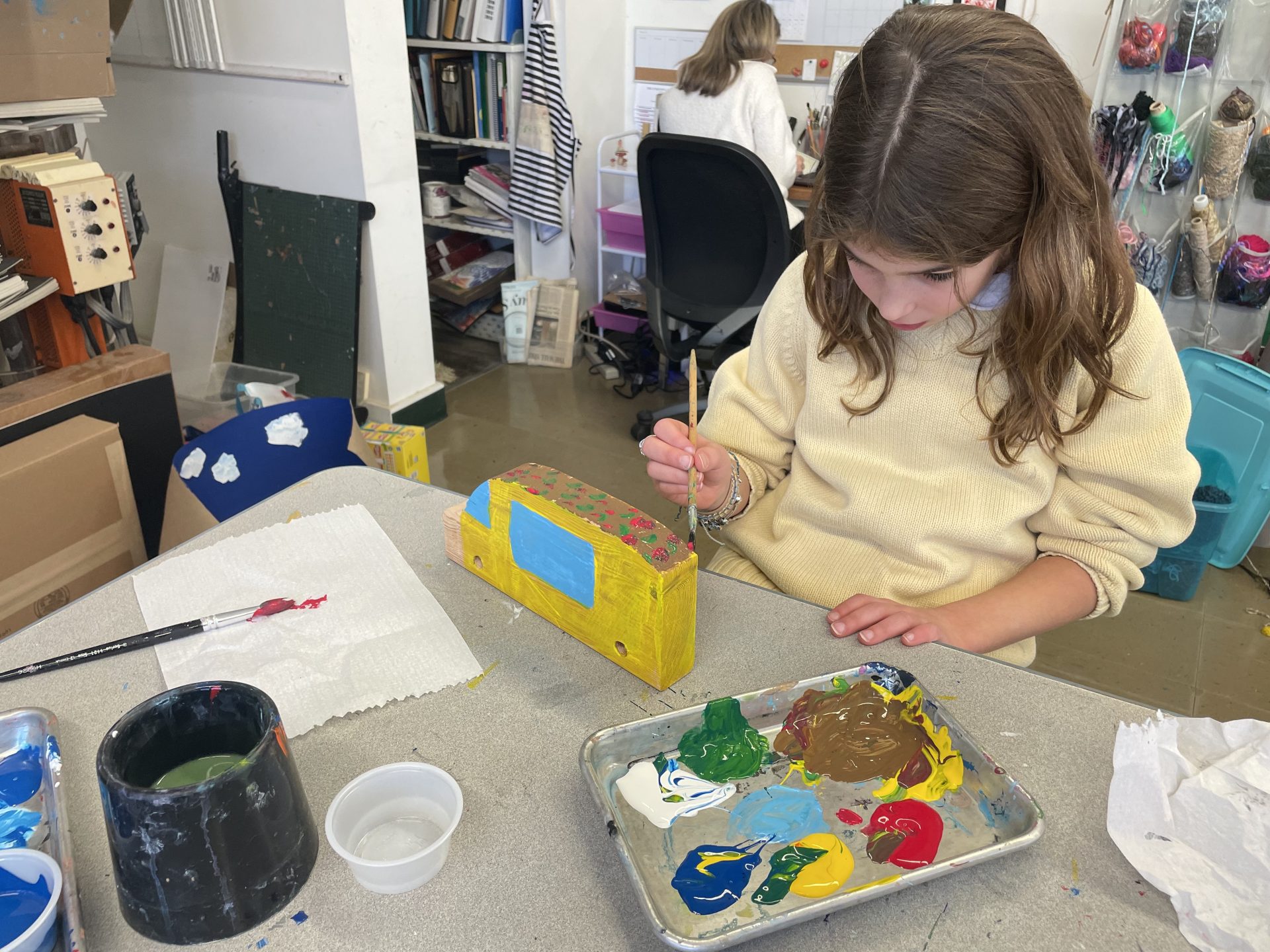
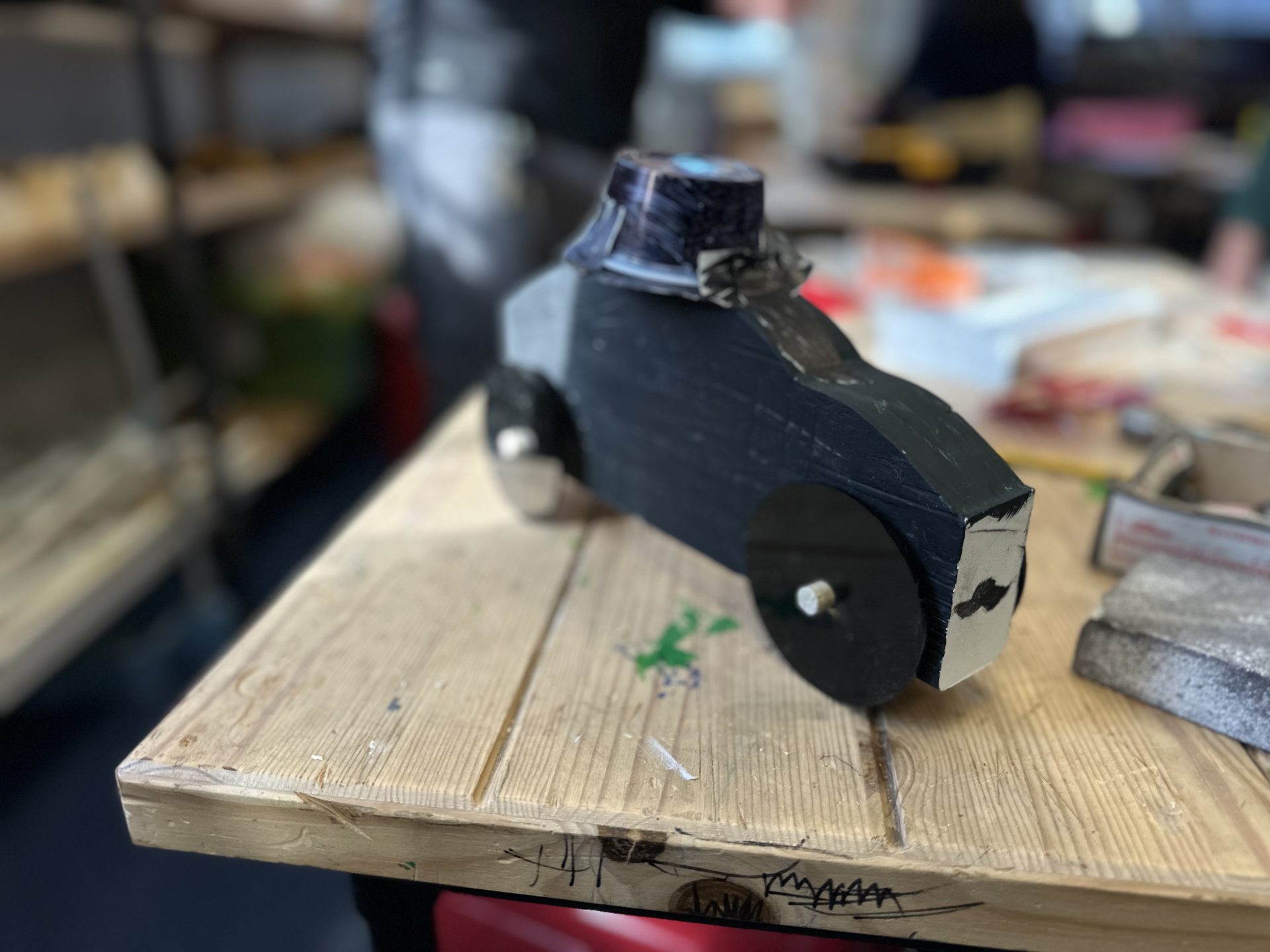
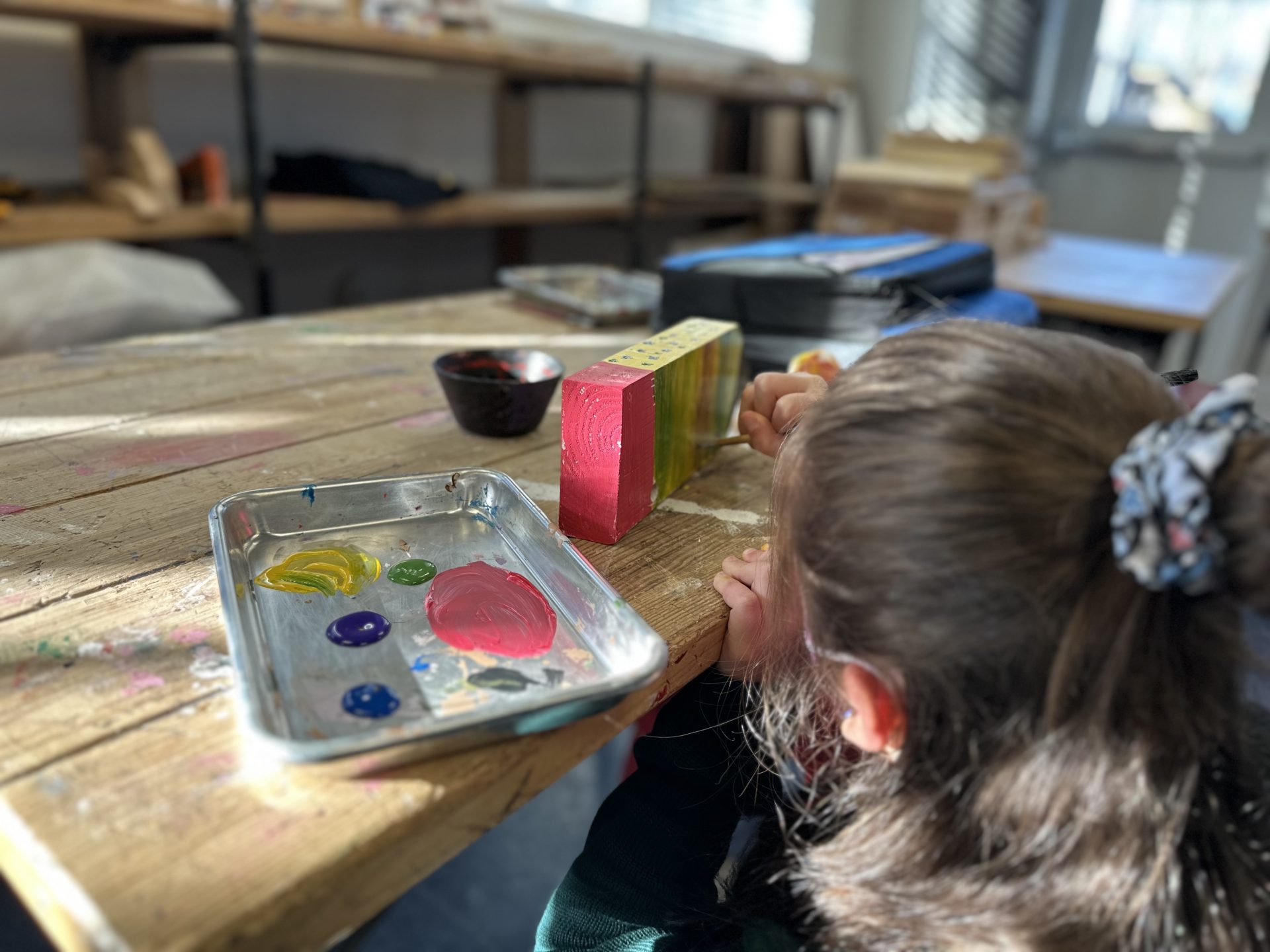
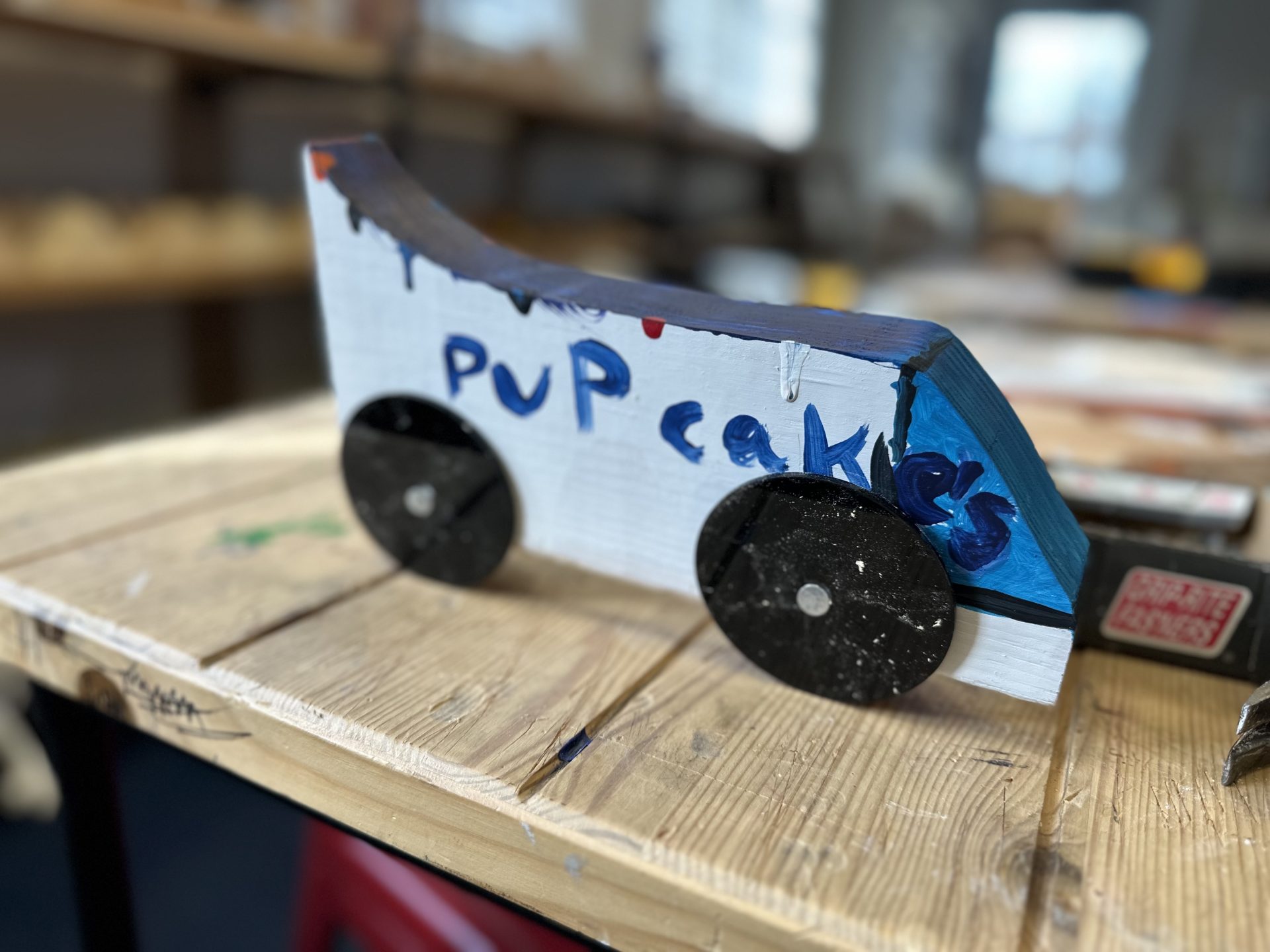
Equipped with their design, power tools, paint and a block of wood, 5th grade tech students were tasked with the job of developing their own boxwood derby car. They successfully completed this multi space project, starting in the Tech Lab with the design process, to the Makerspace for the actual construction of their design and finally to the Art Room where their creativity came to life. Students proudly took a concept and turned it into a reality. Bravo, 5th grade!
January Greatest Hits in 6th Grade Science!
Posted by Colleen Noyes-
- Personal Pangea
-
- Personal Pangea

-
- Personal Pangea

-
- Plate Tectonics

-
- Plate Tectonics

-
- Plate Tectonics
-
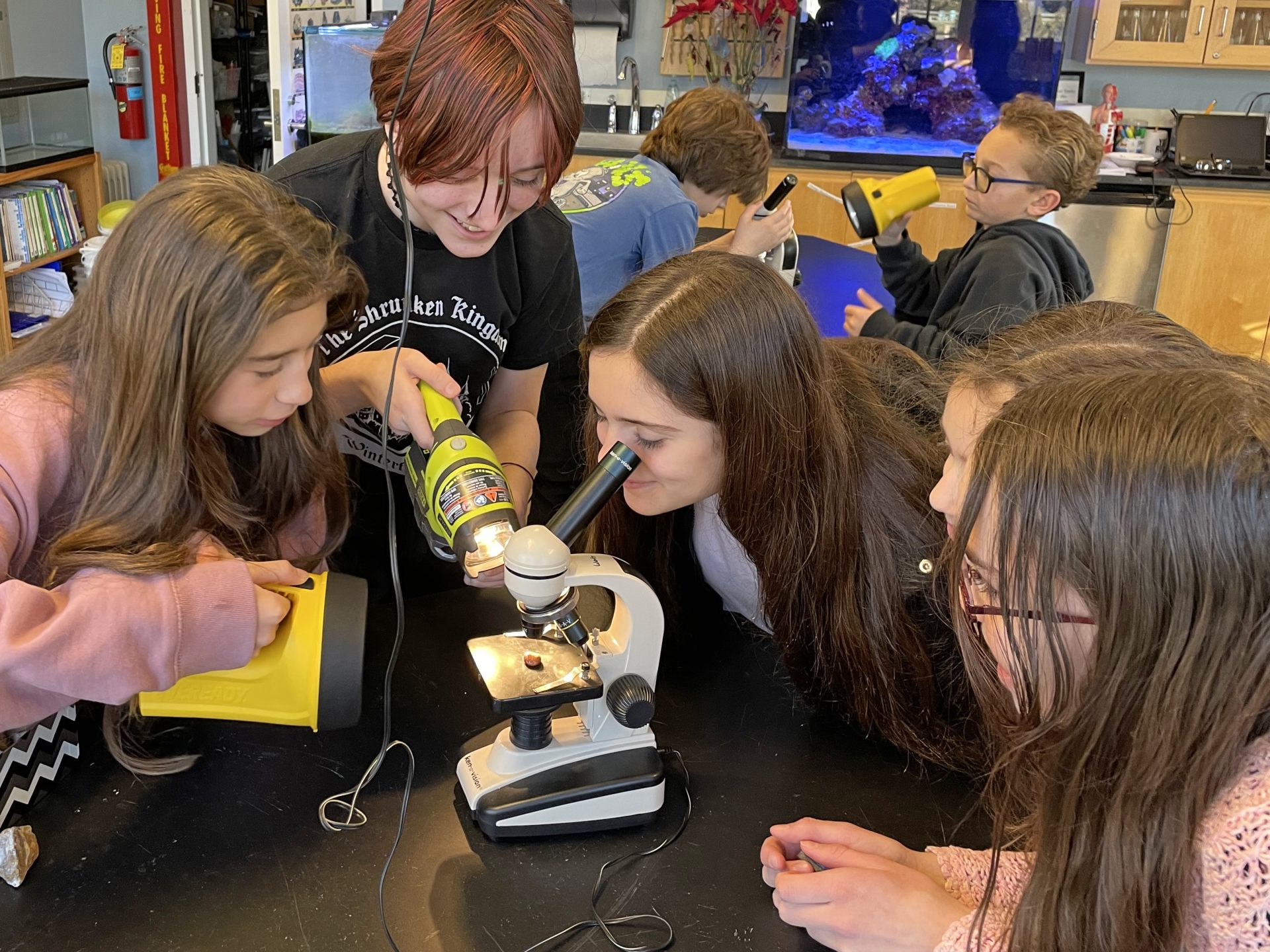
- Rocks & Minerals
-
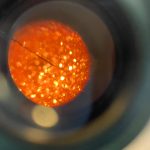
- Goldstone through the lens of the microscope


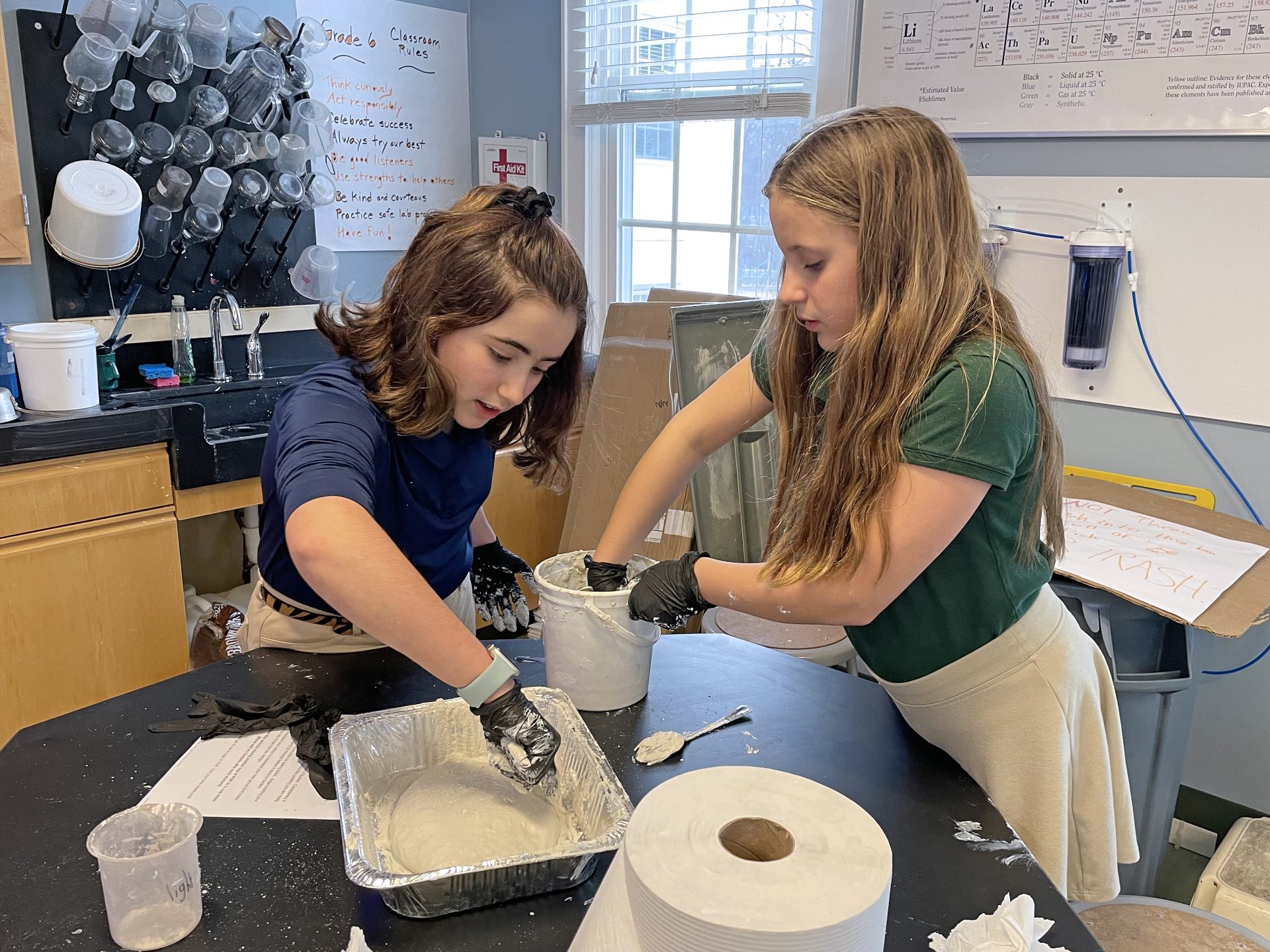
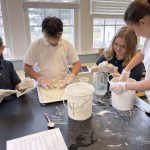
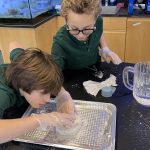
We started off the new year with our first lab called “Personal Pangea” – Student groups created their own model of the super continent Pangea, using plaster of paris and water. Millions of years ago the earth was once a large land mass known as Pangea. Unfortunately the molds were not substantial enough to withstand the tectonic plate upheaval. Technically this experiment was NOT a bust.
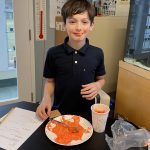
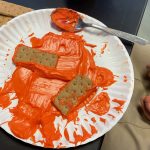
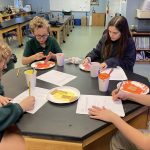
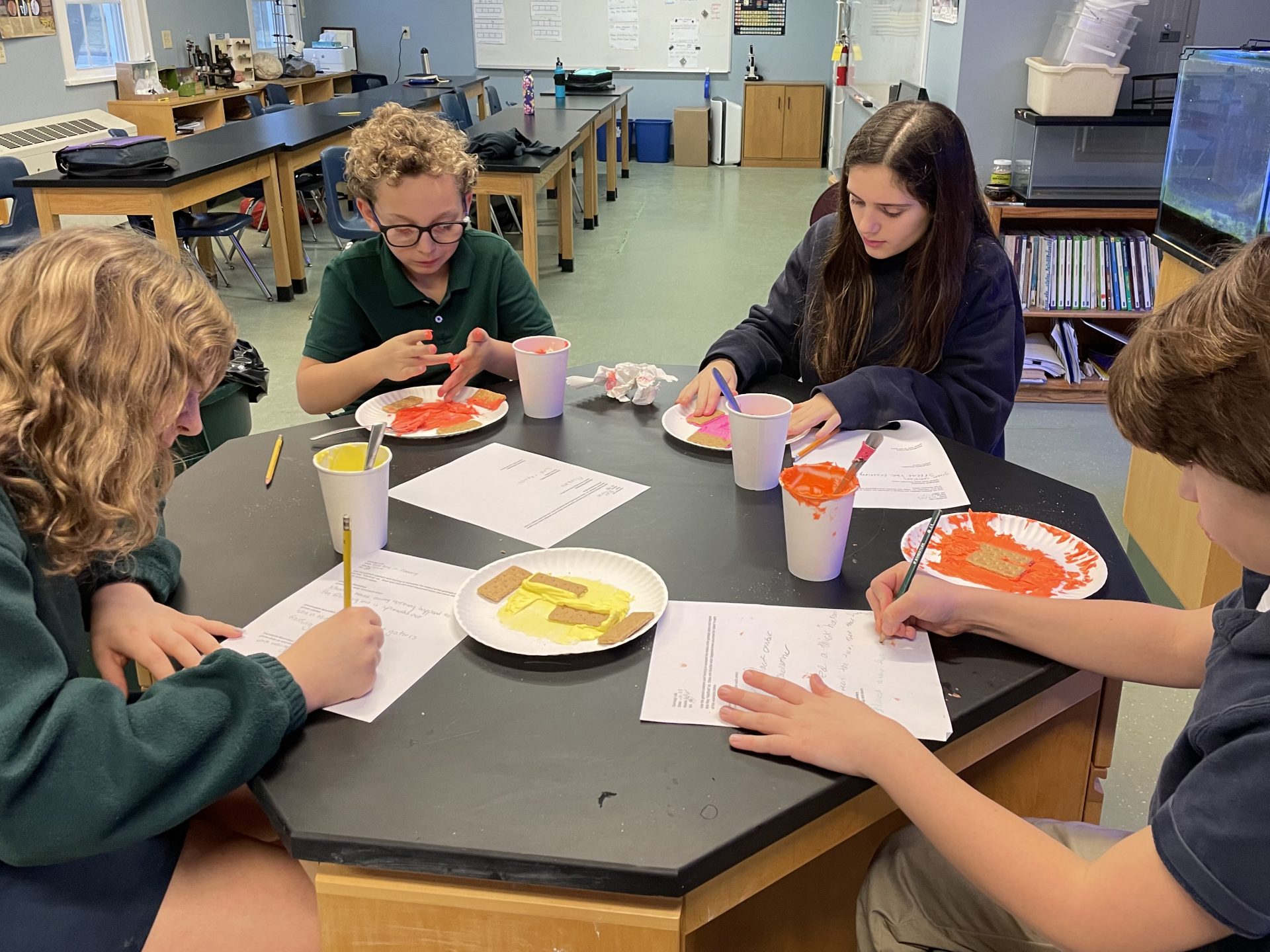
If at first you don’t succeed, try again or move on to an alternative solution. We switched gears and used another method to illustrate plate tectonics and their movement. In this lab we used graham crackers and frosting to represent the Earth’s mantle and plates. It was fun and educational, not to mention SWEET!
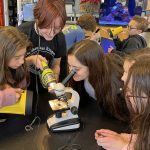
Lastly we explored the world of rocks and minerals. In geology, Igneous is bliss. Sedimentary my dear Watstone!! I DIGgress…… Sometimes, all that glitters might be gold, or goldstone, as photographed through the lens of the microscope and one student even showcased their knowledge of geology to the entire class!!! Well done.