








Job Well Done!
Posted by Sarah Raggio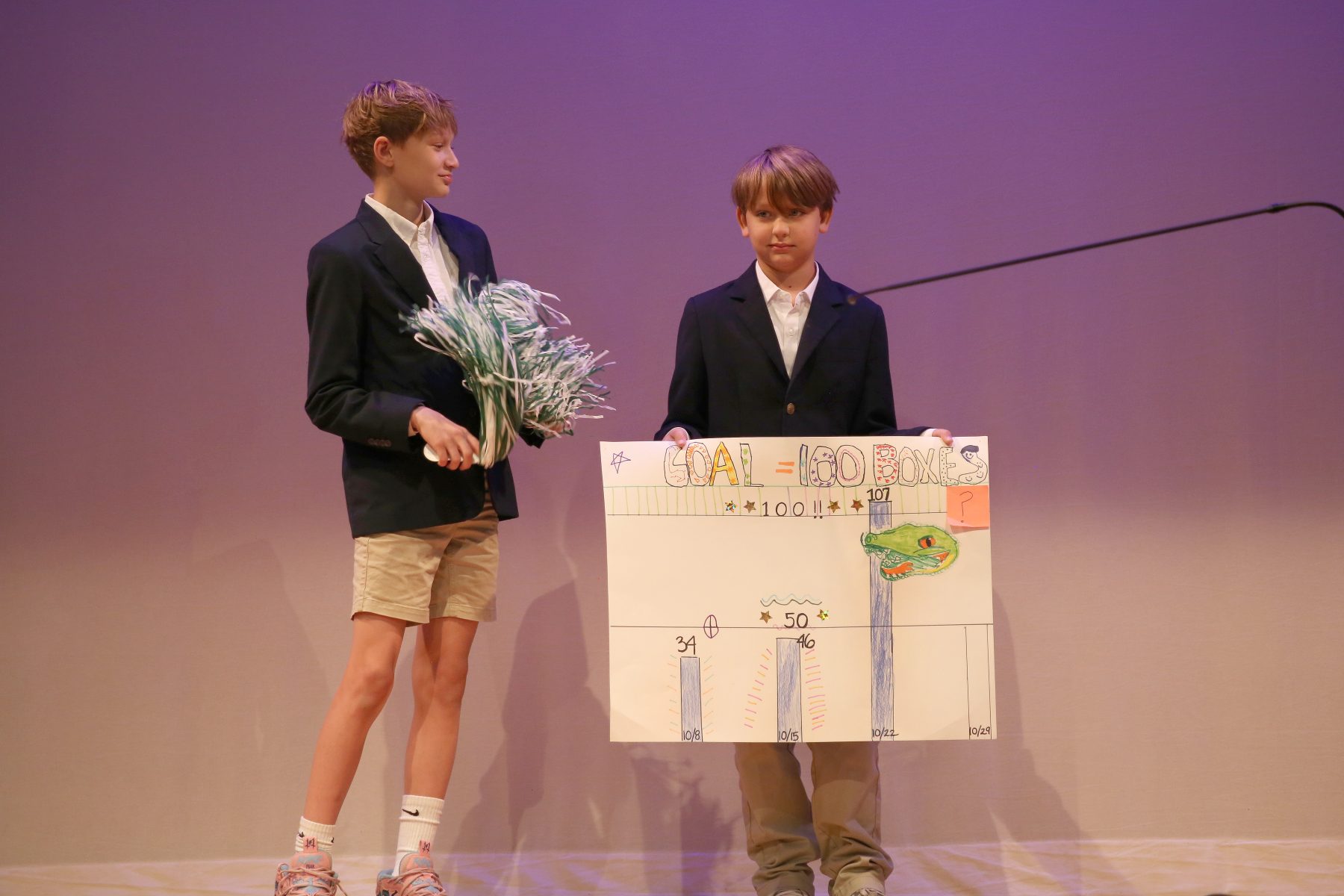
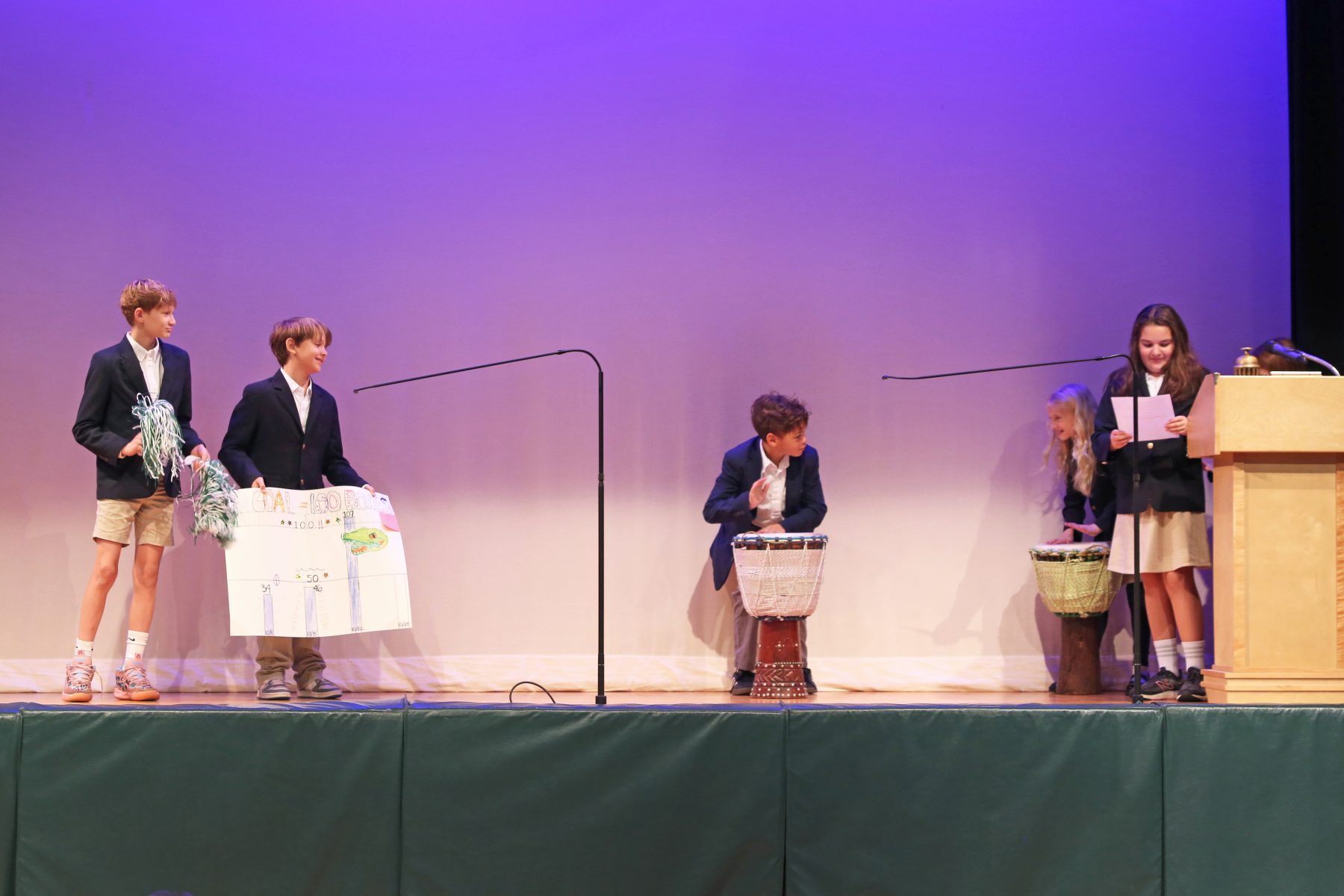
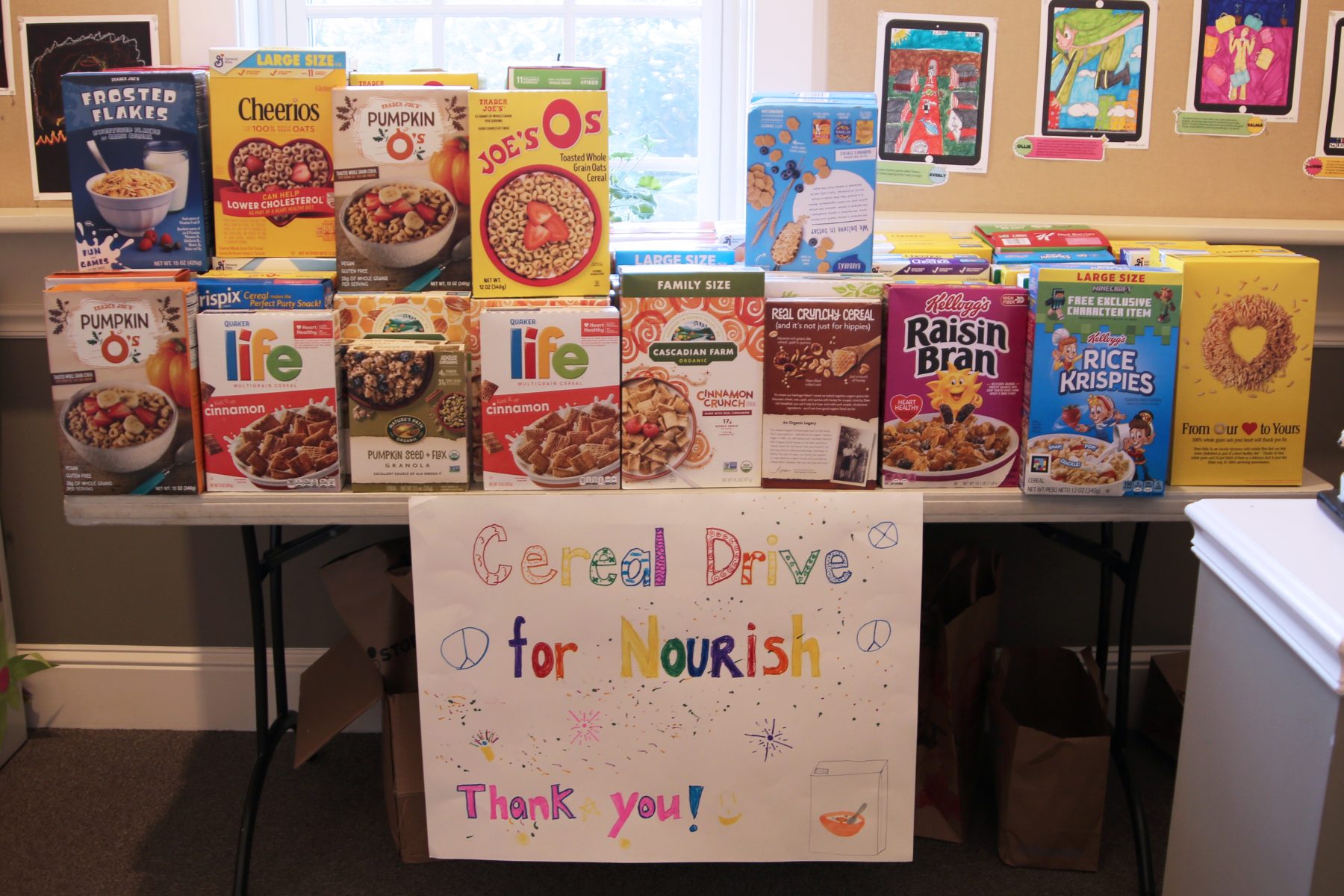
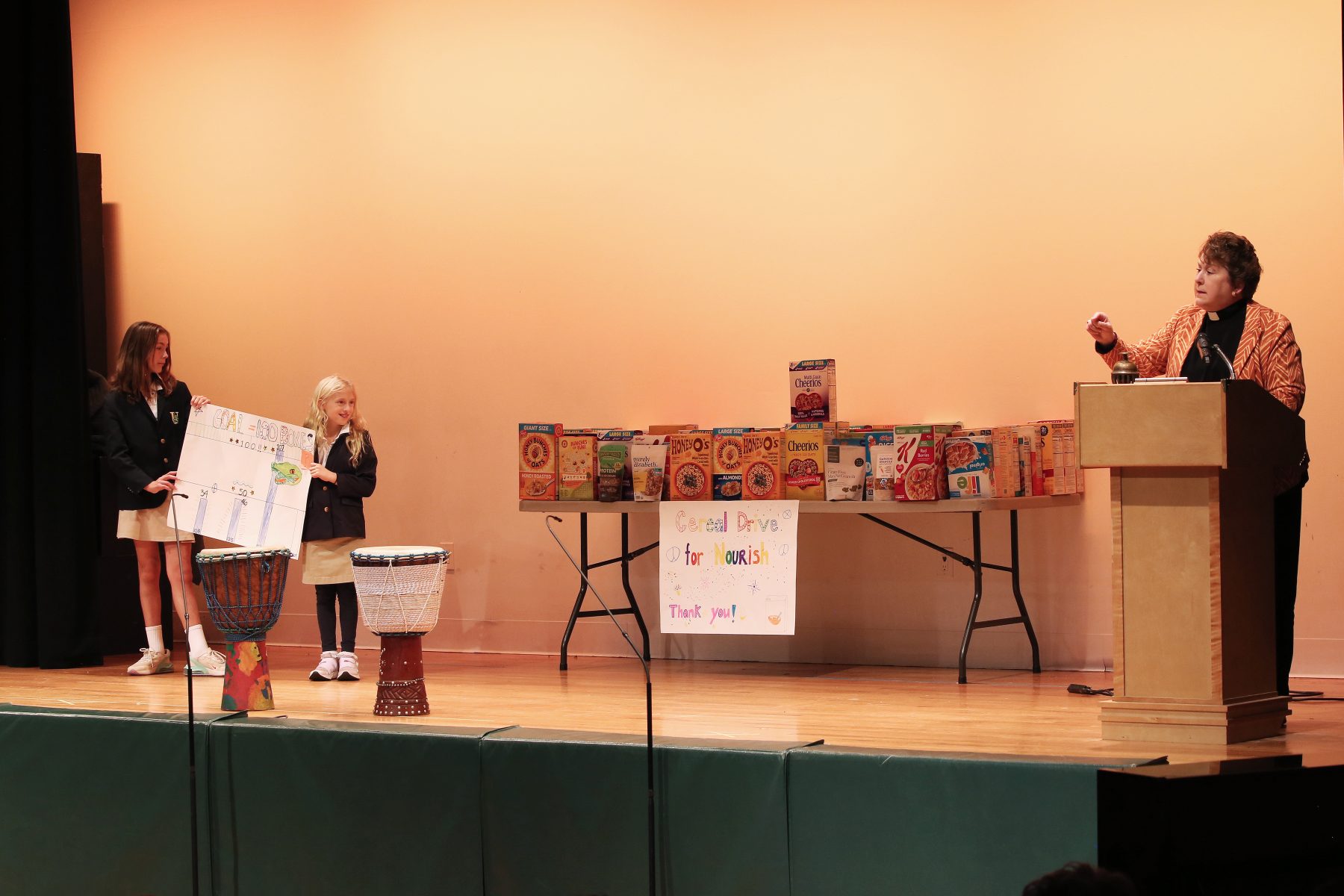
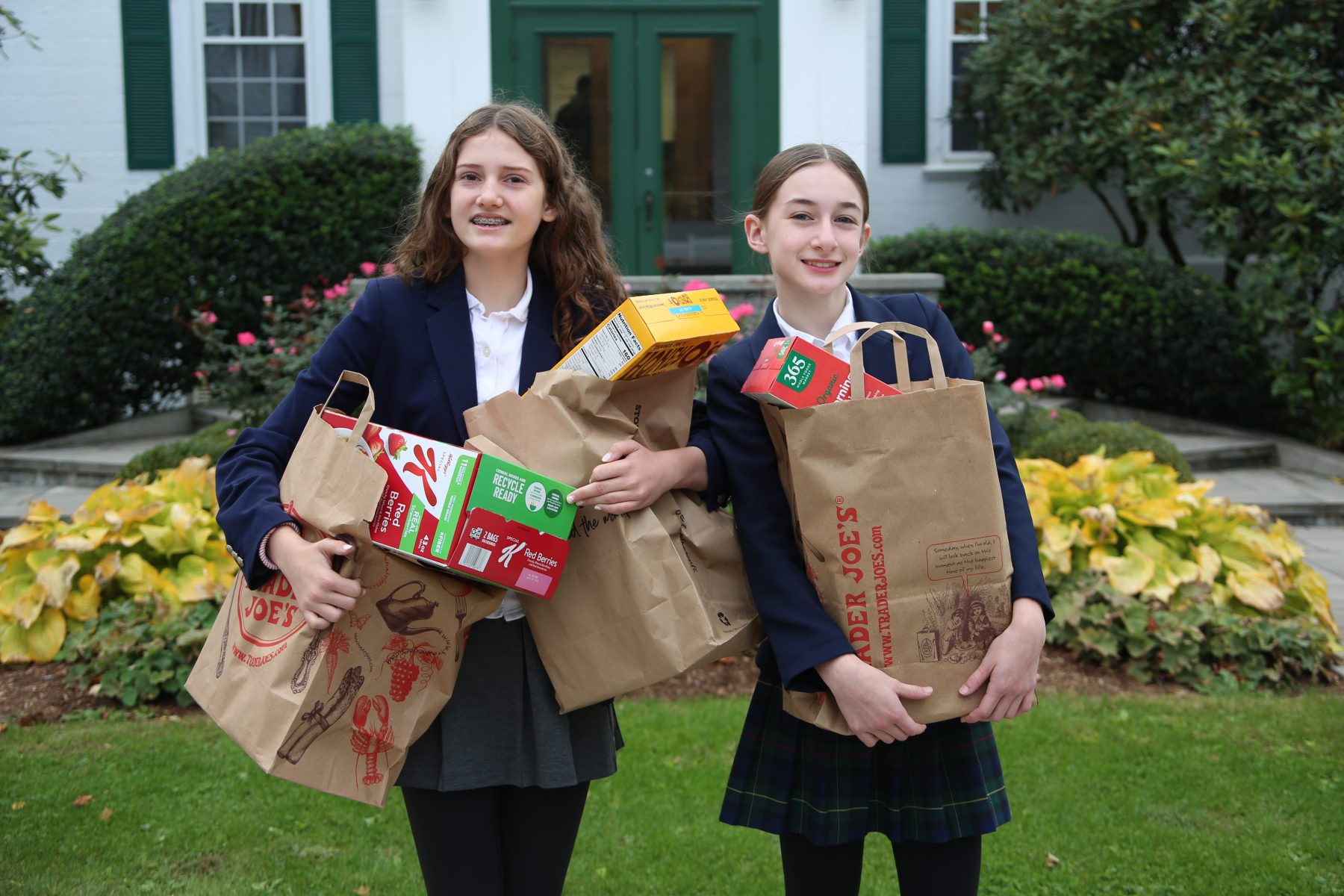
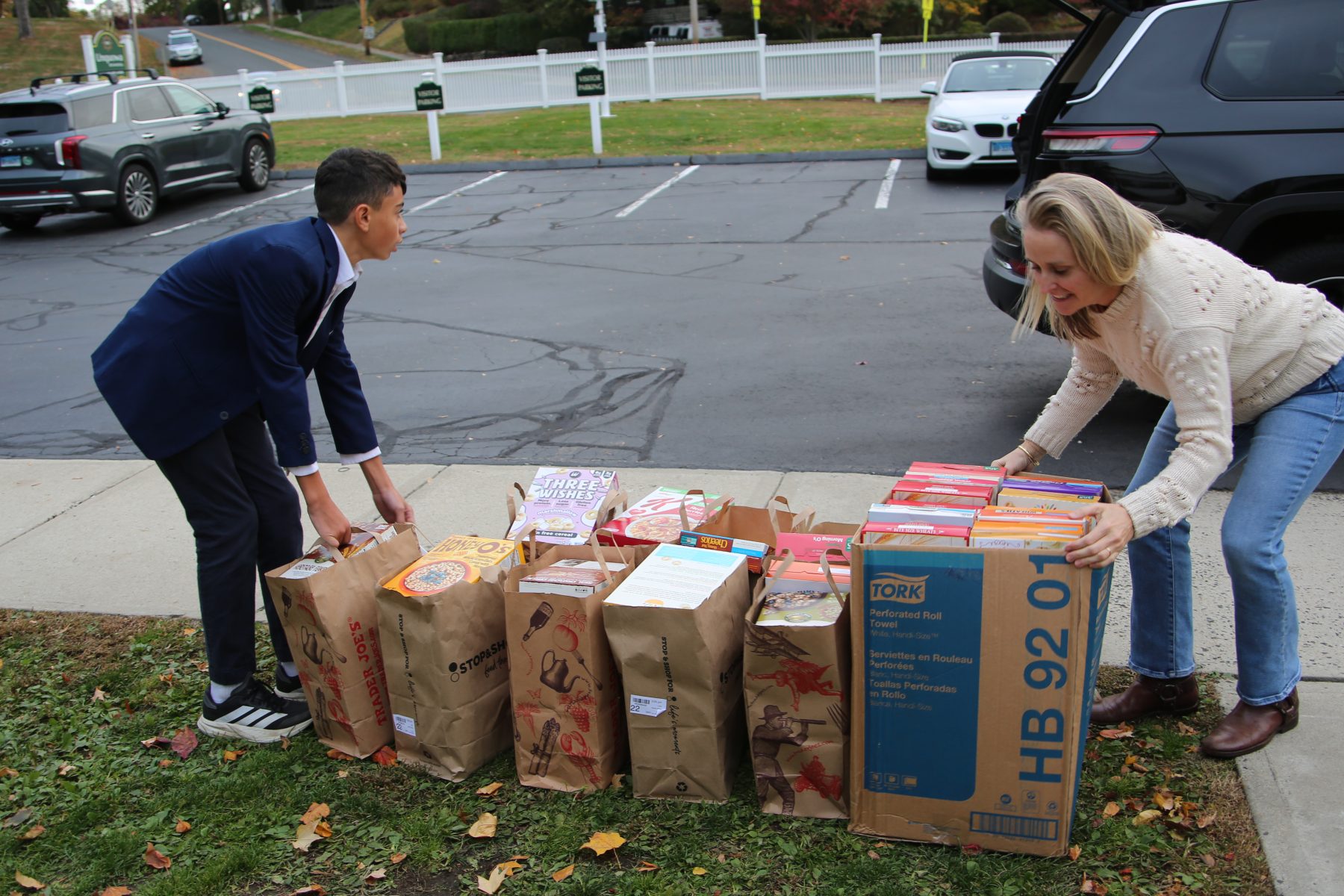
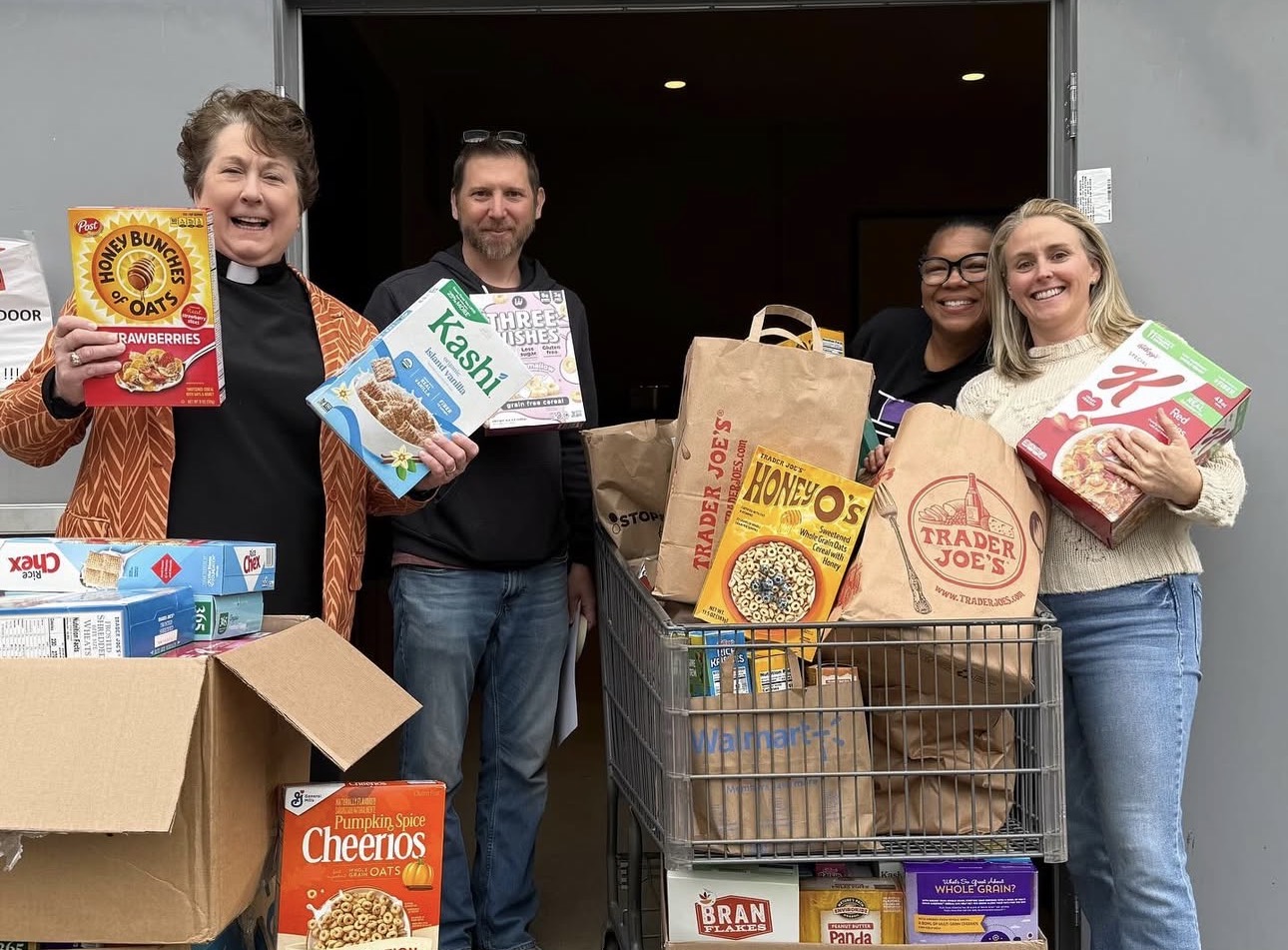
Recently, Grade 5 was excited to partner with Grade 8 on a successful community cereal drive for nOURish Bridgeport. The Unquowa community should feel proud to have donated 130 boxes of healthy cereal to our friends at such a critical time in our country. Rev. Sara from nOURish shared how healthy cereal, paired with shelf-stable milk, can help families who may be struggling to put food on the table. She was both appreciative and inspiring when she visited our weekly assembly to thank the students for their generosity. In 5th grade we will continue to find ways to help our community. Stay tuned!
Haunted House For Sale!
Posted by Kristin DuCharme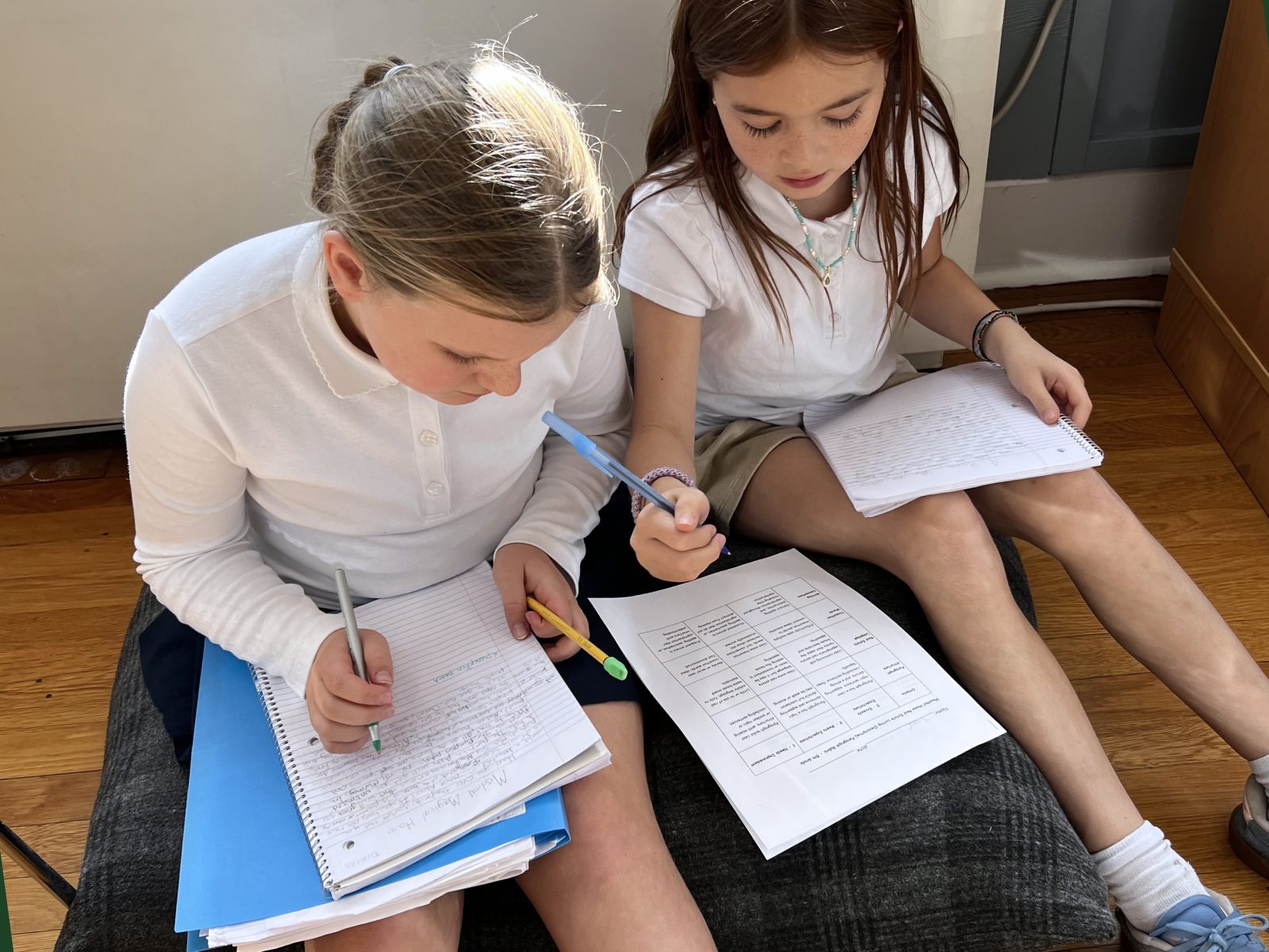
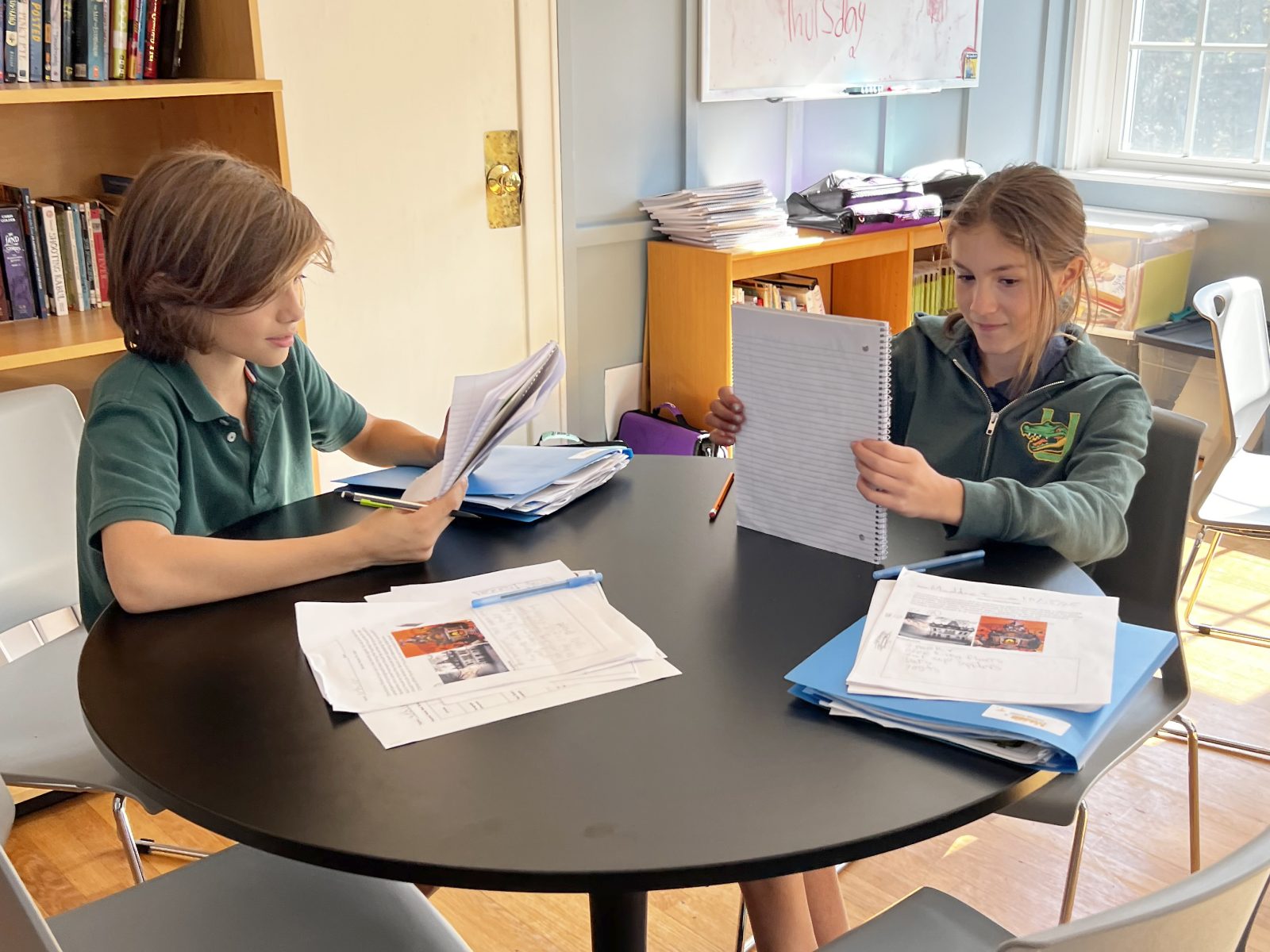
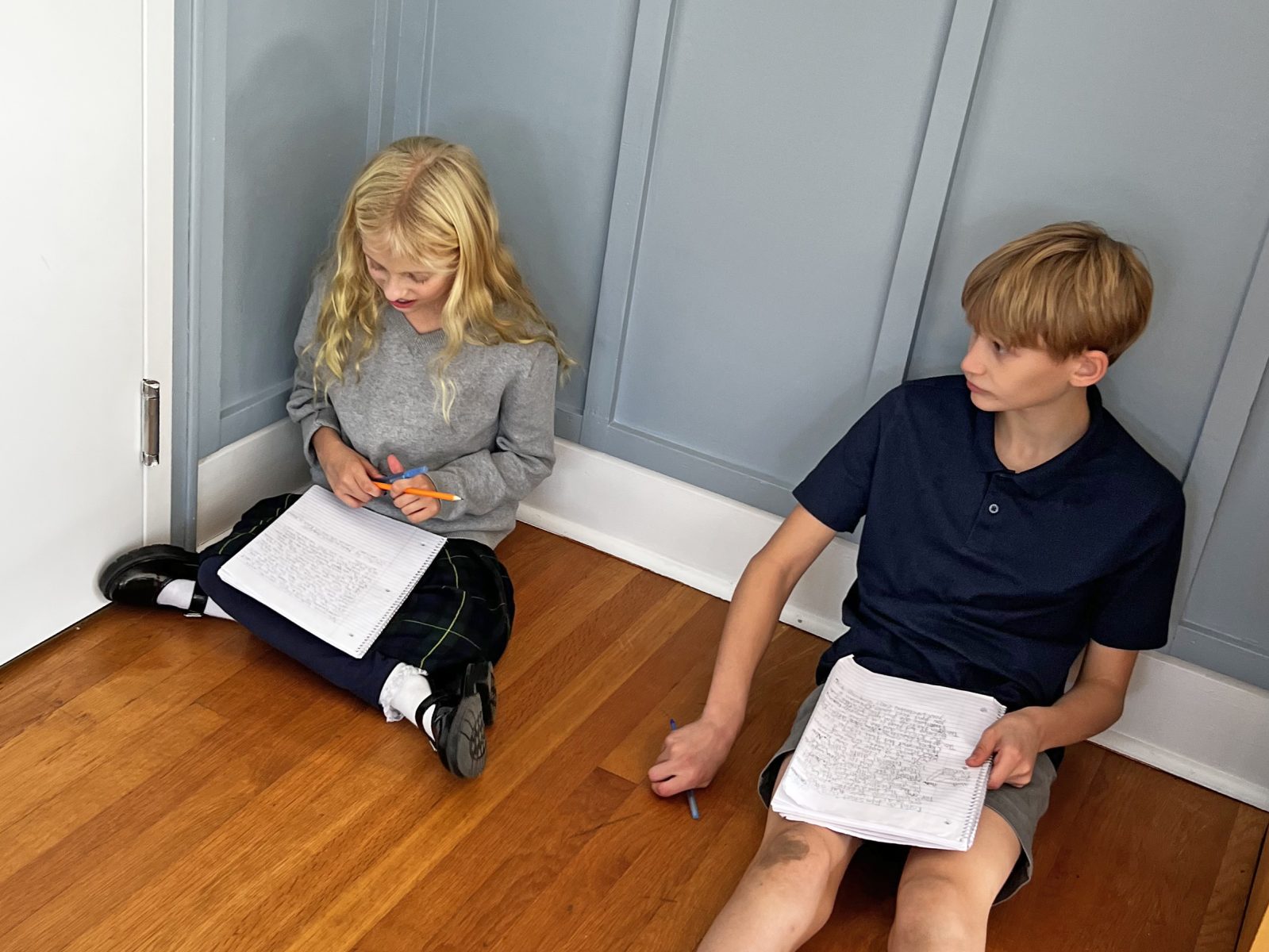
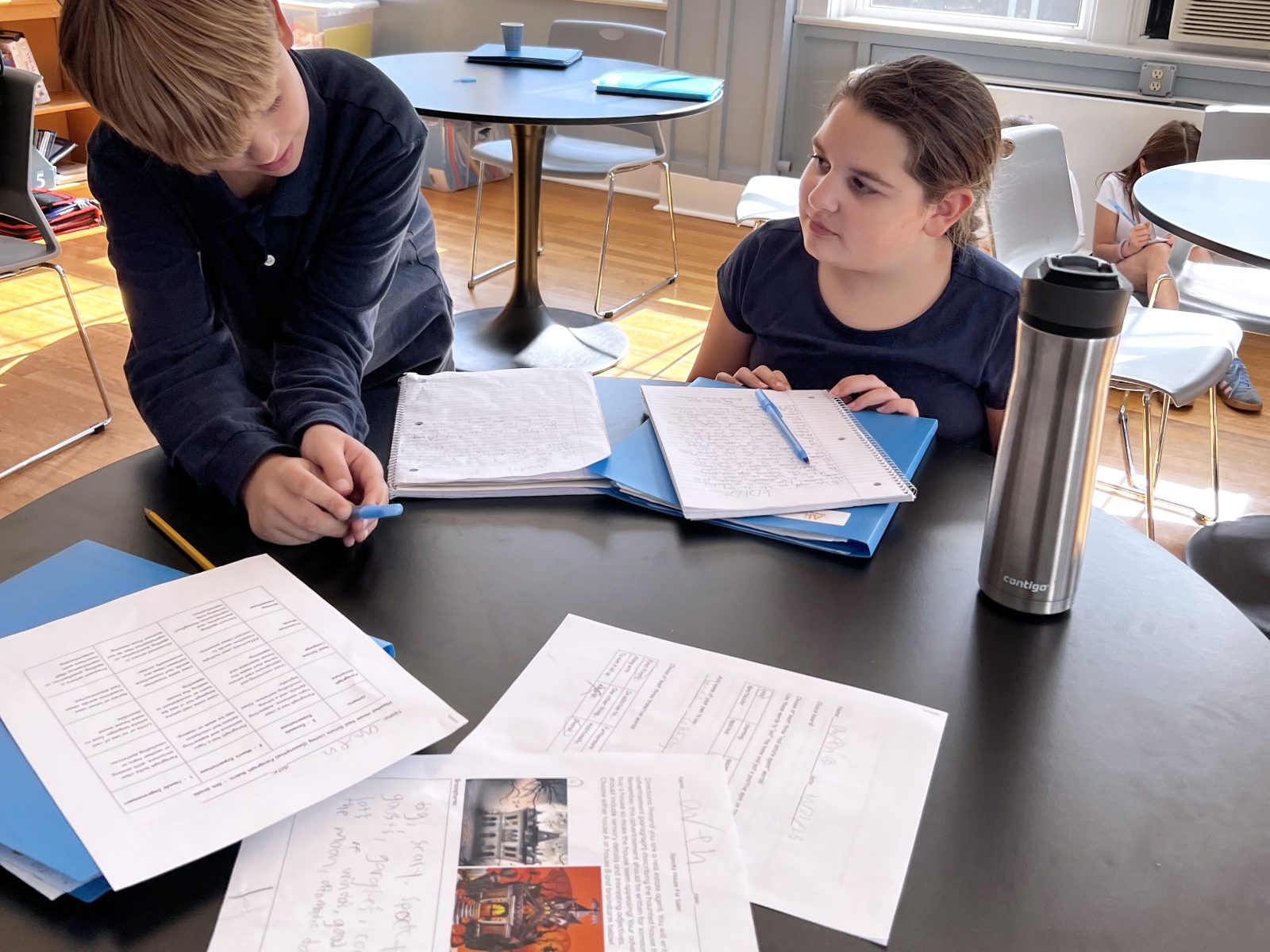
Fifth grade writers are hard at work peer editing their descriptive paragraphs about haunted houses for sale. By sharing feedback, students learn to make their writing more vivid and detailed, ensuring their spooky listings come to life for the reader. Peer editing helps them become stronger writers by encouraging collaboration, reflection, and careful attention to word choice and detail.
Founders’ Day Festivities
Posted by kellysullivan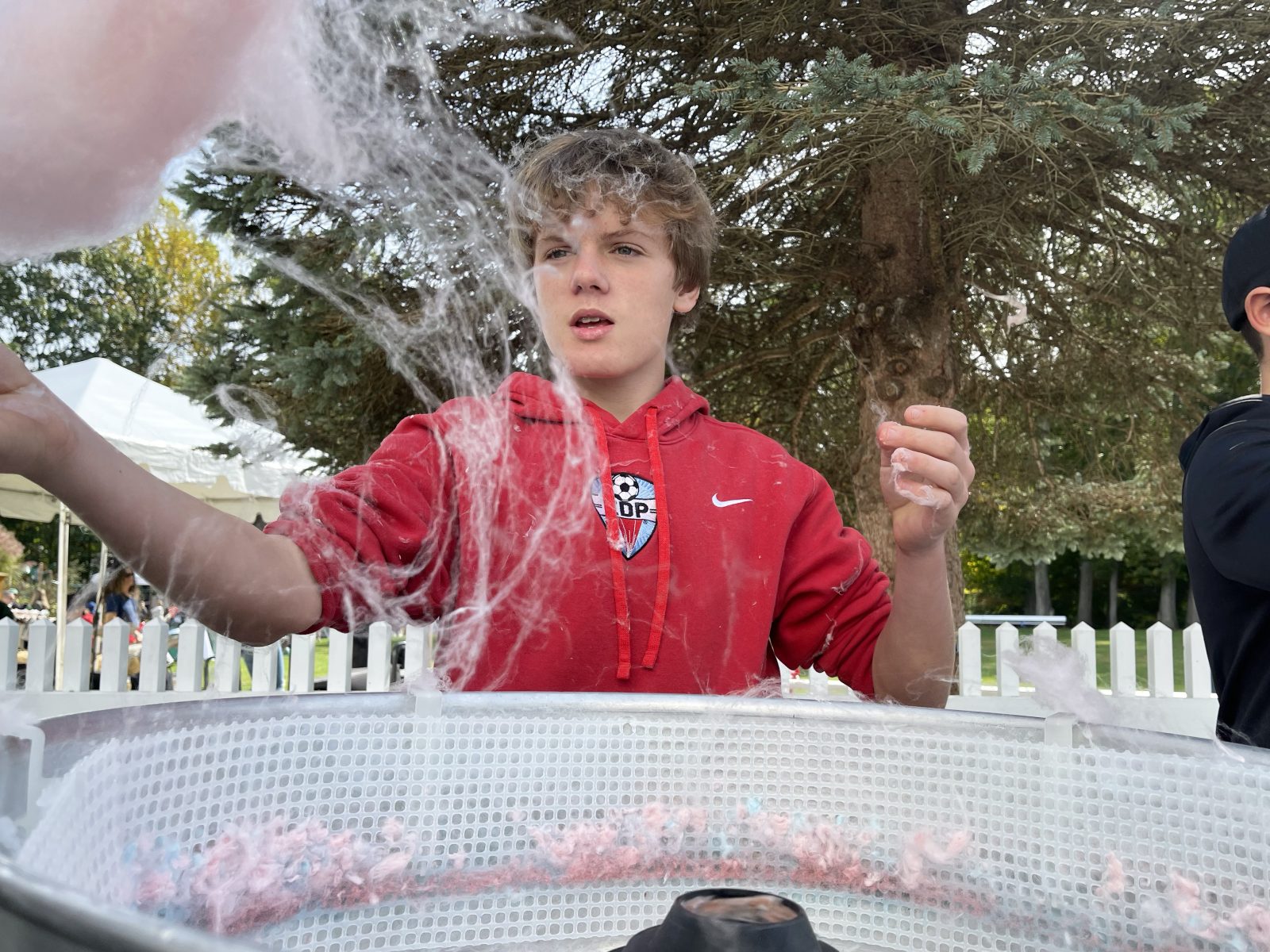
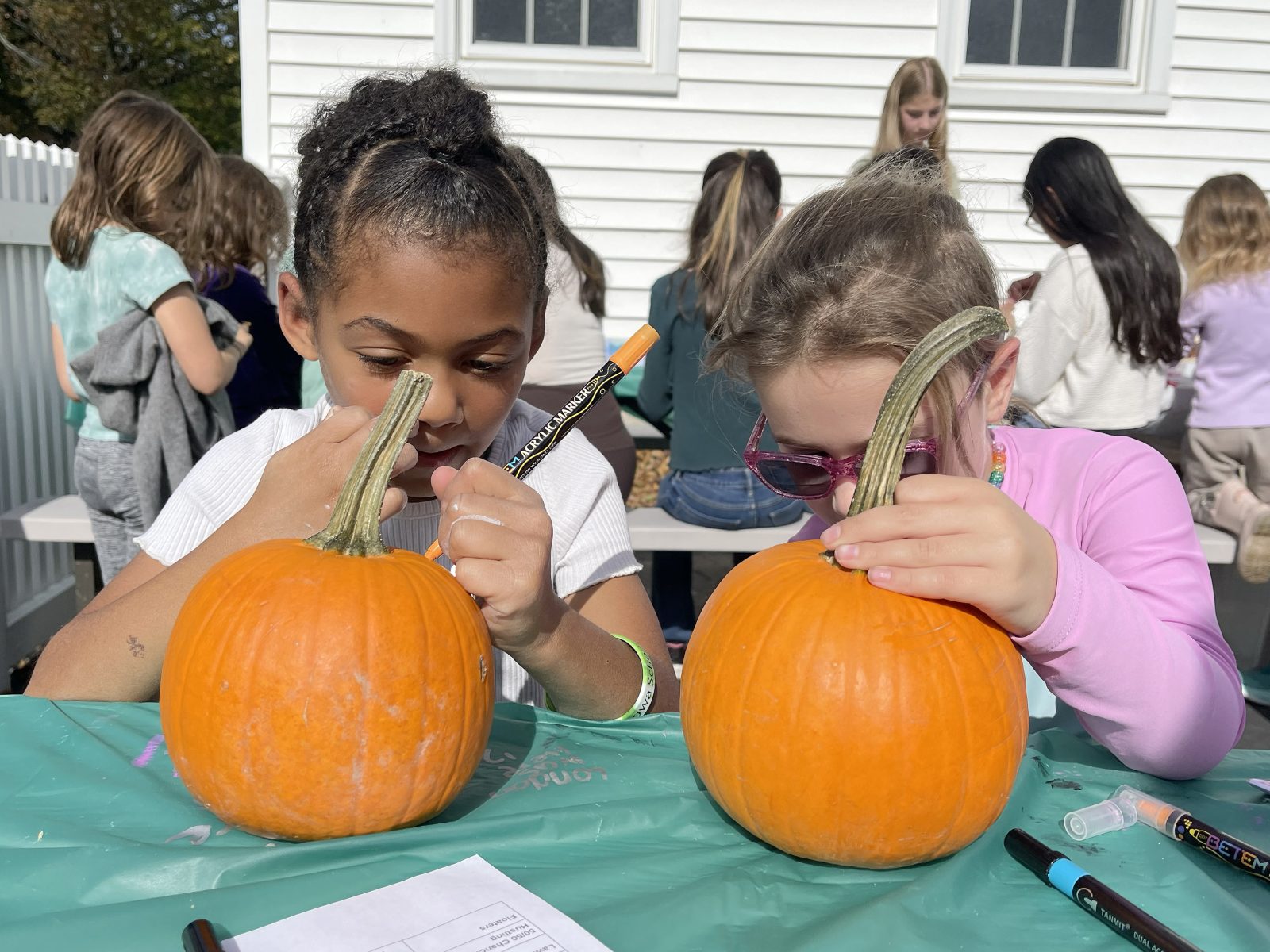
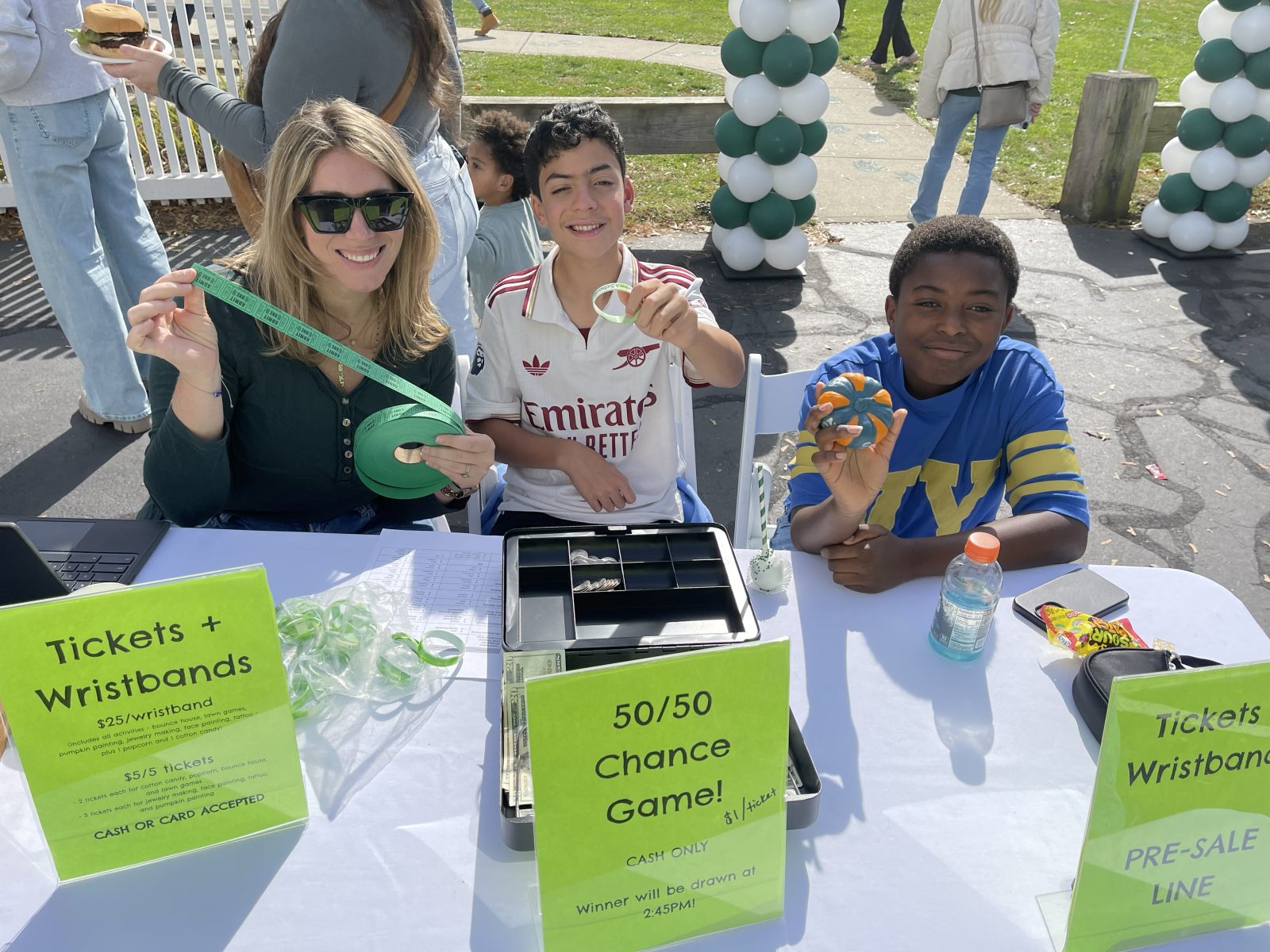
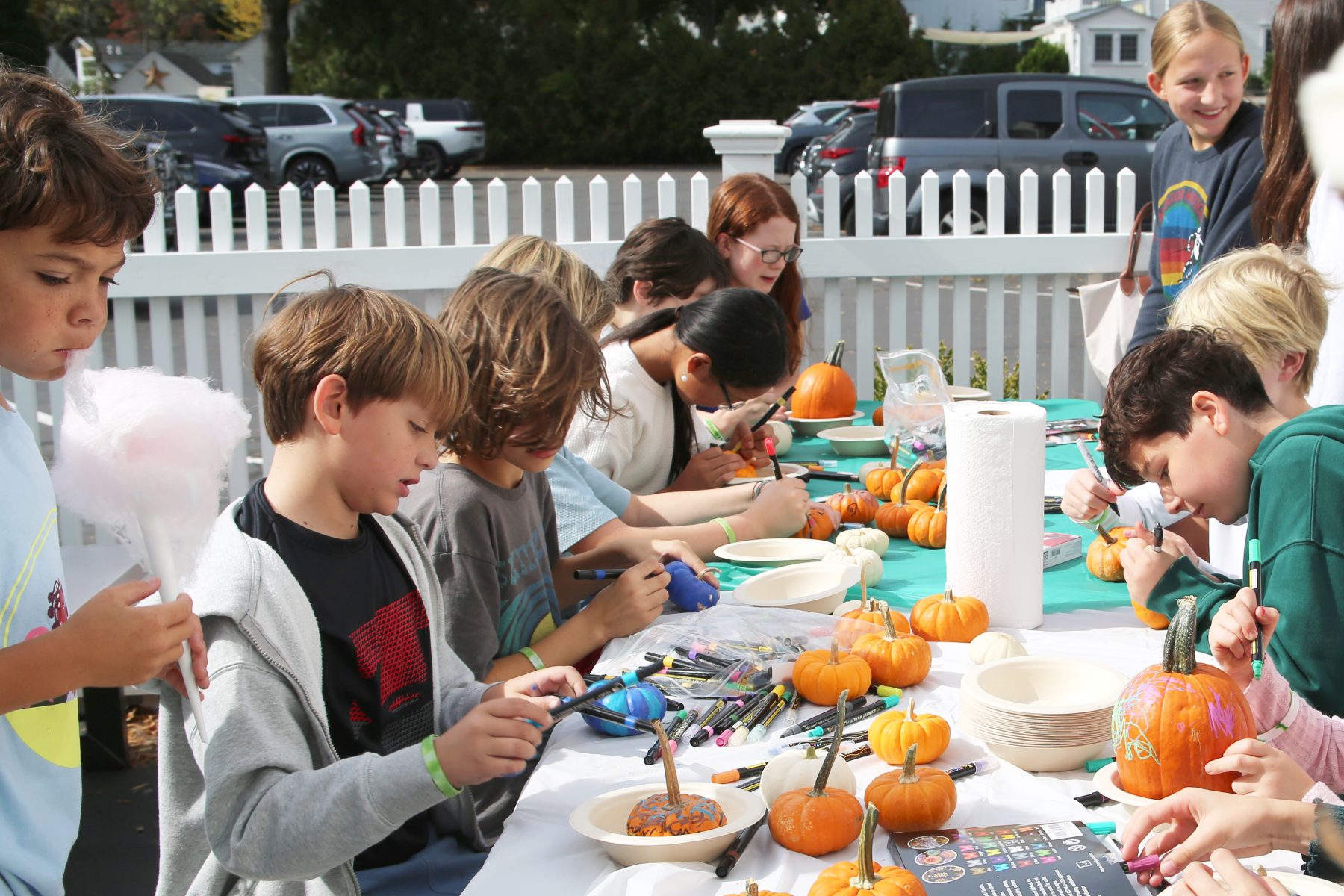
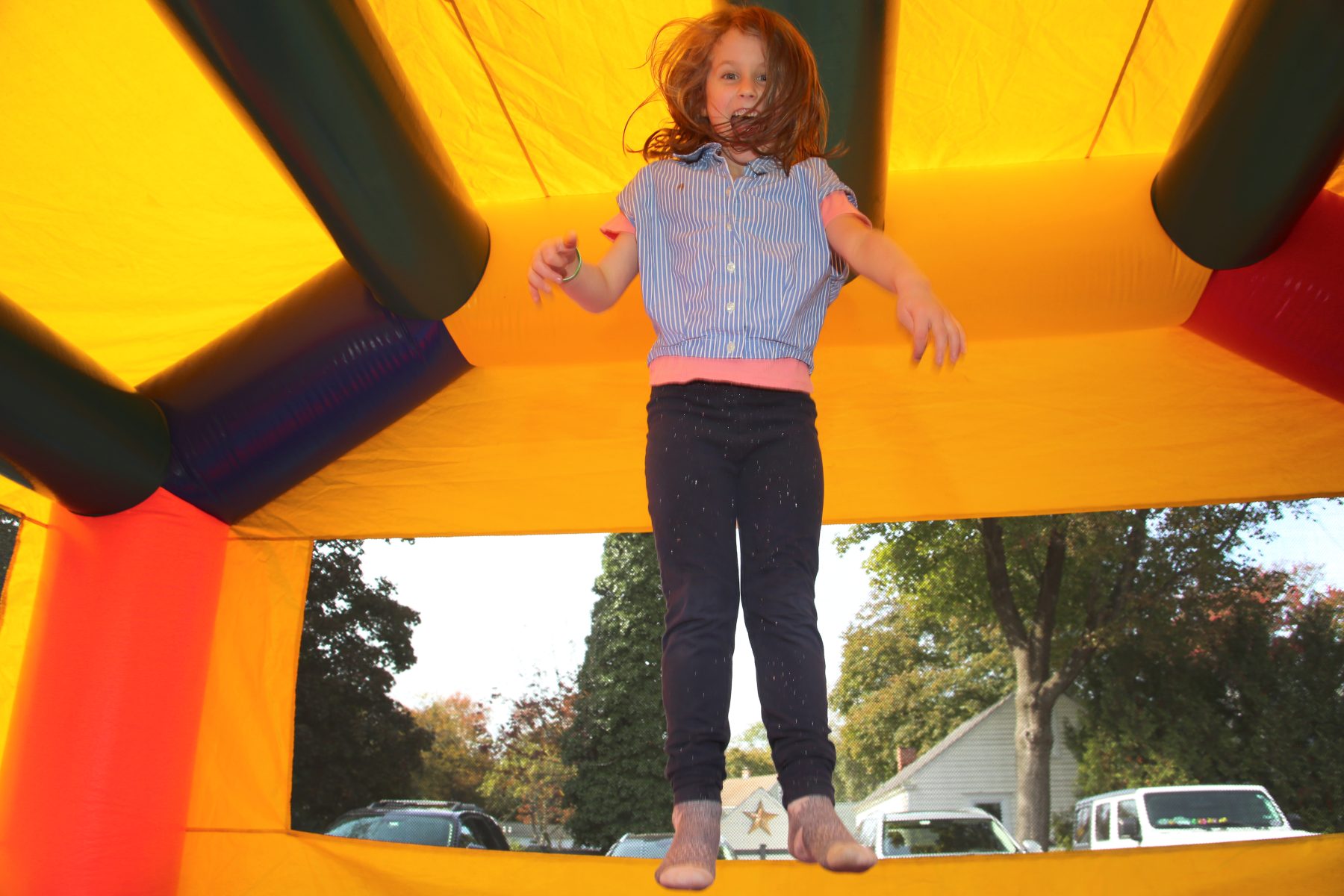
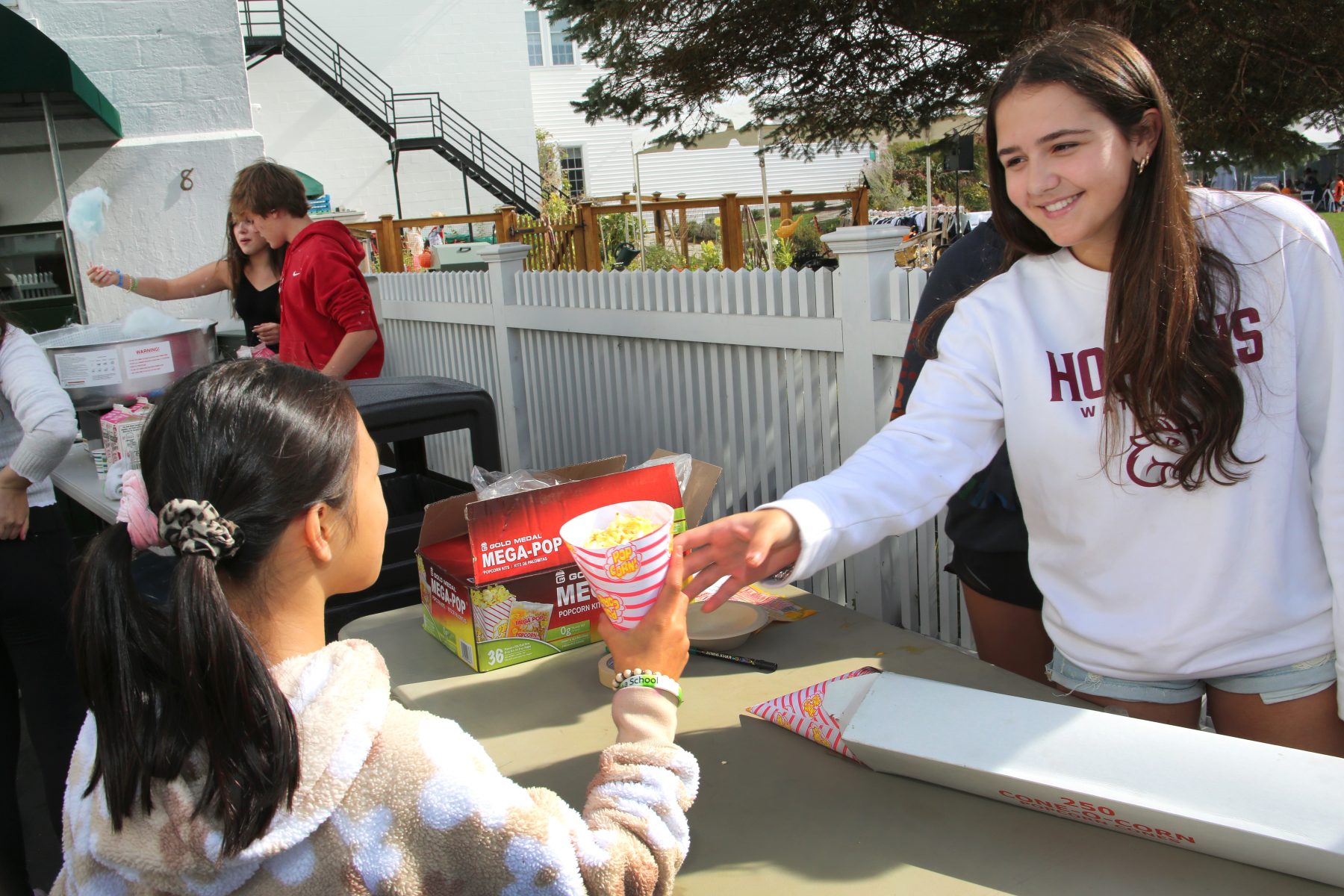
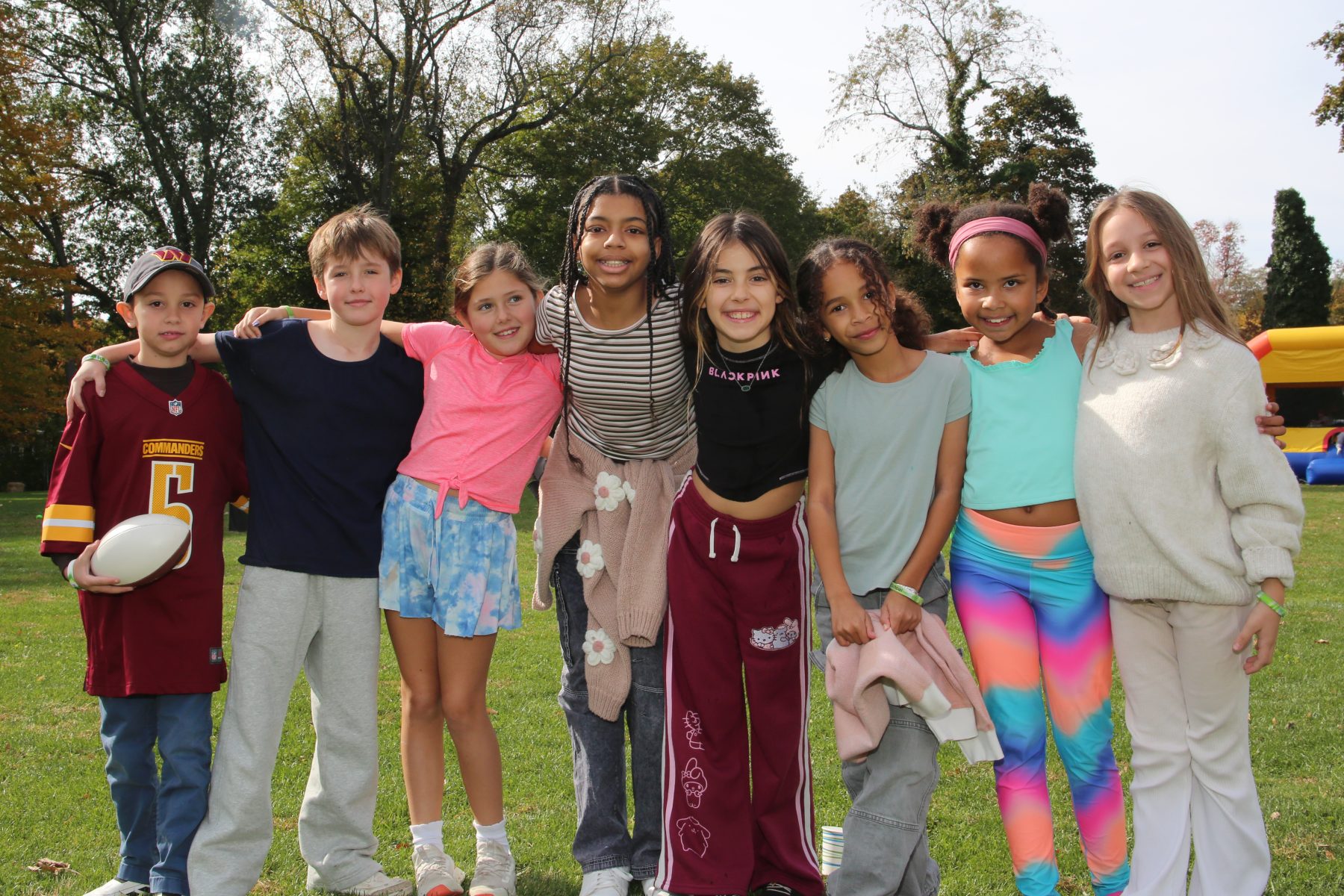
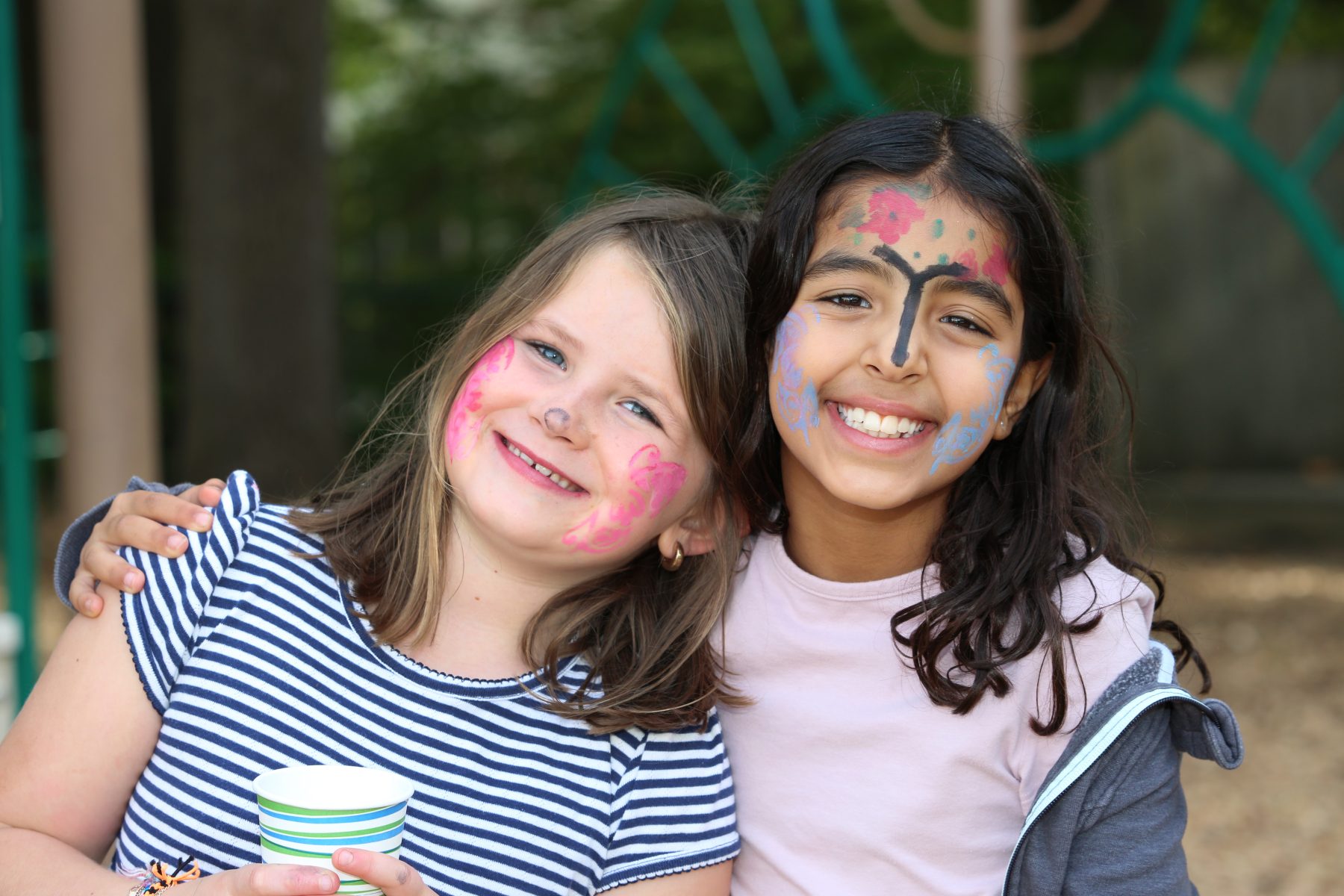
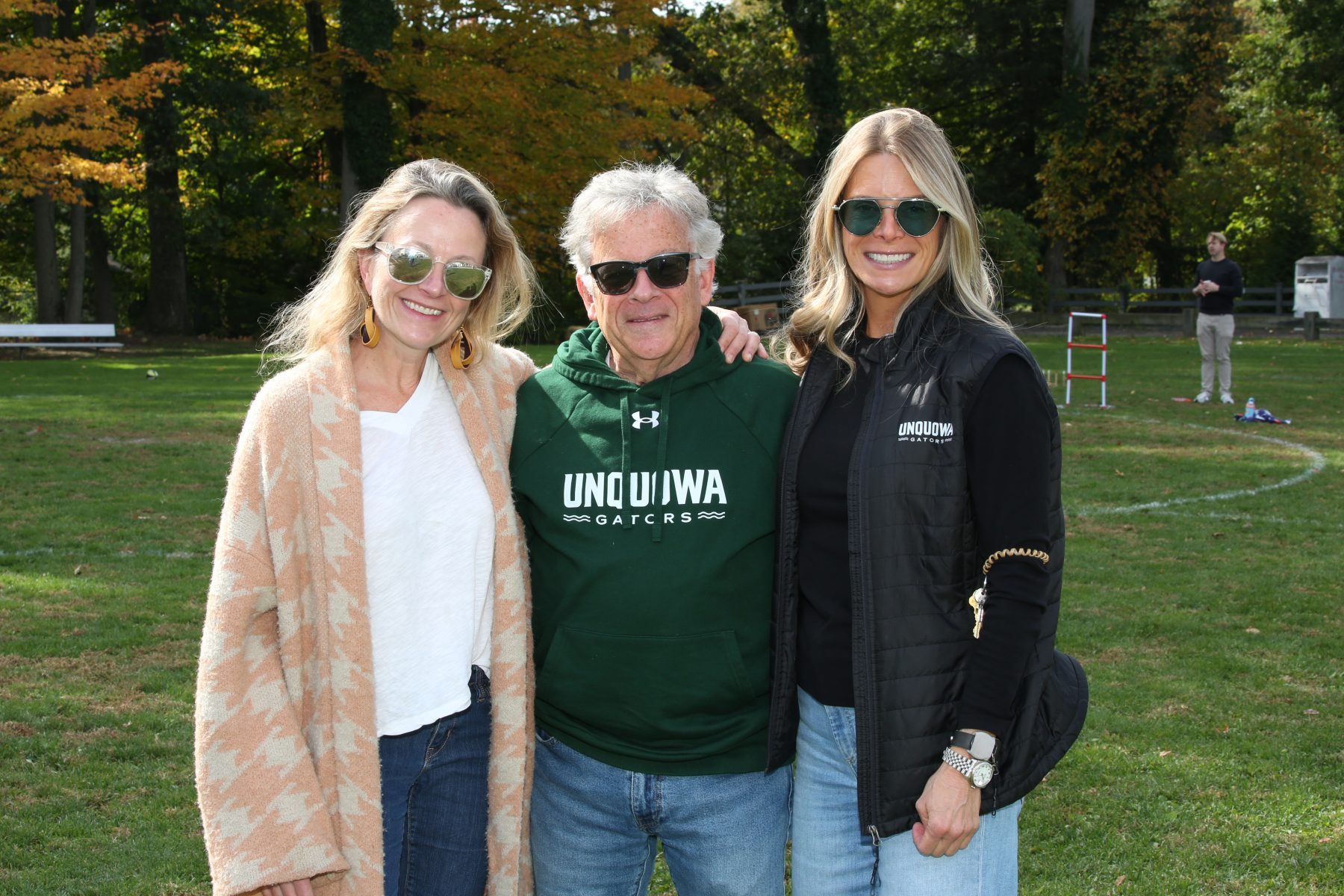
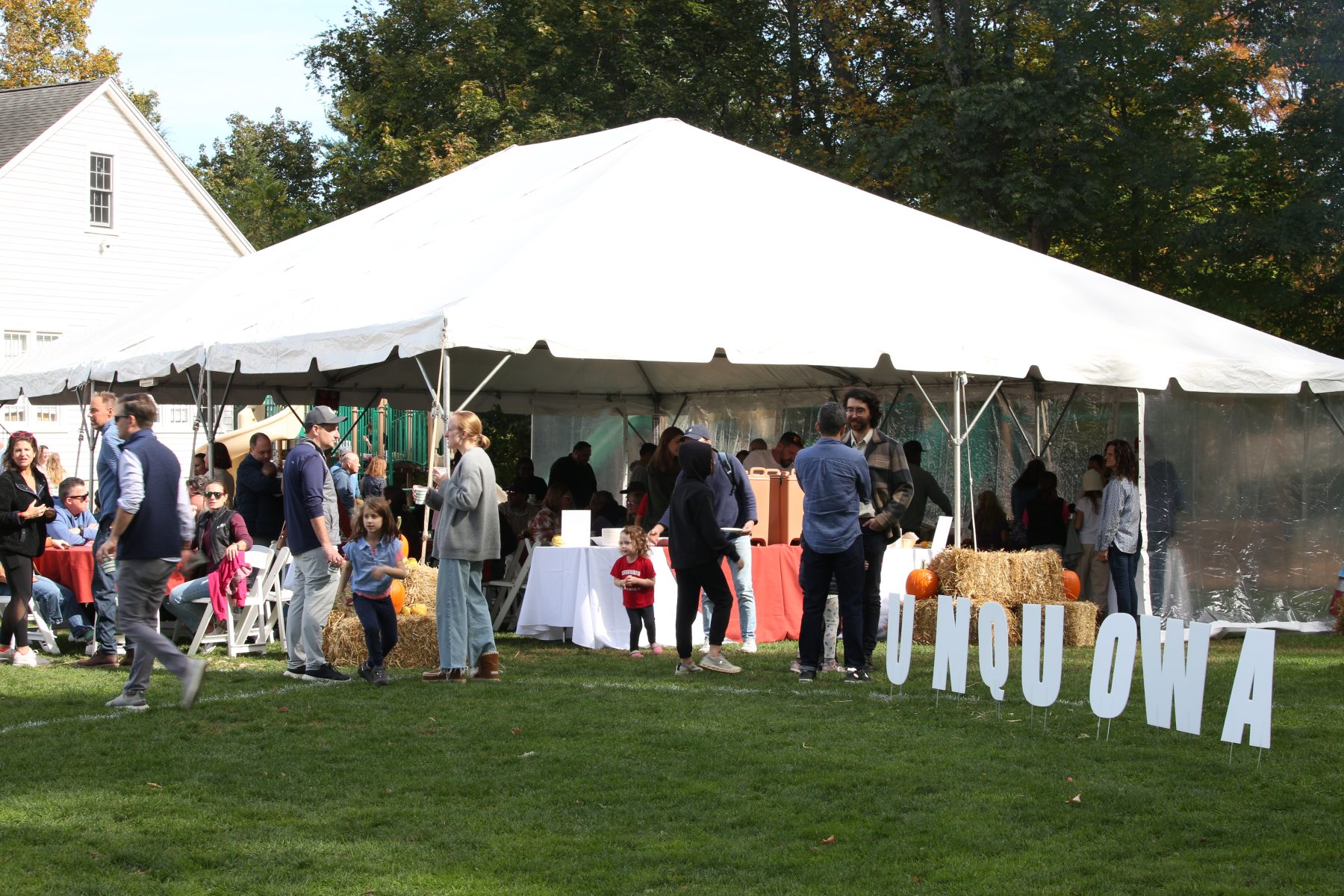
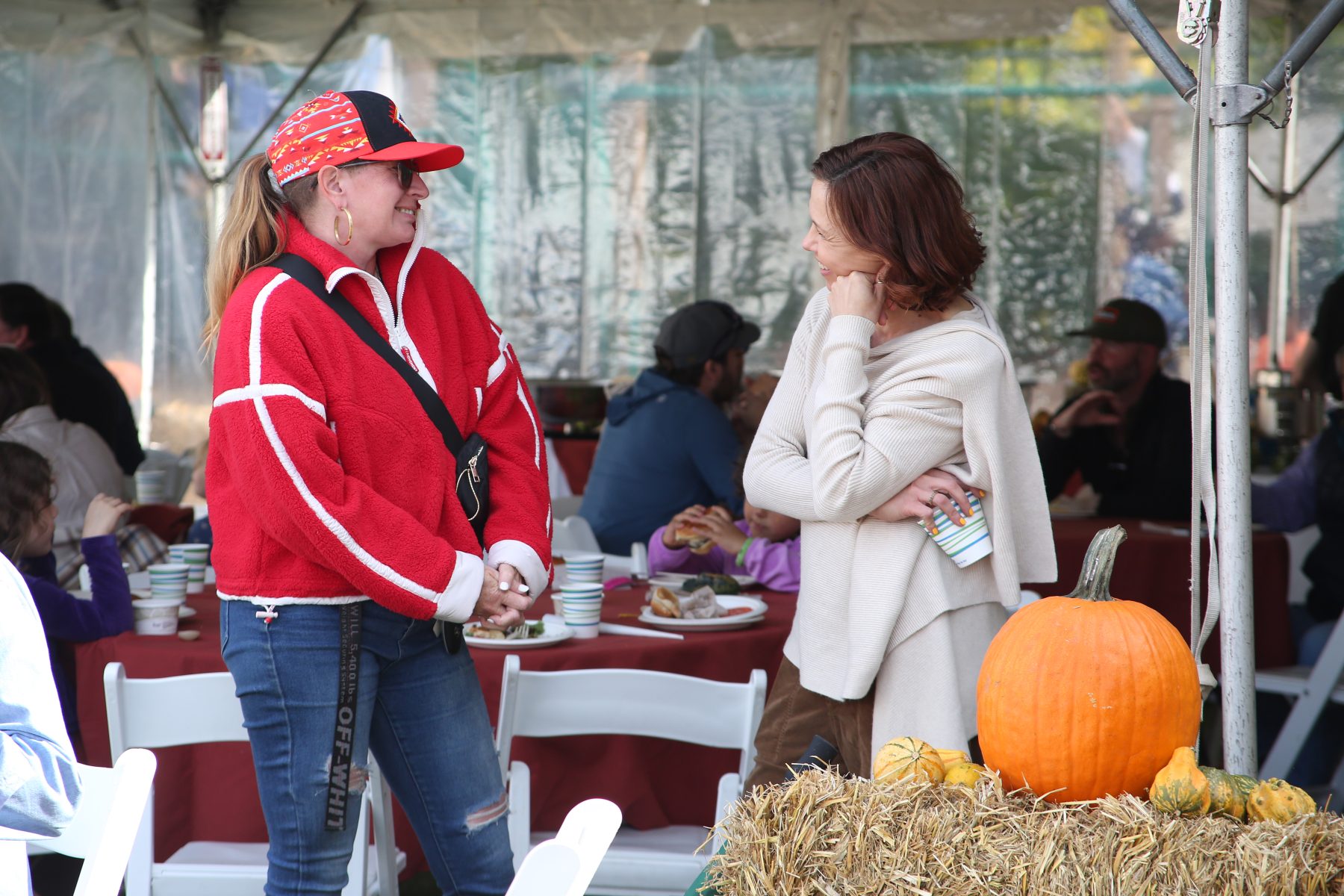
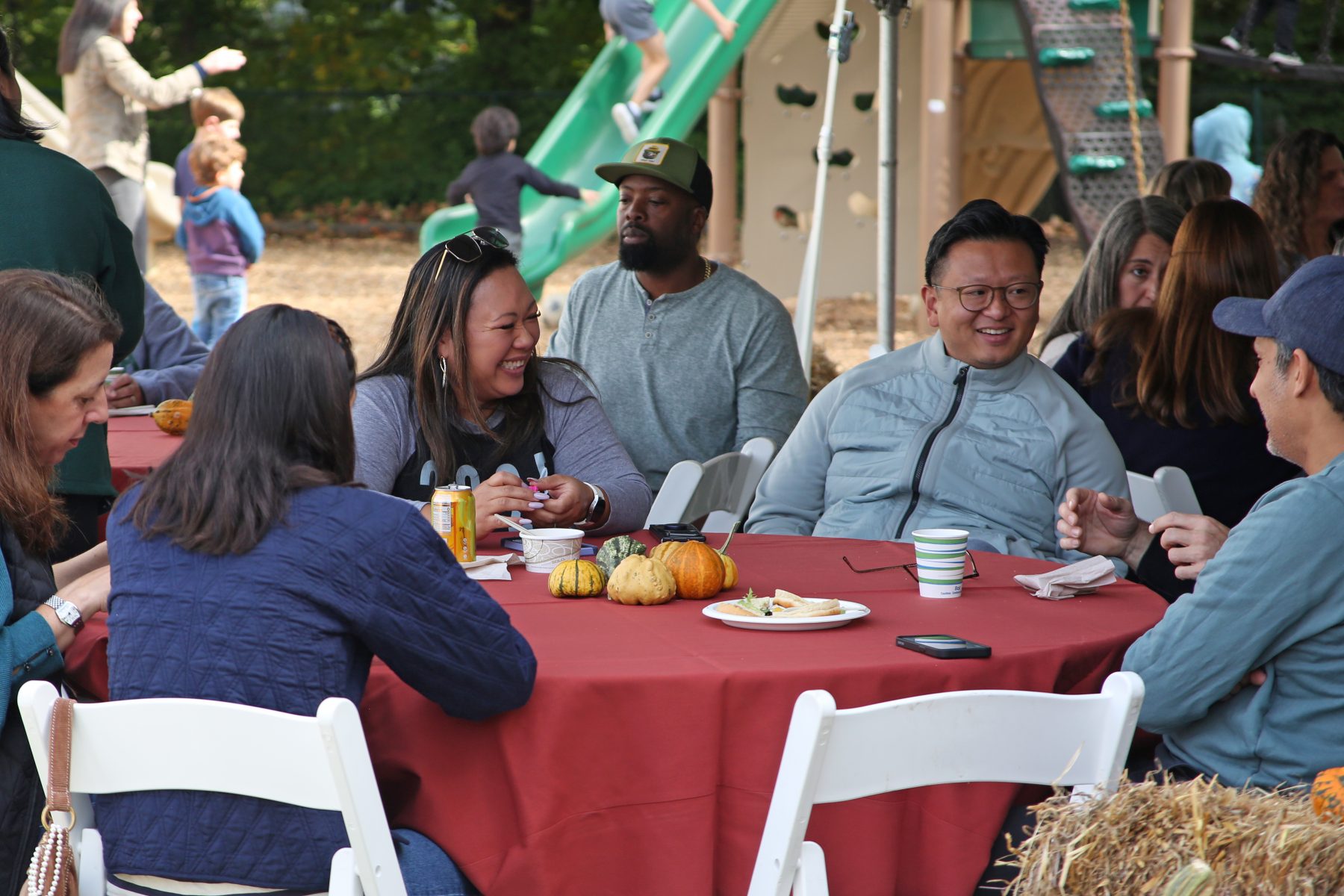
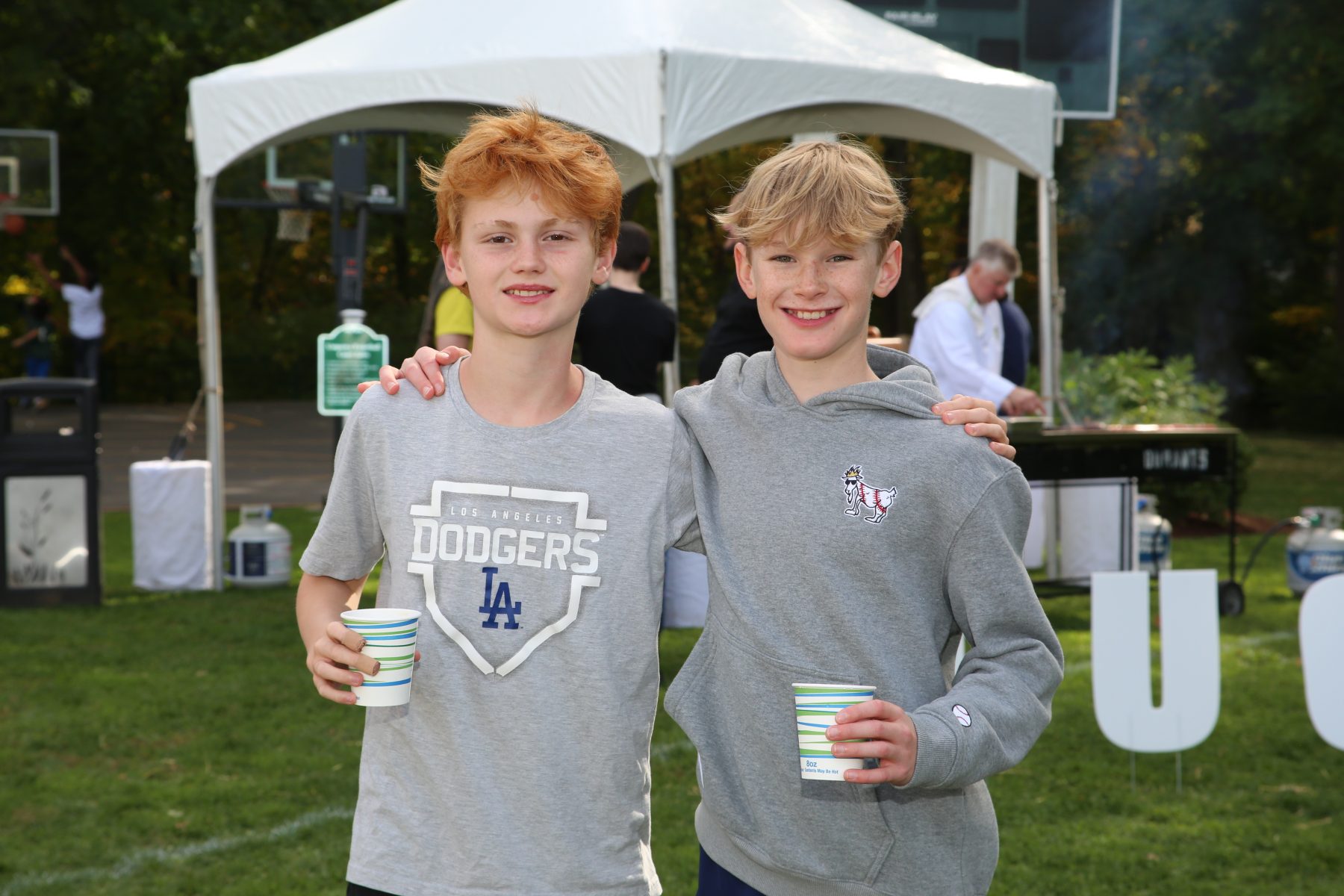
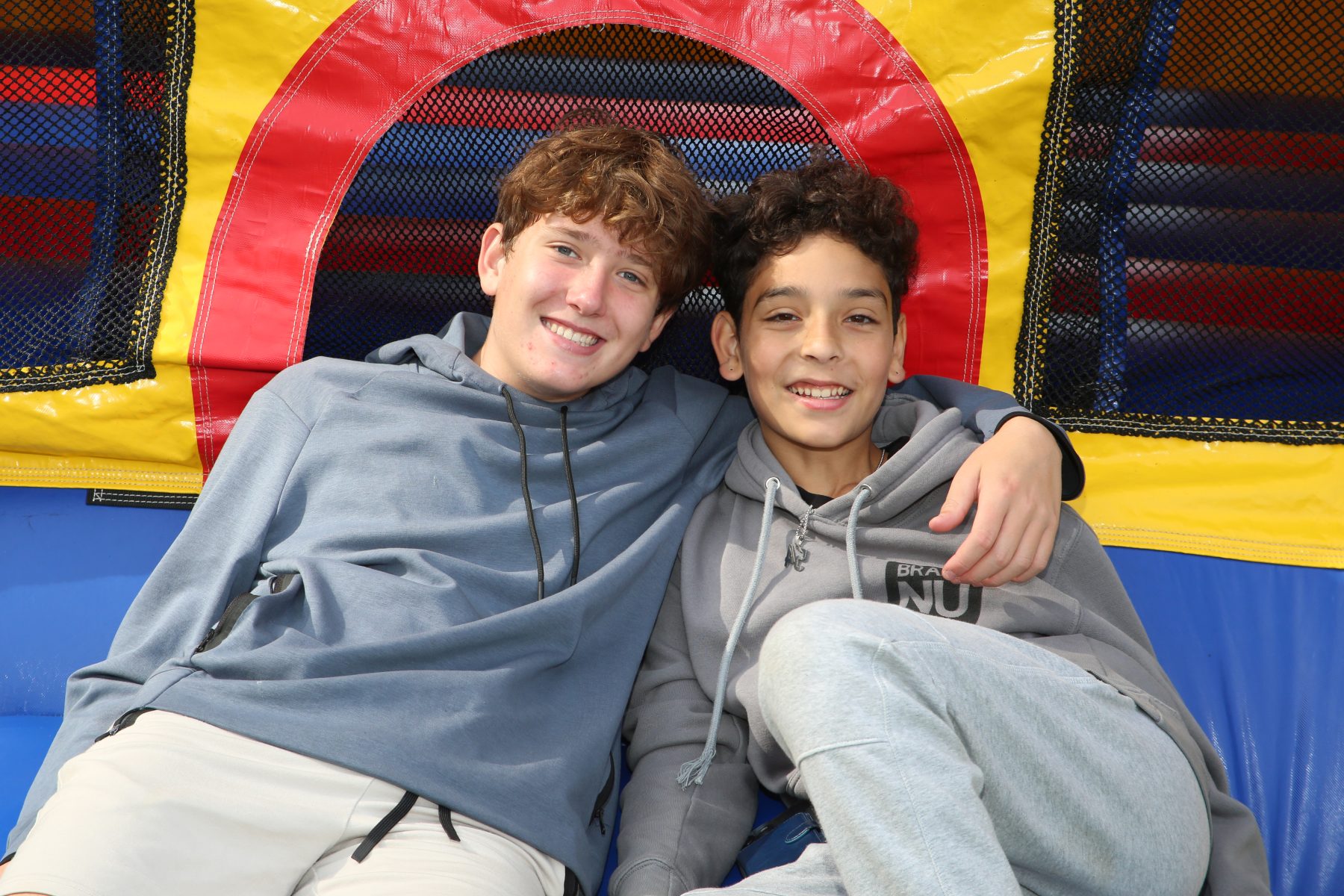
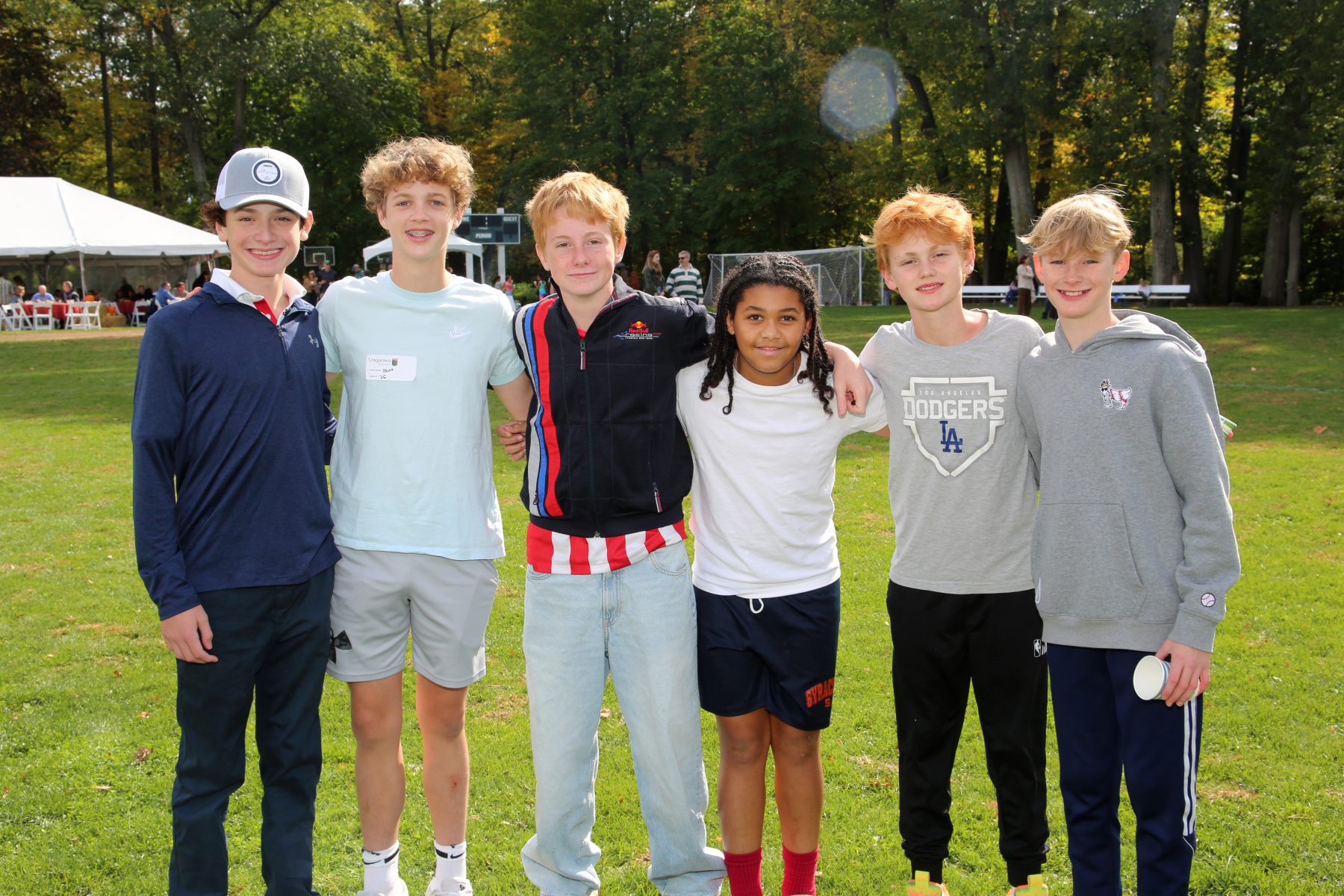
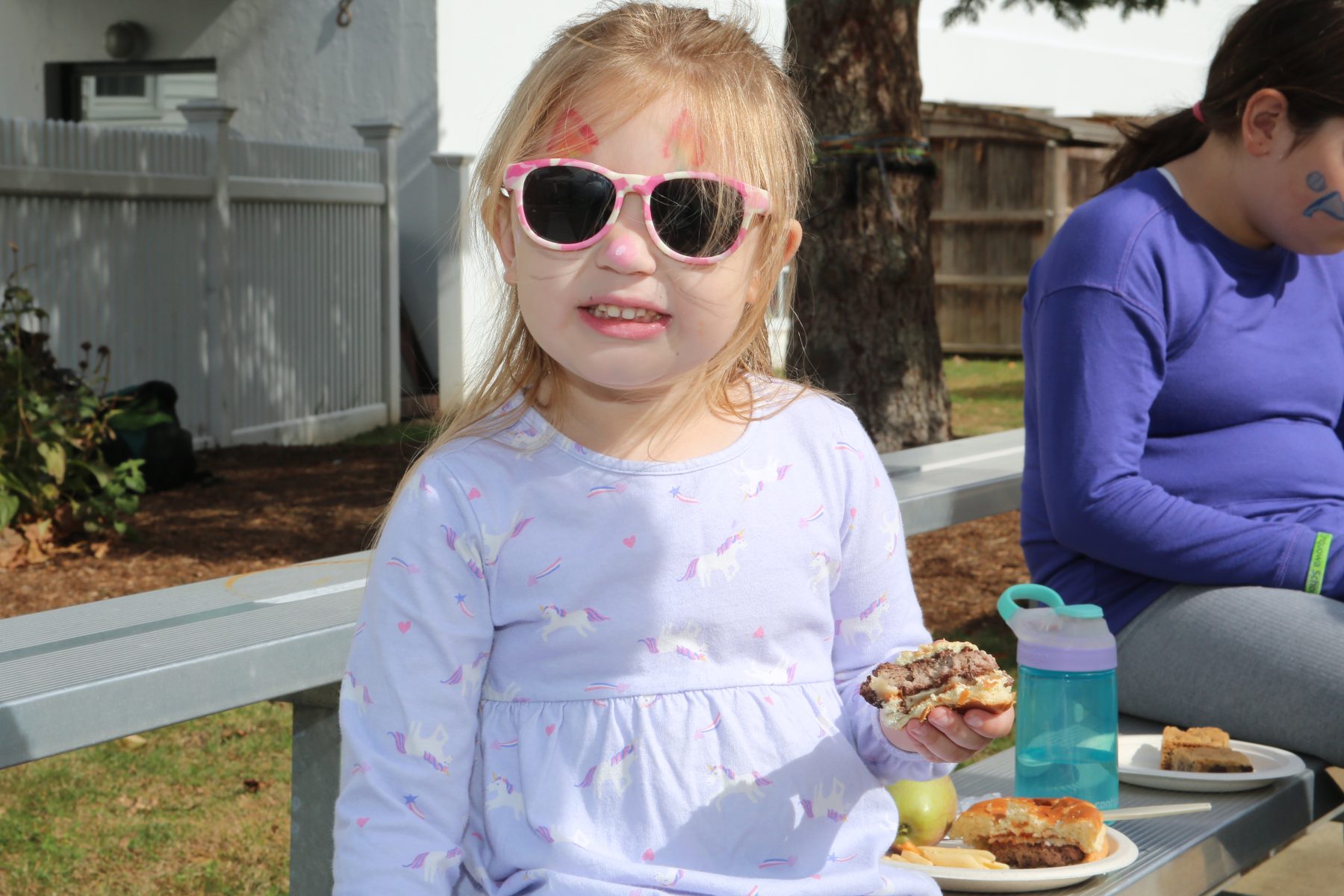
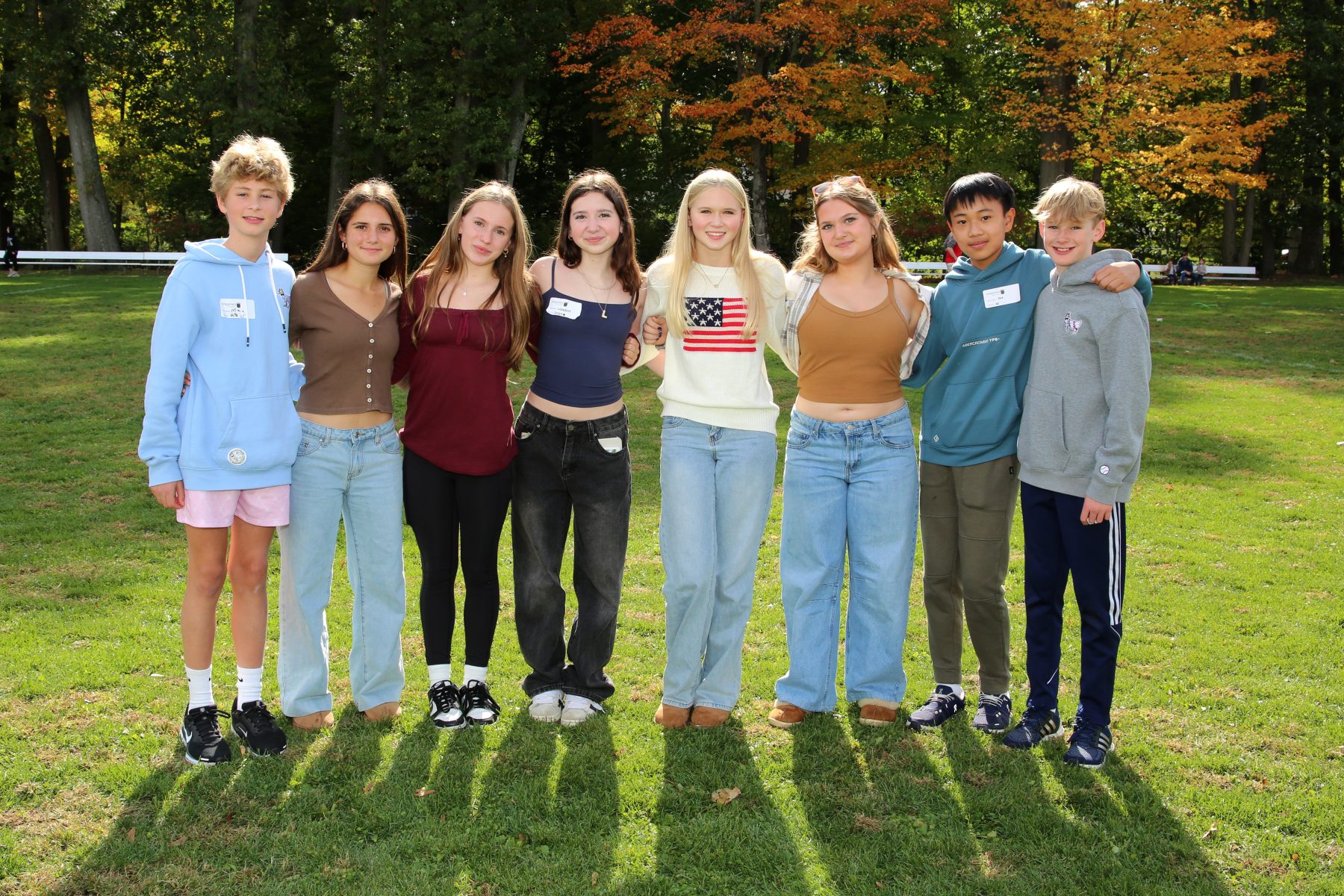
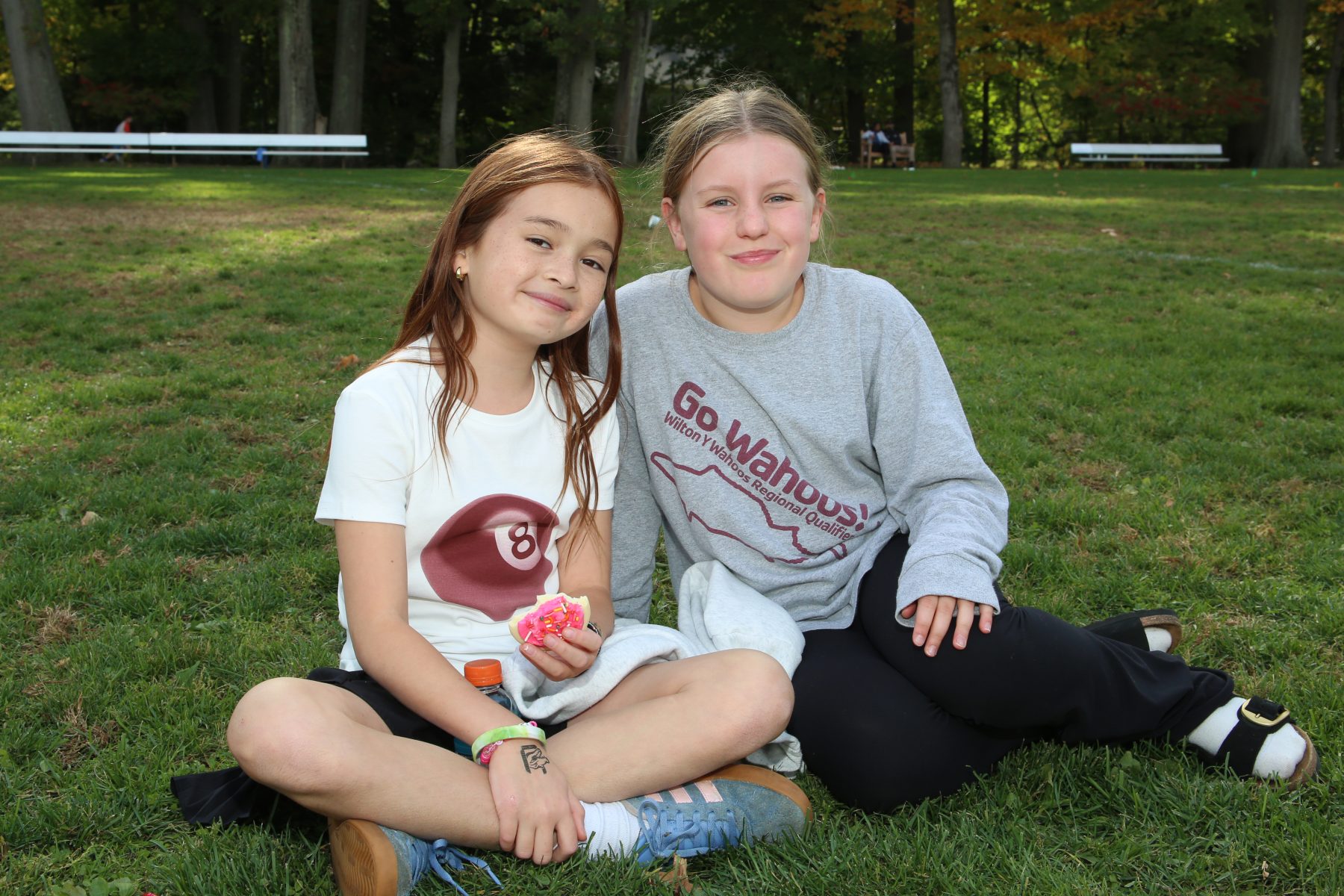
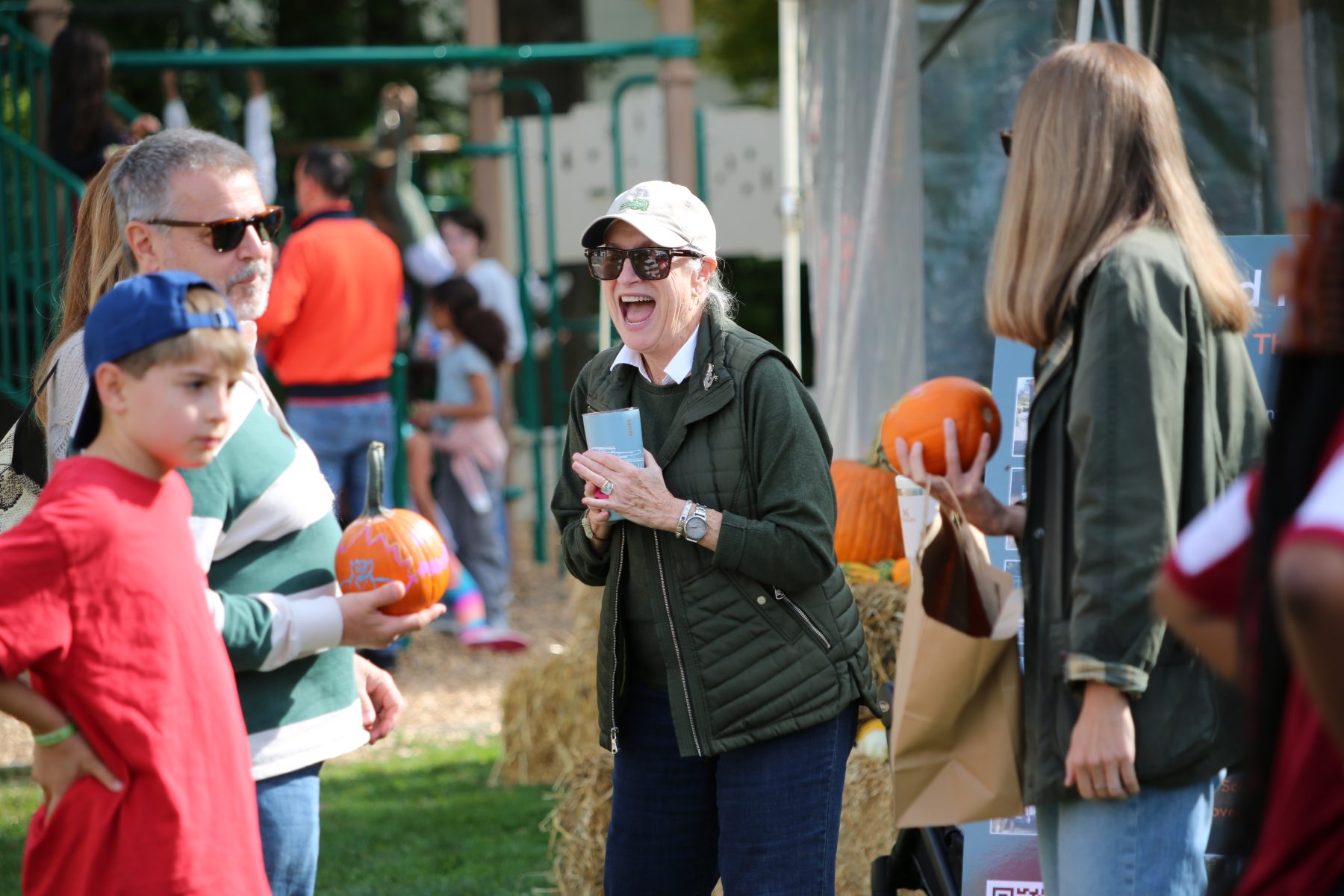
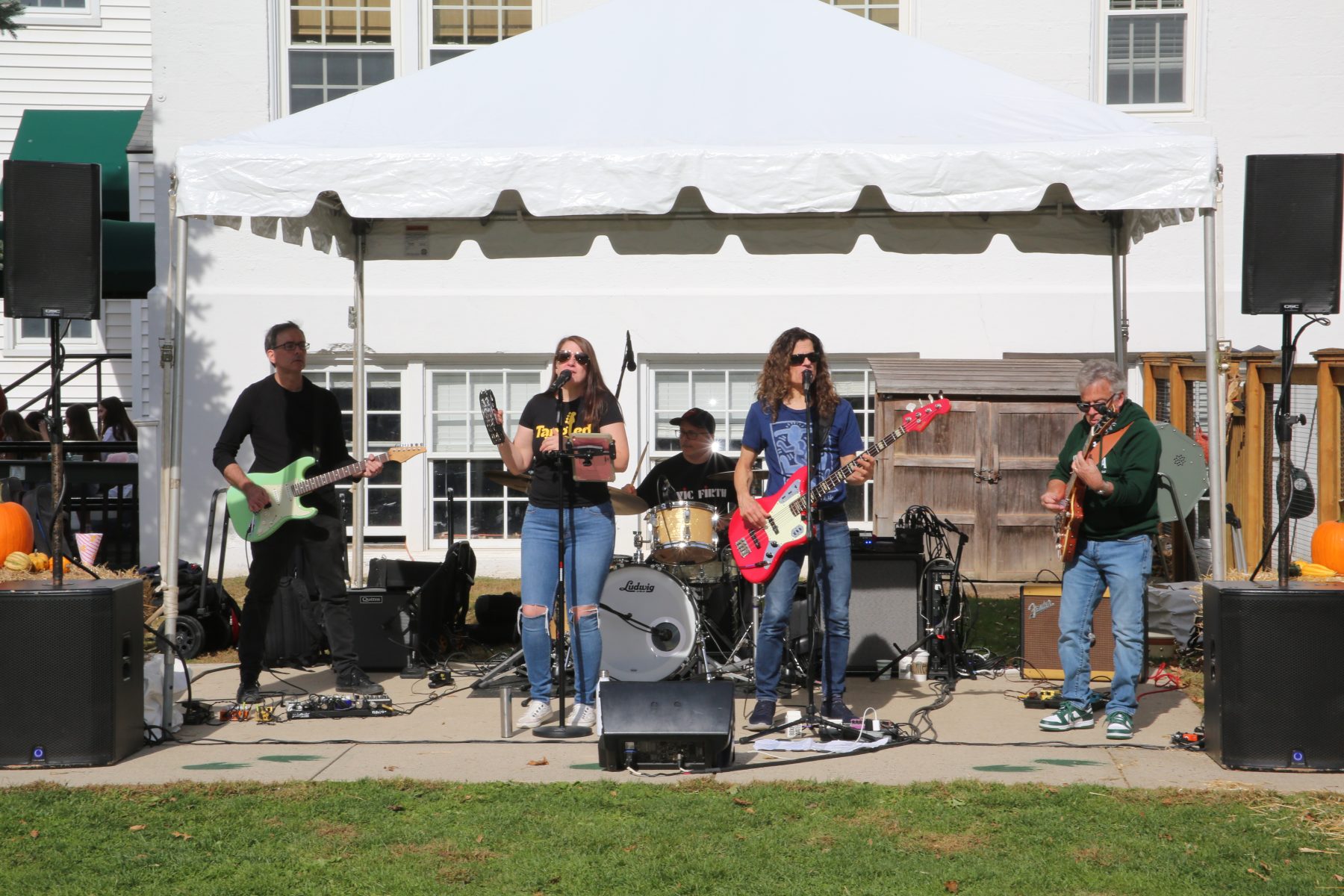
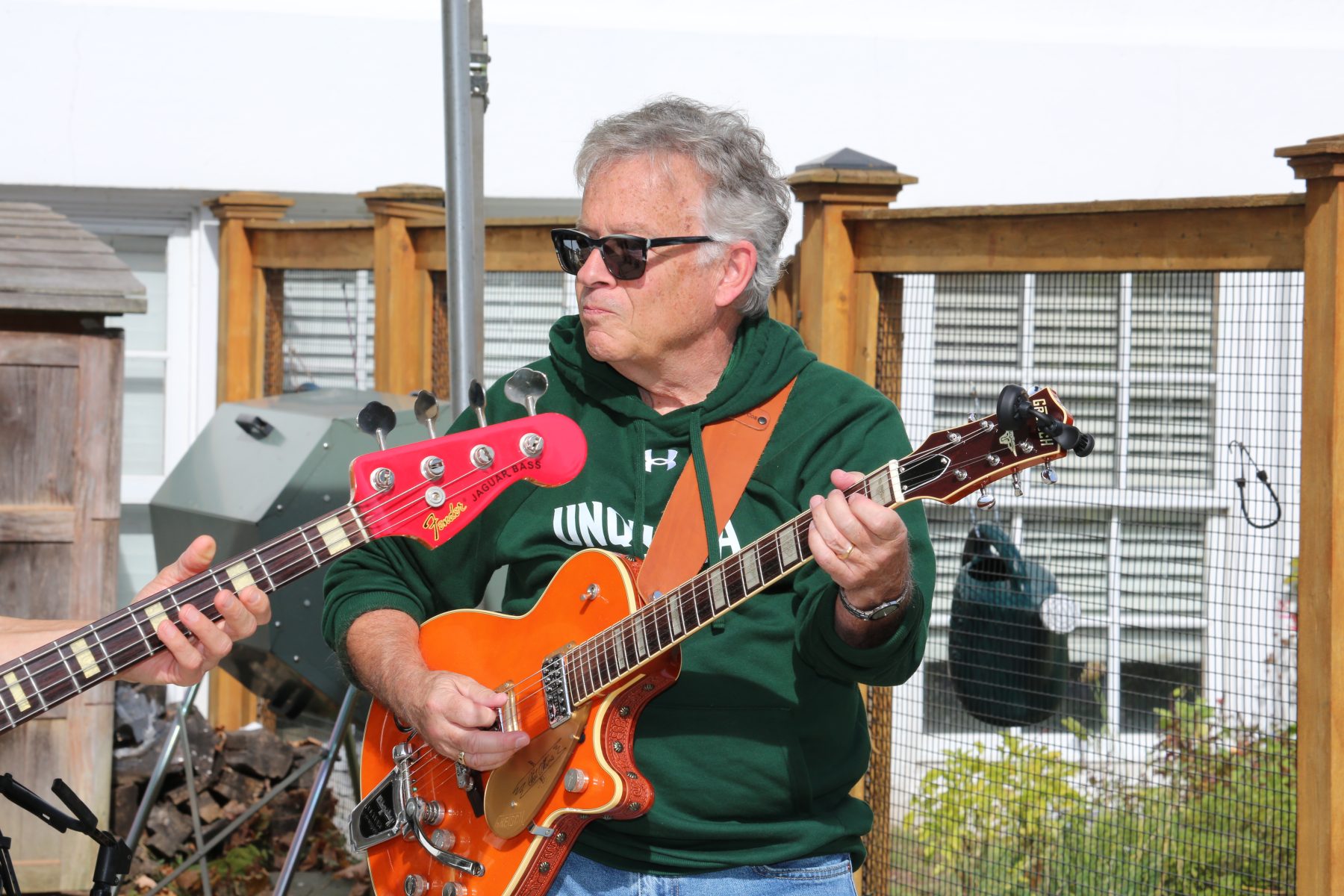
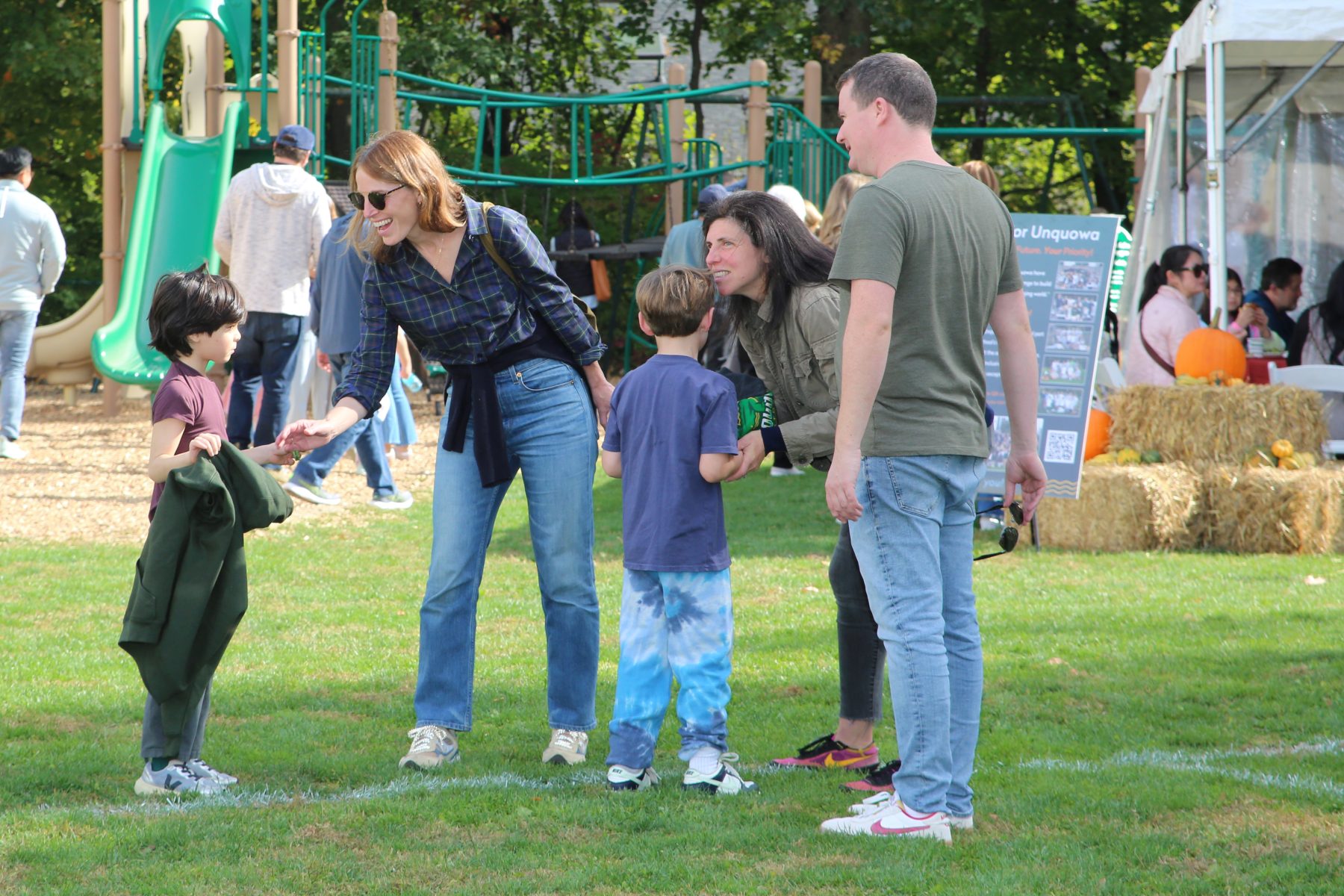
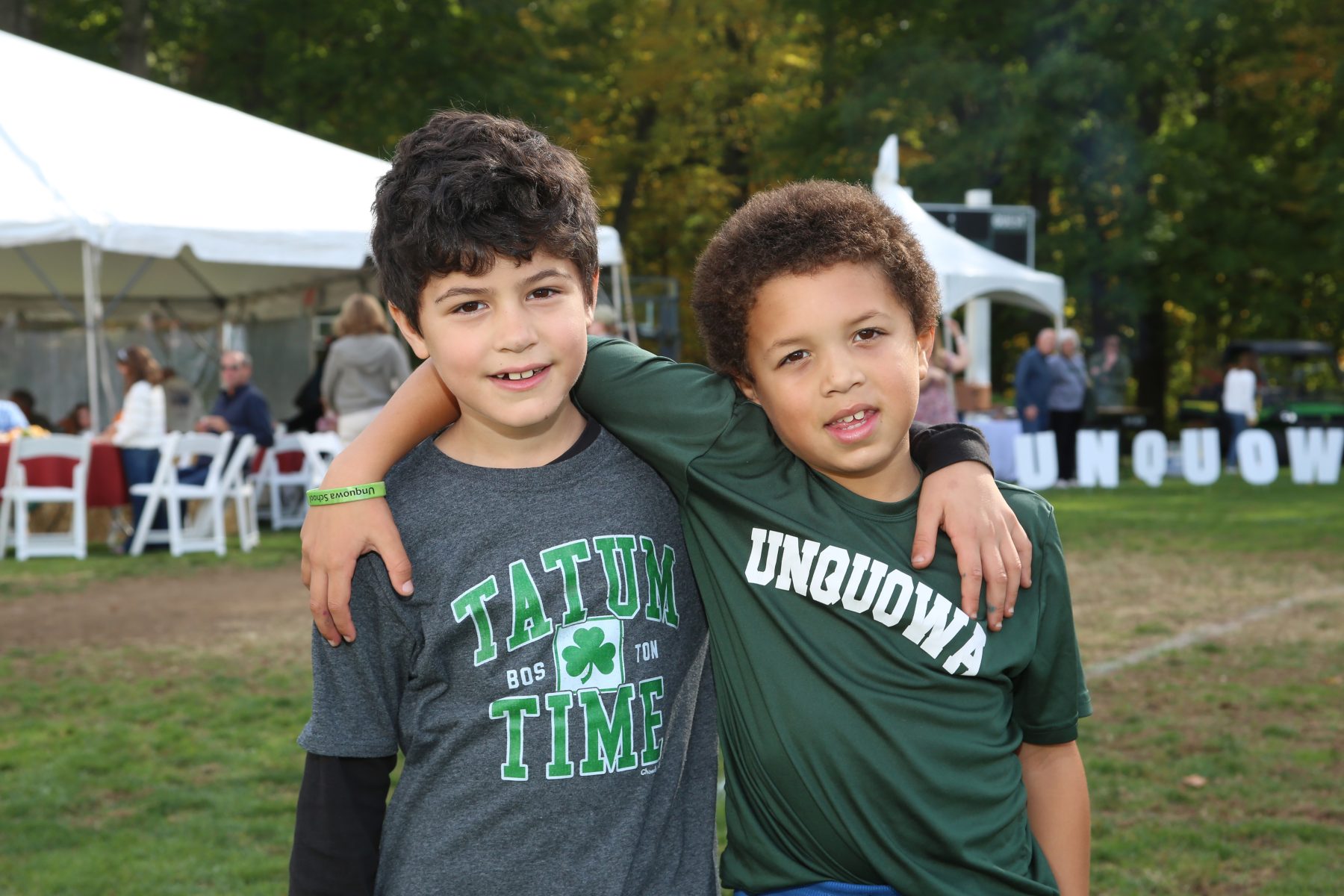
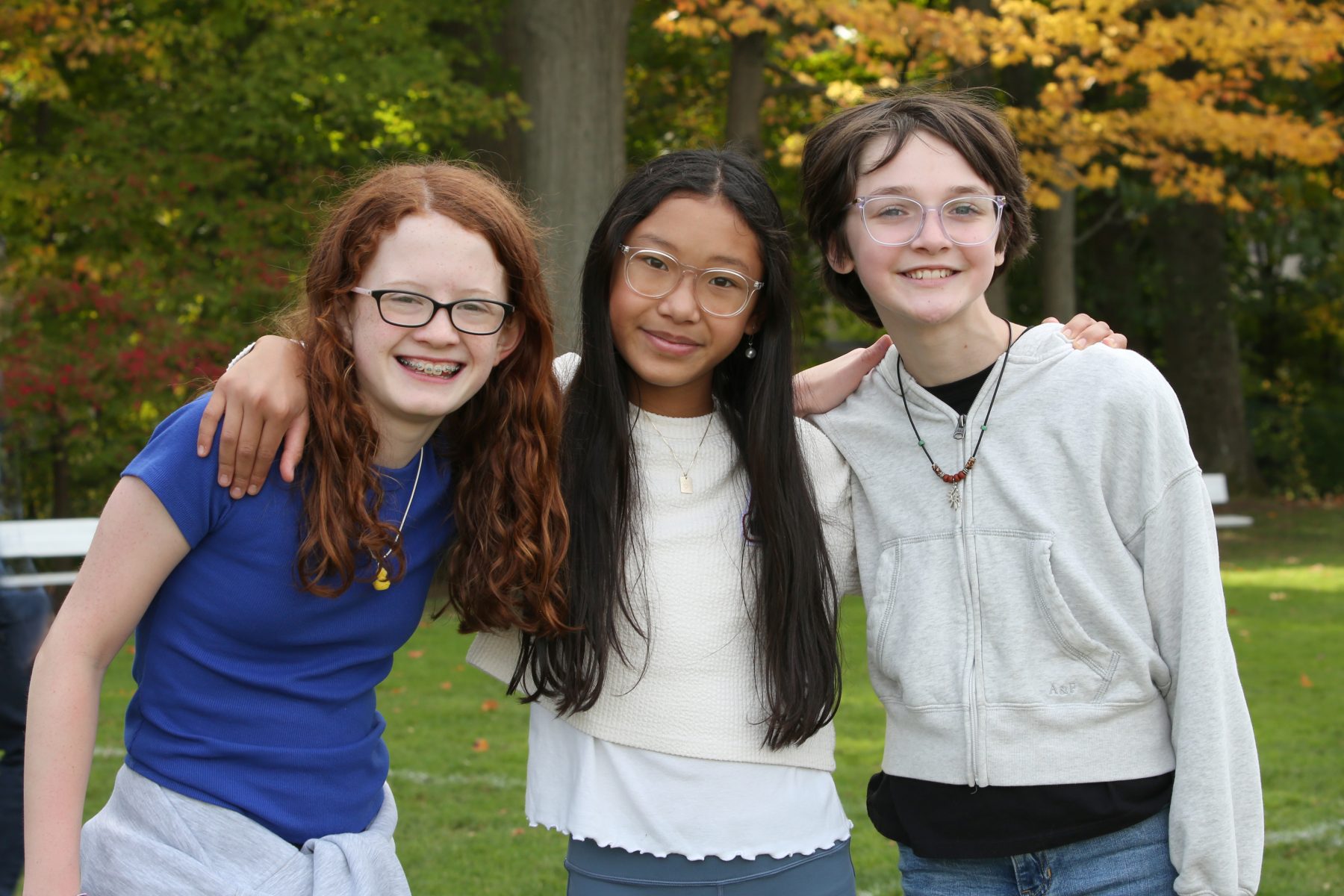
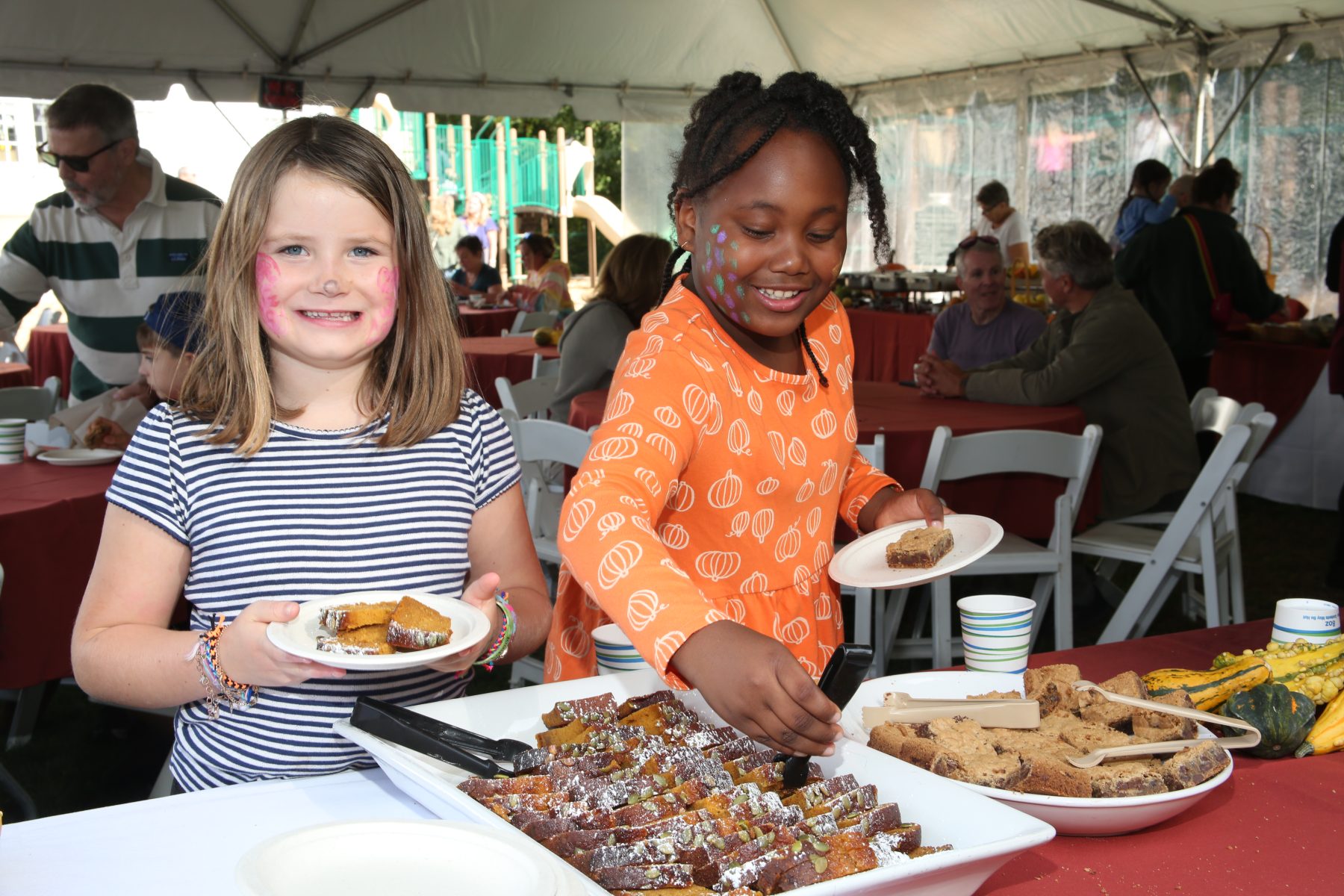
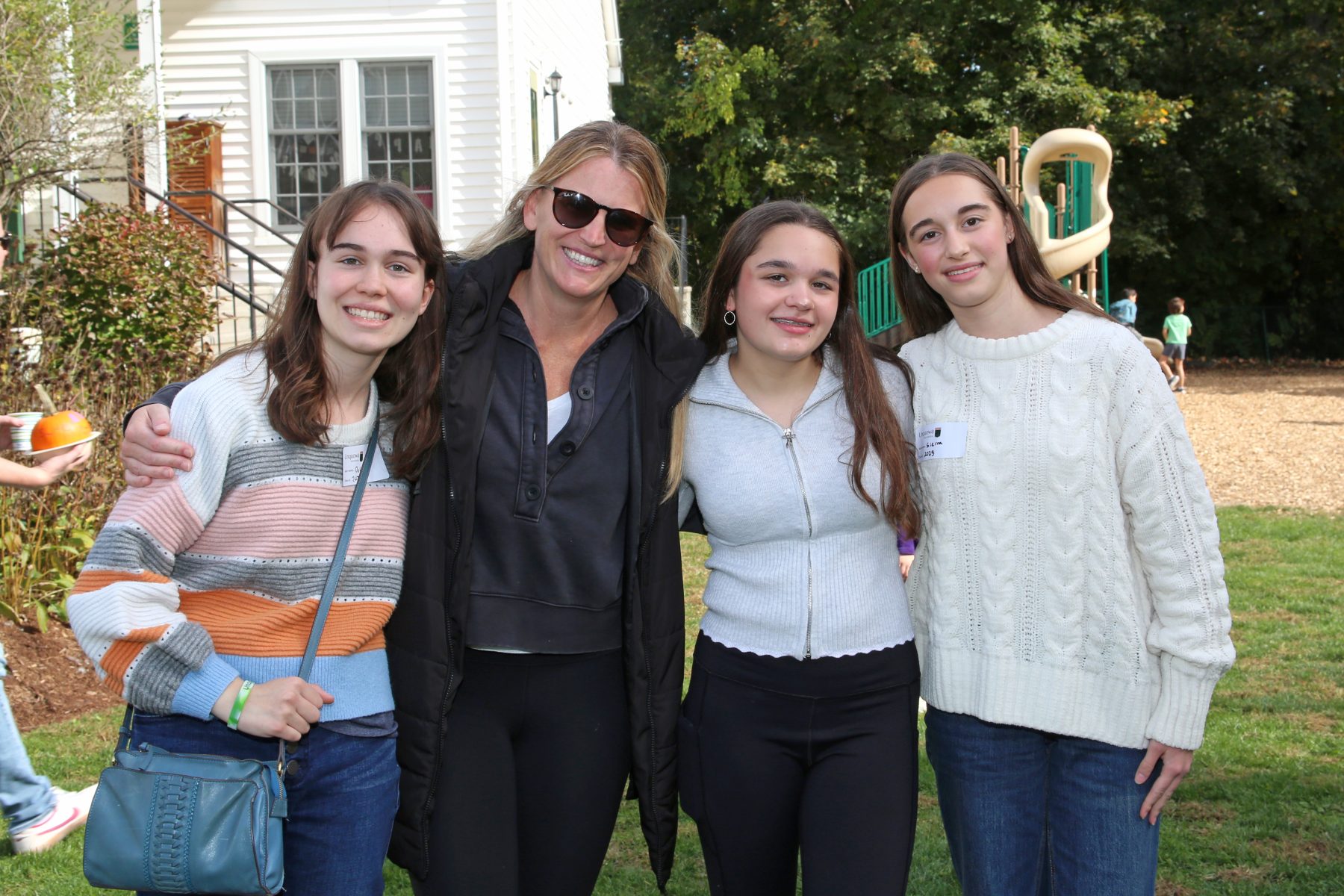
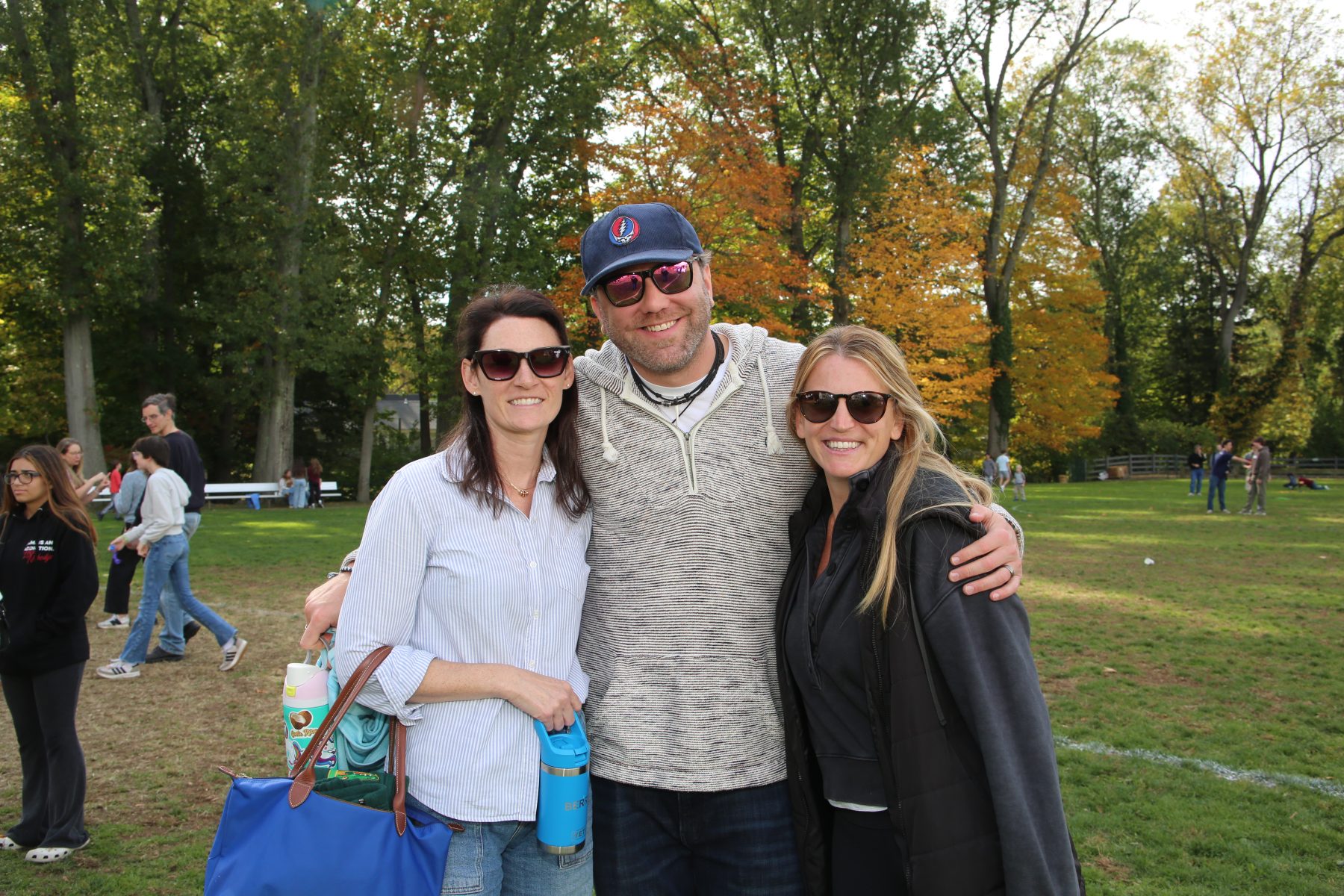
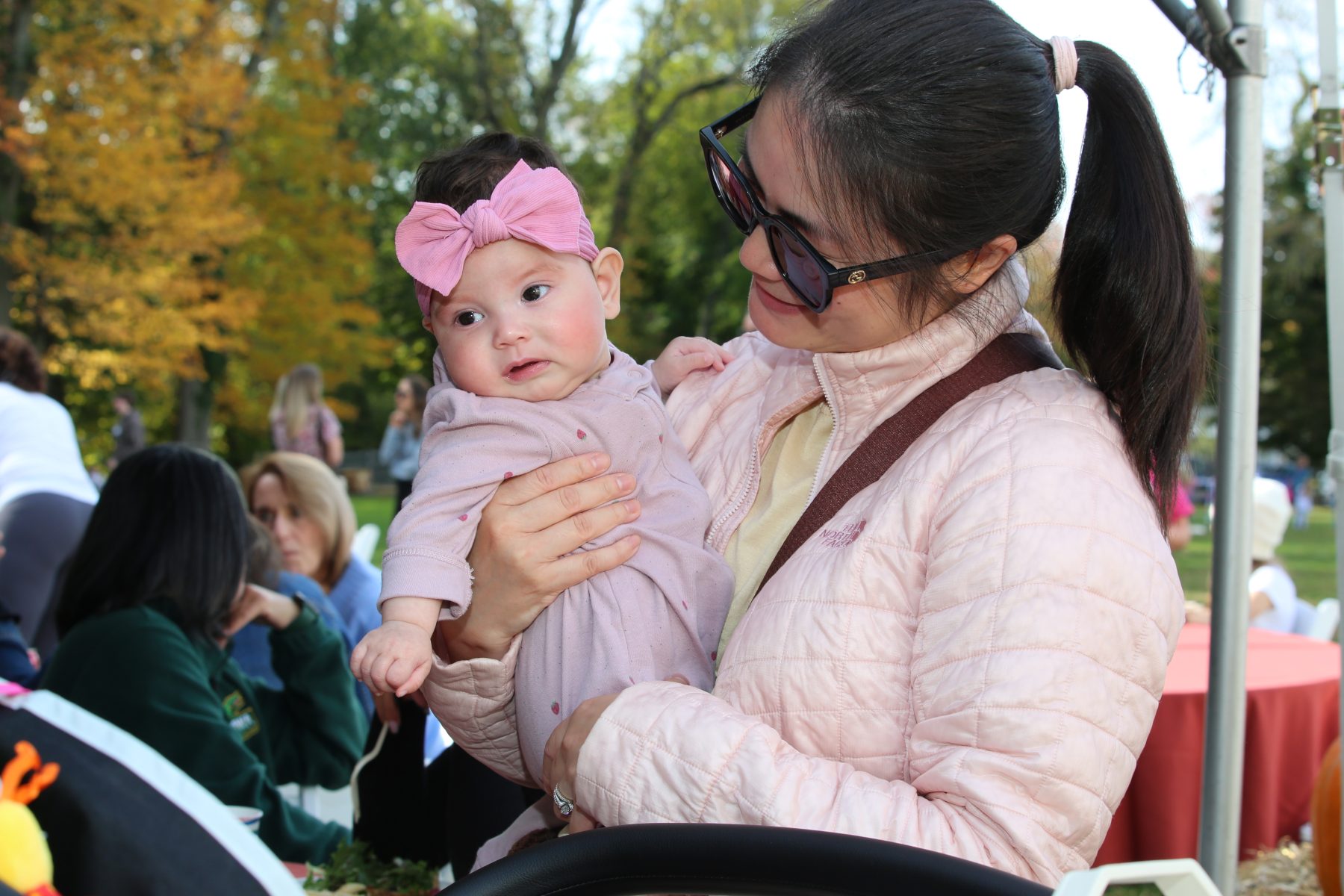
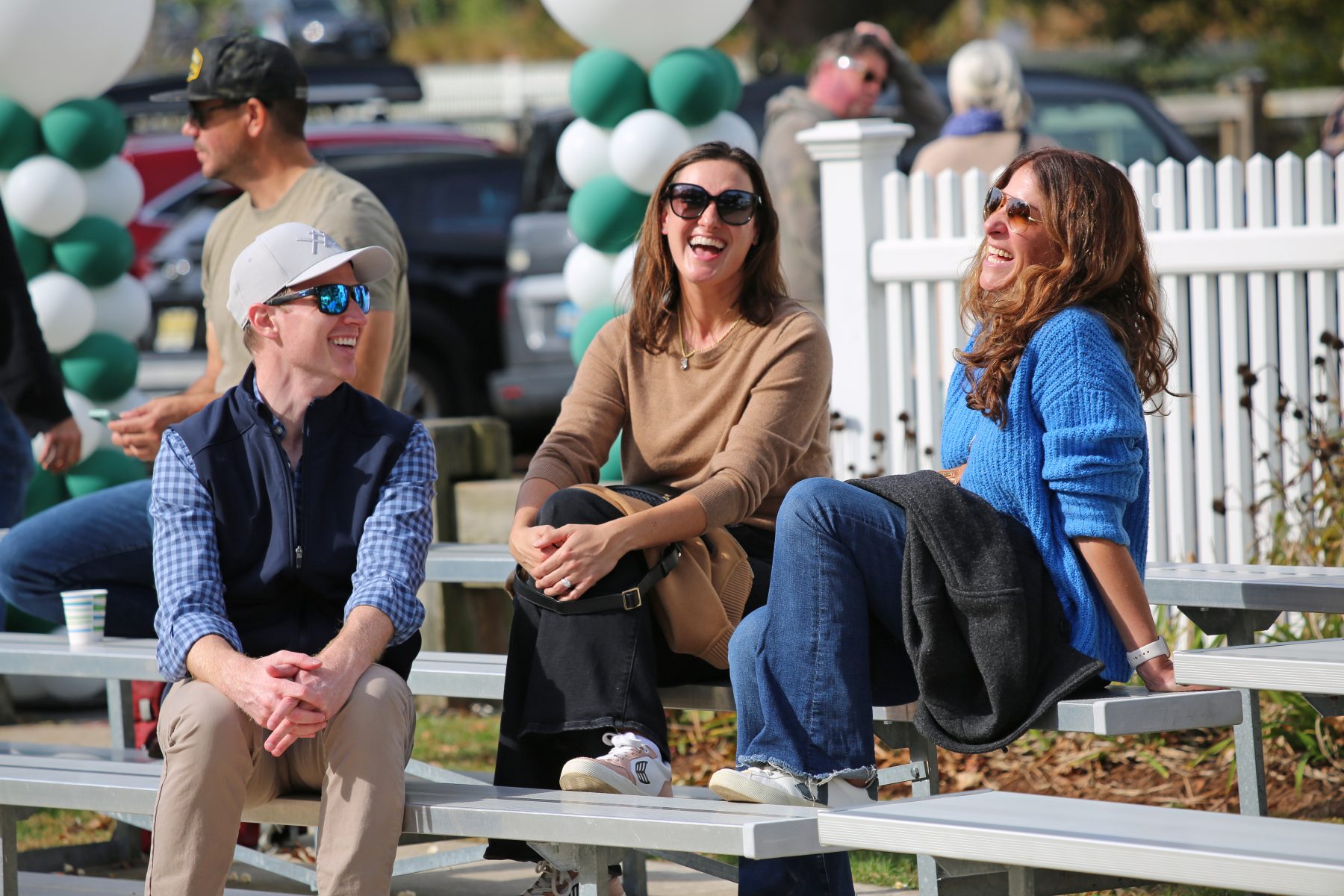
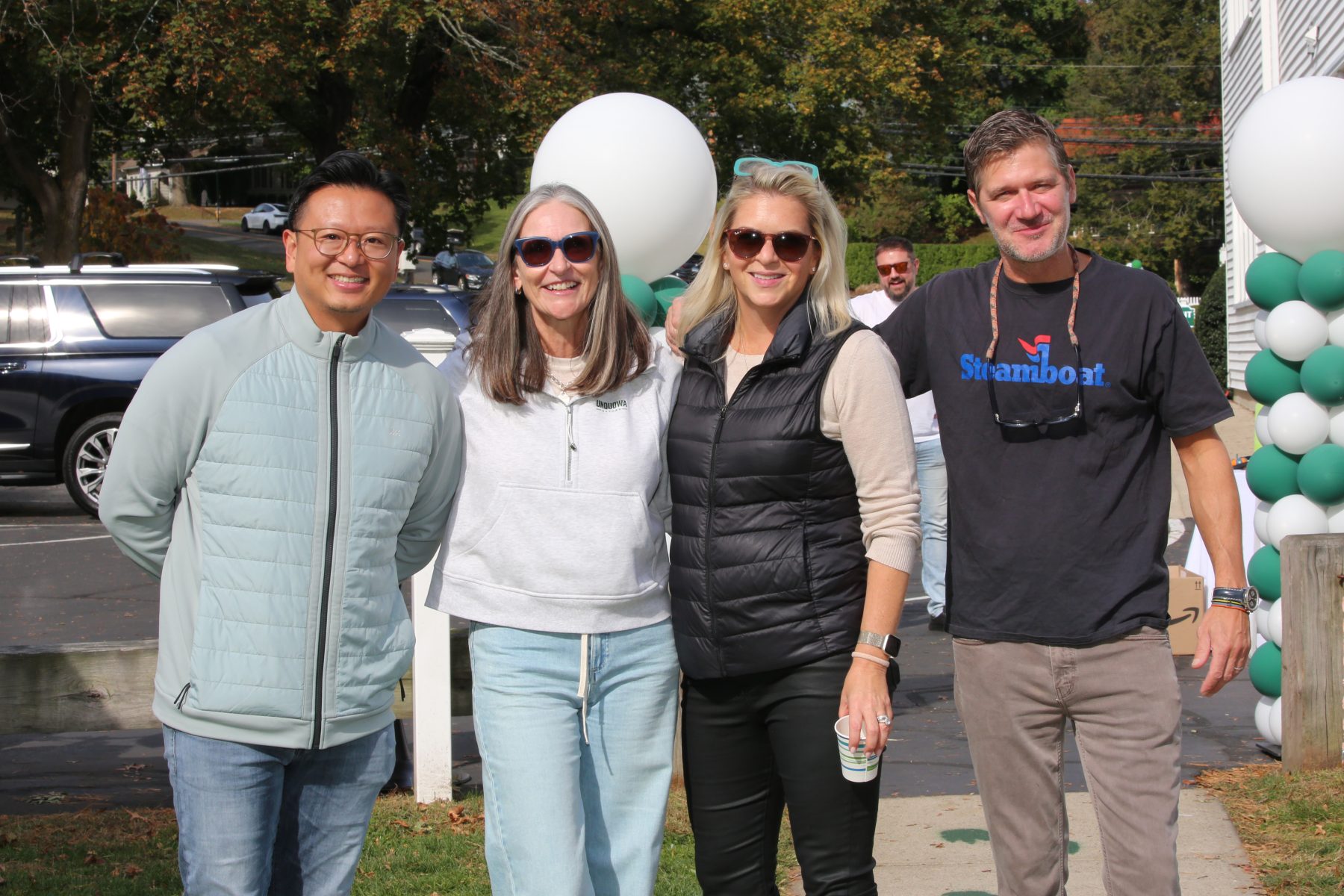
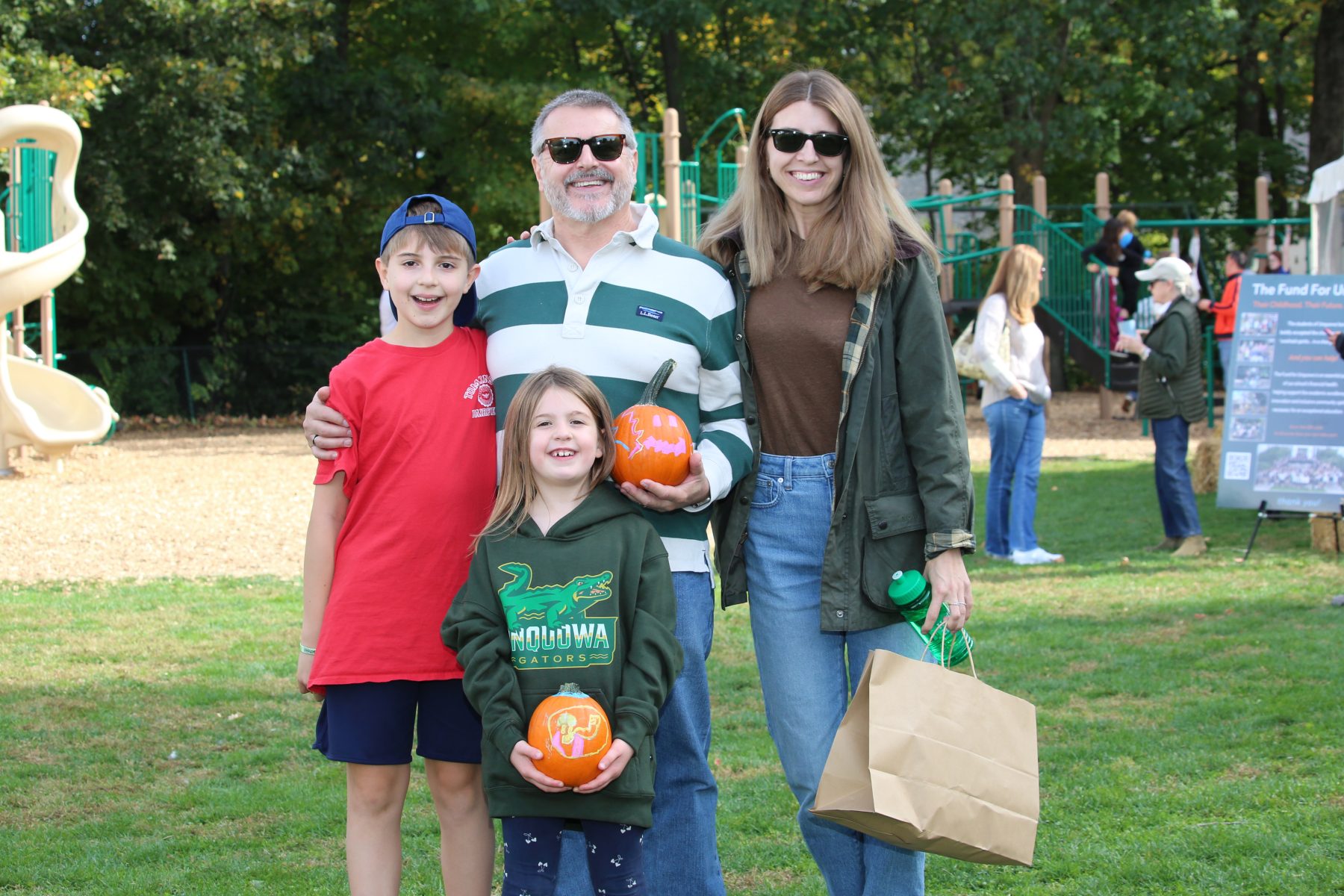
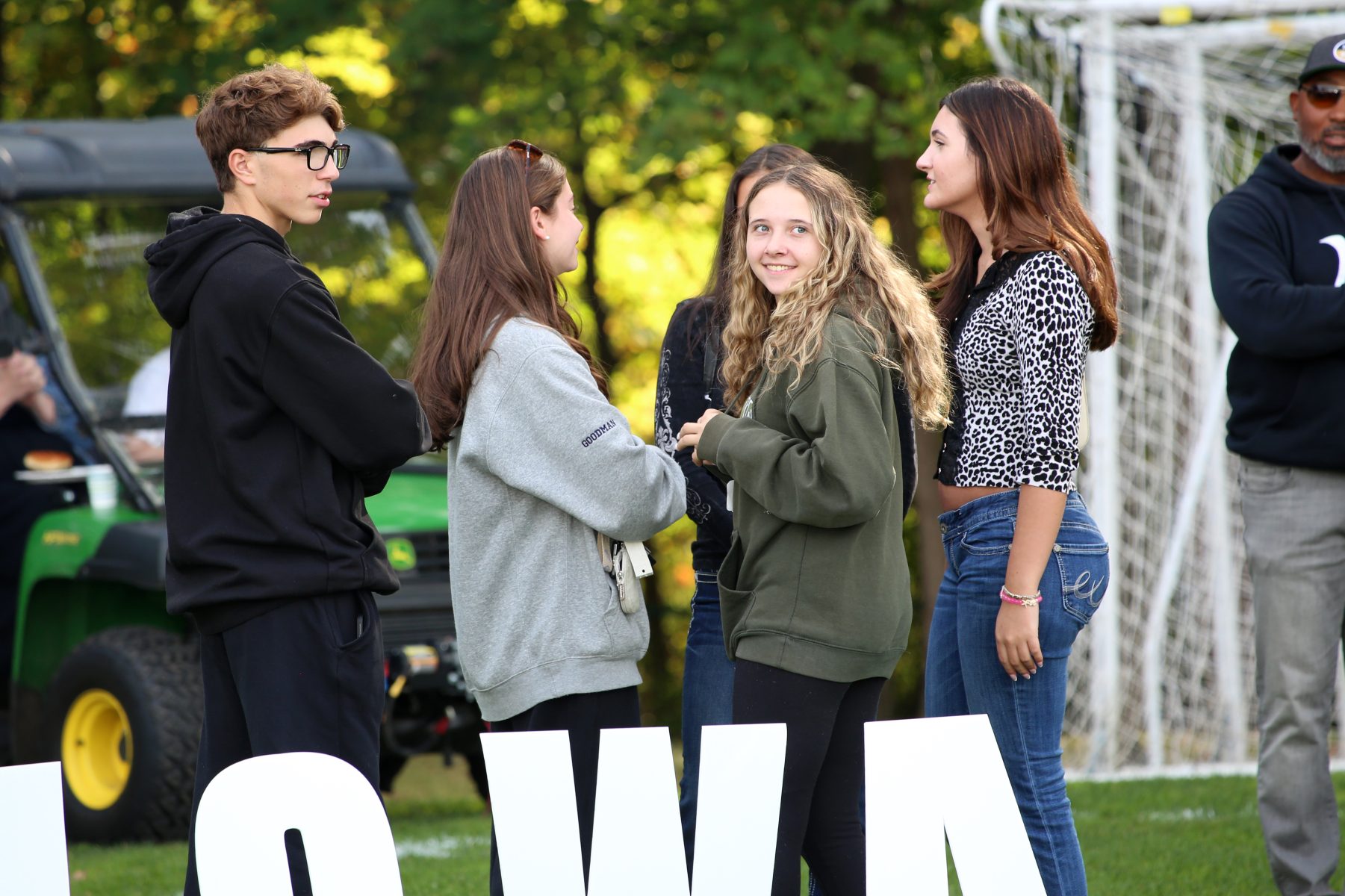
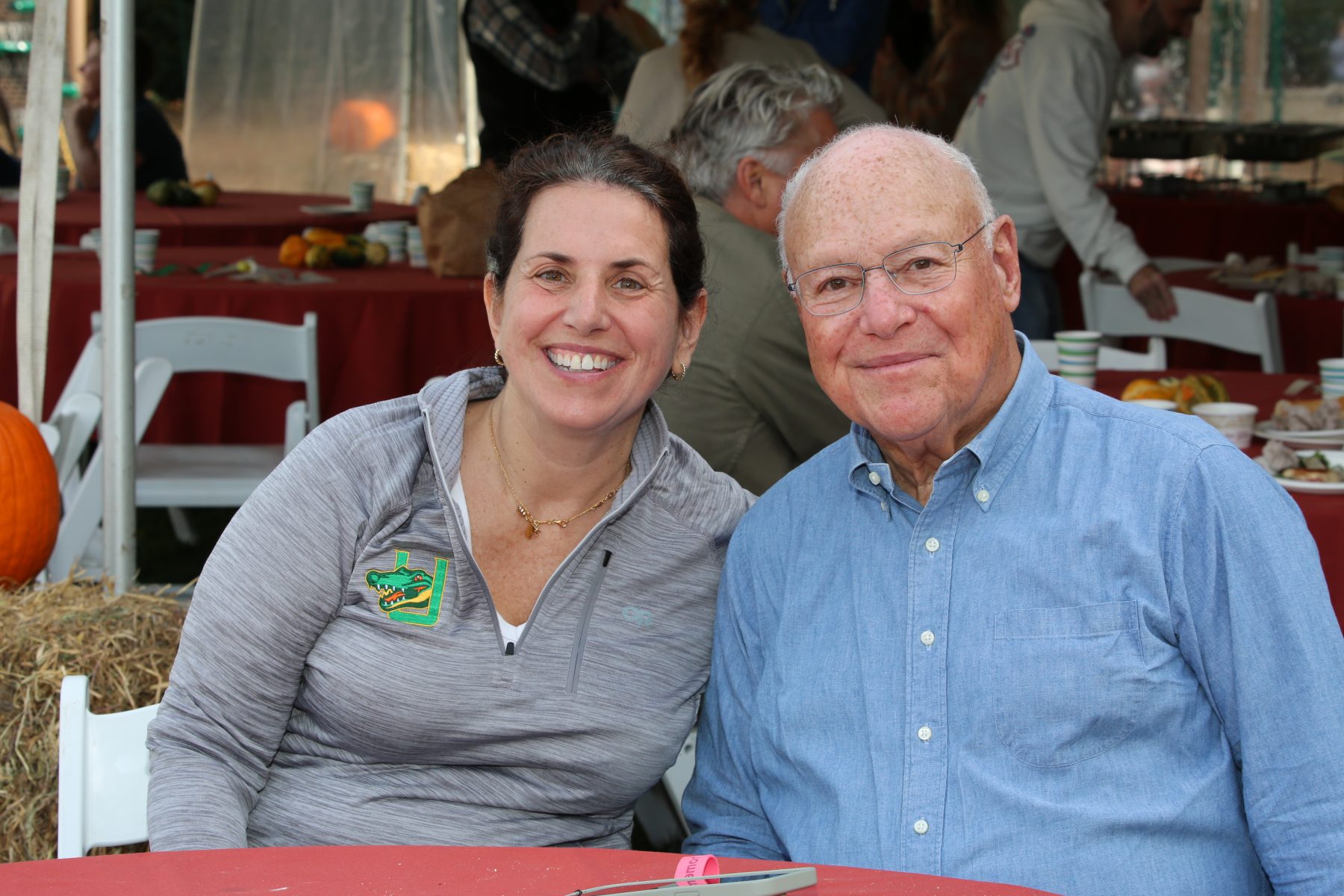
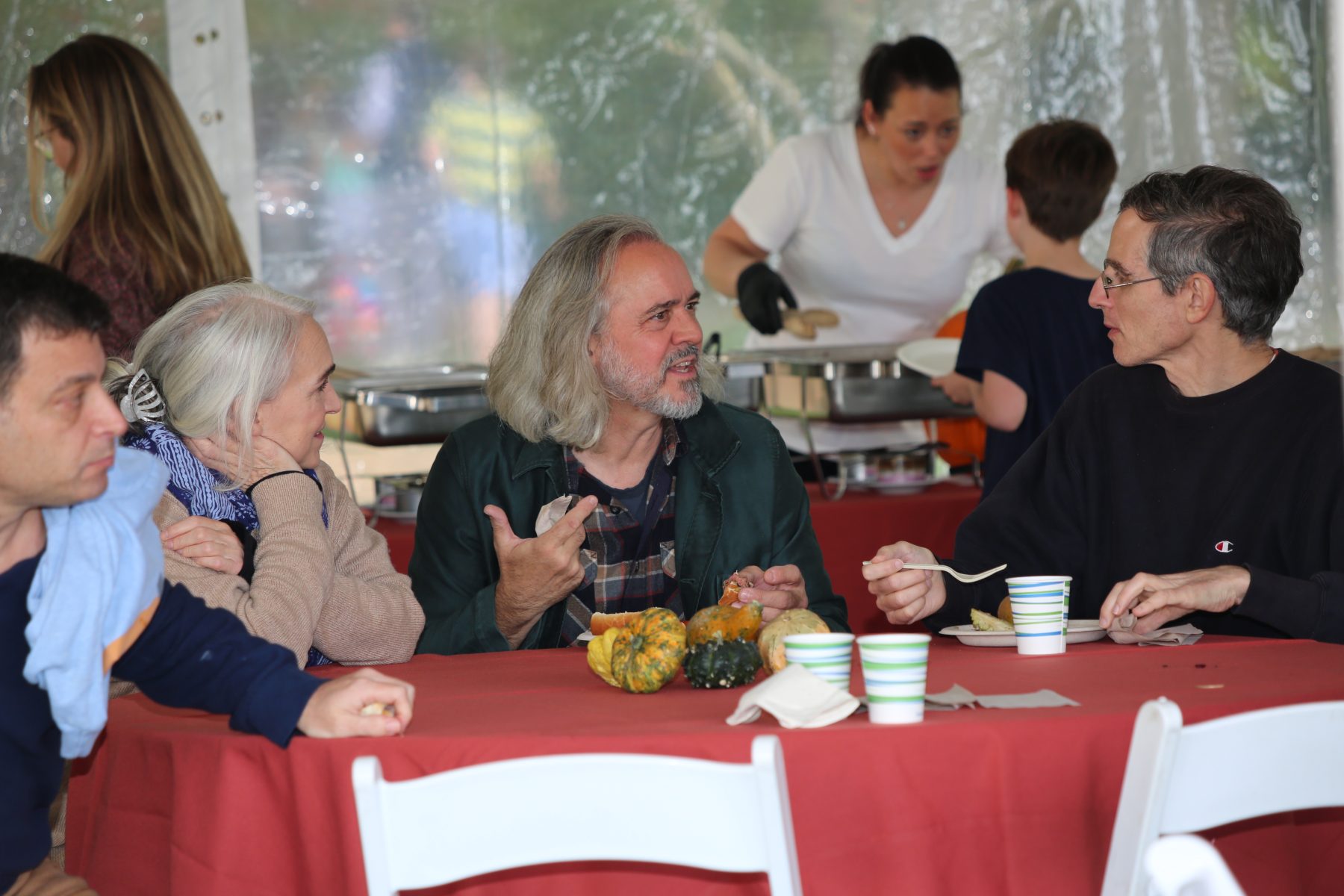
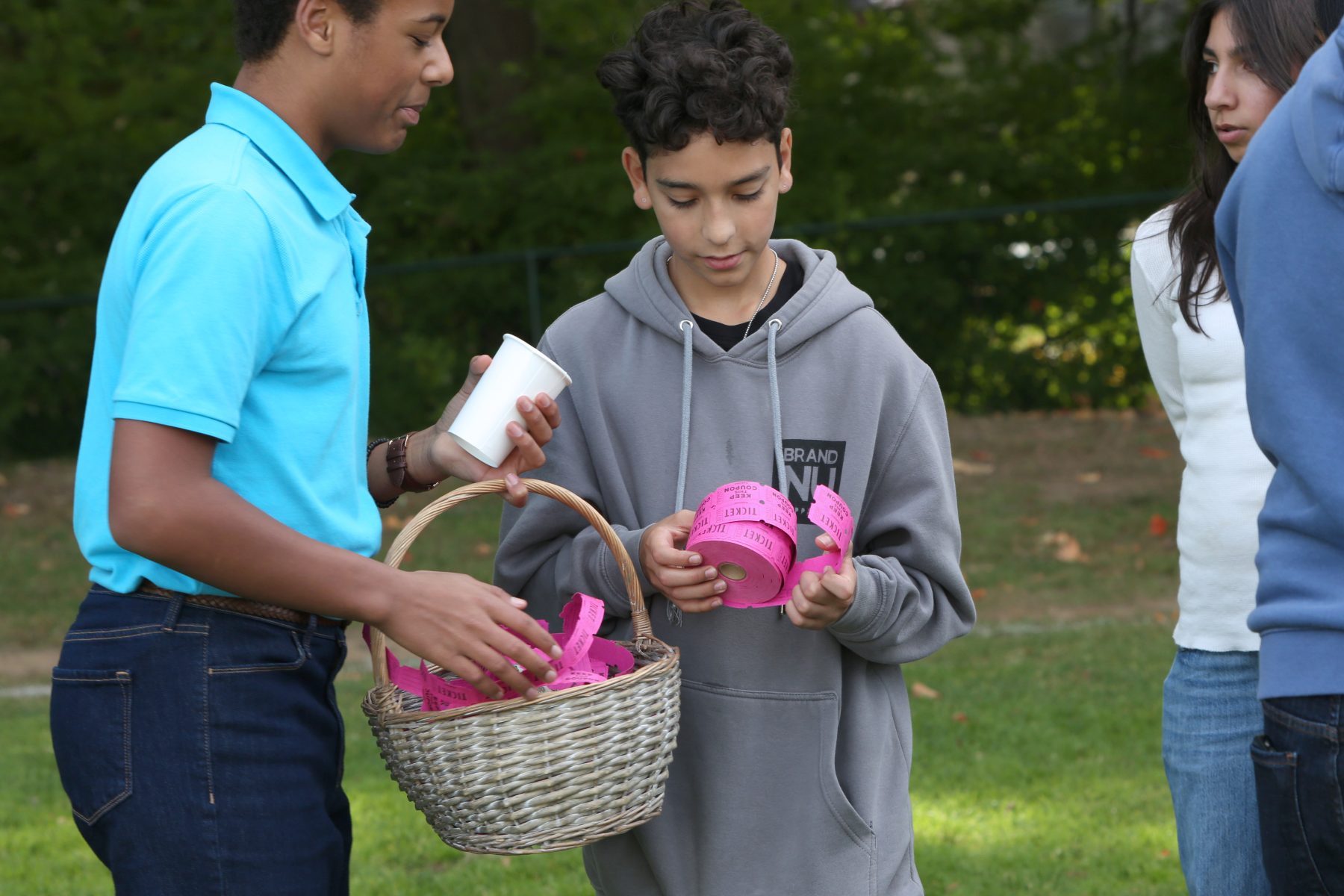
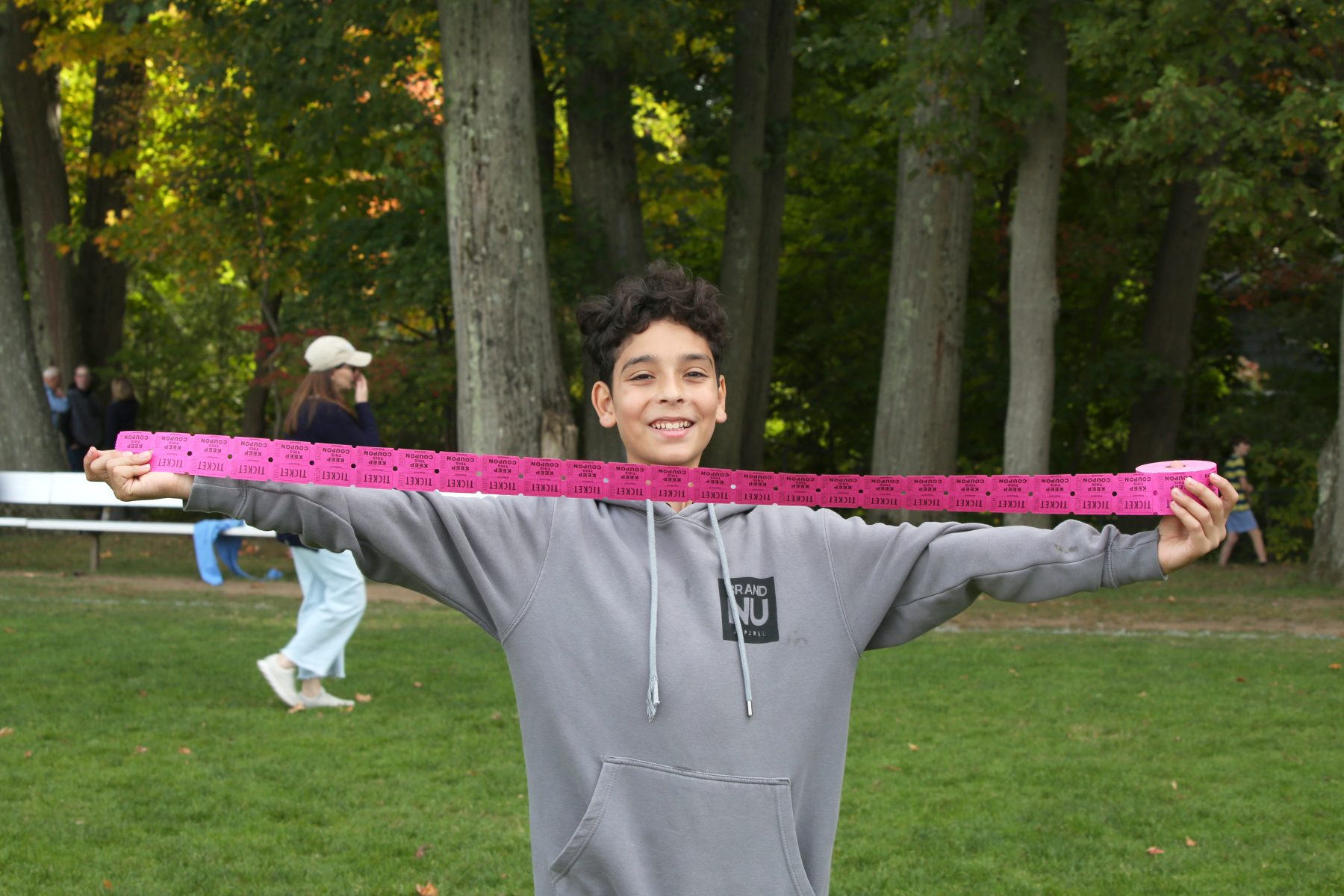
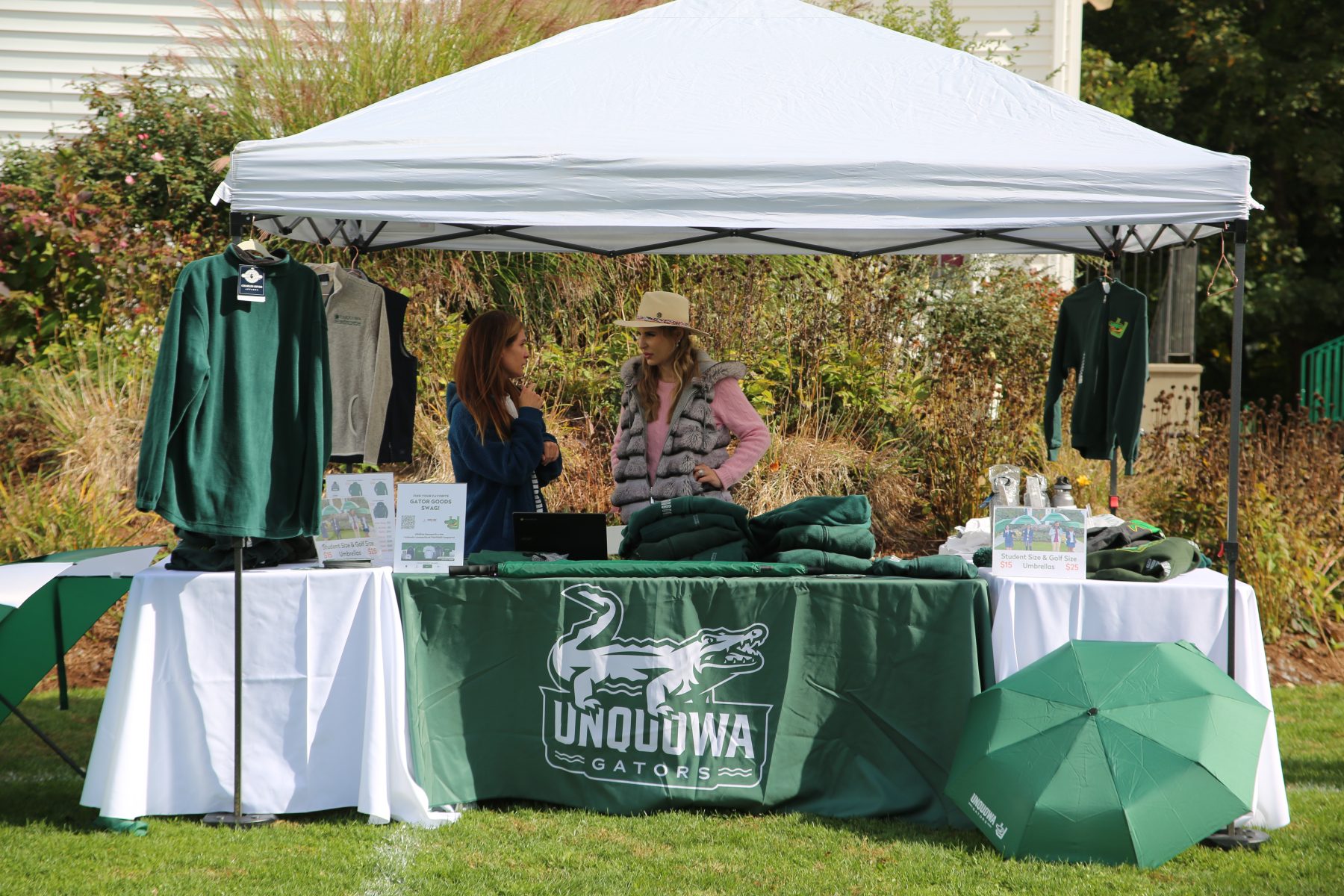
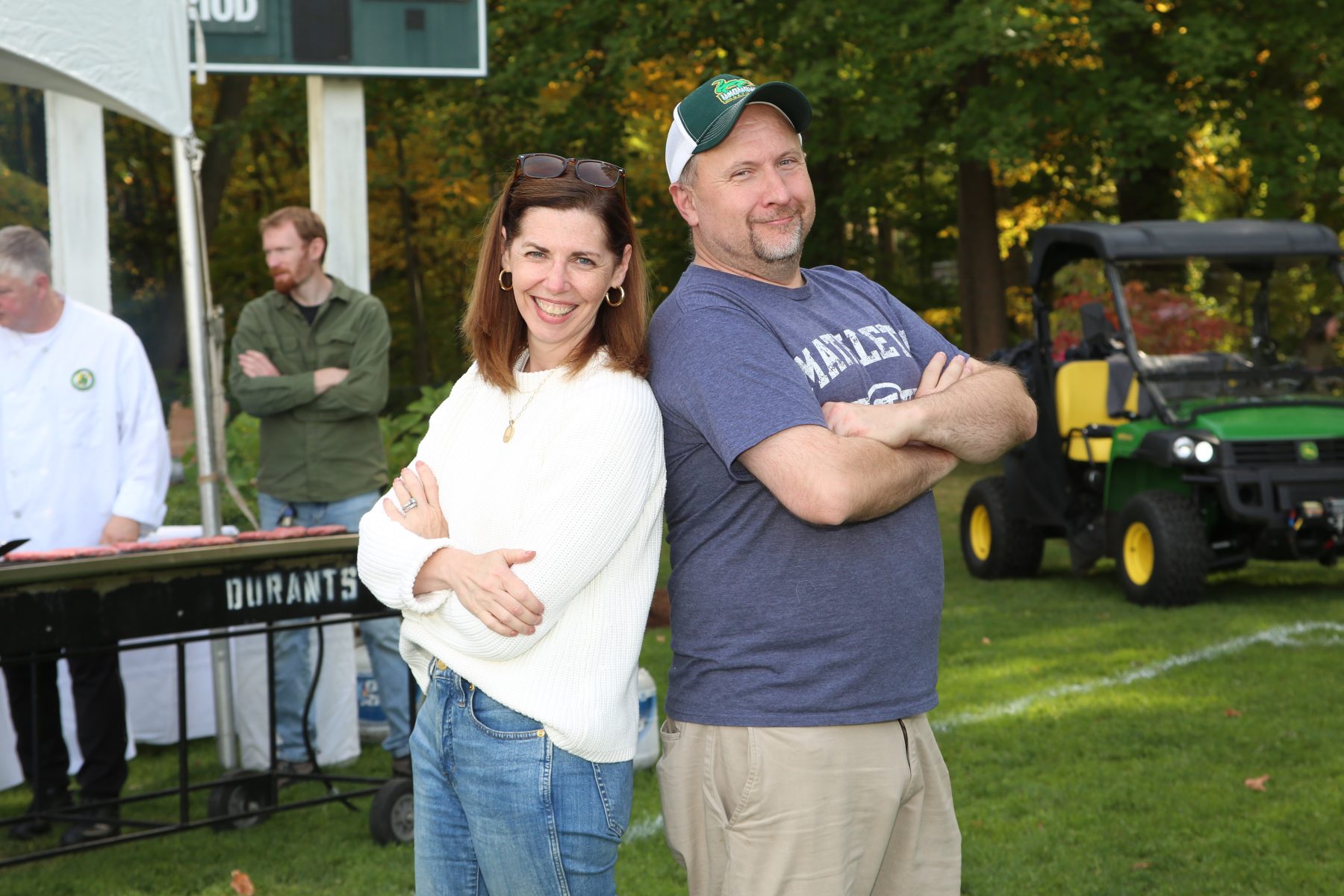
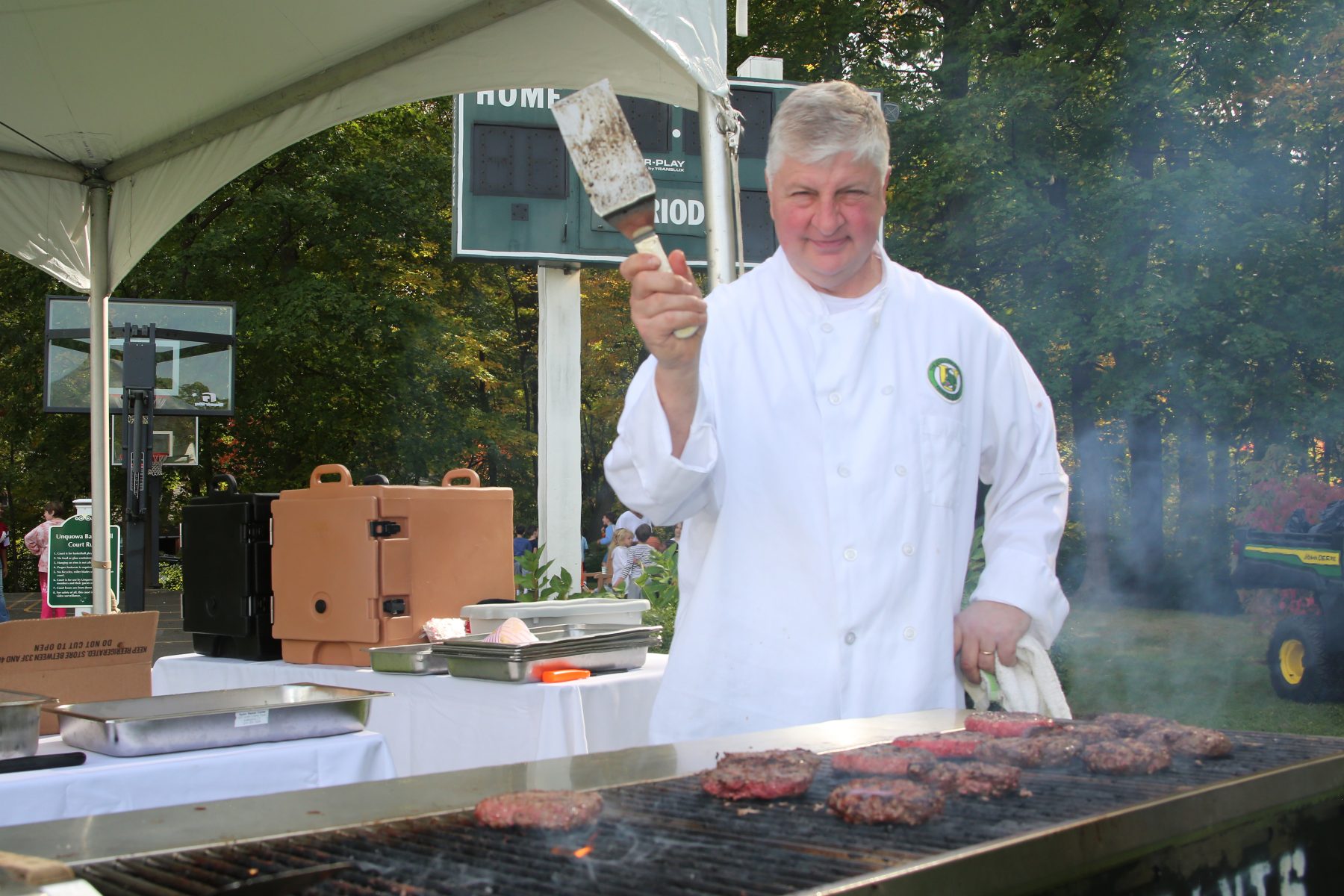
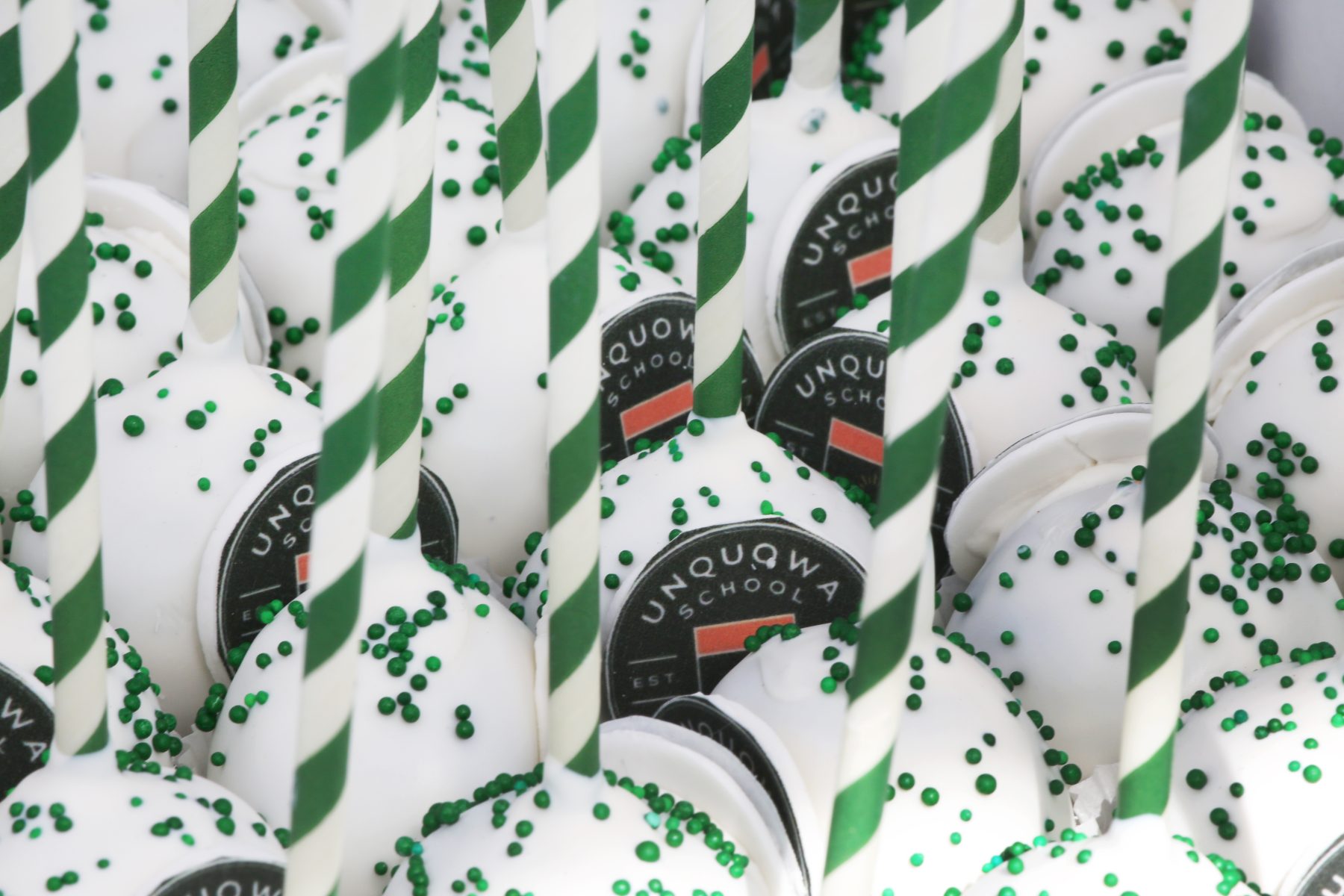
Unquowa families, faculty and alumni gathered on the back field to celebrate one of our favorite traditions – Founders’ Day! It was wonderful to see so many alumni back on campus, catching up with classmates and teachers and showing their Unquowa pride throughout the day.
Chef Adam and his amazing team treated everyone to a farm-to-fork feast featuring butternut squash soup, hamburgers and hot dogs, an autumn crunch salad, freshly baked pumpkin bread, and more! The local band Tangled Vine kept the crowd entertained with their lively tunes, and our own Mr. Coe wowed everyone by joining them on guitar for a few songs.
Our 8th graders and their families did a fantastic job running the bake sale, children’s activities, and the 50/50 raffle — all to raise funds for their class trip. Kids had a blast bouncing in the inflatables, painting pumpkins, and playing lawn games, while parent volunteers kept the Community Closet and Gator Goods tent running smoothly.
Thank you to everyone who helped make this special day possible. Days like this remind us just how lucky we are to be part of the Unquowa community!
Fifth Grade Native American Studies
Posted by Sarah Raggio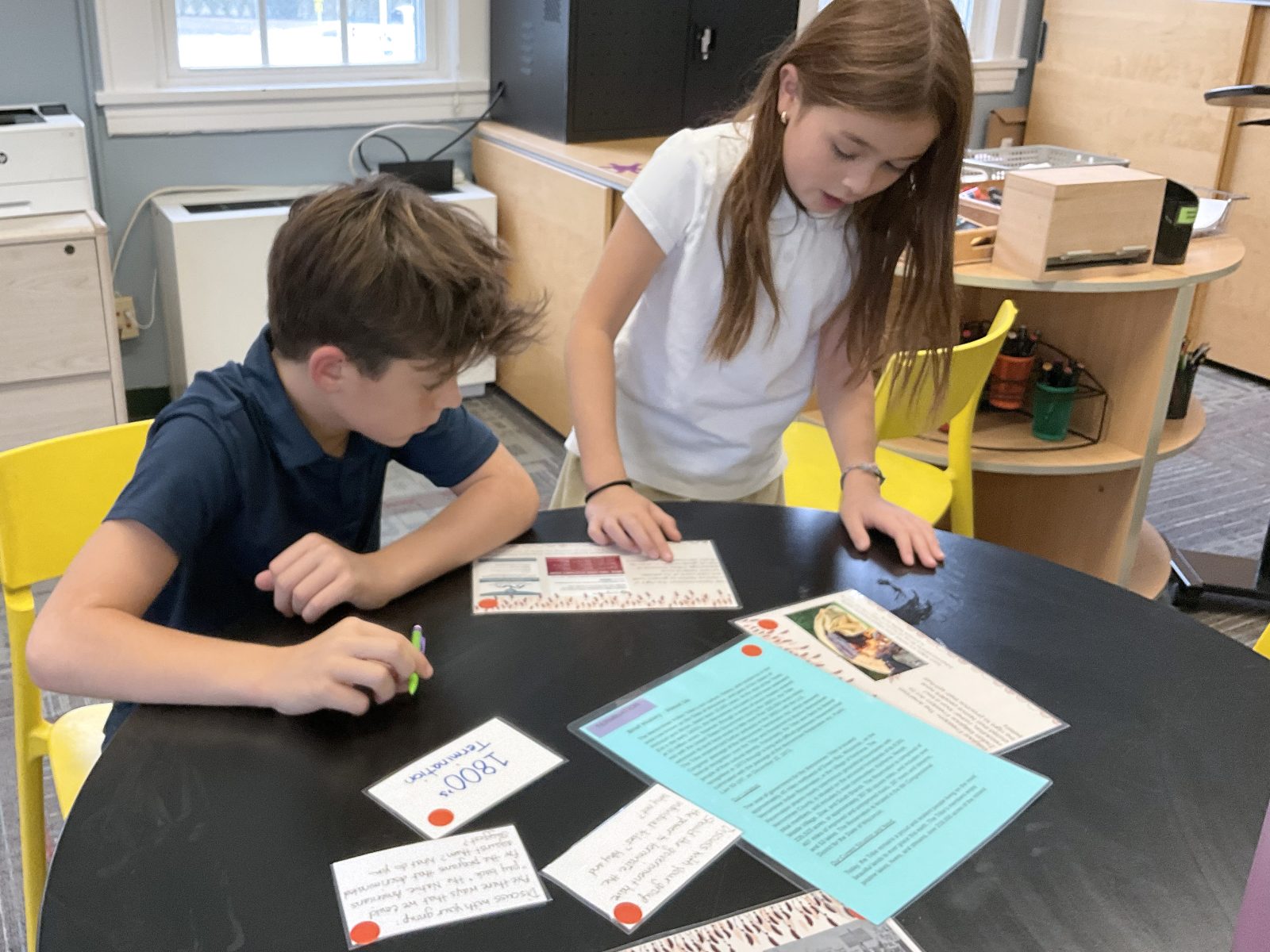
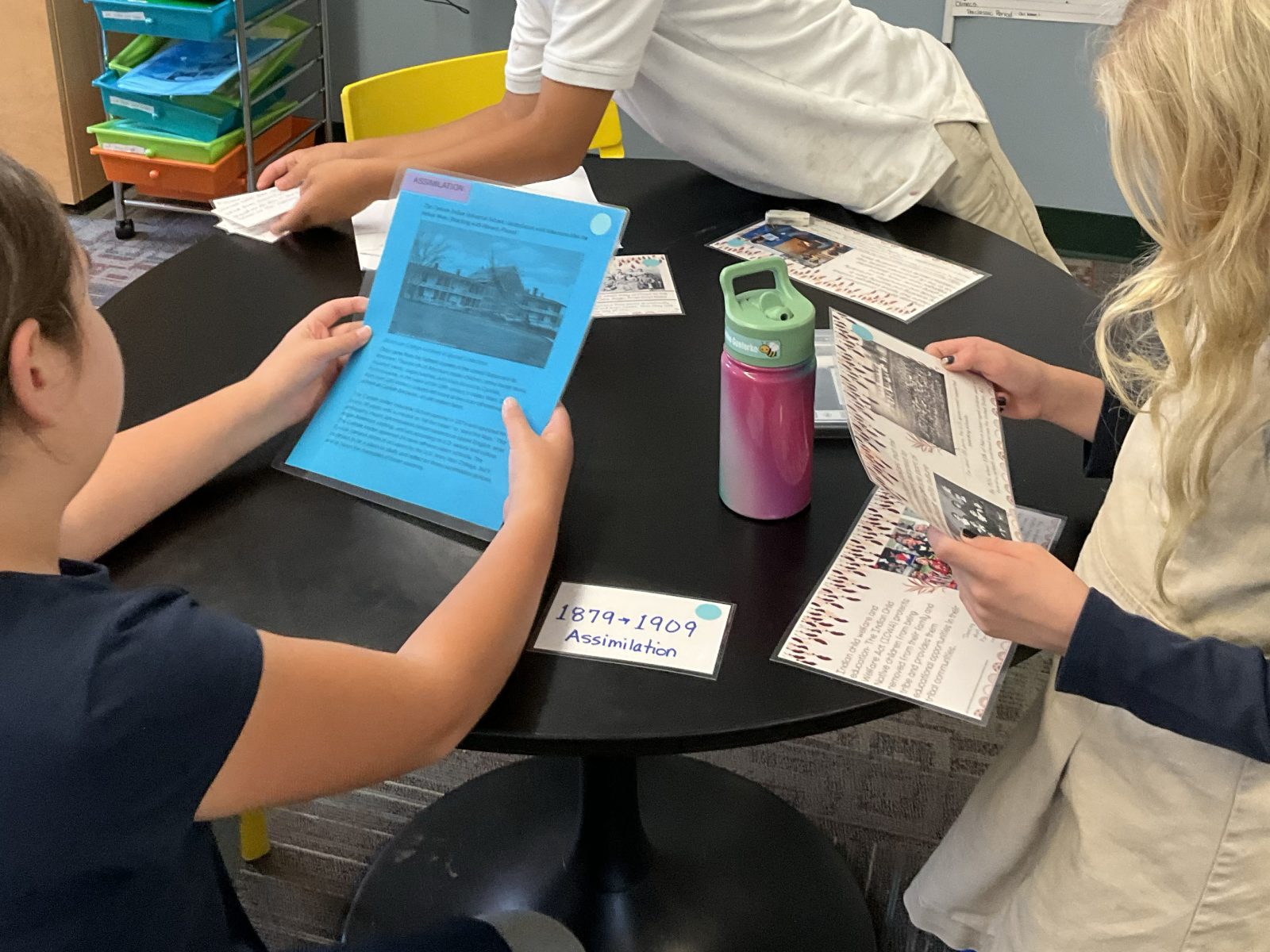
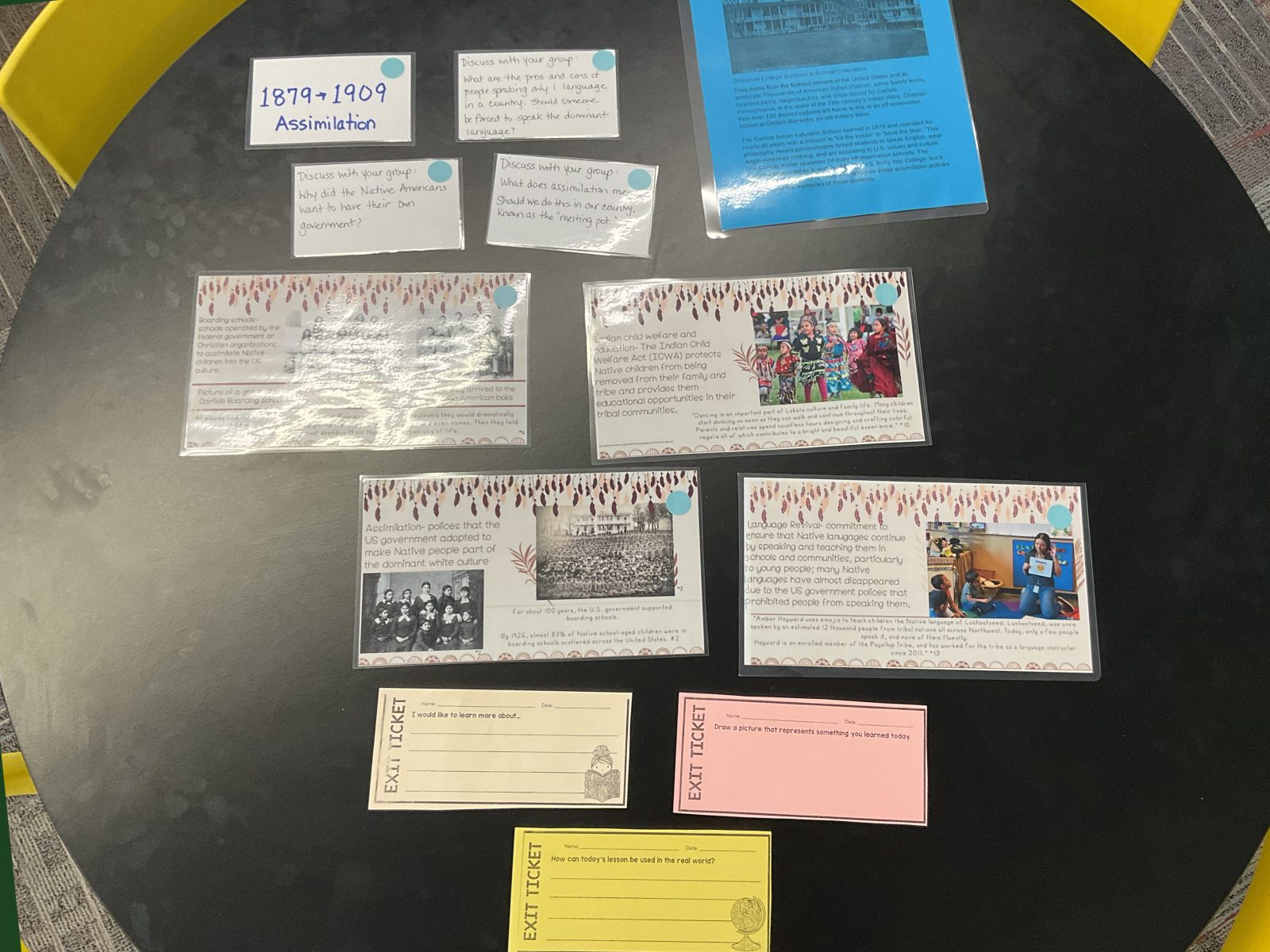
Grade 5 is deeply immersed in their study of Native Americans.
In literature class, we are reading Indian No More by Traci Sorell and exploring what it felt like to be a child in the 1950s participating in the Indian Relocation Program. The main character of our book, Regina, allows us to feel the consequences and emotions of a young child during this era. For my students, the fact that this level of discrimination took place in the 1950s was a shock.
In social studies, we are studying the Indigenous people of Mesoamerica. We are learning about their communities, beliefs, and how they built their homes from the resources available to them. We have a long-term project planned and an exciting field trip to wrap up the unit.
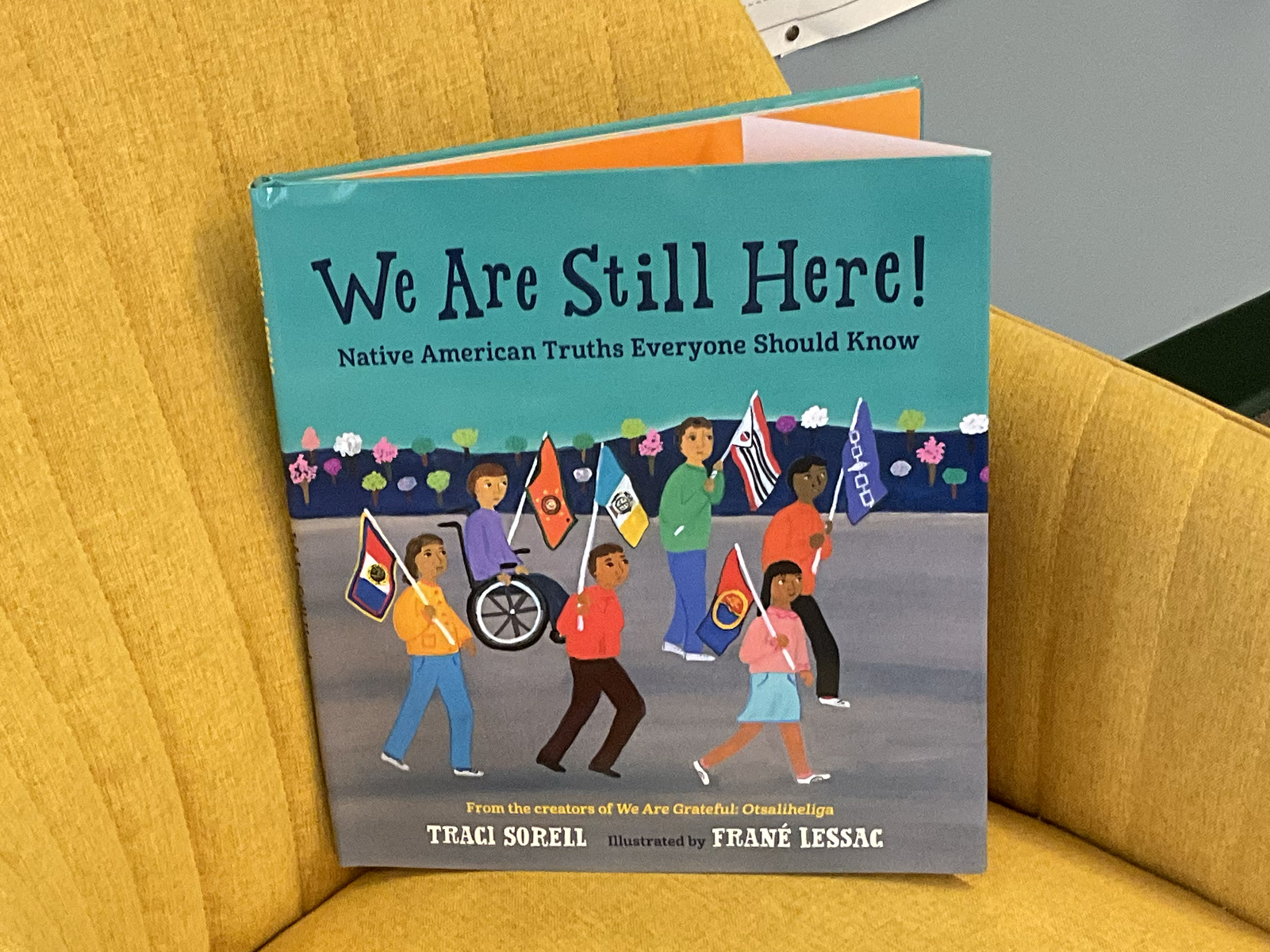
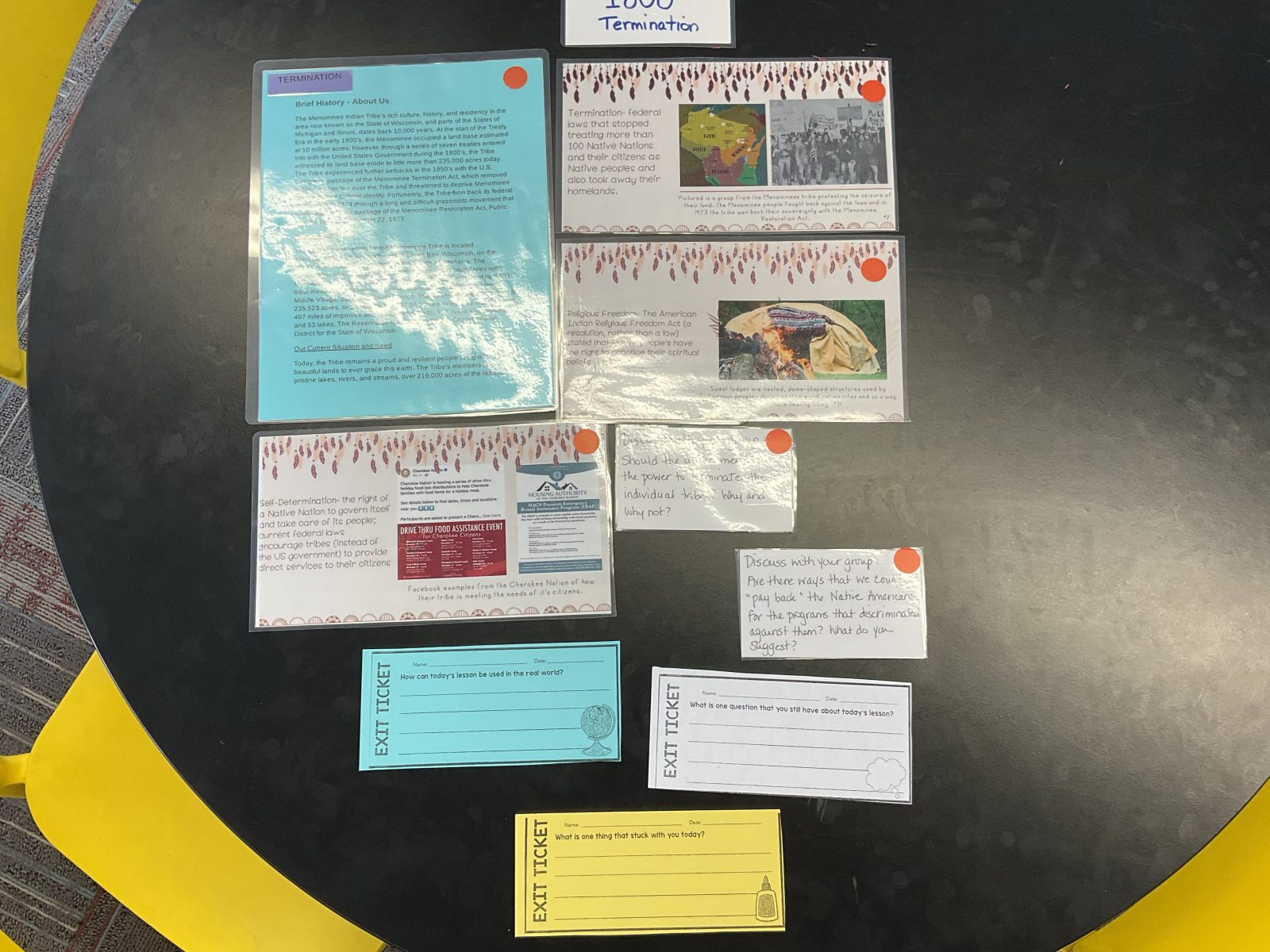
So, recently for students, Indigenous Peoples’ Day was really just another opportunity for us to take a deeper dive into the lives of Native Americans in this country. We were inspired by We Are Still Here, a book also written by Traci Sorell. The book covered topics such as termination, allotment of land, forced assimilation and the relocation of tribes. We worked in groups exploring these topics through photos and articles. The students were very curious and engaged in our study.
SHAPE For Success!
Posted by Sarah Pollex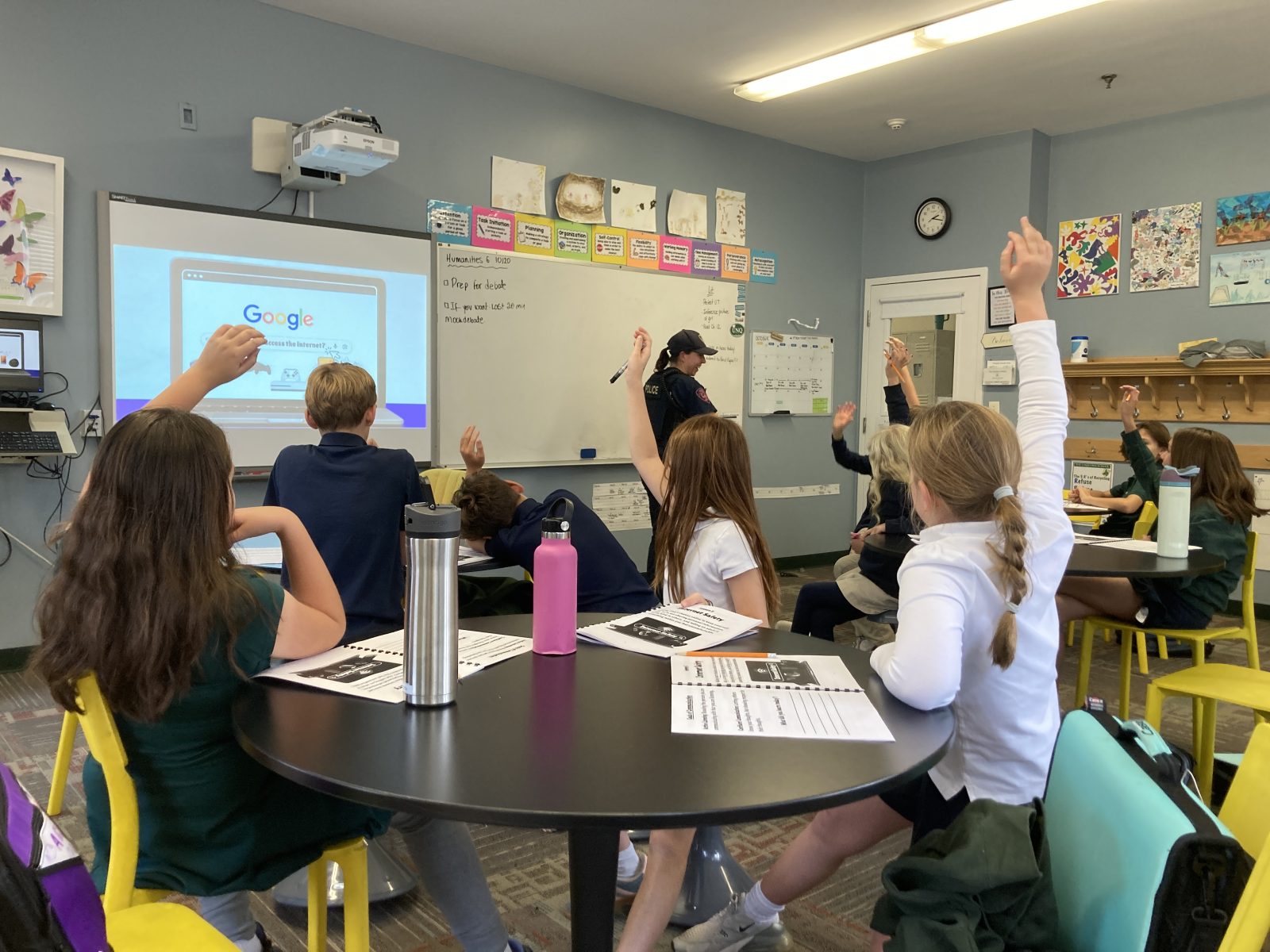
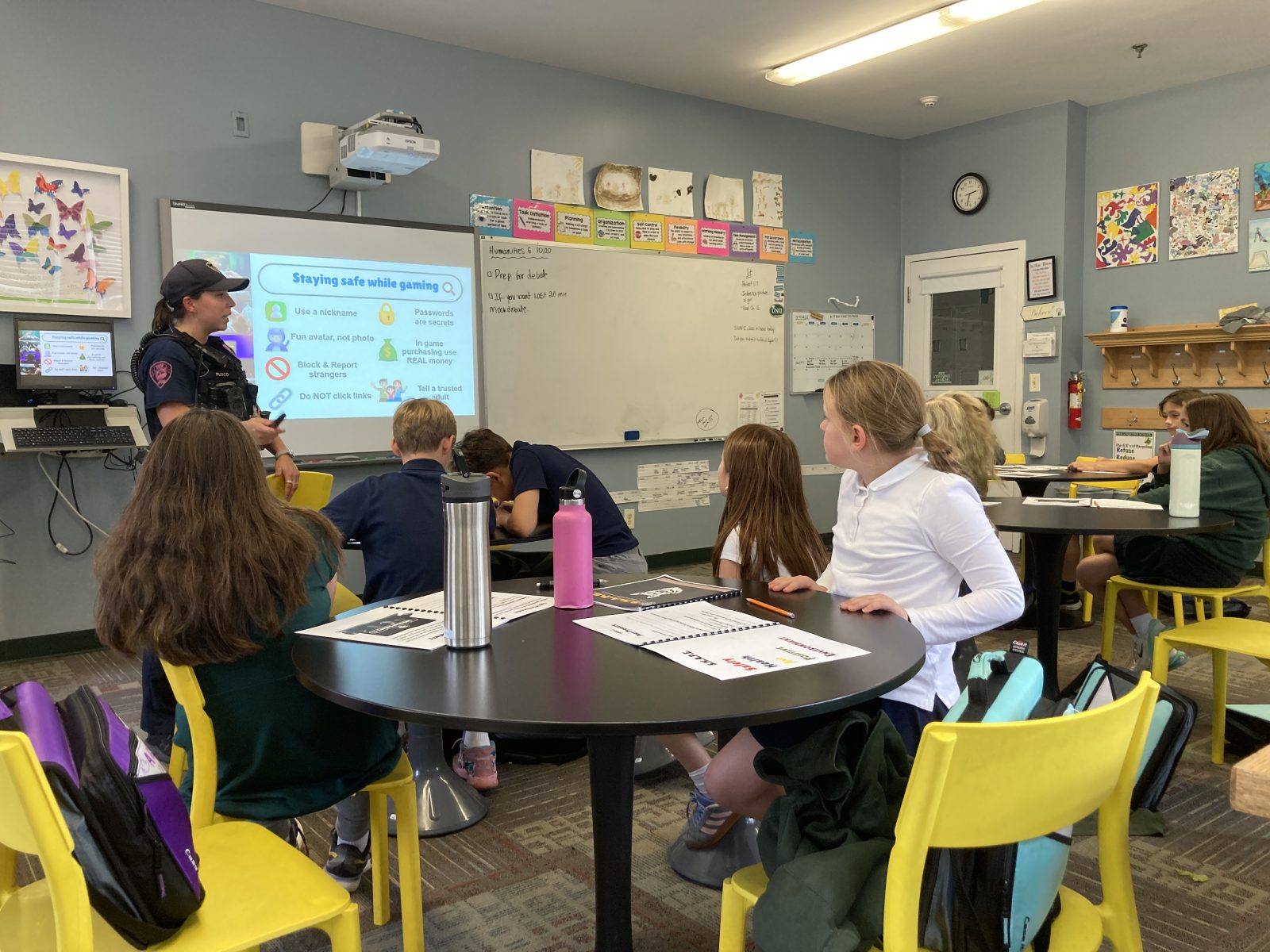
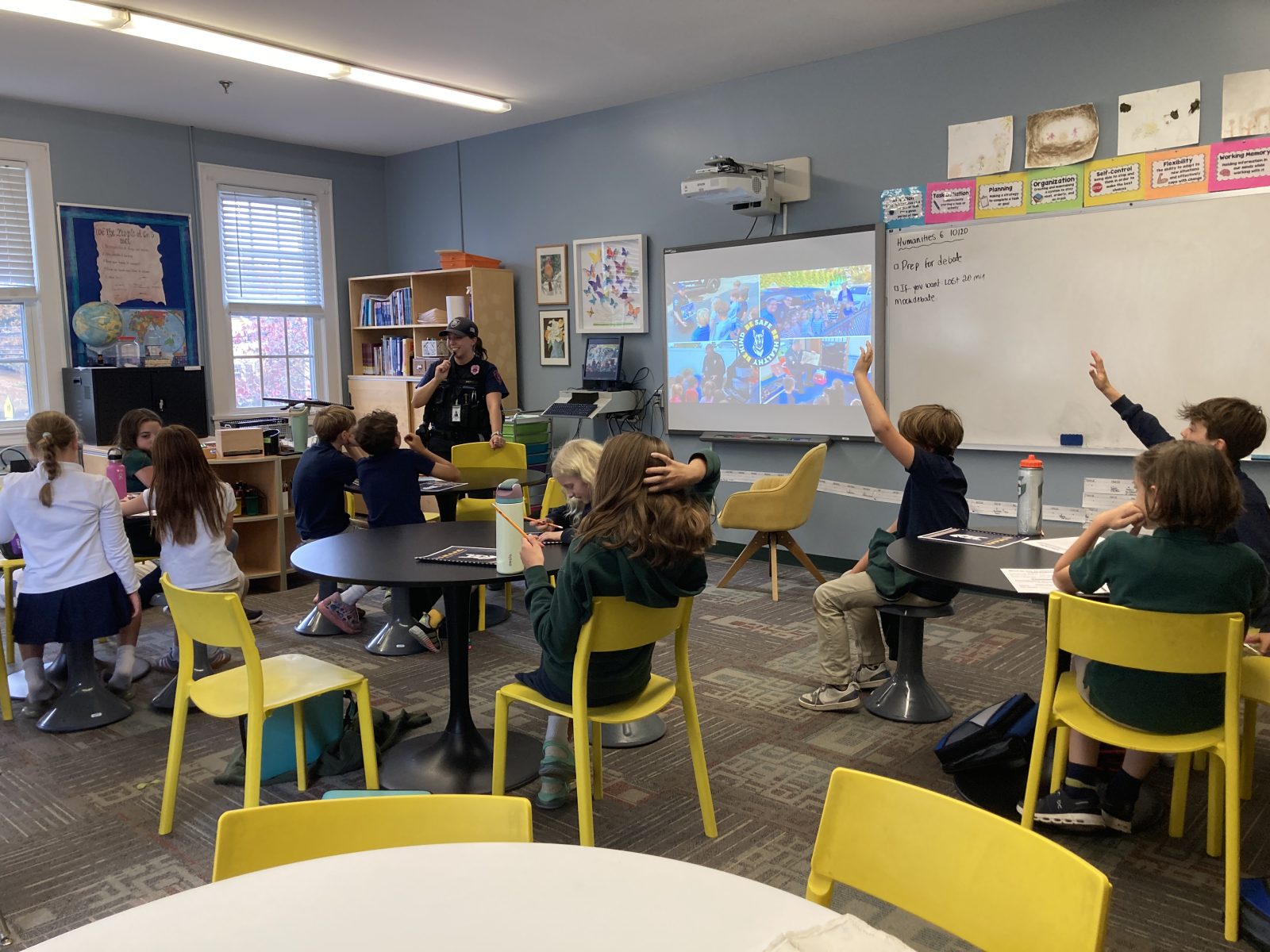
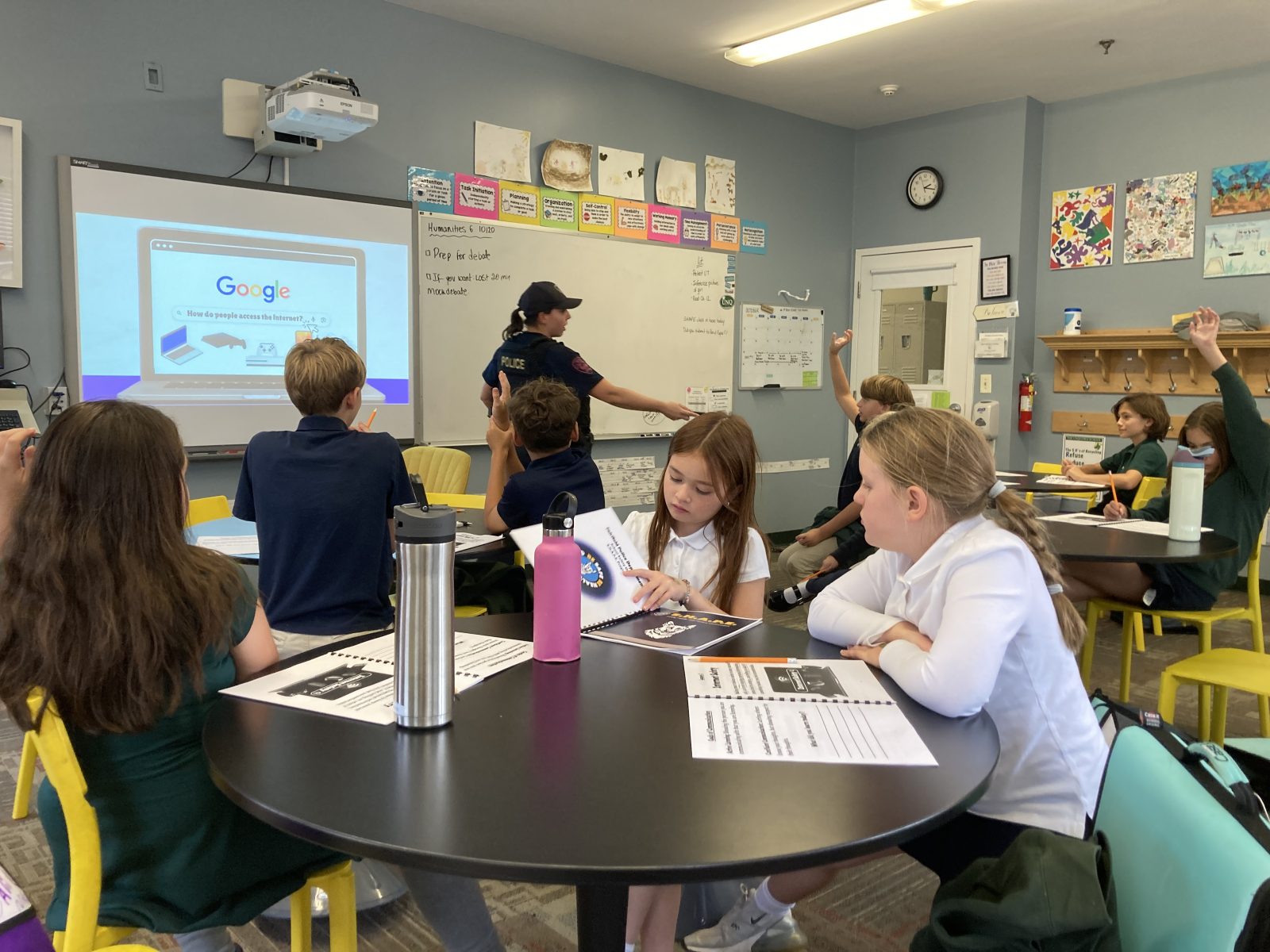
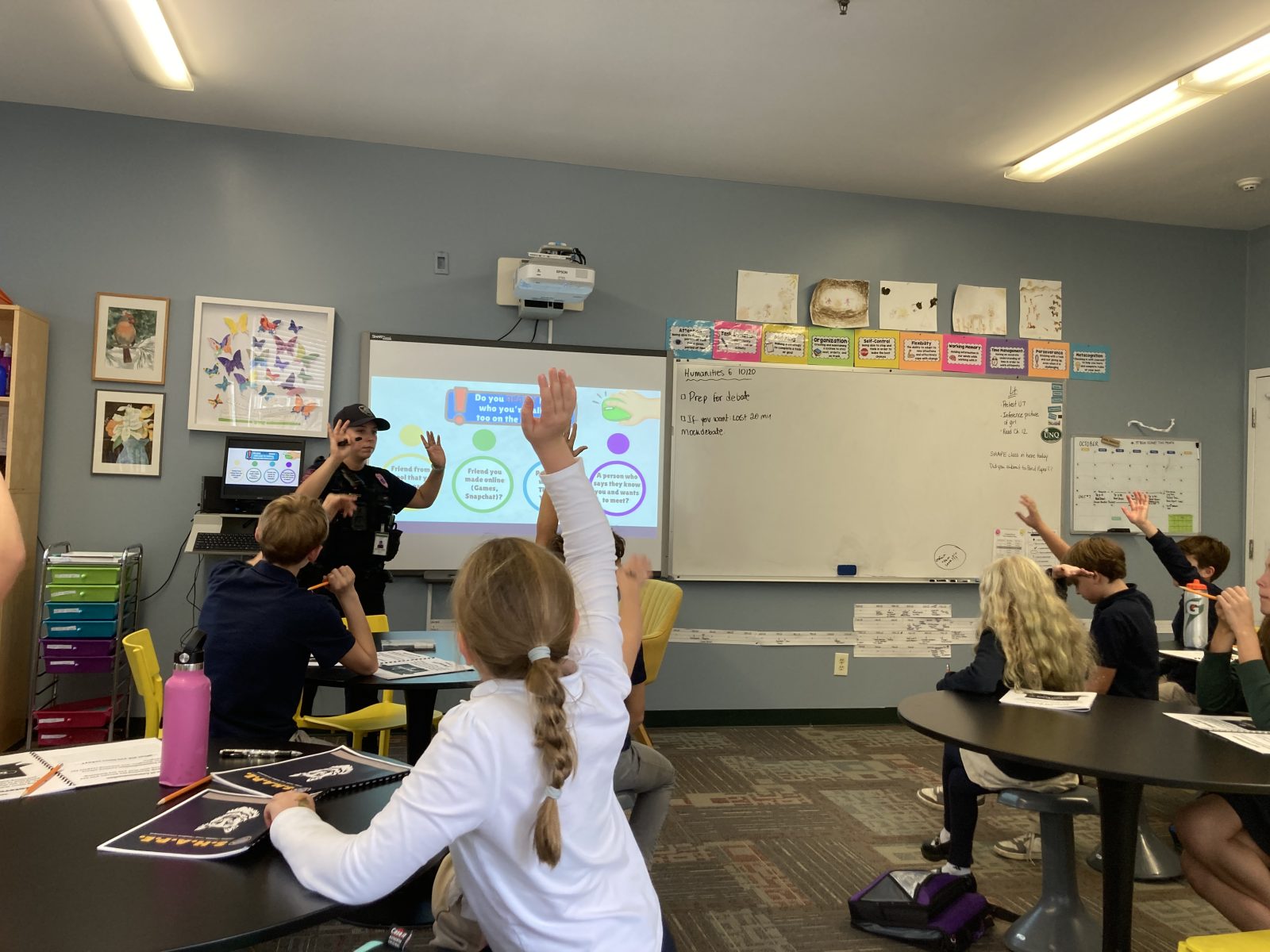
The 5th grade class has been taking part in the SHAPE program (Safety, Health, and Positive Environment) with Officer Cassandra from the Town of Fairfield Police Department. Through interactive discussions and creative role-playing activities, students have been exploring important topics such as peer pressure, effective communication, and staying safe online. The lessons have been engaging and meaningful to our 5th graders—a big thank-you to Officer Cassandra for sharing her time and expertise with our students!
中秋节快乐Zhōng qiū jié kuài lè – Happy Mid-Autumn Festival
Posted by Carina Blackwell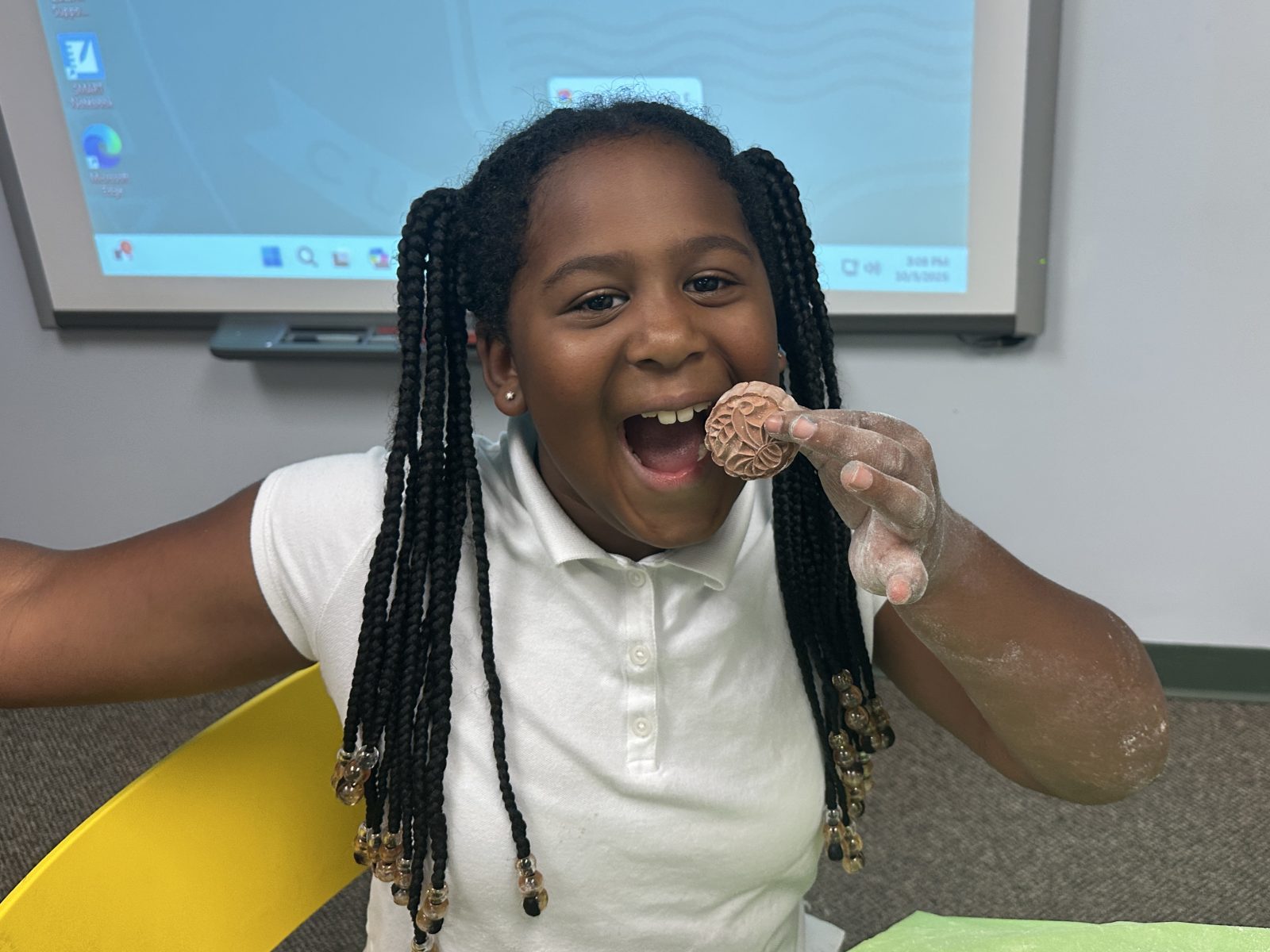
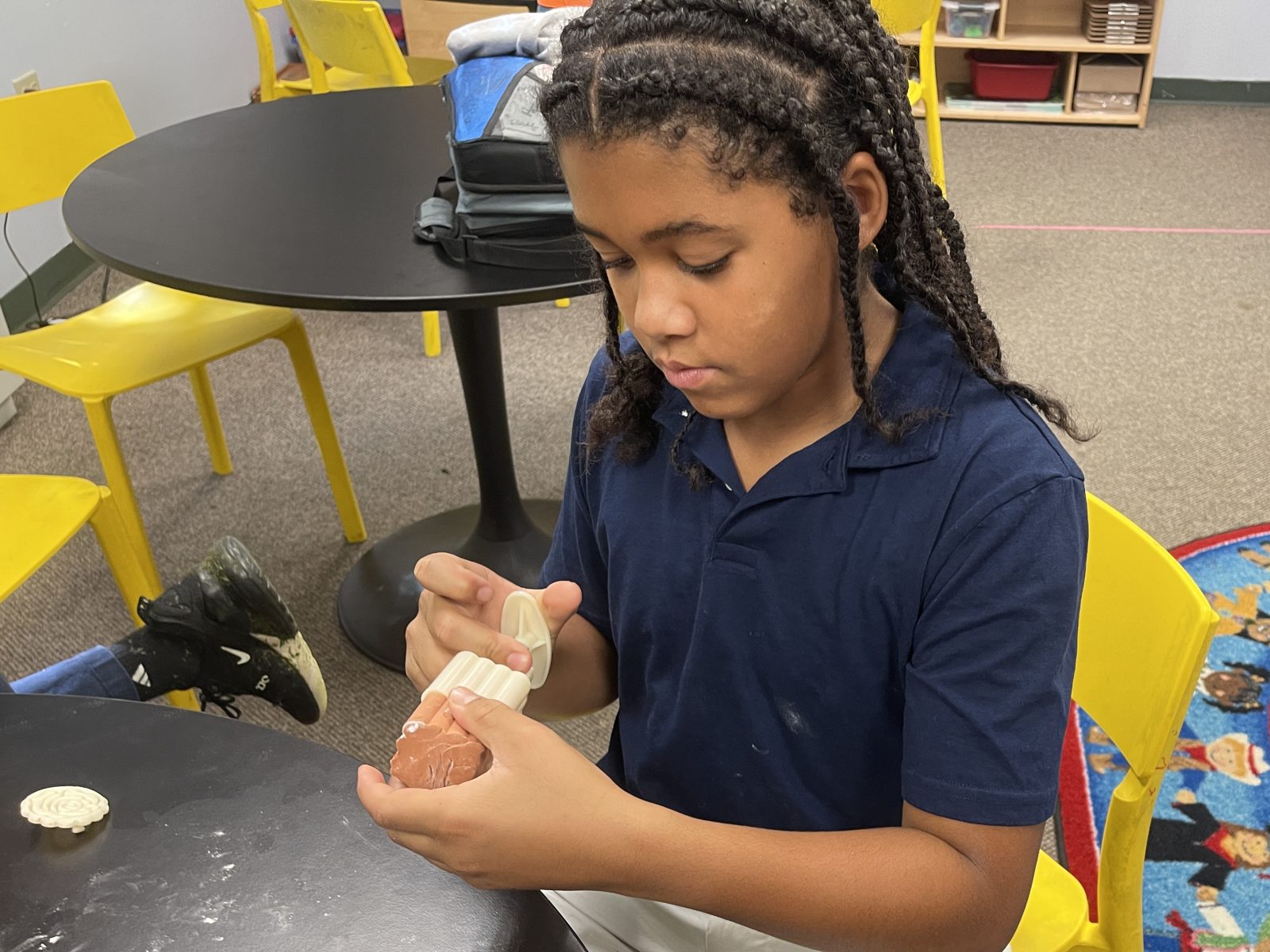
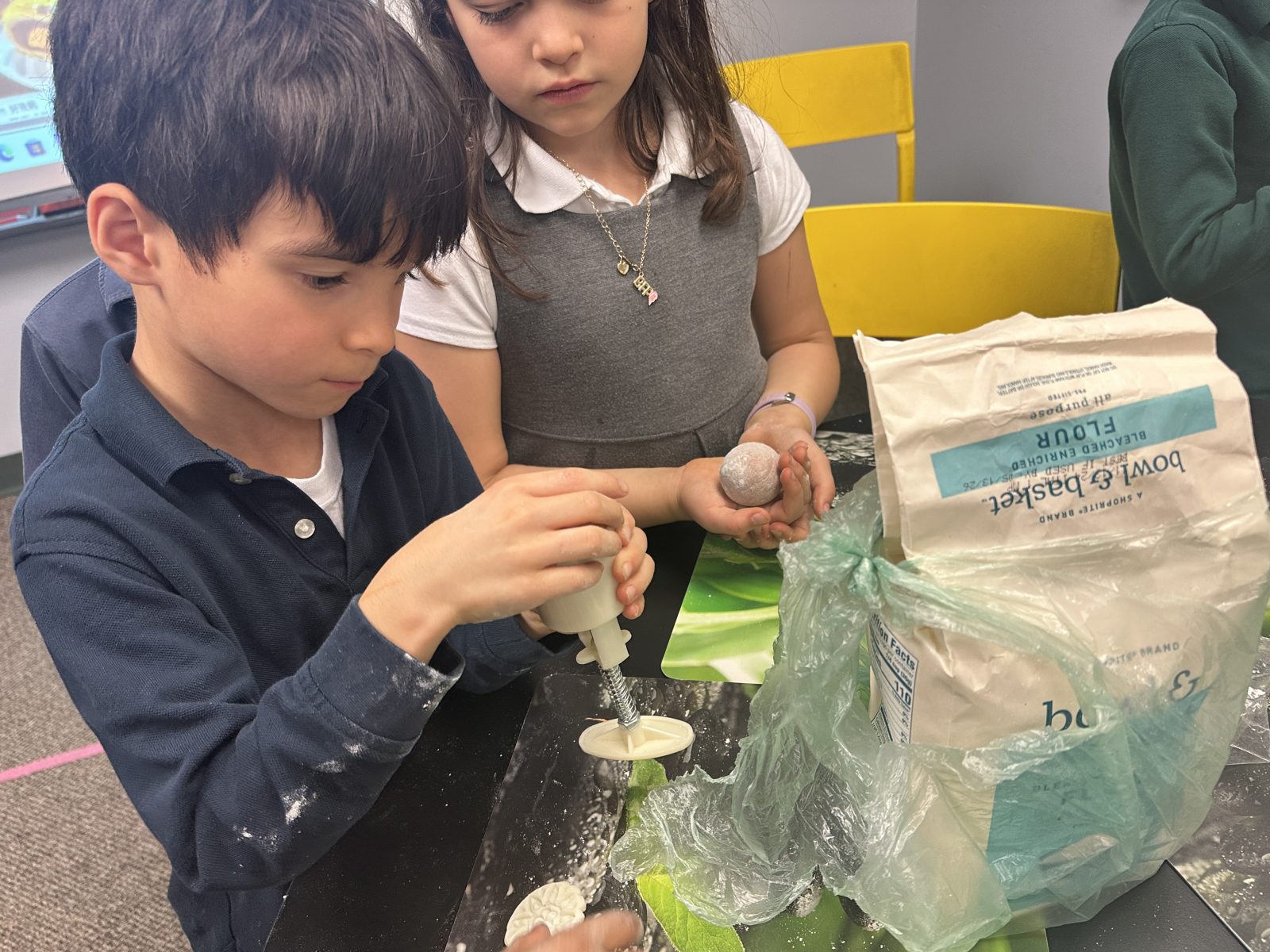
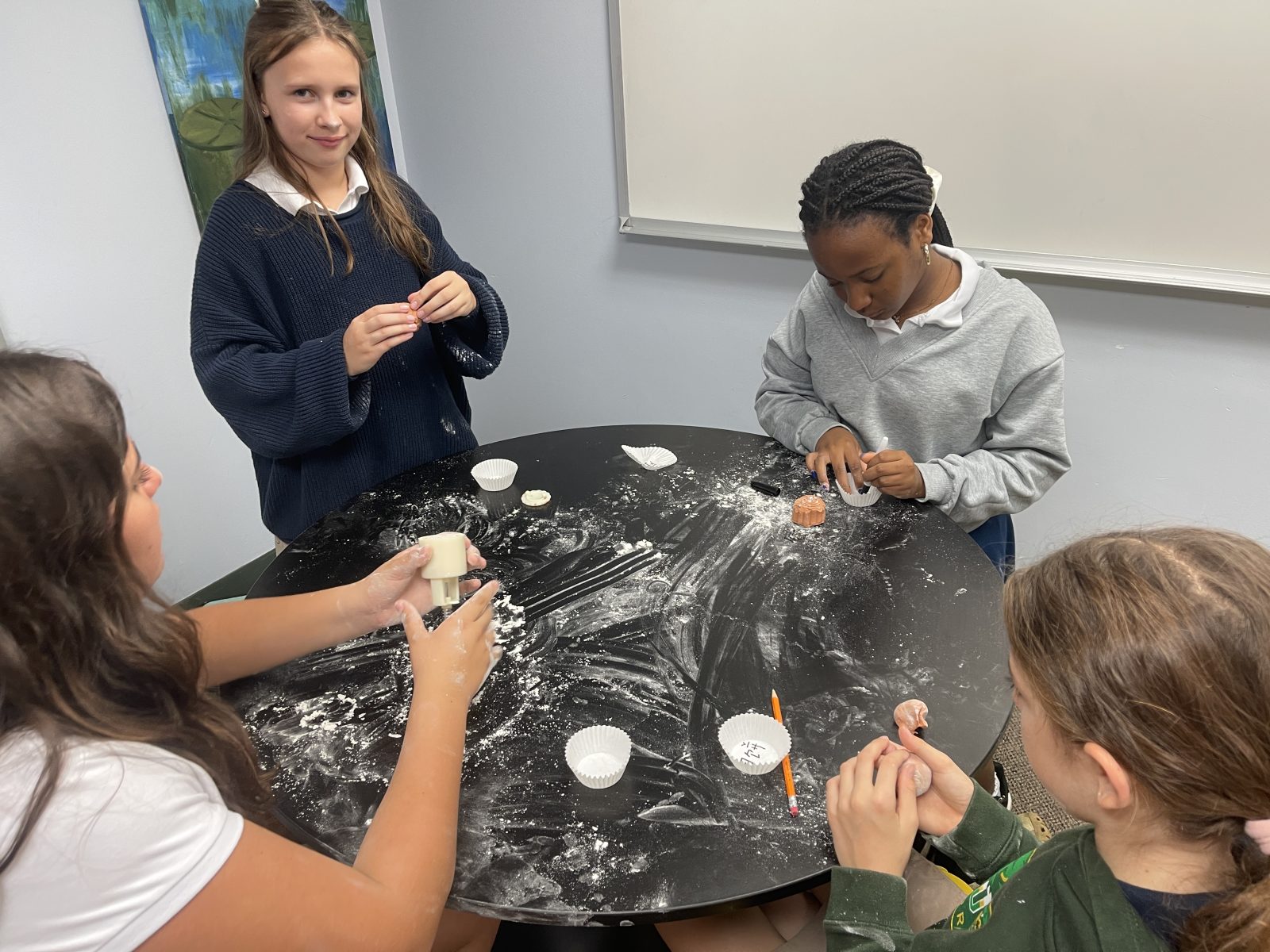
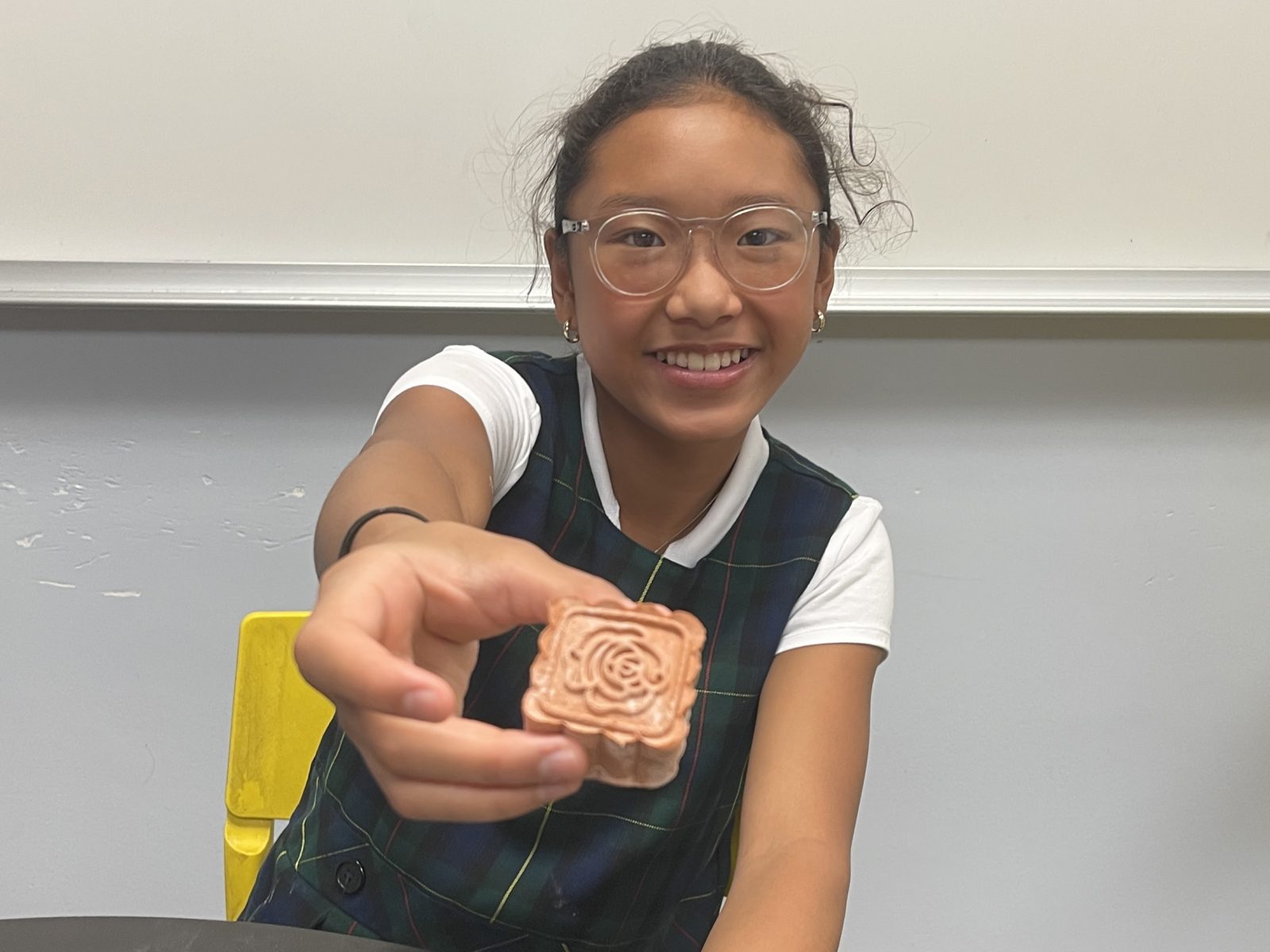
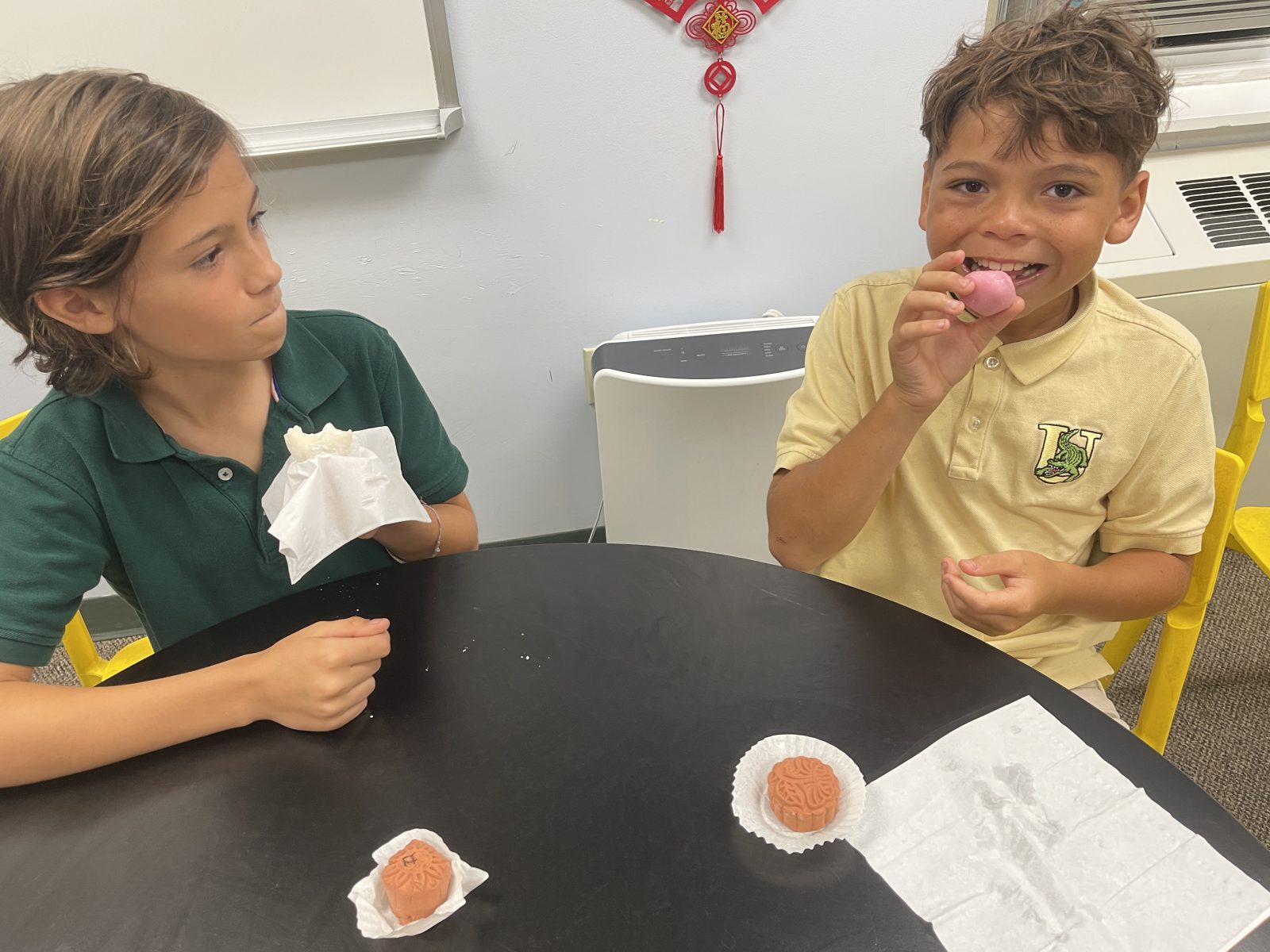
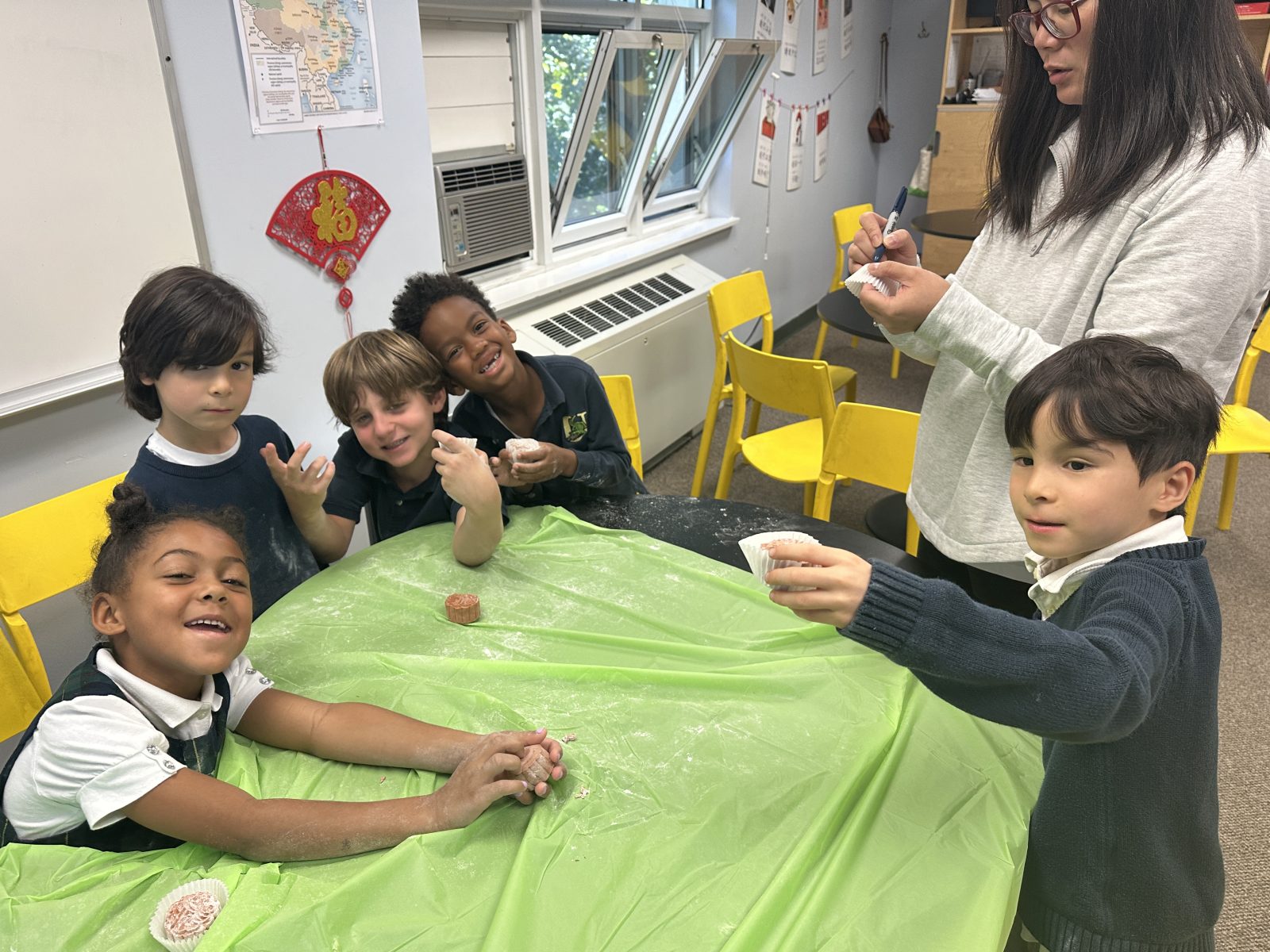
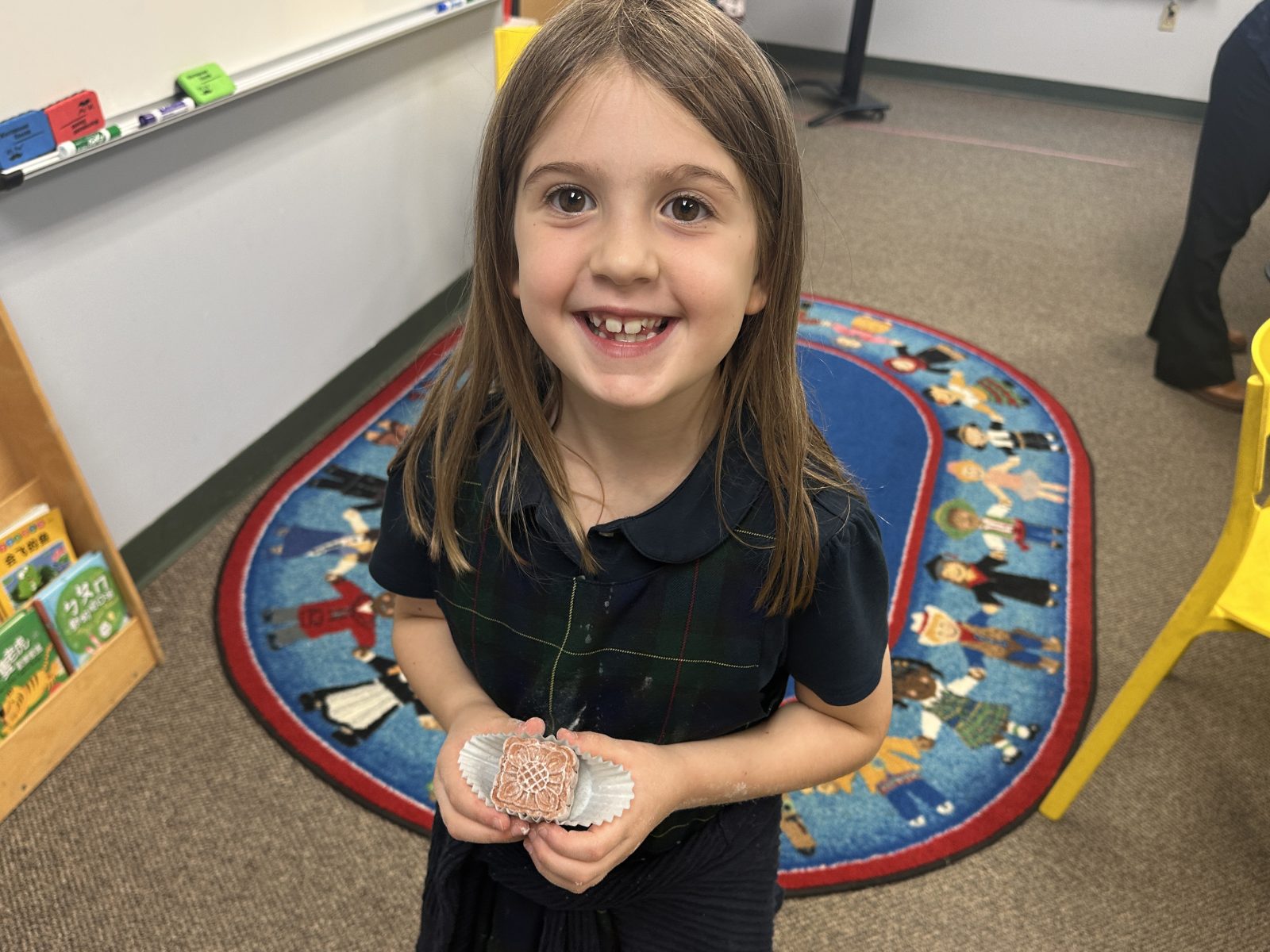
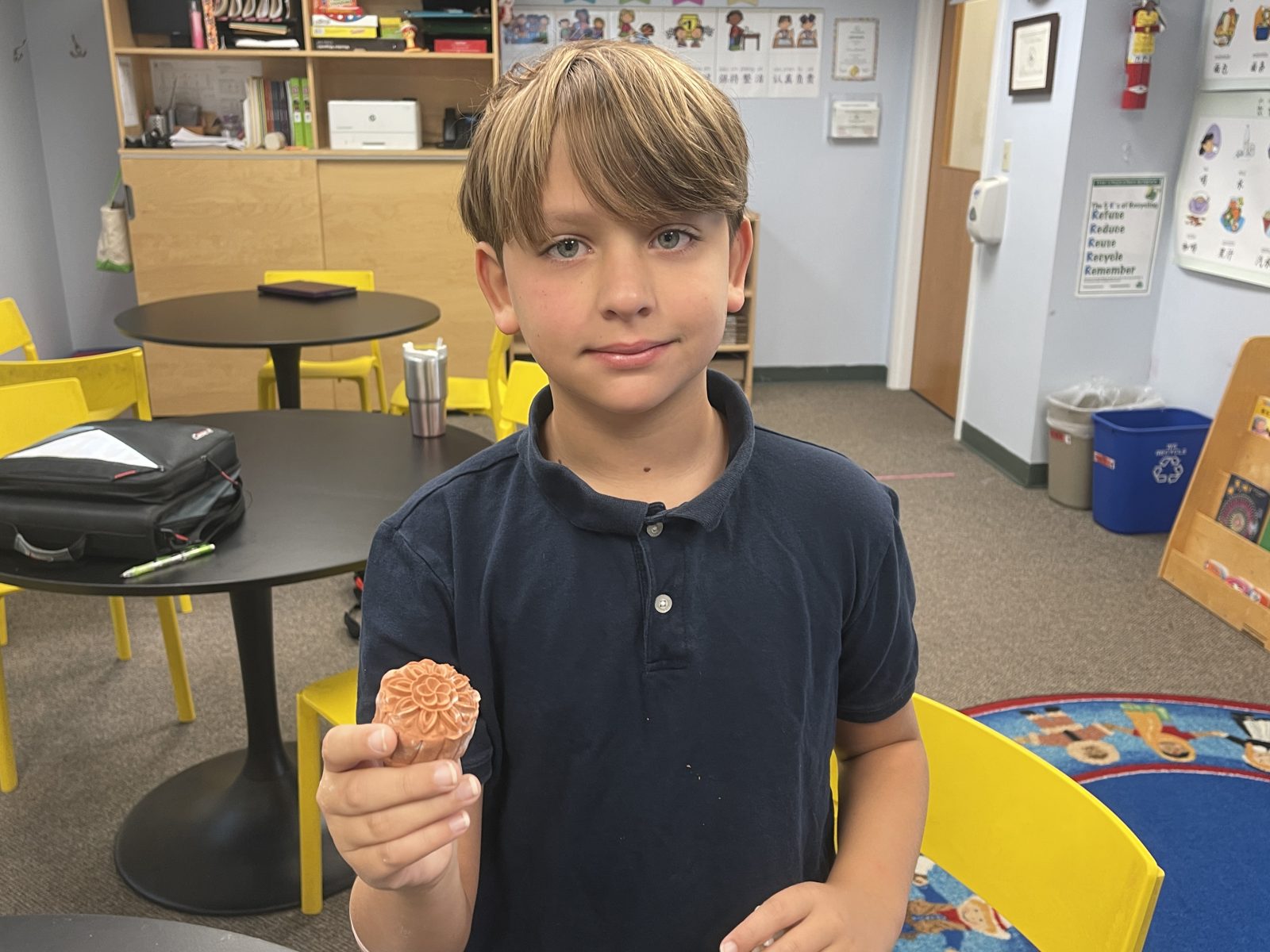
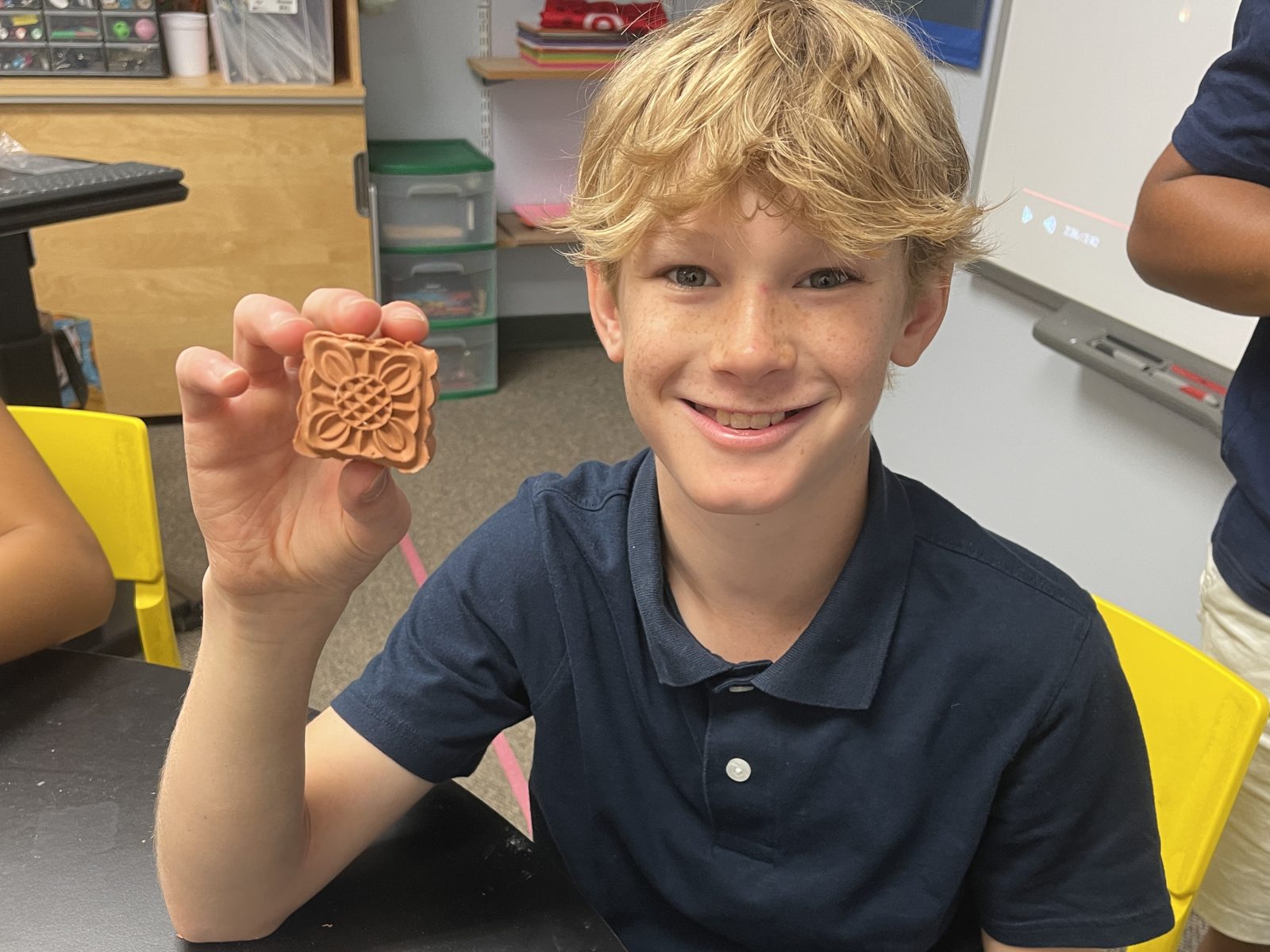
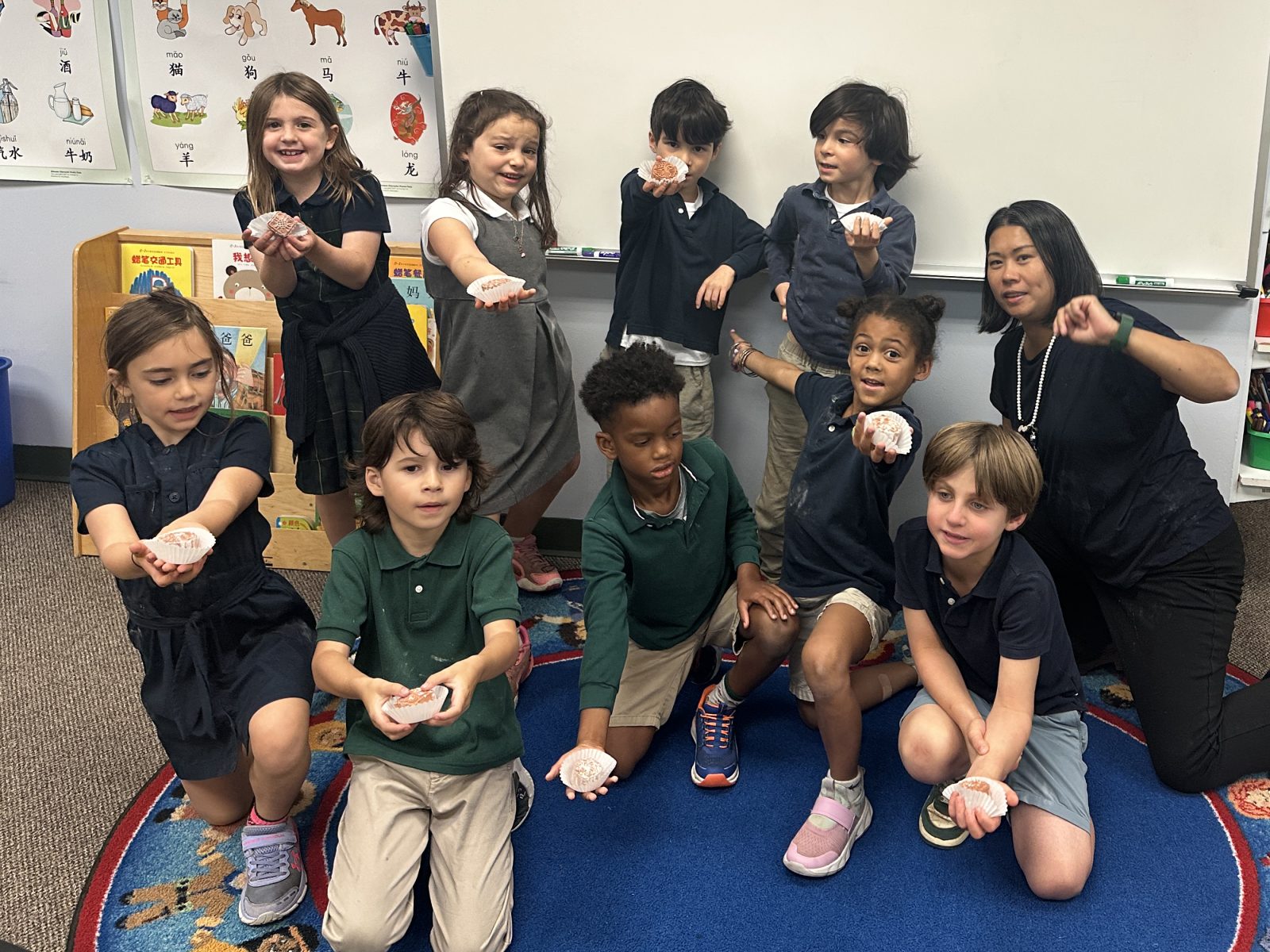
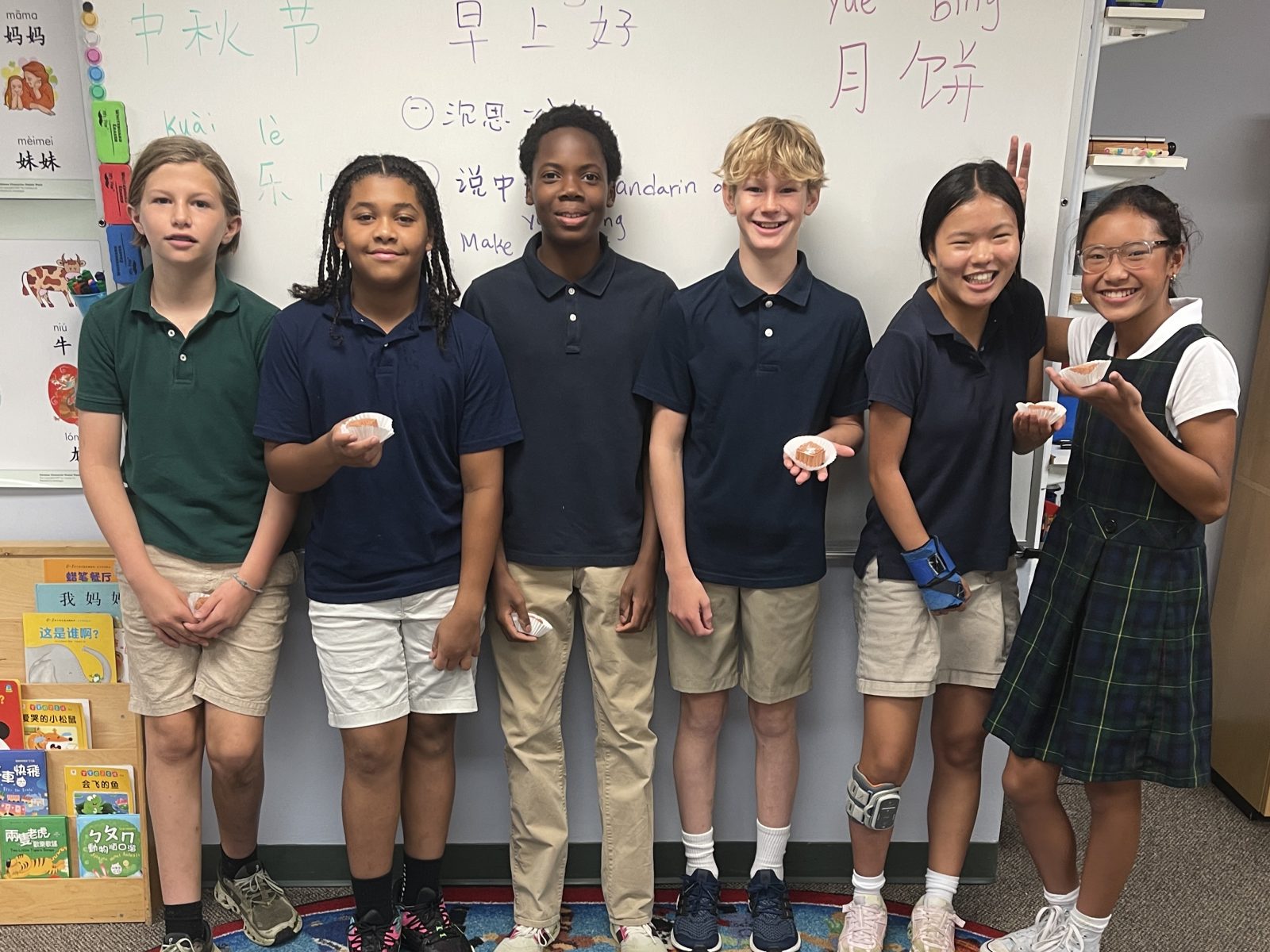
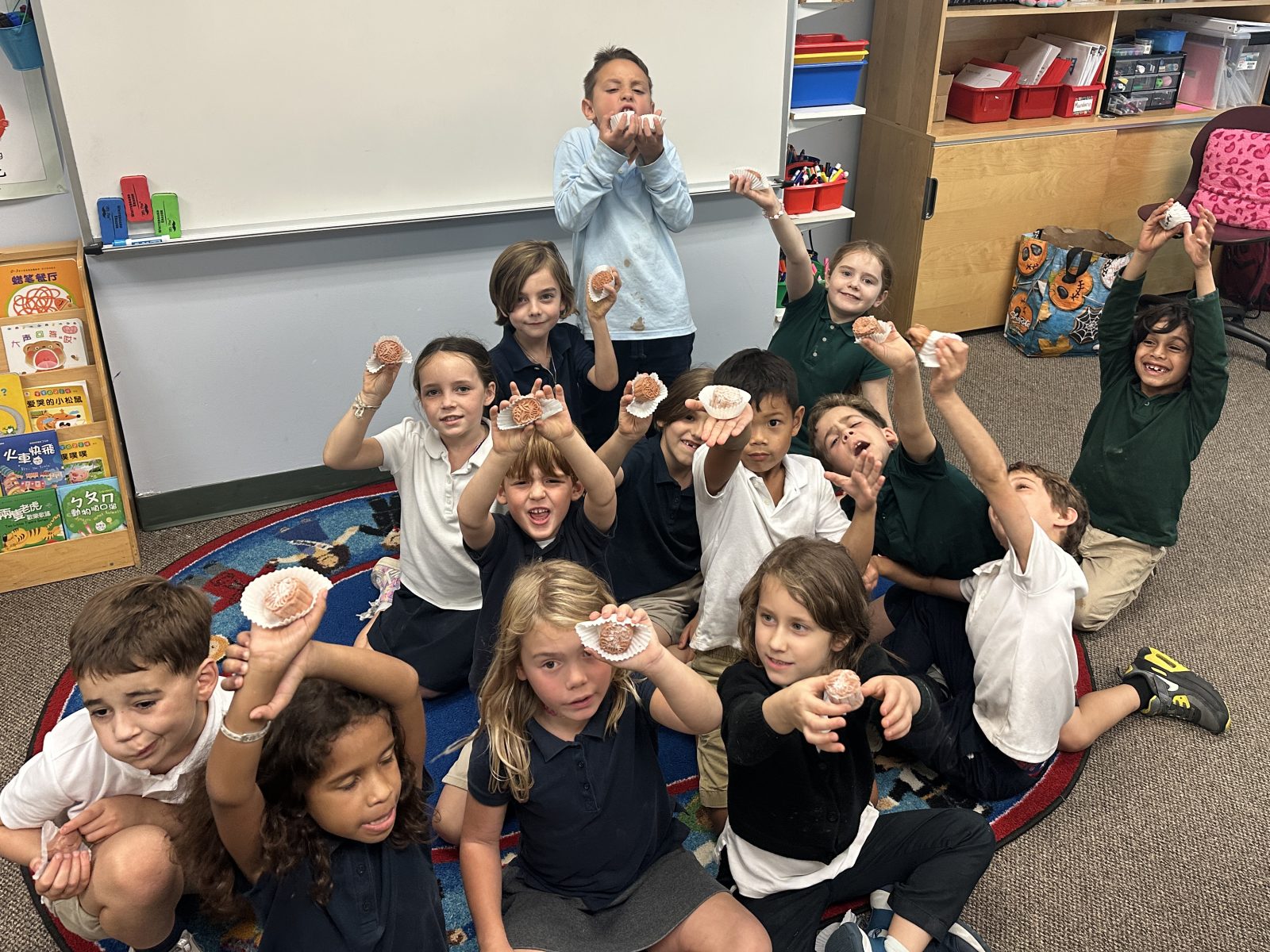
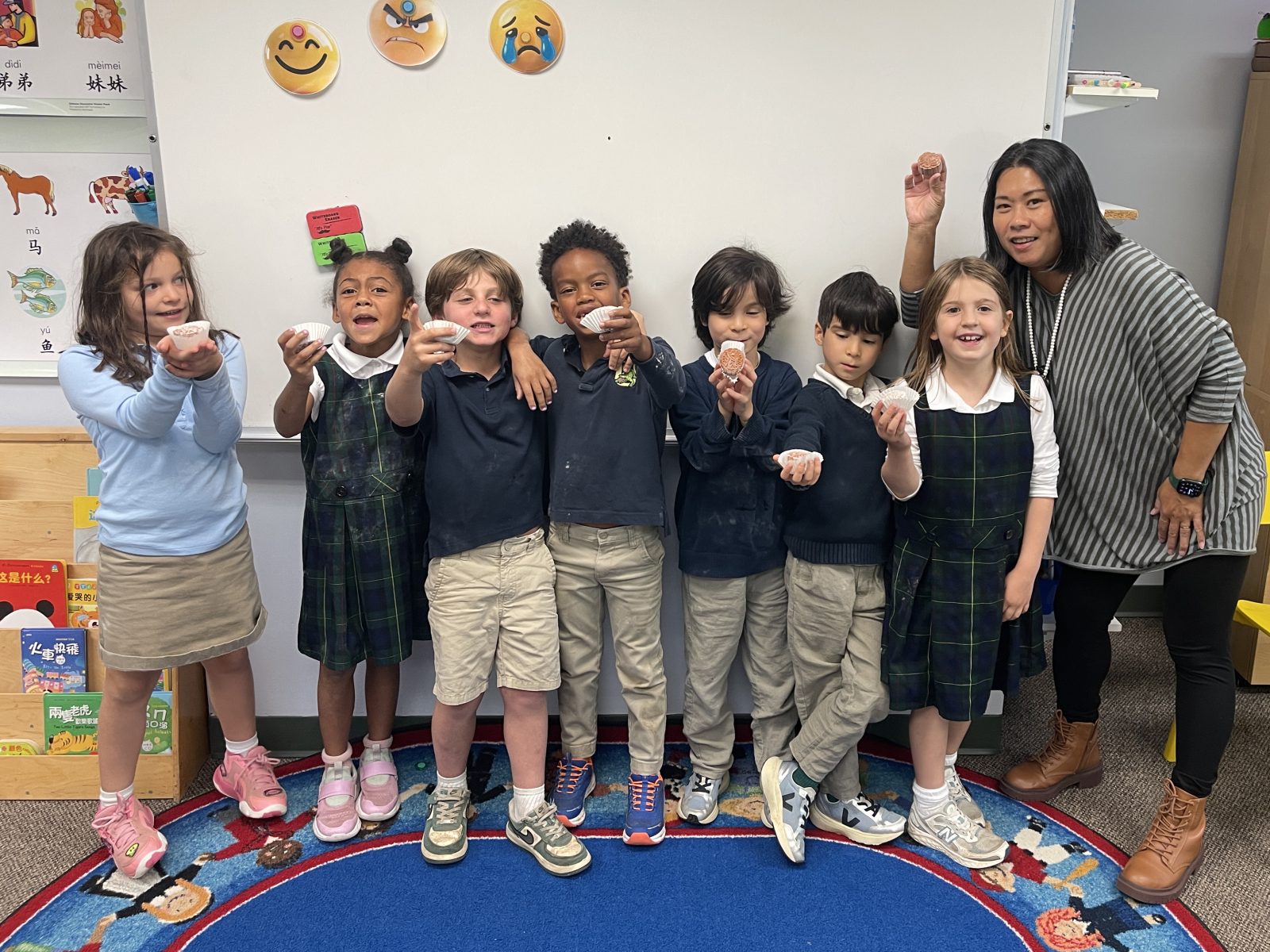
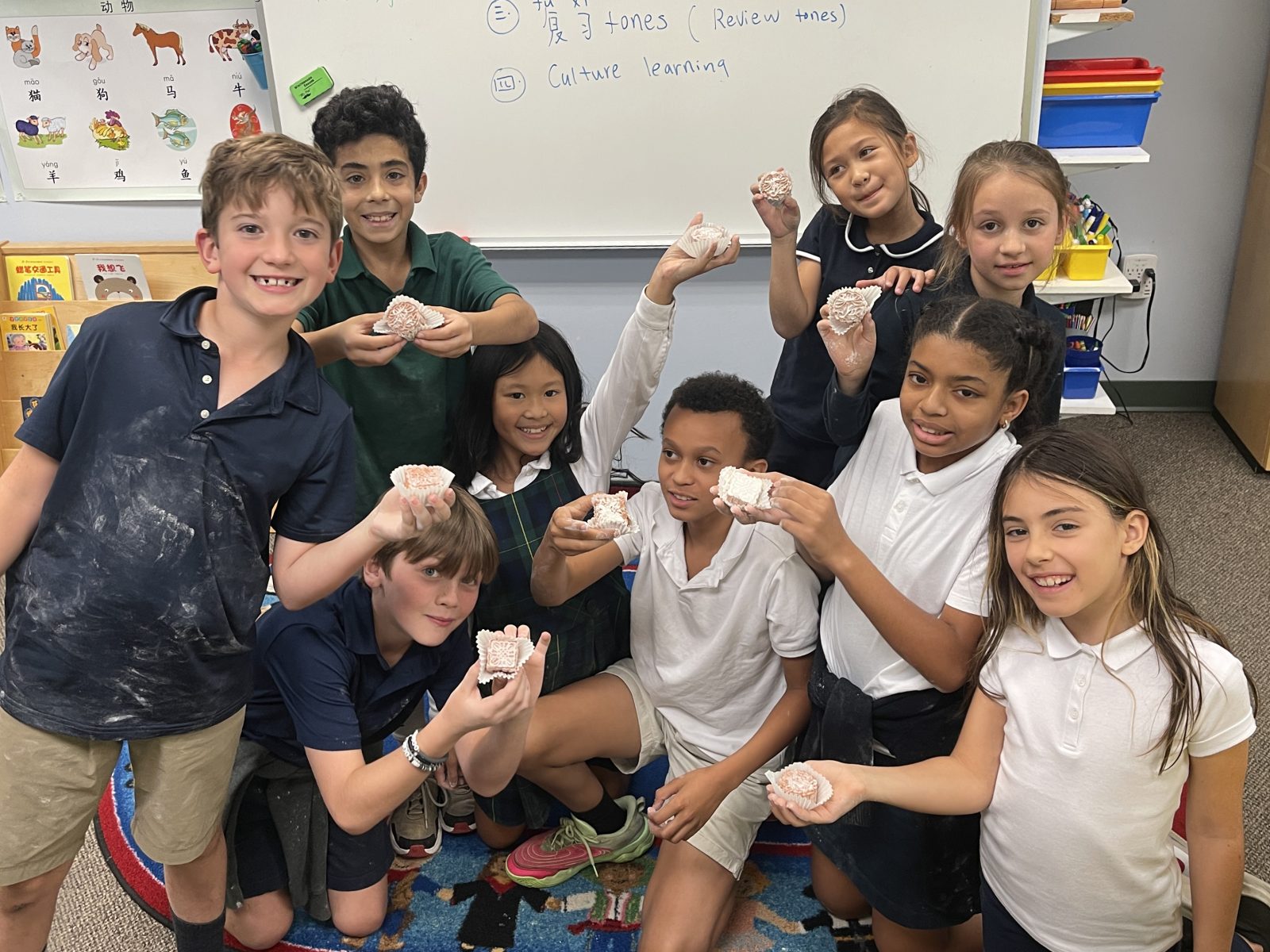
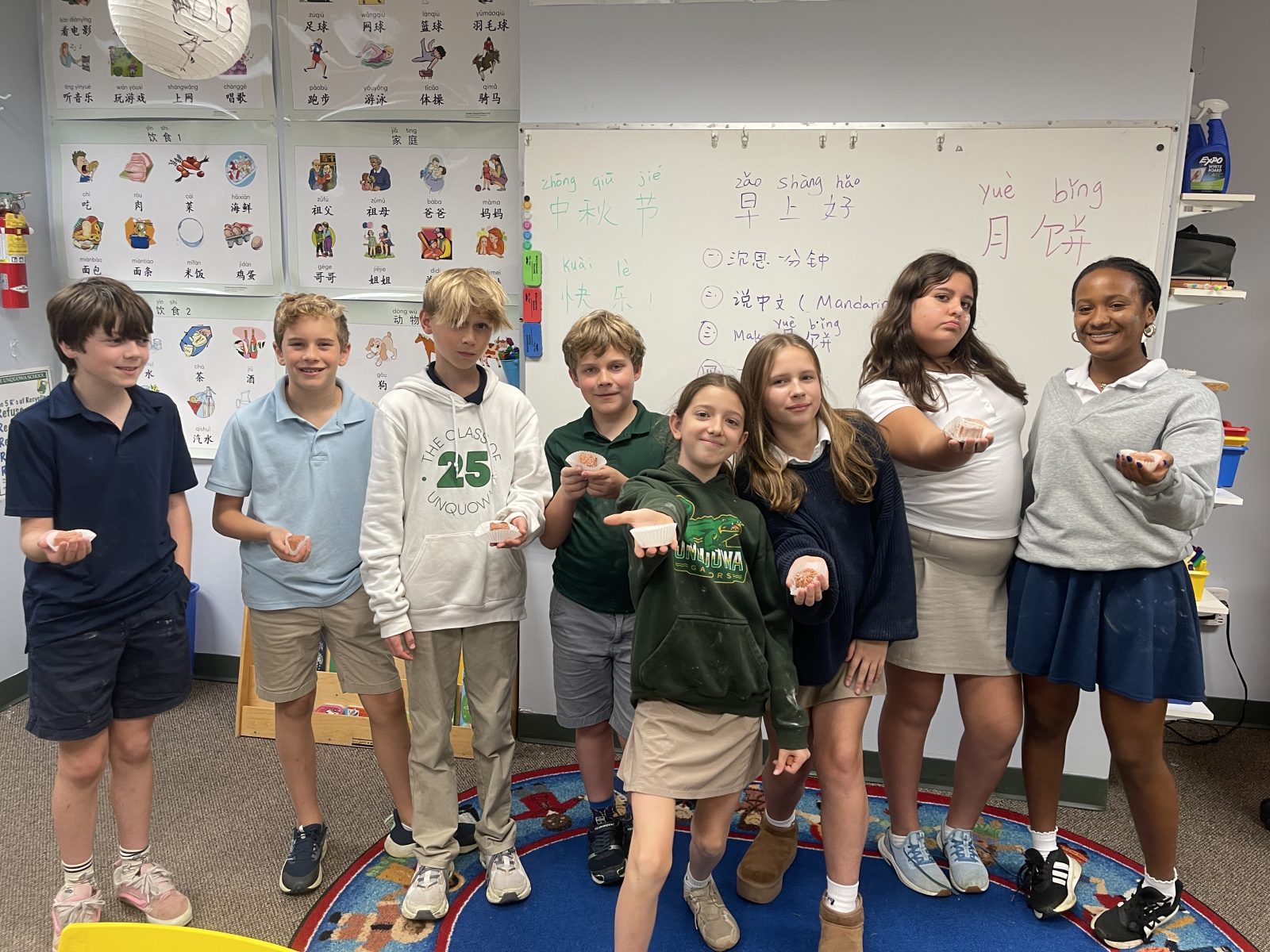
It’s that time of year again! Both Lower and Upper School Mandarin students celebrated the Mid-Autumn Festival — a joyful occasion that usually falls on the 15th day of the 8th lunar month, during the time of the fullest and brightest moon. Students made mooncakes out of clay, and Upper School students also tasted mochi!
This year, students used clay instead of real dough to press into the mooncake molds. They could choose from two shapes — square or round — and everyone was excited to see their own creations emerge from the mold. They loved this cultural class and hands-on activity. Some students even said they were going to bring their clay mooncakes home to trick their siblings and parents into taking a bite!
Upper School students enjoyed tasting the mochi, noting how the outside had a chewy dough-like texture while the inside was filled with ice cream.
Students also enjoyed learning that the festival honors the legendary hero Hou Yi and his wife, who is said to have gone to the moon, leaving him heartbroken. To express his love and longing, Hou Yi prepared a feast with mooncakes for dessert. The round shape of the mooncake symbolizes reunion, making this holiday similar to Thanksgiving — a time for families to gather, share delicious food, and appreciate the full moon together. In some areas, people fly lanterns to wish happiness and good health for their loved ones, further enhancing the spirit of togetherness during this cherished celebration.
The Mid-Autumn Festival culture class is always a favorite because students learn about the traditions in such a fun and engaging way. We are grateful to share this culture with the Unquowa community and to celebrate alongside our students!