











Qué lastima!
Posted by Elizabeth Corvese
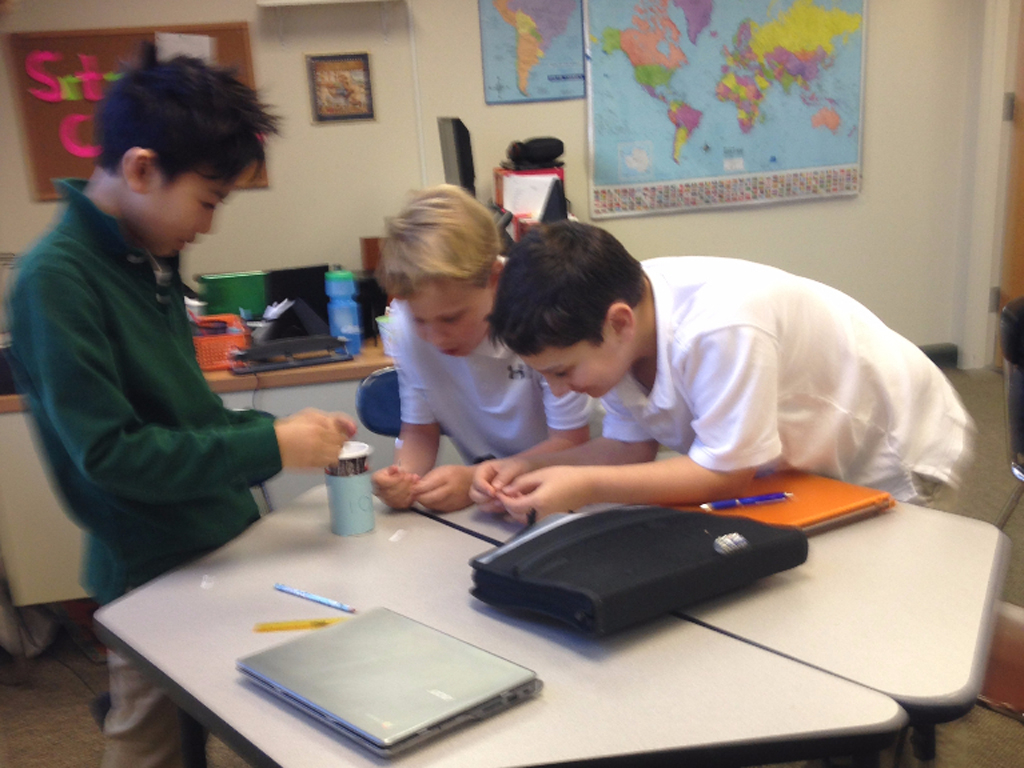
Fifth grade students played a game called Qué lastima (what a shame!) to review school subjects and months of the year vocabulary. Each group had a cup of vocabulary words that they had to take turns identifying in Spanish. If they correctly identified the vocabulary word they could keep the slip the paper. Each vocabulary word that they answered correctly was worth a point. Along with the vocabulary words, there were slips of paper that said Qué lastima, which meant that if they picked this piece out of the cup they had to put all the vocabulary words that they had back in the cup and start over again from zero points. Students enjoyed reviewing with their classmates and trying to guess how many more Qué lastimas were left in the cup!
Ballroom Dance
Posted by Megan Kirk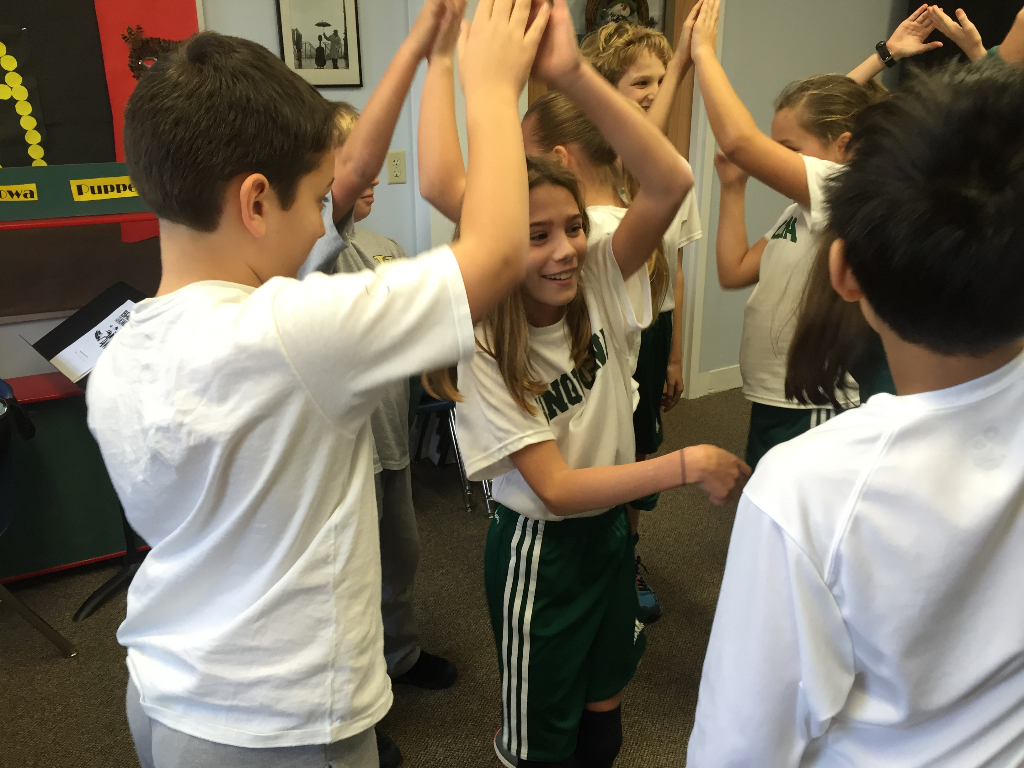
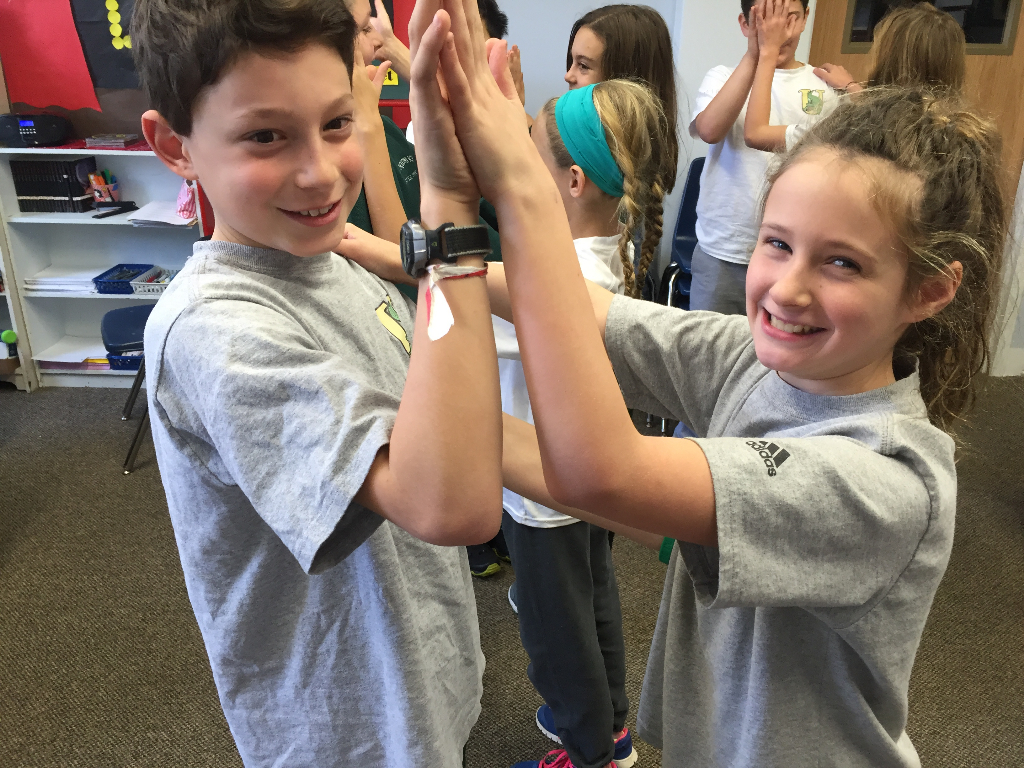
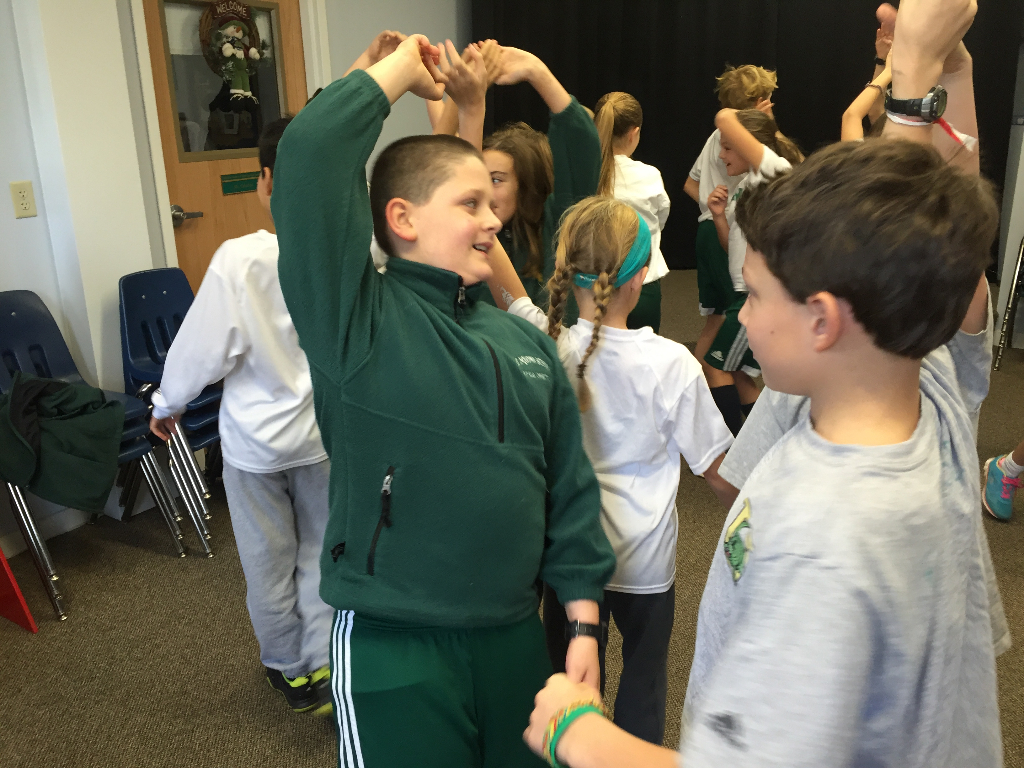
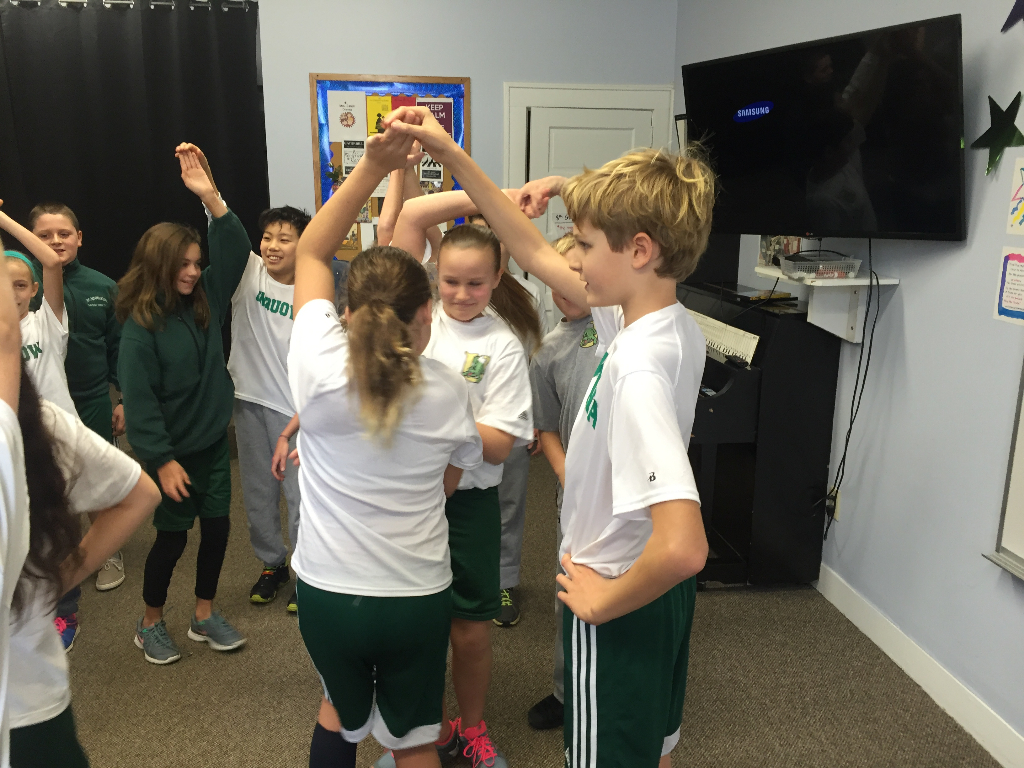
Students in fifth grade started a unit on Ballroom Dancing in Movement class. Teaching students how to partner dance gives them a great sense of respect for themselves and one another which helps them to work together as a team. Partner dancing also helps with students’ posture and the way they carry themselves throughout the day. After our first lesson, students were commenting on how they felt like they “grew” due to the correct posture they were using! Of course there were a few giggles and students feeling unsure of this new unit in movement class, but they all soon realized how fun and rewarding dancing together can be! It was a great feeling to see all of the smiles and feelings of accomplishment after only one lesson!
Cracking the Code!
Posted by Lloyd Mitchell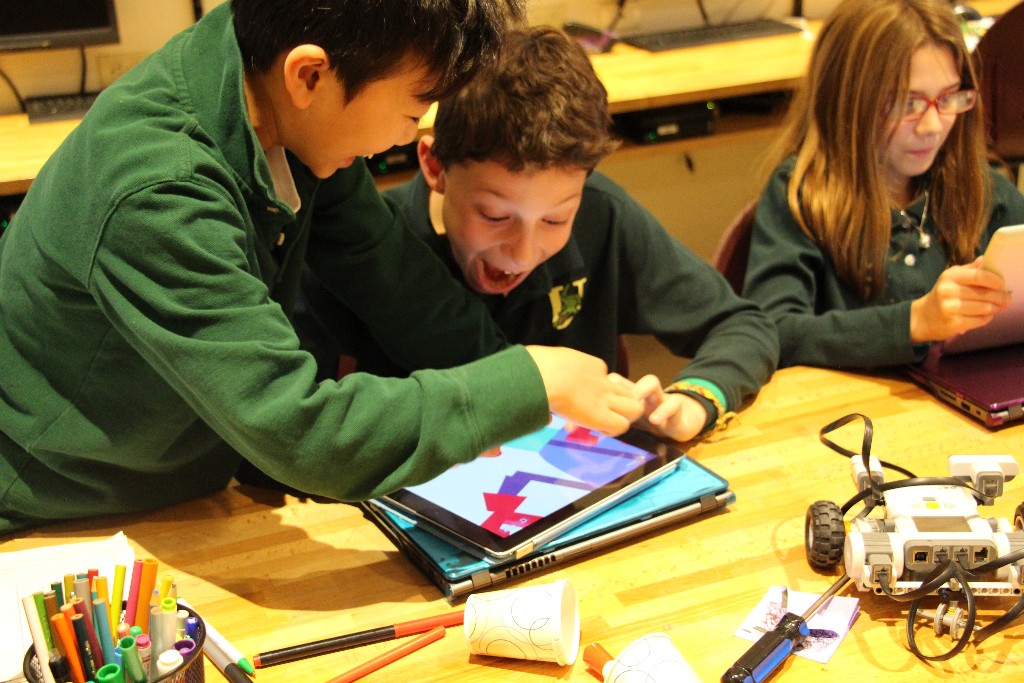
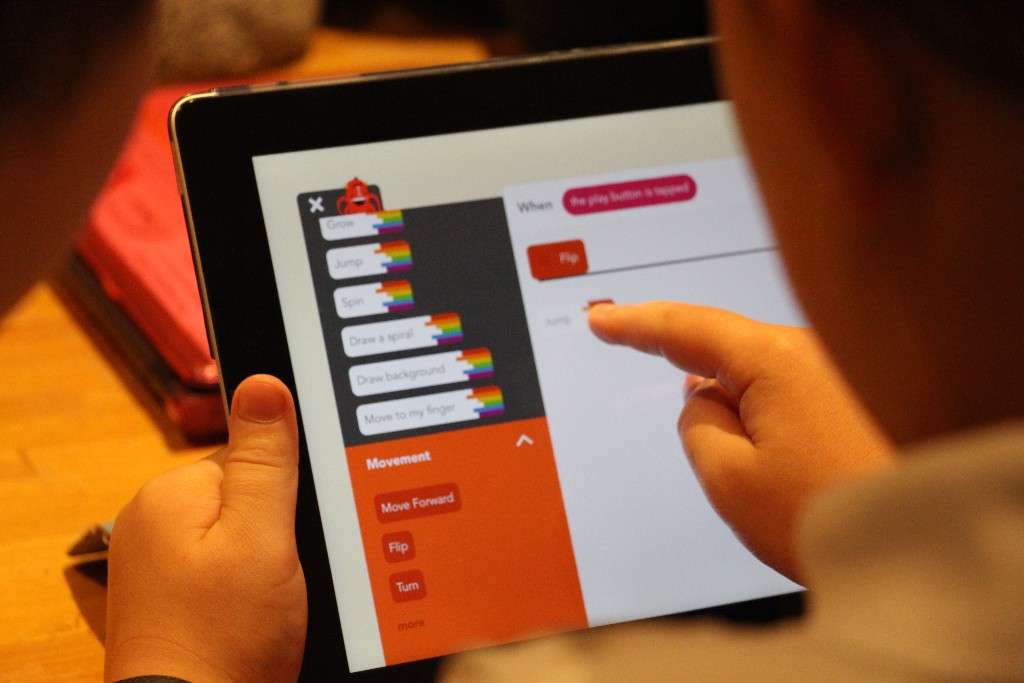
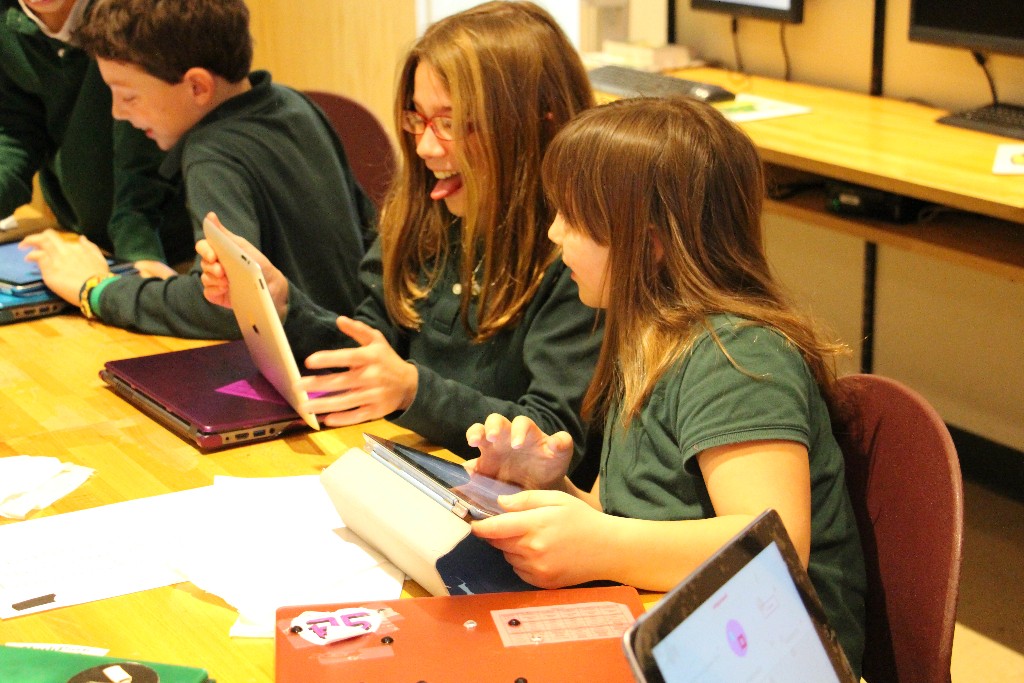
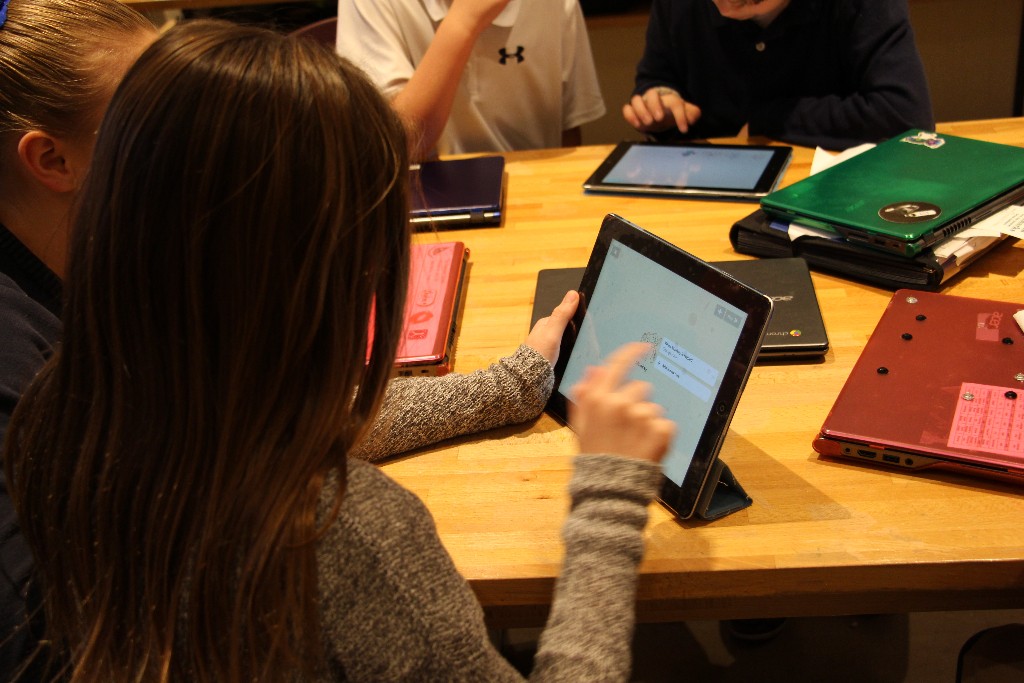

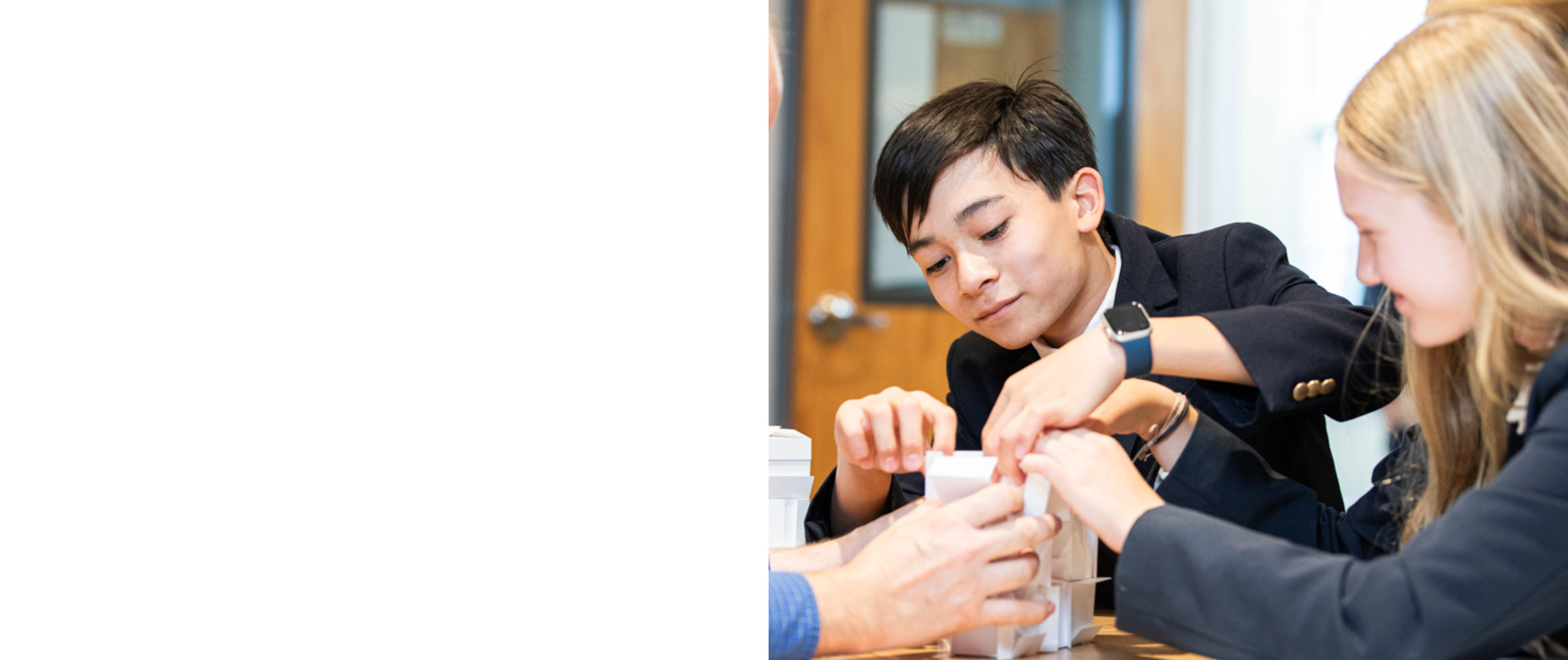
Fifth grade has recently begun exploring coding utilizing an app called Hopscotch. Starting with a simple object on the screen, students began by creating simple commands and watching their object come to life. By the end of their first class, the excitement in the room was bubbling over – it was clear that they wanted more! This is just the tip of the iceberg as we work to create our own coded games in the coming weeks!
¡Cómo vuela el tiempo!
Posted by Katie Brenna
To help fifth grade students review telling time in Spanish we played a game that I like to call “Time Flies.” Two student competitors were each equipped with a fly swatter and positioned in front of many different clock faces depicting various times. As a time was announced in Spanish, students searched and swatted the time that matched what they were hearing. As class drew to an end, student participants commented, “Class is over already?!?” How could I resist saying, “My how time flies when you’re playing Time Flies!”
A Step Back In Time
Posted by Mary Faulkner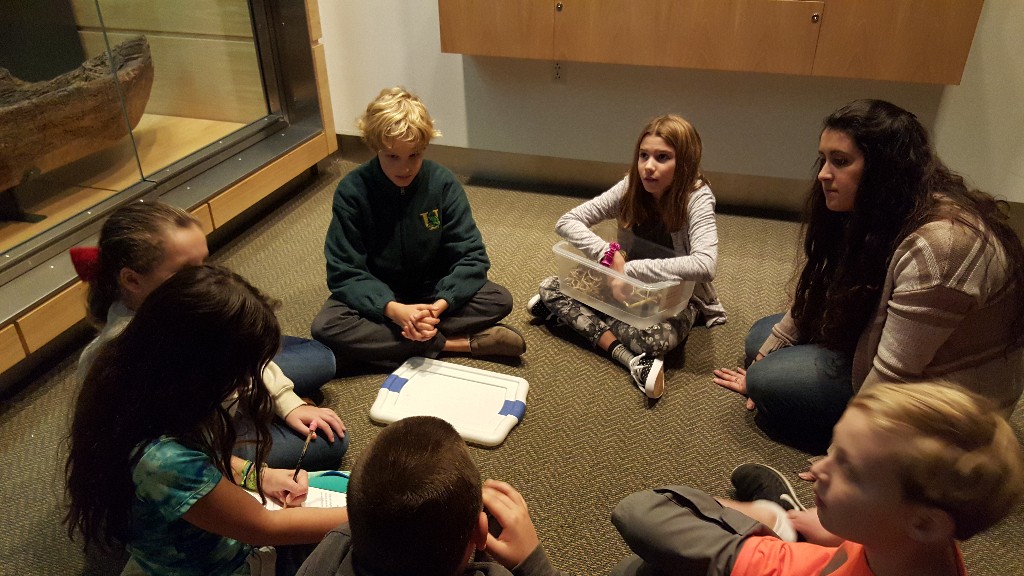
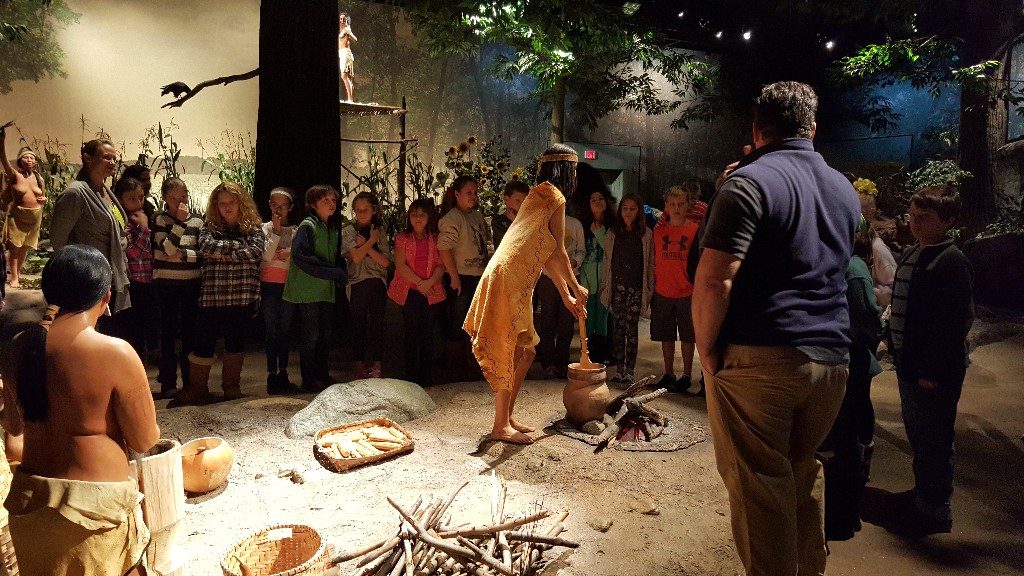
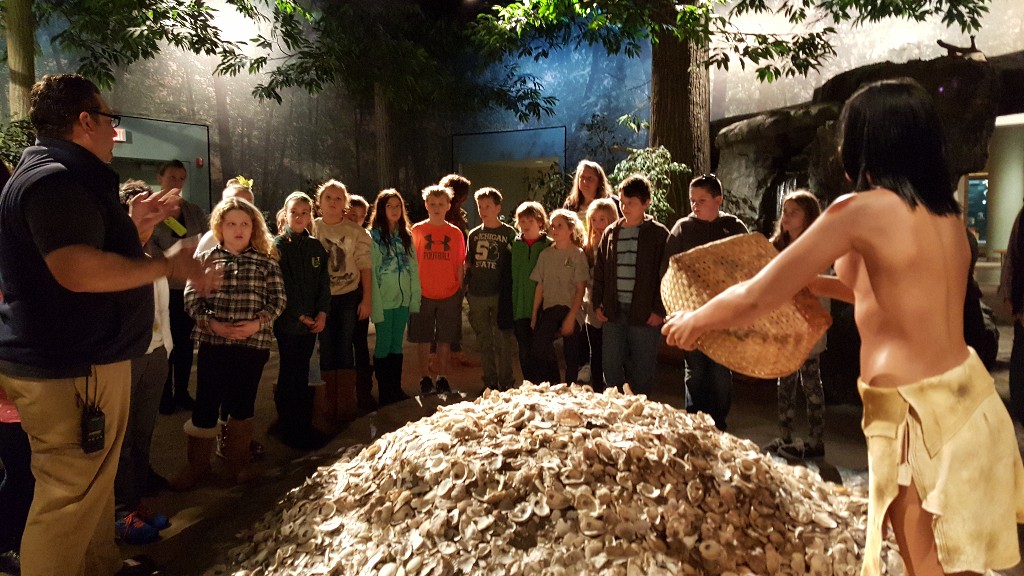
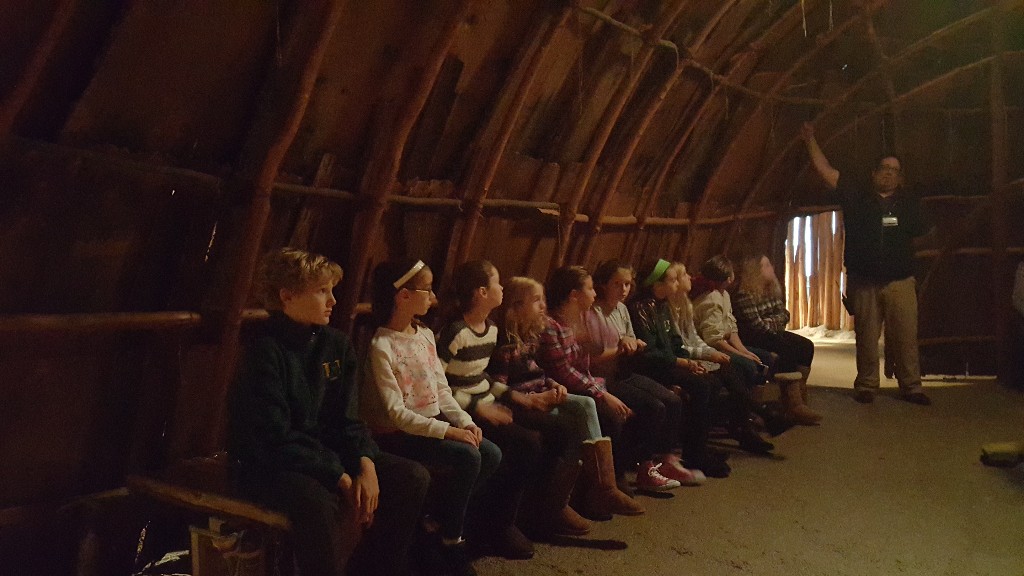
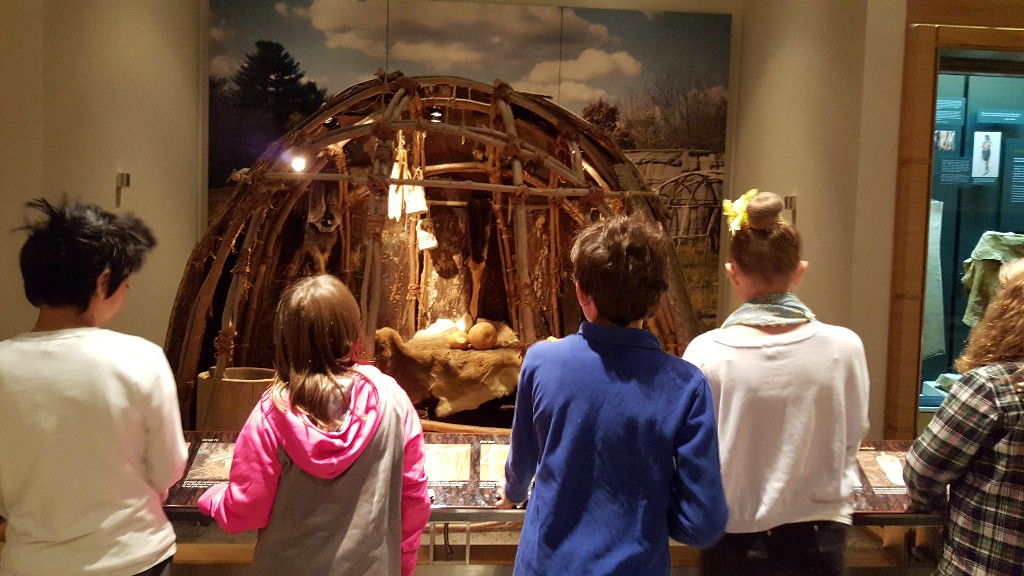
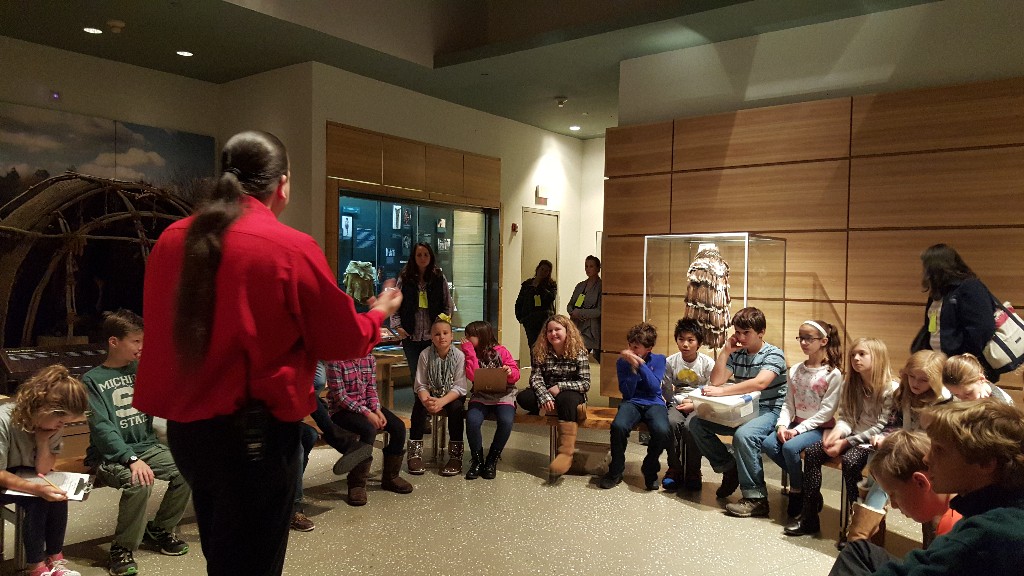
The fifth grade class visited the Mashantucket Pequot Museum and Research Center. While there, they attended a workshop where they learned about the resources available to the Pequot Indians who lived along the Connecticut coast and learned about some of the ways they would have hunted, fished and made clothing, homes and tools. They were then given a box of things the Native American’s would have used and using the resources and displays on different areas of the museum, identified and learned about the objects. When the activity was complete, each group presented their objects and explained what each thing was and what tasks it helped complete.
Students were also led by a museum docent through a replica of a Pequot village in the summer time. Along the paths were scenes of a day in the life of the Pequot people. From children playing to women preparing deer after a hunt, the students were amazed at the authenticity of the village and had so many questions. They were truly fascinated by the day to day life and struggles of the Pequot people. Hands were raised throughout the tour to answer and ask questions. The day ended with a ride in the elevator to the tower. Here students were treated to an amazing view overlooking the reservation.
Is The Weather Different in Adjacent Habitats?
Posted by Mary Faulkner


As part of fifth grade’s Earth Science unit, the students traveled to The Fairfield Audubon for a field experience focused on weather and climate. The young scientists investigated three different habitats; meadow, swamp and woodland. After discussing the characteristics of each of these diverse habitats students collected scientific data. At each site they recorded air temperature, wind speed and checked rain gauges. They recorded and compared the data from each site, making inferences about the fluctuations in information gathered. They also learned how to use a compass and plotted the sun’s location in the sky over a four hour period. After warming up back at the center and a bite to eat, the students headed back outside to visit the birds of pray paddock and play a fun game. Teachers, parents and students alike were captivated by the stories of the injured and rescued birds. They learned what to do if they find an injured animal. The game also taught students about humans impact on the environment. Students assumed the role of migrating birds, while other students were predators. Depending on which obstacles they faced along the way, such as habitat destruction, disease caused by pesticides, or an increase in predators, the migrating birds survived or didn’t. Though this game was fun it also showed students how outside conditions, whether natural or occurring via human impact, affect the natural world. It was truly a day packed with learning and fun!