






Little Surprises in Unquowa’s Garden!
Posted by Ann Palm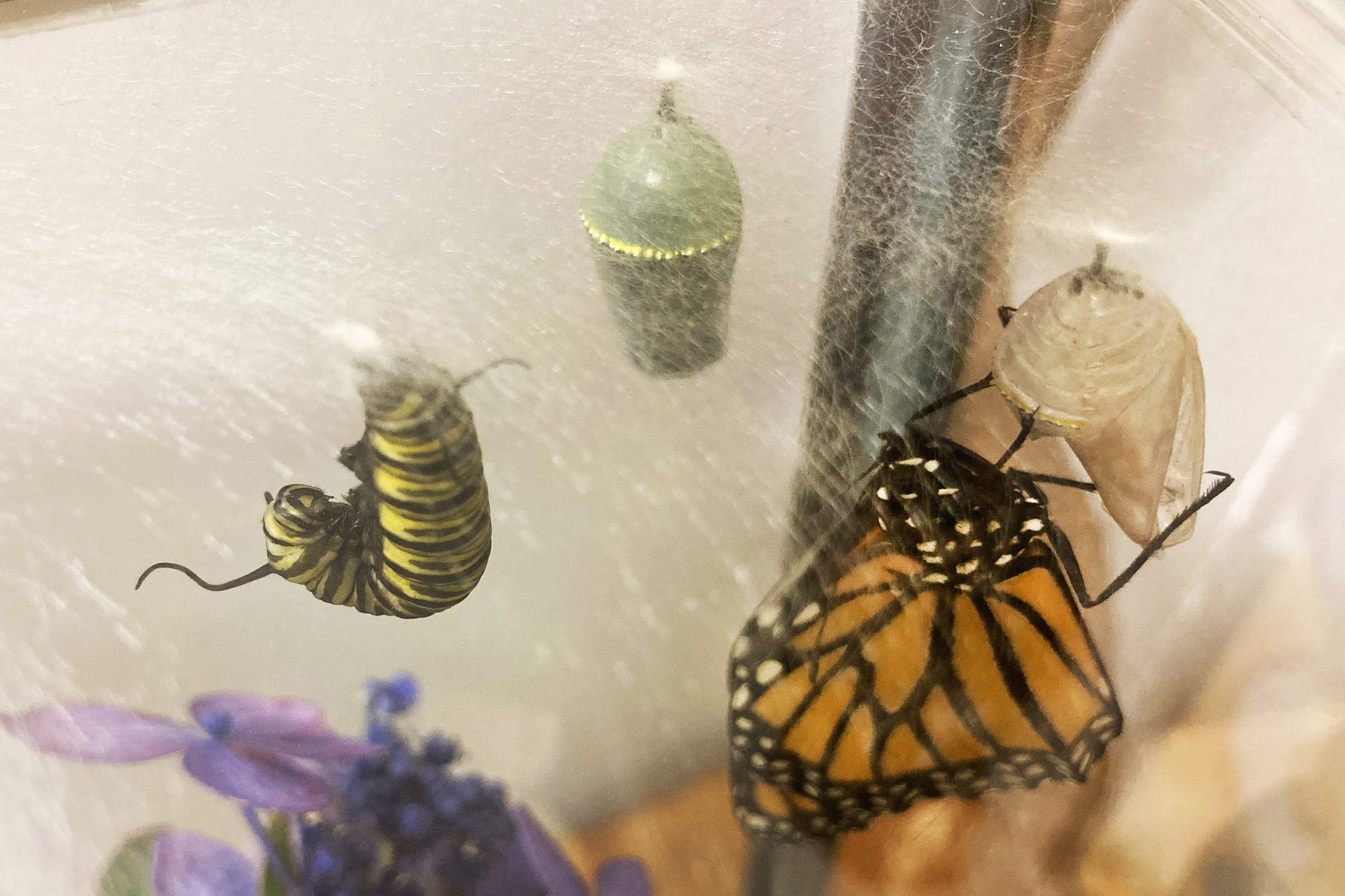
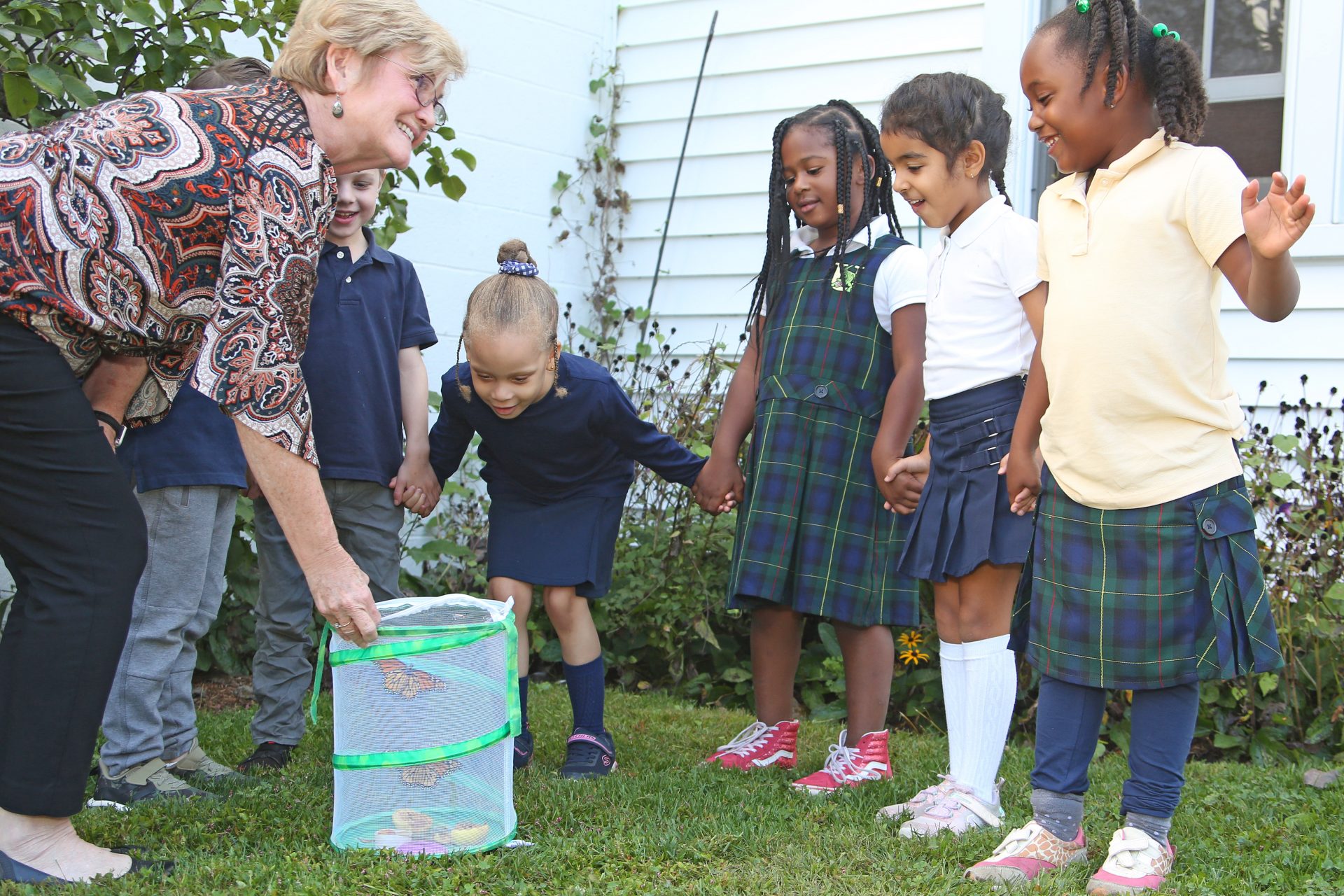
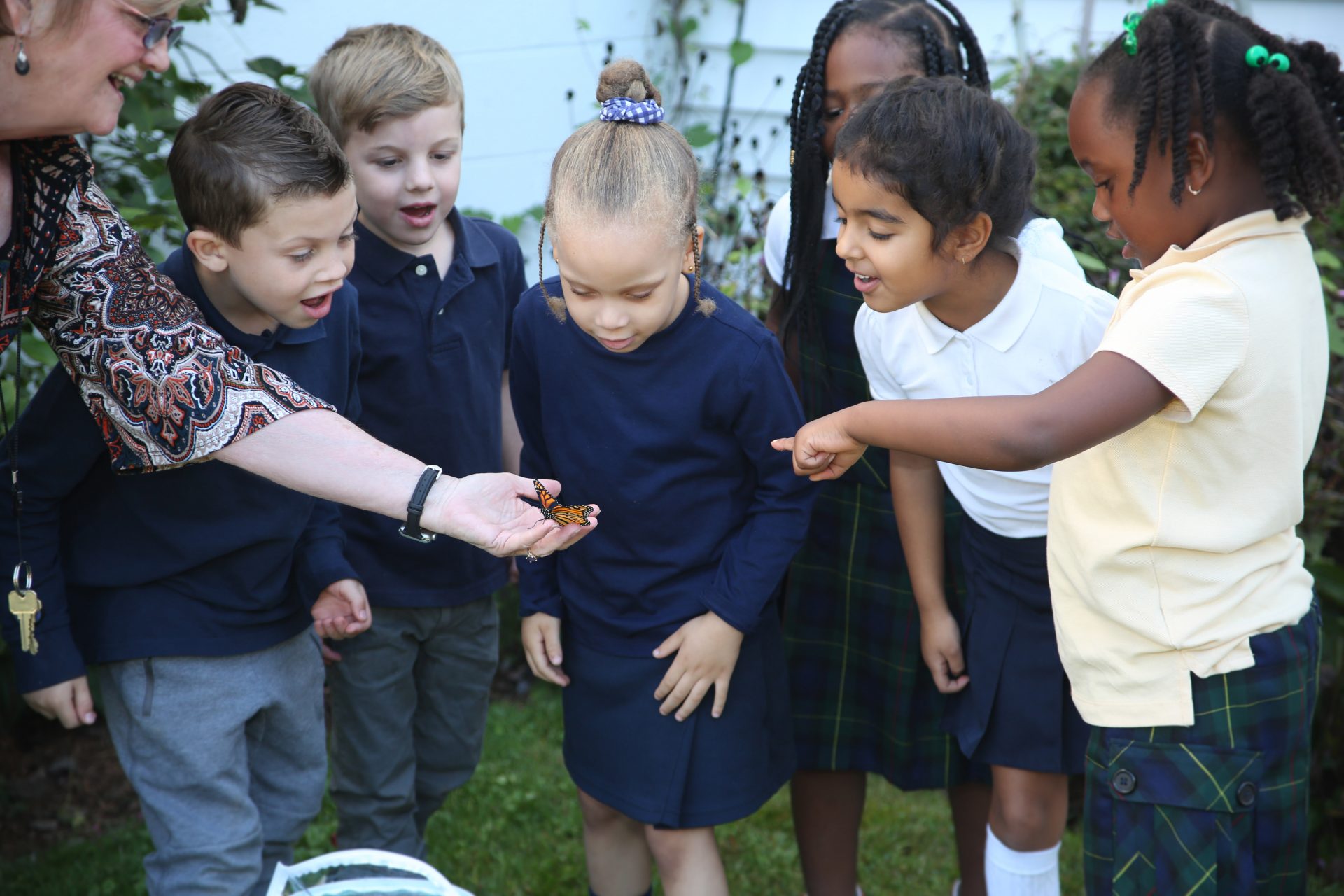
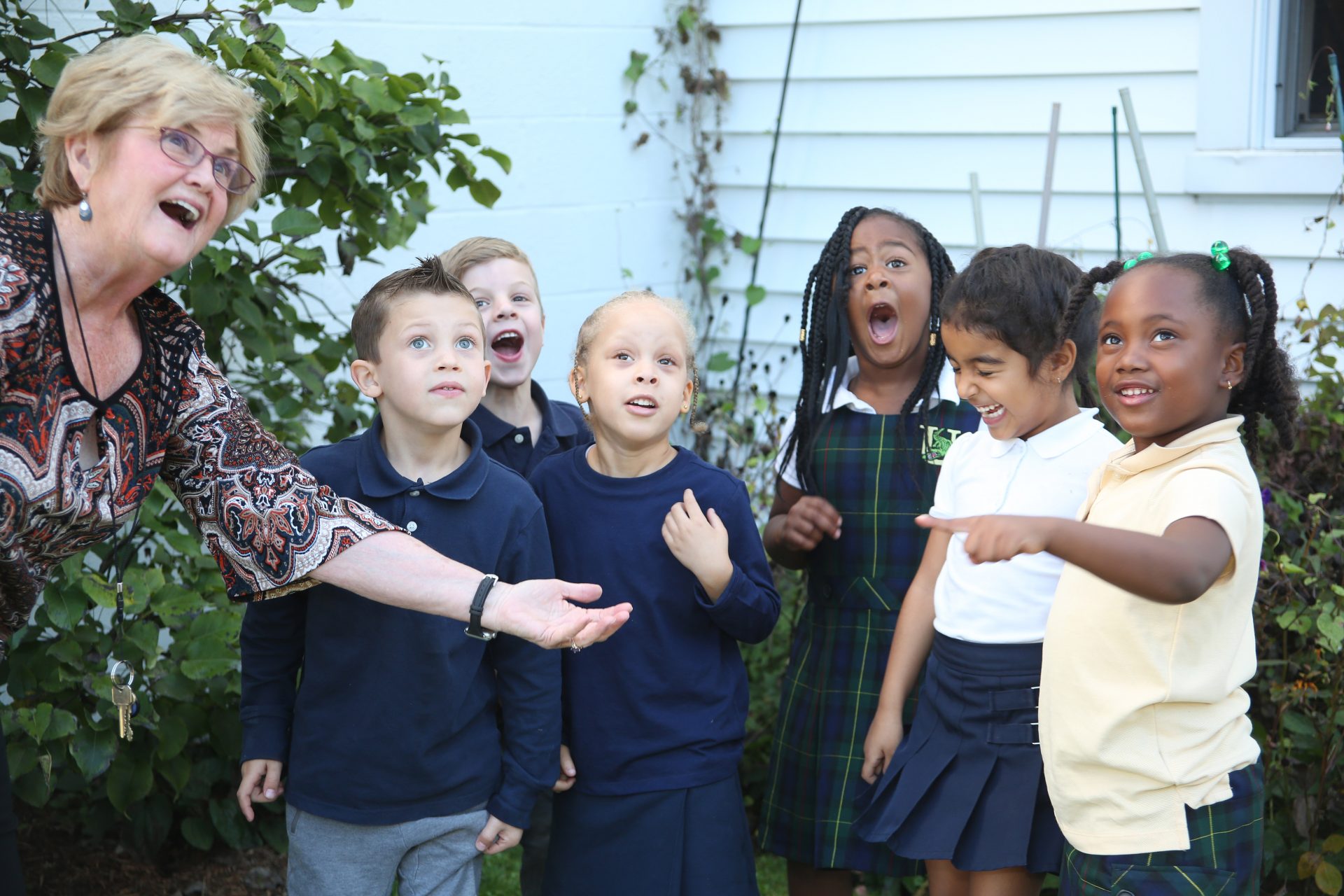
In the fall there is a surprise in the Unquowa Garden! They are very small creatures that love and only eat milkweed. On the milkweed leaves Kindergarten found very small caterpillars. We brought them inside thinking we had two caterpillars but we actually had five hidden in the leaves! What a surprise! Daily we watched them change. “What are those black balls at the bottom of the aquarium?” the Kindergarteners asked. We soon learned that as the caterpillars grow they loose their skin and grow new skin. The black balls are their old skin. When the caterpillar hangs from the top of the aquarium looking like a letter J we know it’s getting ready to makes it’s chrysalis. The chrysalis is beautiful. It is bright green with gold dots. “Can we keep the gold?” asked the Kindergarteners. Again another discovery, after the chrysalis breaks open the gold is gone. Could it be in the color of the butterflies wings? After observing our adult Monarch butterflies for a few days we let them free. Some of us were sad to see them go and we wondered what else we could find in Unquowa’s garden?
Park City Composting Visit #2 (Composting Commenced!)
Posted by Joshua Bartosiewicz-
- Here, students are learning about the basic foundation of the composting pile; a Carbon Source (sawdust, leafs, sticks, etc.)!
-
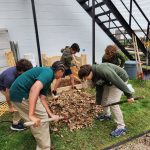
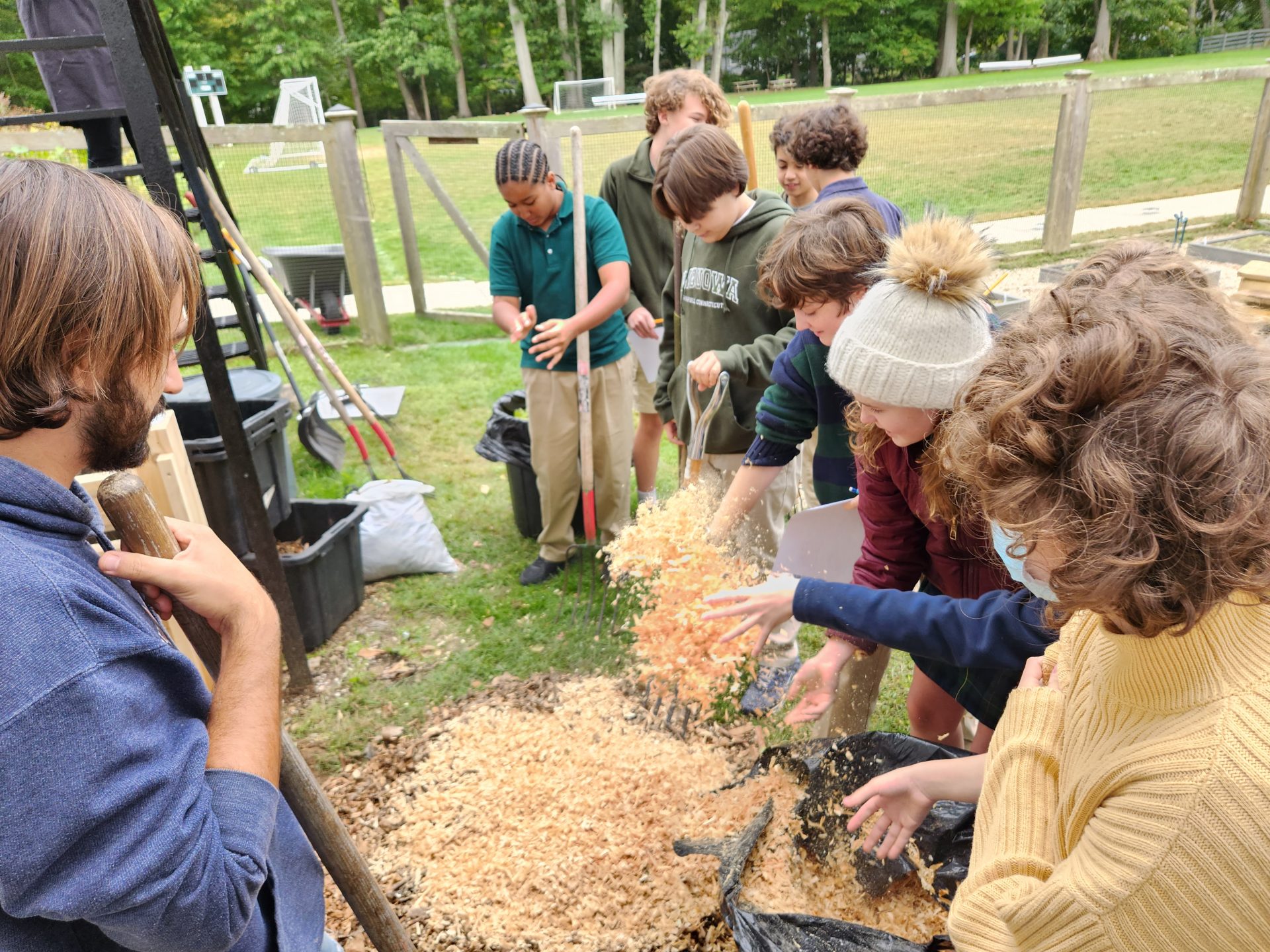
- Our 8th graders are blending the carbon sources together! This also allows for air flow (porosity)!

-
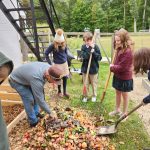
- Park and City composting volunteer showing the students the organic, compostable material.
-
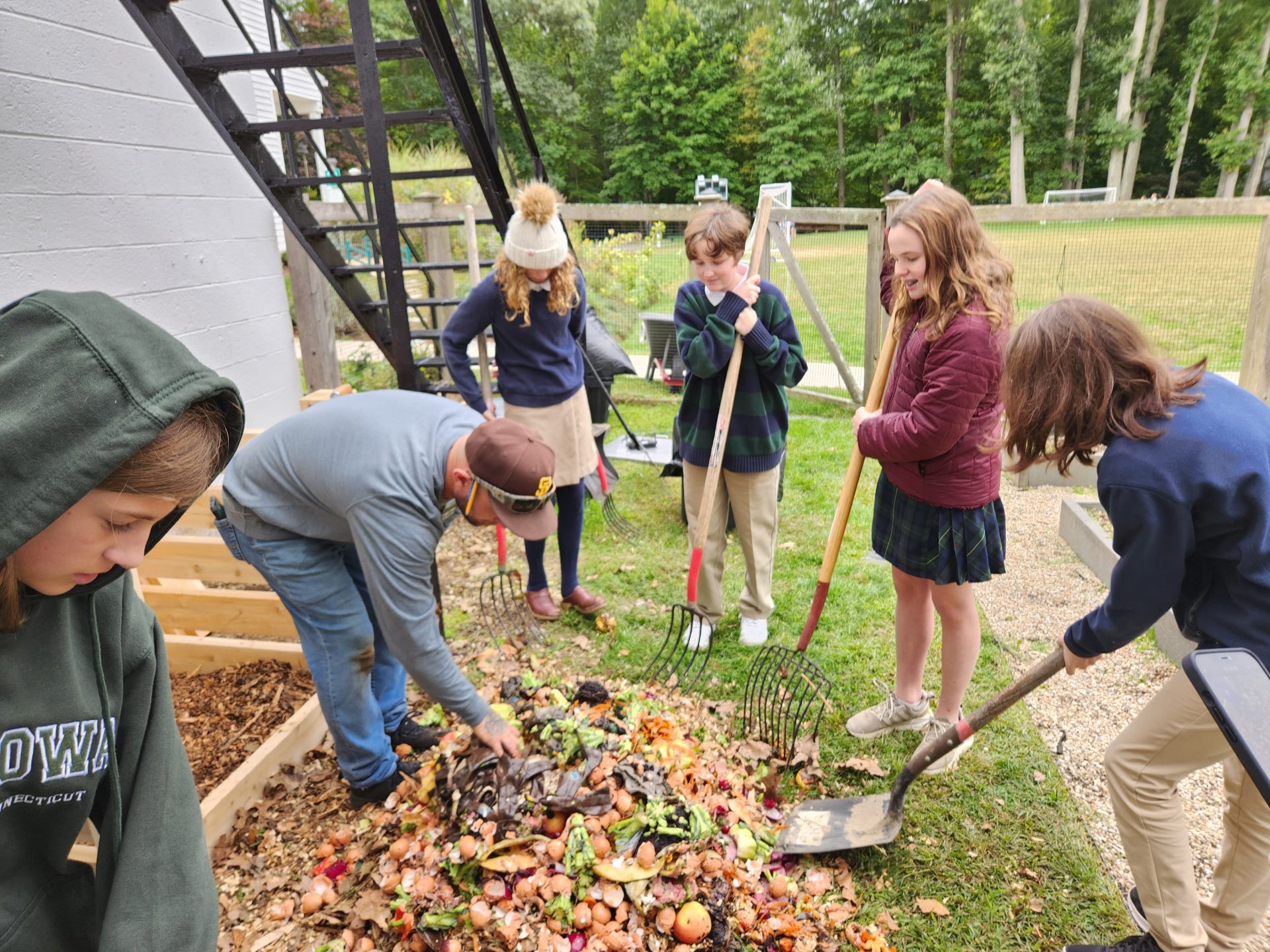
- Our scholars are blending and chopping the compostable material to speed up the breakdown process.
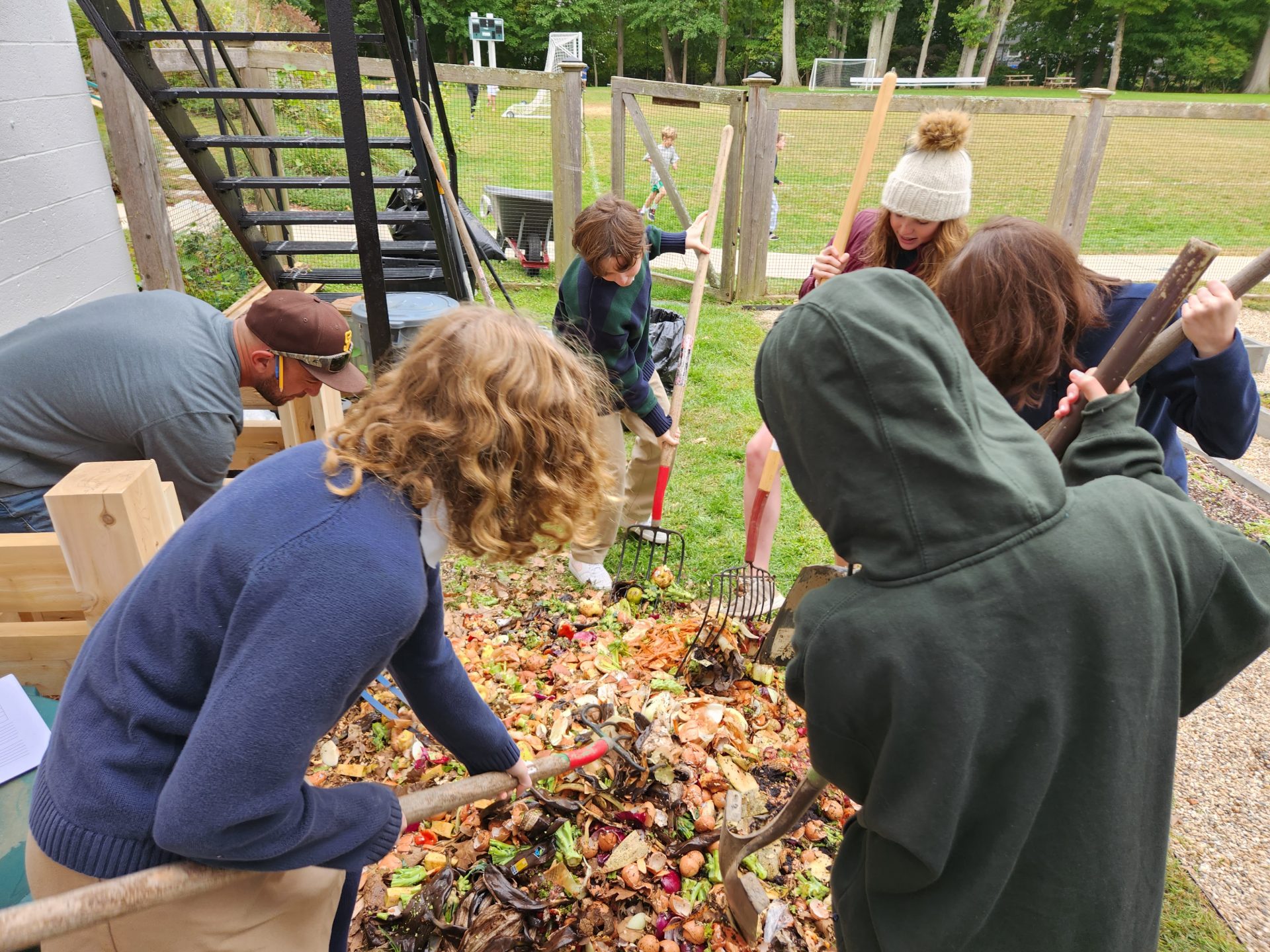
This week with Park City Composting, our 8th graders participated in the beginning process of starting the school’s compost pile! Students were able to get a first hand look at what kind of materials can be put into a compost pile; carbon sources (leafs, wood chips, sawdusts) were mixed in as the base of this concoction. Once the pile was mixed by the students, the compostable material (broccoli stalks, apples, egg shells, egg cartons, fruit rinds and peels) was also added then blended in. Our scholars wrote down some preliminary observations and data that will serve as the starting point (standard or datum) for our recordings and findings. We will continue to monitor (record data like temperature, etc) and modify the compost pile weekly; by the end of the school year we should have a fantastic baseline for the Unquowa composting program. It is exciting to announce that the Unquowa composting project has officially begun!
Park City Composting Program #1 (Intro to Composting)
Posted by Joshua Bartosiewicz-
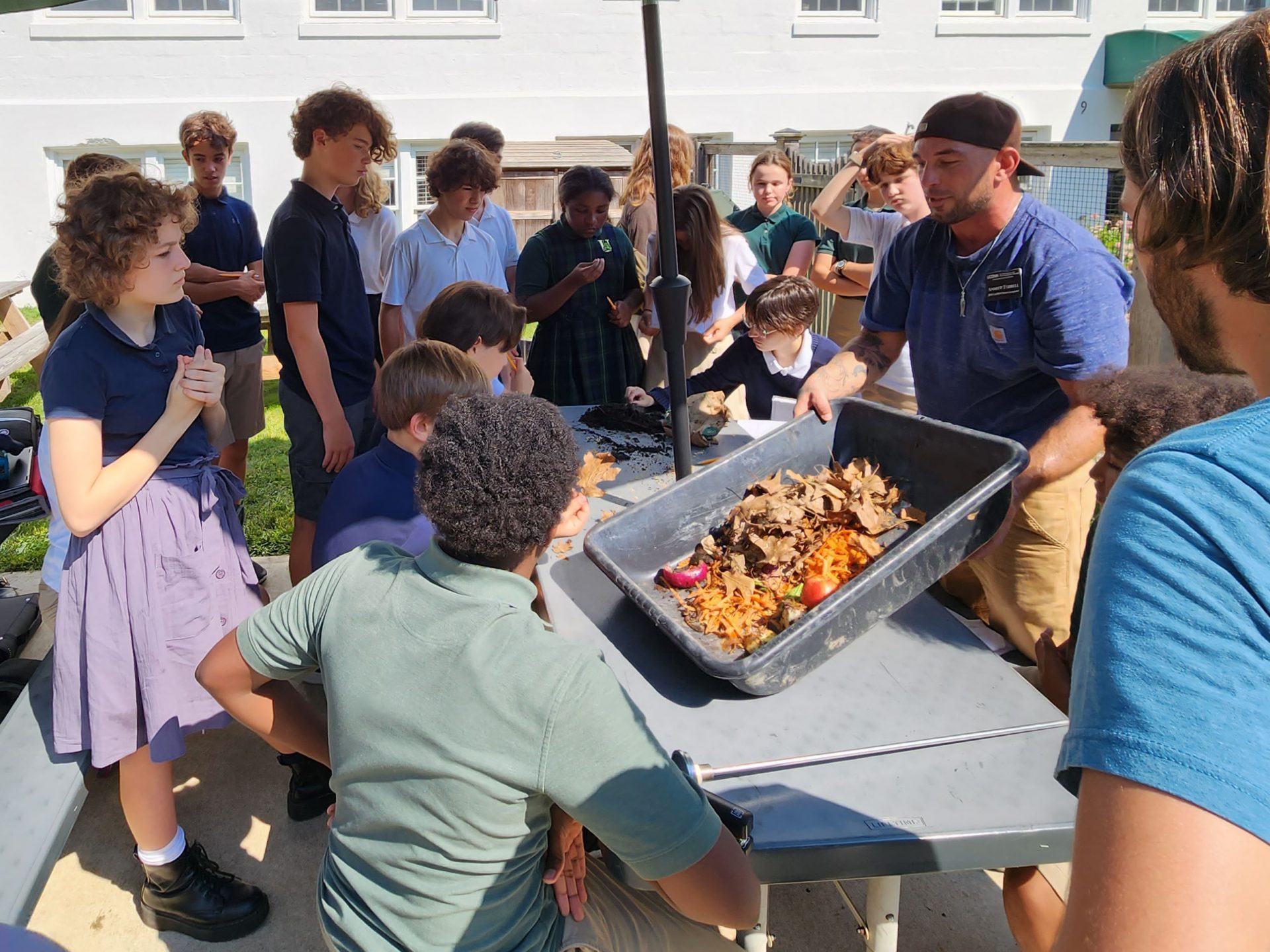
- Students observing items that are appropriate for composting.
-
- Students are observing and feeling soil samples from material that broke down through the composting process.
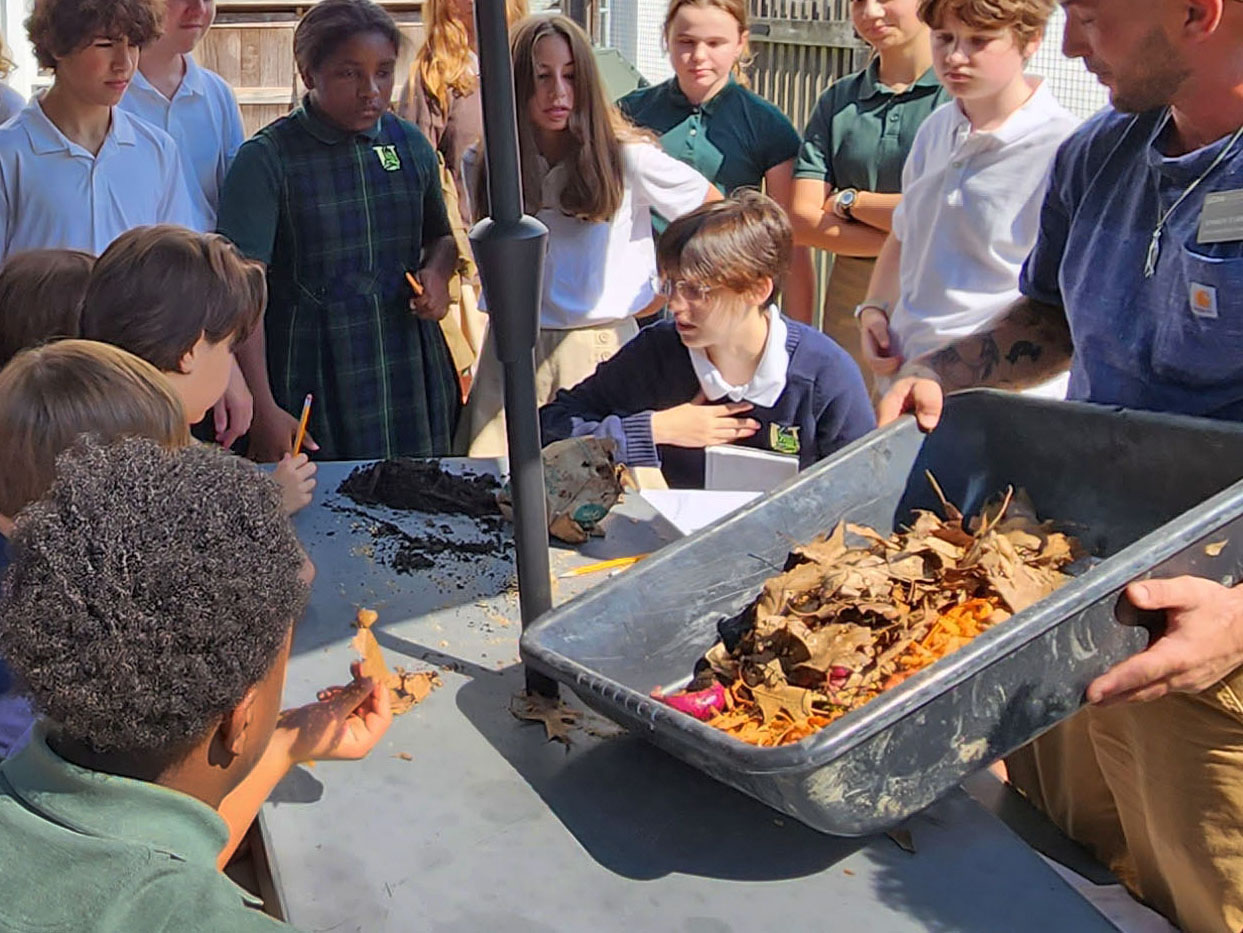
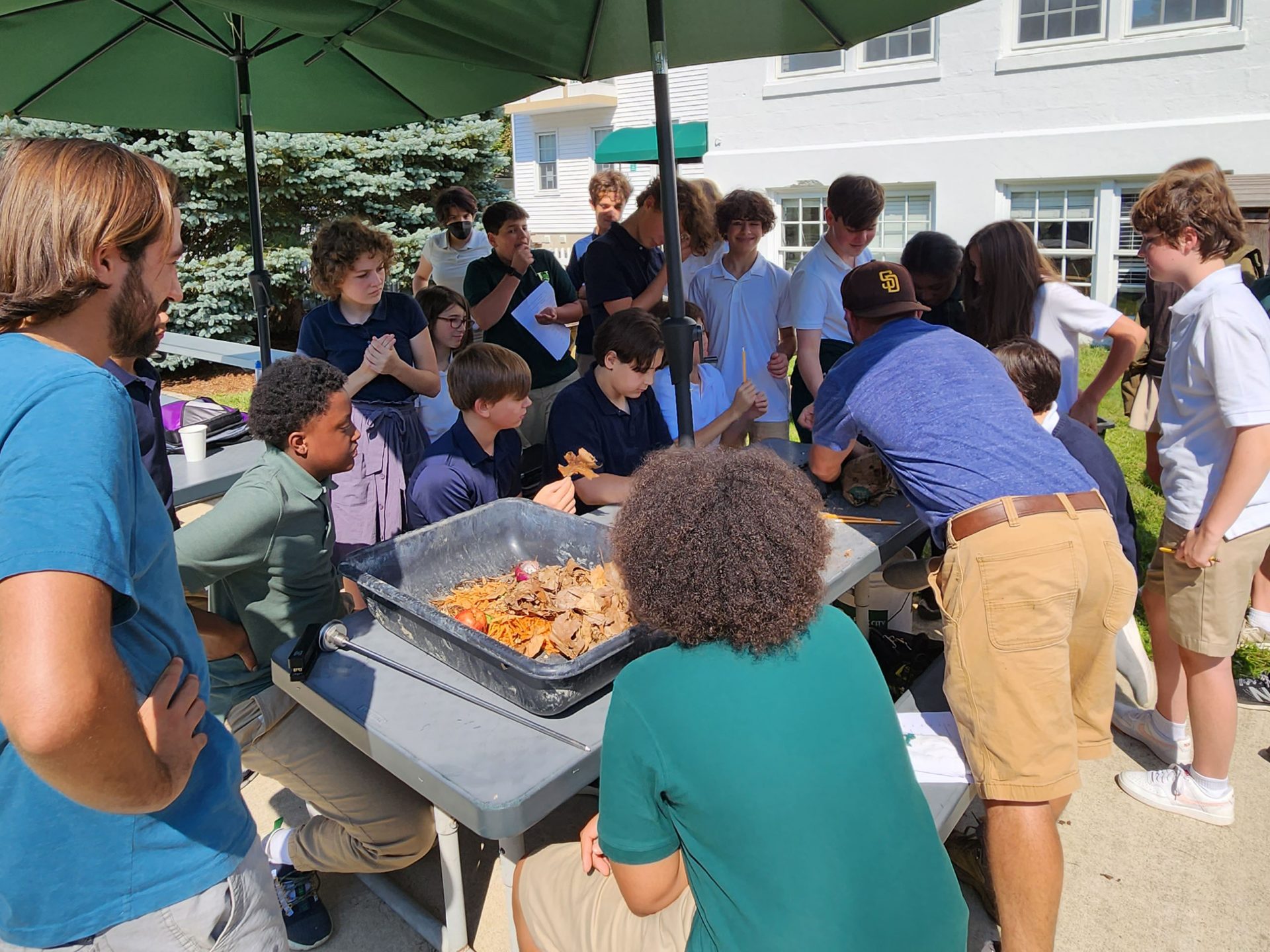

Every Monday Unquowa 8th graders are participating in a hands-on environmental educational program with the organization known as Park City Composting. Students will gain an understanding on how to properly compost as well as learn about its beneficial effects; not only is it important for people but the environment too! In the first visit students were able to see the different materials that are compostable, as well as items that aren’t suitable for the compost pile and then we all got a first hand look at soil samples that were the product of composting! Park City Composting even brought an updated tumbler to help properly produce compost which will be incorporated into future seminars, and eventually into the school composting program.
Flower/Pollinator Scavenger Hunt
Posted by Mary Curran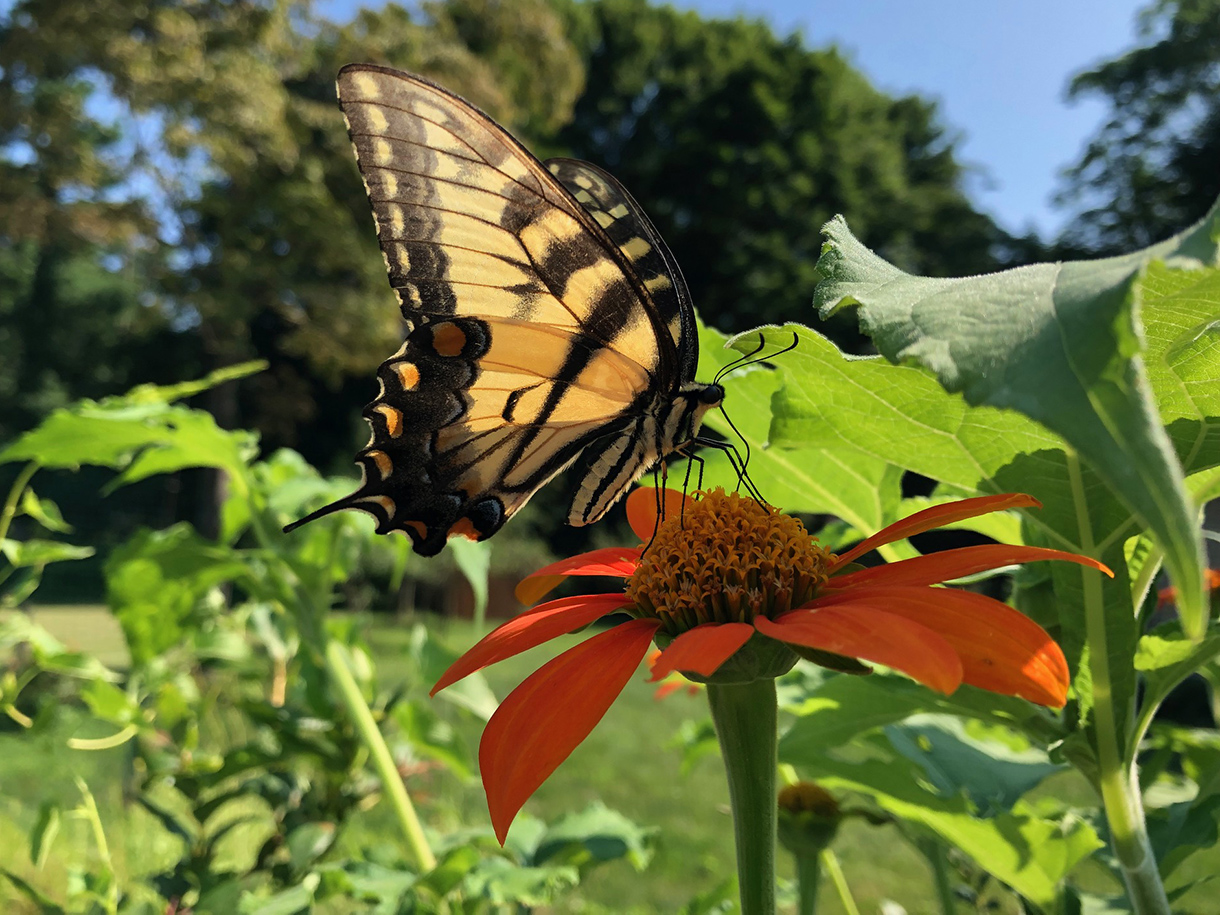
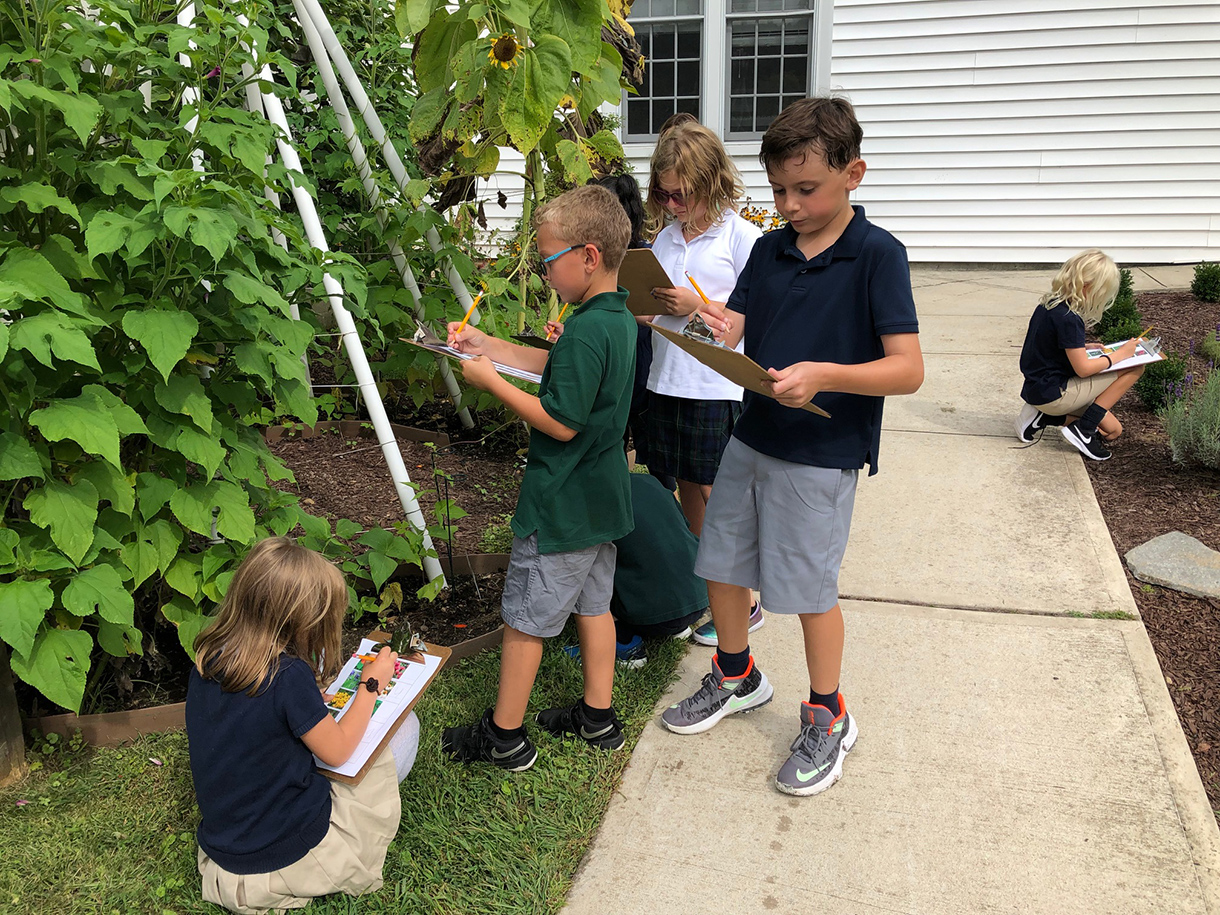

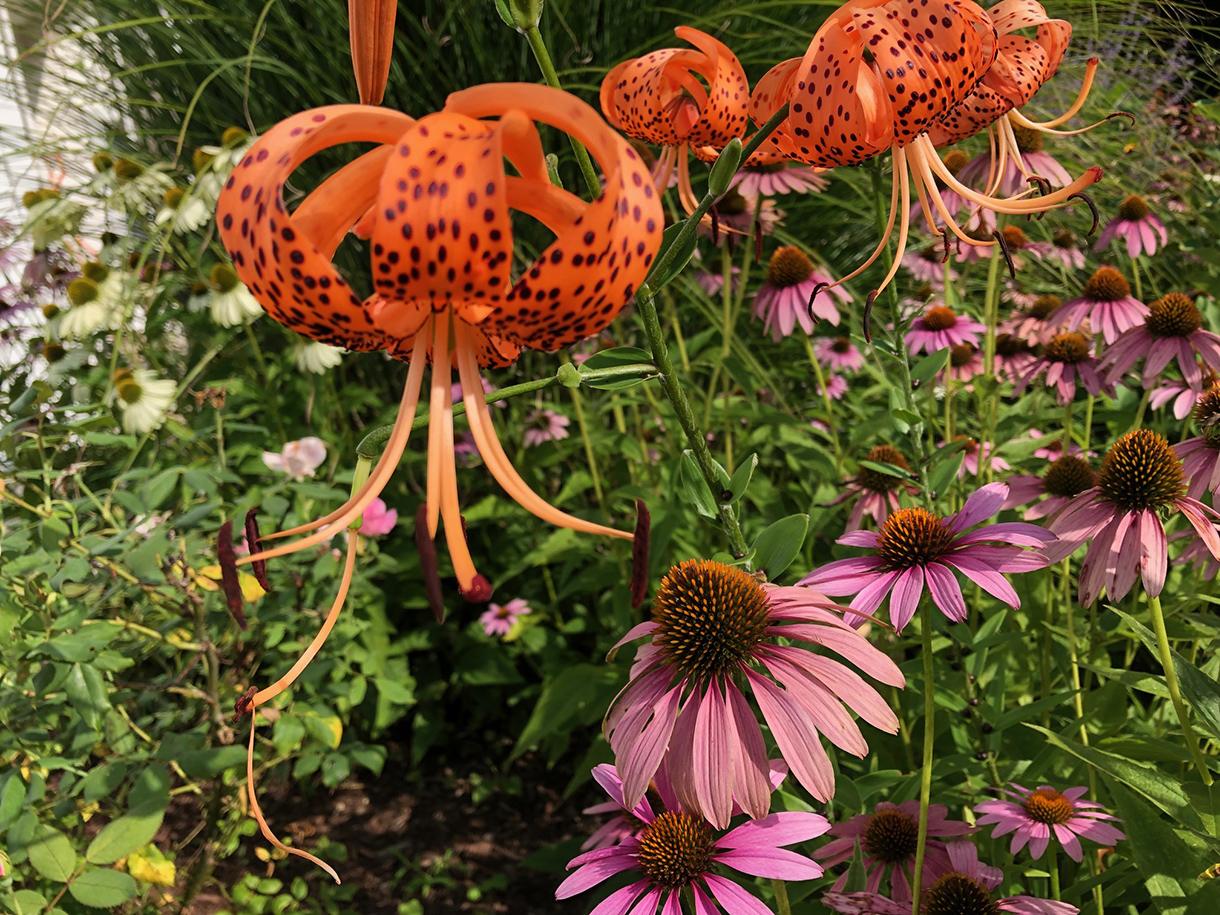
Have you ever heard of cone flowers, lamb’s ears or yarrow? These are among the many flowers growing on our campus that attract a wide variety of pollinators. The first week of school, 3rd graders were challenged to identify annuals and perennials growing in the Monet Butterfly Garden and tally the number of bees and butterflies observed at each. The winning “pollinator attractor” was the Mexican Torch Sunflower. These brilliant, red-orange, 2″-3″ flowers are well known for attracting bees, butterflies and even hummingbirds!
Fourth Graders Harvest Lettuce
Posted by Mary Curran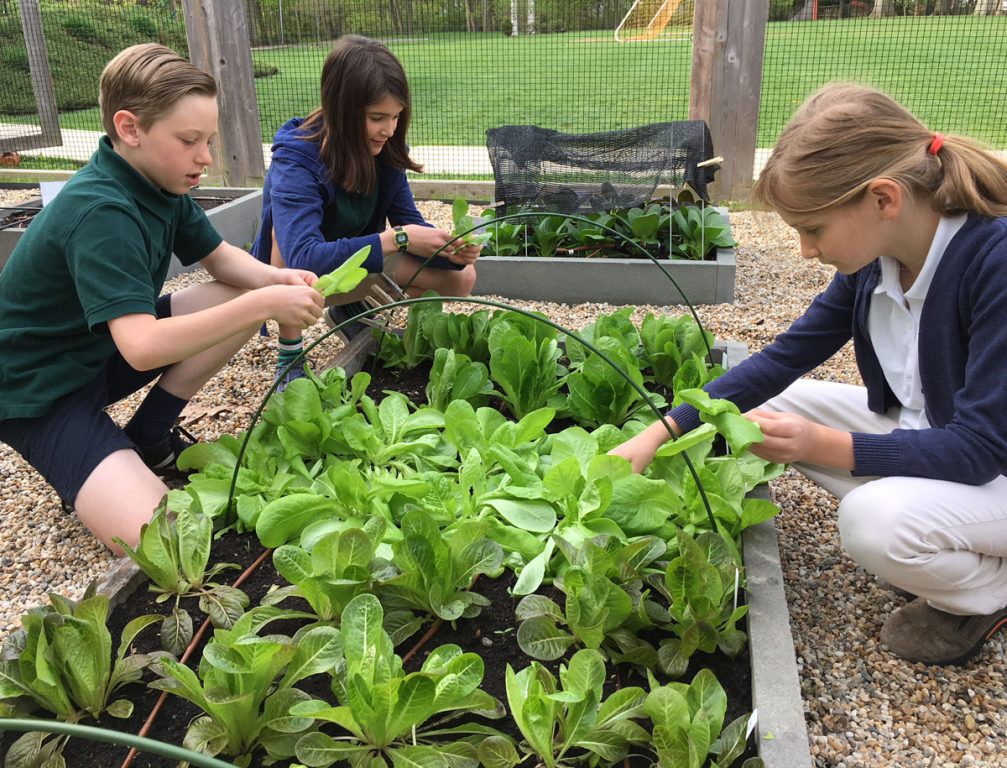
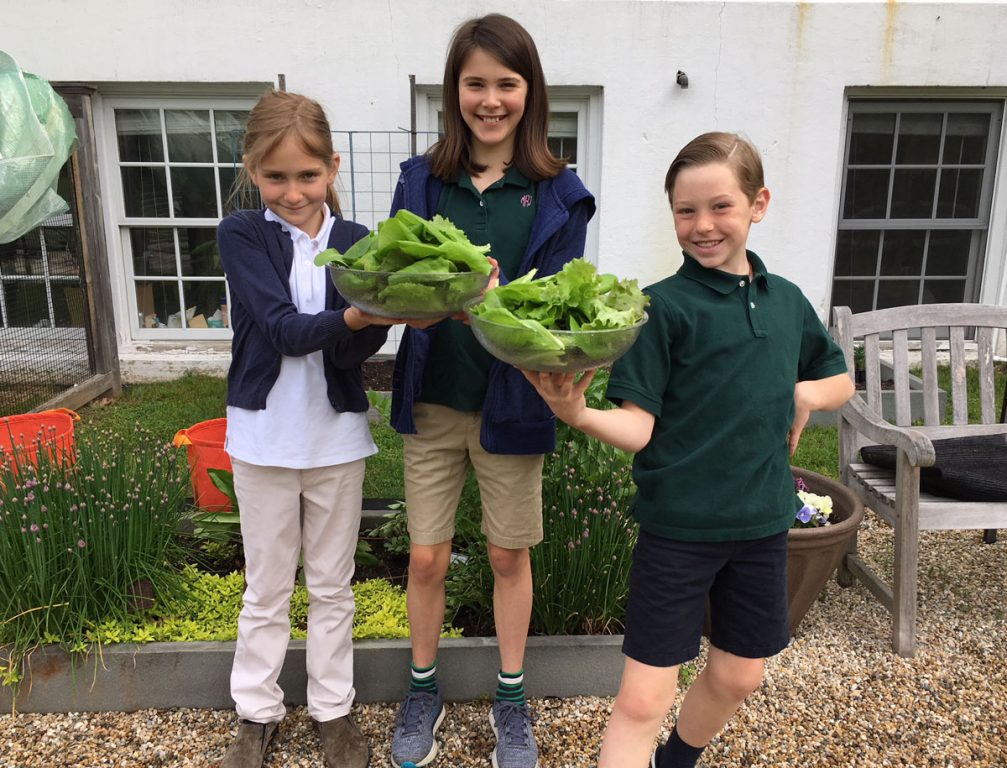
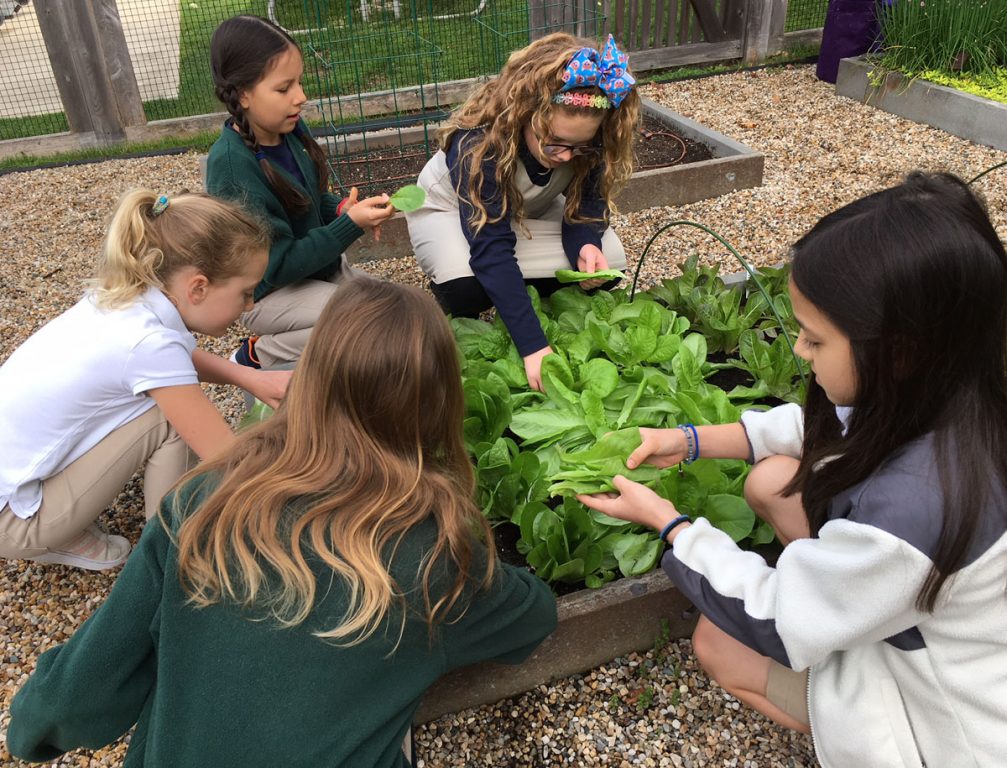

Have you ever heard of Breen lettuce? It is a compact, mini romaine that has a beautiful bronze red color. This is just one of the many varieties of lettuce that fourth graders started from seed in early March. A second variety, Grandpa Admire’s, has been a staple in the Unquowa garden for several years. This popular heirloom has deep crinkled leaves splashed with color and was named after Civil War veteran, Grandpa George Admire. Students have been busy this spring harvesting lettuce for Chef David and Chef Jessica. Thank you fourth graders for growing these delicious lettuces for the Unquowa community to enjoy at lunch!
Veggie Hunting in the Garden
Posted by Maureen Diallo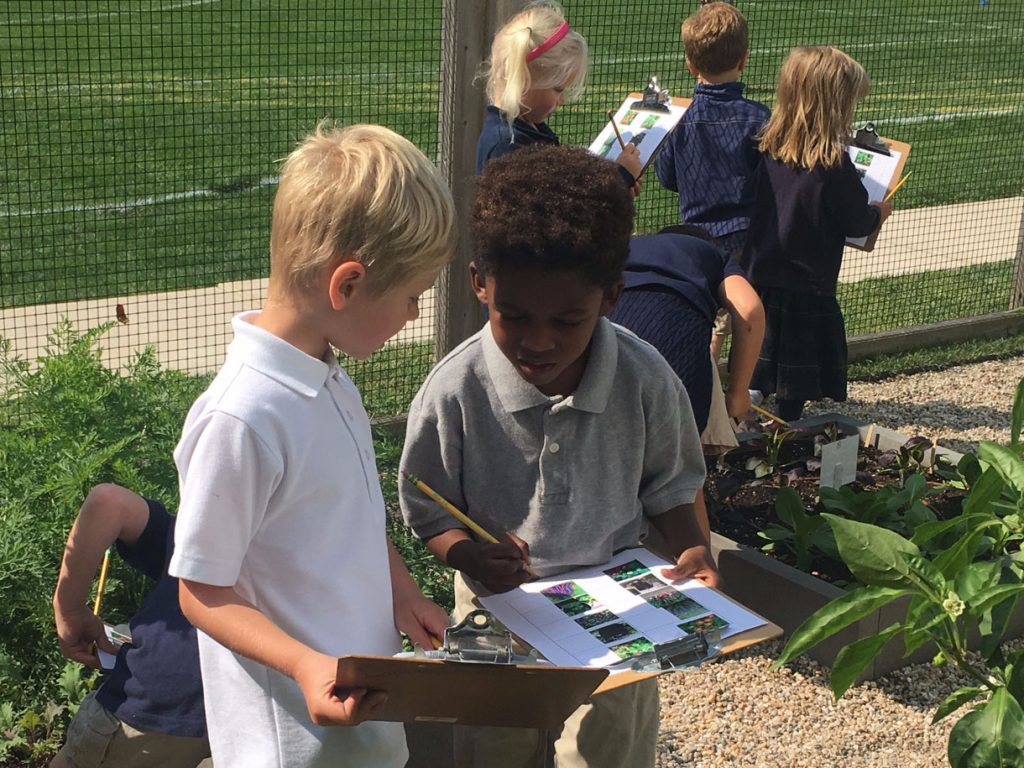
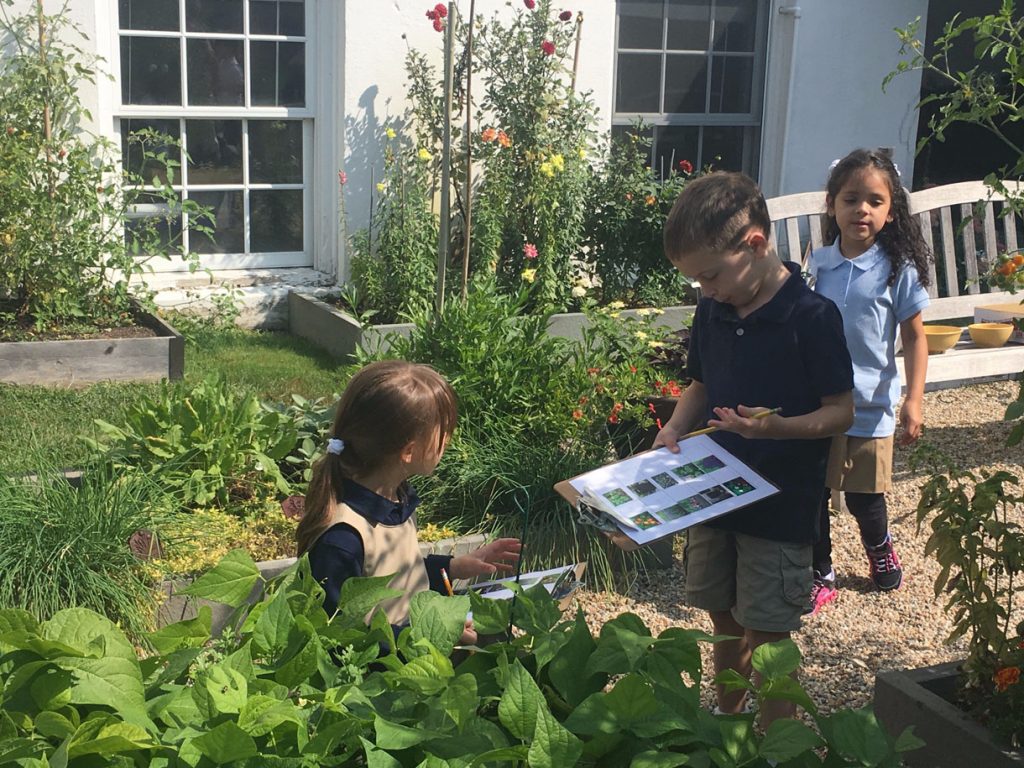
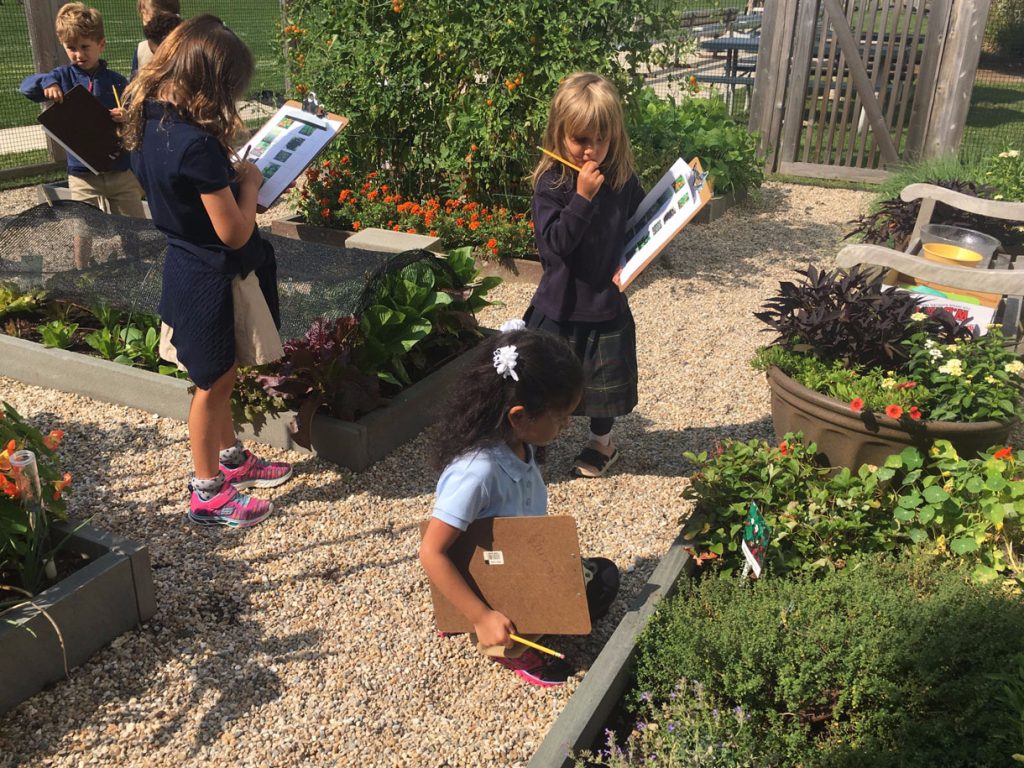
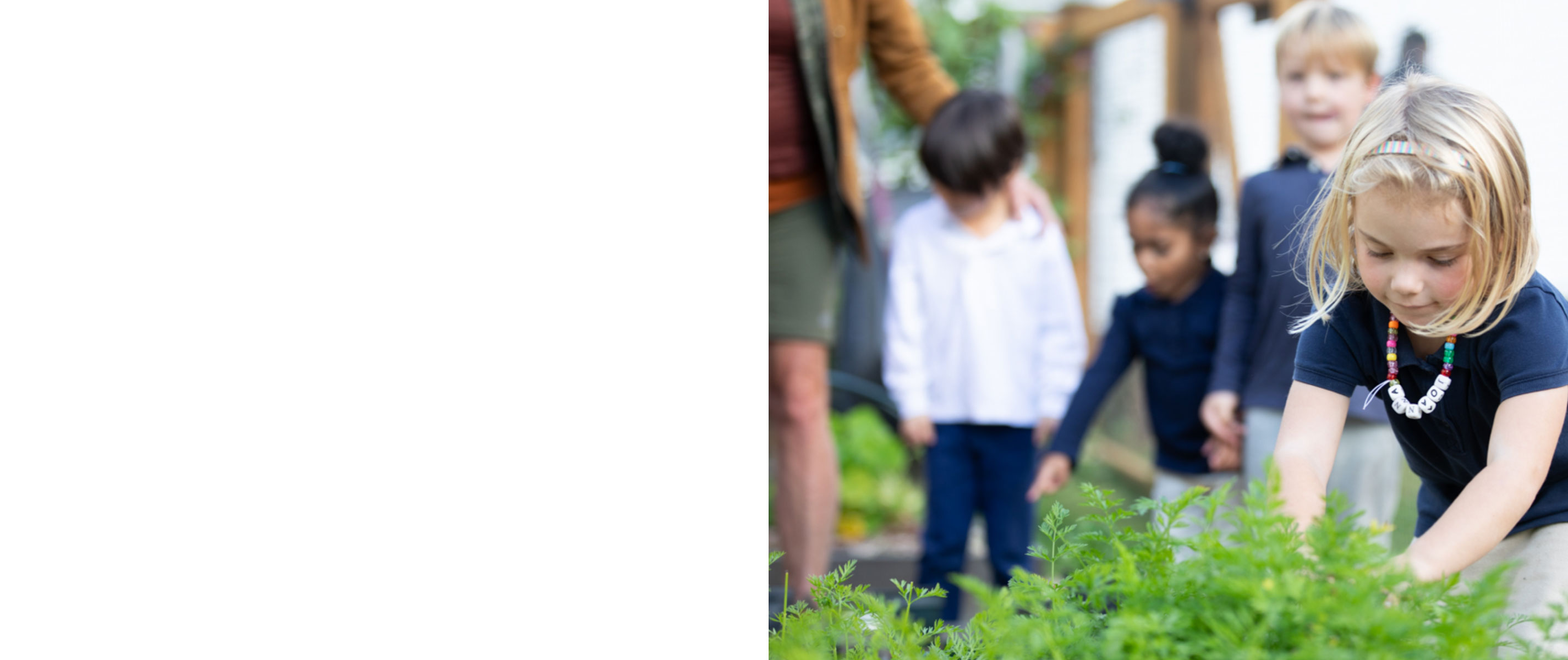
On a beautiful morning the first graders went on an exciting scavenger hunt through our Unquowa garden! They looked closely for various vegetables and herbs and recorded their findings. The first graders also harvested yellow, purple, and green beans for their classmates to enjoy at lunch. We also sampled some of our garden’s yummy Sungold tomatoes! Many thanks to Mrs. Curran for our adventure in the garden!