










Unquowazine Reporters at Work
Posted by Karen Engelke
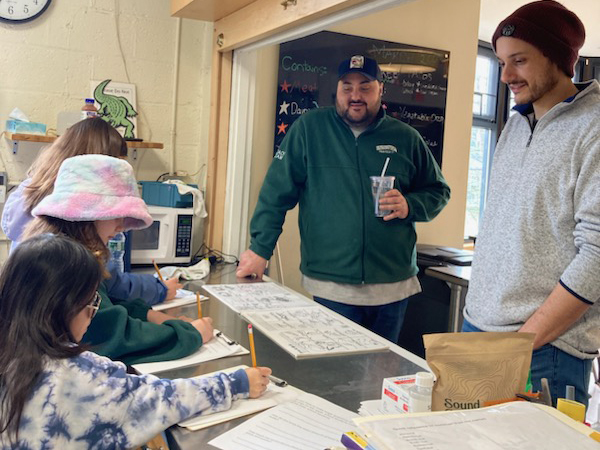
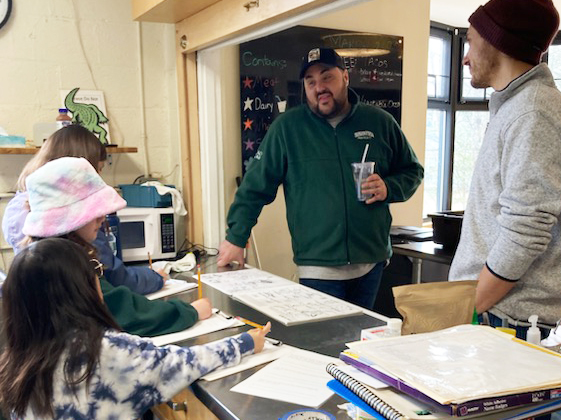
Roving reporters from Unquowazine, the Lower School Literary and Art Magazine are at it again. This time they took time out from their busy school day to interview the amazing chefs who bring us such fabulous lunches every day. Questions such as: How many grilled cheese sandwiches do you need to make? How do you decide on what kind of salad to make? How many dirty dishes do you wind up with at the end of both lunches? All will be revealed when Unquoawzine Volume 5 is published in May!
In the Hot Seat!
Posted by Eric Snow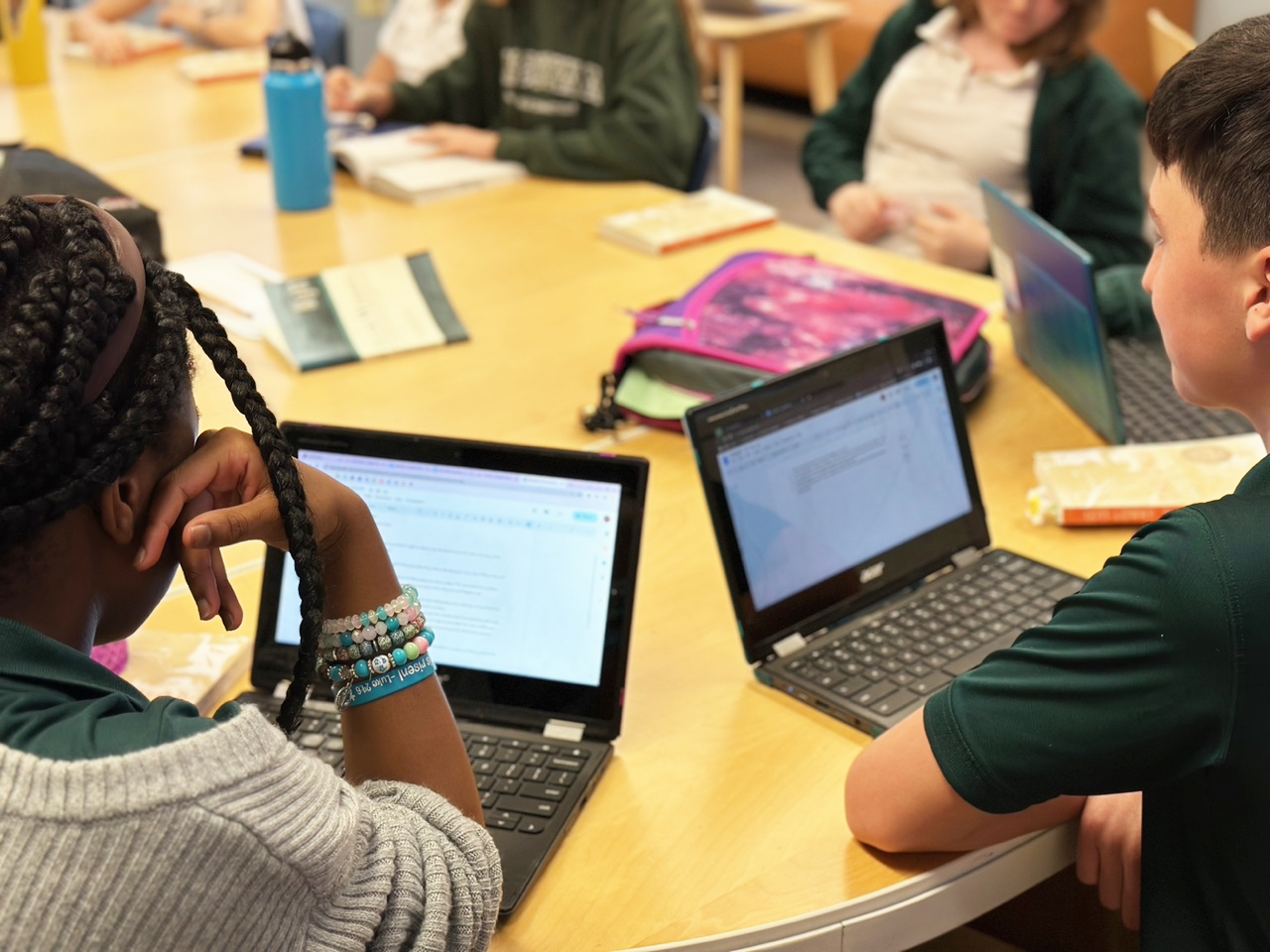
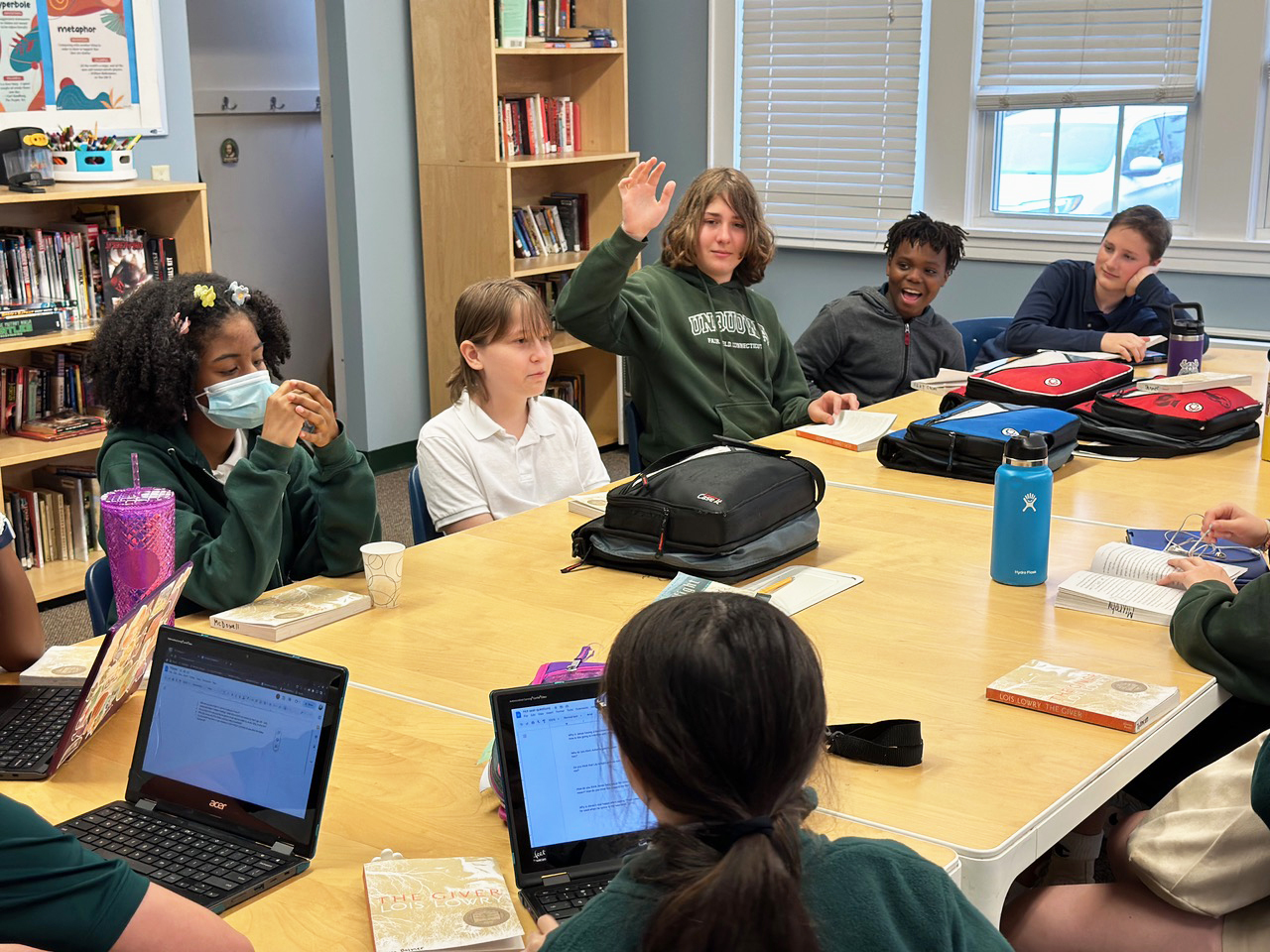
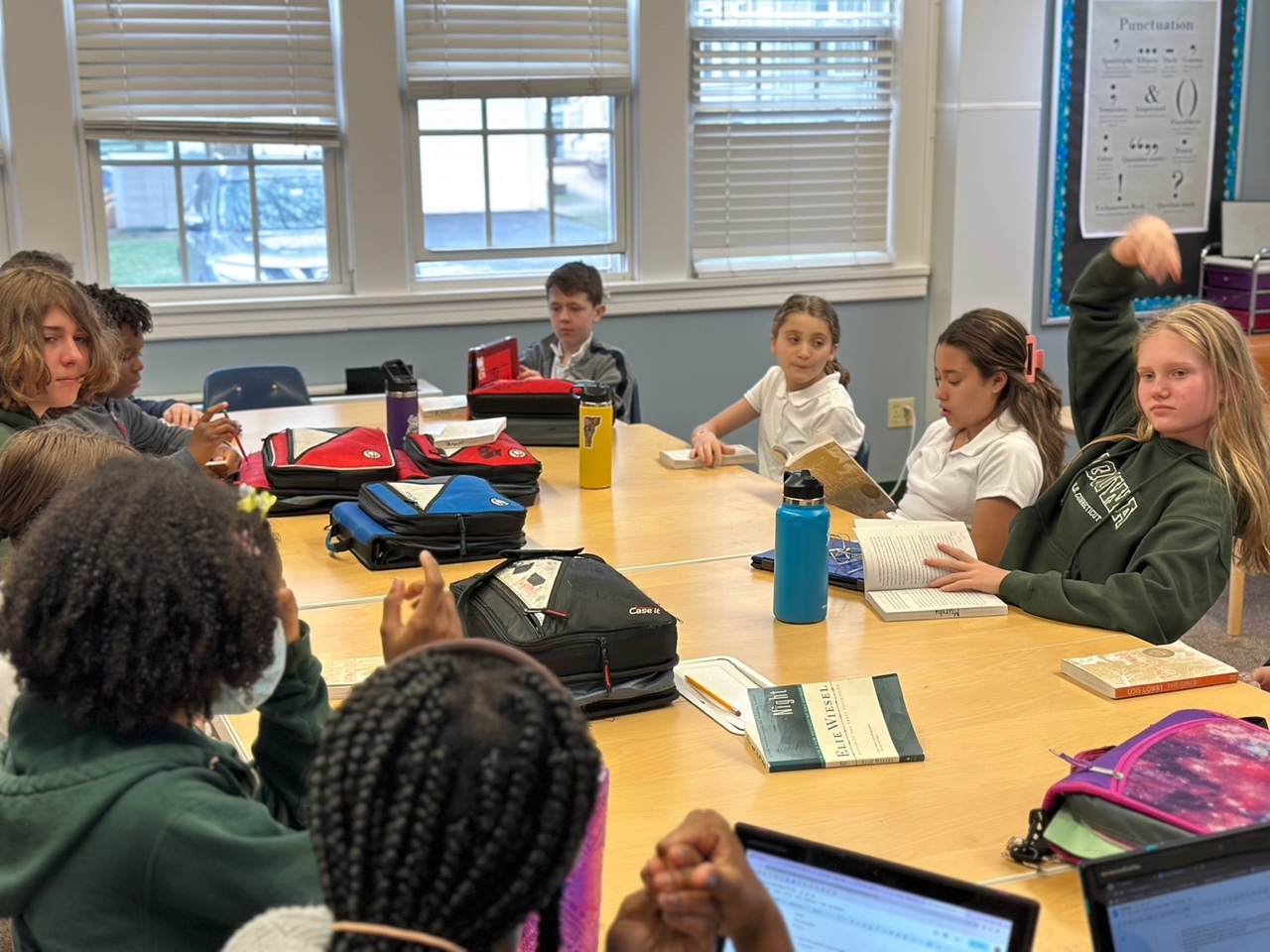
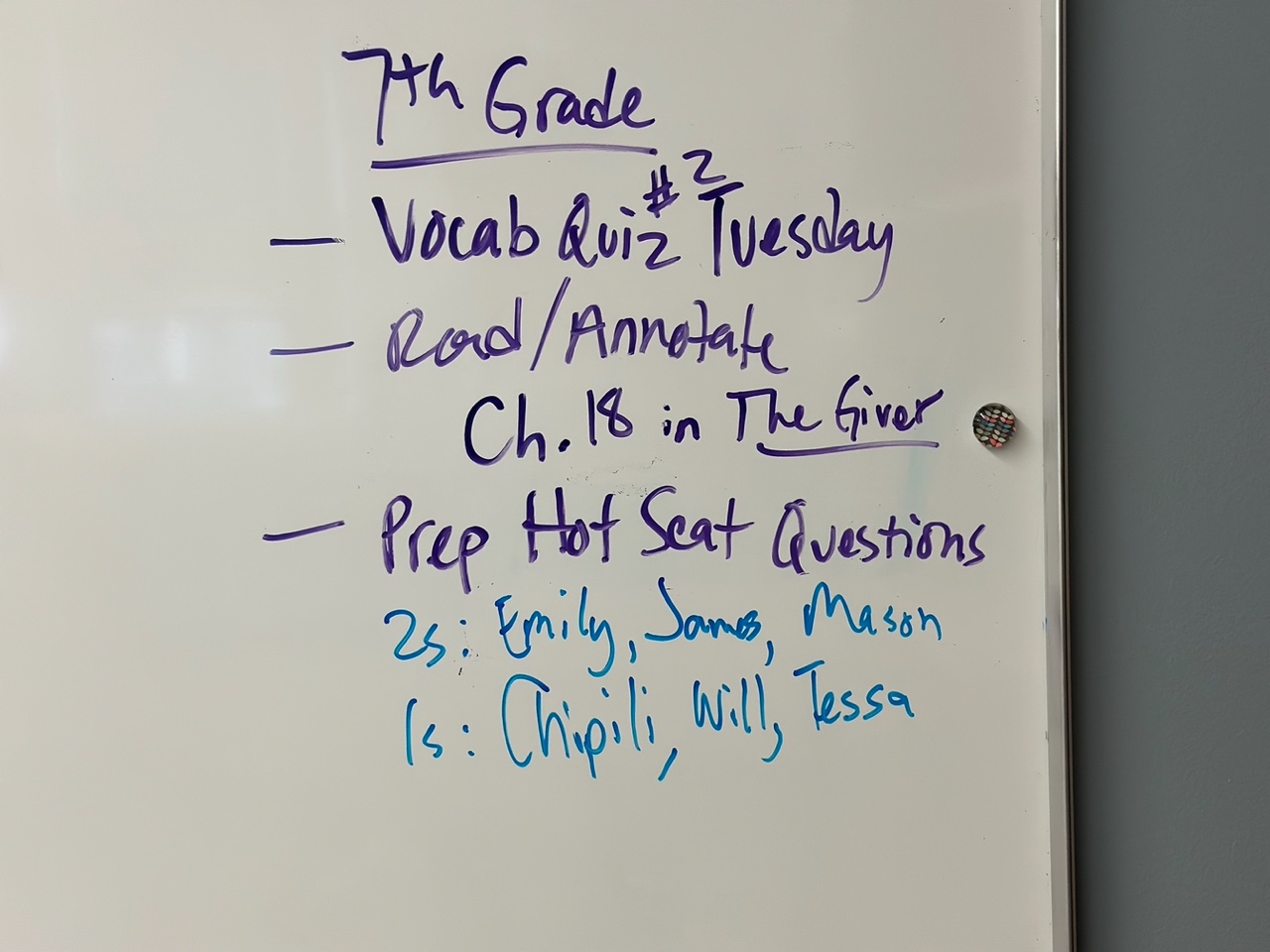
Part of the goal of the Humanities curriculum is to foster leadership and aid students in engaging in constructive dialogue. One of the ways that we do this in 7th and 8th Grade is to engage in “Hot Seat” discussion days for the text passages we read together. Currently, 7th Grade students are reading The Giver by Lois Lowry and prior to class, three students are responsible for creating discussion questions for their classmates. During class, they then lead conversation in a Socratic seminar-style dialogue. Students experience both sides of the Hot Seat: (1) coming up with robust, open-ended questions that foster discussion, and (2) respectfully offering their ideas to the group for refinement and mutual inquiry. Through this process, students gain listening and speaking skills and experience others building off of their ideas as they collectively build knowledge about our texts. Great job, 7th Graders!
Ms. Math Returns to Unquowa!
Posted by Lloyd Mitchell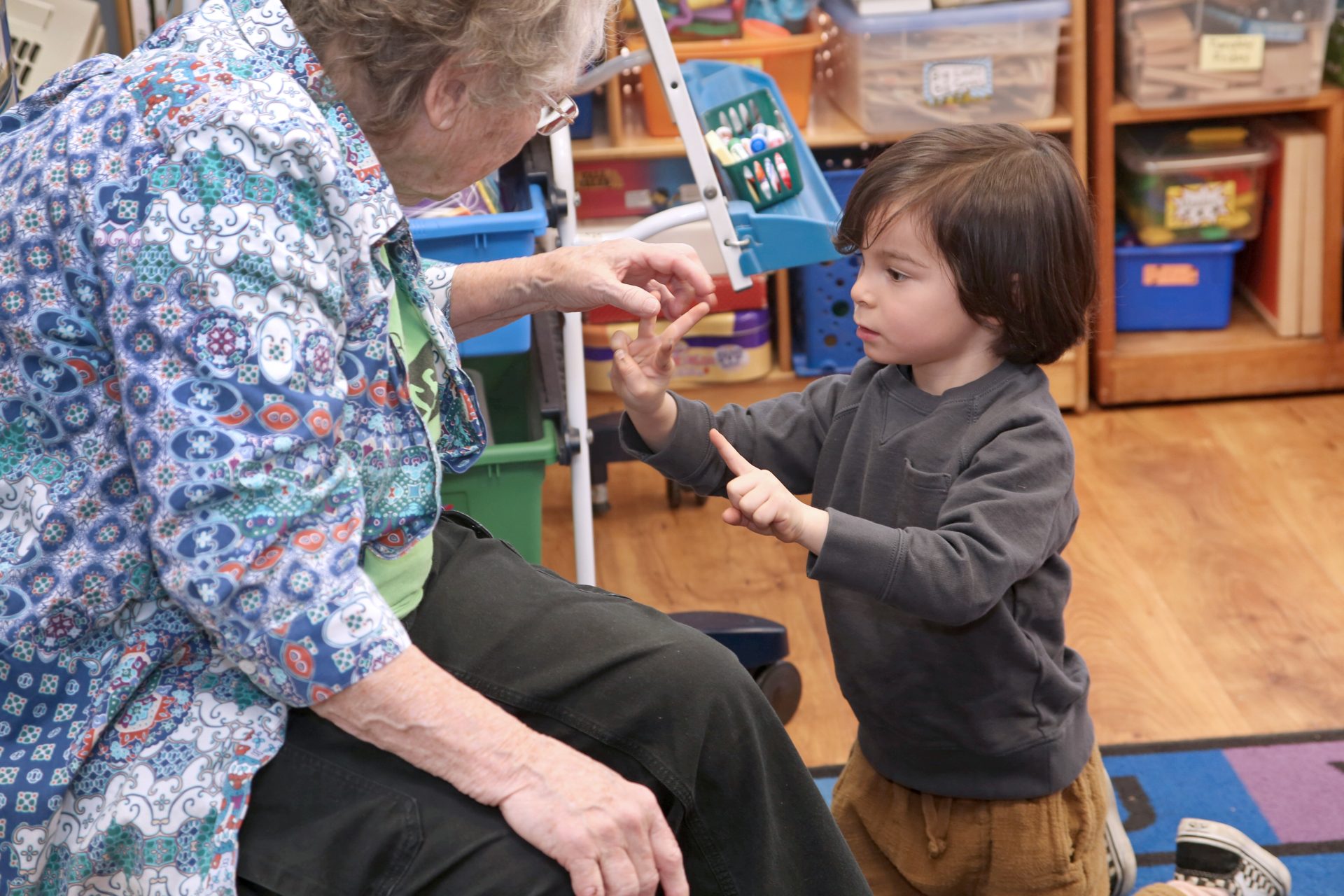
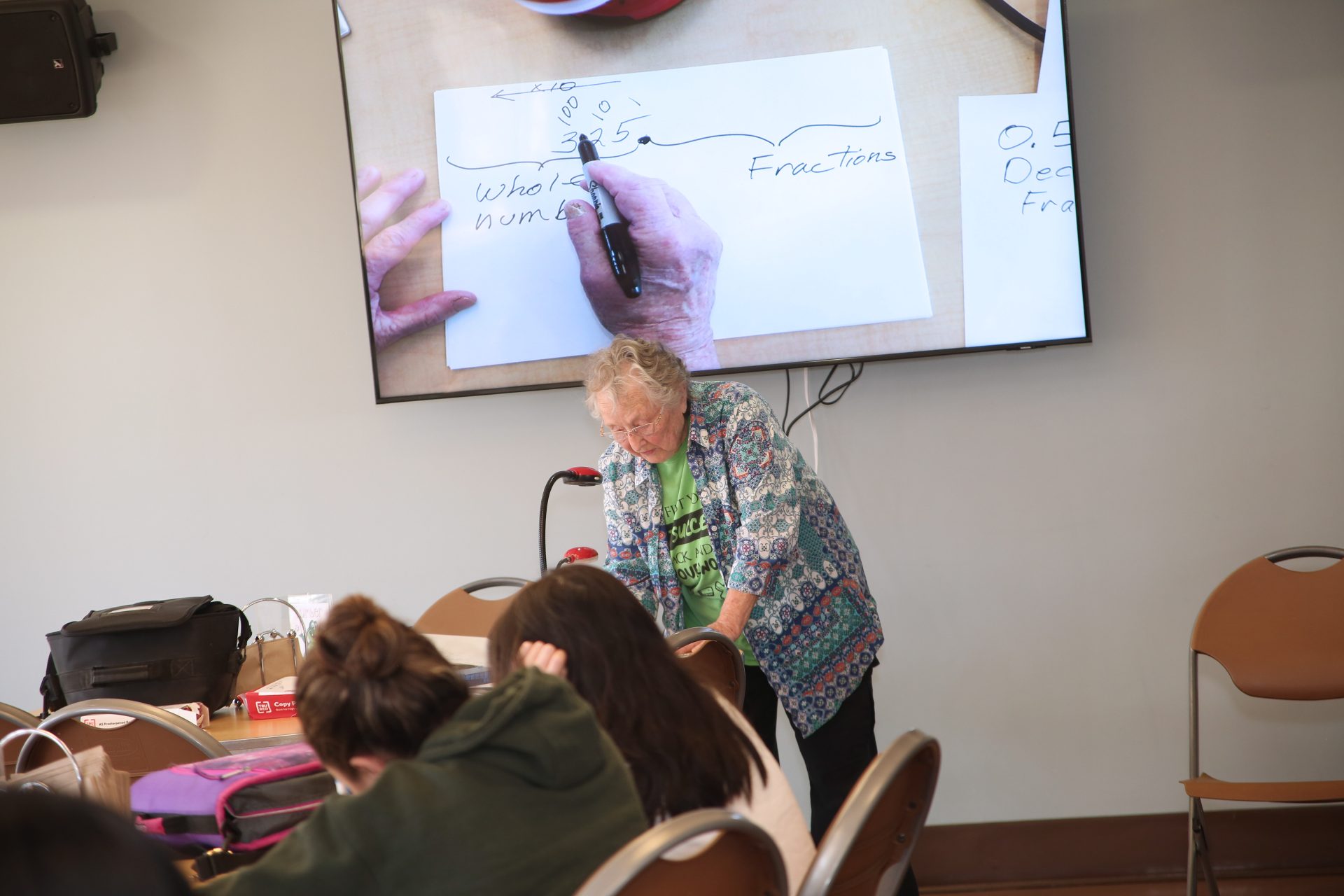
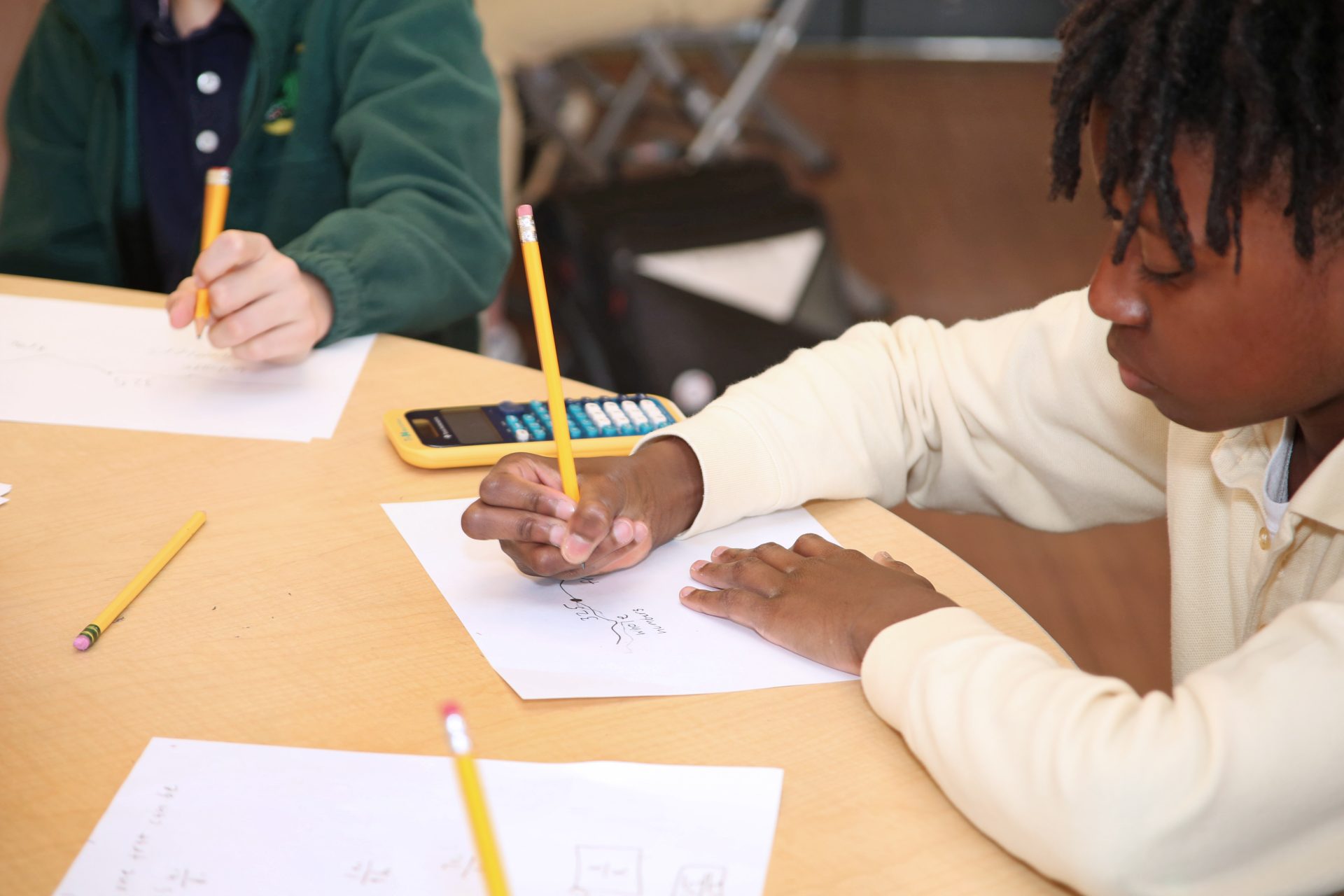
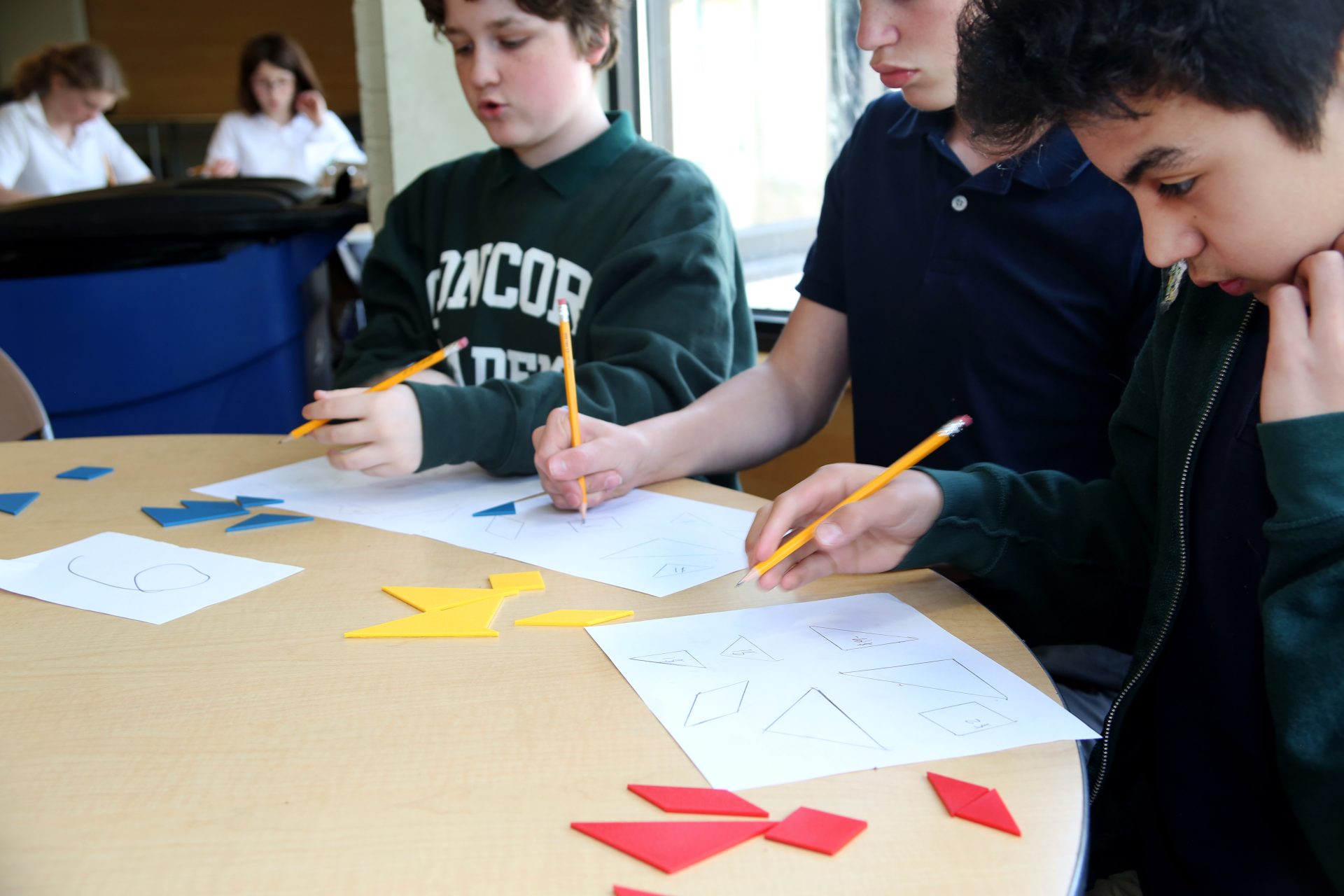
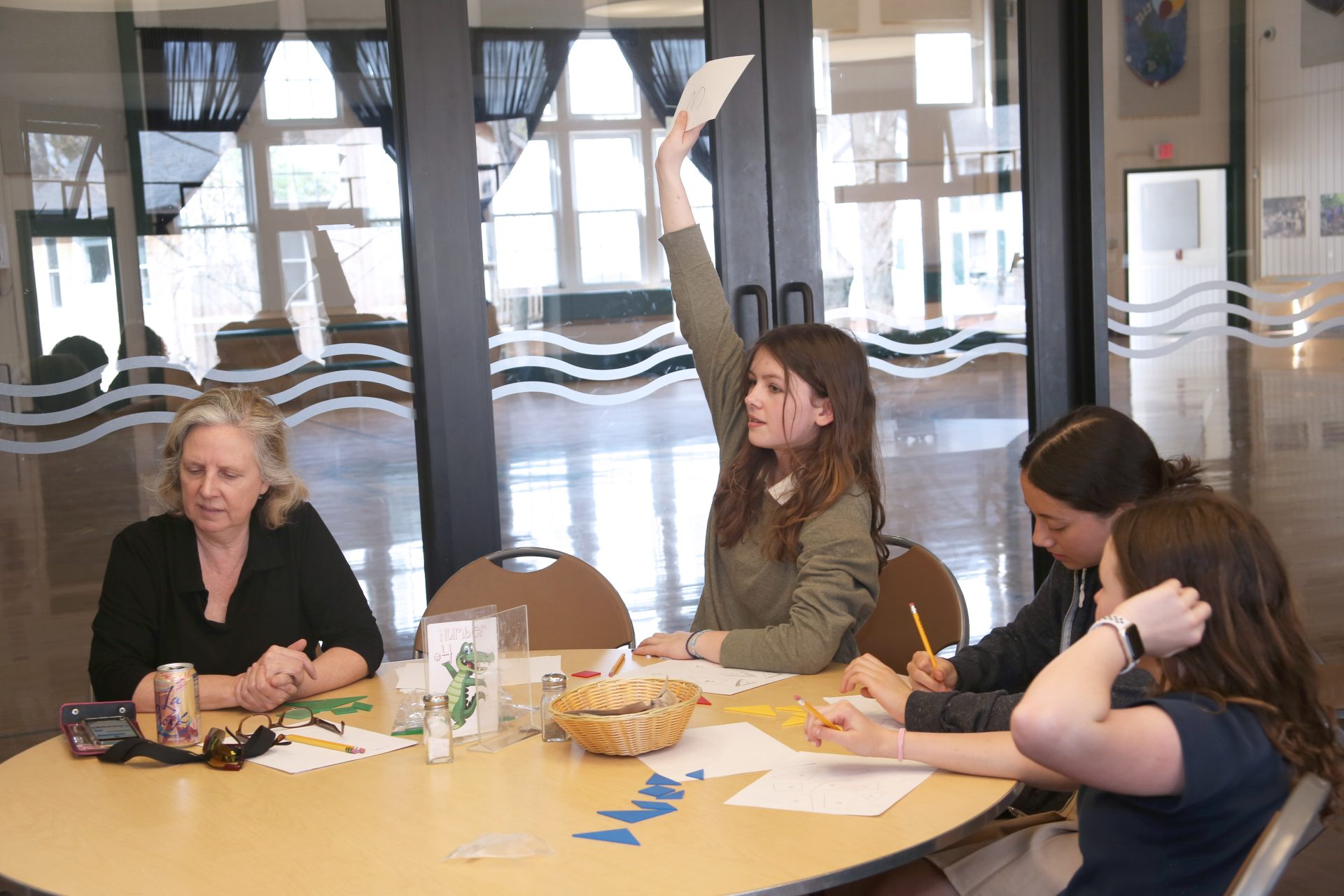
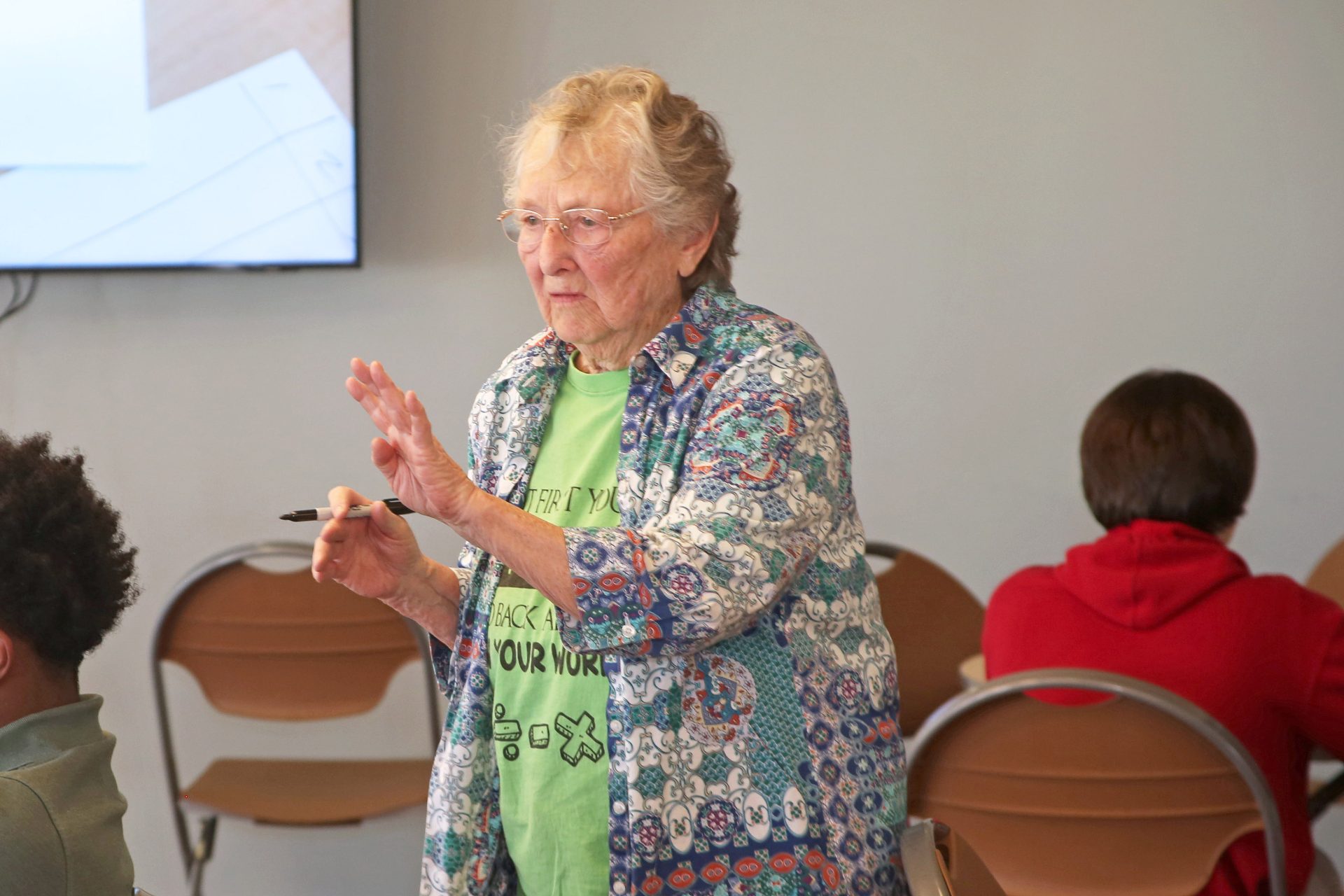
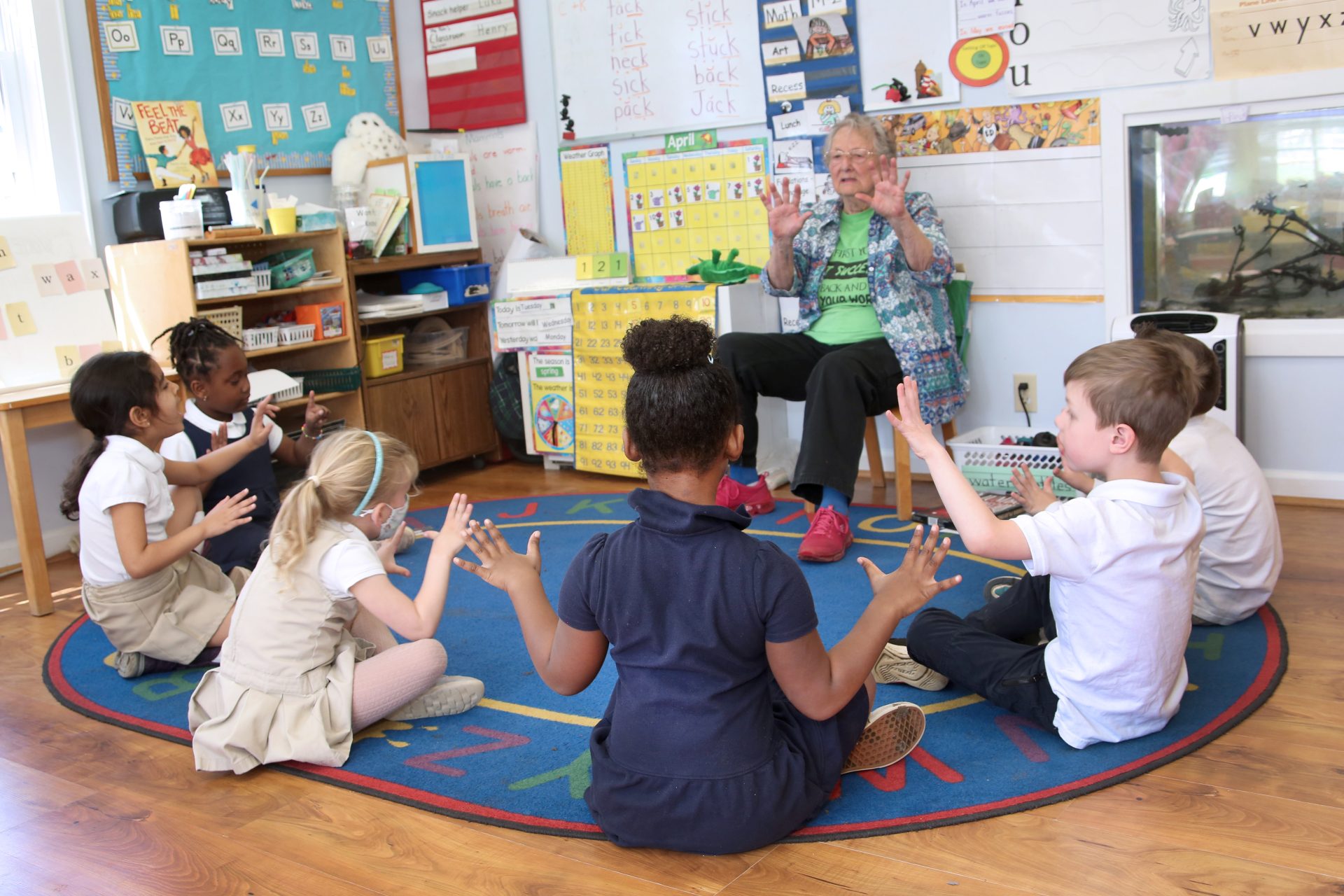
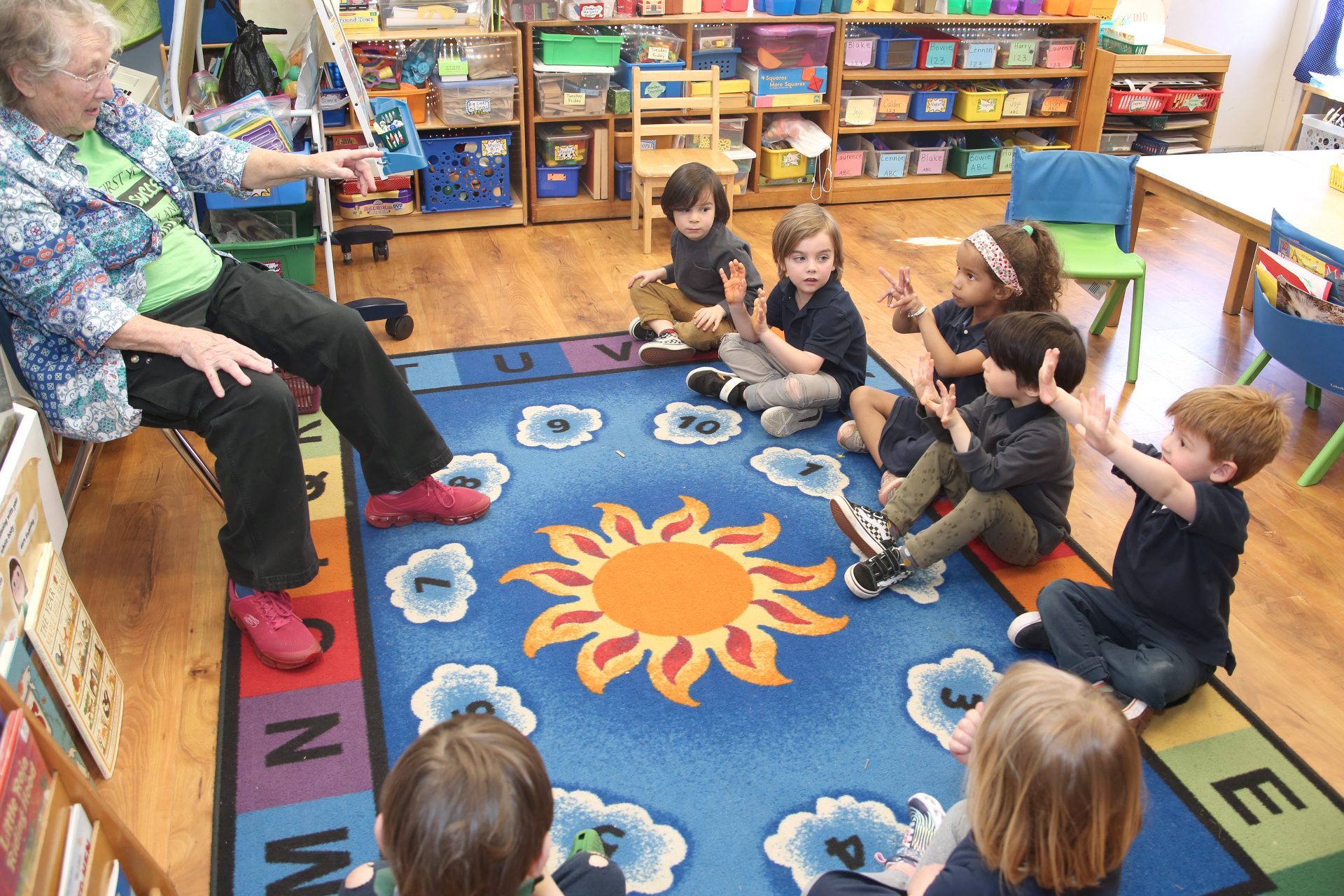
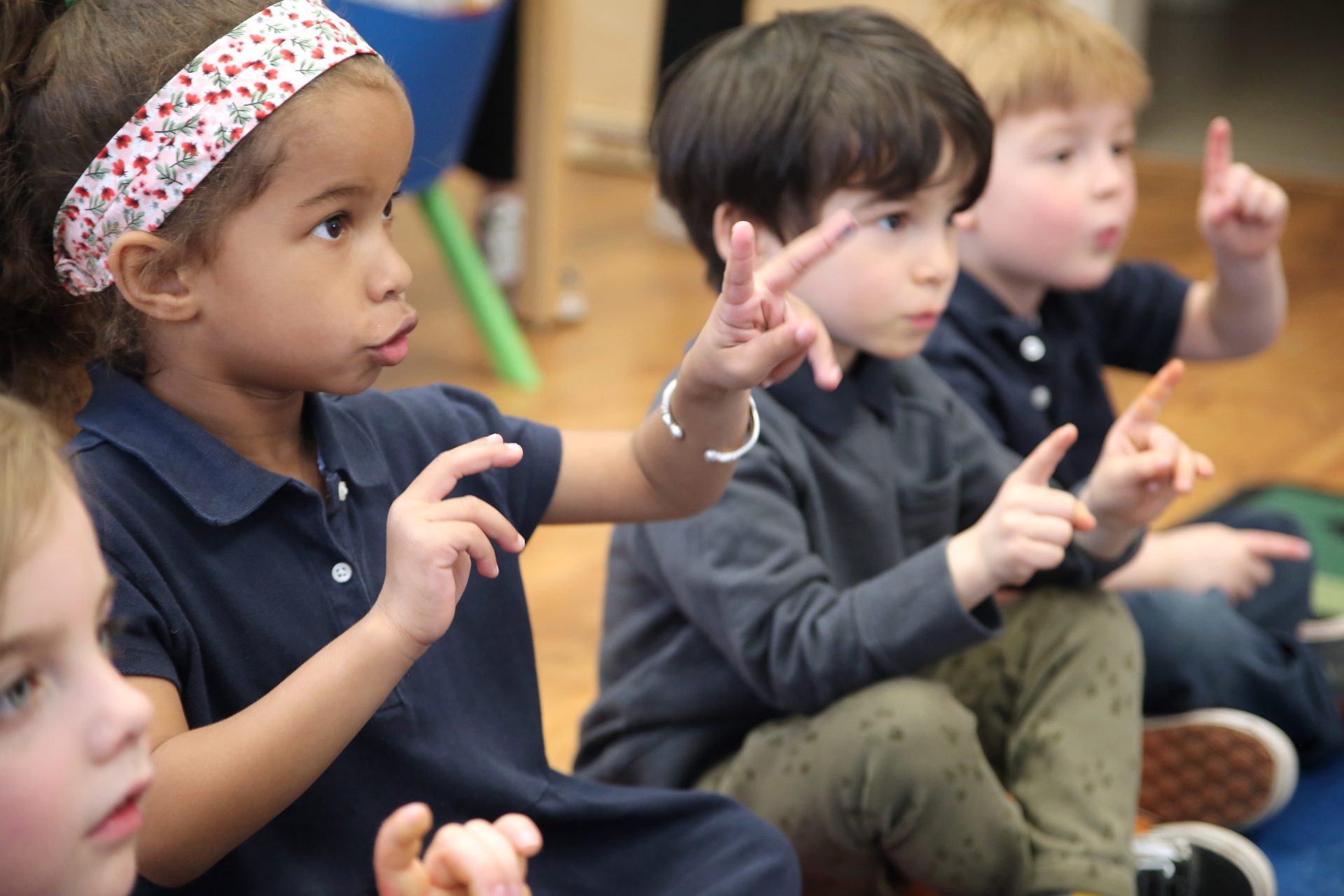
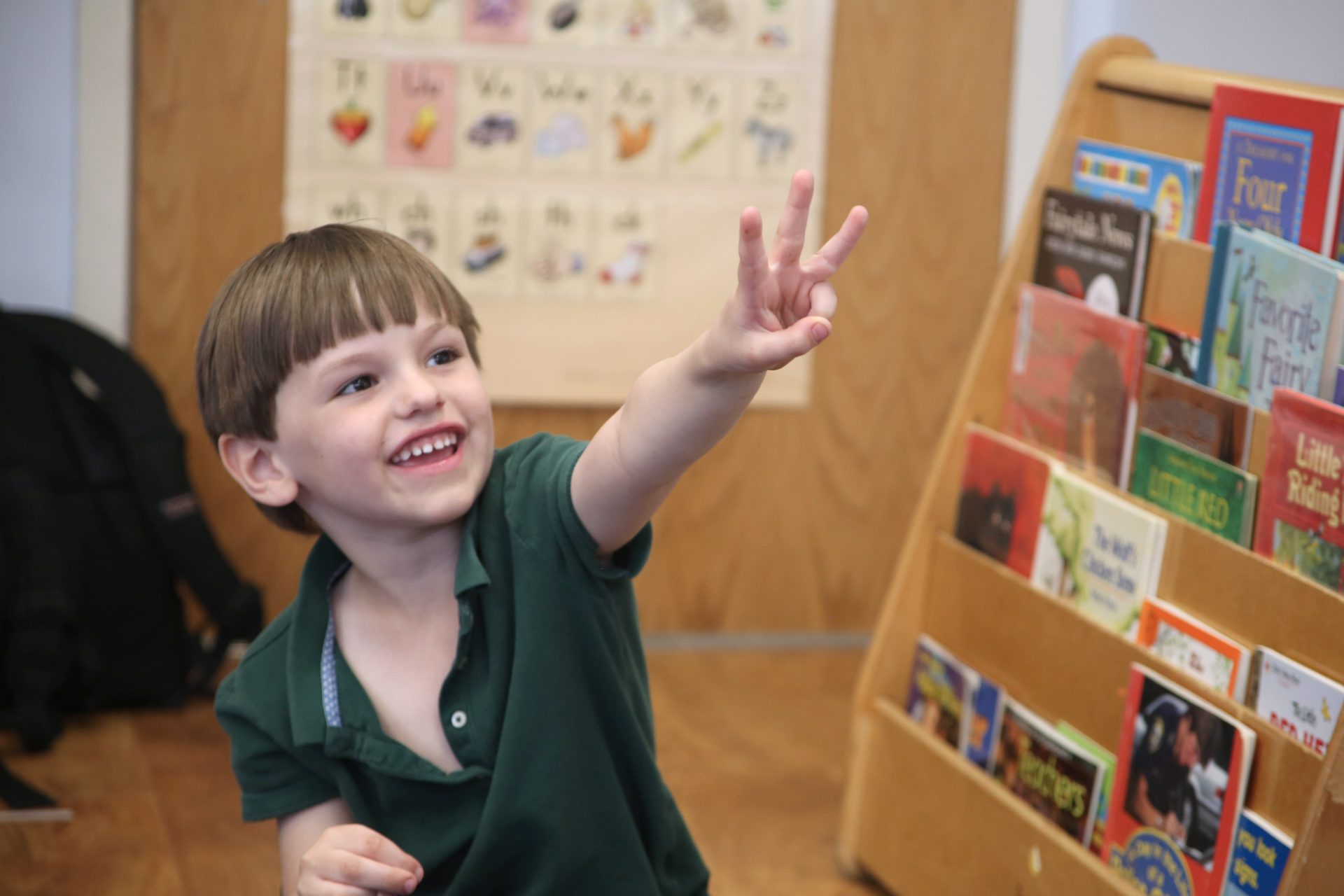
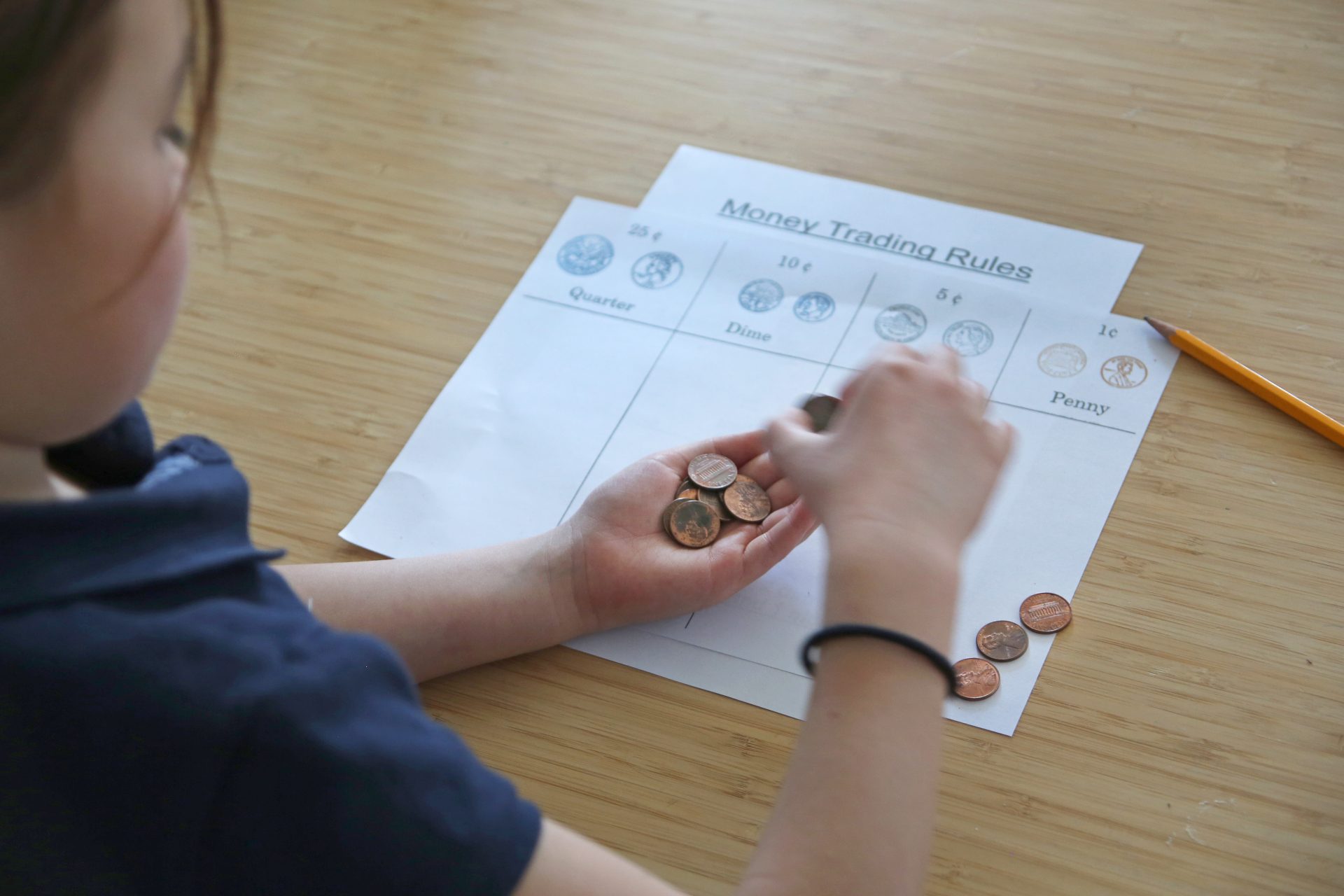
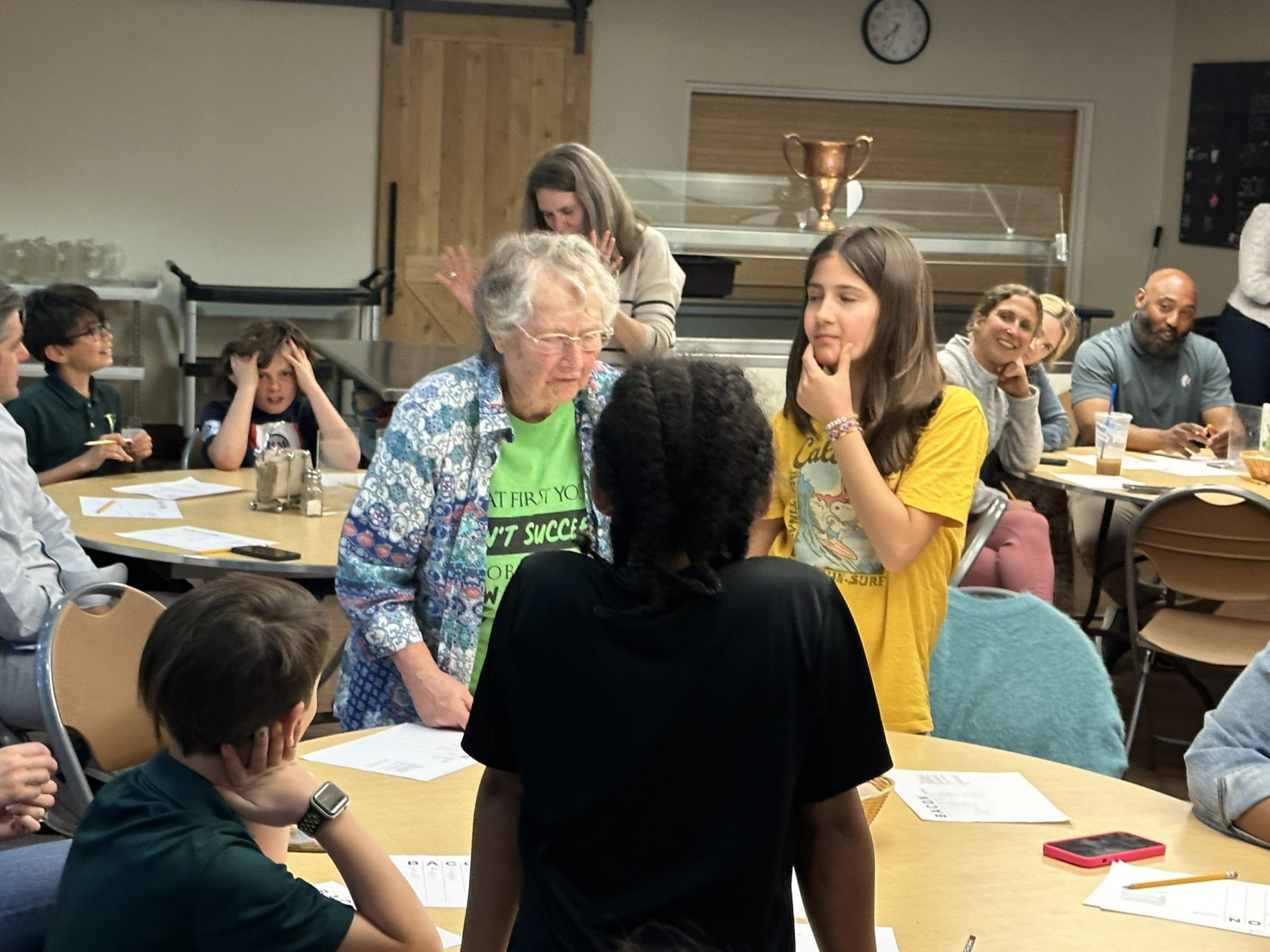
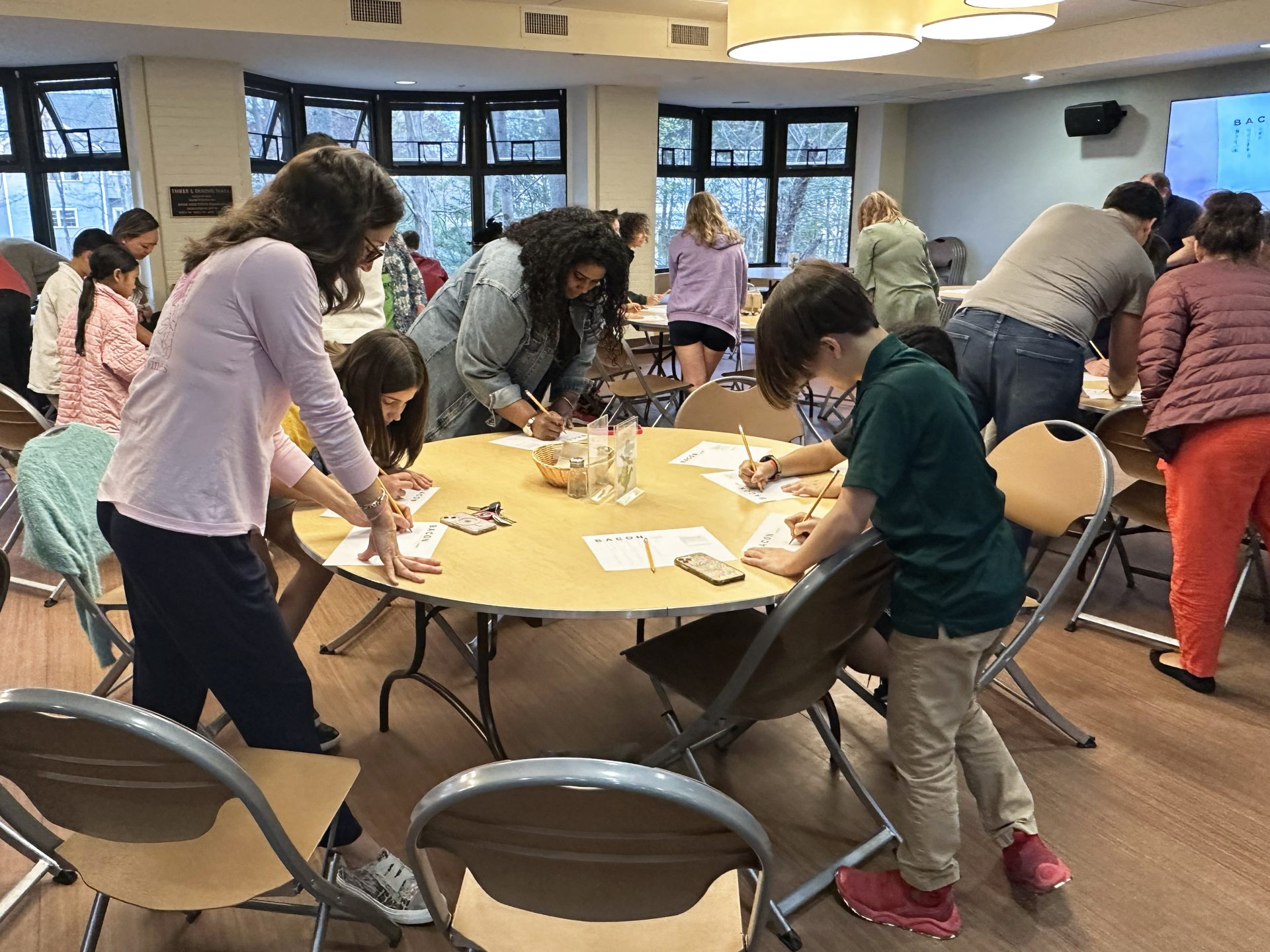
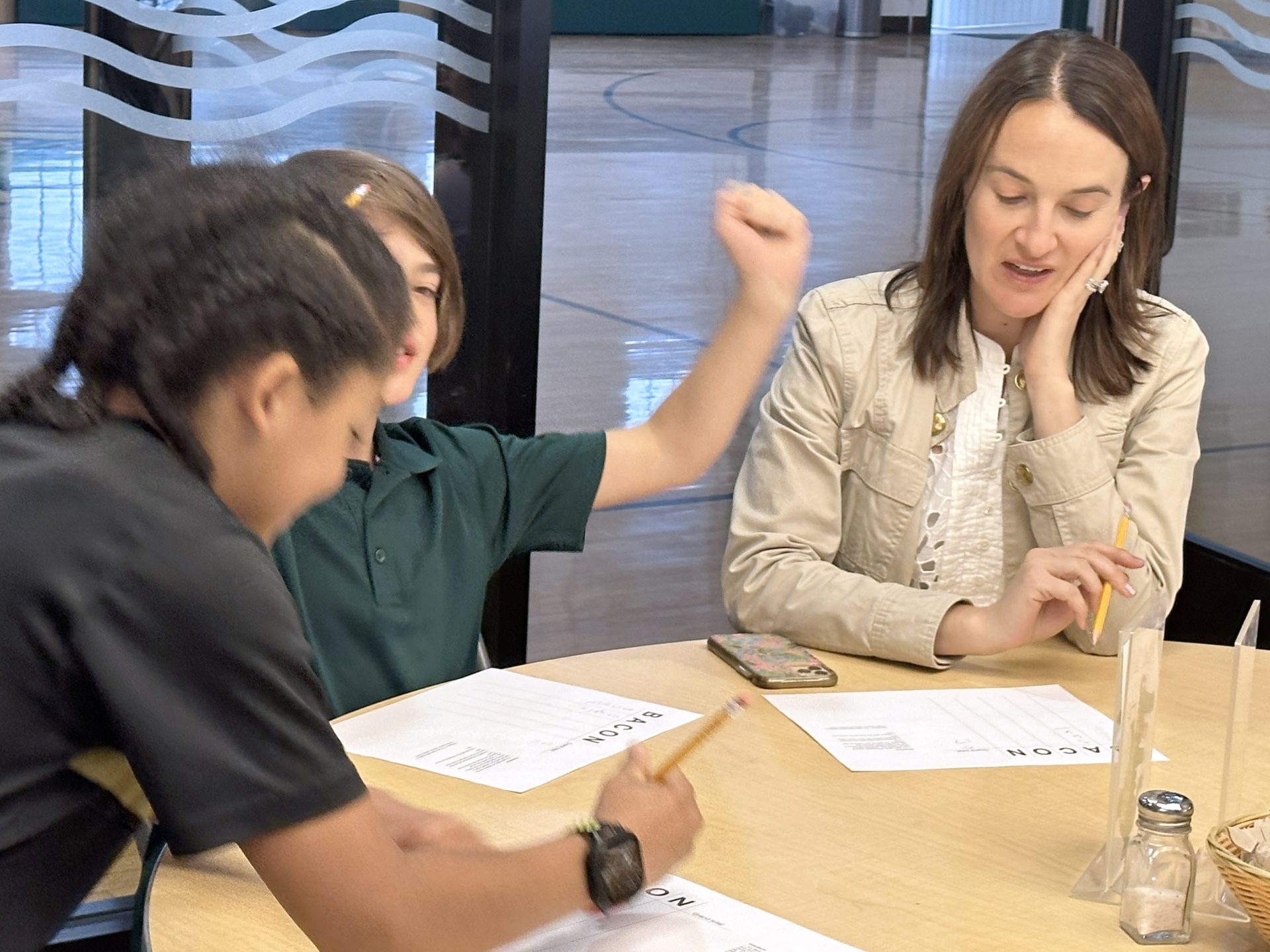
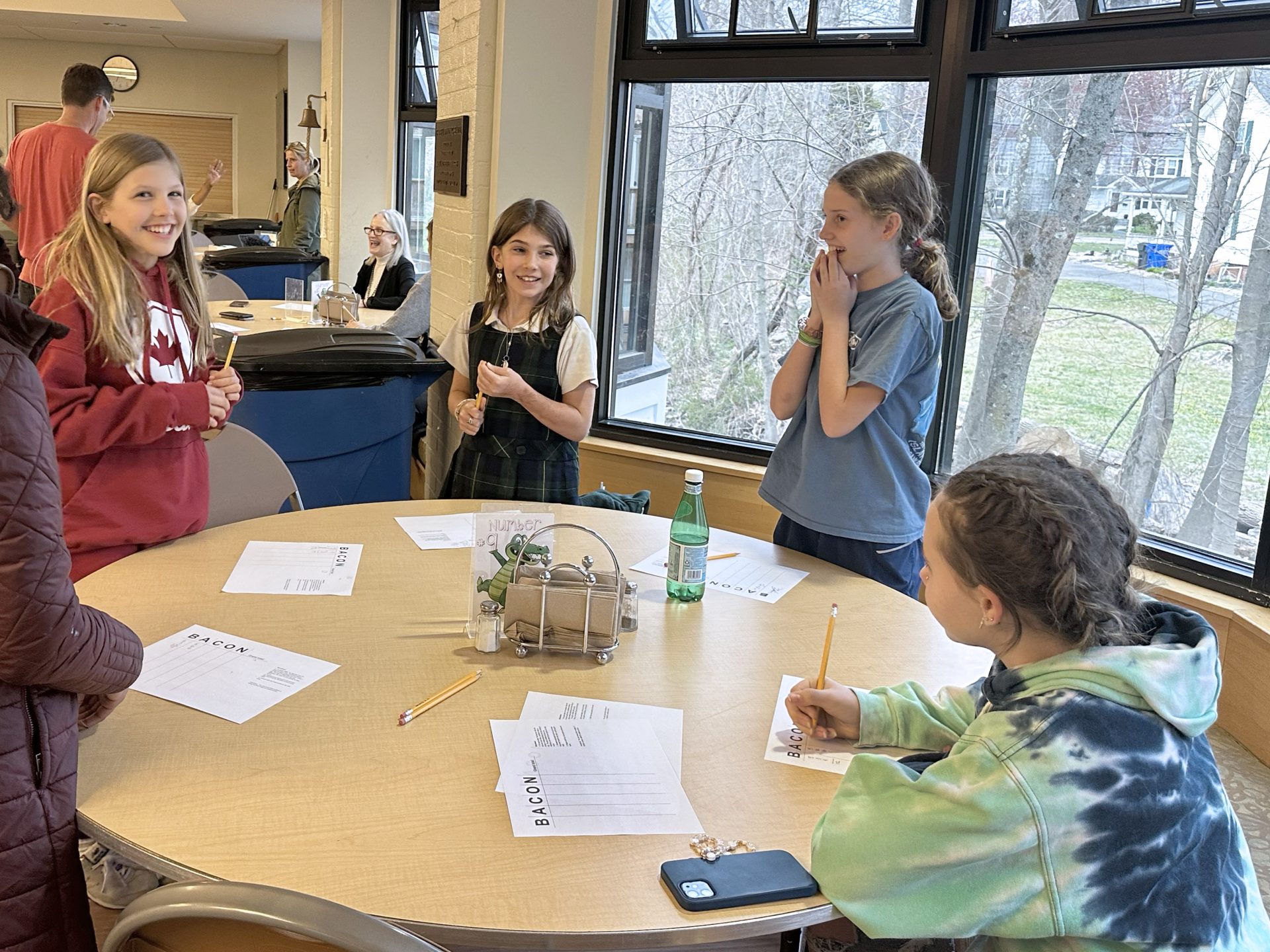
We were fortunate to have Rachel McAnallen return to the Unquowa campus to work with students and teachers on the love of math. Known simply as “Ms. Math” to children across the globe, Rachel McAnallen has devoted her life to sharing the joy and beauty of mathematics with learners of all ages. A professional educator for over half a century, Rachel travels the world teaching her subject at every grade level. In addition to her experience in the classroom, Rachel has served as a department chair, a school board member, and a high school administrator.
Rachel spent the day working with students of all grades looking at different math concepts followed by an evening student-parent math night where Rachel demystified math through fun interactive activities. Our partnership with Rachel began six years ago and she continues to invigorate our teachers with new, innovative ways to approach math. It is validating to know that Unquowa’s math program continues to help develop strong math thinkers who are not just learning procedural knowledge, but more importantly for enduring understanding and the conceptual knowledge of math as well.
A Shocking Experience!
Posted by Joshua Bartosiewicz
-

- Repelling the blue balloon with the pink balloon.

-

- Testing static electricity using hair.


In this lab students were exploring the properties of static electricity! Static electricity are electric charges that are stationary. For students to gain a better visual, this lab incorporated balloons!
Students were given 2 balloons and a piece of a wool sock. Just like the principles of magnetism, opposite charges attract and like charges repel. When students rubbed a balloon with the piece of wool (or their hair!) the particles rearranged making the balloon mostly negatively charged and the piece of wool (or hair) more positively charged. Students then tested the strength of the charged balloon by moving it either near their hair or near another balloon which was hanging by a piece of string. The balloon was either attracted to the other balloon (or hair) or repelled. By the end of the lab students had a better understanding of what static electricity is and its properties.
Habitat Fragmentation!
Posted by Joshua Bartosiewicz


Students in the 7th grade have been learning about environmental processes, Earth processes, ecology and human influences on the planets systems. In this lab, students were examining the effects of habitat fragmentation. Habitat fragmentation is the process by which an environment that provides homes to organisms are divided and broken up into smaller areas, usually a result of human influence (construction, colonization, agriculture, etc.). This fragmentation will usually have negative impacts on the organisms in the area, although it is possible for a certain organism to benefit from this (usually a predator such as a hawk). The reason it can benefit certain predators is because the prey have less places to hide, therefore throwing off the balance of the ecosystem. In general, students enjoyed this activity and were able to have a visual of what habitat fragmentation really means.
STEM Fair begins….
Posted by Karen Engelke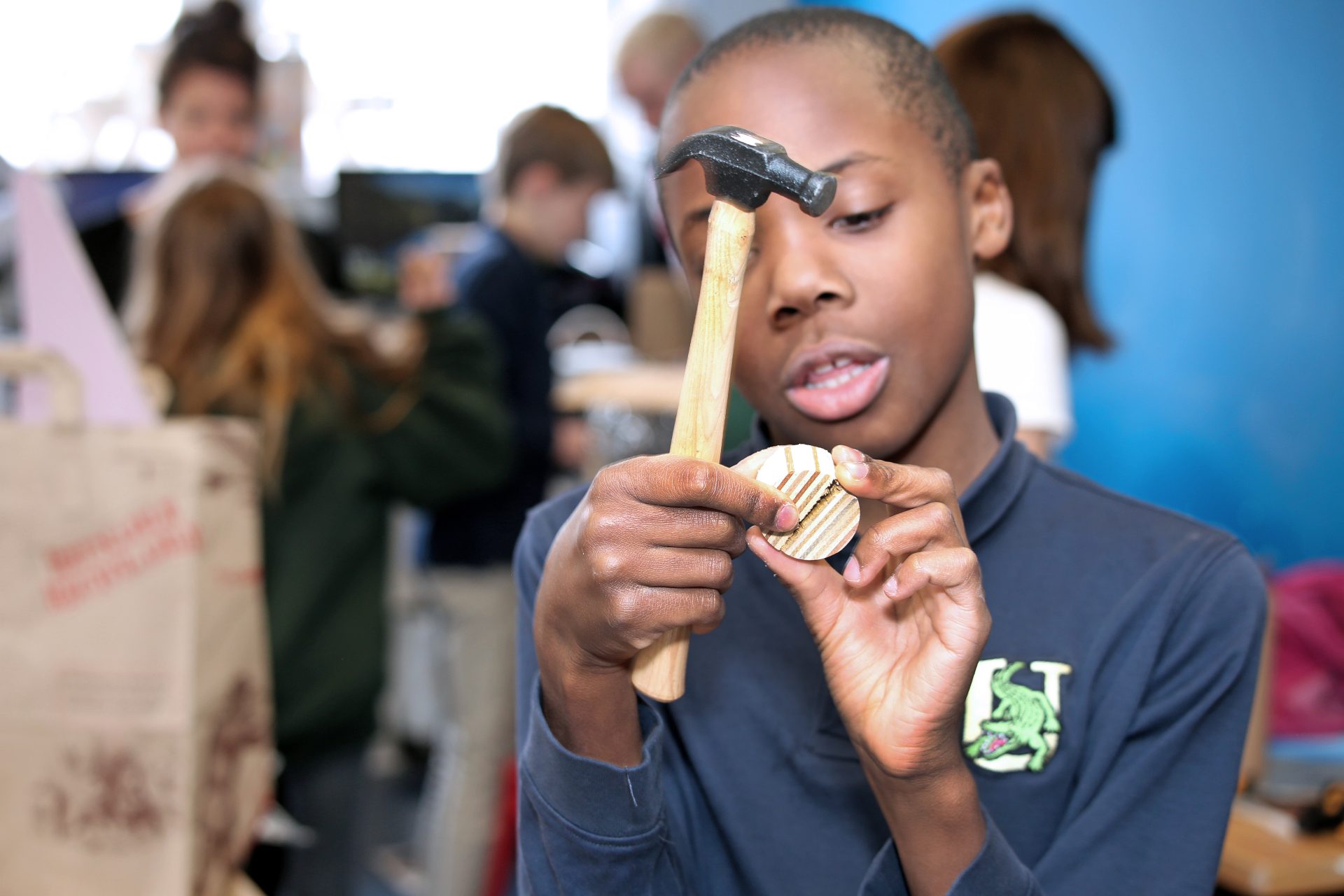
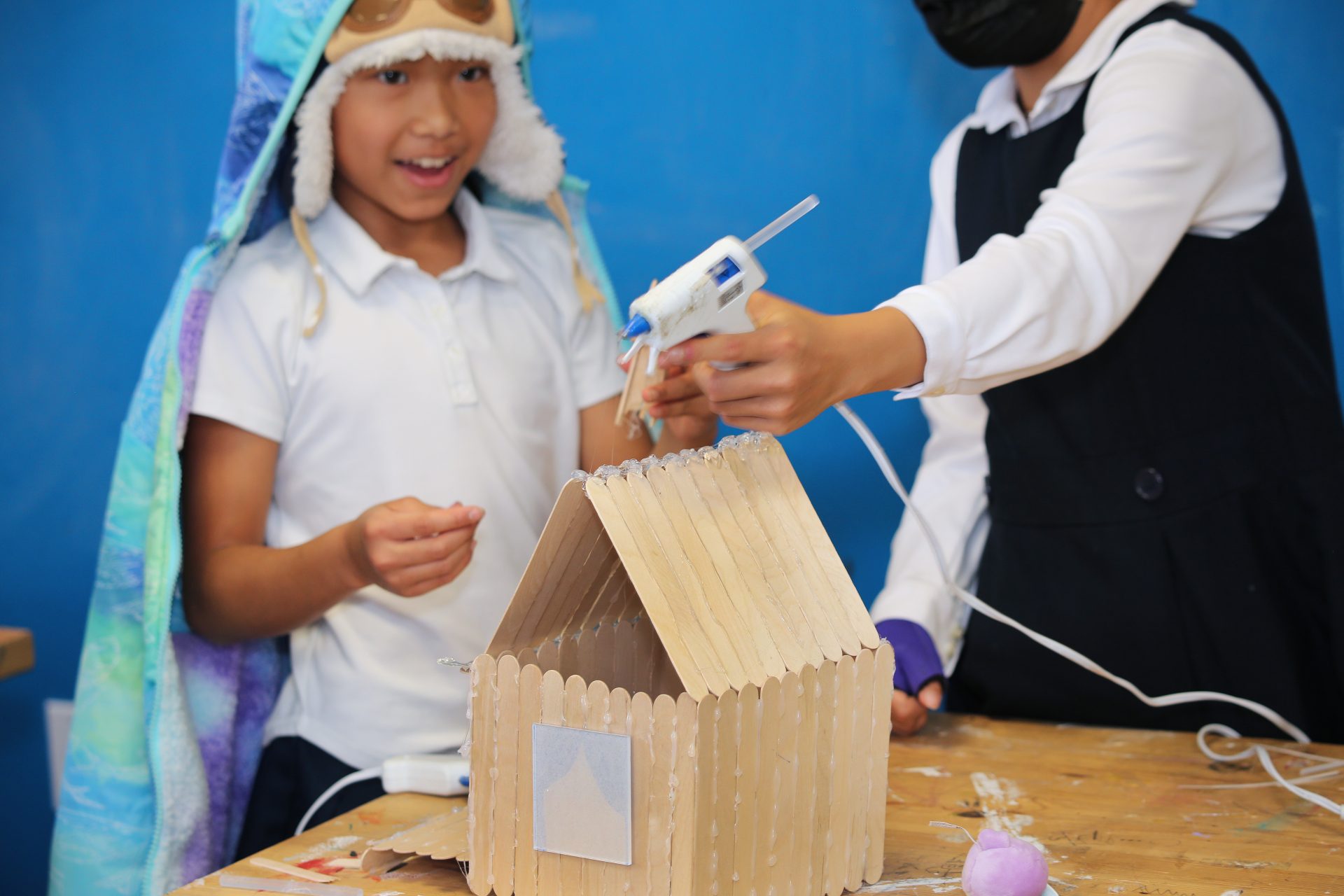
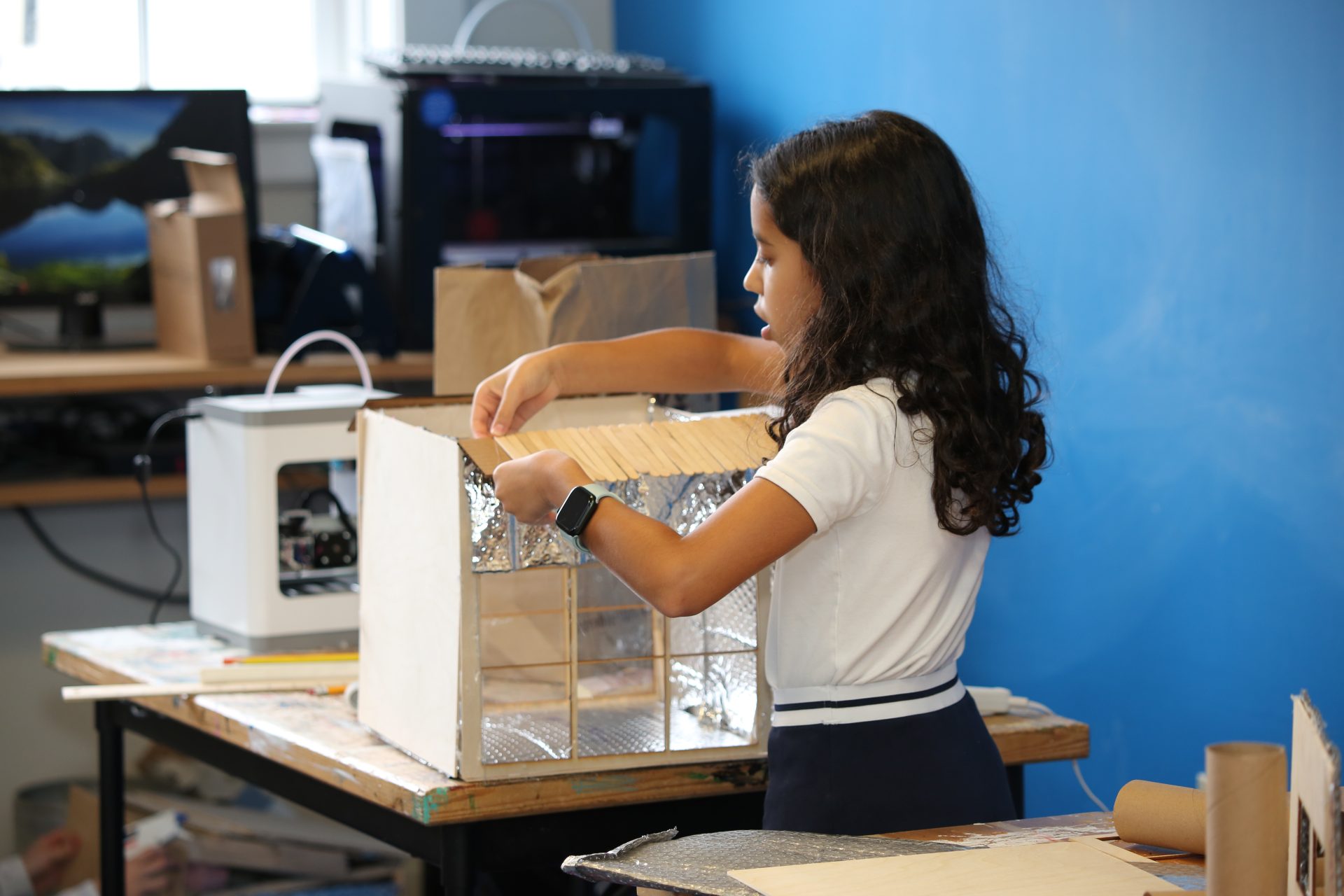
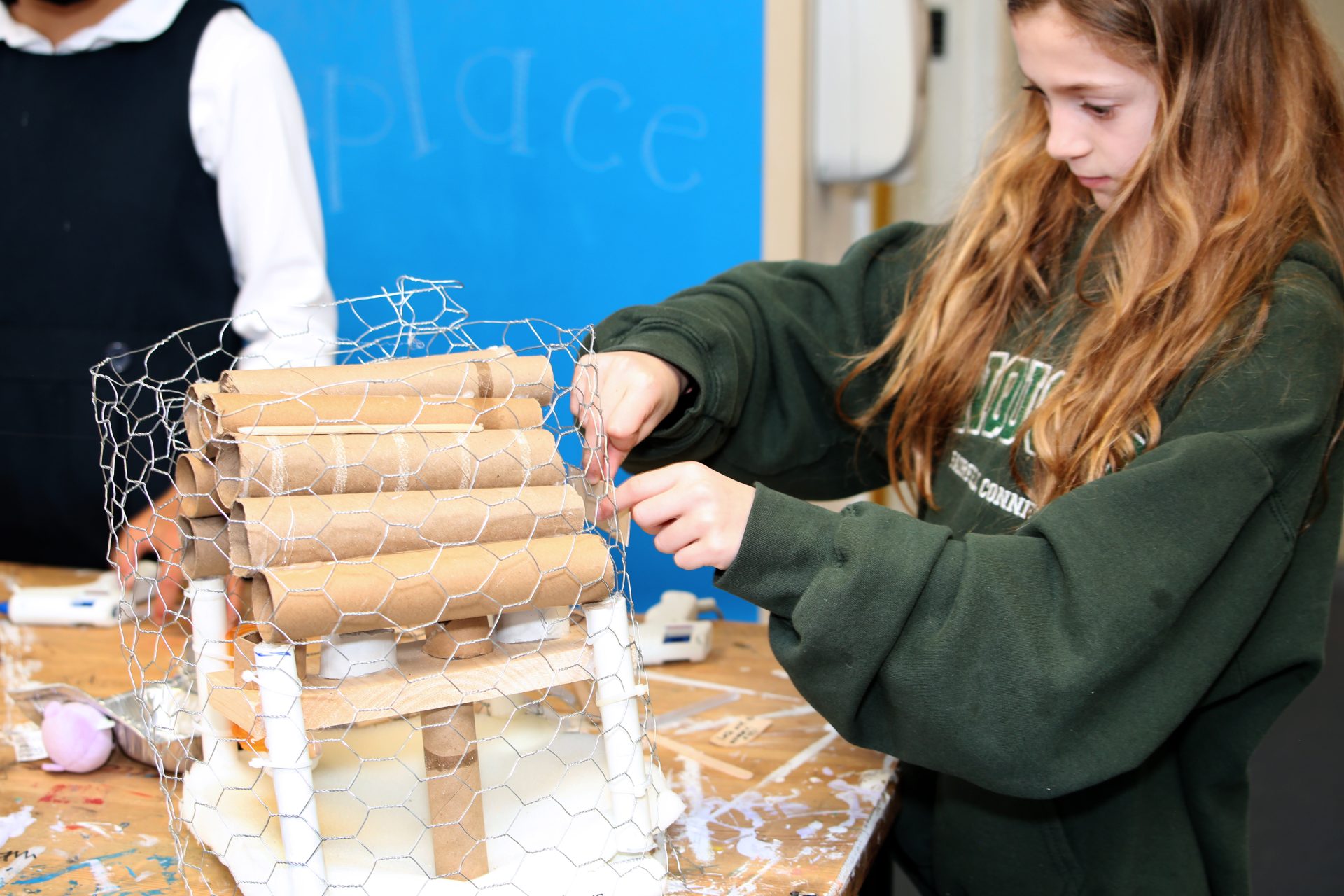
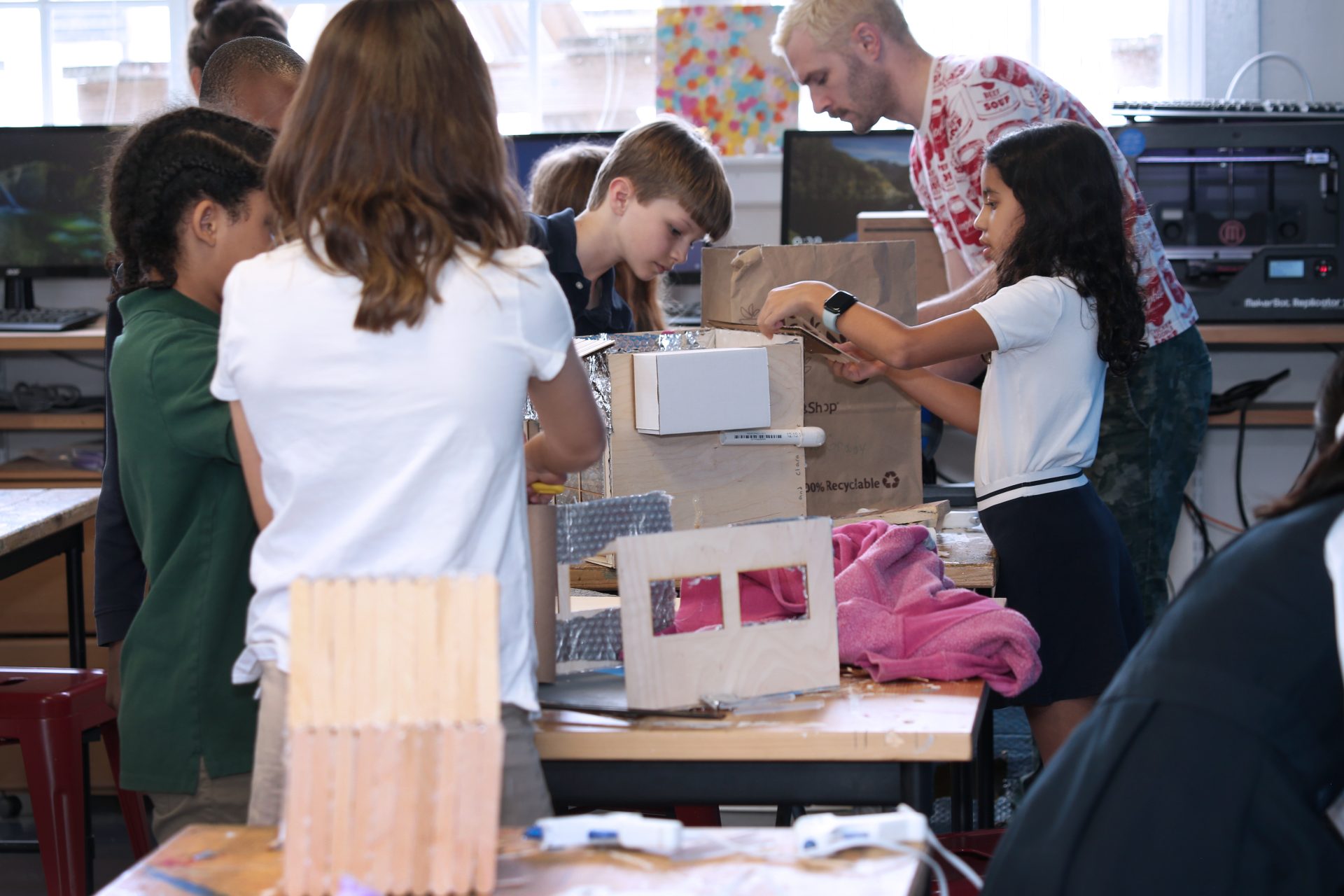
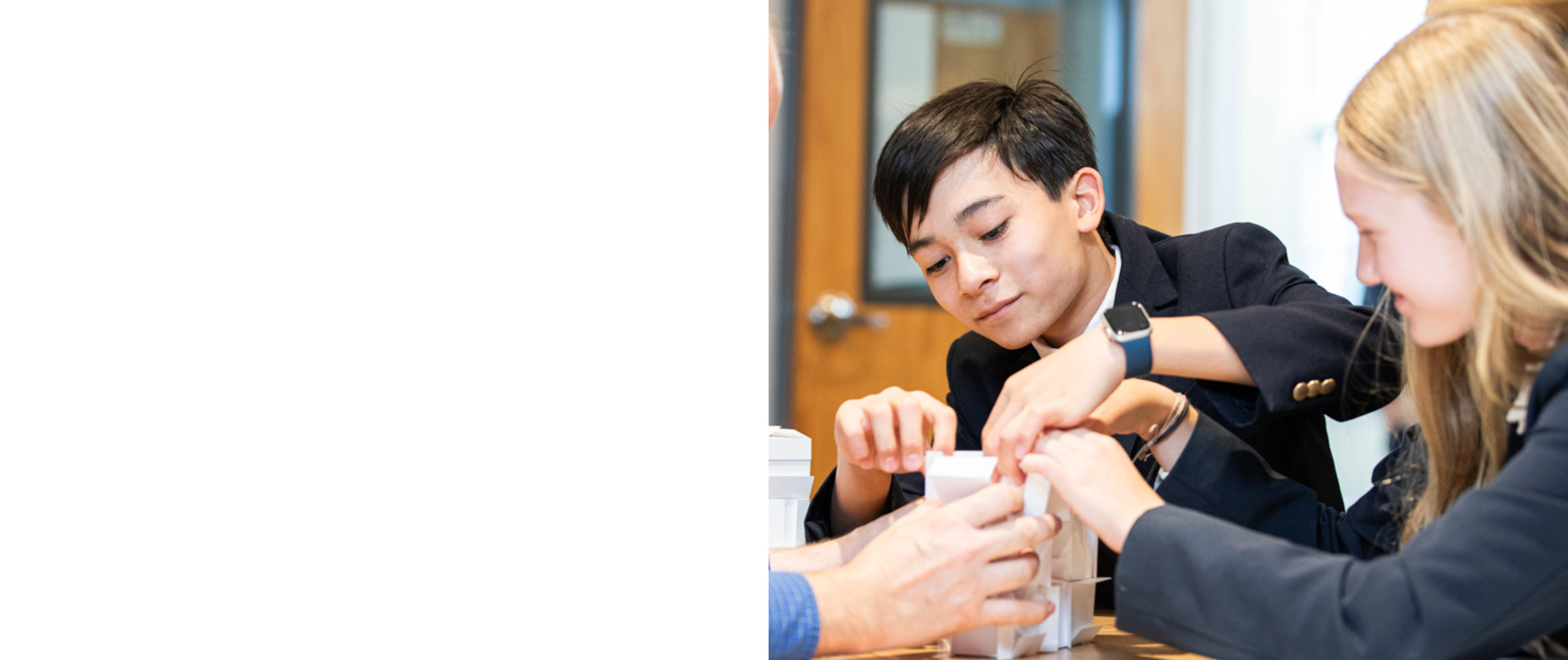
Grades 4, 5, and 6 have begun working on their STEM Fair projects. Over the next 3 weeks, each grade has been tasked with creating a structure that utilizes renewable energy. Grade 4 has been charged with building a model highlighting how passive solar energy can power a structure. After learning about the nature of passive solar energy, they were put in teams, and together, with the aid of Mr. Casey, they are currently building their models. When their work is complete, they will present their ideas to the rest of the class. We can’t wait to see what these future engineers have in store for us!