




Building Blocks of Life (Cell Models)
Posted by Joshua Bartosiewicz-
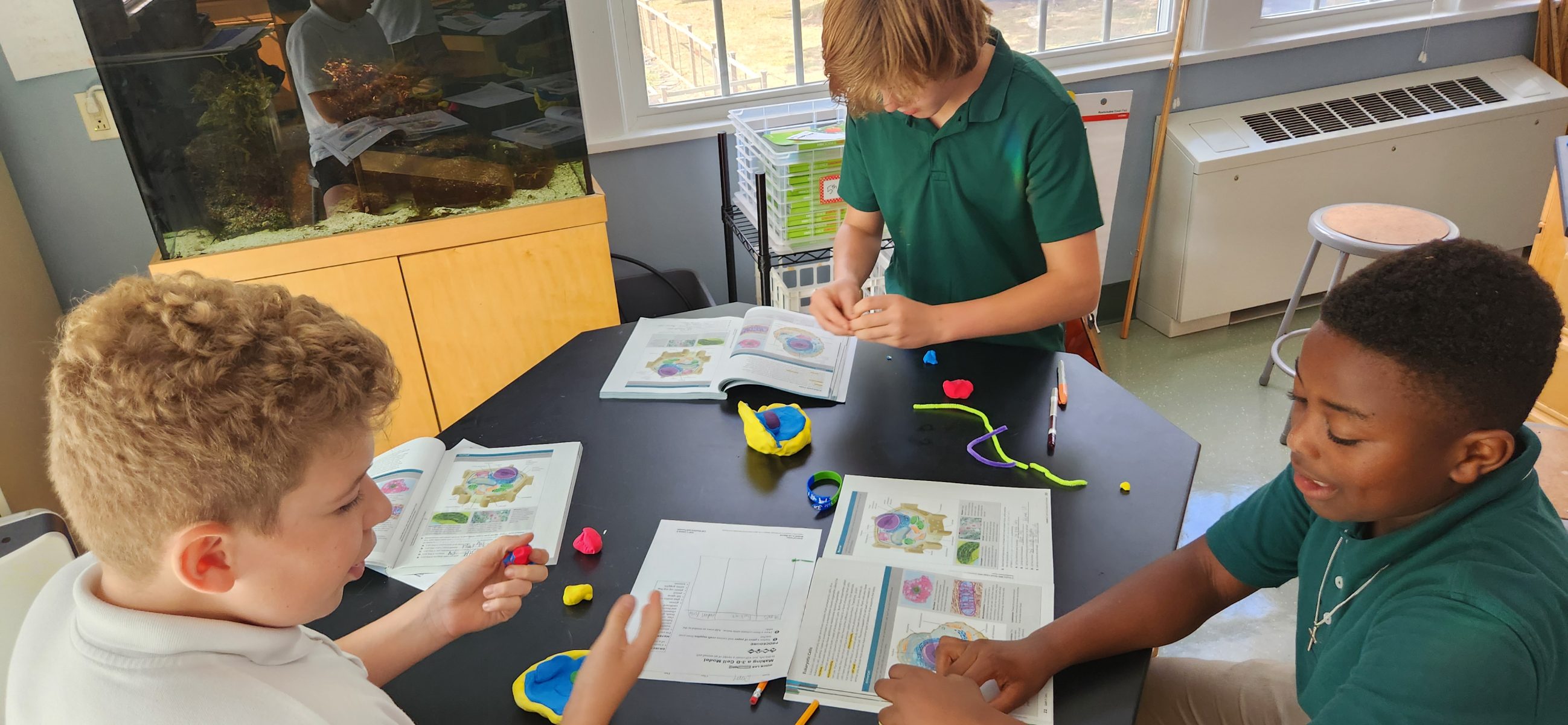
- Making a 3-D animal cell model!
-
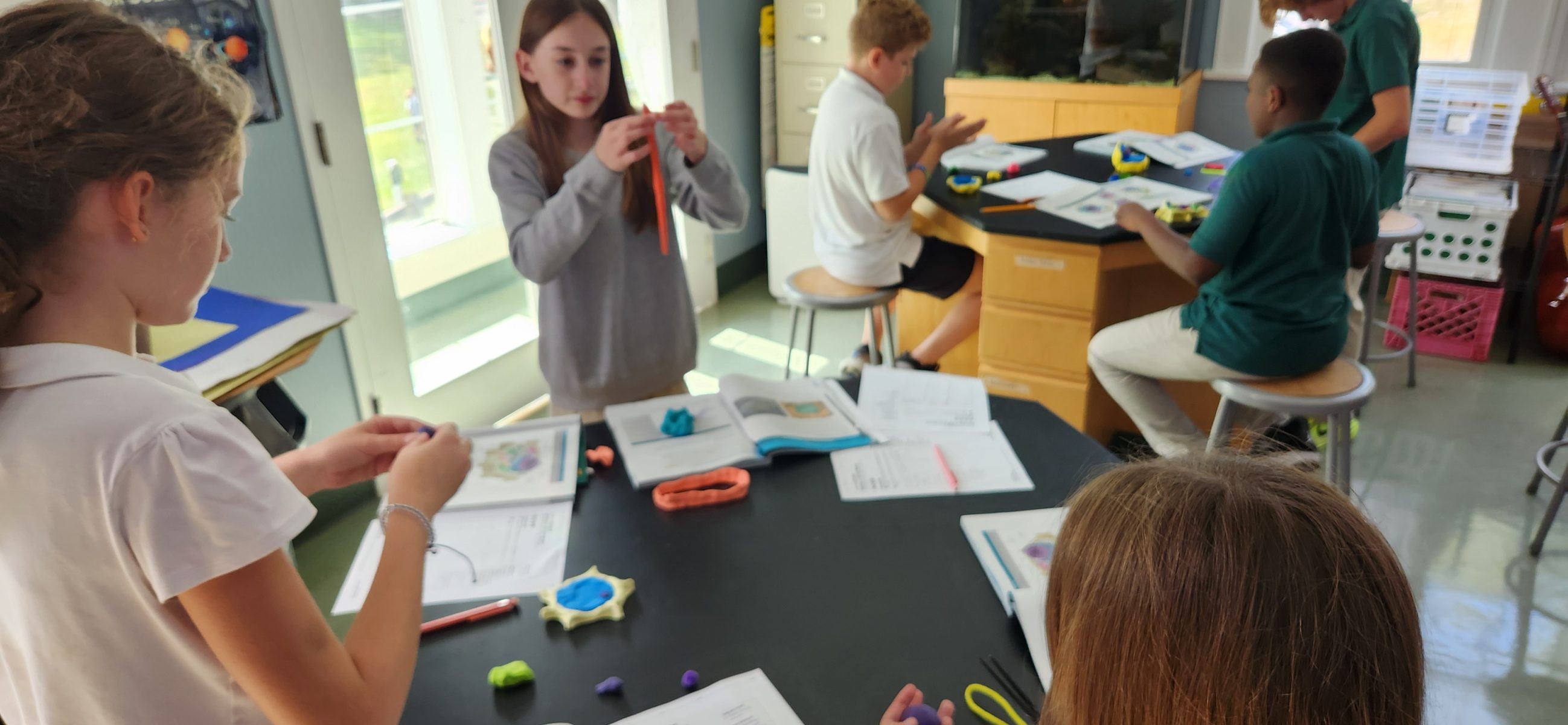
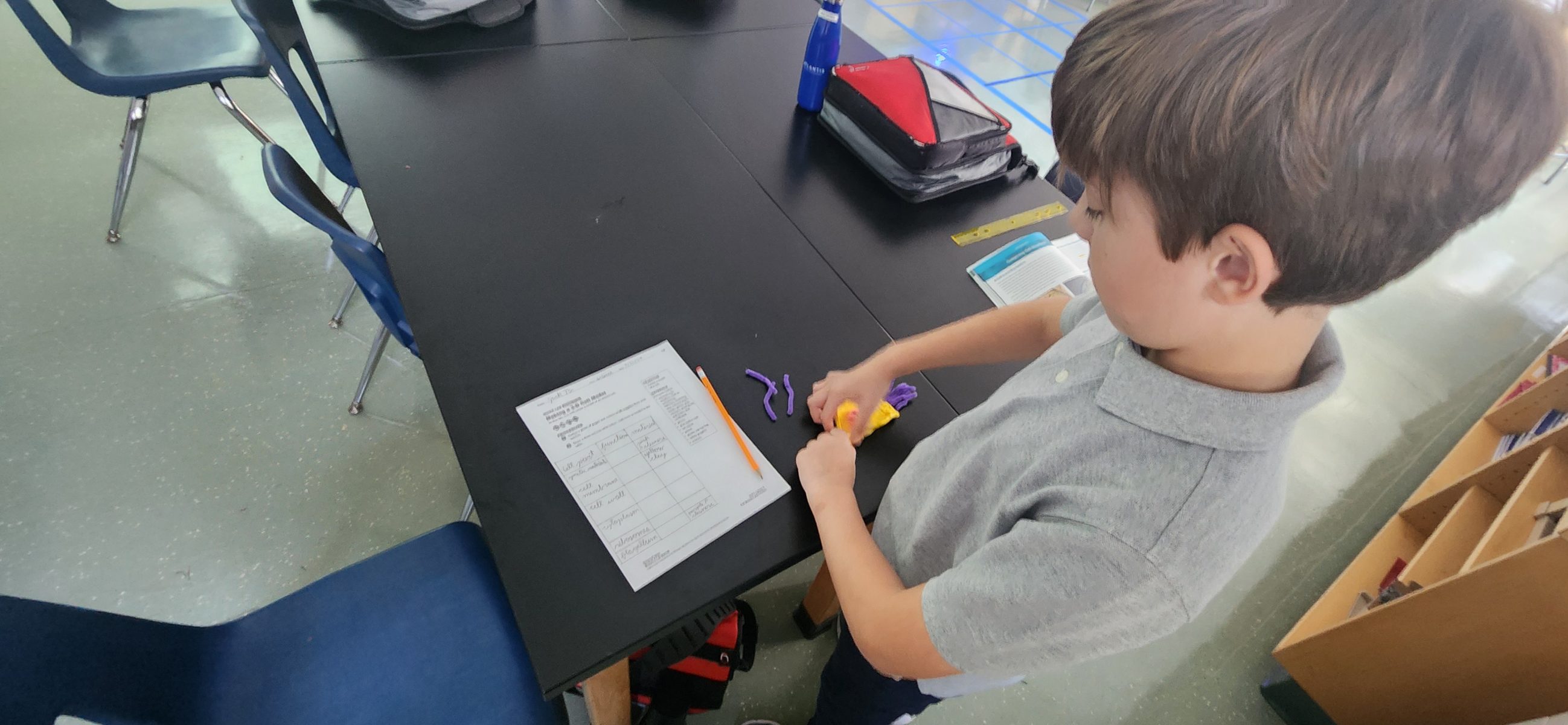
- Making a 3-D prokaryote cell model!
-
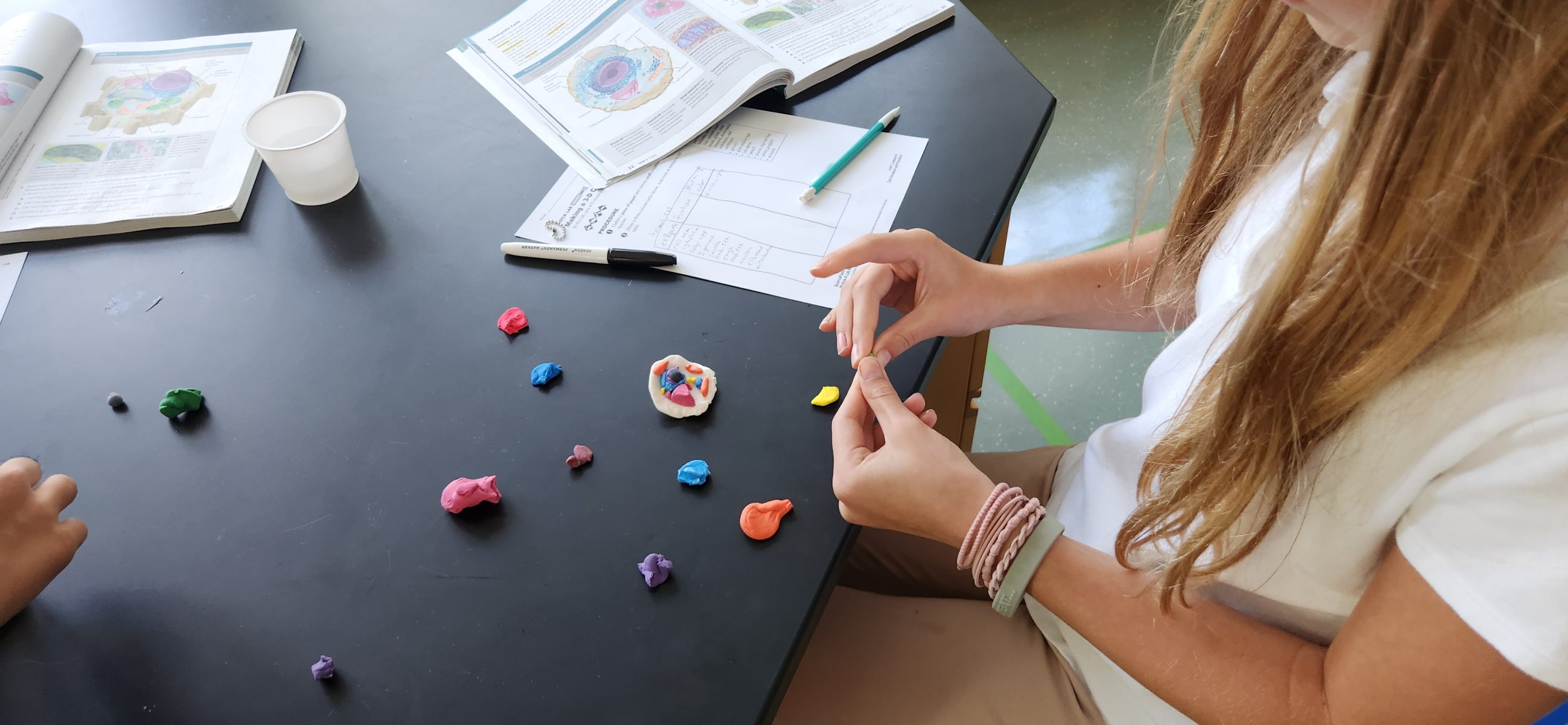
- A tiny 3-D model.
-
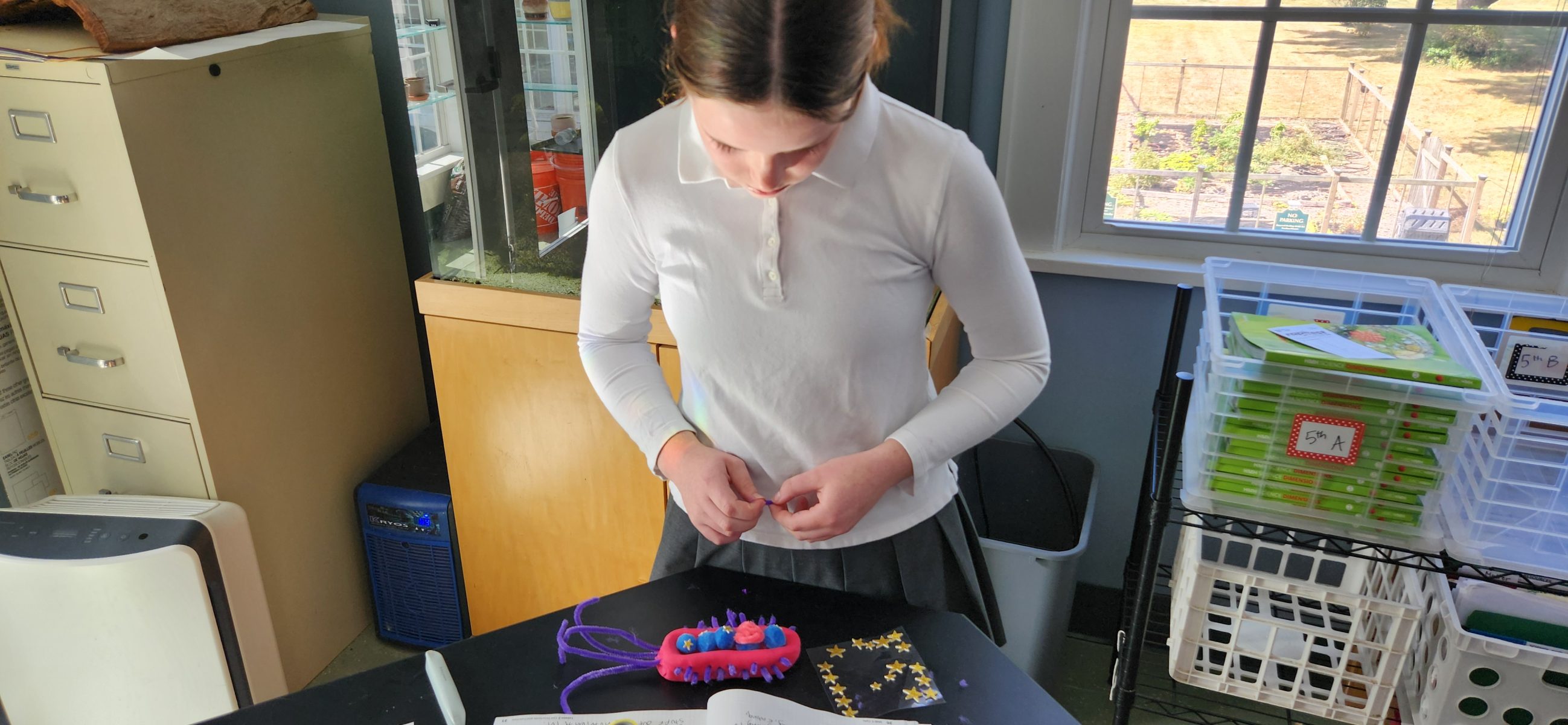
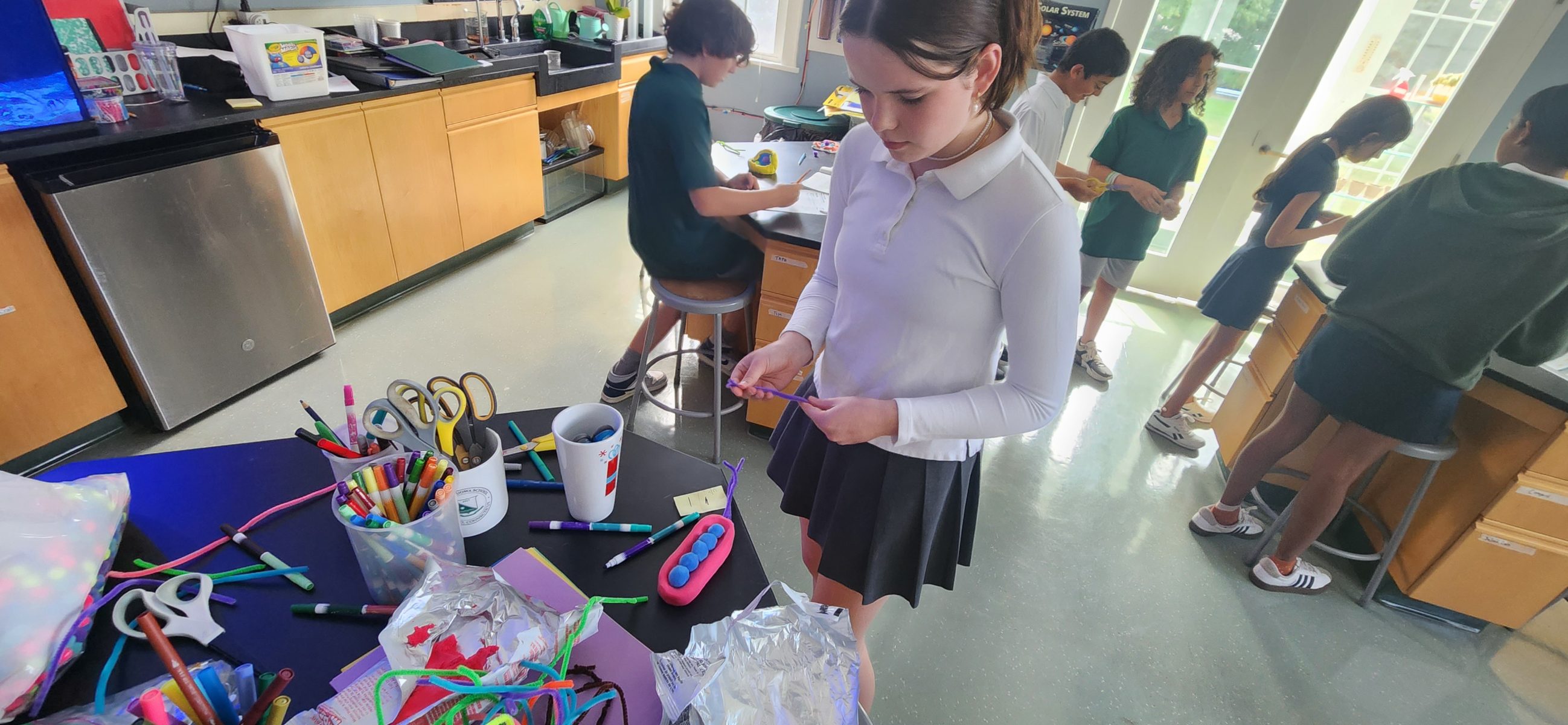
- Working on a single celled organism.
-
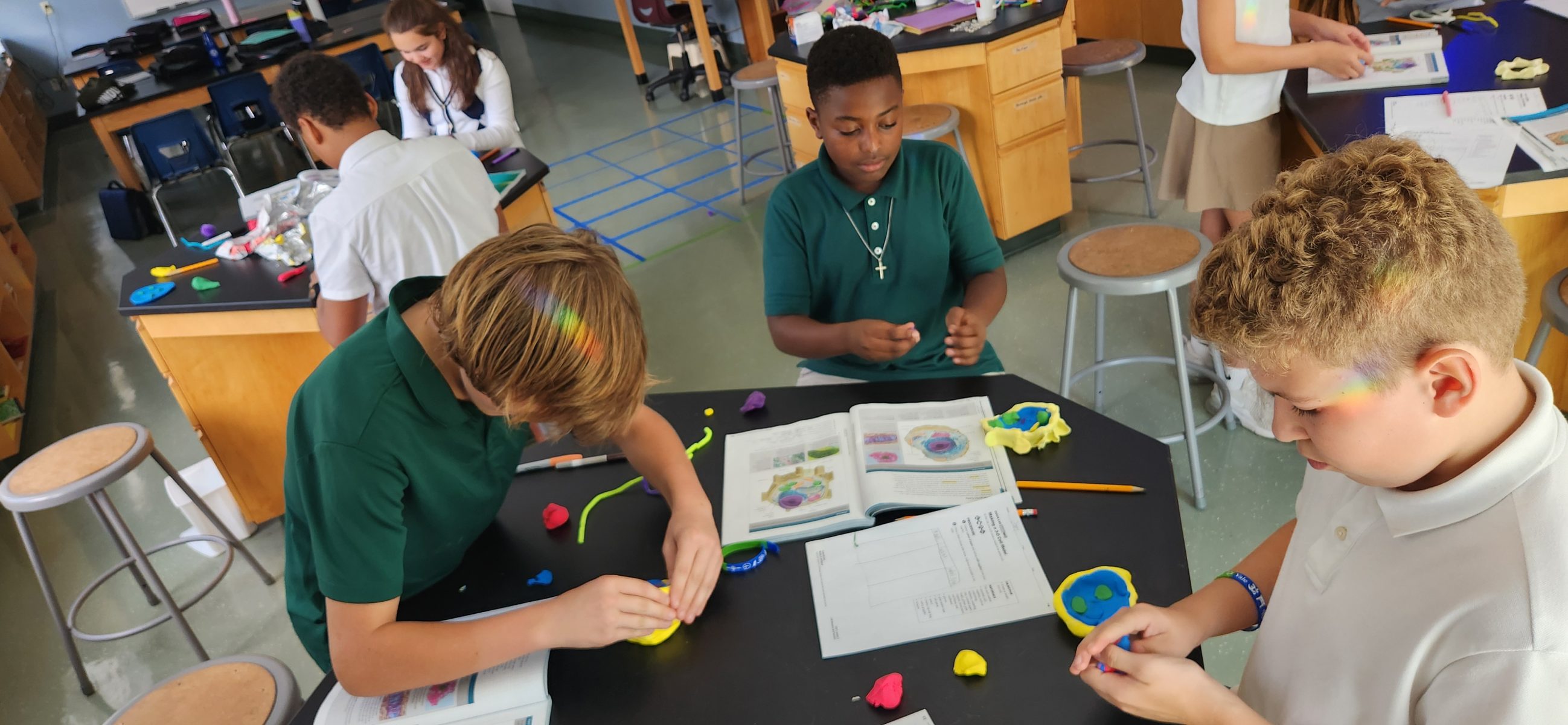
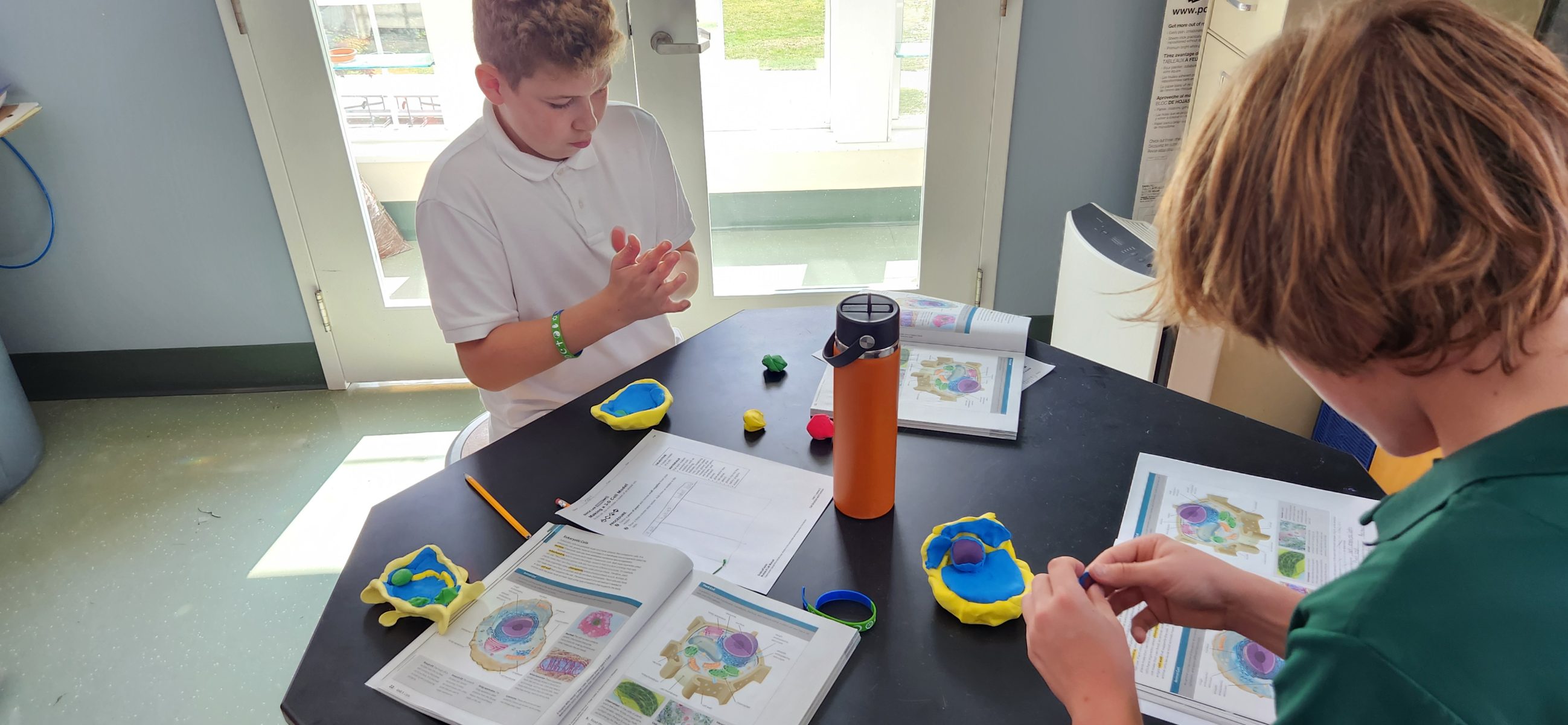
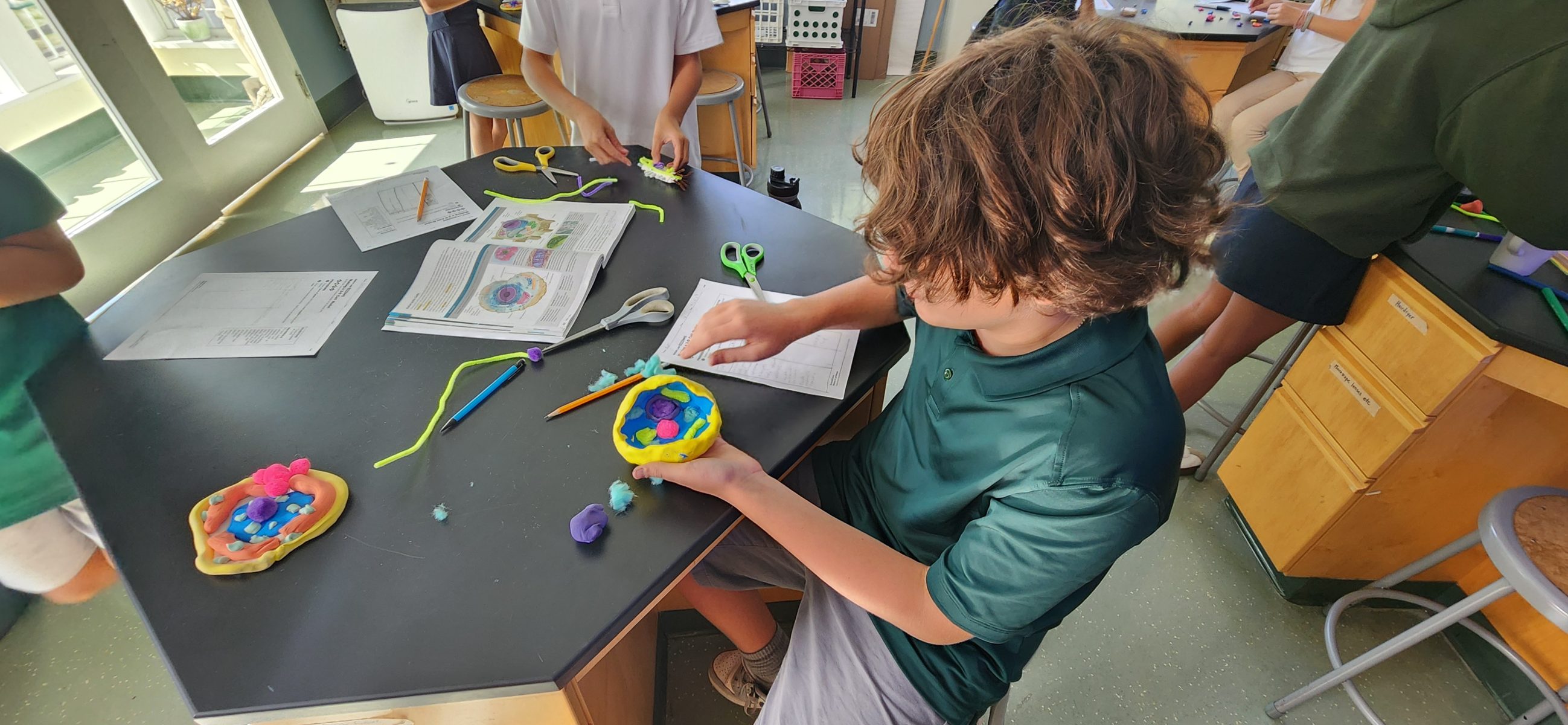
- Checking their model with an illustration in the book.
-
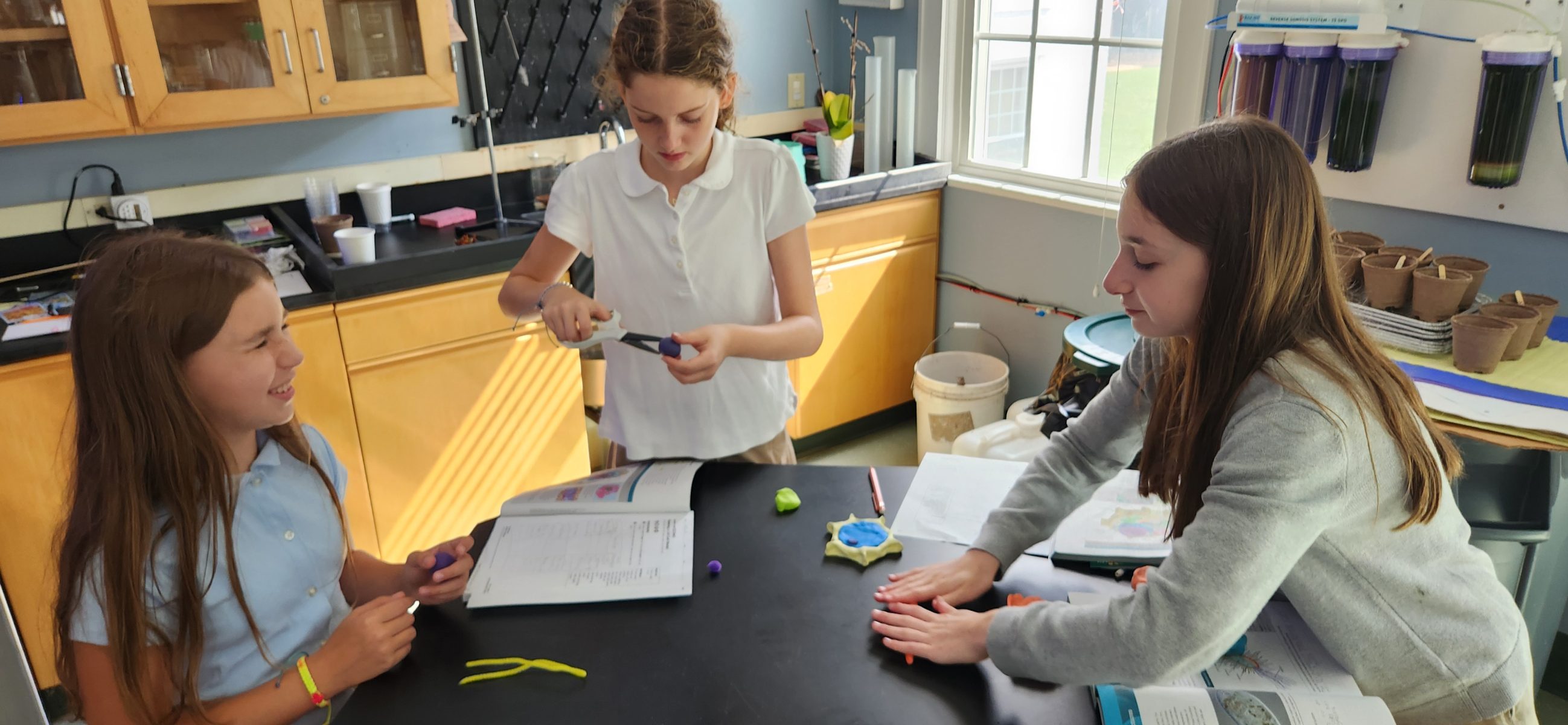
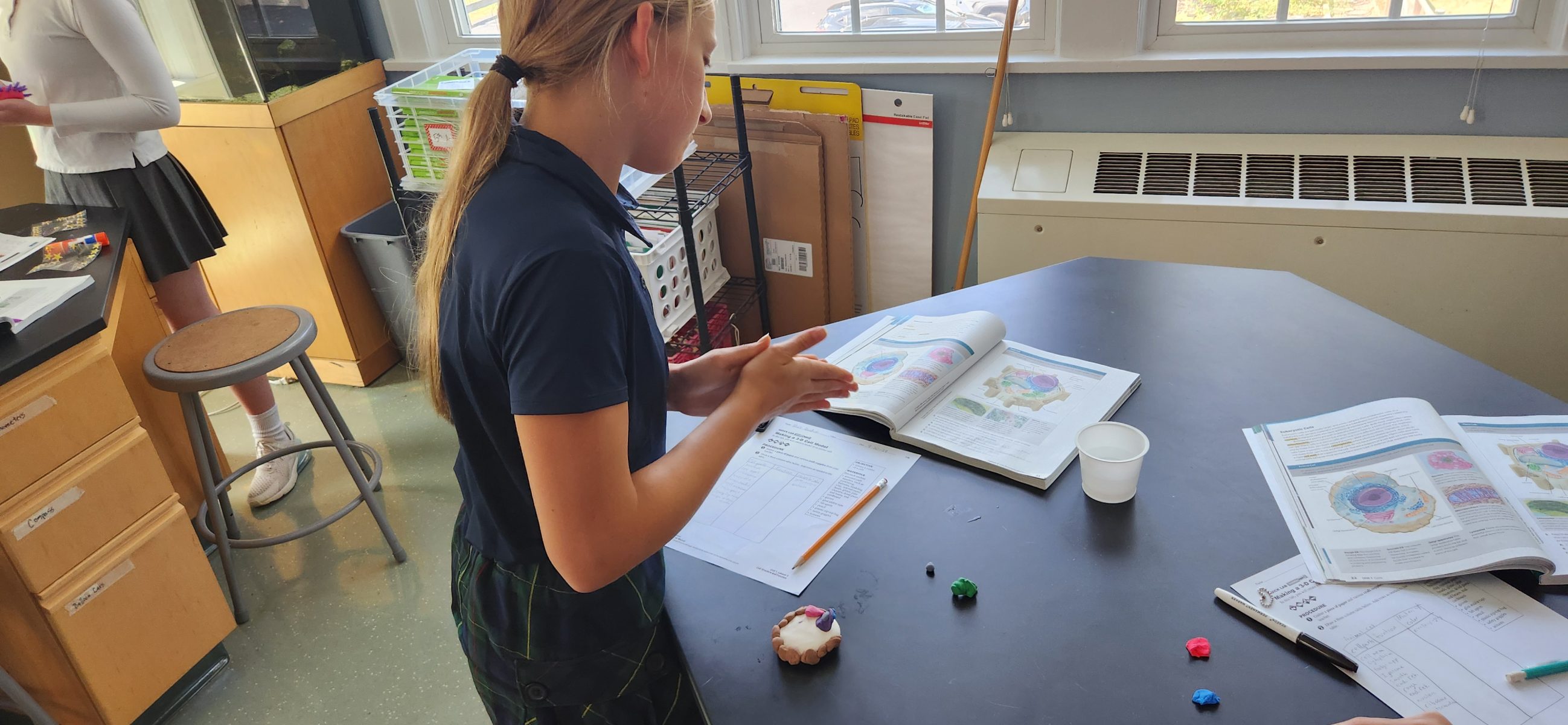
- Making cell Models!
-
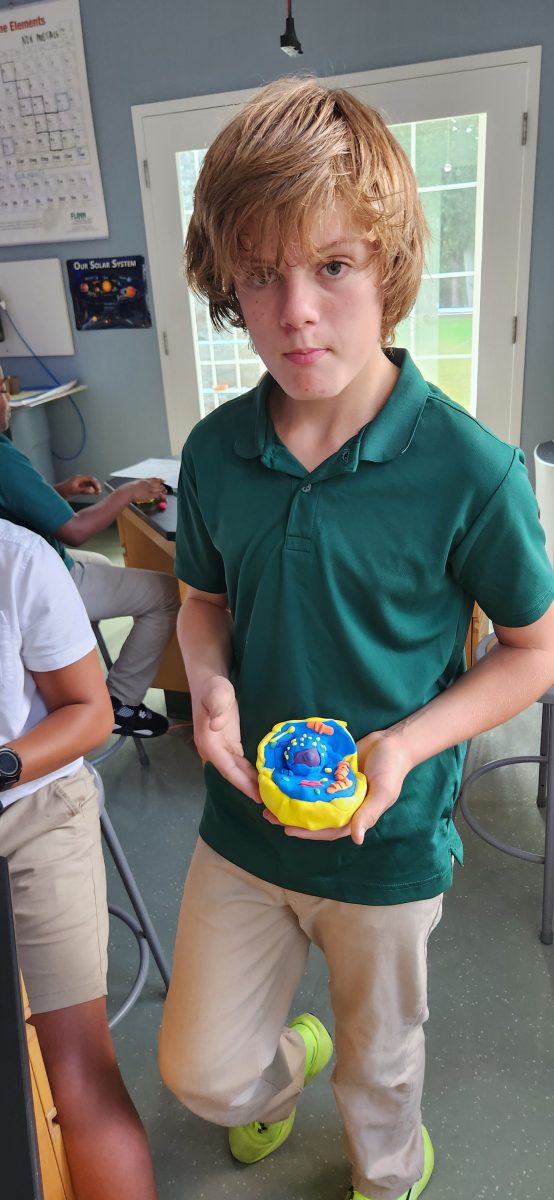
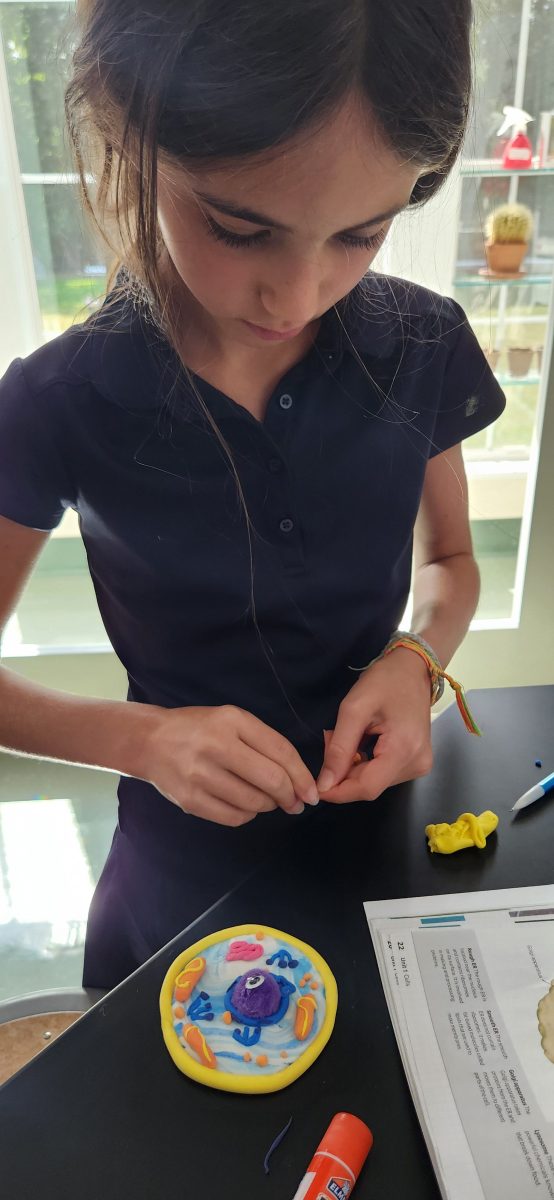
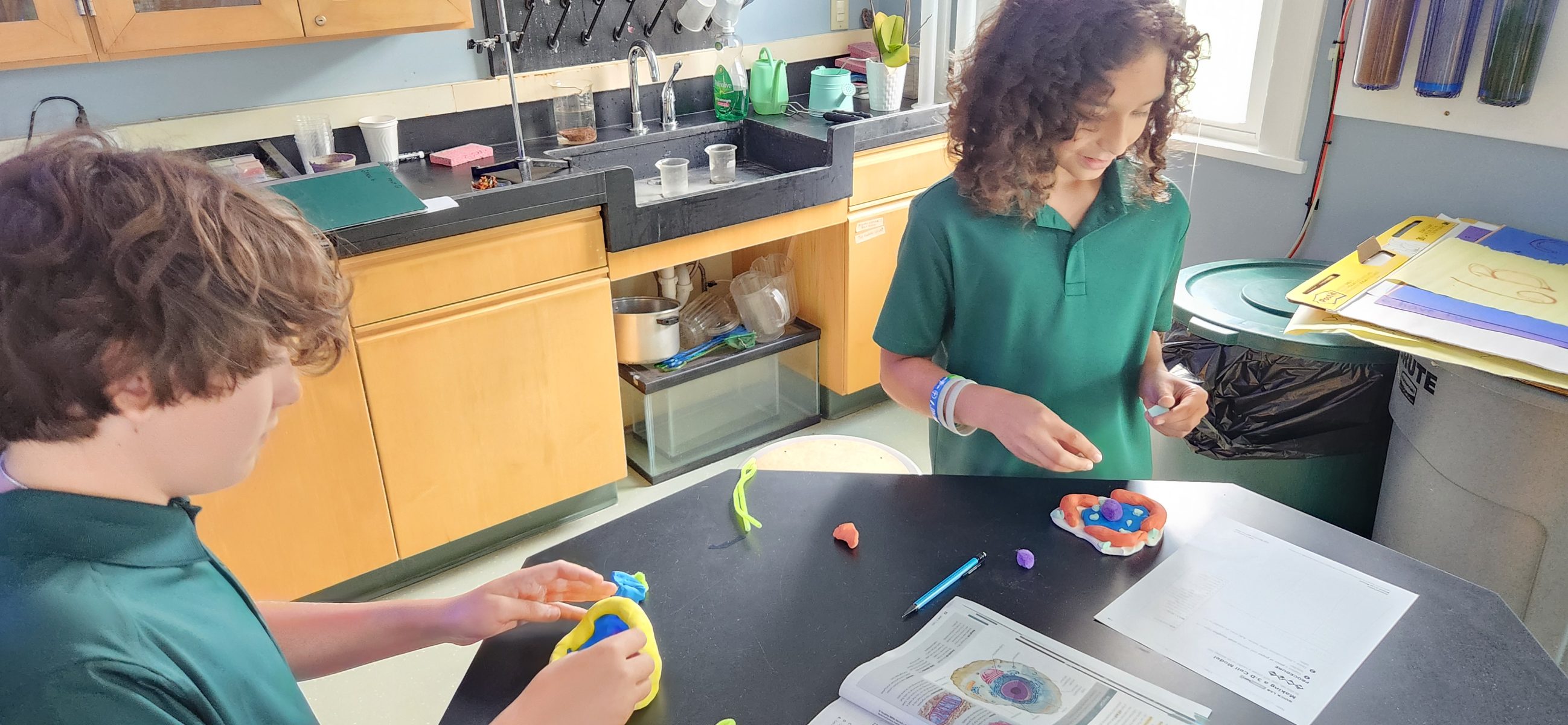
- Creating cell models from clay!
-
- A finished 3-D cell model masterpiece.
-
- Making it an accurate model!
-
- Adding fine details.
-
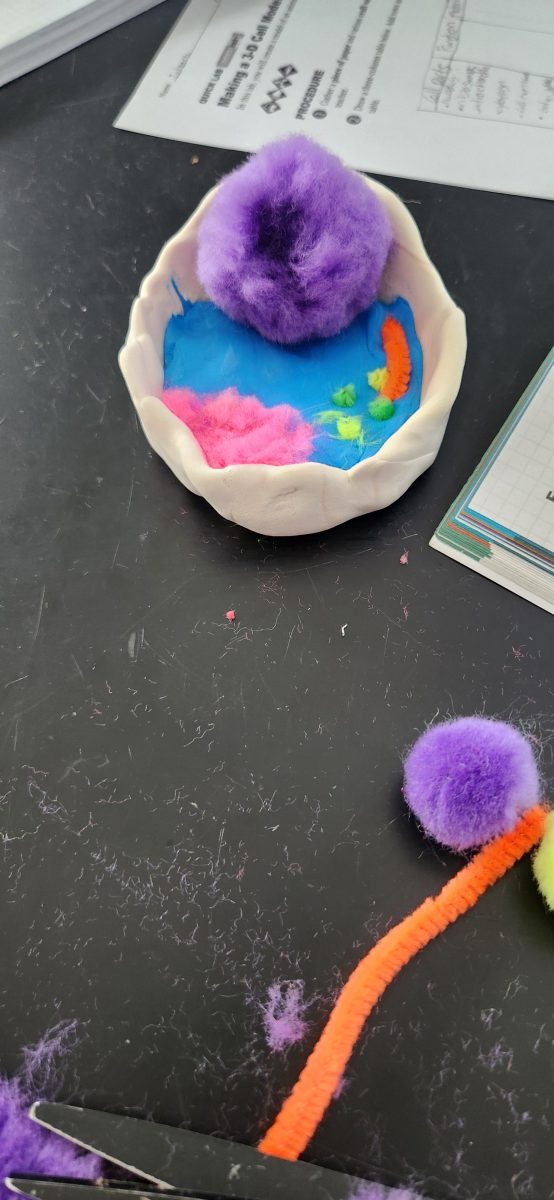
- A plant cell.
-
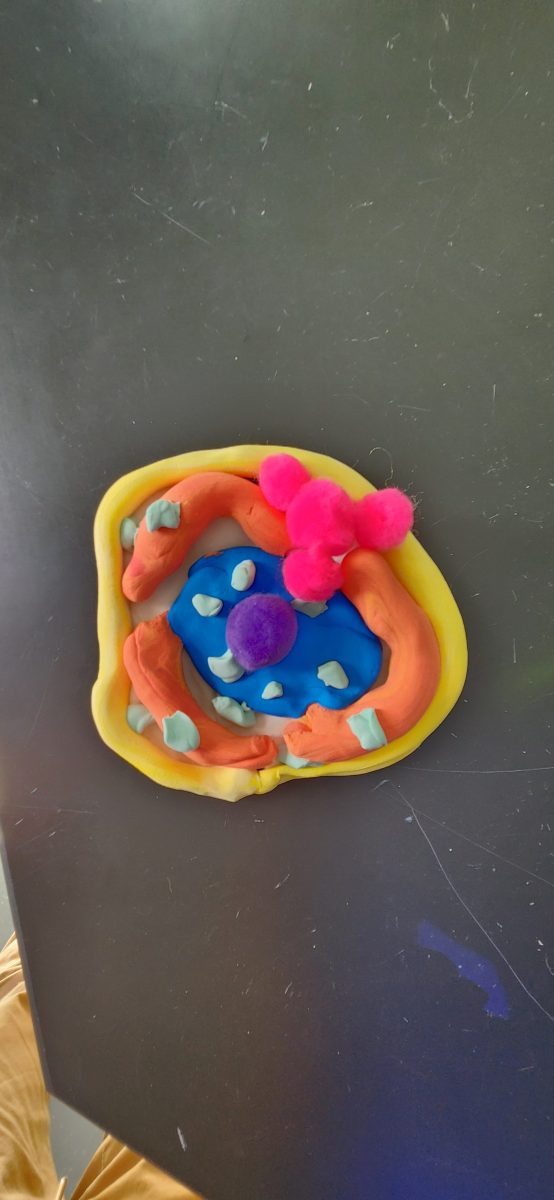
- An animal cell.
-
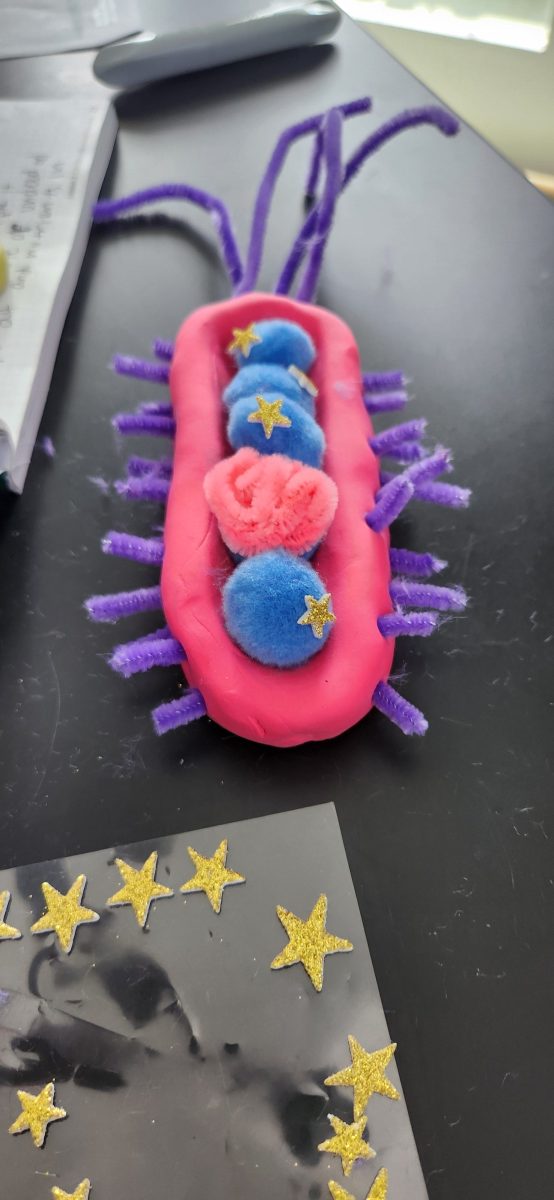
- A single celled (unicellular organism) referred to as a prokaryote.
-
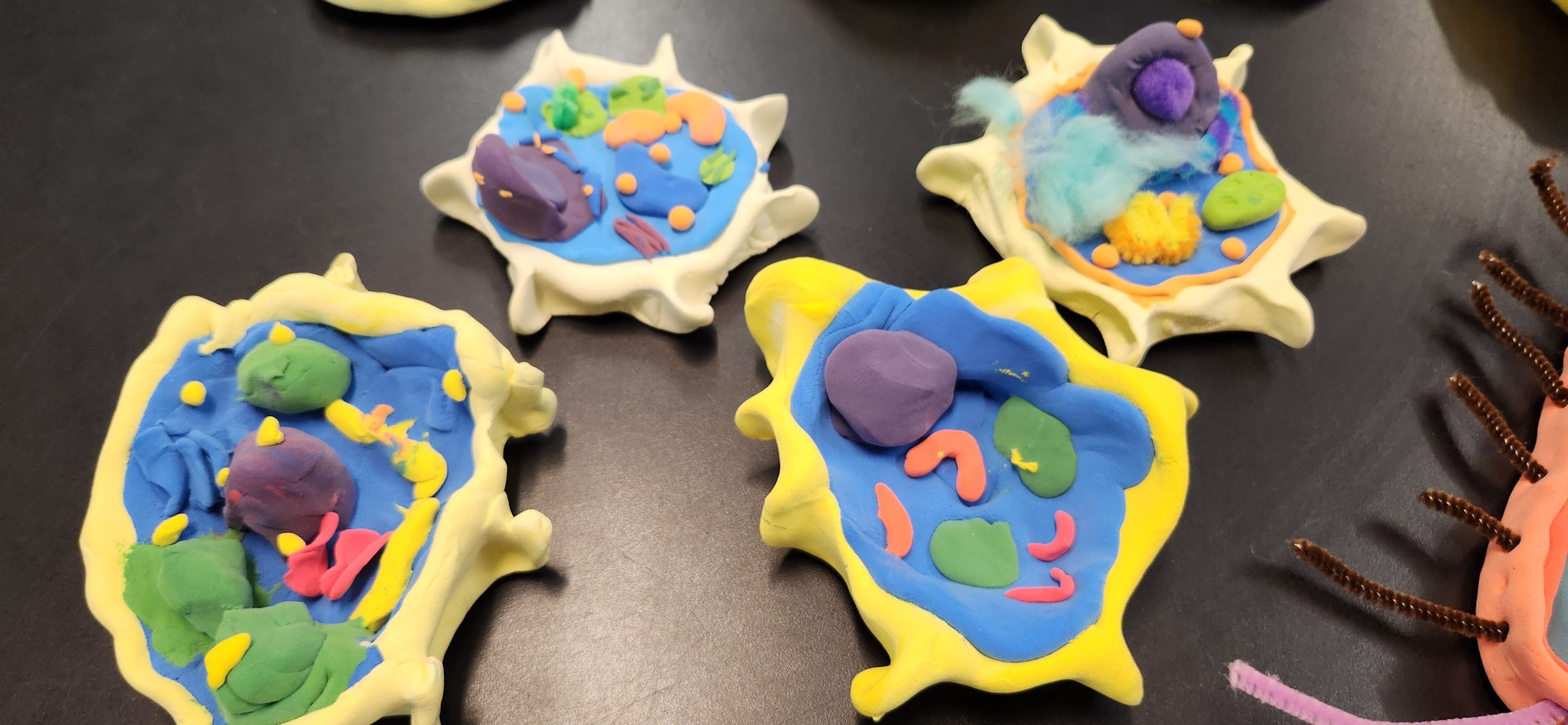
- Class models!
-
- Class models!
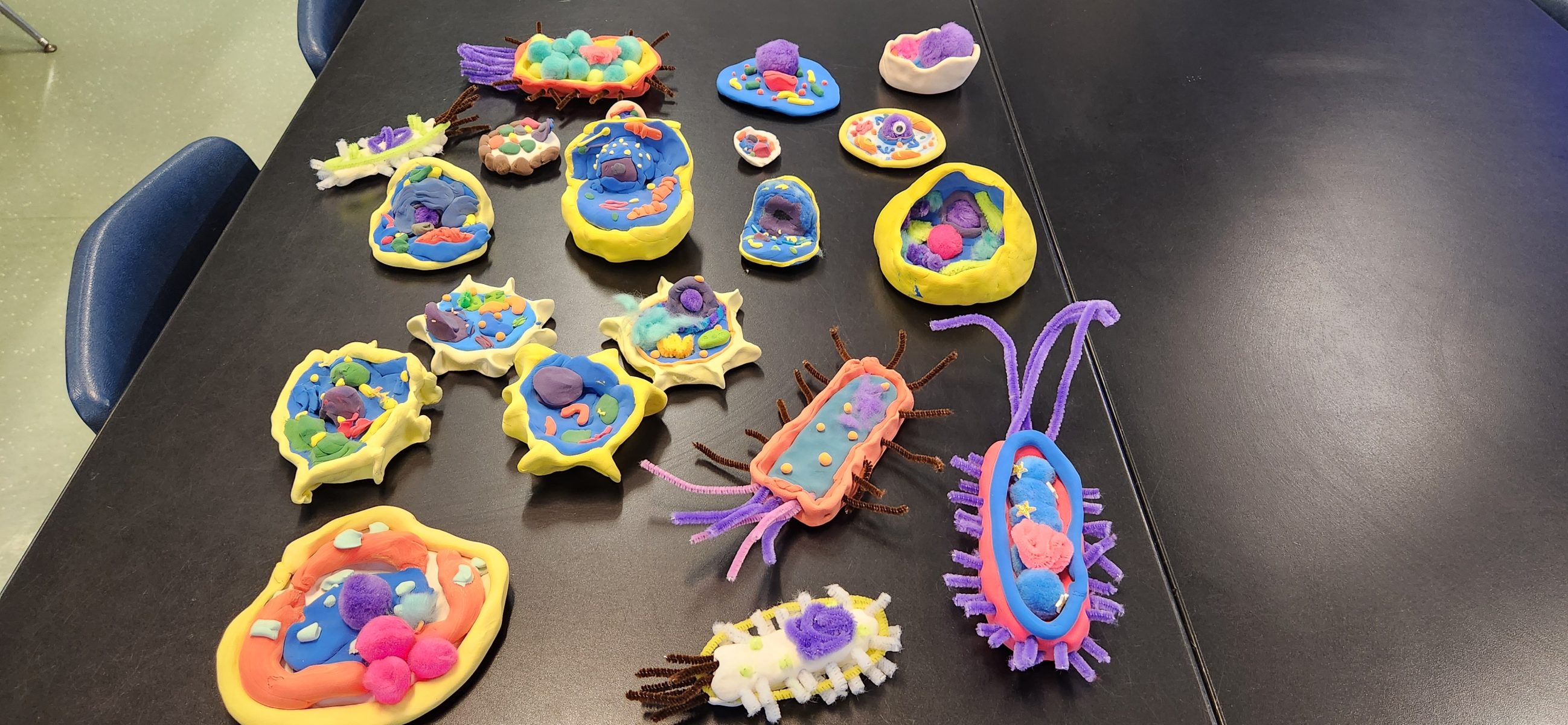
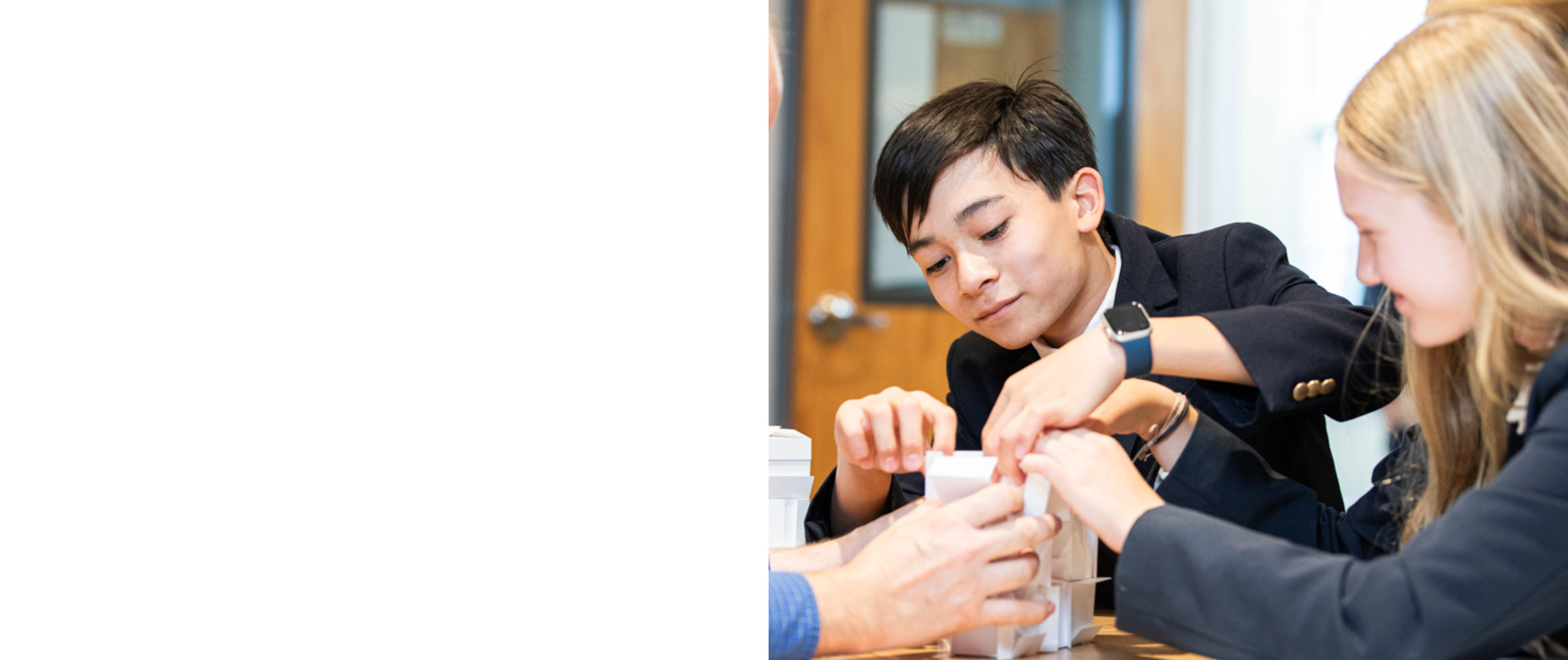
In order for the 7th grade to gain a better understanding of the world around them we first took a look into the microscopic world of cells! Our young scholars started by learning about the different types; either they can be eukaryotic, like animal cells or plant cells, or they can be prokaryotic, like a paramecium. After the students learned about these two main categories of cells, they then began to learn about all of their cell parts which we refer to as organelles. A few examples of organelles include; a nucleus, a mitochondria, endoplasmic reticulum and more! Not only did our students learn what these organelles look like but they learned what their roles are within the cells and how they help the organism function on a daily basis. Once students started to have a better understanding of cells and their parts, they were able to construct their very own cell models! Students were able to choose between an animal cell, a plant cell or a prokaryotic cell. In the end, students had a blast making these models and they definitely have a more in-depth understanding of how all living this are made of cells and how important they are for life!
Levels of Organization in Organisms
Posted by Joshua Bartosiewicz-

- Creating a 2-D model of the cell type they are observing.

-

- Observing a human bone cell.

-

- Analyzing an plant algae cell.

-

- Checking out a liver cell from a frog.

-

- Adjusting the focus of the lense.


-

- Recording their findings.

-

- Recording their data.

Now that the 7th grade has a better understanding of cells, we have started to work our way up the totem pole. Students have learned about the different levels of organization within multicellular organisms (organisms made of more than one cell). Our gators know that the cells are the building blocks of life, but they have also discovered that cells in multicellular organisms must work together in order to perform life processes. Students were given tissue samples from either an animal or plant, which they had to begin to study and analyze under the microscope. Along with a few lab questions, they had to illustrate their findings as well. Upon completion of this lab, students reinforced their knowledge that cells are the base level of organisms, but a group of similar cells working with similar functions are referred to as tissue. Moving up the totem pole of organization; a group of tissue cells make up an organ, such as our stomachs, and even further up, a group of organs working together are referred to as an organ system, like our digestive system. Lastly, all of our systems work together which help the organism to thrive and live out its life as successfully as possible. Overall, students had fun learning about the levels of organization (cells -> tissue -> organs -> organ systems -> organisms) within an organism and they were able to make these connections between the microscopic realm and and the macroscopic world.
Minute-by-Minute: The Cuban Missile Crisis Simulation
Posted by Ariel Warshaw

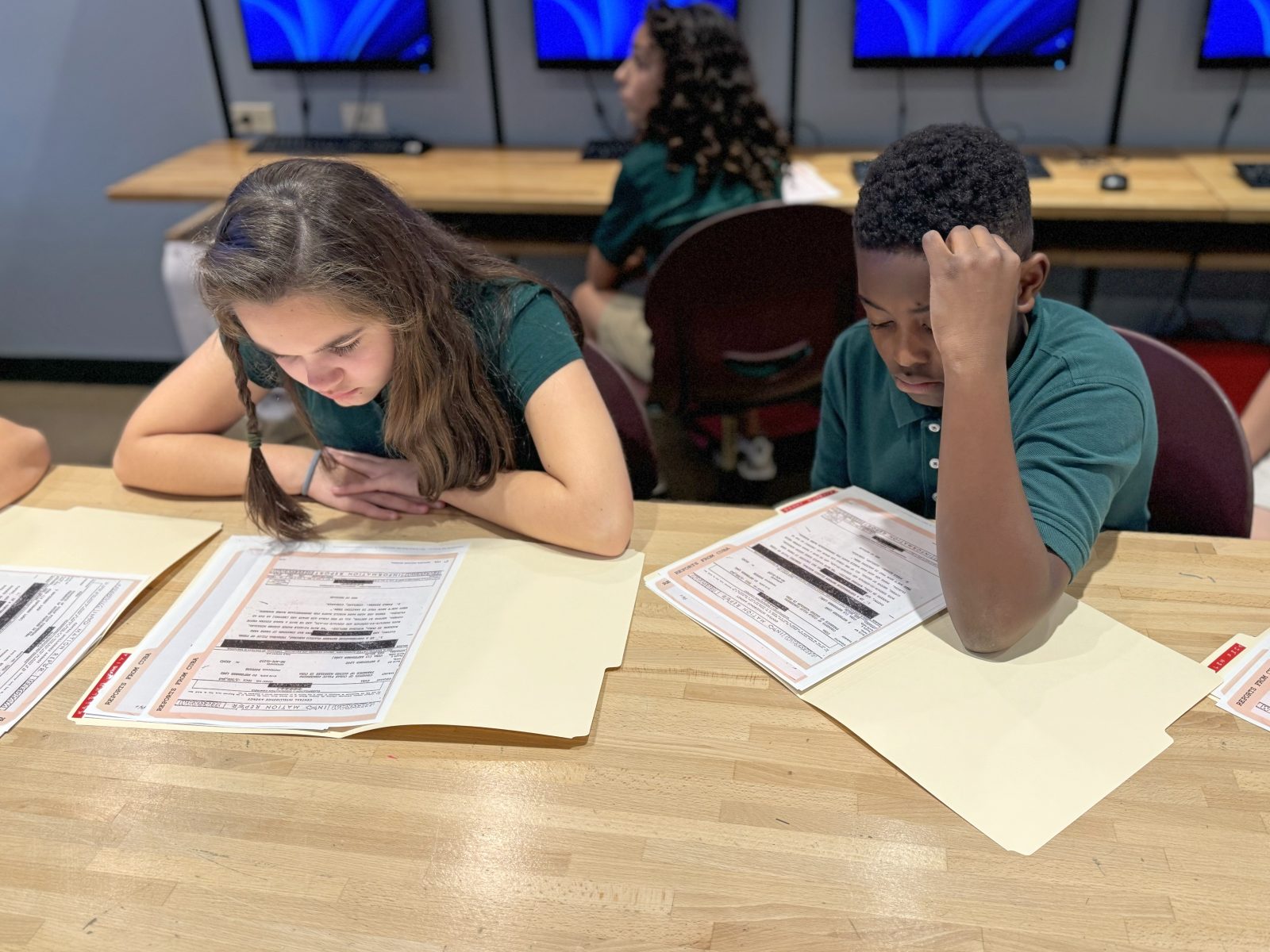
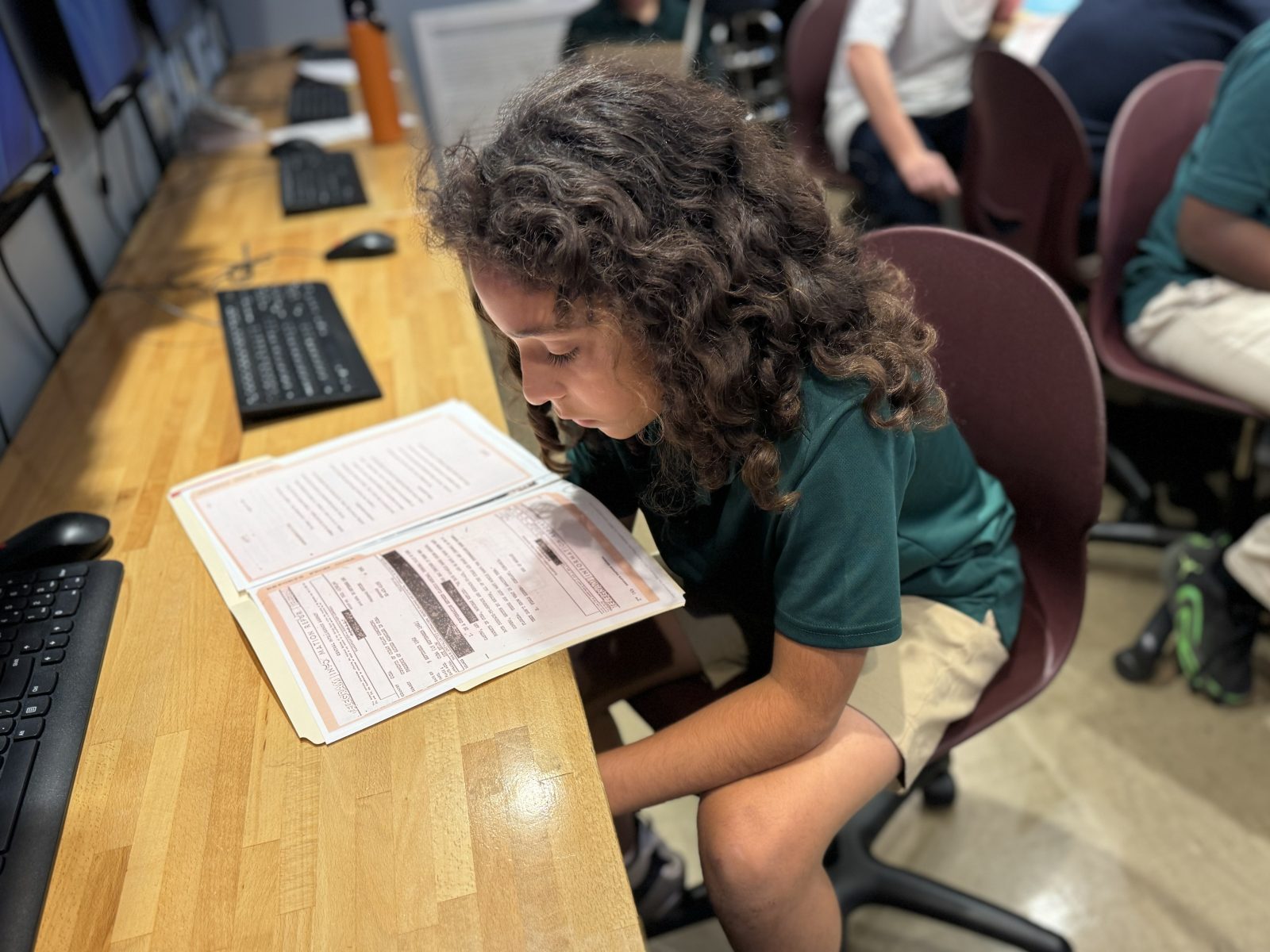
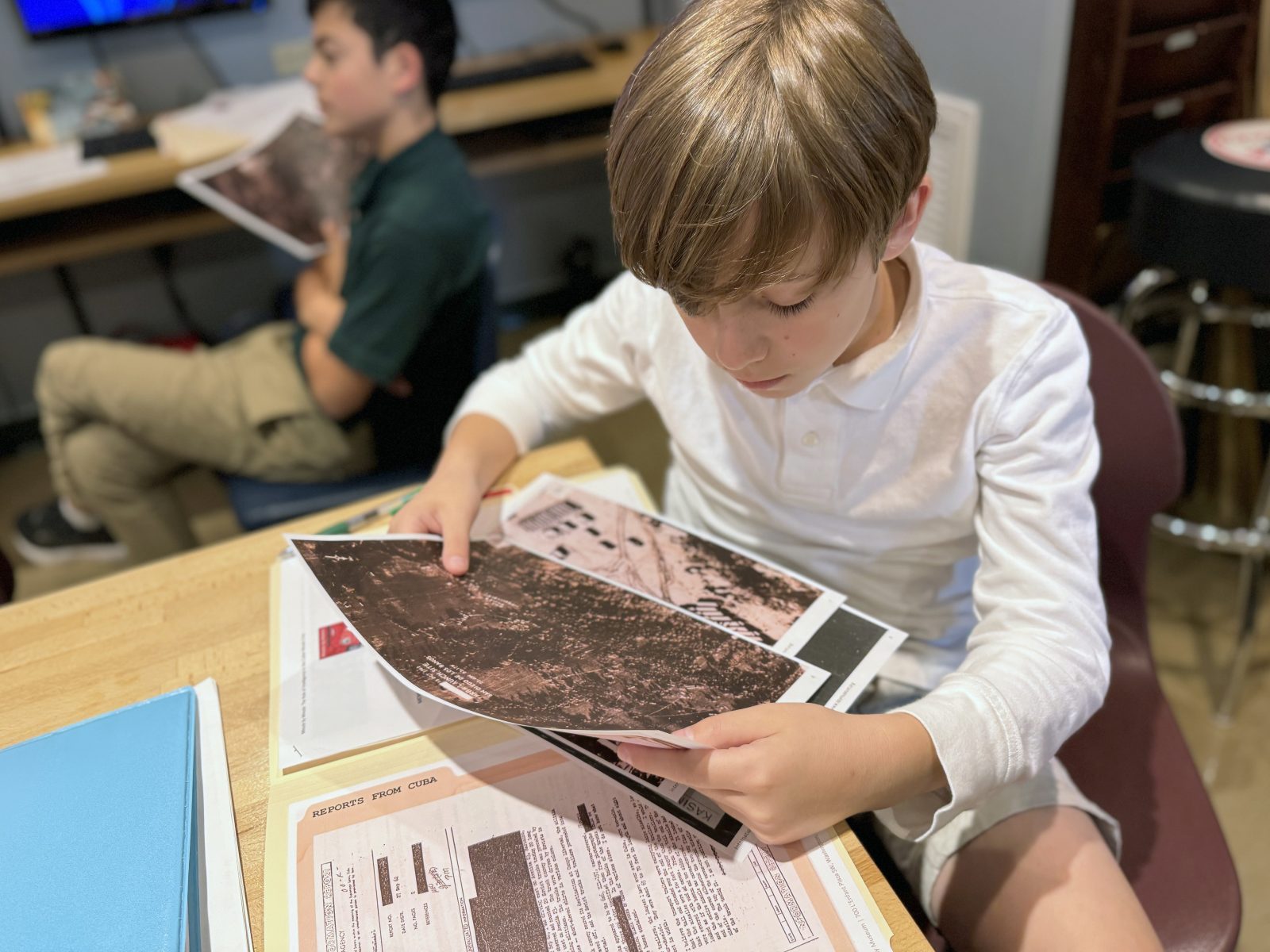
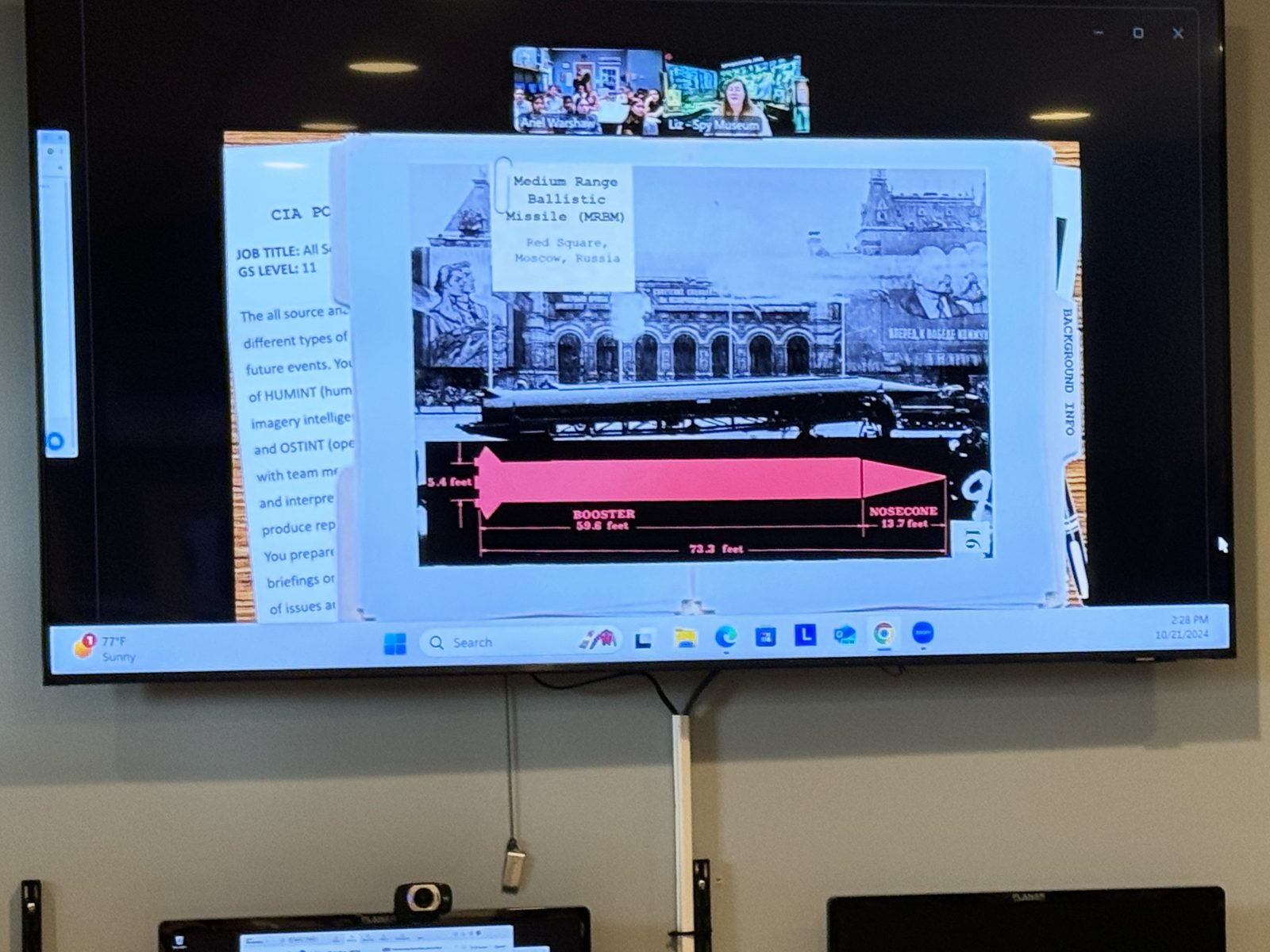
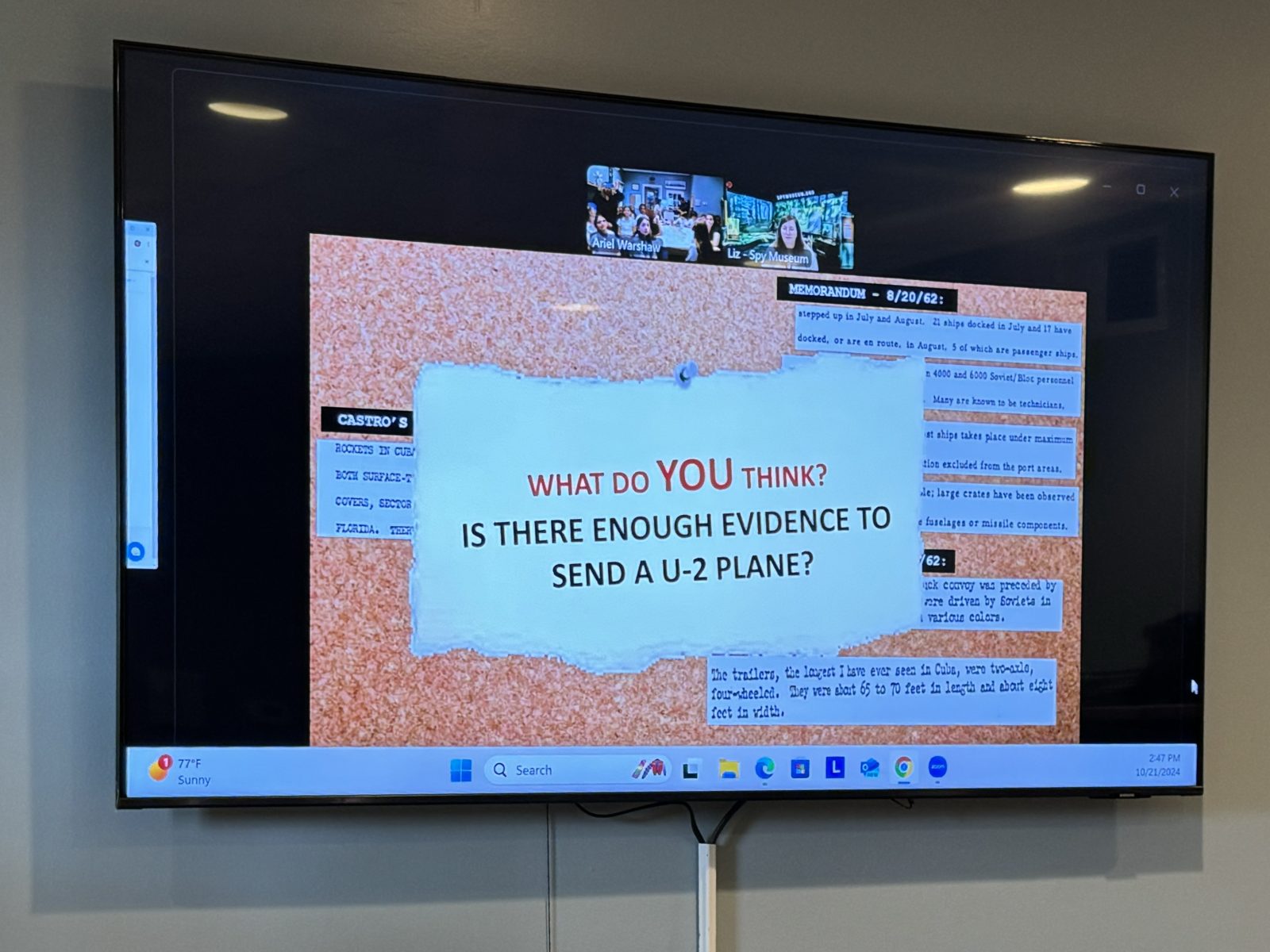
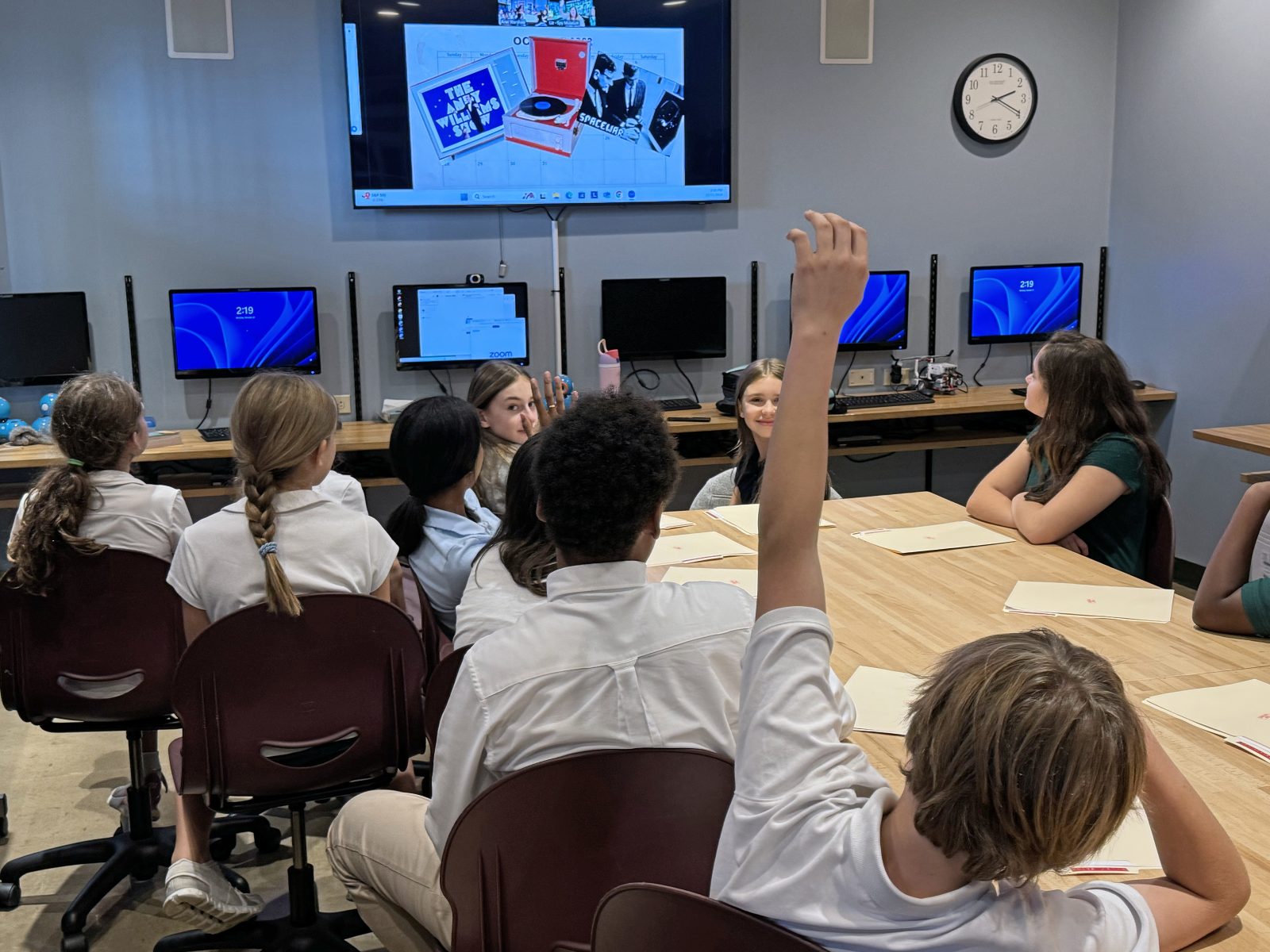
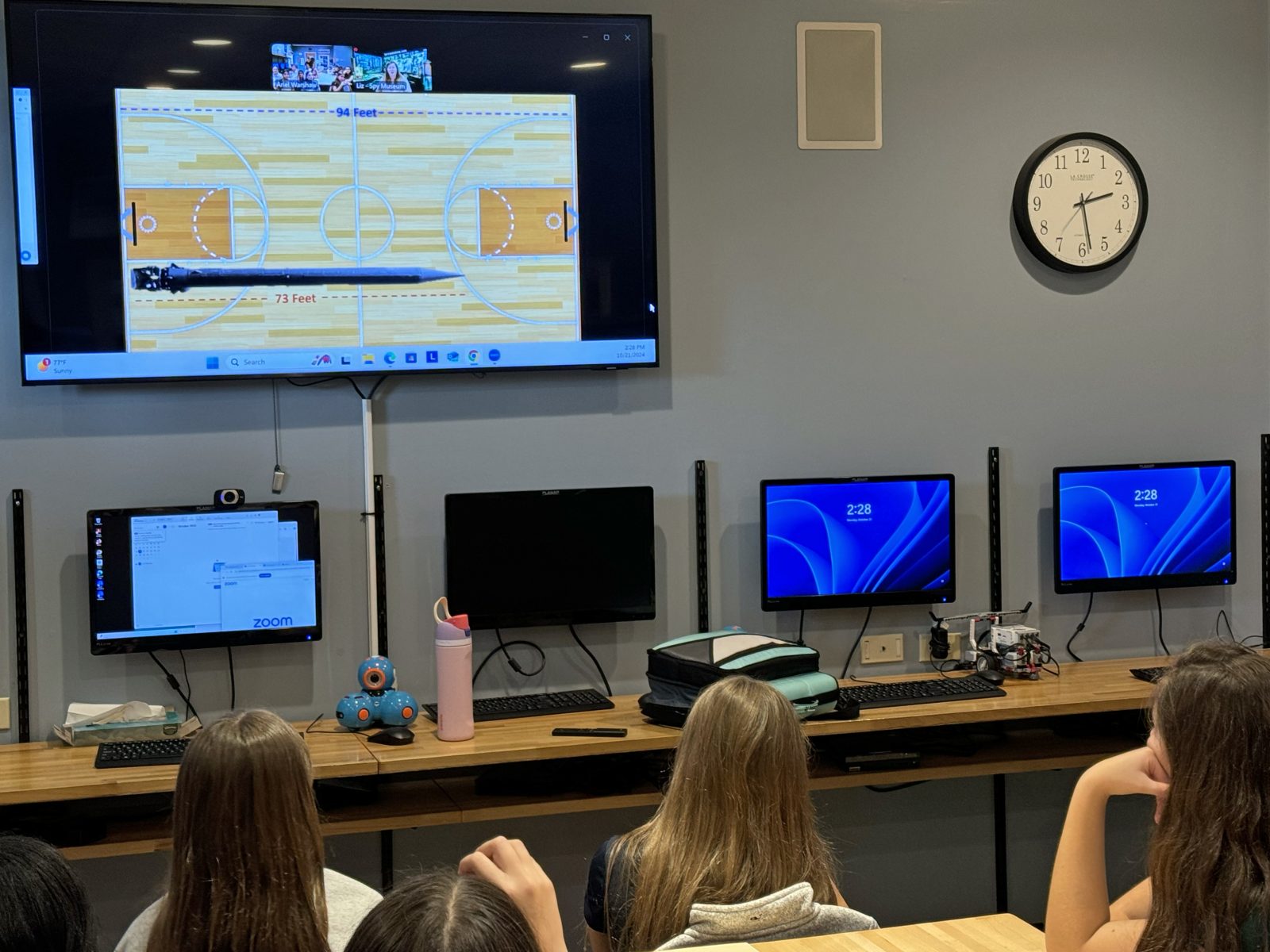
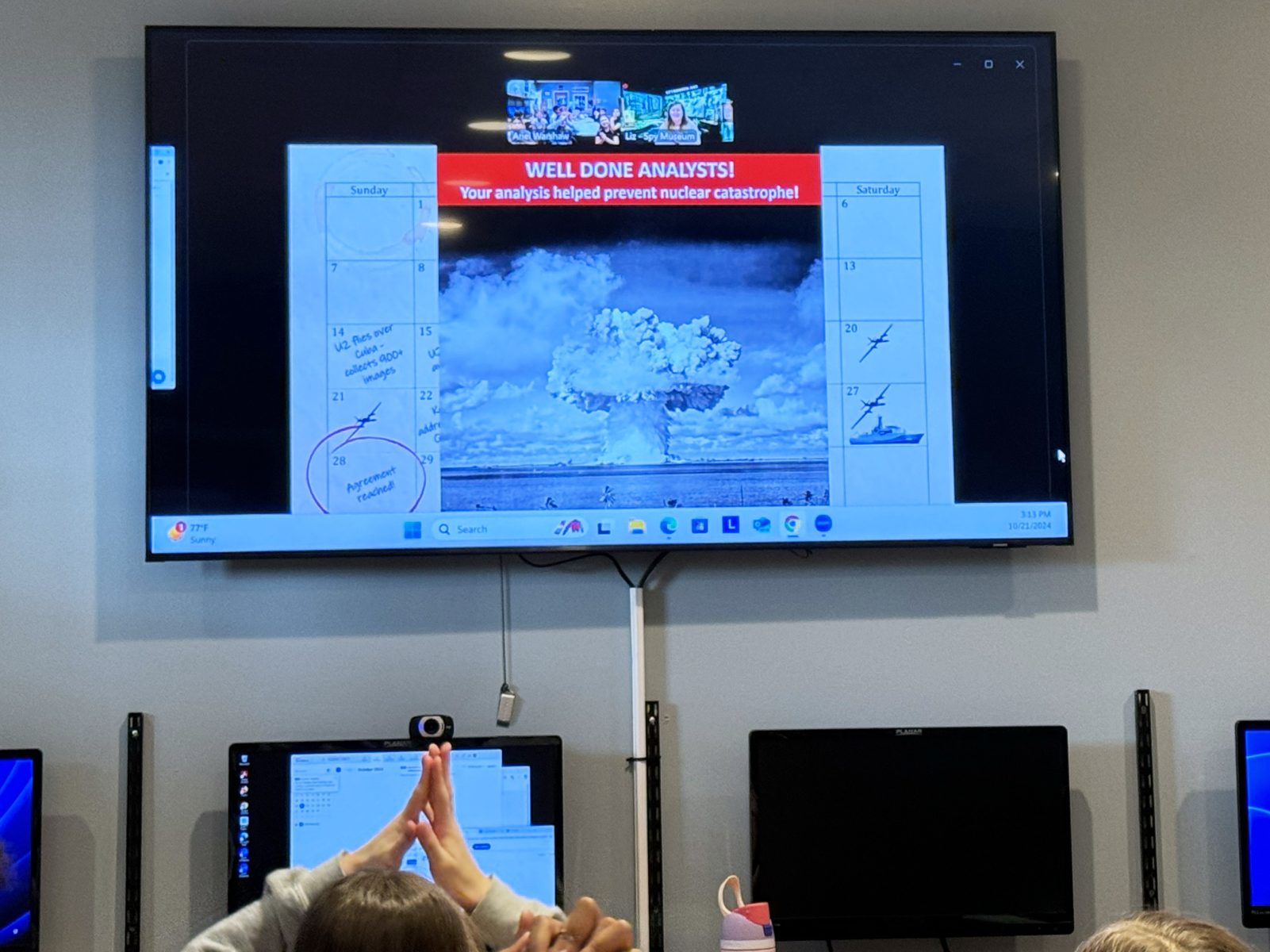
Unquowa’s Galleries are beginning to fill up!
Posted by Krissy Ponden


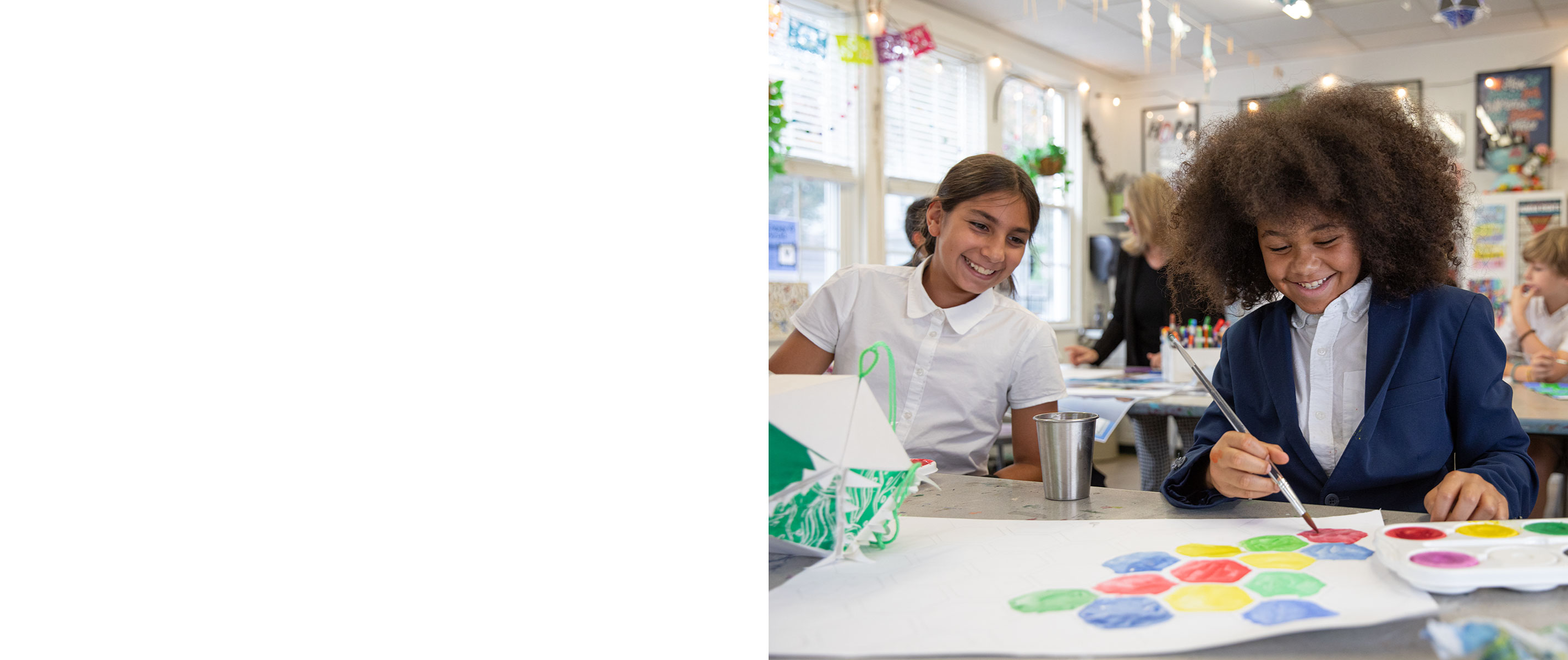
The 6th, 7th, and 8th graders have been busy working on their first projects of the year in visual arts, and the gallery spaces in the building are beginning to showcase their amazing work! Sixth grade has been creating detailed self-portraits filled with different aspects of their identities and words that they feel best describe them, 7th grade has been working on crafting artistic icosahedrons, and 8th grade has been designing intricate radial prints. Be sure to check out the galleries and see these incredible works in person!
Microscope Mania!
Posted by Joshua Bartosiewicz-

- Getting a closer look at sample underneath the microscope.

-

- Fascinated by the site of cells and the microscopic world!

-

- Observing a piece of celery to see if cells are visible.

-

- Recording their observations they saw in the microscope.

-

- Getting a second opinion on a sample!

-

- Adjusting the microscope for a better view.

-

- Looking at the various cells in the celery stalk.

-

- On the hunt for cells!

-

- Recording their findings.

-

- Trying to focus the microscope.

-

- Comparing observations.

-

- Onion Cells! It is clear these are plant cells due to the presence of a cell wall and their structure!
The 7th grade kick started their year in science learning about the microscopic realm! We are all used to the macroscopic world (the big things in our world we see everyday, like our friends, family, pets and plants) but have you ever thought of what those larger objects are actually made of? In 7th grade we started our microscopic journey learning all about the building blocks of life, also referred to as “cells”. Cells are the smallest unit of a living organism and they are what comprise ALL living things; in fact the average human has around fifty trillion cells in their body! Some organisms are multicellular (more than one cell) while others might be unicellular (made of just one cell). In this lab, students looked at various samples underneath different magnification intensities to see whether or not the object contained cells. If the sample does have cells present, we know that sample came from a (once) living organism. Samples that we investigated included the following: an onion, lettuce, celery, bread, salt, sand, hair, skin and paper. Students were absolutely baffled by the presence of cells and it really helped them start to look at the world from an entirely new perspective. By the end of this lab, students opened their minds up and have started to think about surface level information at a greater depth. This is just the start of understanding the interconnectedness between everything.
7th Grade Humanities – World Religions Speaker Series
Posted by Ariel Warshaw


To kick off our global studies in 7th Grade Humanities, we have been focusing on the complexities of culture and how these features shape societies. One key element of culture is religion. As we explore different continents and regions throughout the year, we will be considering how various aspects of culture – religion, but also economics, politics, geography, and more – influences the people of these places.
With this in mind, we started our course by analyzing the five major world religions in a broad sense. This gave the students a general lens for understanding these faiths and how we might apply this knowledge to our studies. In order to more authentically explore various faith traditions, we invited leaders from these faith traditions into our classroom – we always love when they visit! The guests answered questions, provided historical context, and overviewed the basic belief systems and cultural practices of their respective faiths from a non-devotional perspective.
Humanities 7 students welcomed the following visitors to our classroom:
Monday, 9/16: Judaism – Rabbi Evan Schultz, Senior Rabbi, Congregation B’nai Israel
Tuesday, 9/17: Christianity – The Reverend Vanessa Rose, Senior Pastor, First Church Congregational
Wednesday, 9/18: Buddhism – Venerable Shim Bo, Buddhist Chaplain at Sacred Heart University
Thursday, 9/19: Islam – Imam Omer Bajwa, Director of Muslim Life at Yale University
Friday, 9/20: Hinduism – Venkat Gade and Mahabala Salian, Board Members, Chinmaya Mission Fairfield-New Haven