



NEW EDITION – Pen & Paper – Volume 16 – Skies Askew
Posted by Eric SnowDear Unquowa Community,
The next volume of our back-to-back-to-back Gold Crown-winning literary and art magazine, Pen & Paper, is here!
Congratulations to everyone who was published! Please look for your name and work in the table of contents!
Happy reading!
Eric Snow
Pen & Paper Advisor
That’s a Wrap on 6th Grade Humanities!
Posted by Thomas Iezin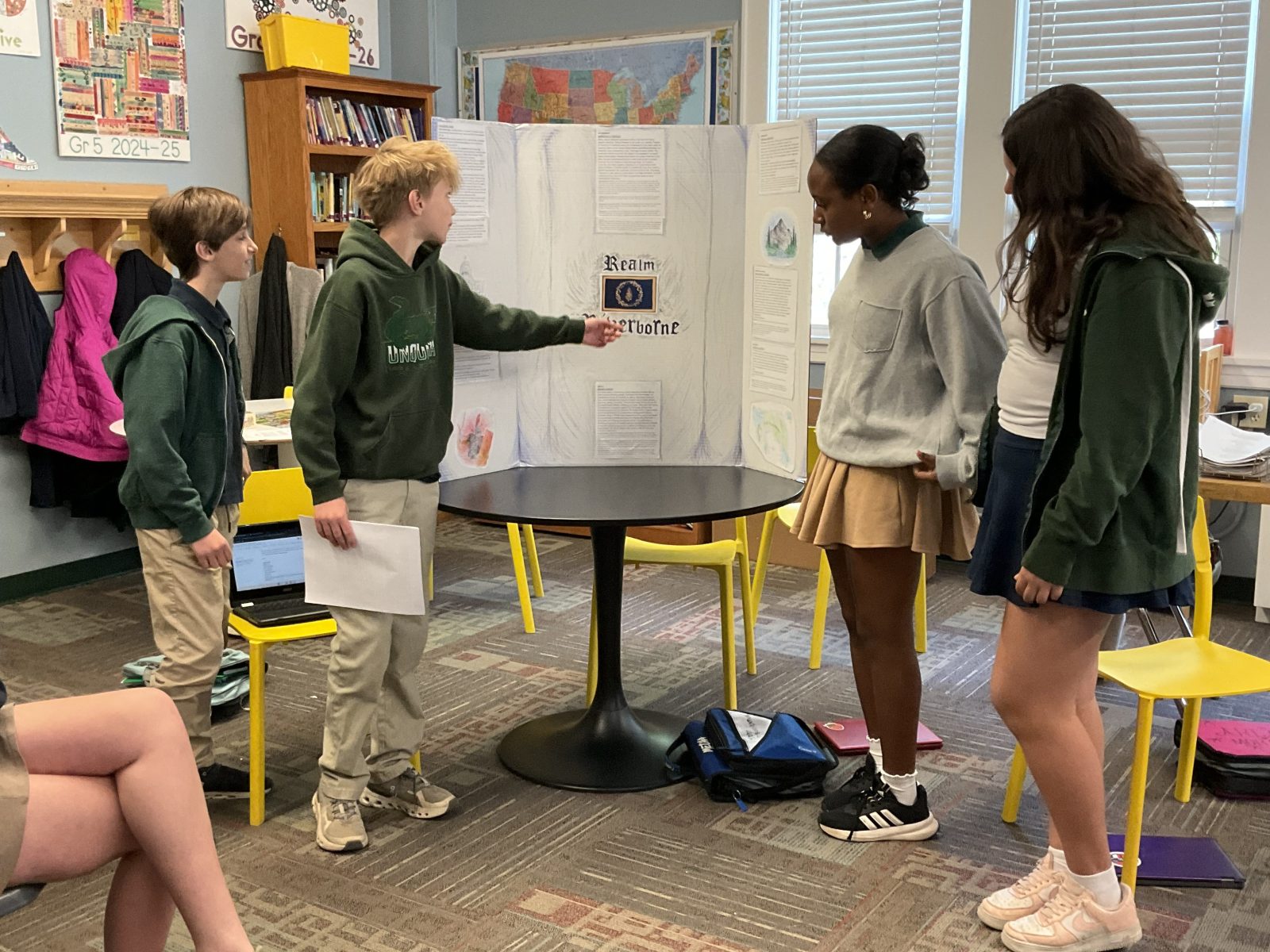
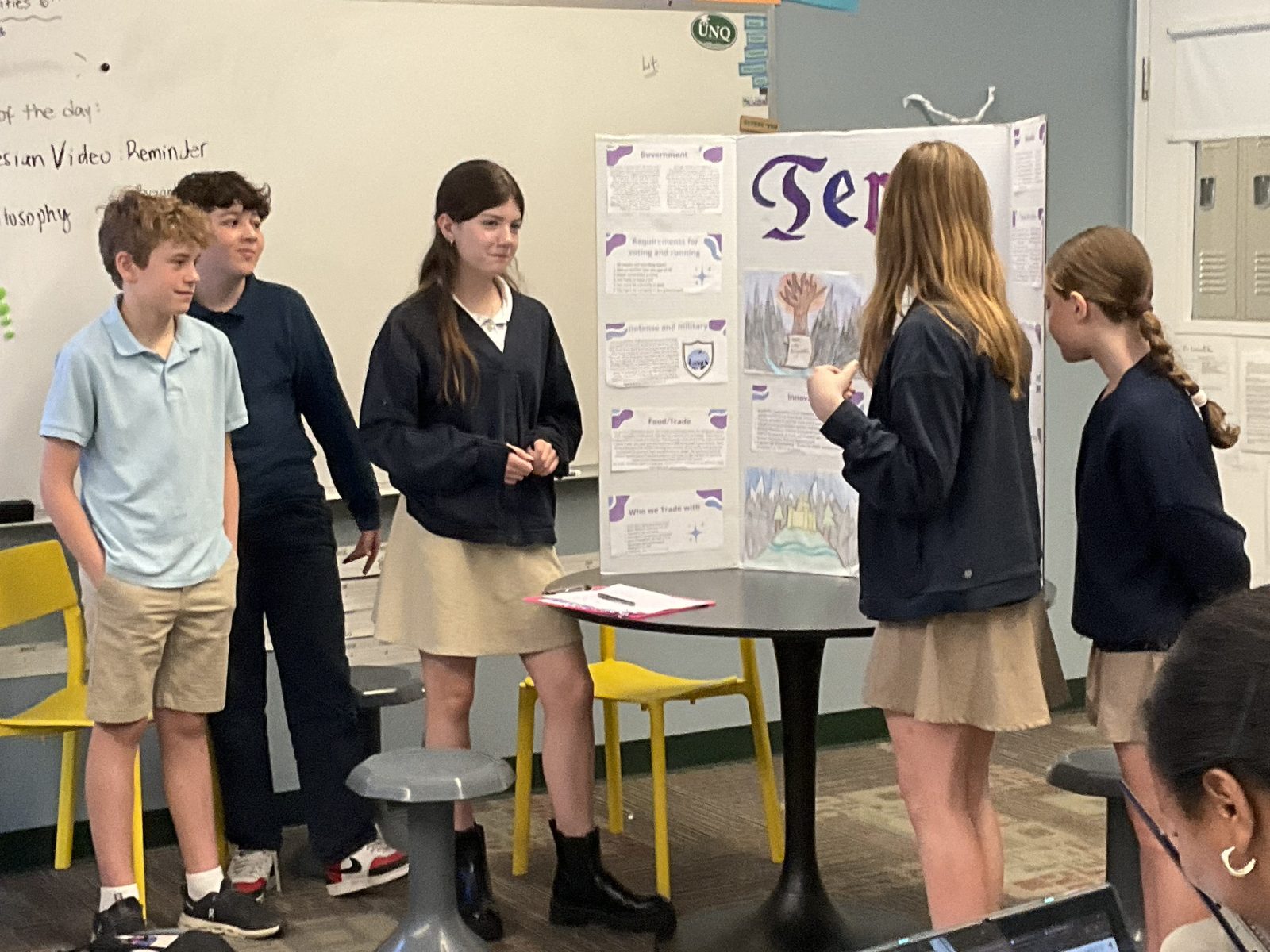
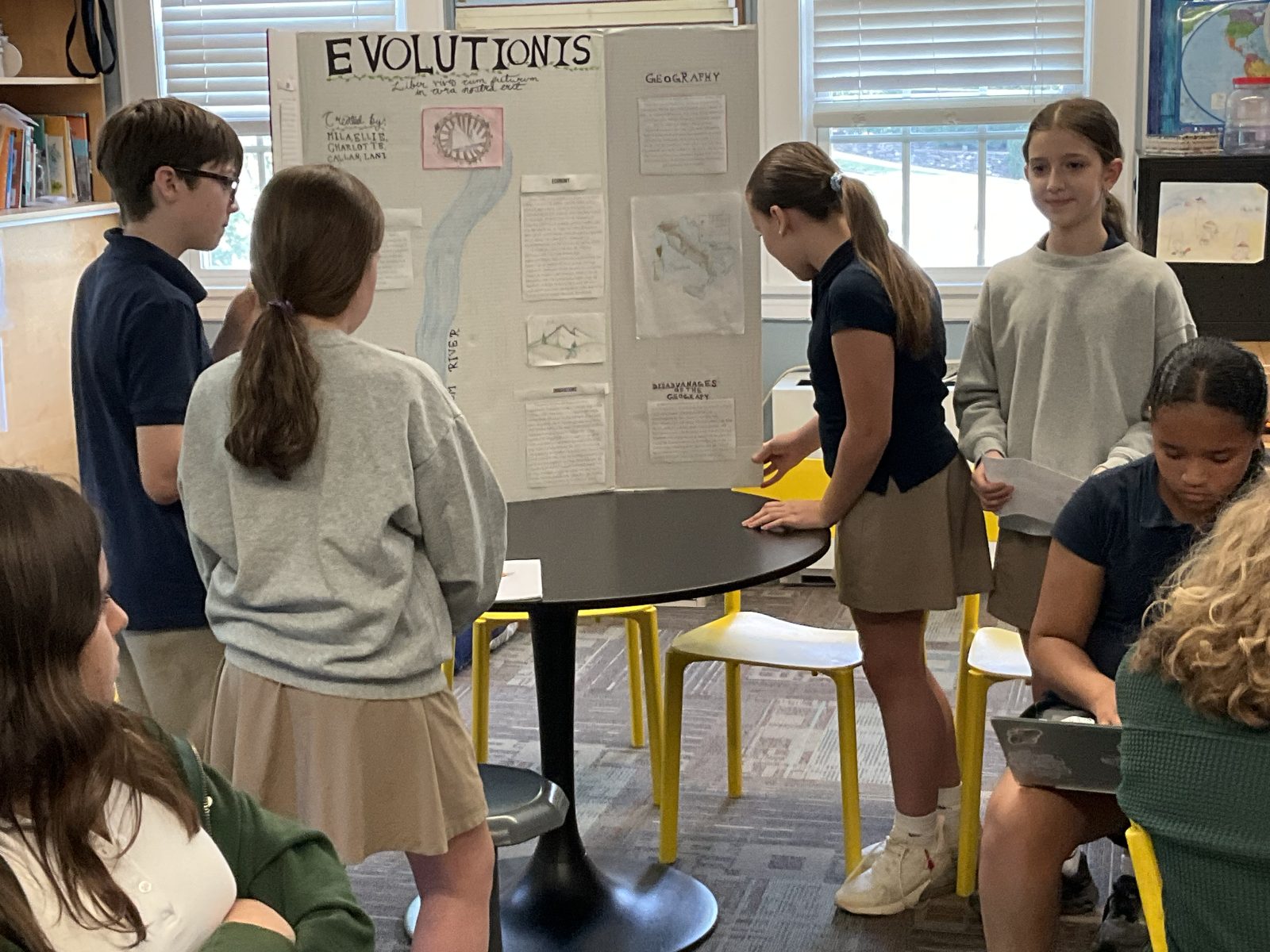
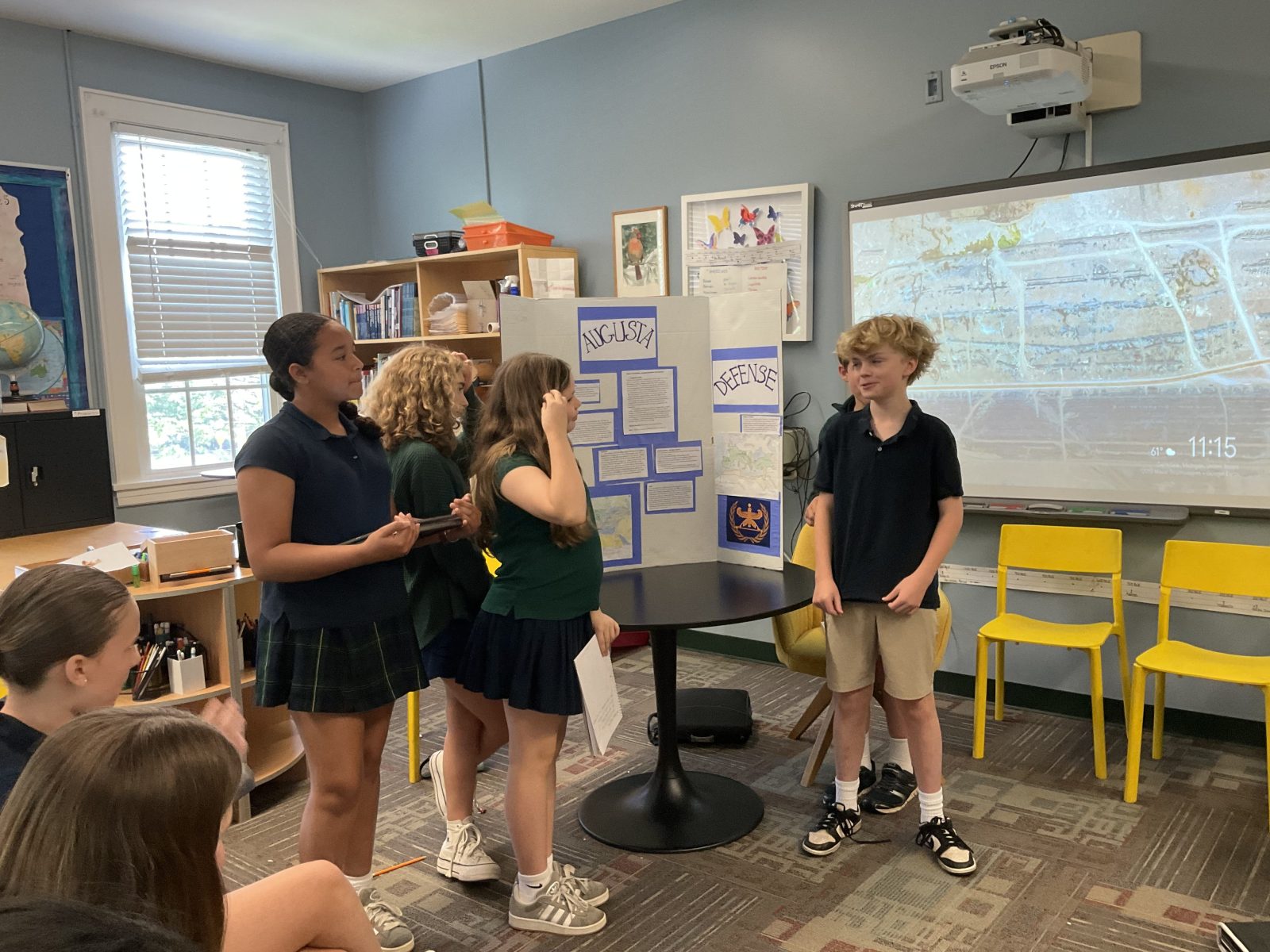
As we close out an incredible year in 6th Grade Humanities, students ended the year by taking everything they learned about ancient civilizations and putting it into action through one final collaborative project: creating their very own civilization from the ground up!
Throughout the year, students explored civilizations such as Mesopotamia, Egypt, Ancient Greece, Rome, India, and China. For their culminating project, students worked in teams to combine elements from these societies and design an original civilization complete with its own geography, government, military, education system, economy, trade routes, religion, and cultural traditions.
Students carefully selected where their civilization would be located and analyzed both the advantages and disadvantages of their geography. They debated which forms of government would best support their society, how their military would protect their people, and how trade with neighboring civilizations would strengthen their economy. Each decision required students to apply the critical thinking, creativity, and historical understanding they developed throughout the year.
Once their trifold presentations were complete, students participated in a mini civilization summit where they presented and defended their societies in front of their peers. The classroom quickly transformed into a world of competing ancient empires, each with unique strengths, ideas, and innovations. Students asked thoughtful questions, challenged one another’s decisions, and engaged in respectful debate about which civilizations would be the most successful long-term.
To conclude the project, each team received a surprise “challenge card” that introduced a major crisis to their civilization. Some civilizations faced droughts, famines, plagues, invasions, civil unrest, or economic collapse. Students then had to explain how their civilization would respond and survive using the systems and structures they had created. This final challenge encouraged students to think like historians, leaders, and problem-solvers as they adapted to unpredictable events.
It was incredible to watch our students demonstrate not only their understanding of ancient history, but also their collaboration, creativity, communication, and resilience. The growth they have shown throughout the year has been truly impressive, and this final project was a wonderful celebration of all they accomplished in 6th Grade Humanities.
Congratulations to all of our 6th graders on an outstanding year!
Matilda Jr!
Posted by Patty CarverPresenting Unquowa’s Spring Musical, 2026, Matilda!
After months of rehearsal and hard work, the 6th, 7th & 8th grade cast and crew delivered an amazing production! Every student involved should be proud. Congratulations to all!
STEM Fair 2026!
Posted by Joey Casey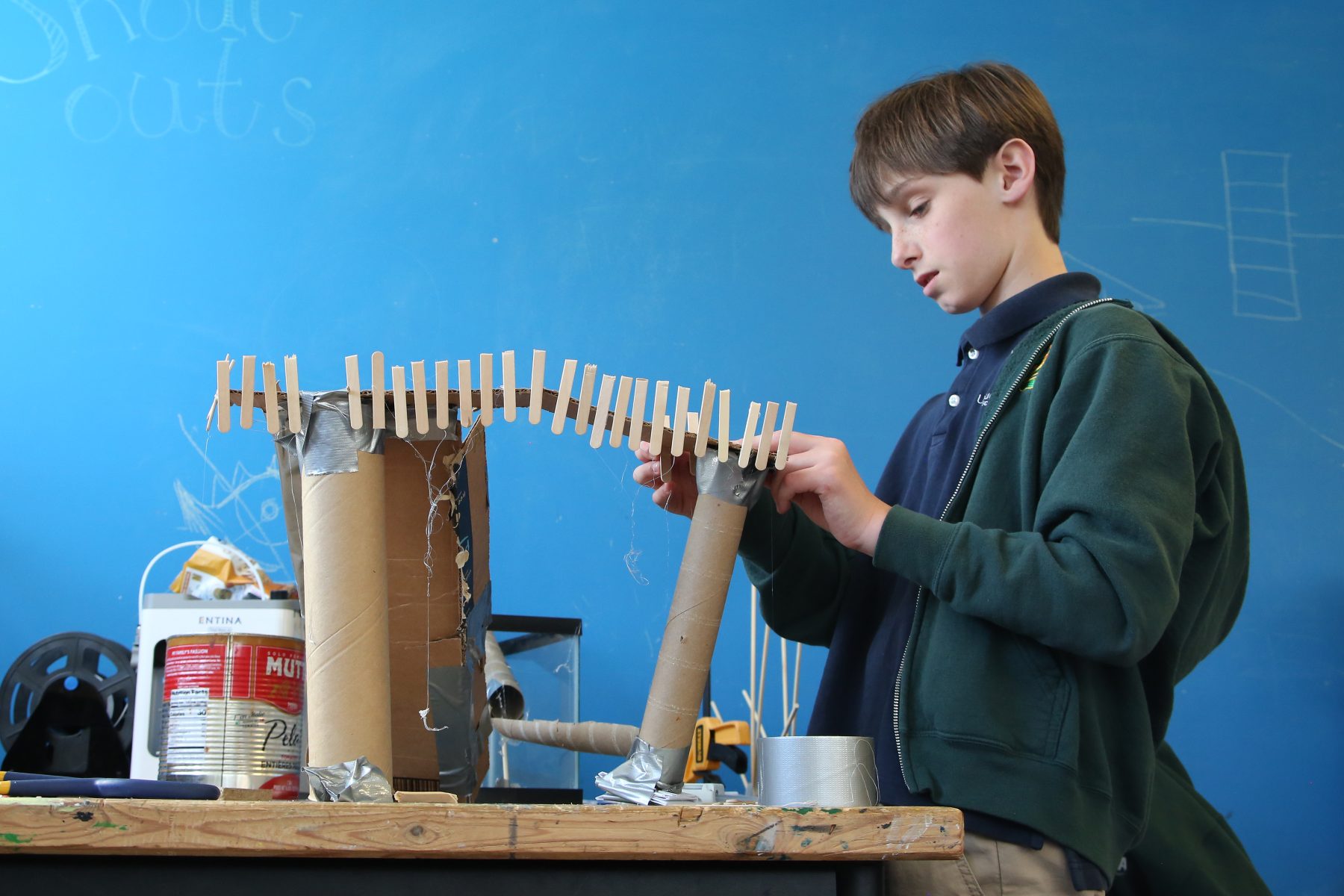
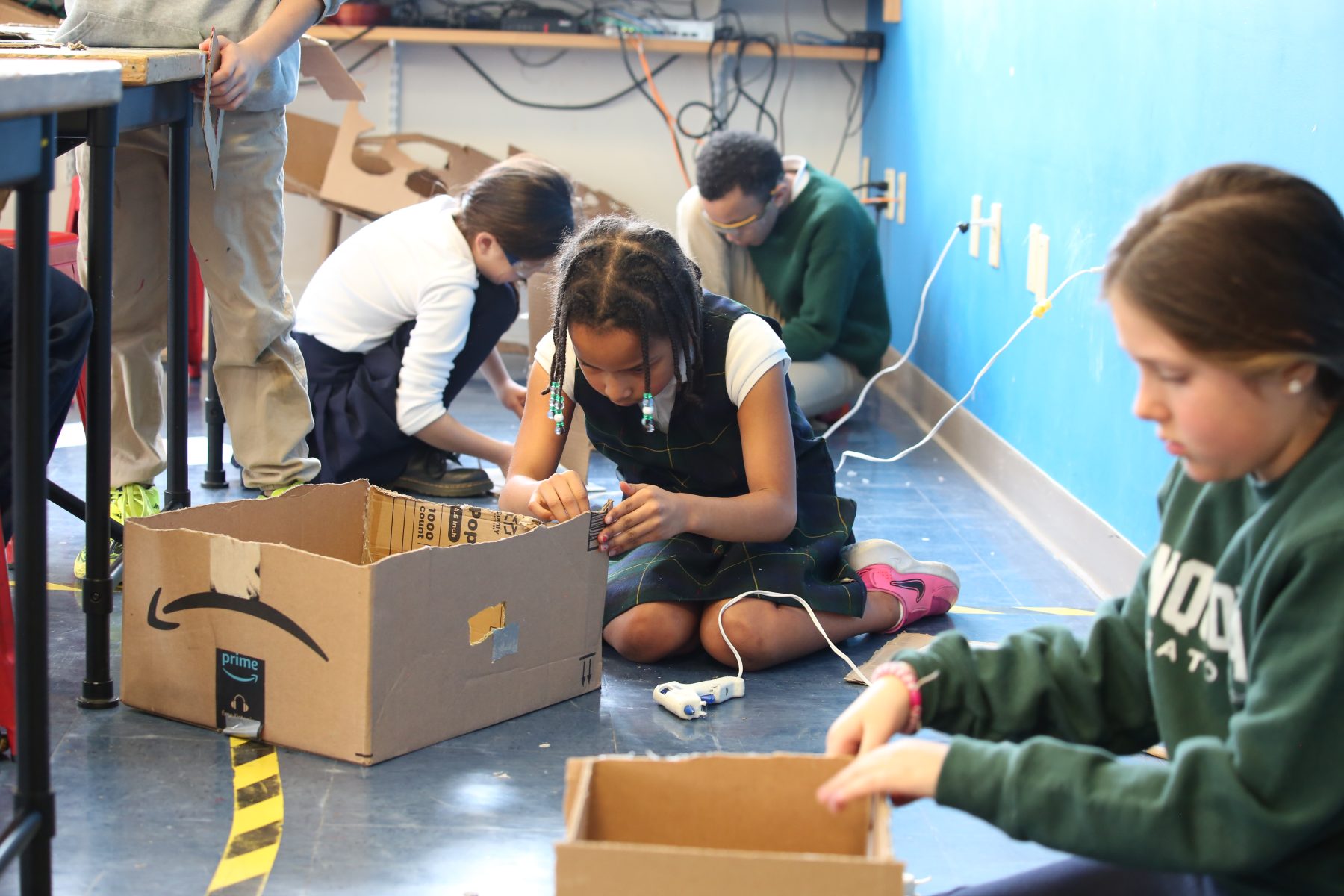
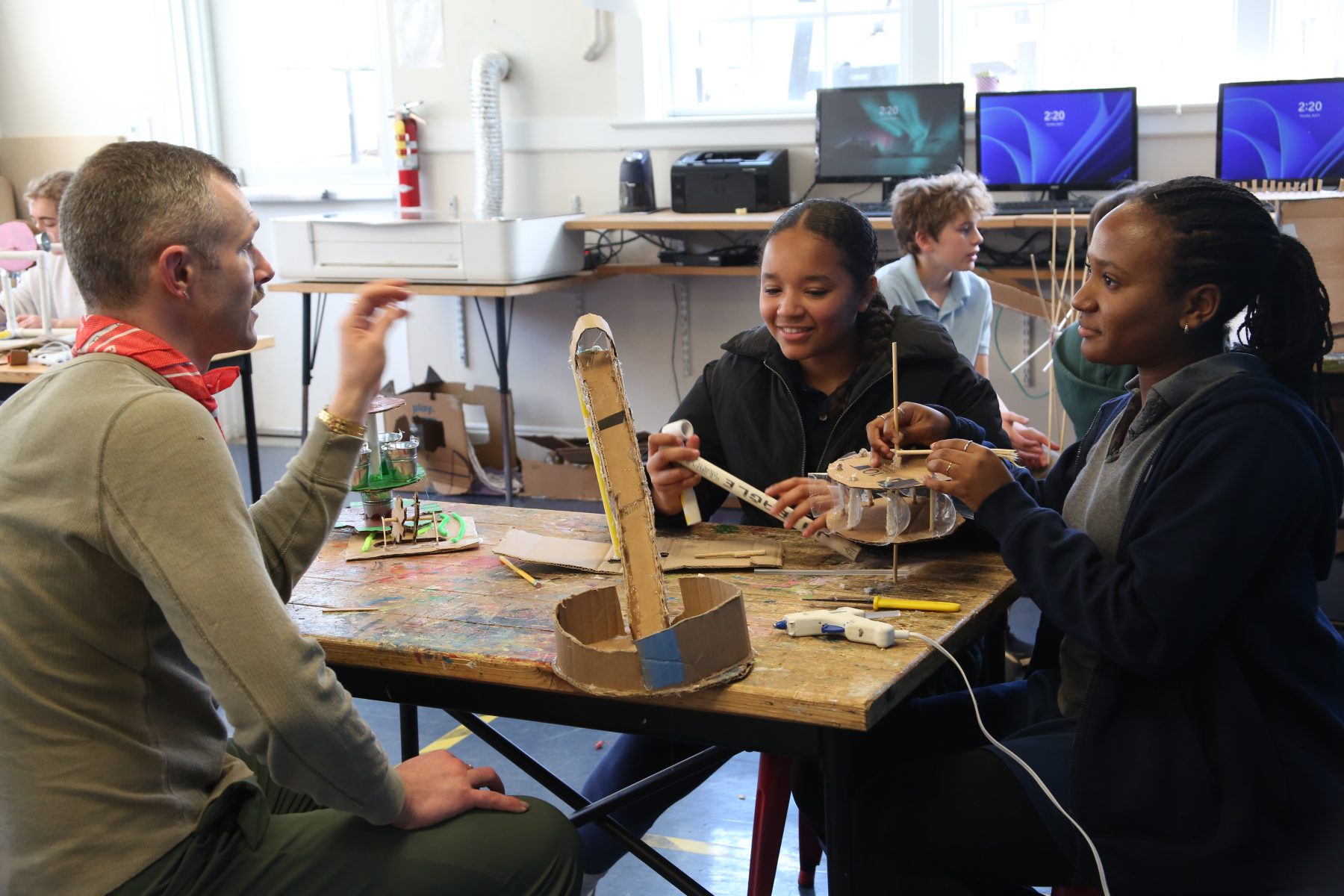
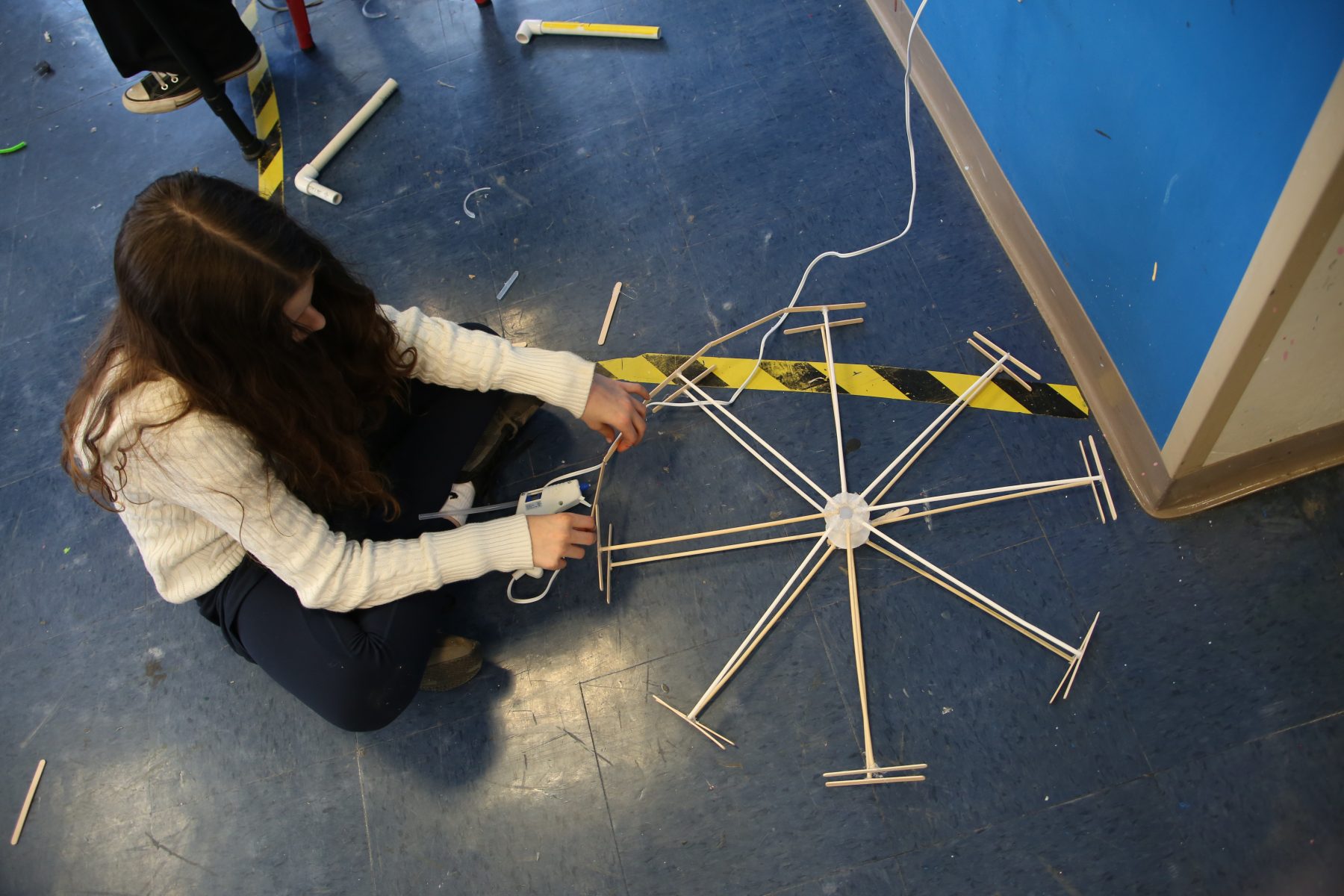
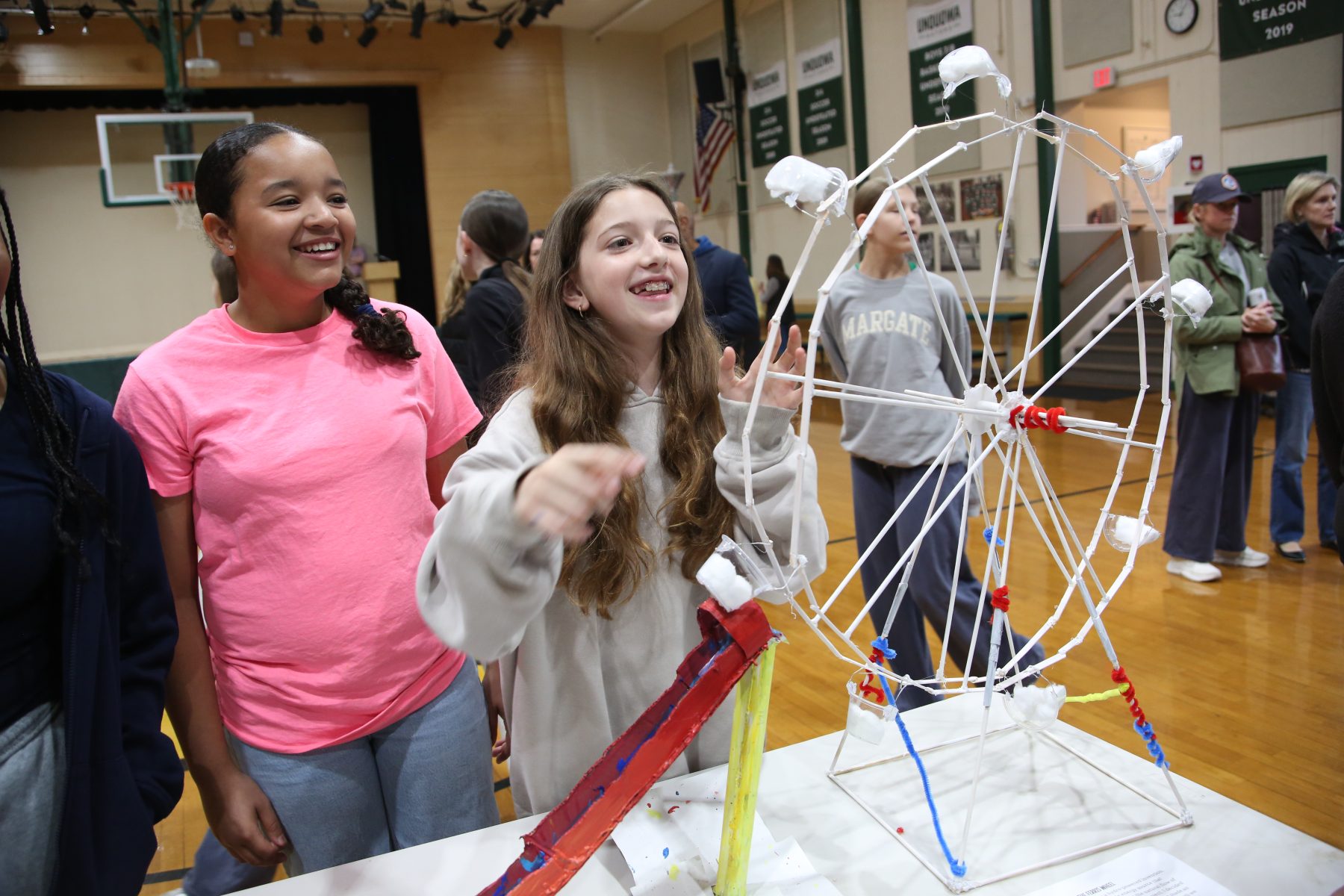
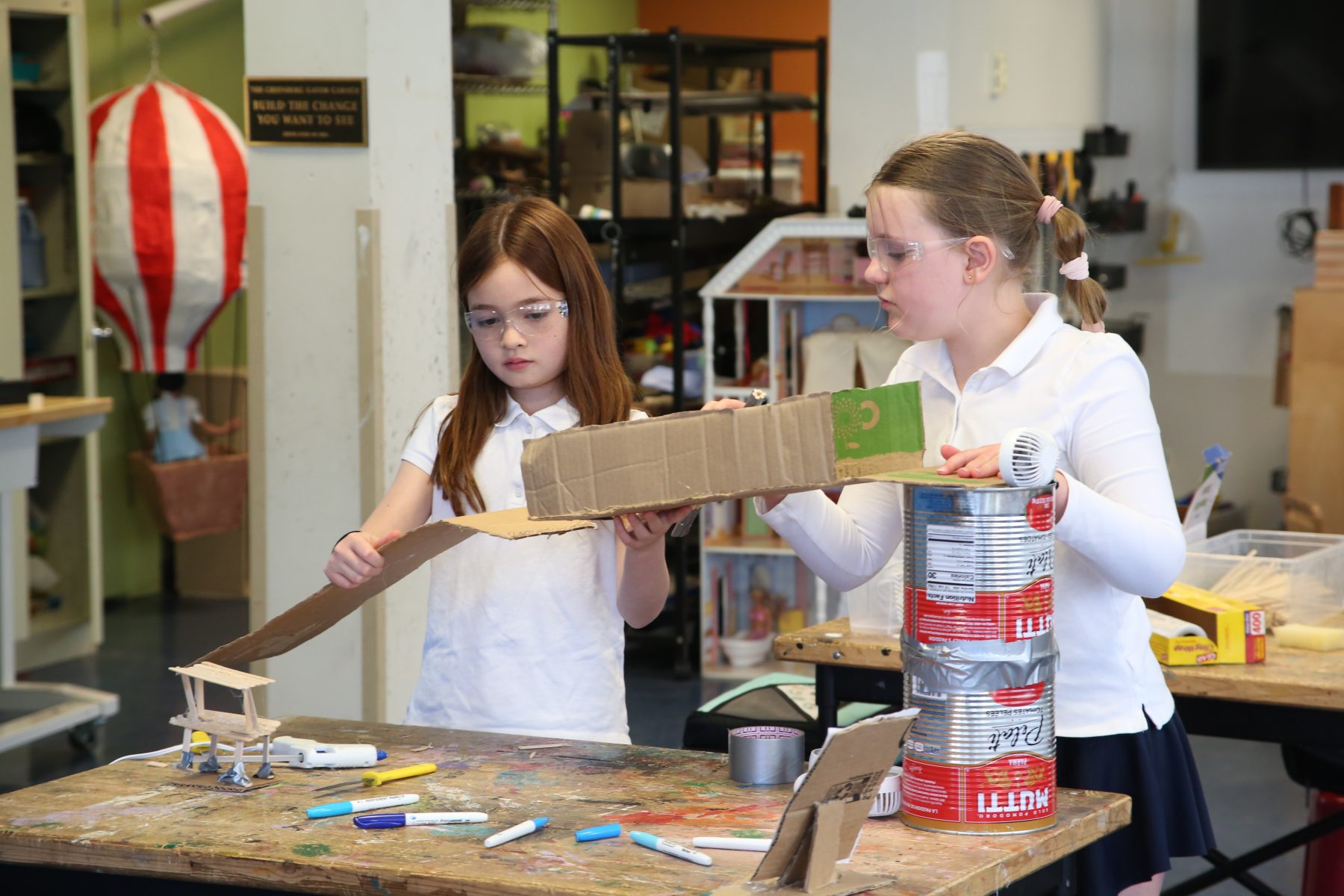
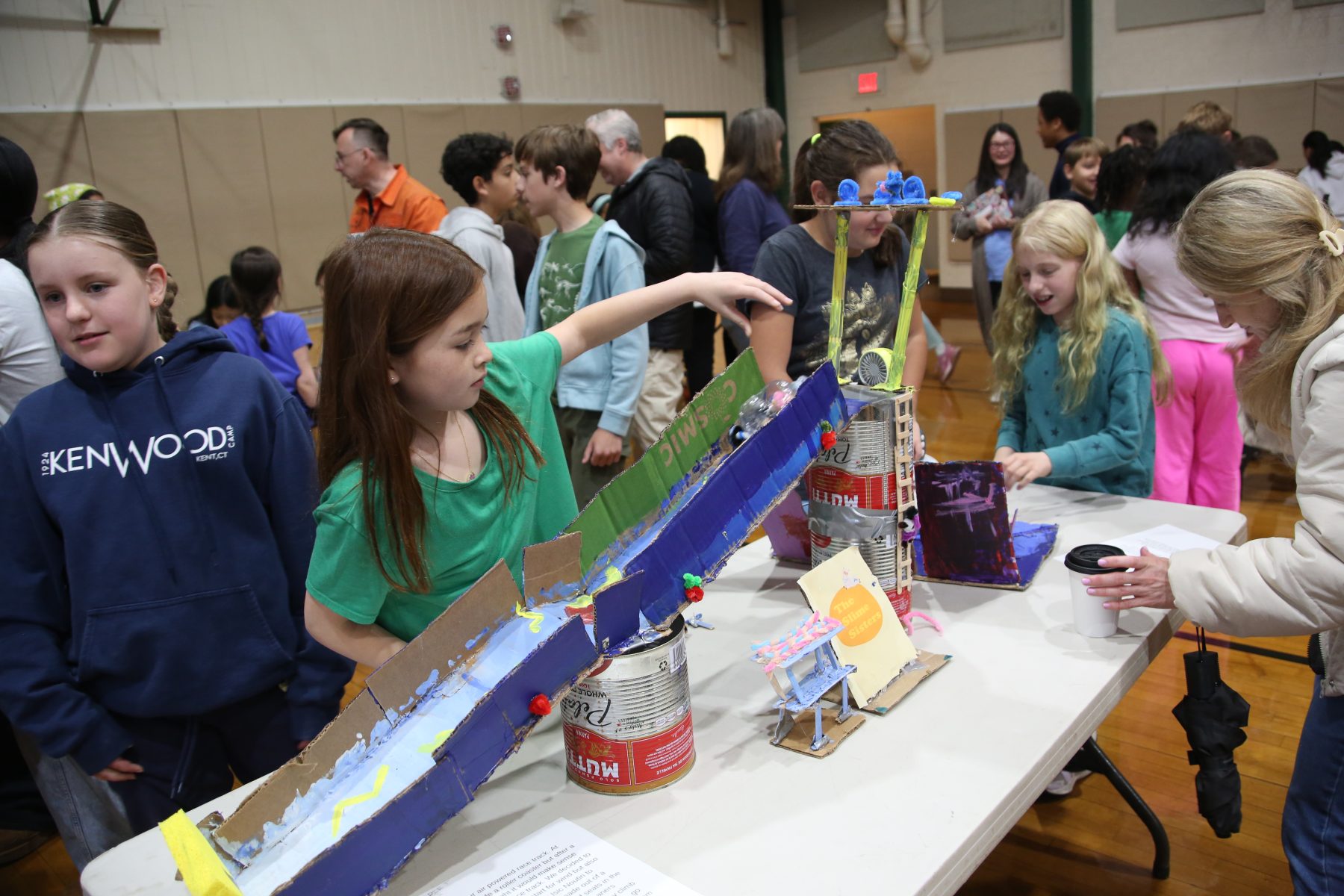
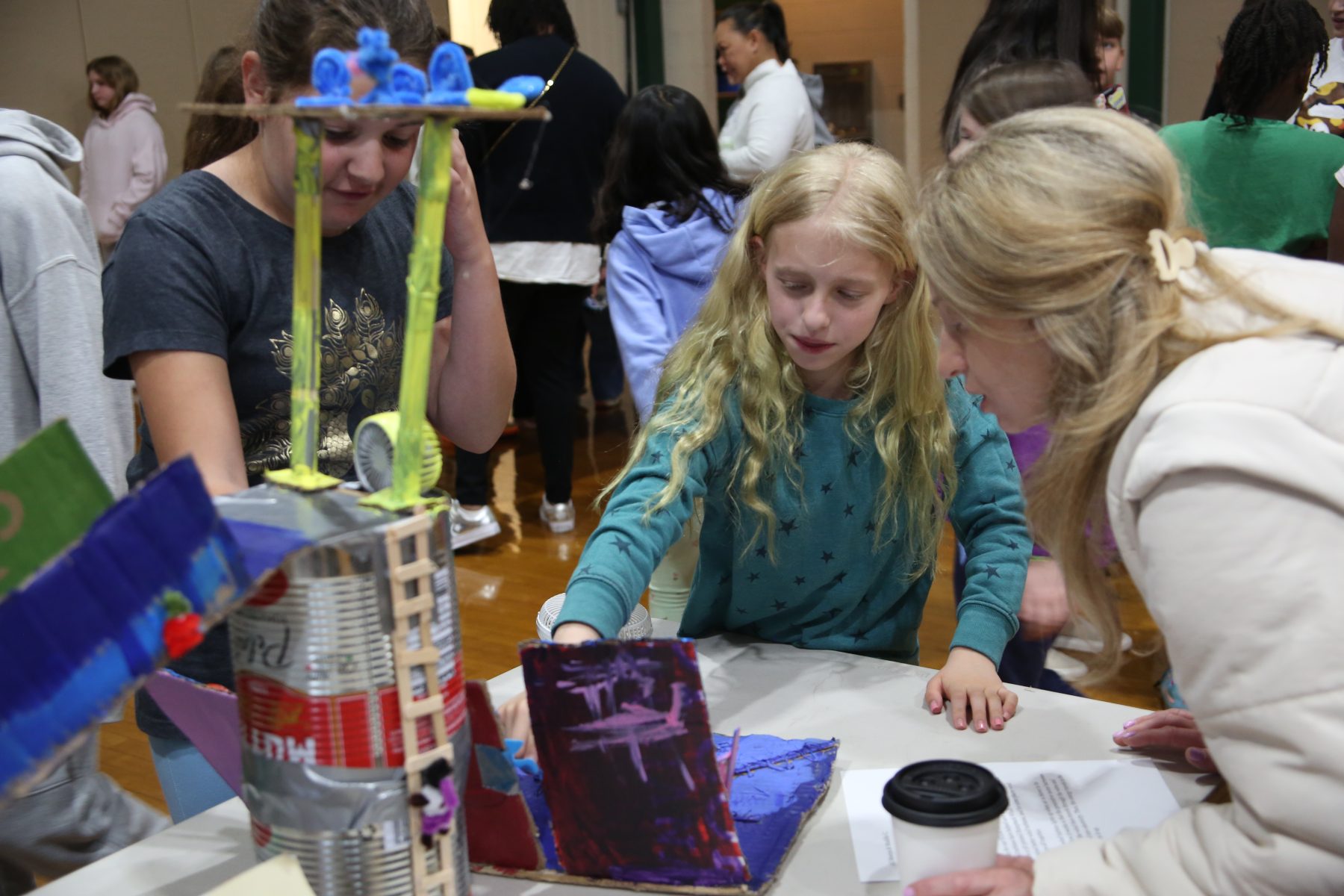
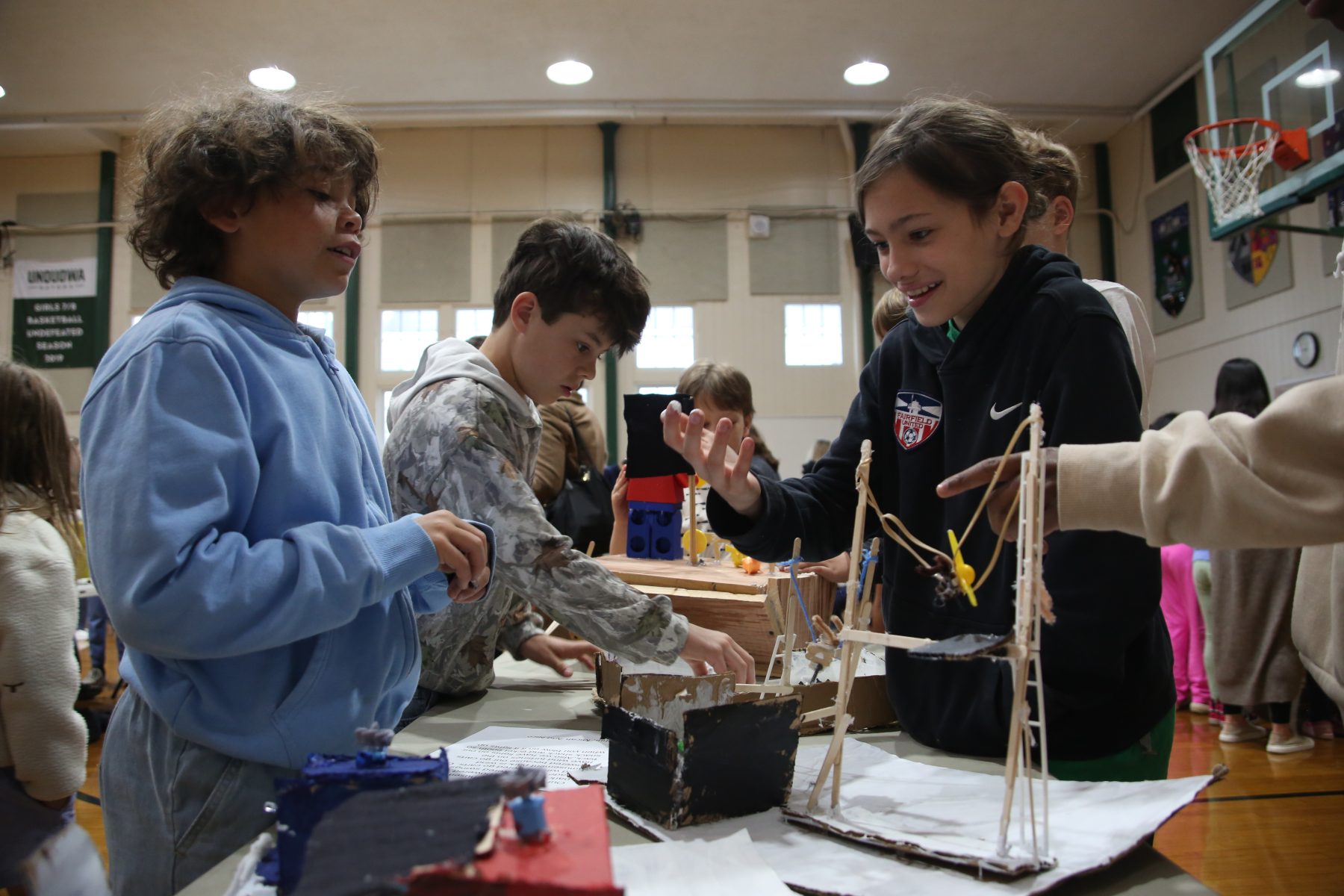
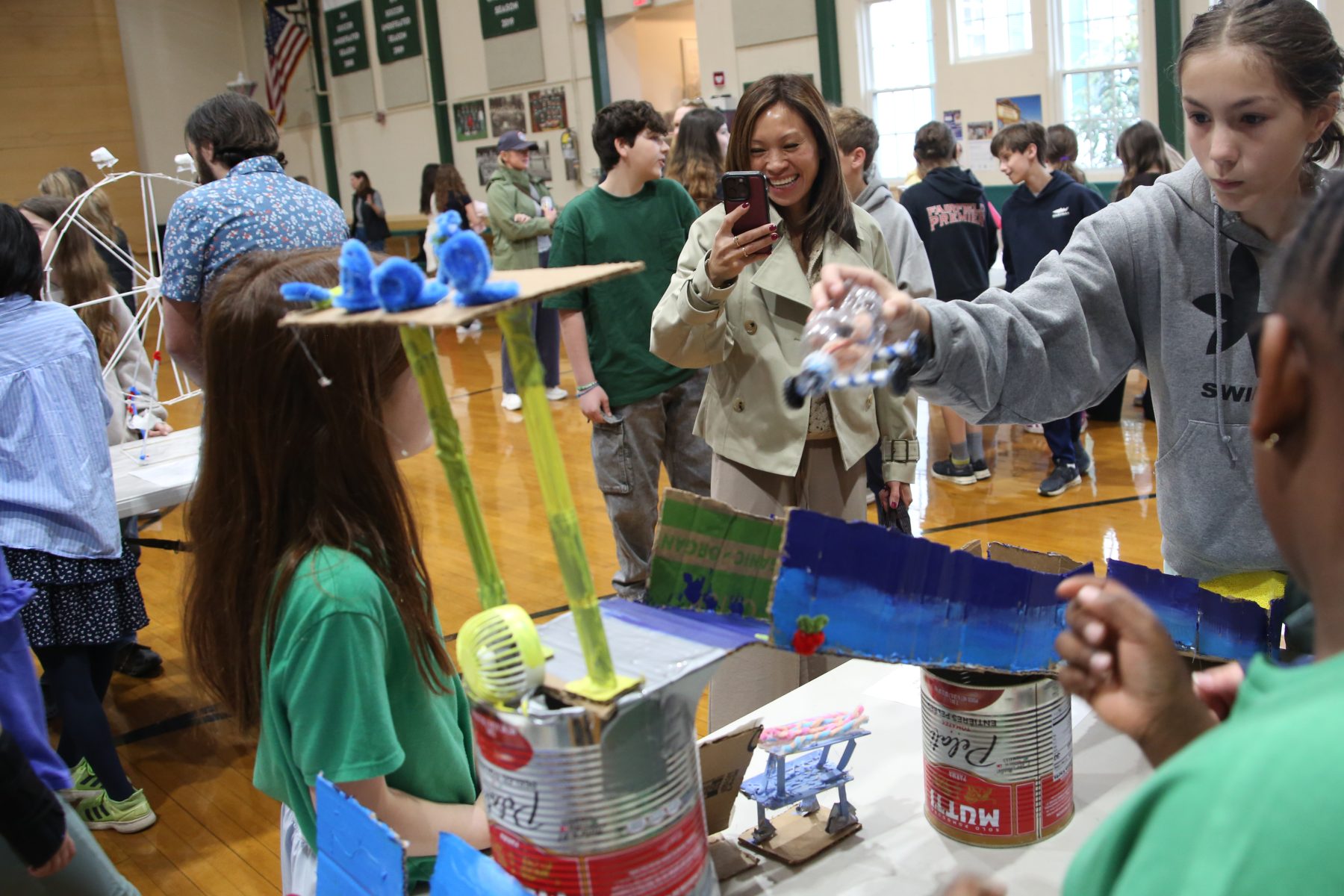
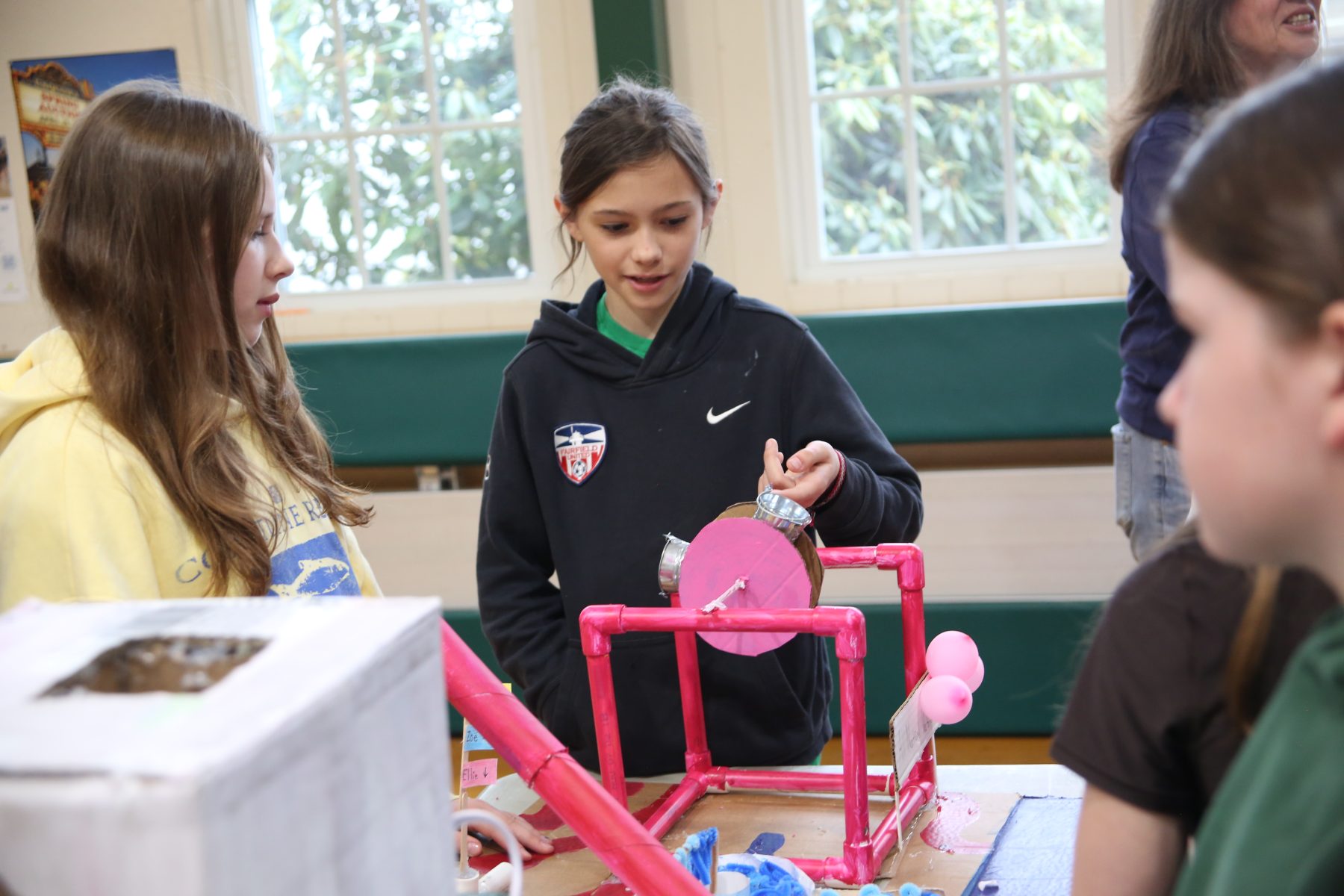
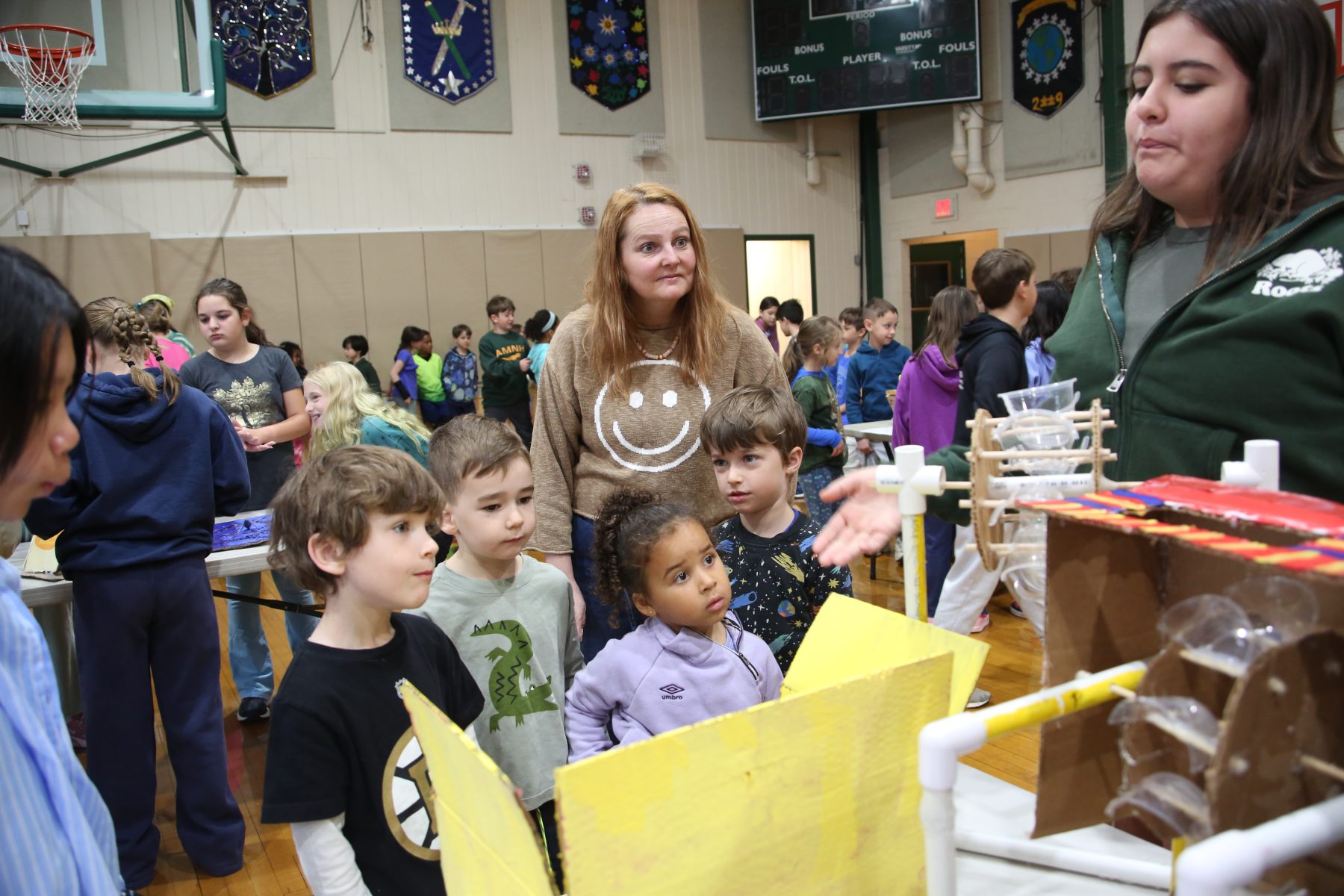
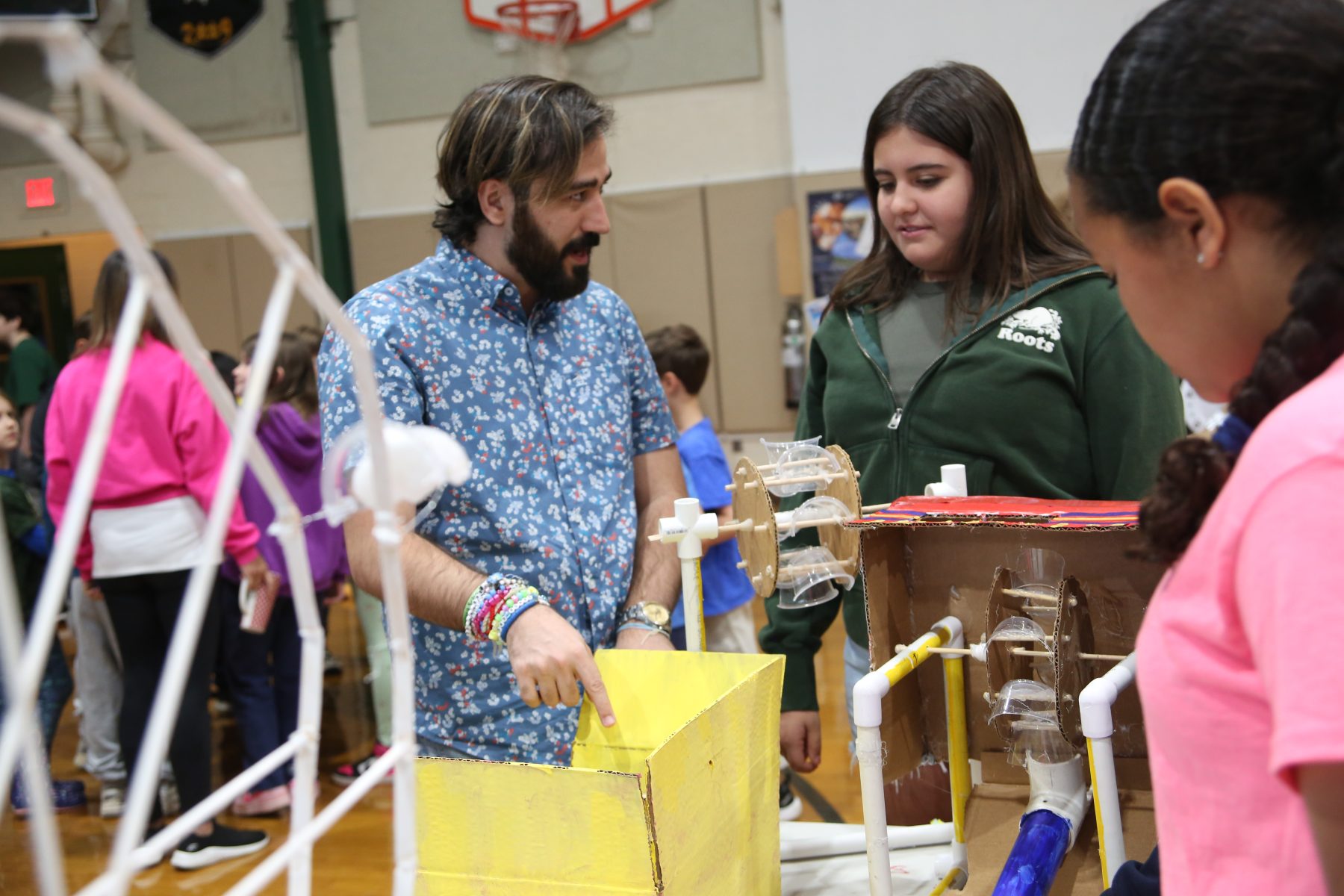
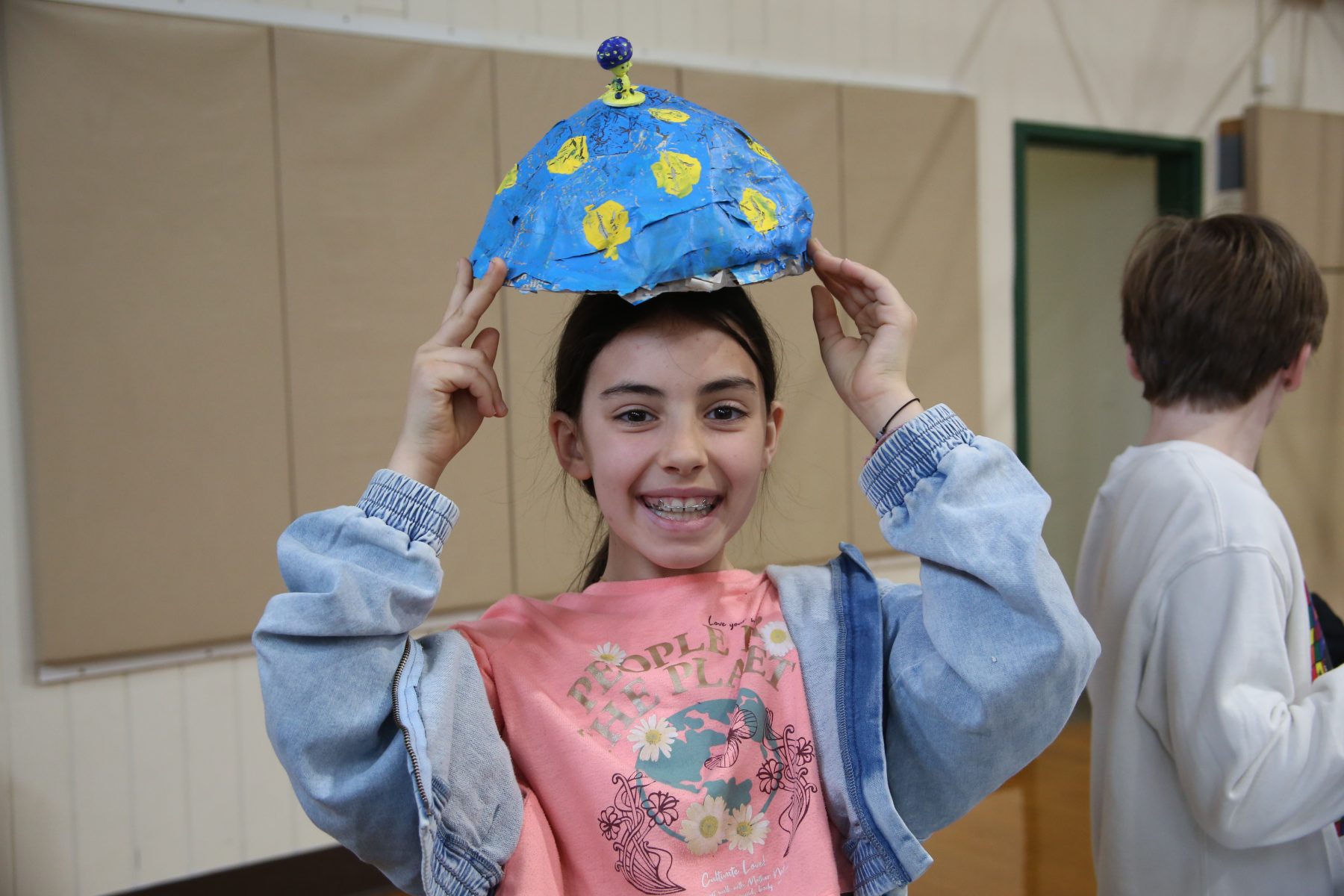
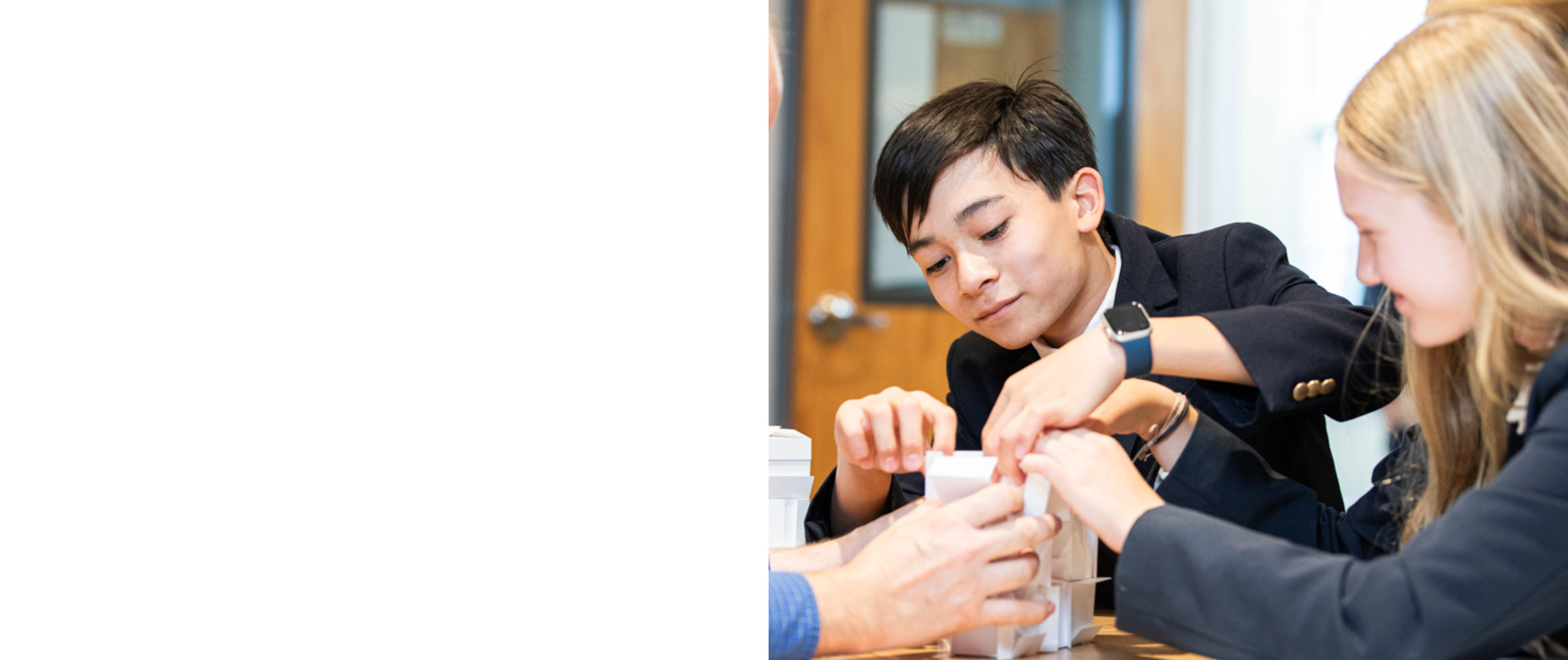
This spring, science and makerspace classes in fourth, fifth, and sixth grades have been discussing renewable energy, specifically passive solar, wind power and hydro power. Classes spent time reviewing the benefits of replacing non-renewable energy with renewable and many of the ways the renewable energy could be used. Students chose to work in groups or individually to create a model showing their understanding of the concept.
Ideas ranged from hydro powered amusement parks, kitchen appliances, turbine designs, flower passive solar houses, fancy hotels, and so much more. Students showed an ability to further integrate the concepts into many facets of present-day life.
Fourth grade worked with passive solar energy. They learnt that passive solar is not your typical solar energy, as it has to do with various indirect energy uses – how a structure is built, material choices, an understanding of thermal mass, and orientation to the sun. Structures can use the sun, or absence of sun, to heat and cool spaces, depending on seasonal needs. Students engineered fantastic models showing everything from nautical beach homes, flower shaped homes, mushroom shaped homes, and fancy hotels. Models were very thoughtful and had numerous details including furniture and decor.
Fifth grade discussed wind power and its ability to either be transferred as kinetic or electrical energy. Students came up with novel projects including a wind powered car racing ramp, a whale tale inspired turbine, a boat, and an amusement park.
Sixth grade used their understanding of hydro power, many using water wheels, to power ideas both great and small. Models included amusement parks, water parks, a personal ice machine, and pizza makers.
Students excitedly presented their impressive models and ideas to the entire school in the gym after assembly on Earth Day. All classes reflected on how exciting and important it was to showcase their work and see the work of their peers. We were so excited to have so many families and friends in attendance and hope everyone left with a greater understanding of renewable energies and the inspiring ideas of what could be possible in the future. Well done 4th, 5th and 6th grade engineers!
Our Foreign Language Speakers Accolades!
Posted by Carina Blackwell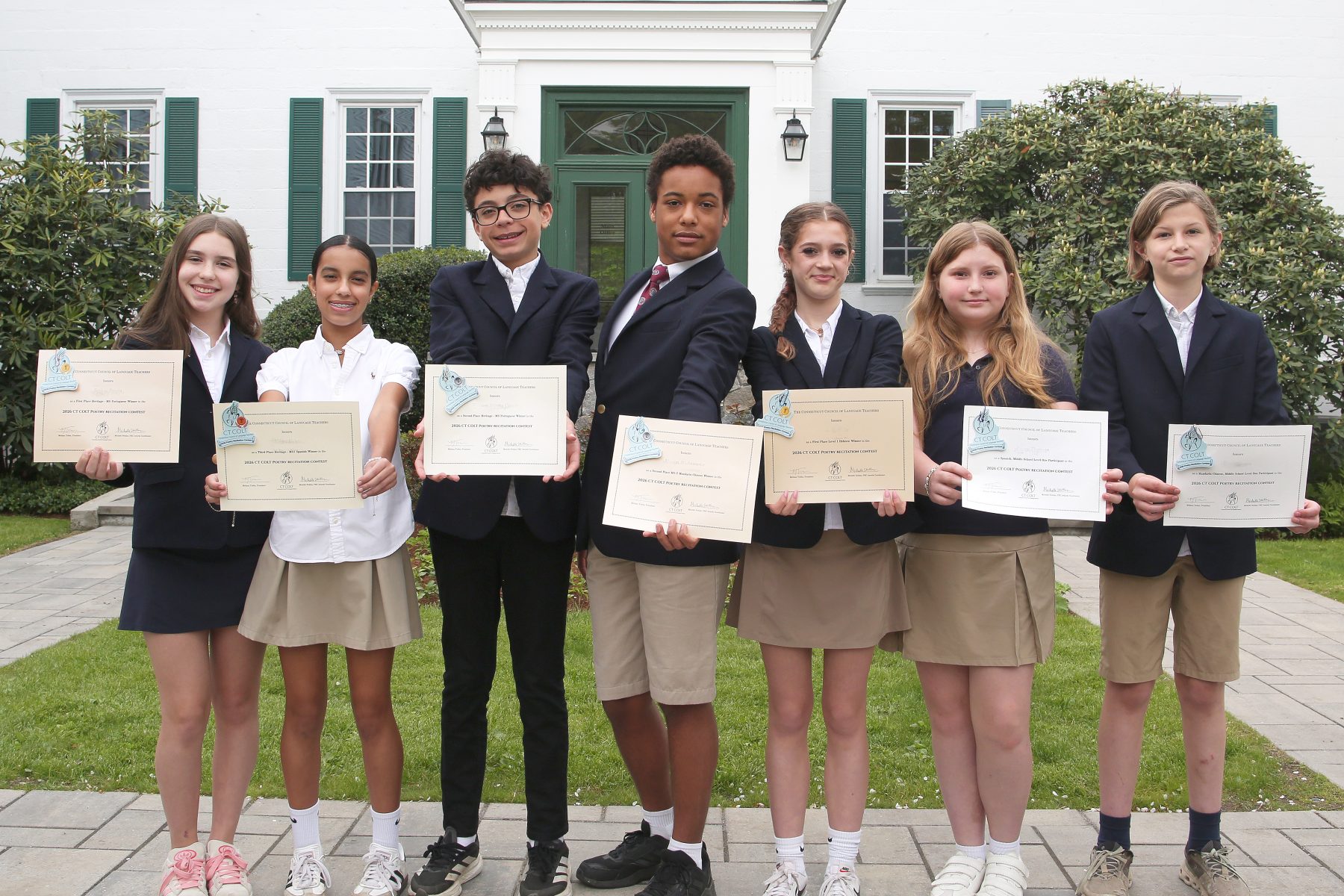
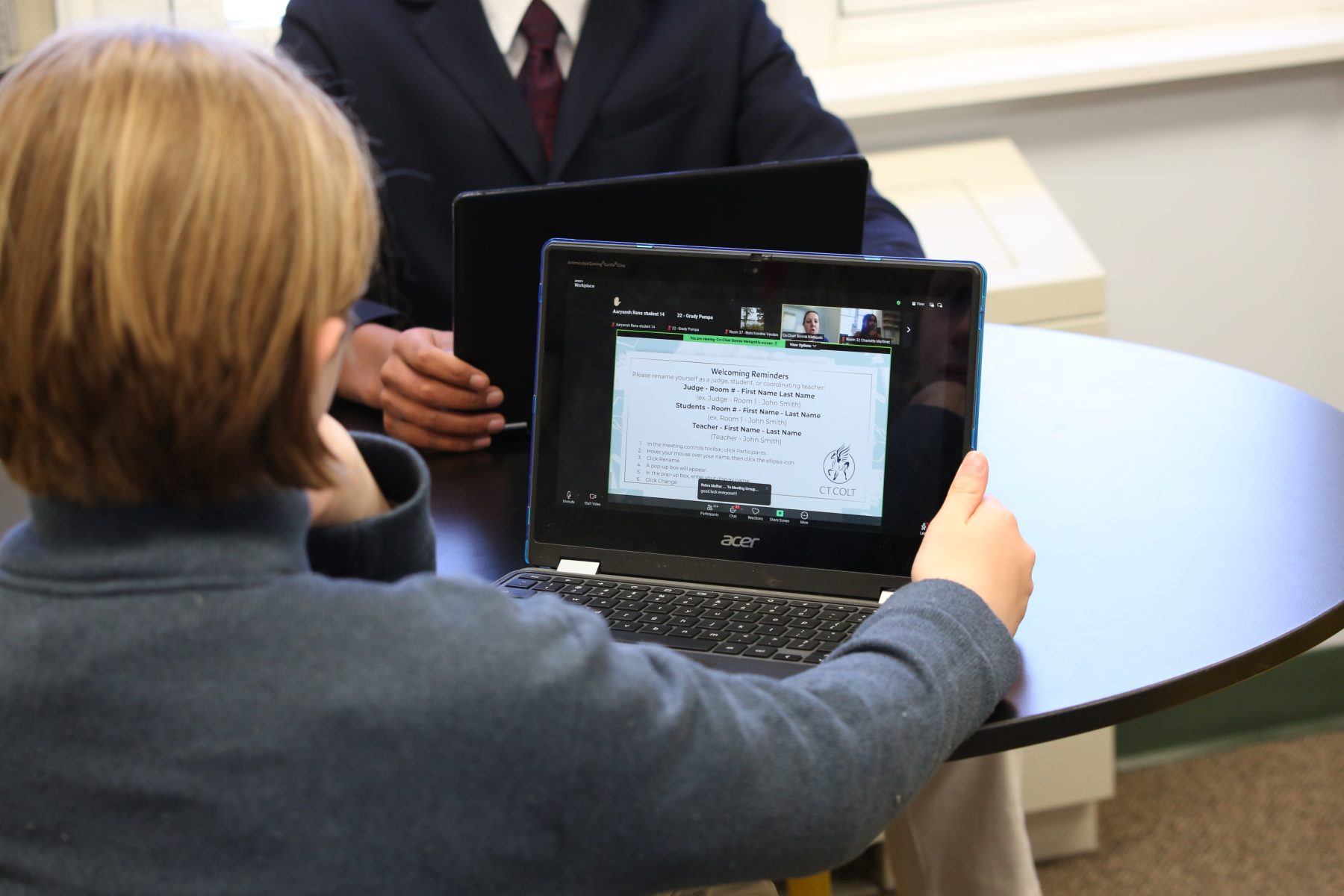
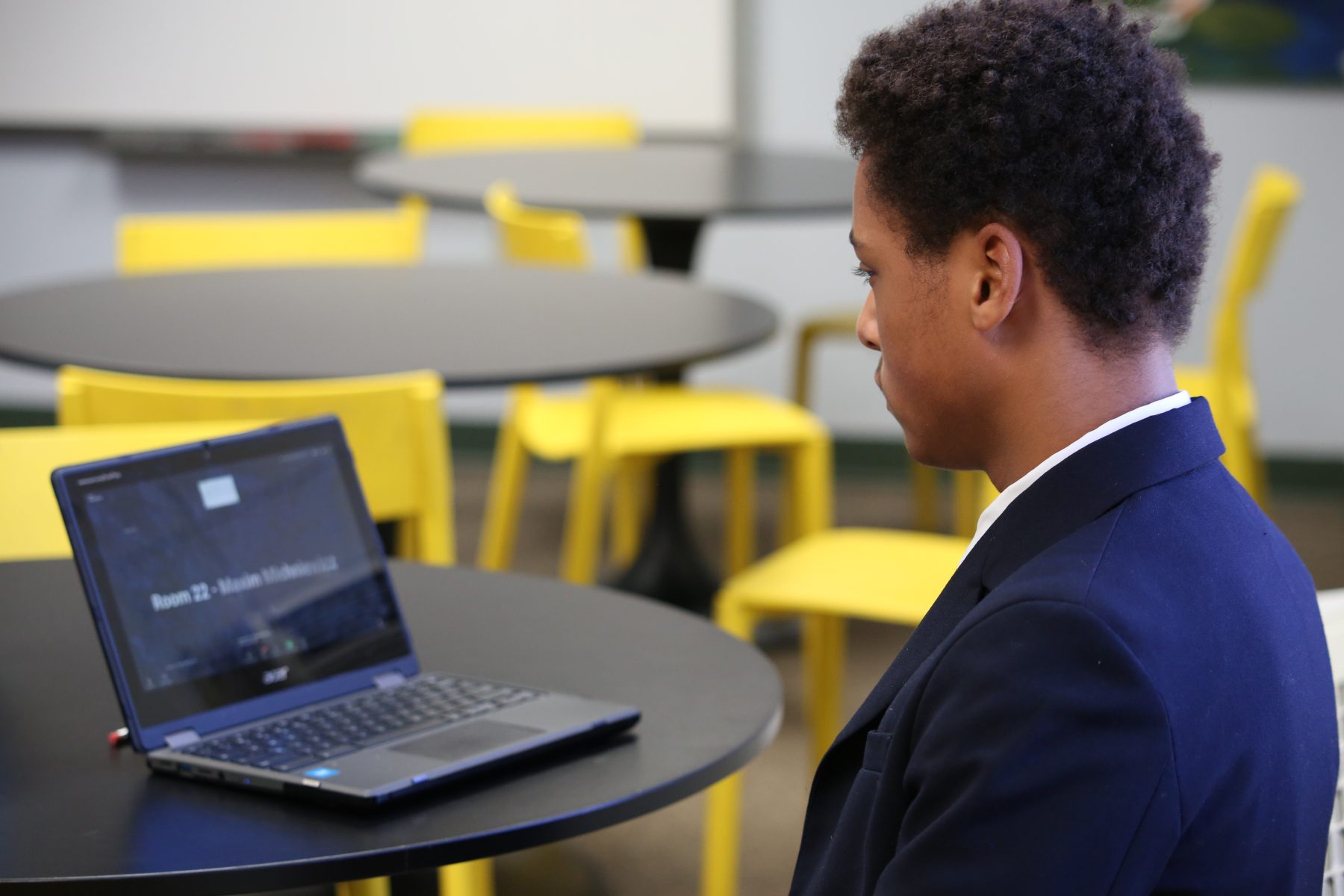
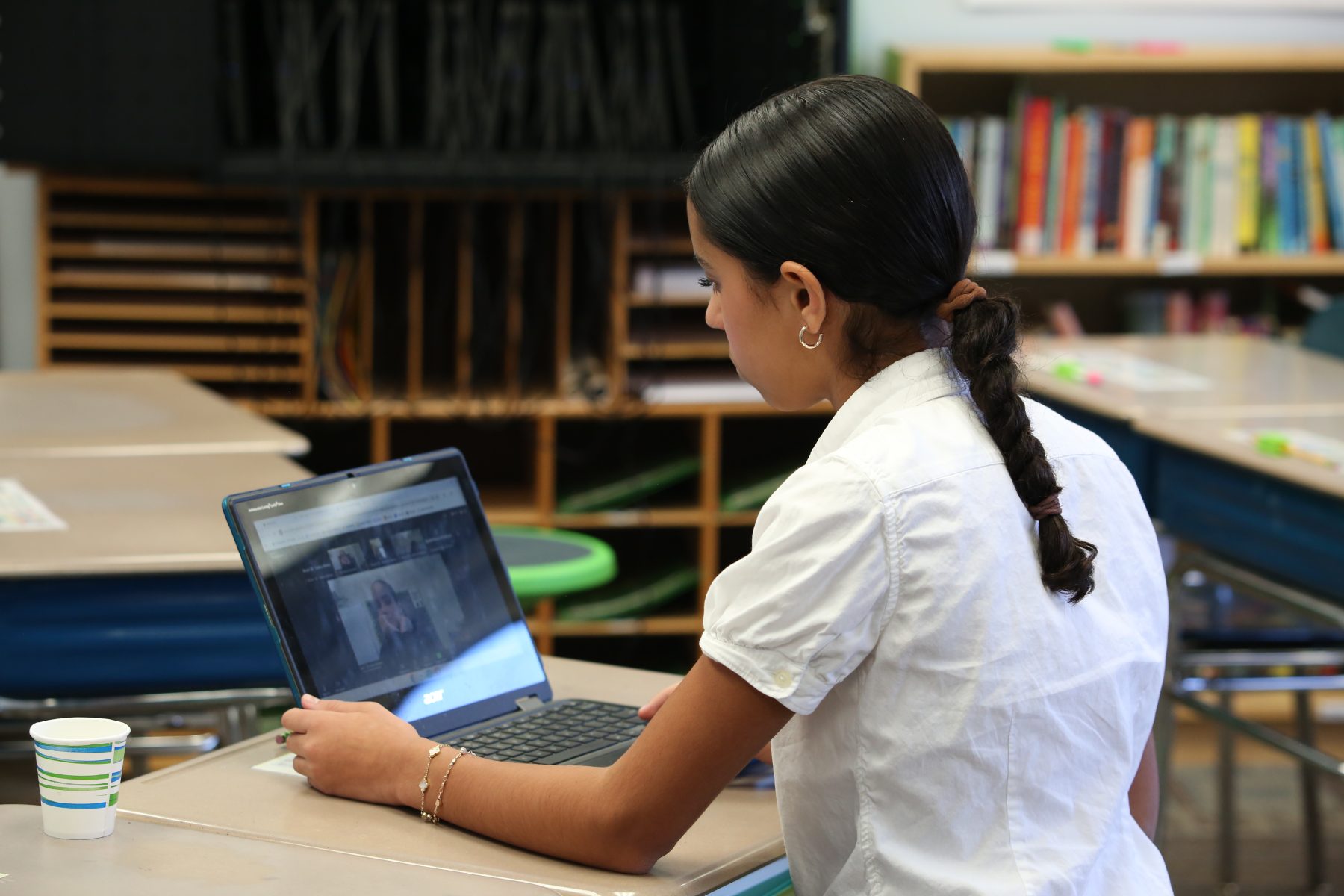
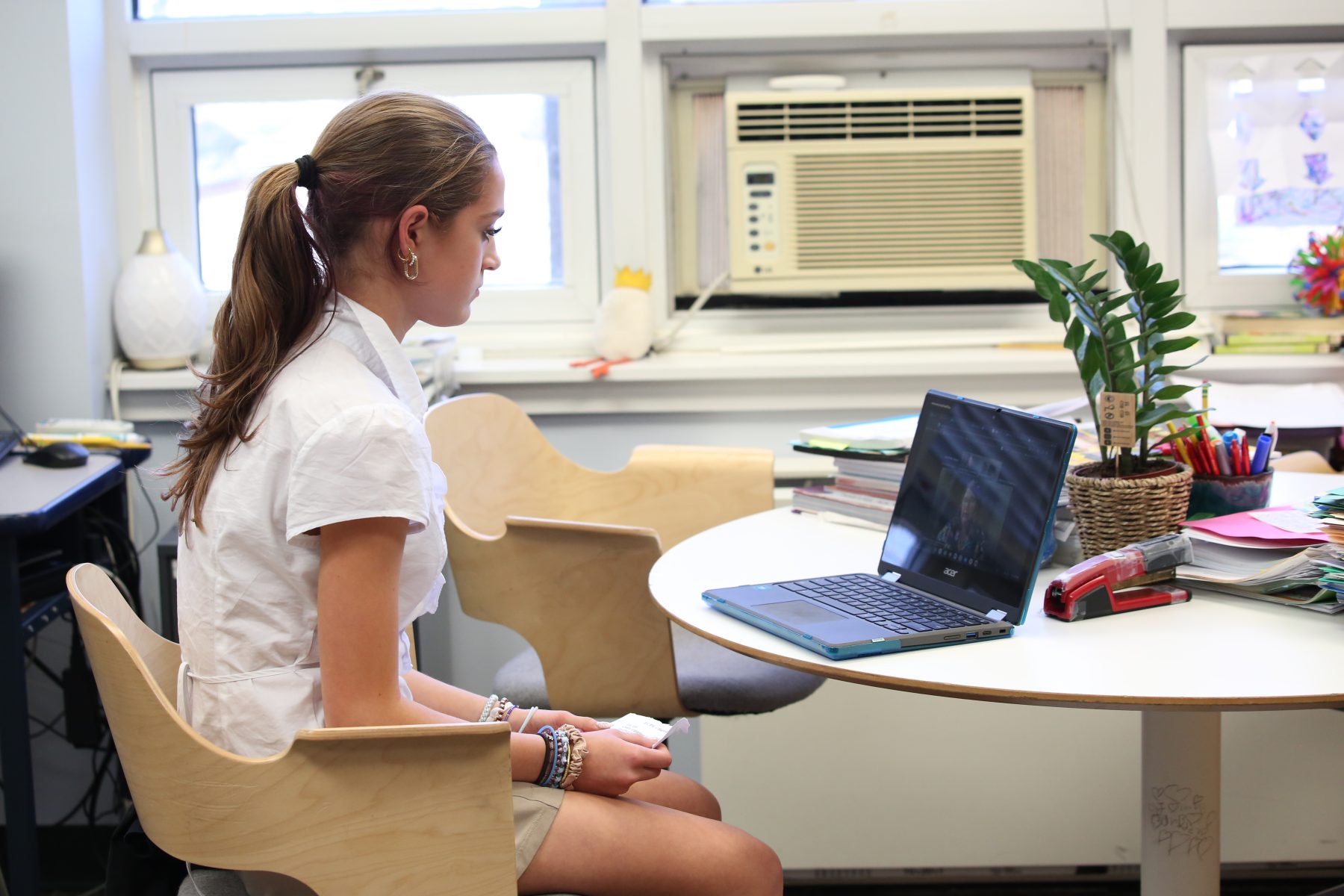
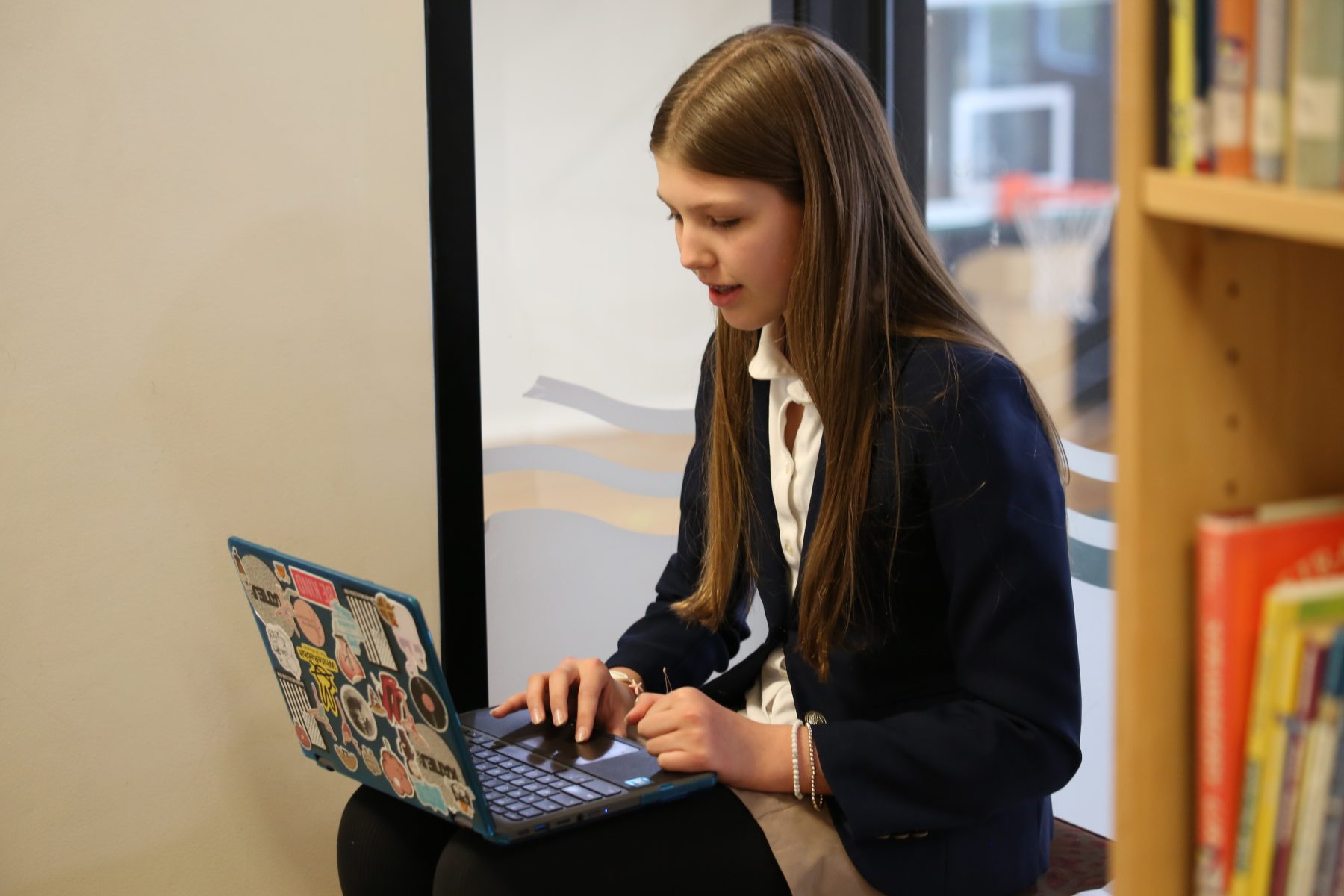
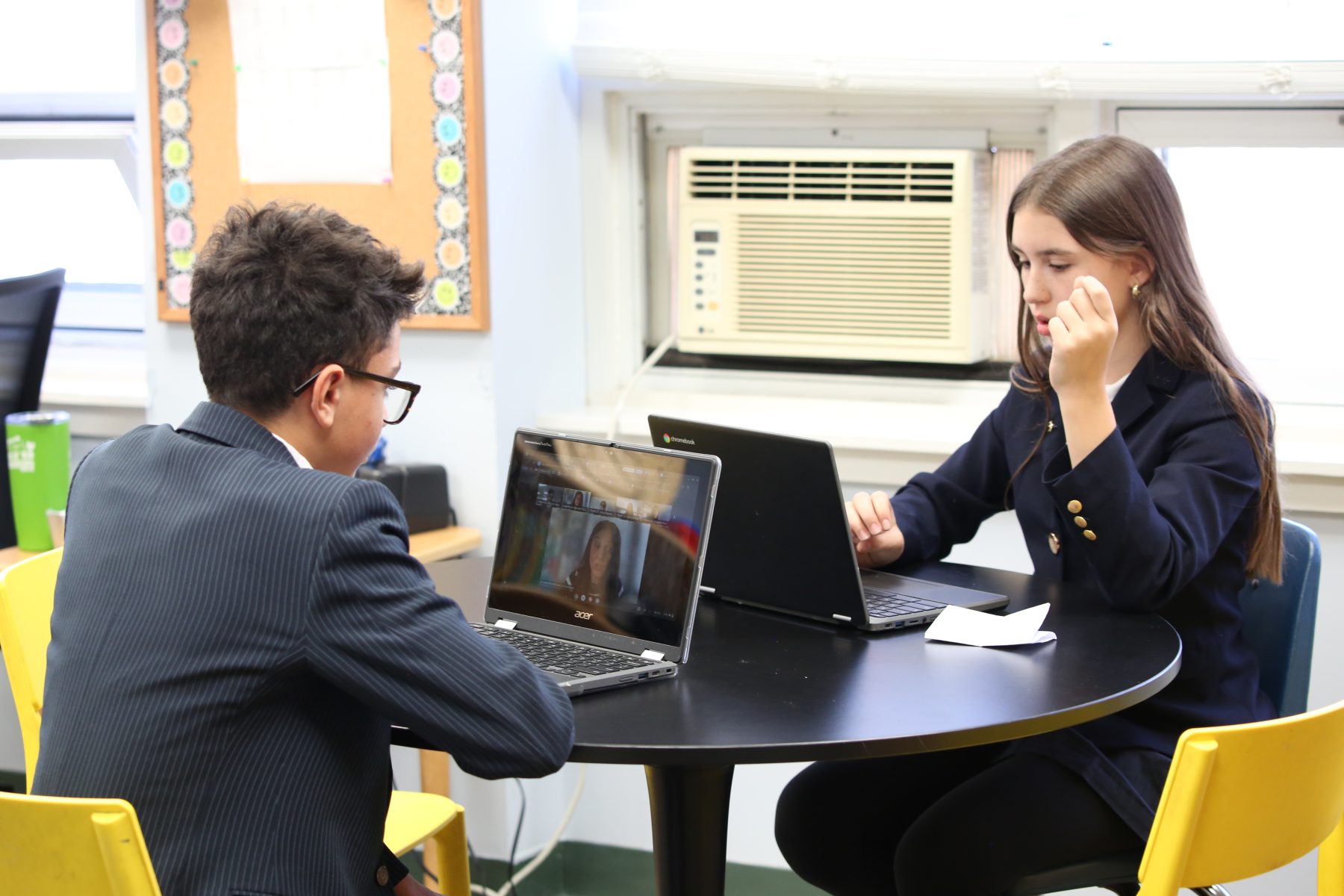
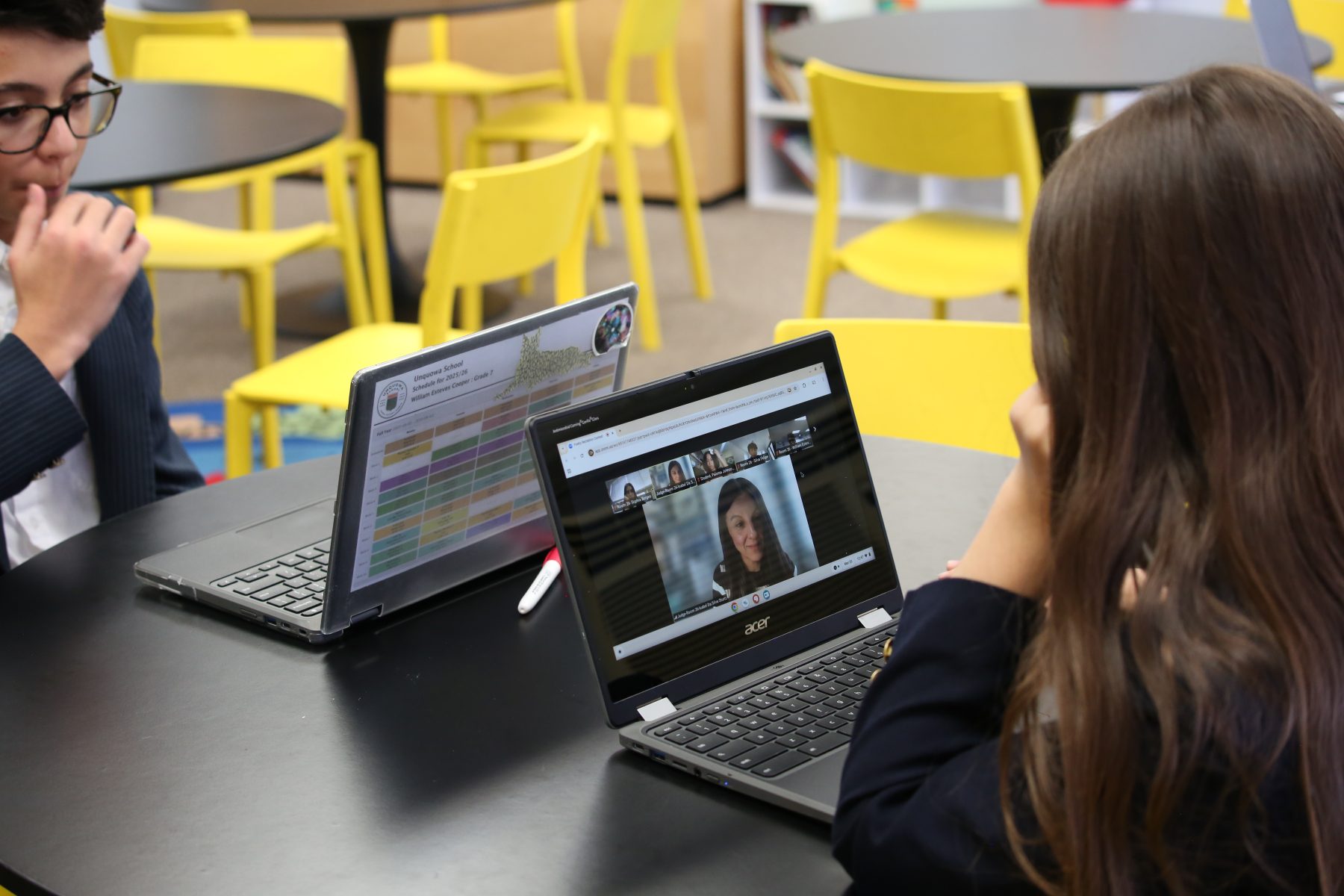
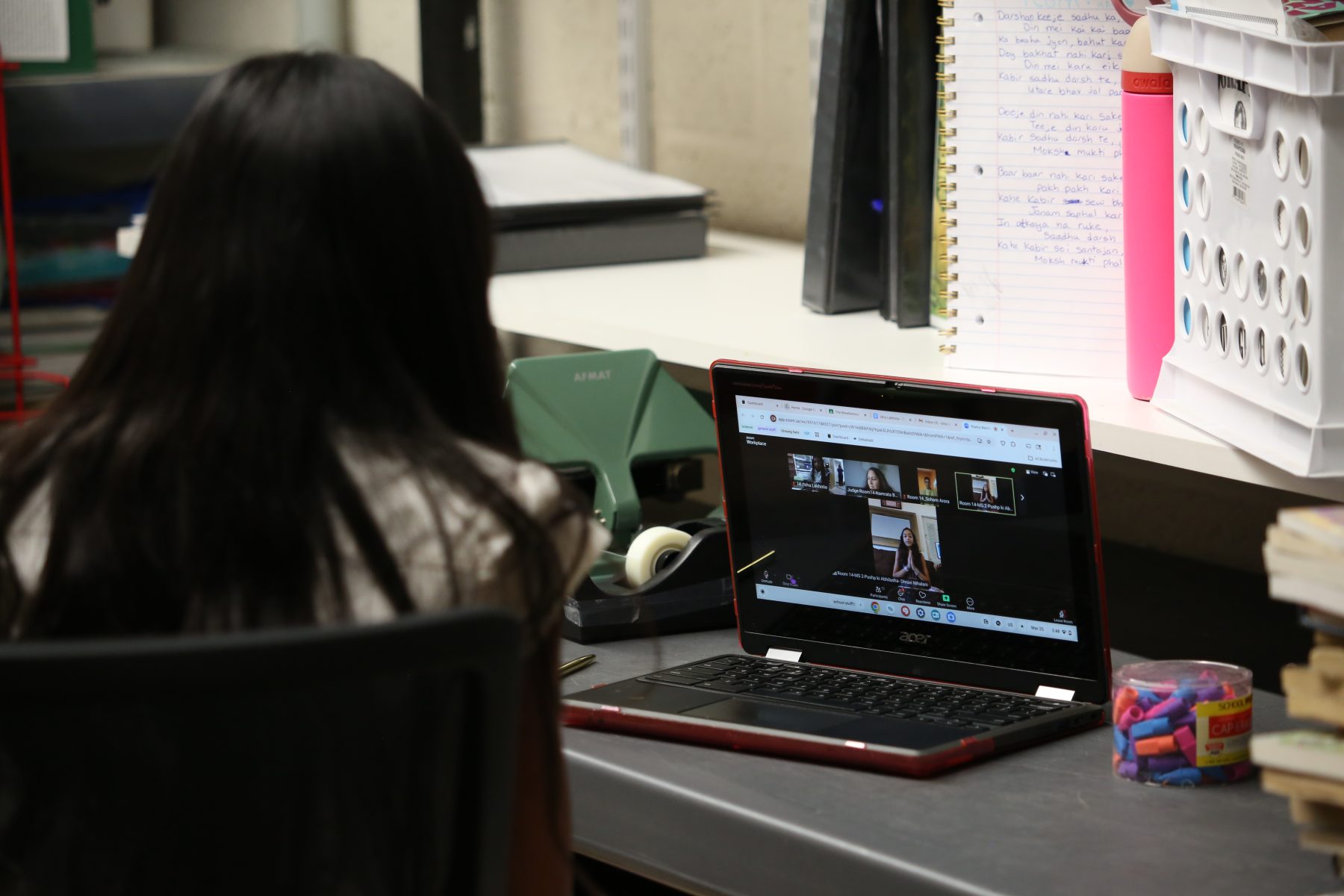
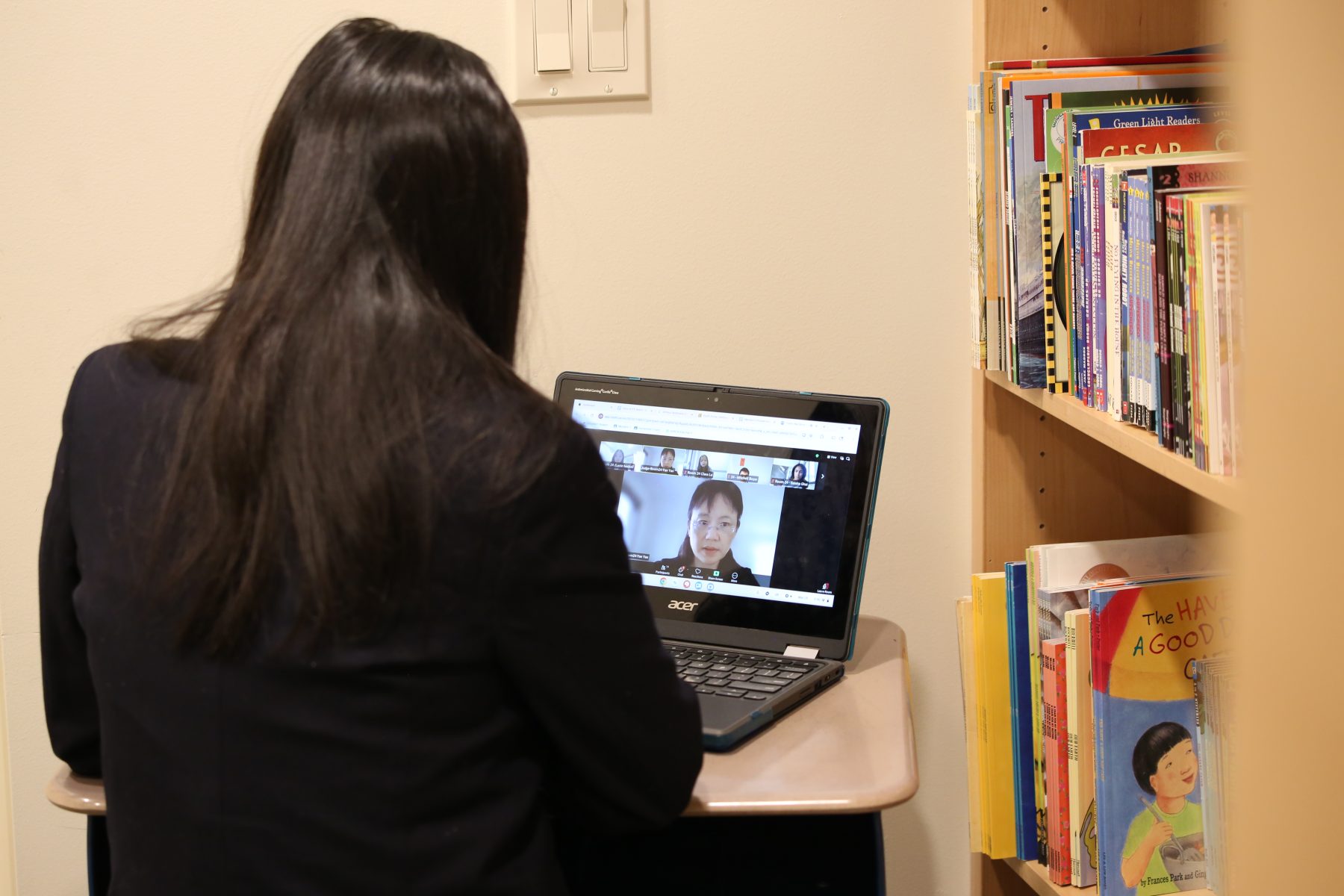
Each year the Connecticut Council of Language Teachers (CTCOLT) organizes a virtual poetry competition that invites students in grades 7 through 12 from across Connecticut to recite poems via Zoom in the languages they study.
This year, ten students from Unquowa participated, representing Spanish, Mandarin, Portuguese, Hebrew, and Hindi among more than 400 language learners from independent and public schools. Students were assigned age appropriate poems, and teachers provided support to clarify meaning. During each recitation, students presented to a virtual audience and were evaluated on fluency, body language, and comprehension.
We are pleased to announce five Unquowa students placed in the top three across three languages: Sophia – 1st Place Gold, Middle School Heritage, Portuguese; Avery – 1st Place Gold, Middle School Heritage, Hebrew; Maxim – 2nd Place Silver, Middle School Level 2, Mandarin; William- 2nd Place Silver, Middle School Heritage, Portuguese; and Salma – 3rd Place Bronze, Middle School Heritage, Spanish. Congratulations to all participants for their dedication and excellent work. We are so proud and impressed of their success!
History is Alive: Ancient Coin Demo
Posted by Thomas Iezin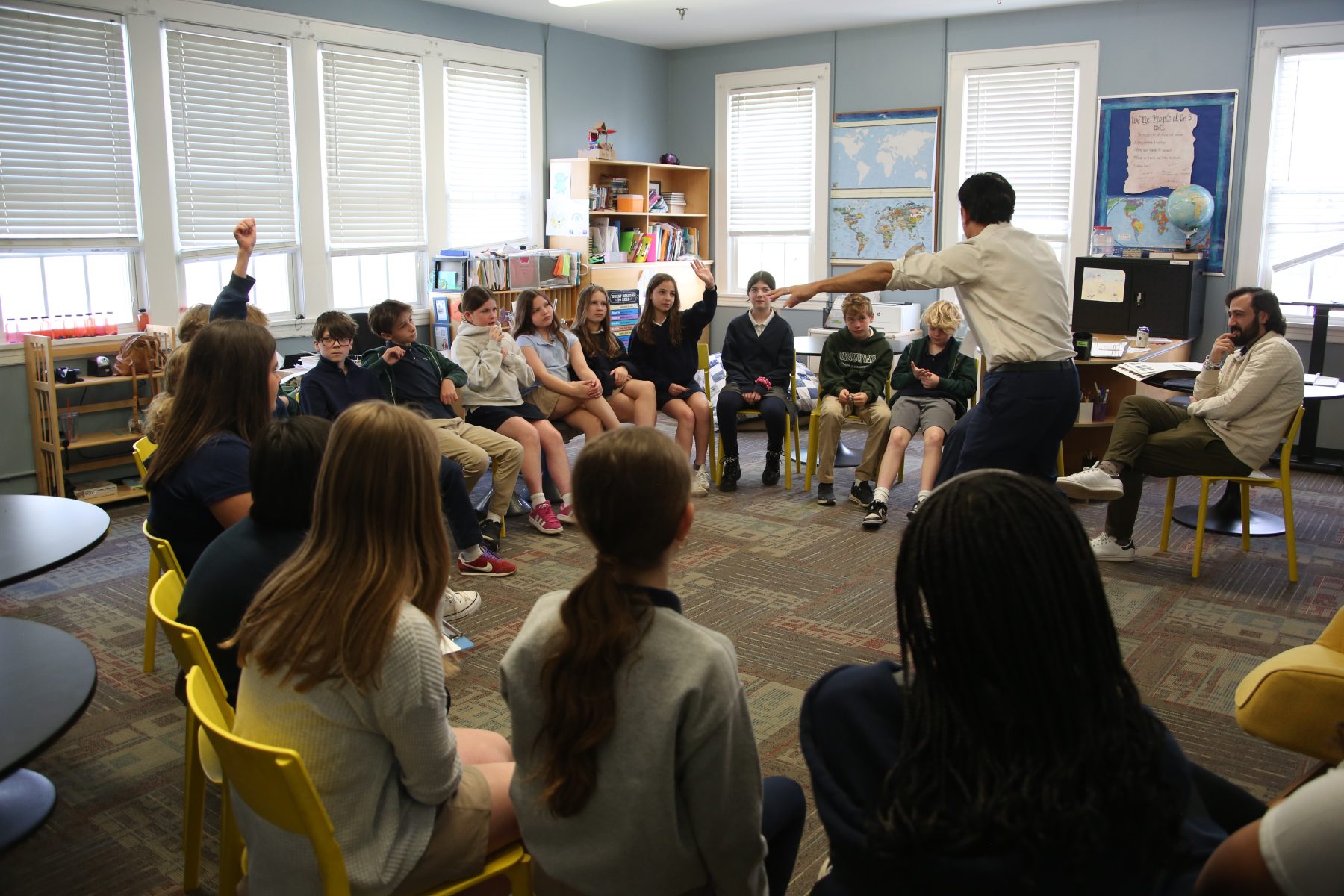
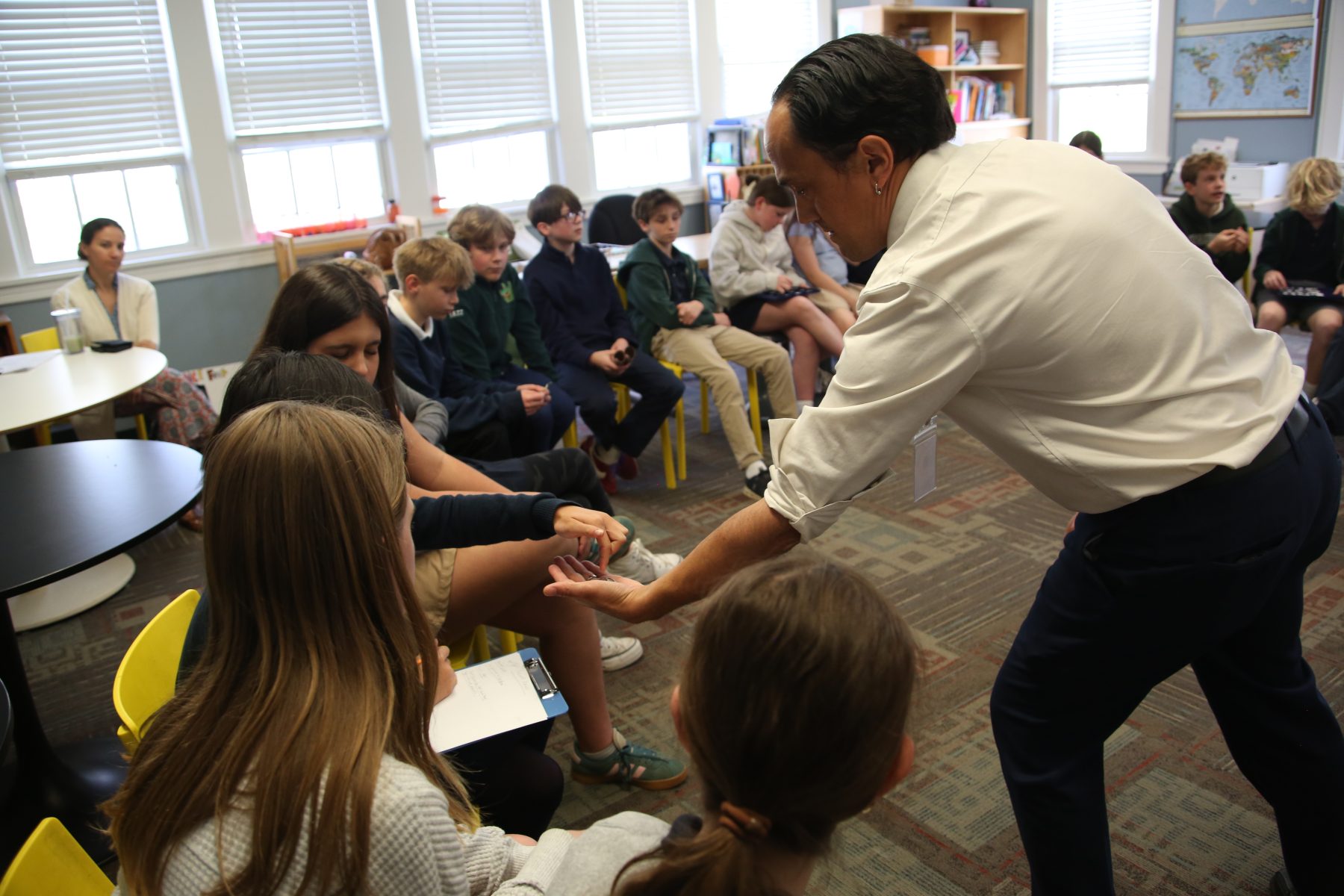
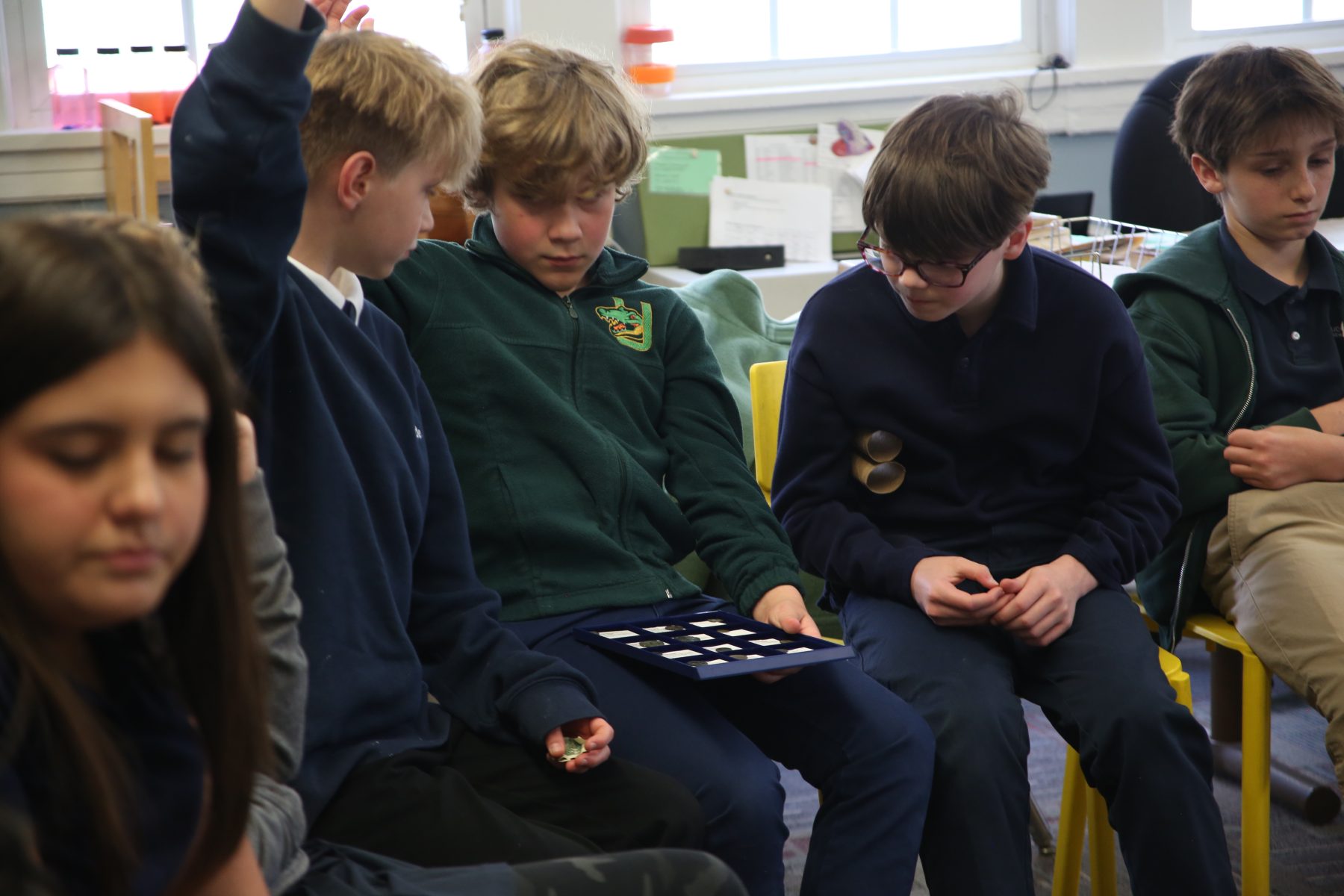
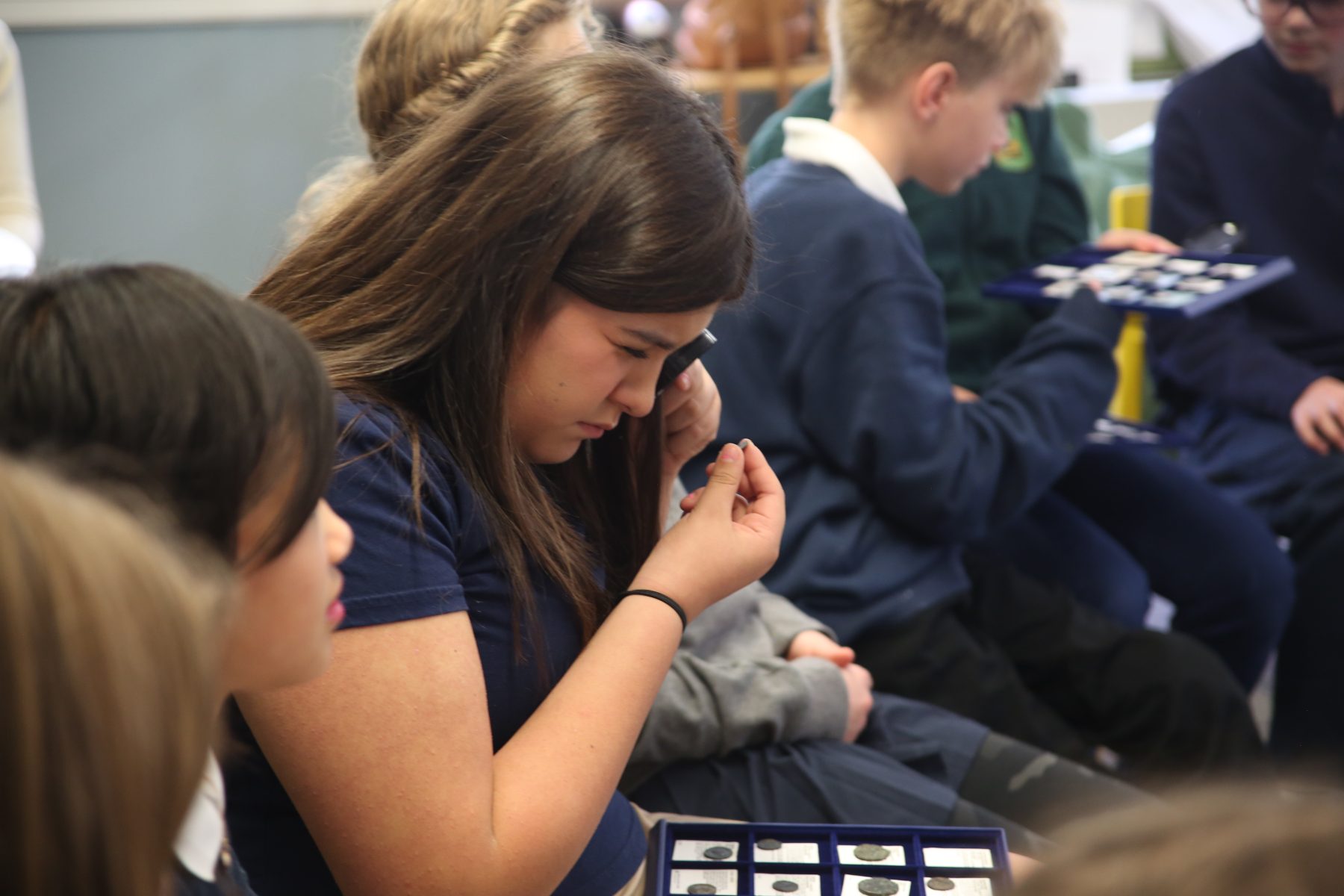
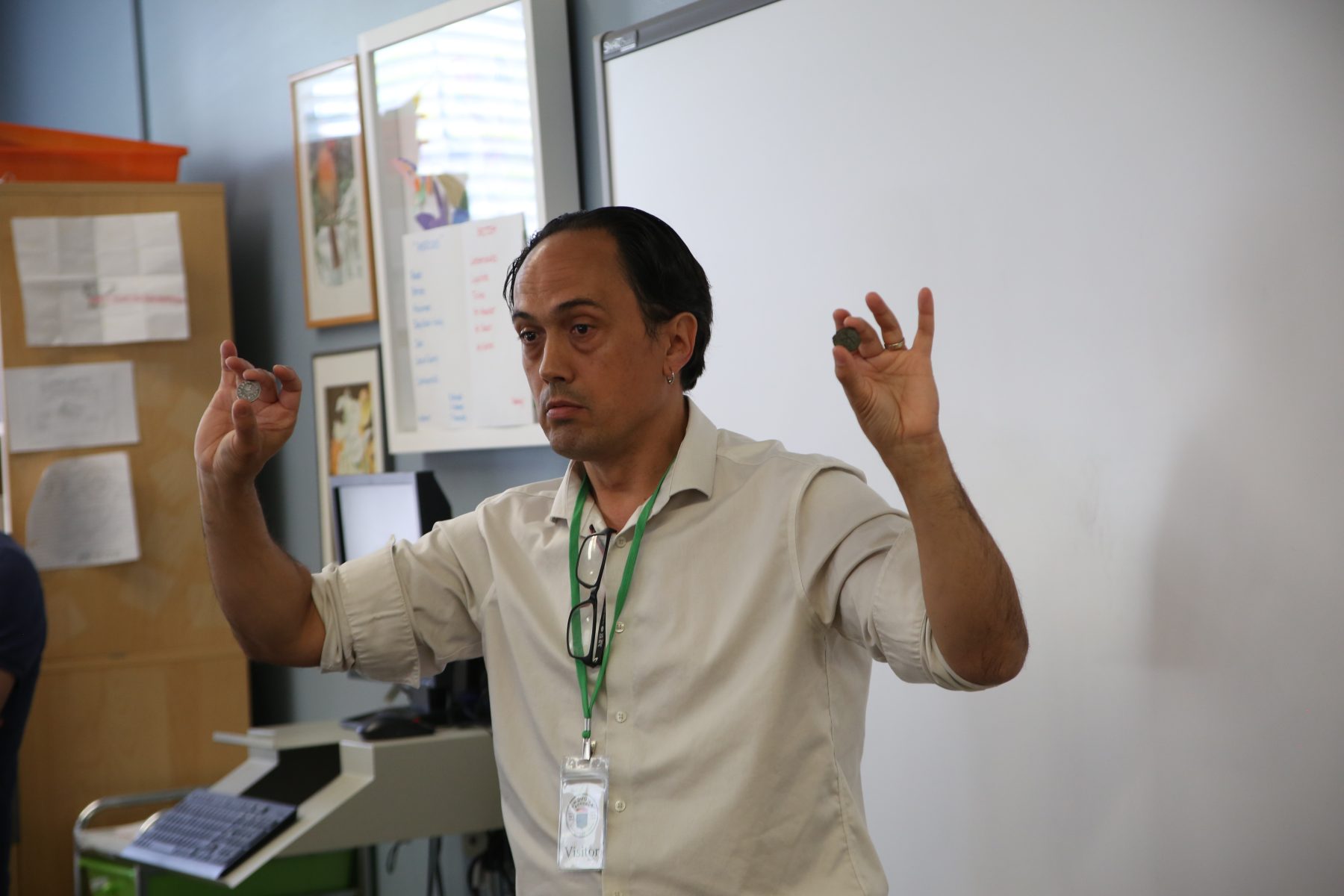
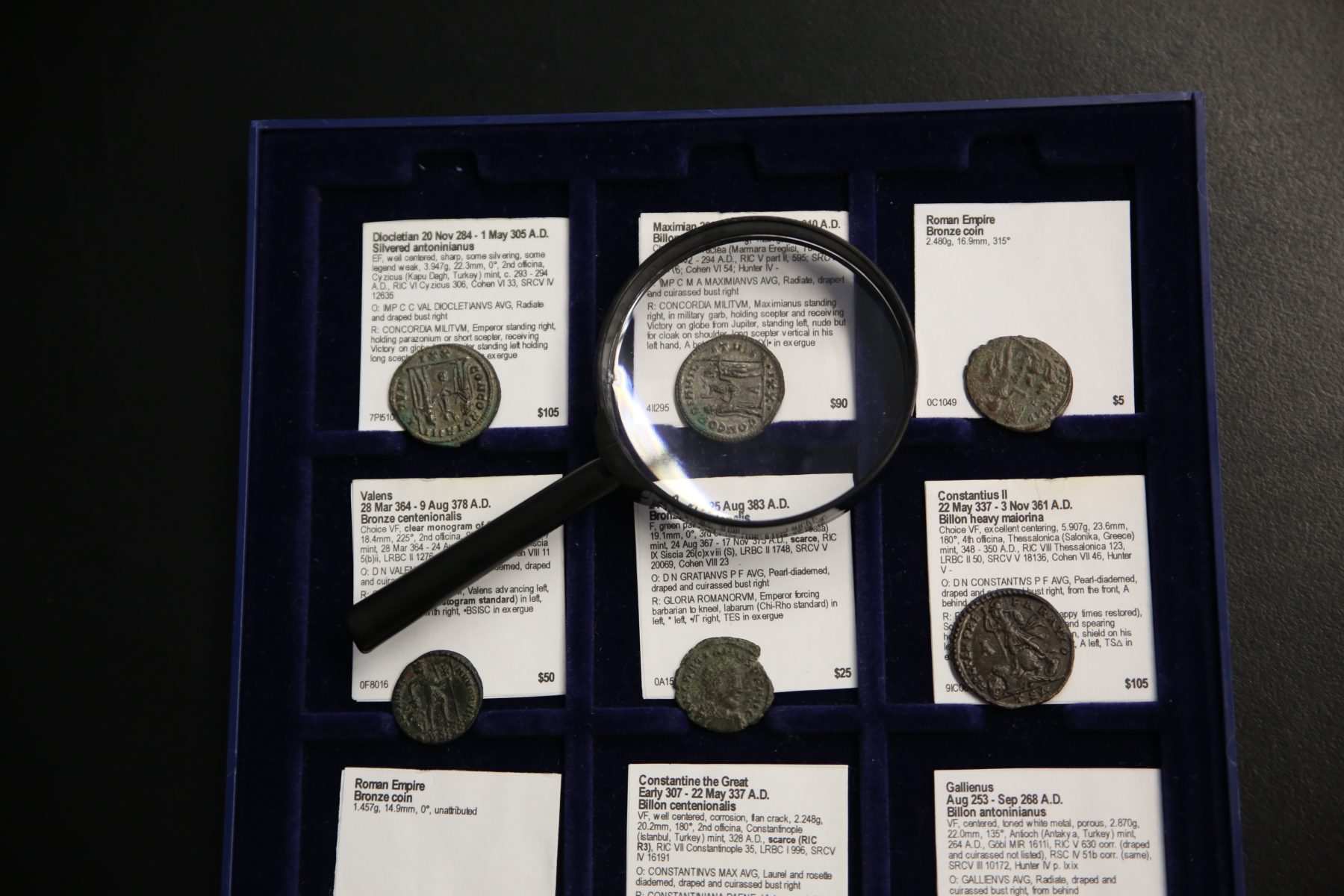
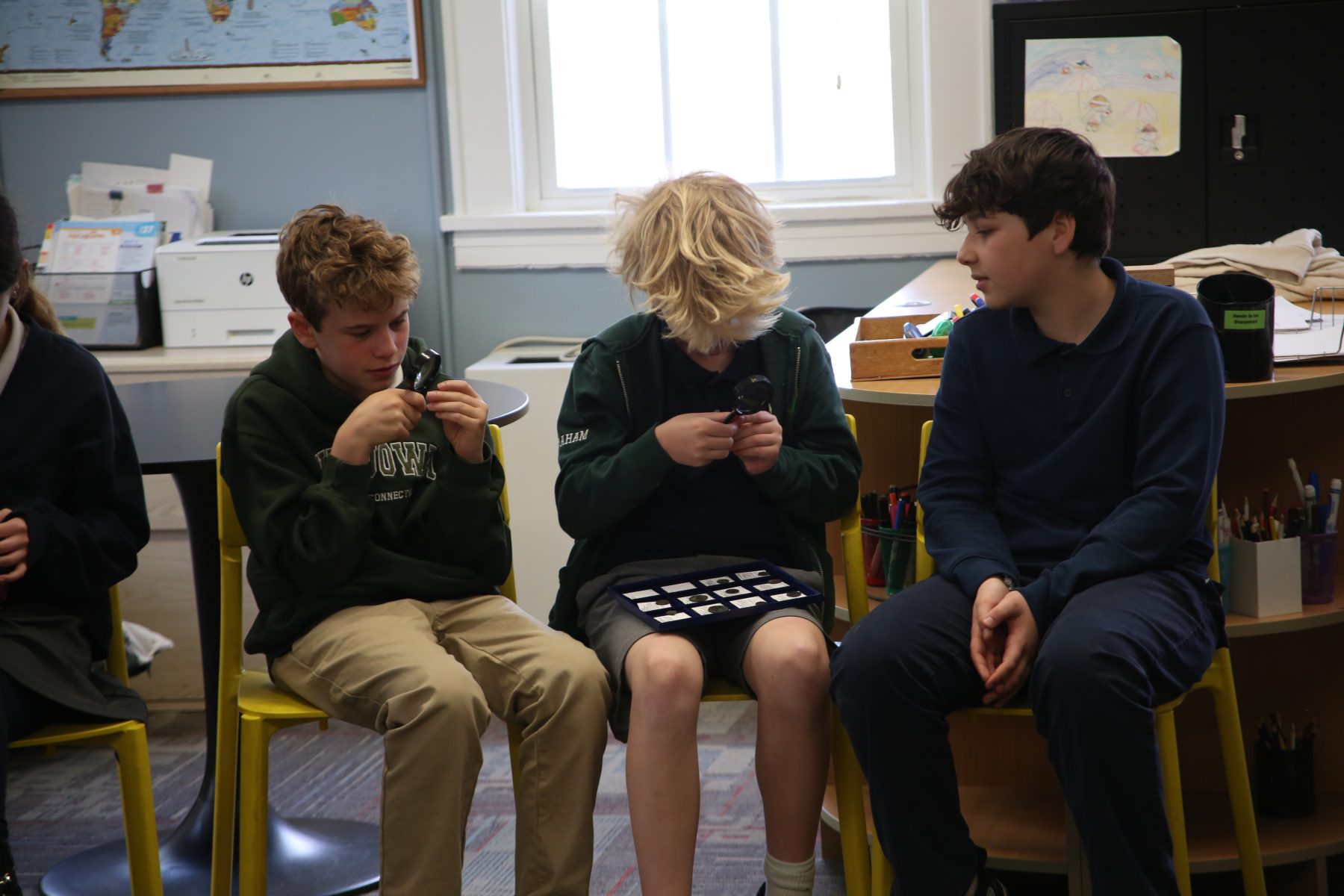
Recently, our 6th grade Humanities students had the unique opportunity to bring history back to life.
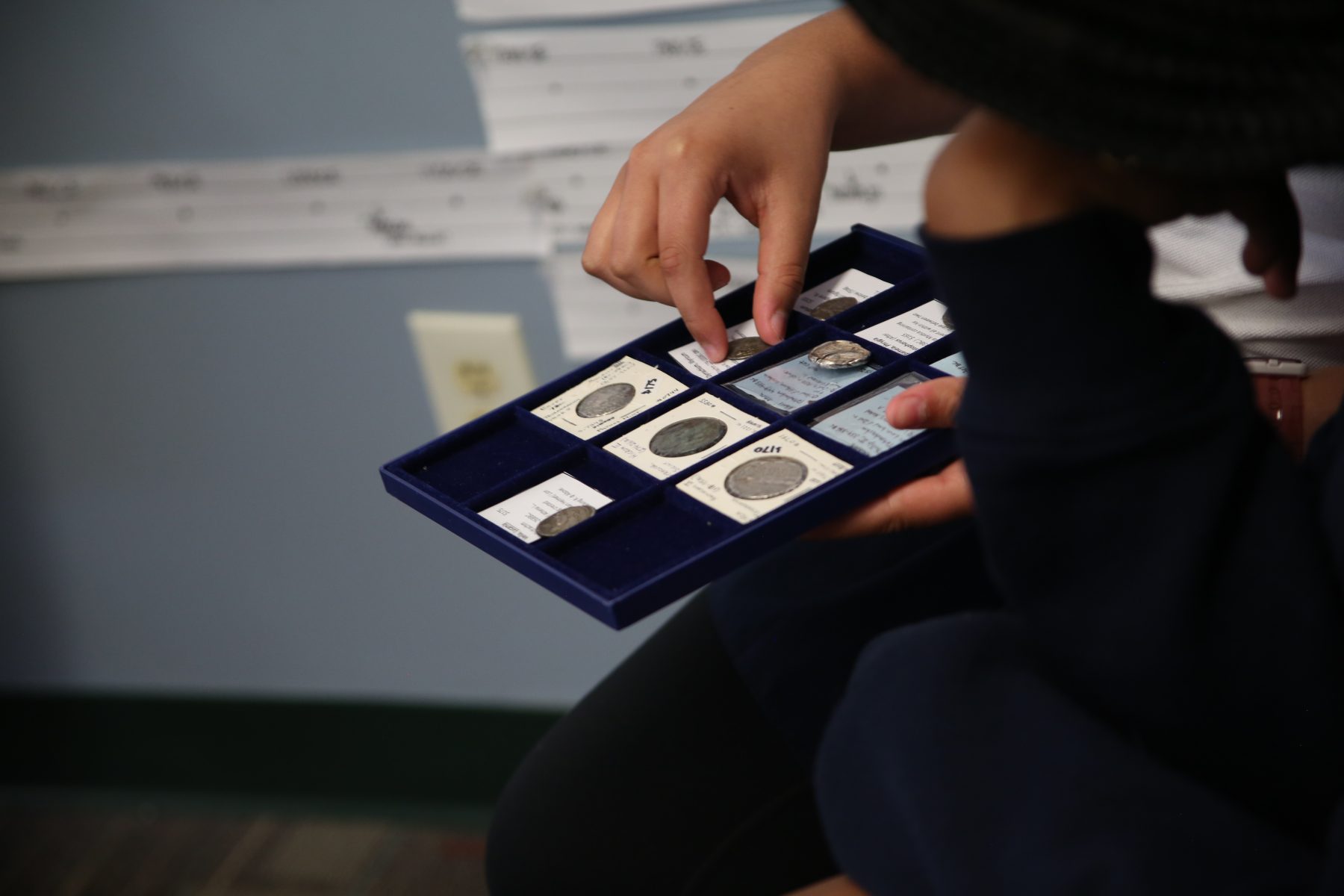
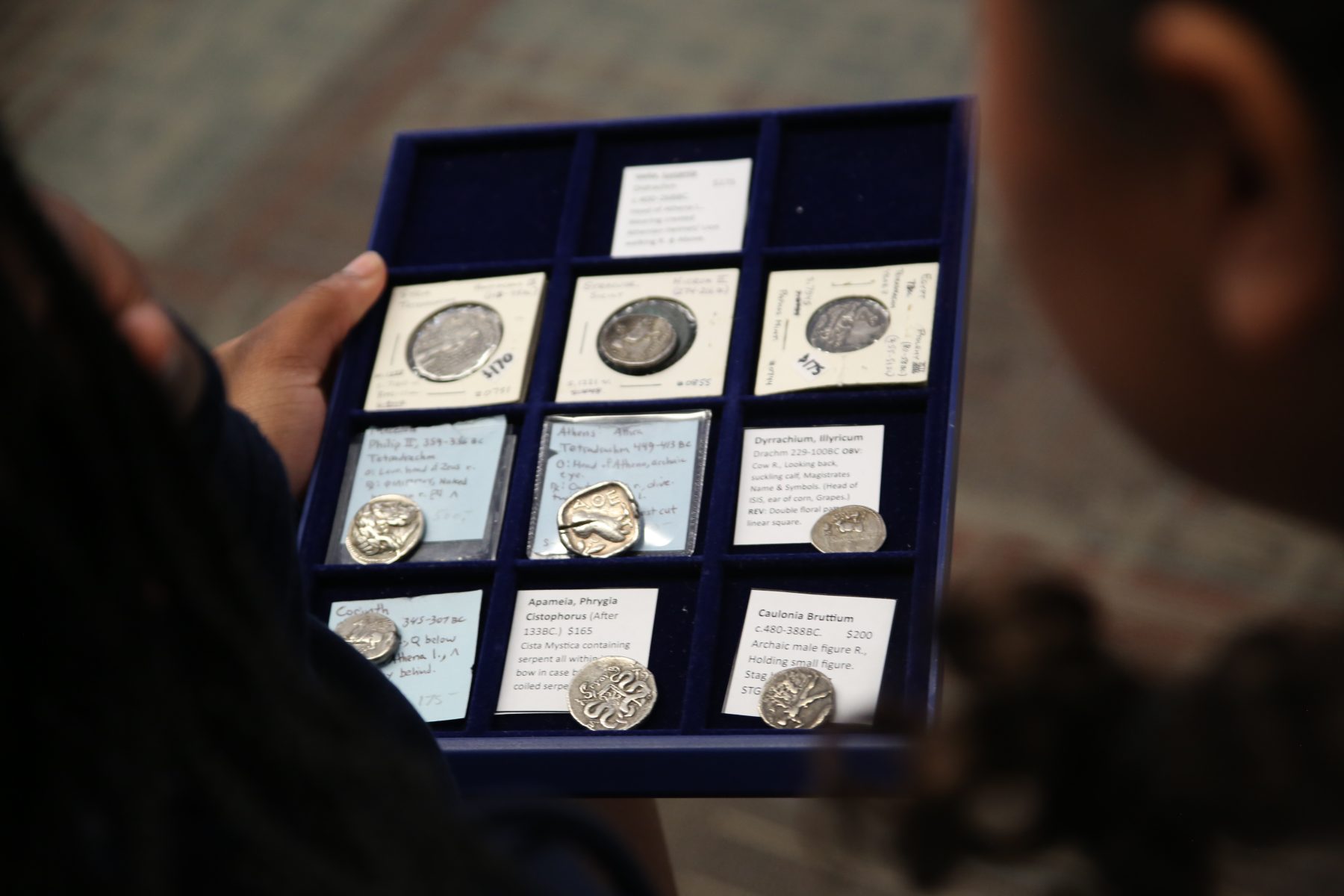
We were excited to welcome Giovanni Ruffini, a professor from Fairfield University, who brought an extraordinary collection of authentic coins from Ancient Greece and Rome into our classroom. This hands-on experience allowed students to engage directly with real artifacts that are thousands of years old.
As students examined the coins, they began to think like historians and archaeologists. They explored questions such as: What images are shown? Who might have used this coin? What does it tell us about power, leadership, or daily life? Through guided discussion, students discovered how artifacts like coins can reveal important insights about ancient civilizations’ economies, political systems, and cultural values. By analyzing these coins, students had a lot of input to the discussion and asked many great questions. They gained a deeper understanding of how history is studied and interpreted, moving beyond memorization to true inquiry and discovery.
We are grateful to Professor Ruffini for sharing his time, coins, and expertise with our students!