







Upper School Earth Day
Posted by Craig Knebel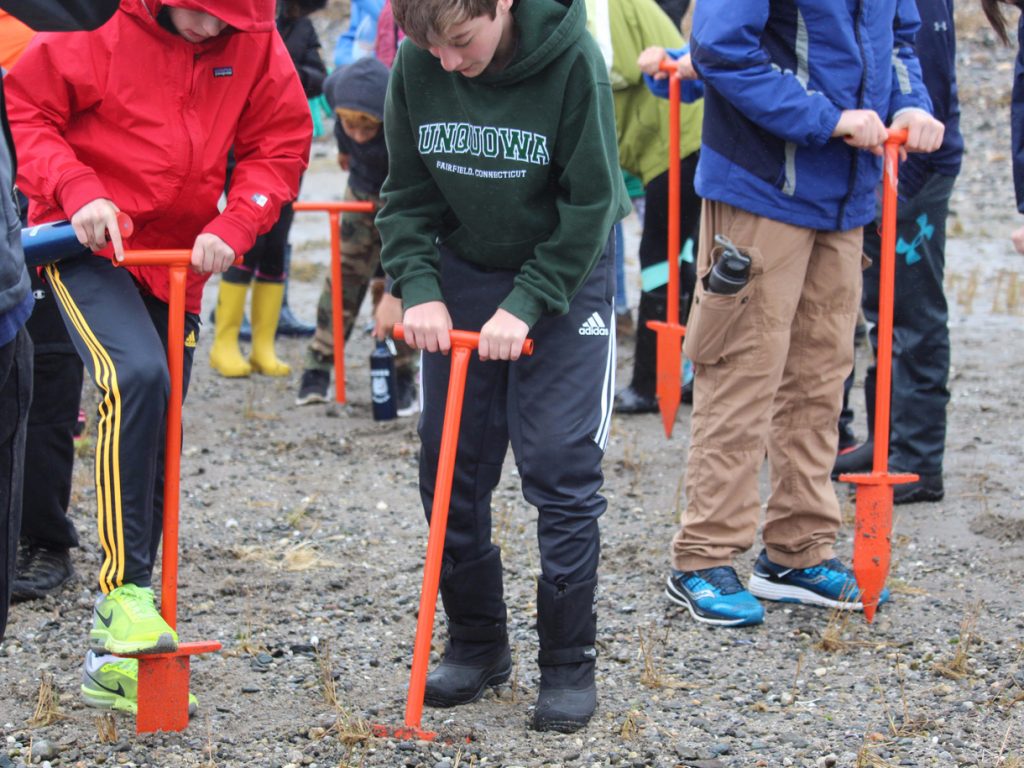
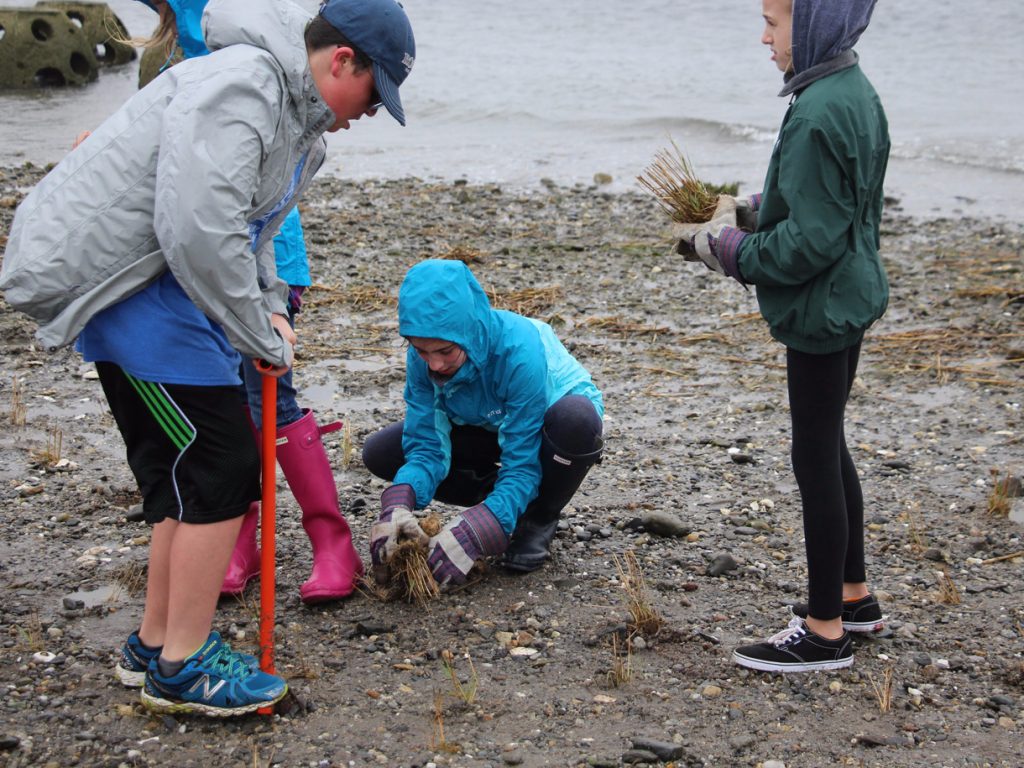
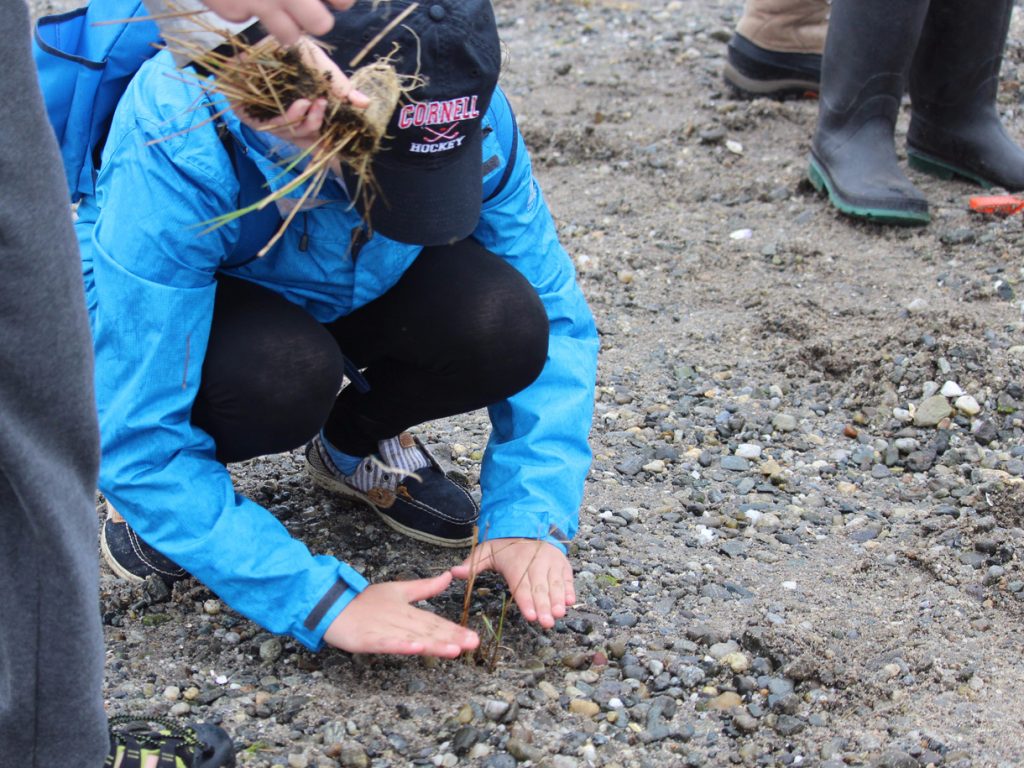
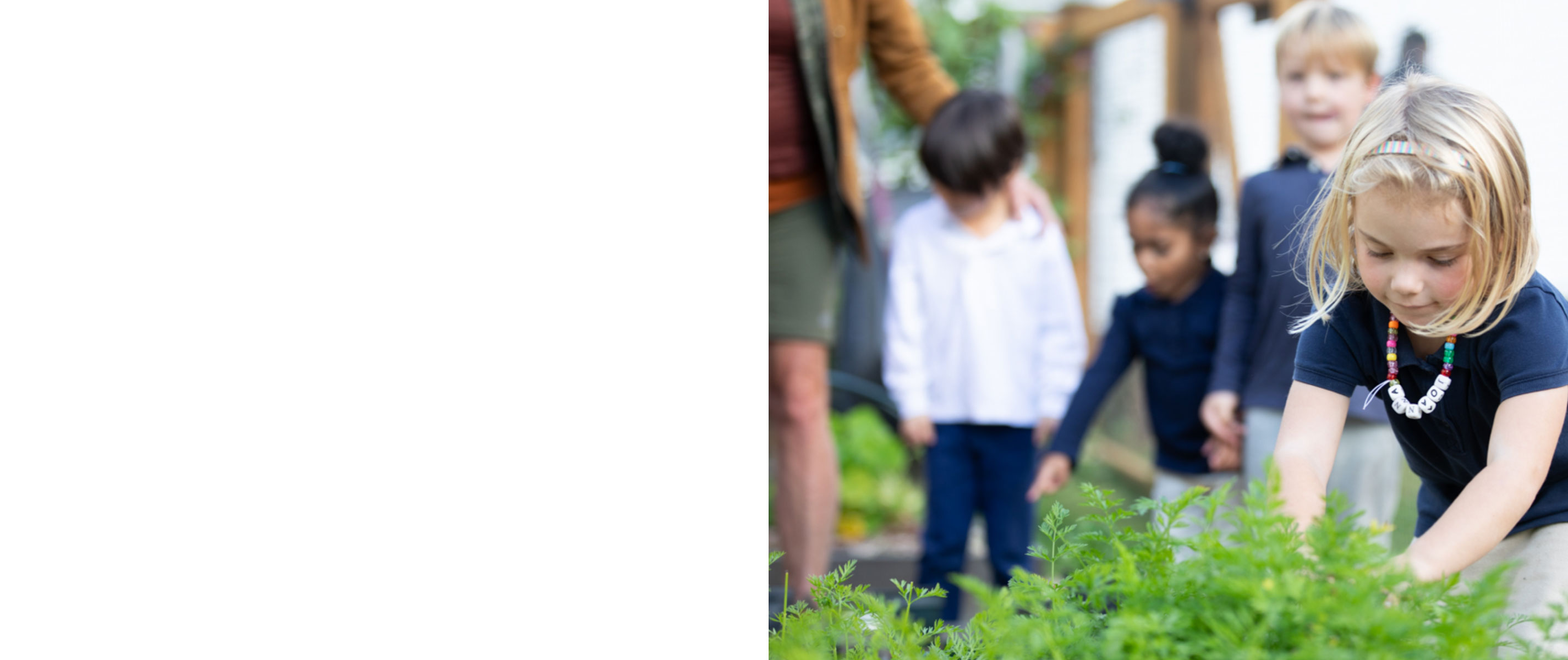
For the fourth Earth Day in a row the Upper School focused on a theme related to one of the greatest challenges facing our planet. This year the focus was on Global Warming and specifically the impact of rising CO2 on the world’s oceans. Students traveled to Stratford, CT to explore and plant sawgrass at Stratford Point. This exploration had robust science and ecological activities, raised social awareness, and is part of the science curriculum. We worked in concert with Sacred Heart University and Dr. Jennifer Mattei in the Living Shorelines Project to plant sawgrass next to geodesic domes to help combat erosion due to rising sea level.
After lunch the Upper Schoolers led their Lower School partners in afternoon activities demonstrating the effects of Global Warming. For instance 2nd and 3rd graders learned about melting glaciers with their 6th and 7th grade partners.
Rompecabezas
Posted by Katie Brenna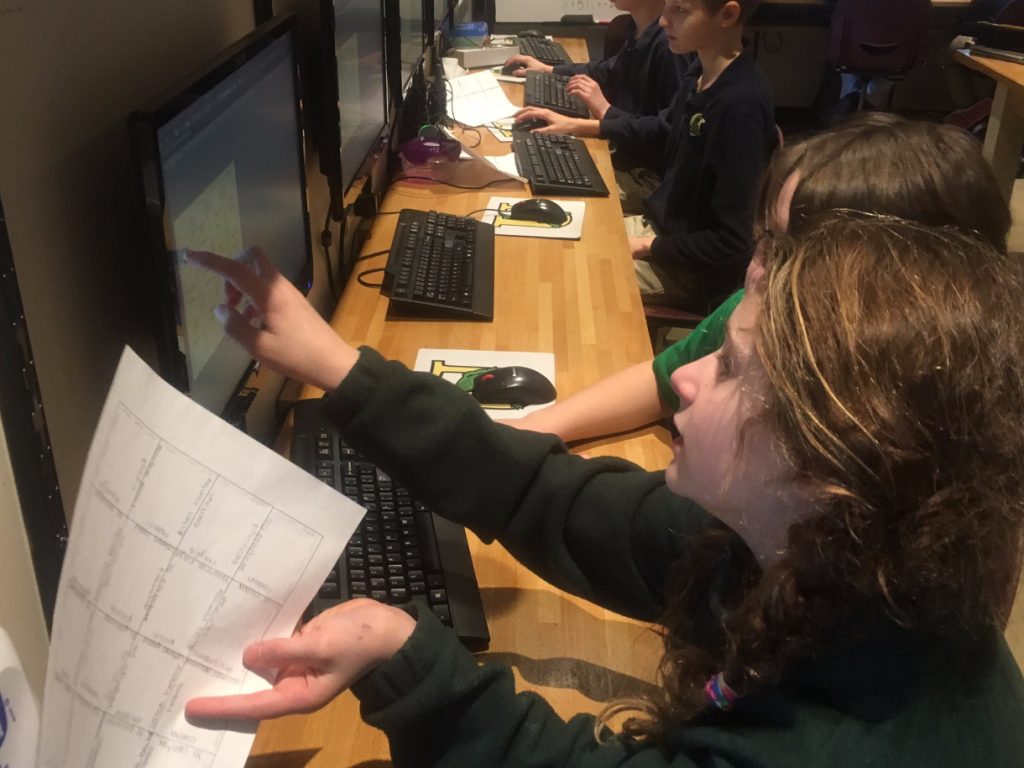
Spanish teachers employ a myriad of activities to help make verb conjugations come to life for their students. Sra. Corvese. Mr. Ross-MacCormack and I recently collaborated to bring to life a new idea to make learning verbs more dynamic and fun for our sixth graders. To start, sixth graders were asked to come up with a theme that spoke to them. Some examples were “cooking,” “my birthday” and “summer.” Once each student had a theme in mind, he/she was then asked to use an online dictionary to create a list of fifteen verbs that fit the respective theme. Continuing to use an online resource, each student then needed to determine which verbs were regular and which ones were irregular by observing patterns. Once the student-generated list was complete, students then used it to create a verb “puzzle” of sorts. We are now in the midst of working in the Tech Lab and in the makerspace to produce our verb puzzles, which will then serve as valuable thematic, conversation-starters for all of our Spanish language learners. Sixth graders are excited to continue exploring how verbs work and through the trials and tribulations of this type of work, they are truly learning why “puzzles” are called “rompecabezas” in Spanish. The verb “romper” means to break and the work “cabezas” means head. At times, this work can really stretch your mind!
Future Designers!
Posted by Lloyd Mitchell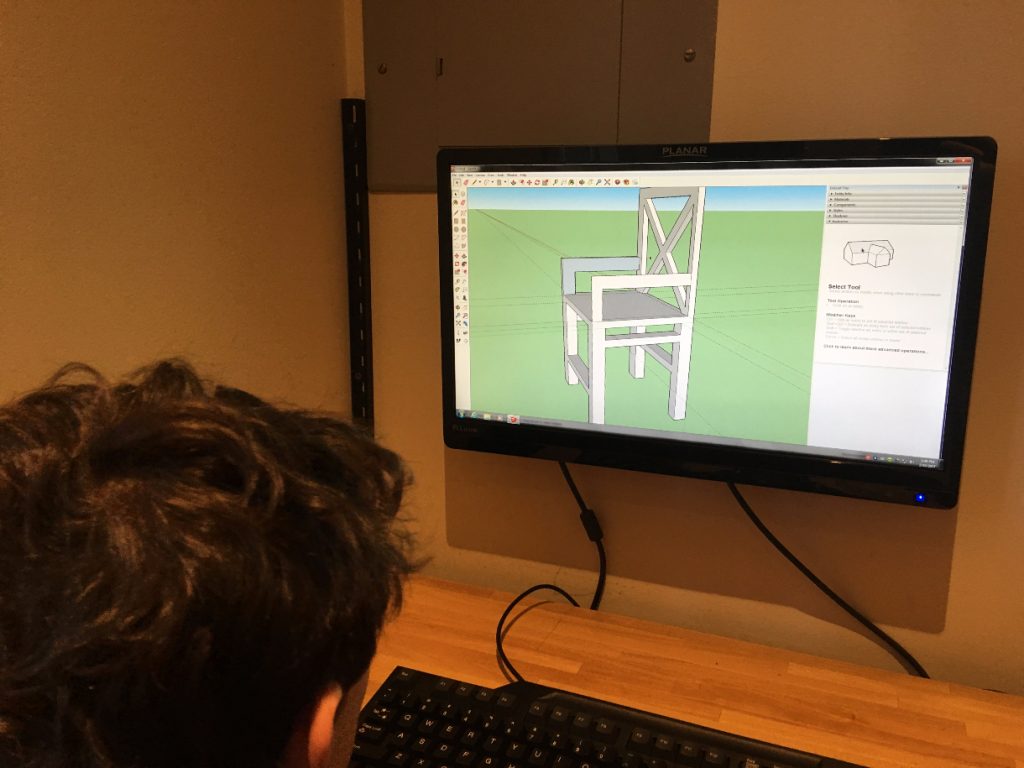
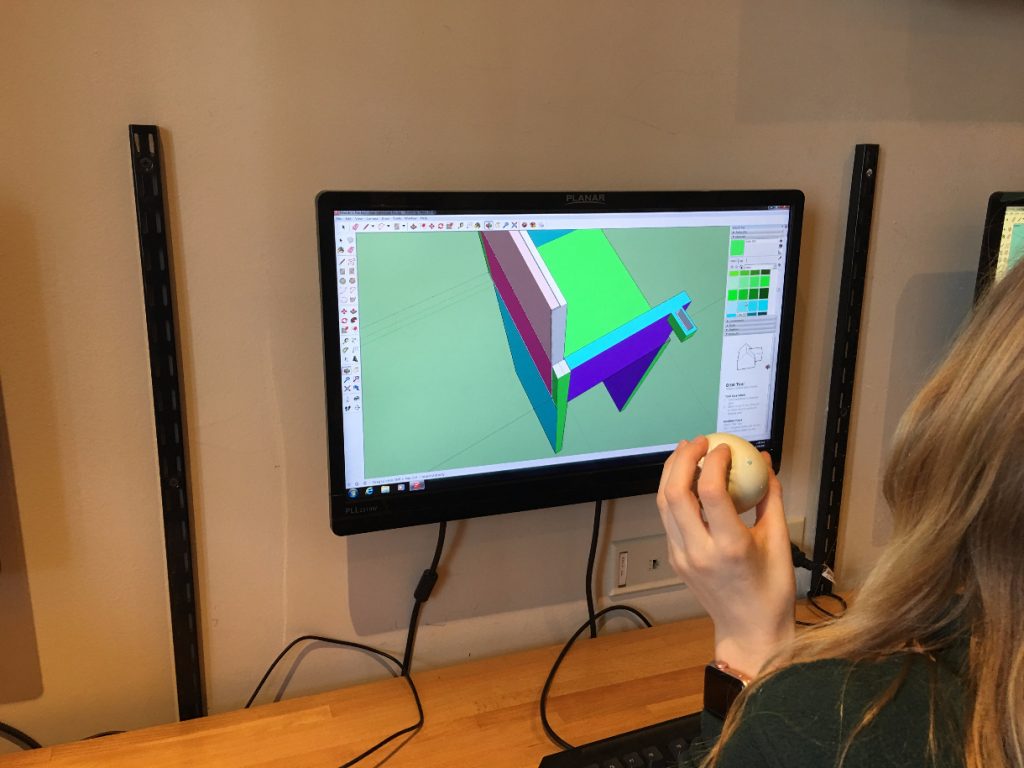
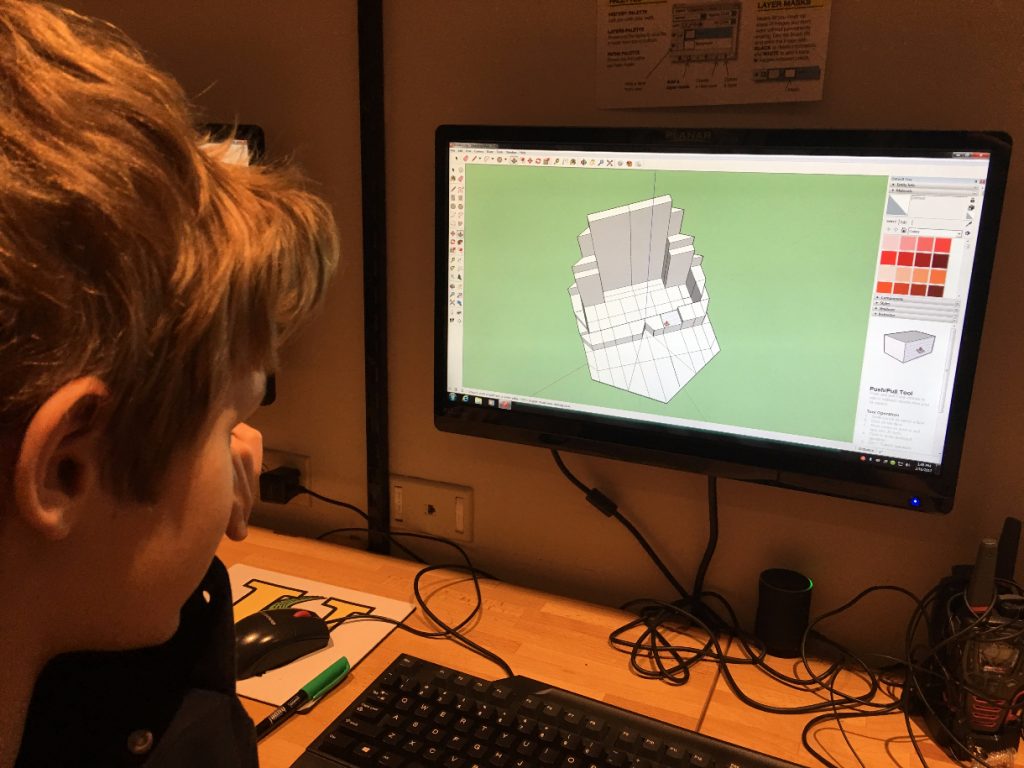
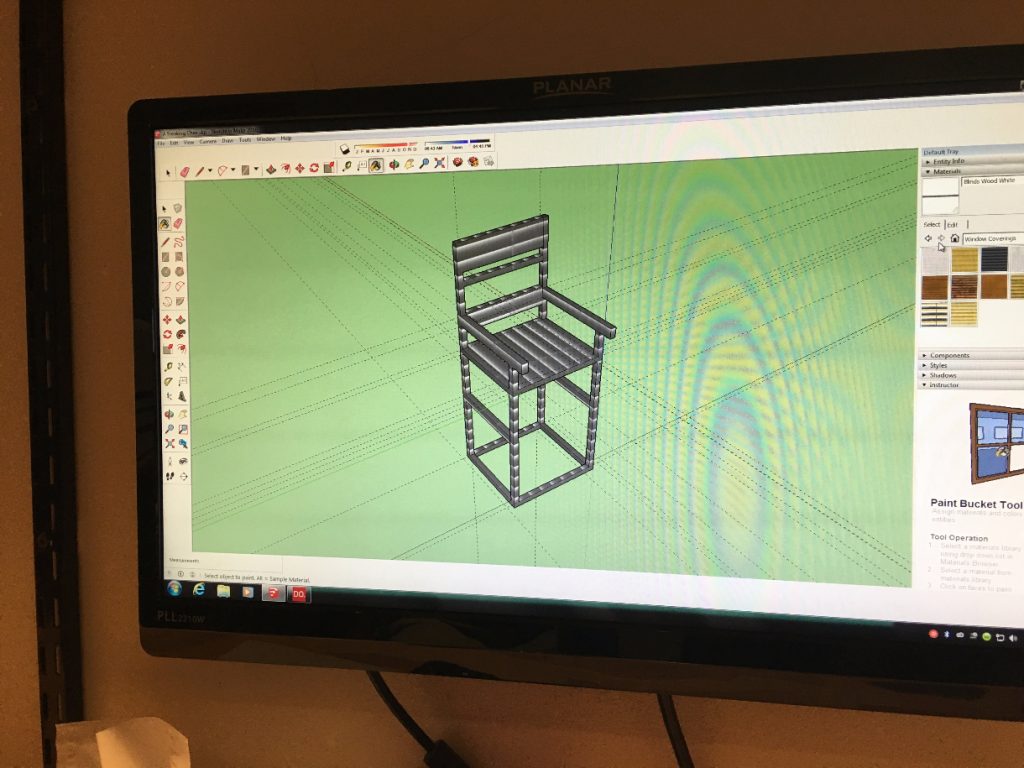

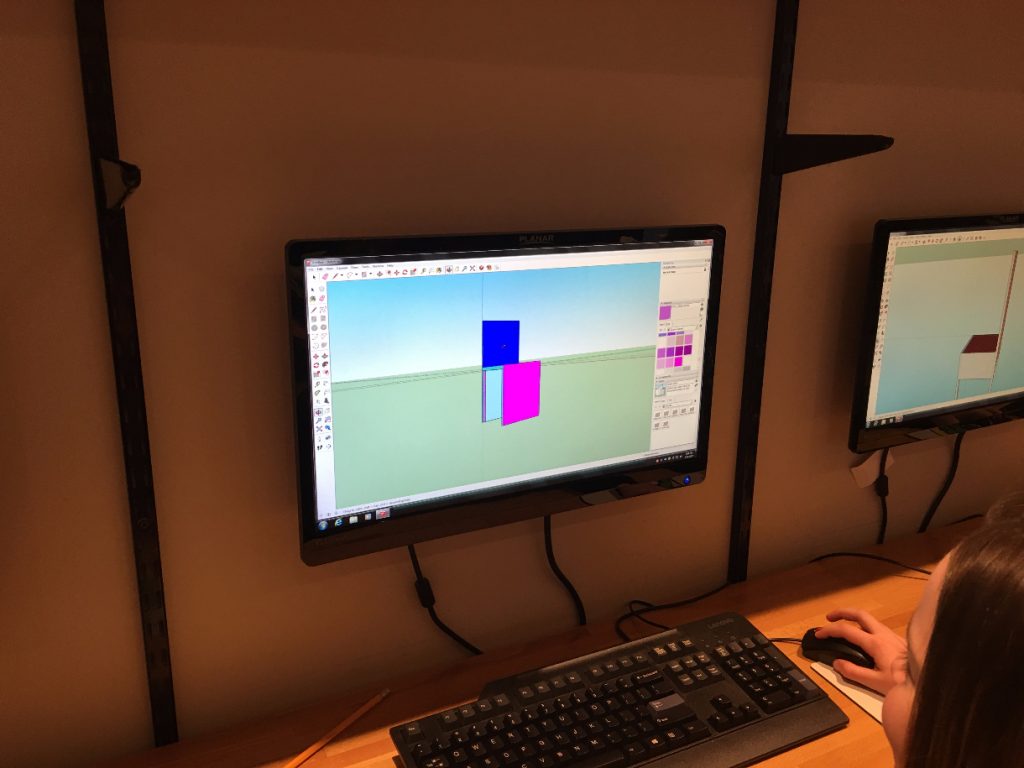
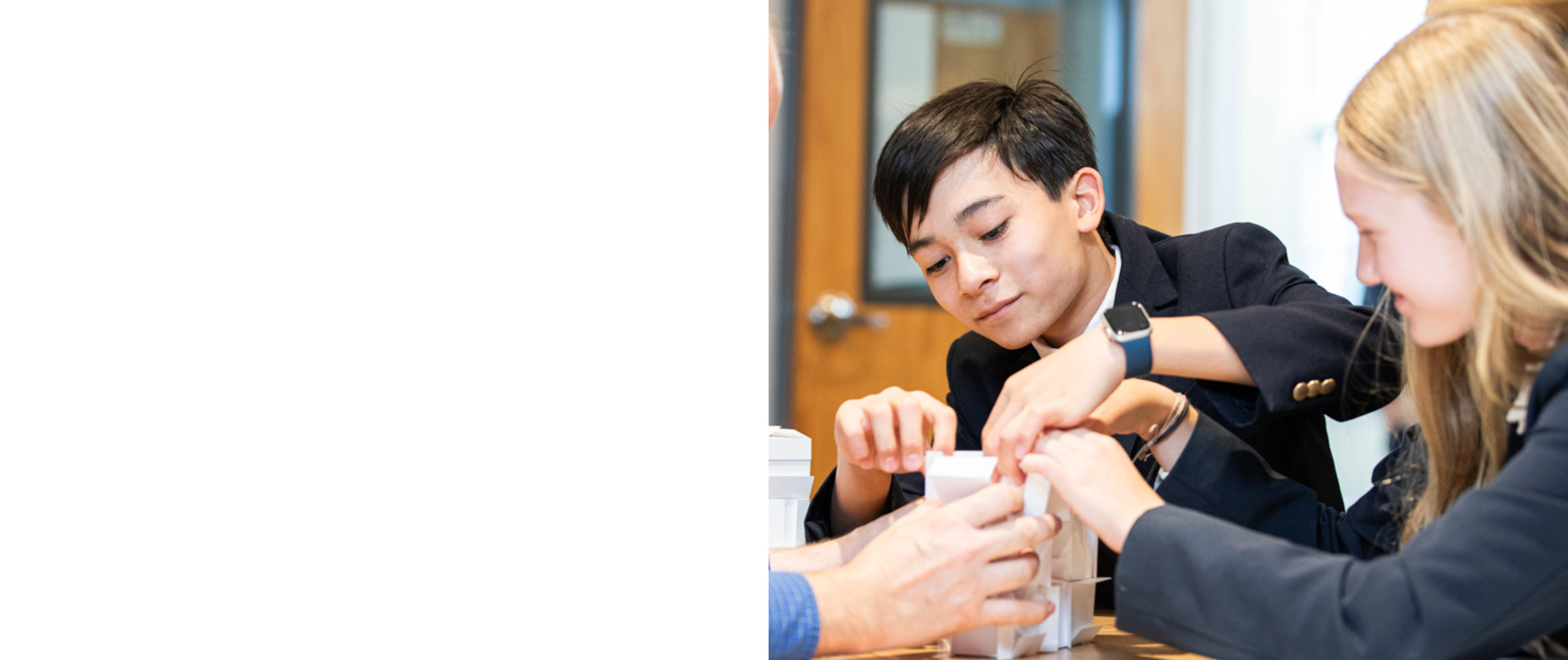
Sixth graders began their first design project working with Sketchup. We began the project by talking about the process of designing something utilizing an existing object as reference for measuring and then talked about possible project ideas. We came to the concept of designing our own chair as the project choice. Each person came up with a unique concept design and then constructed it using scale measurements. Each of the designs showed their own creativity and end product. We are planning to print the model designs and perform some stress testing and design assessment to determine ways to improve our project. The goal of the project is to understand that sometimes designs have to fail in order to be successful in the end! We look forward to the finished products.
This is not Funky TUT
Posted by Craig Knebel
Born in Arizona, Moved to Babylonia (King Tut), Dancin’ by the Nile, (Disco Tut), The ladies love his style, (Waltzing Tut) [… by Steve Martin]
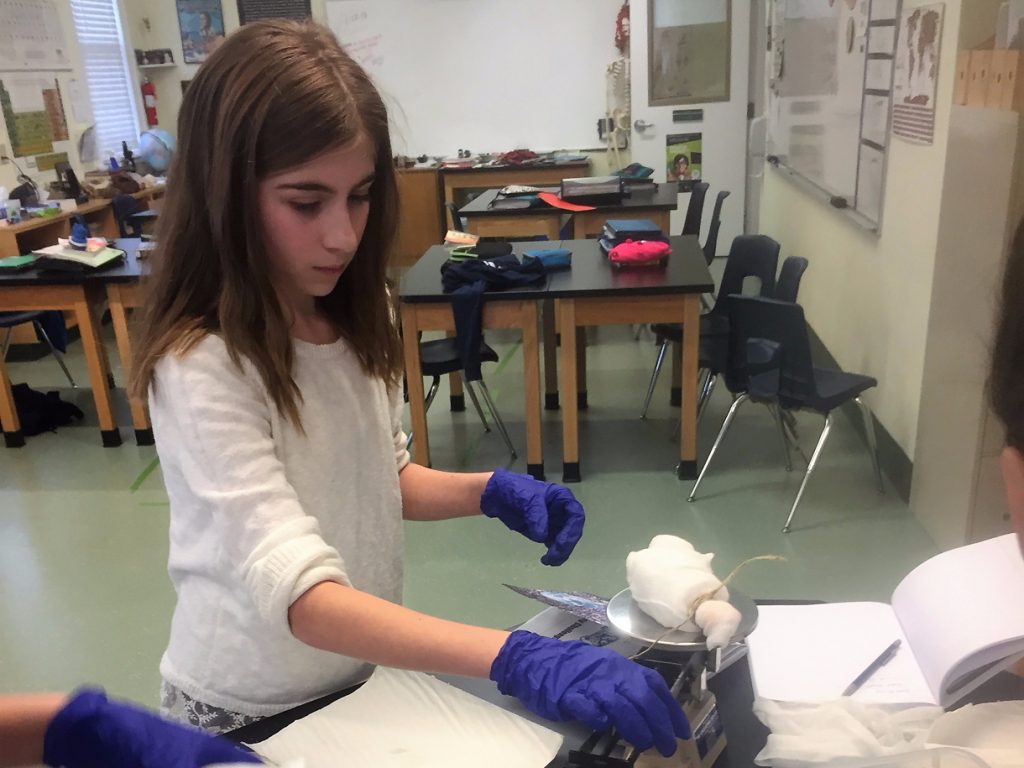
Sixth grade students studied the chemical sedimentary rock Halite in science class and the process of mummification amongst the Egyptians and other ancient cultures in humanities class. Students learned that the drying and curing of meats with salt made it almost 100 times more valuable in ancient days. Students recreated the mummification process by measuring and then rolling chicken legs in salt, wrapping the legs in cheesecloth, and entombing the mini mummies for forty days in salt and clove beds. Not quite the process given King Tut, but similar in style.
Block Printing Experiments
Posted by Krissy Ponden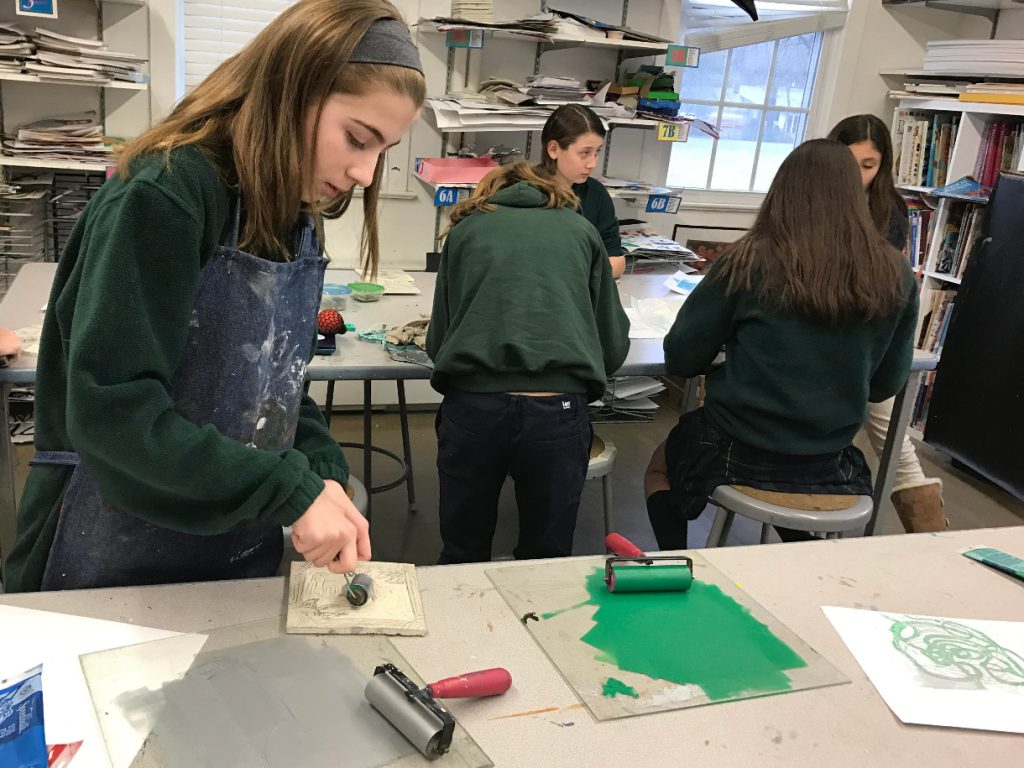
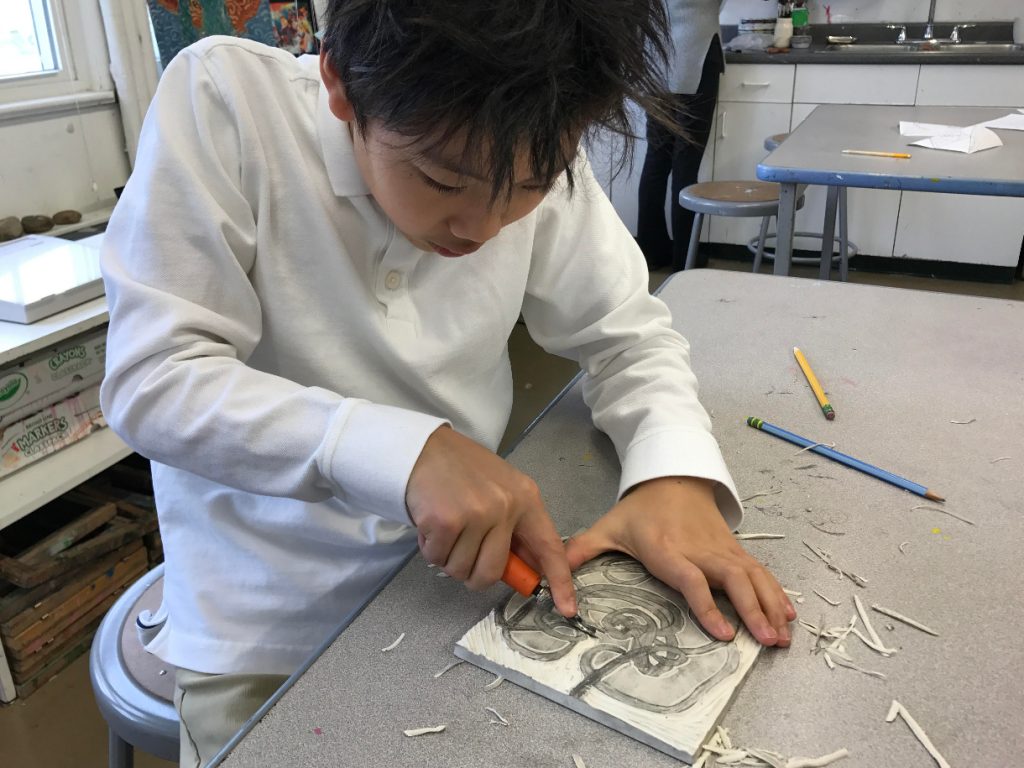
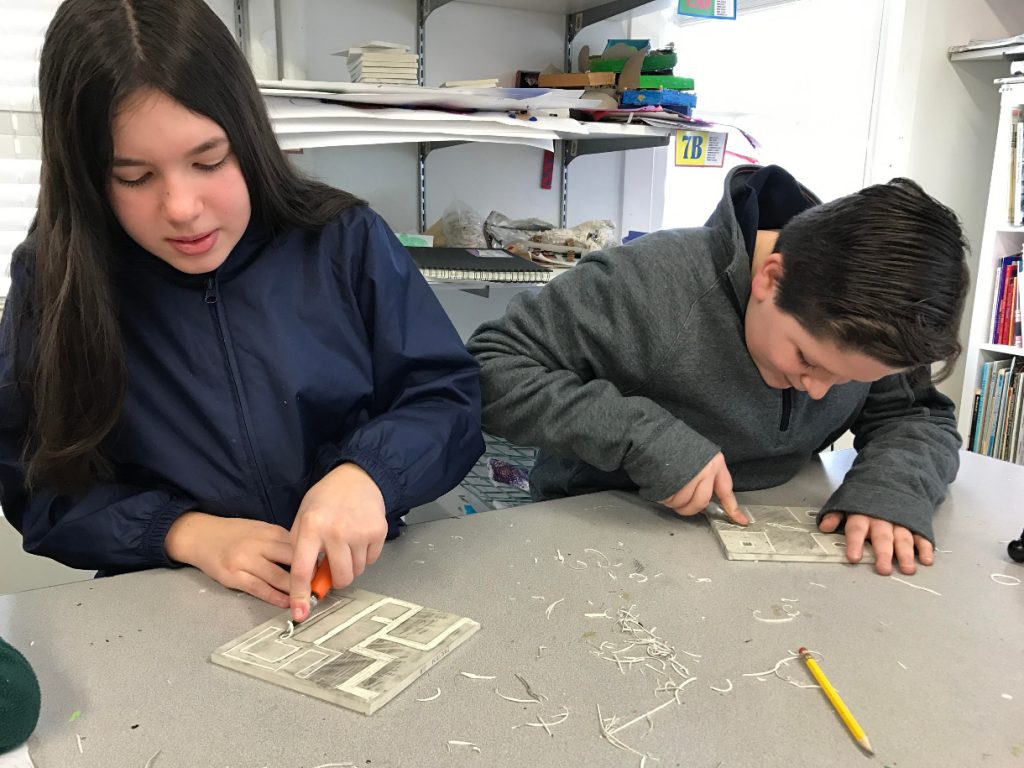
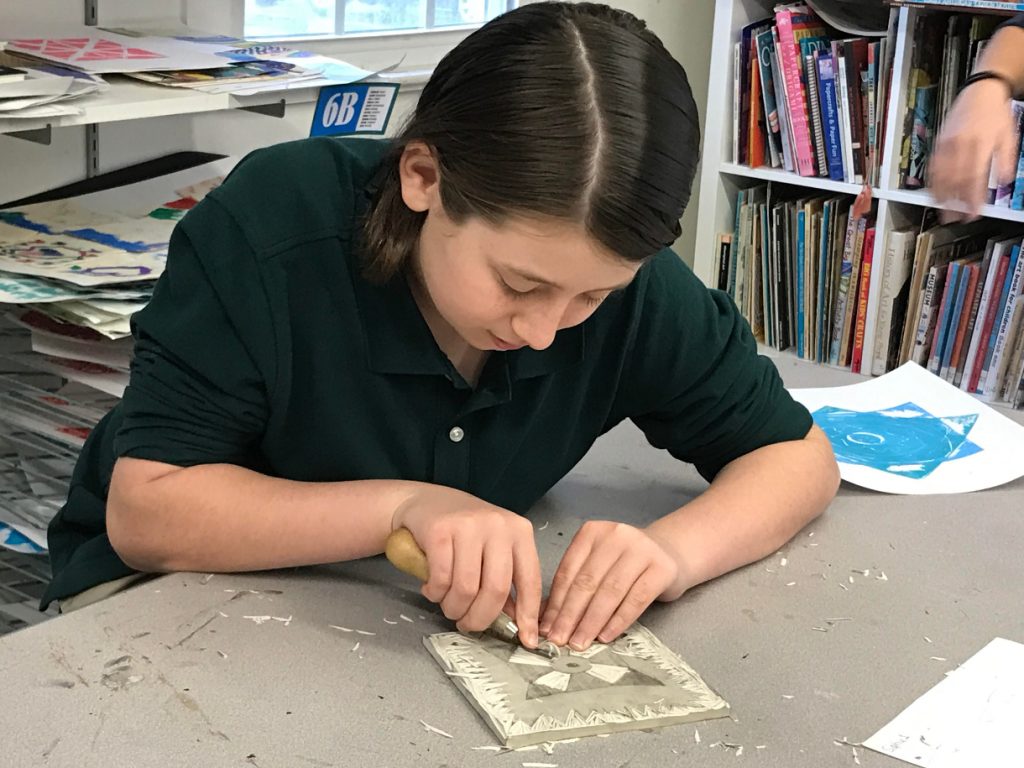
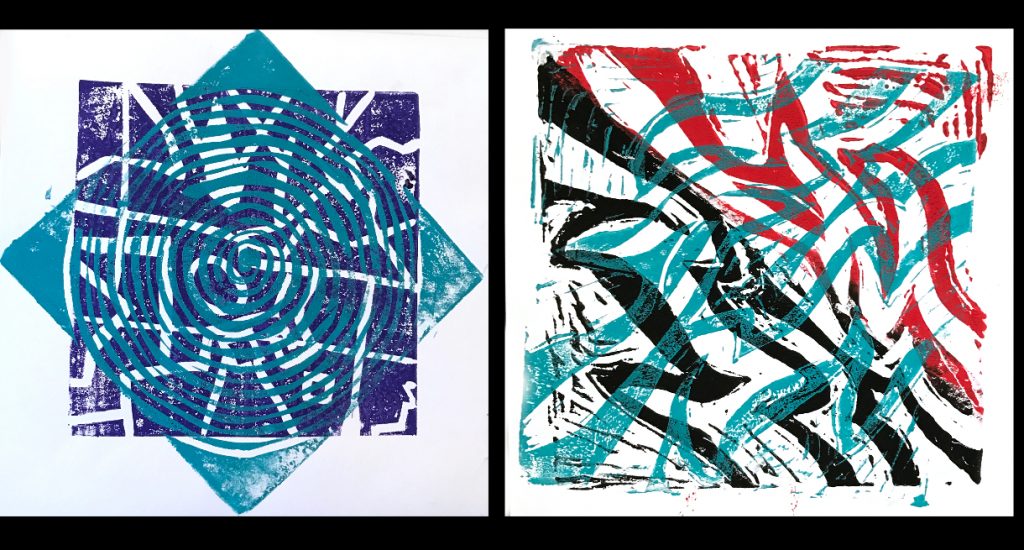
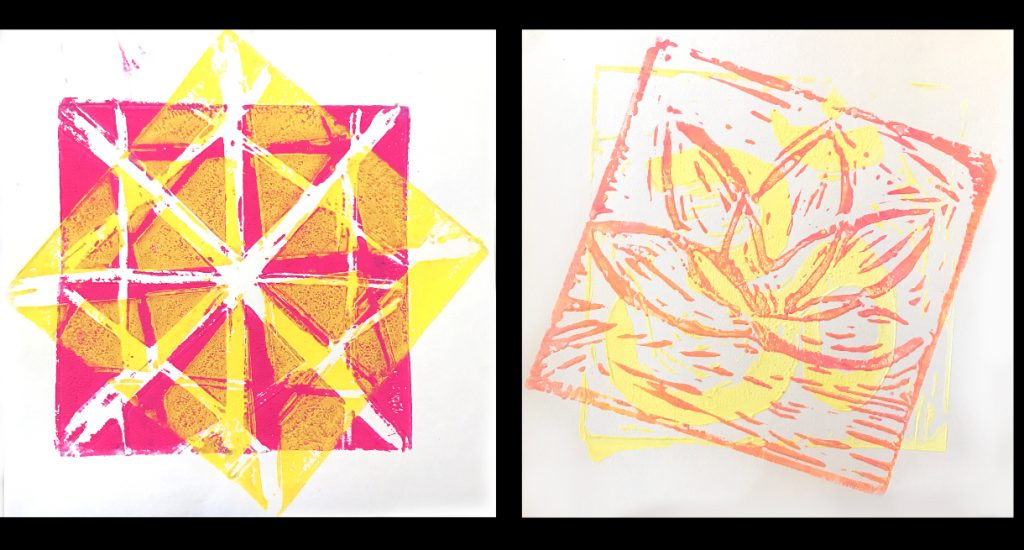
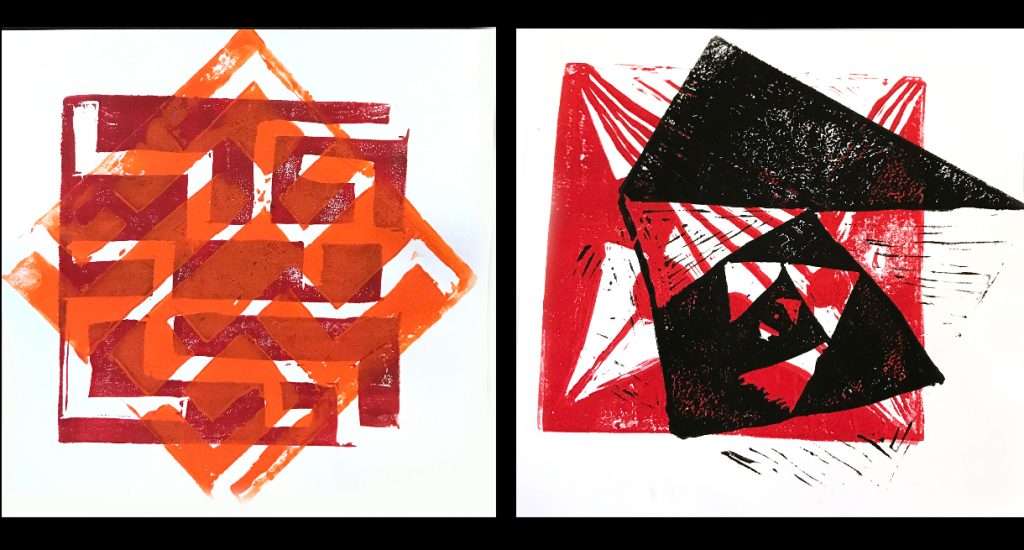
Block printing is a process that creates a relief or stamp out of a material, which can be printed again and again using a medium such as ink. The sixth graders have been working on a project that involves carving patterns and shapes and then printing them in multiple colors and orientations. They started with a single block and designed two different images, one for each side. They then carved their patterns carefully using linoleum block carving tools and made sure to account for different types of lines and areas of negative space. Next came the printing process, which was more of a printing experiment. The students printed each side on top of the other in different colors and with different orientations. The prints were rotated, shadowed, staggered and flipped. The results are as unique and individual as the students themselves, and all are magnificent!
Really? Making Our Own Dumplings? Yes!
Posted by Yajuan Zhang
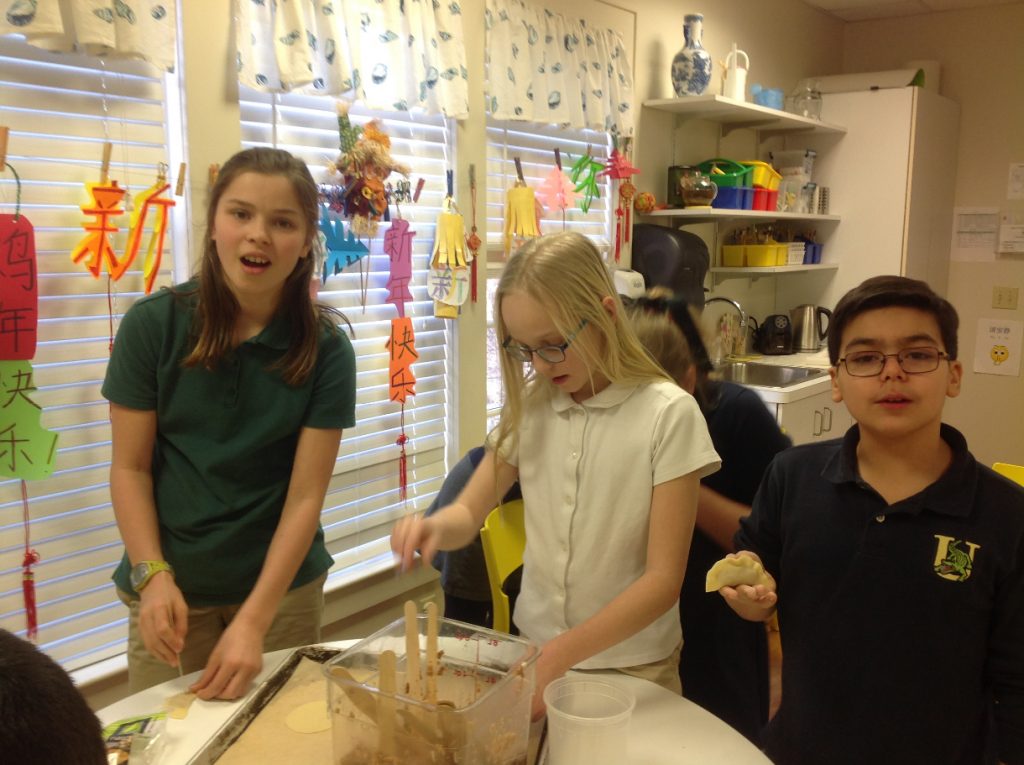
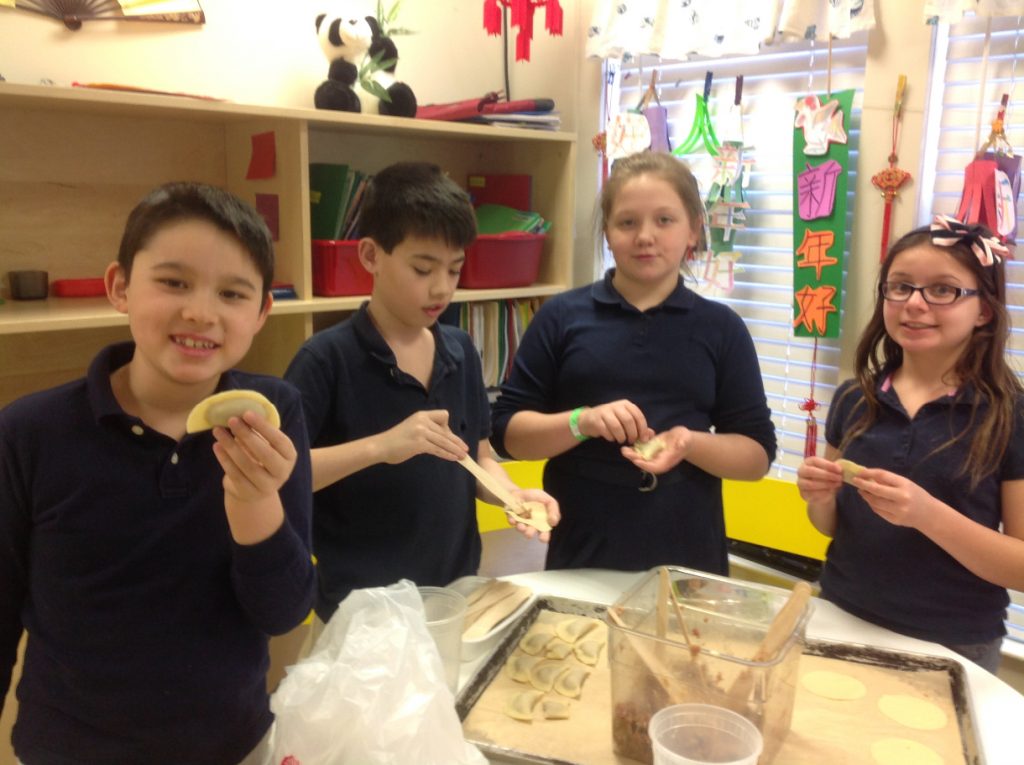
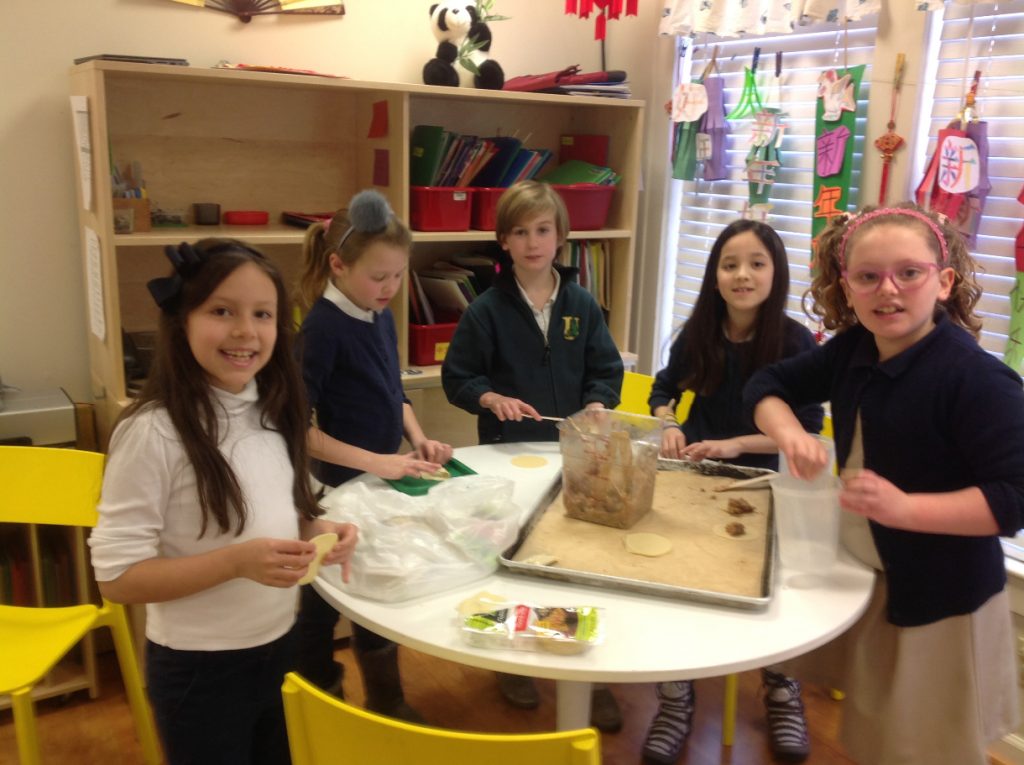
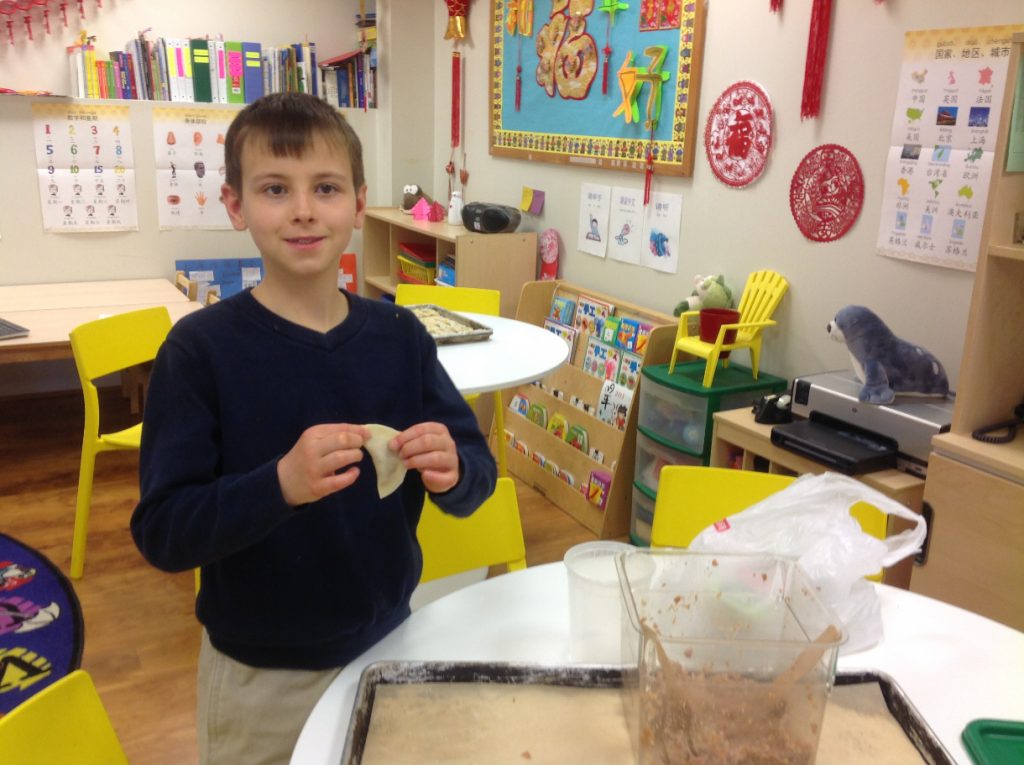
I still can’t believe how excited grade 3 through grade 6 students are about making dumplings for the Chinese New Year assembly day lunch. One of the third grade students even told me,” I am so happy we can make dumplings. I don’t want to just sit there eating. Making dumplings is more fun!”
Here you go! From all of the photos, I am sure you feel what students have felt. Or maybe more, if you would like to talk to them and let them describe what they have just experienced. Learning by doing. It all works here!