





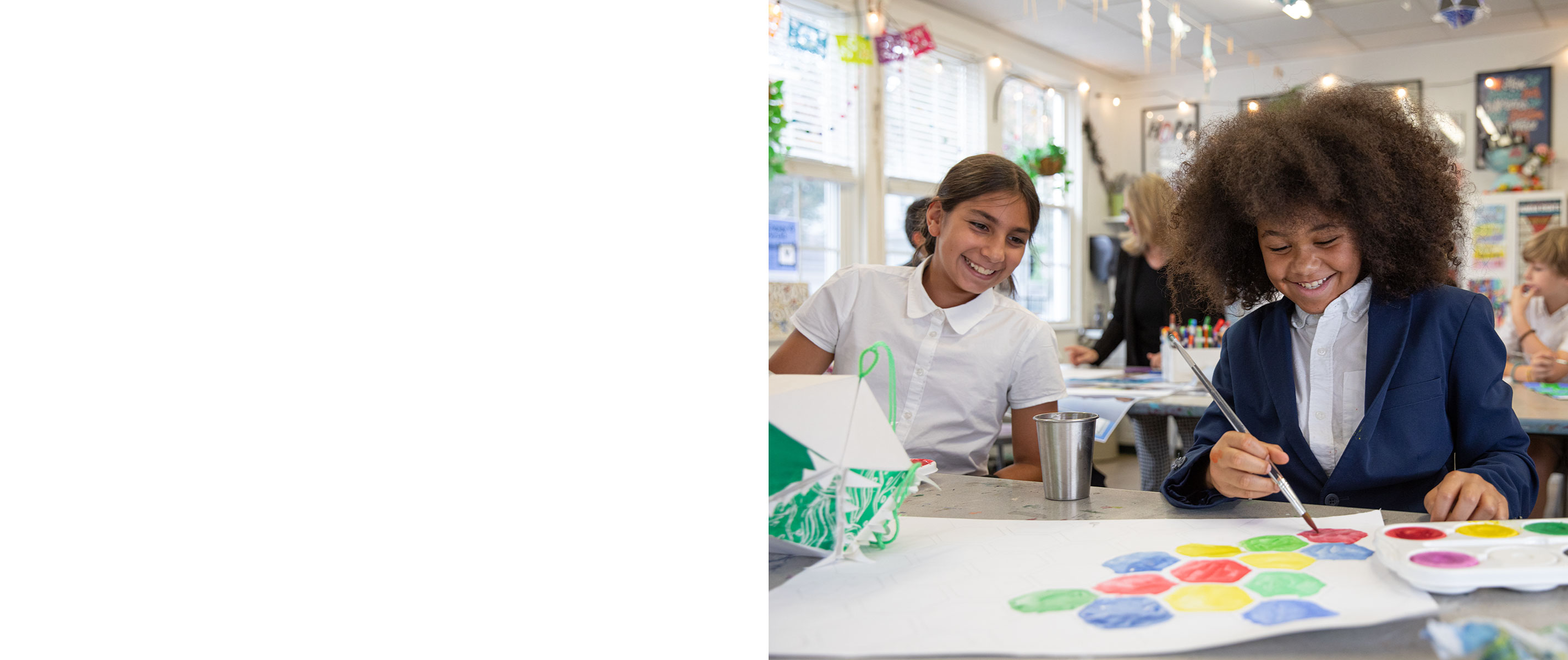


We Love Singing Chinese Songs!
Posted by Yajuan ZhangSinging is such an important part for students to open up and practice speaking a different language right away. In singing, all the words of a different language have a rhythm and all the challenging sentences are easier to express with the music. Therefore, to boost student self-confidence and lower their learning anxiety, in our Mandarin class students are singing different songs from the very beginning of the semester. Here, in the video clip, with the single hand gesture for numbers from one to ten and the lively singing of the song, students are counting the native American little friends. From the student facial expression and their singing, you immediately get the gist that learning Chinese with songs is such a seamless practice for the opening of the communication and the dip of a taste for a different culture.
“Seeing” with our Hands
Posted by Carlene Gordon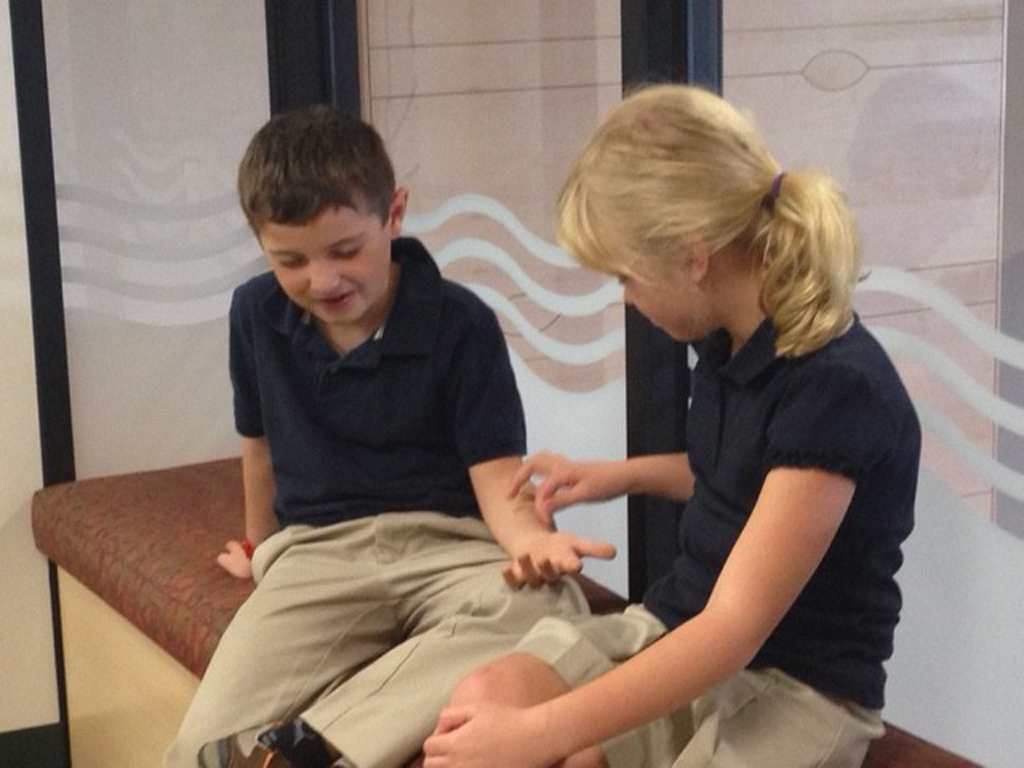
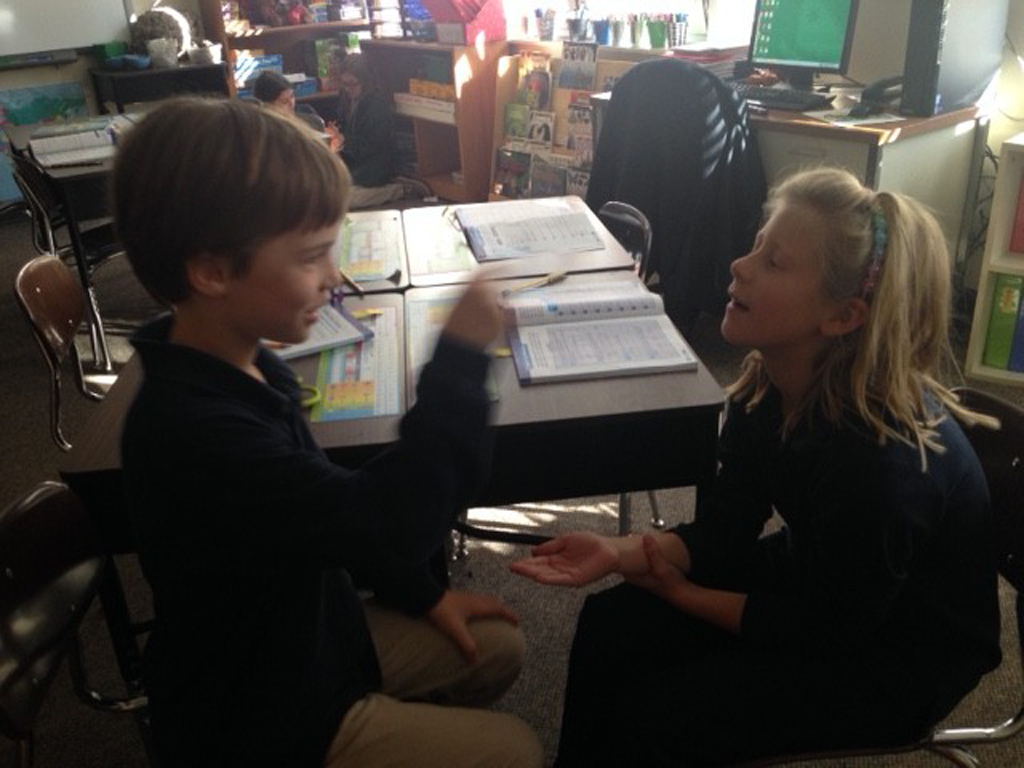
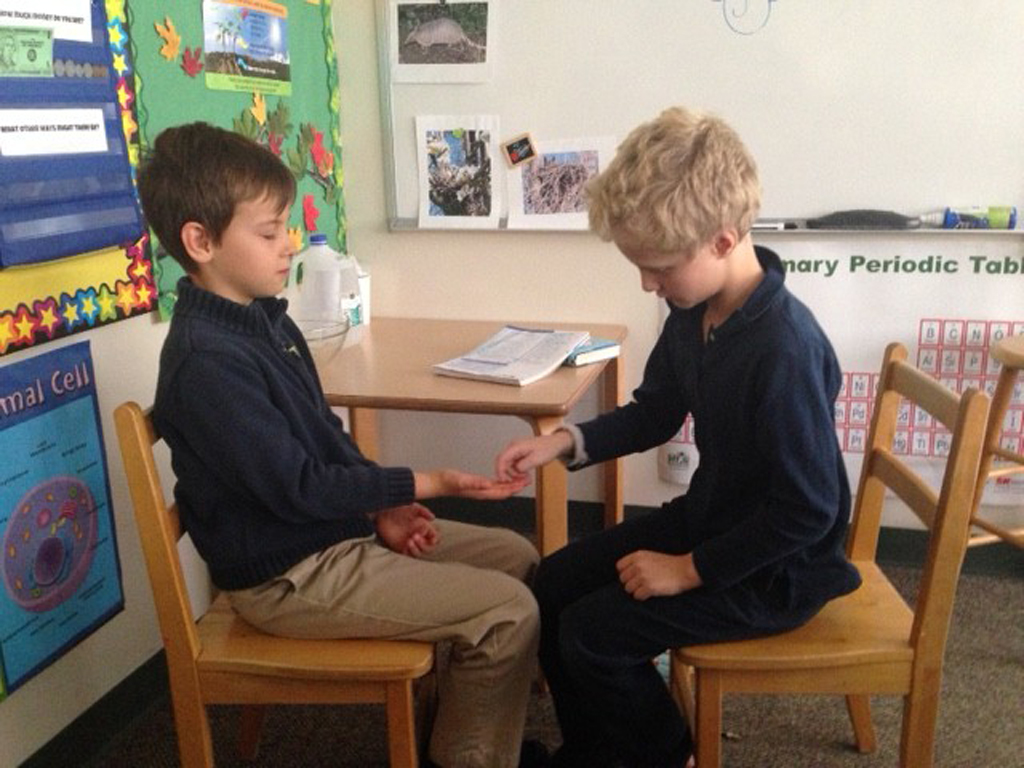
Third graders recently read an article on Helen Keller in language arts. We learned of the struggle she encountered to communicate. One method her teacher, Annie Sullivan, used was to form letters in Helen’s hand to spell words out. We tried this method with each other to appreciate the difficulty communication presented for Helen Keller and the accomplishments she achieved.
Hiding in Plain Sight
Posted by Carlene Gordon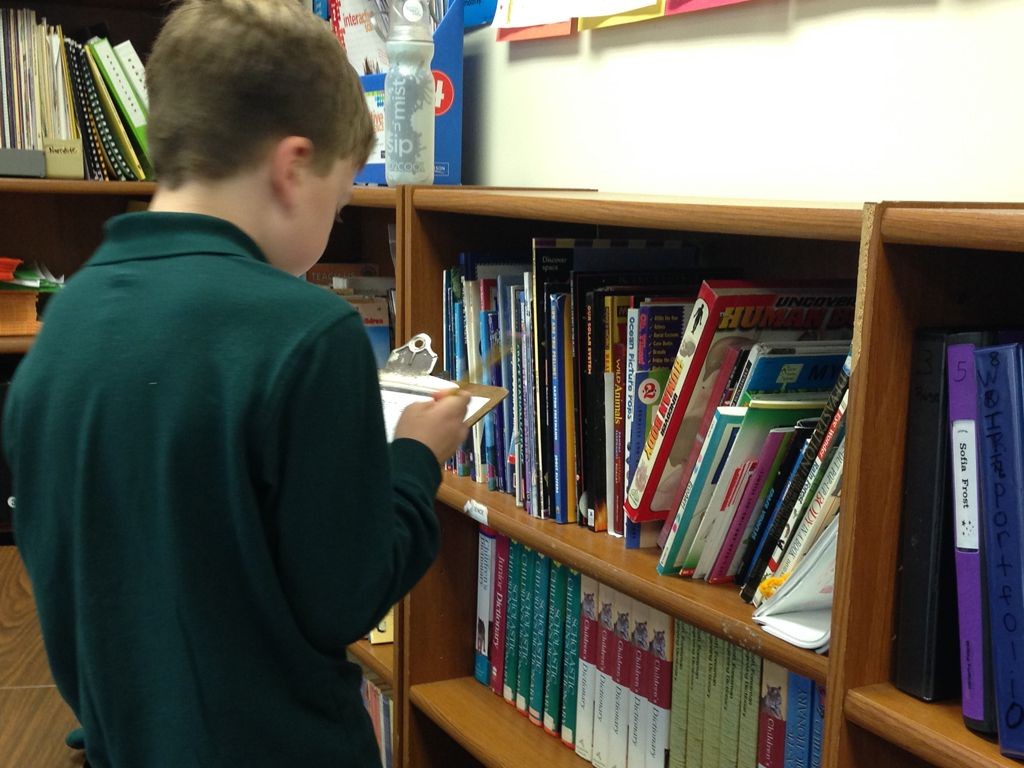
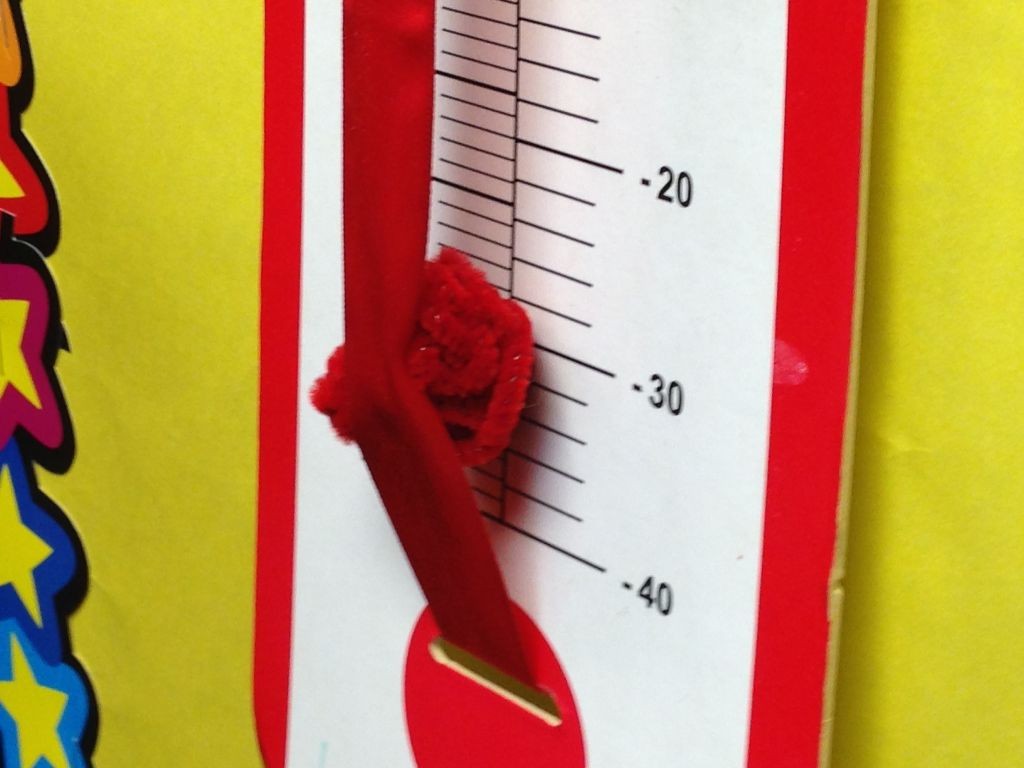
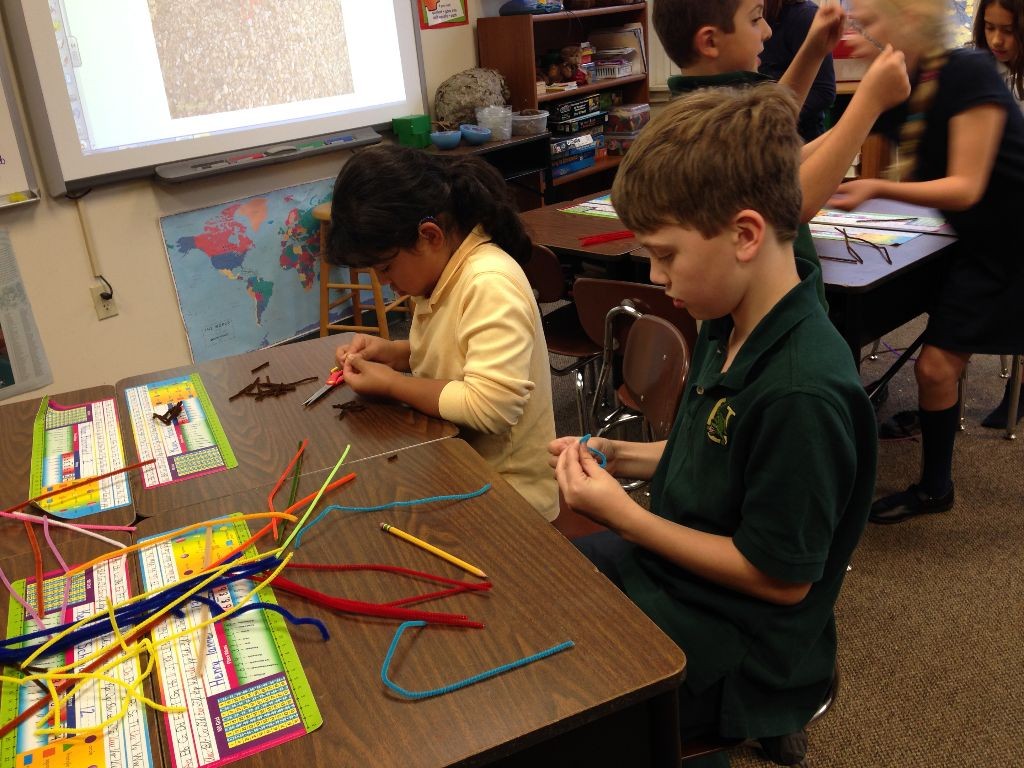
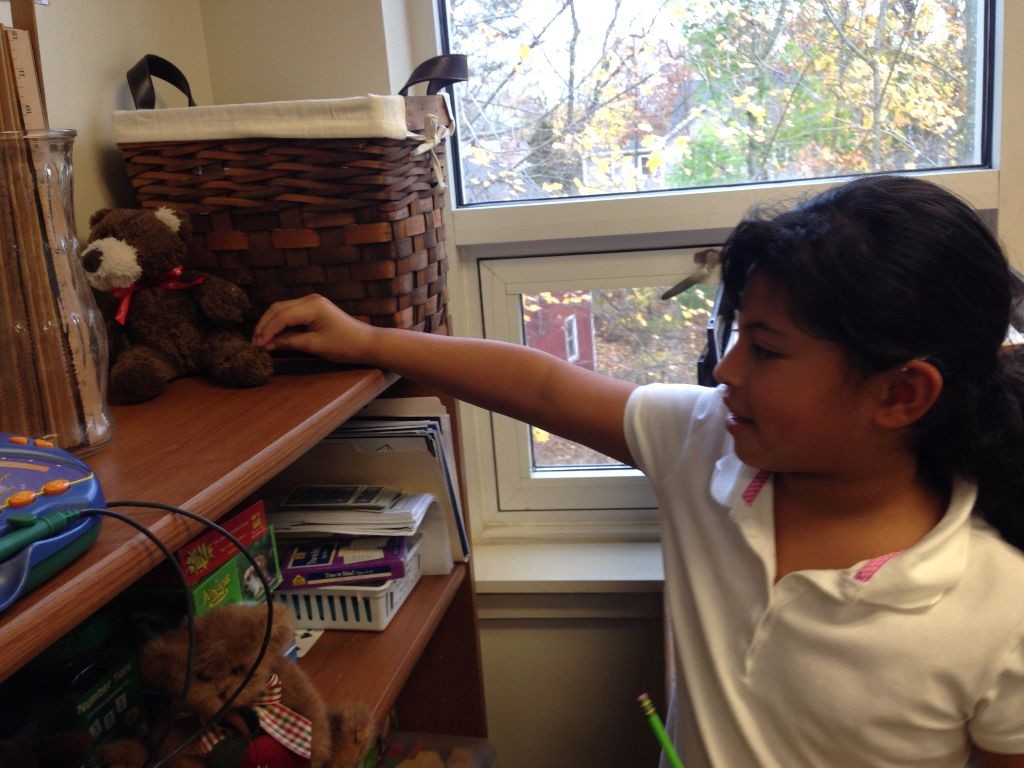
Can you see me? Using our classroom Smartboard, third graders has fun trying to find many wild animals as they camouflaged into their environment. Students took turns going up to the board and using the Smartboard pen to outline the animal once they spotted it. Next we put our students to the test. Third graders chose various colors of pipe cleaners to create an animal that could camouflage into our classroom. Students were divided into two teams and asked to hide their pipe cleaner animal in the classroom. Then the other team came into the room to search. This task was harder than most thought it would be, demonstrating the effectiveness of camouflage!
Beardsley Zoo
Posted by Carlene Gordon


What do you do when you’re at the zoo? If you are an Unquowa third or fourth grader you know there is plenty to do at the zoo! On a recent trip there, we started out in a classroom to learn about habitats. Students were presented with containers filled with hints of a habitat. A snowy owl feather, the claw of a polar bear and toy seal hinted to the arctic, while some sand, a snake skin and cactus spines hinted to a dessert habitat. Later students were able to touch a few animals from the habitats studied including a chinchilla and a young alligator. Students were then sent out to complete a scavenger hunt in the zoo. We discovered the largest land predator in North America and found endangered species in residence at the zoo. We enjoyed the beautiful fall weather with a bagged lunch outdoors before heading back to school. It was a good day at the zoo!
Different Ways to Communicate with a Different Language
Posted by Yajuan Zhang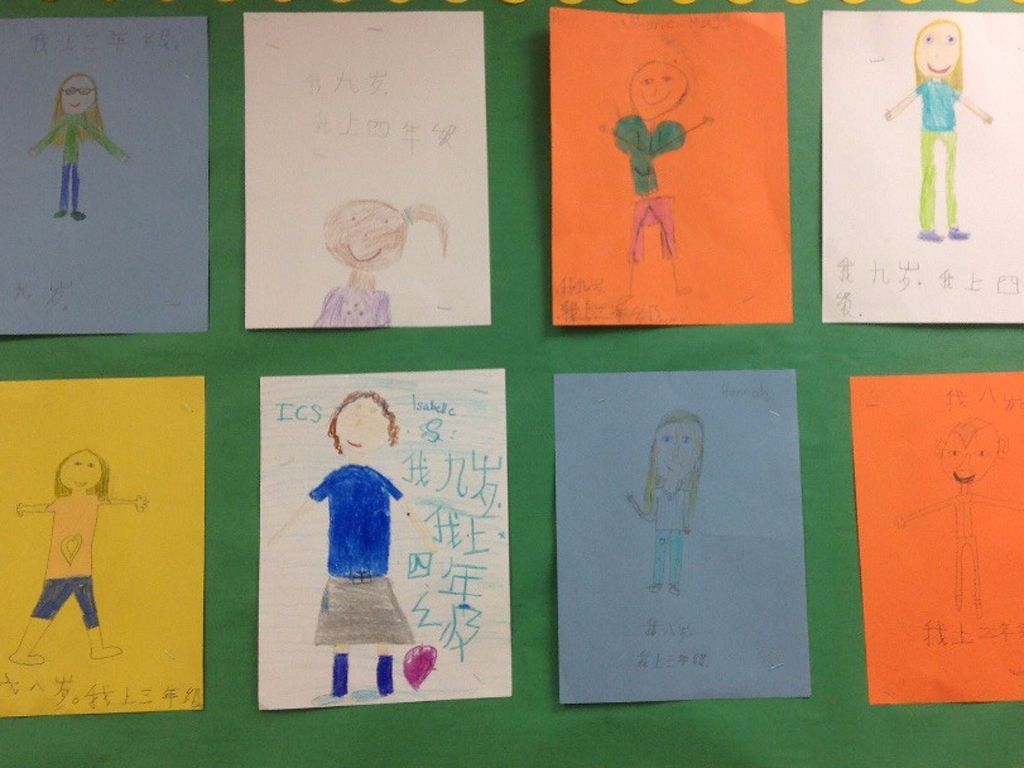
Learning the second language — Mandarin through the communicative activities is the core for students to practice their learning. When learning to describe their age and the grade they are in, students were engaged to practice it with the mini-dialogue with different partners. When the teacher rang the glass bell, each time students switched to new partners to practice the same dialogue. This is just the beginning of the practice in conversation. To make it more connected to students’ real life, an art work with the description of handwriting characters serves the purpose beautifully and impressively. This is how we are so blessed to witness student work in this photo. I am so grateful that our students did such a lovely job displaying themselves and their world in front of us.
Testing Our Birds’ Nests
Posted by Carlene Gordon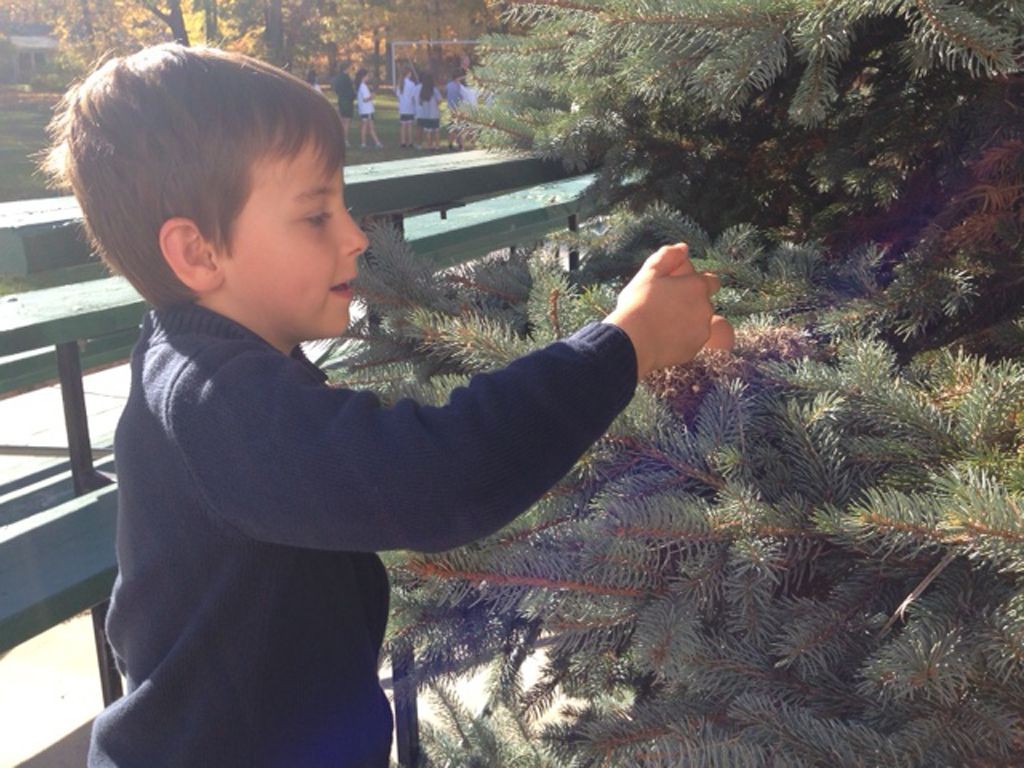
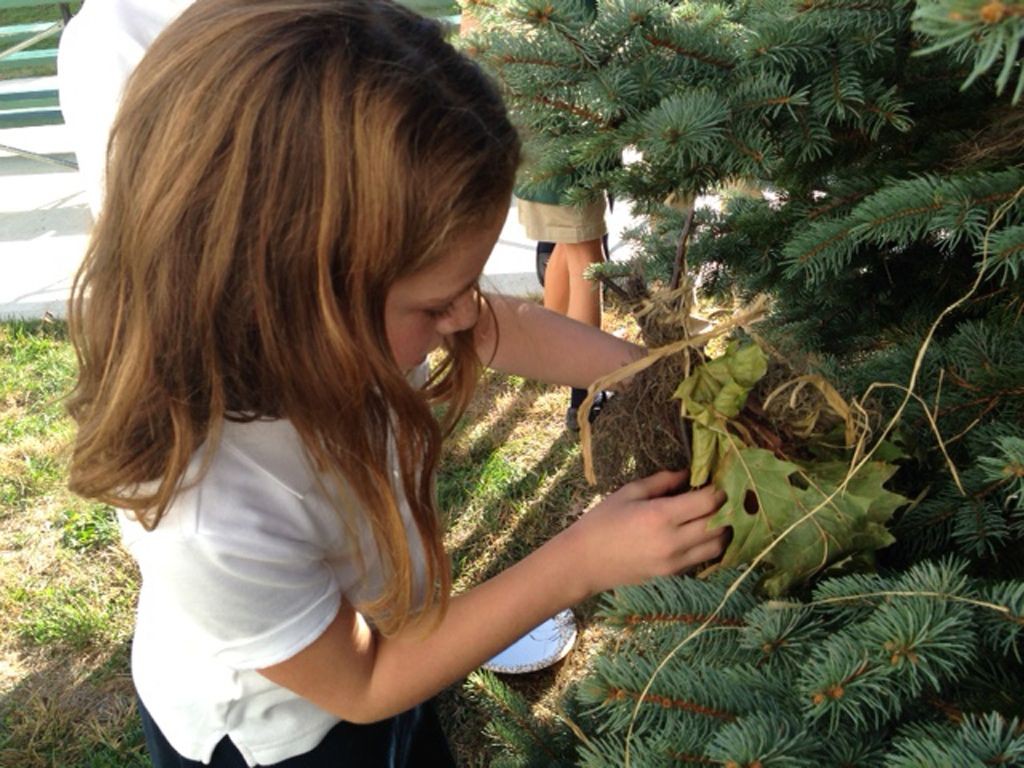
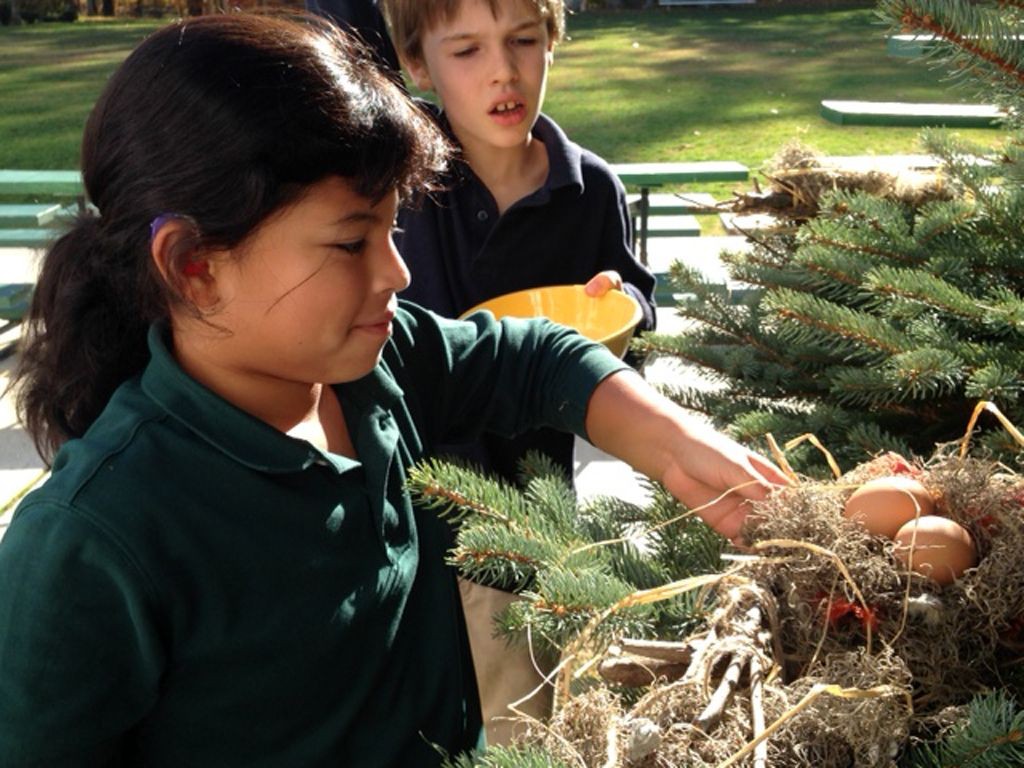
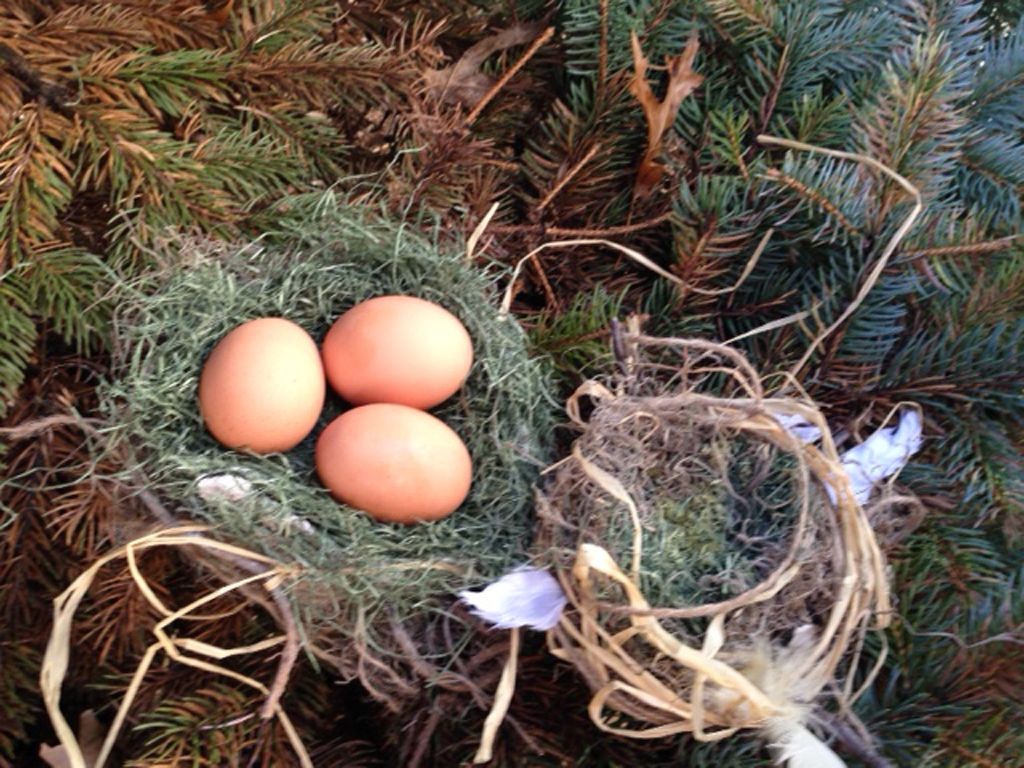
Finally it was test day! Usually students don’t get excited over these words, but today was different. Third graders took their recently designed and assembled birds’ nests out to a tree on campus and carefully selected a branch and placed their nests. Hard boiled eggs were used to test the strength of our designs. All nests proved their function and held one, two, even up to six eggs! Our task to design and build a strong nest was a success by all! Some lucky birds in our area may even reap the benefits, as some nests will be left in the trees.