









Chef Jess Presents Humanities-Related Cooking Lessons
Posted by Eric Snow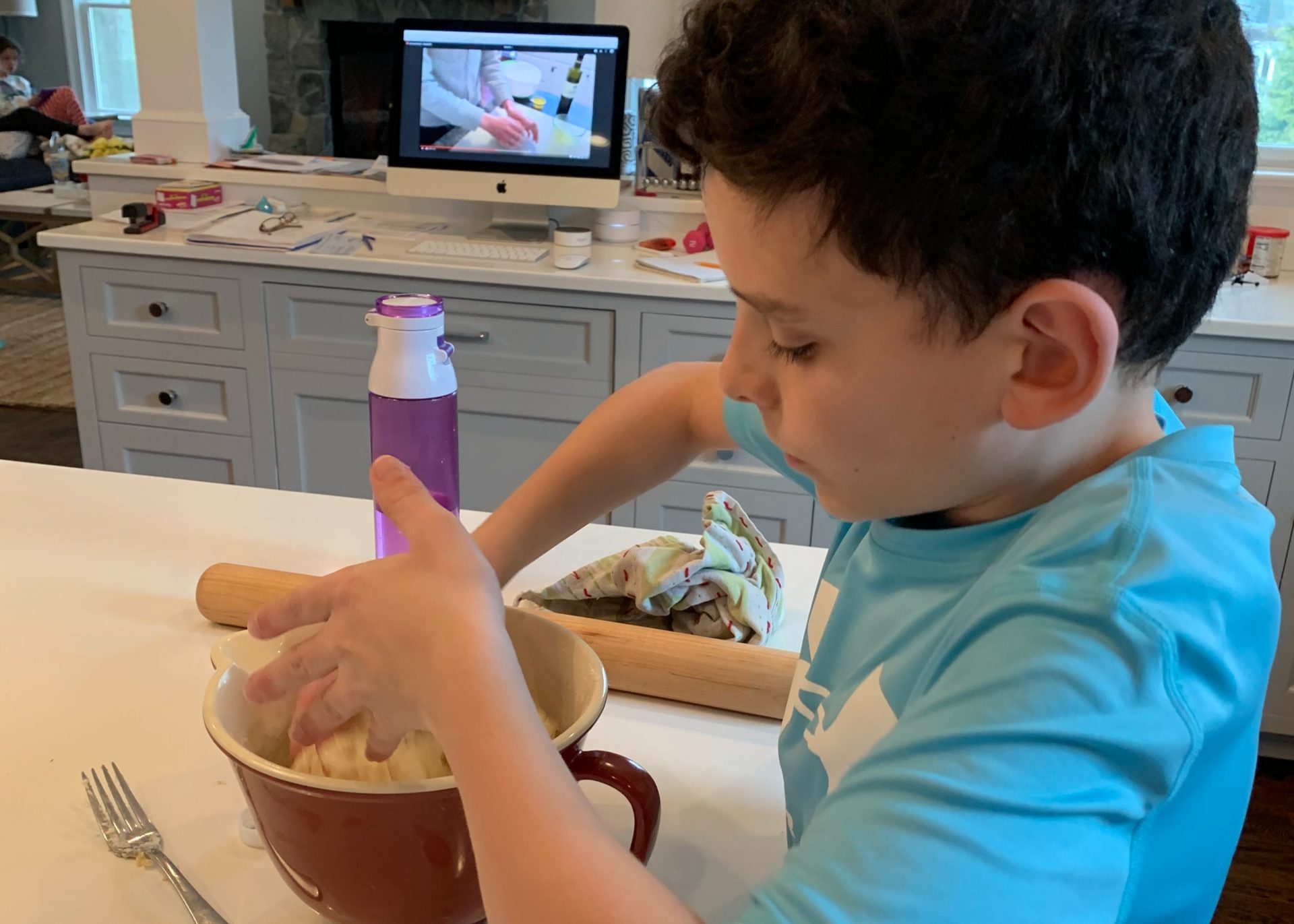
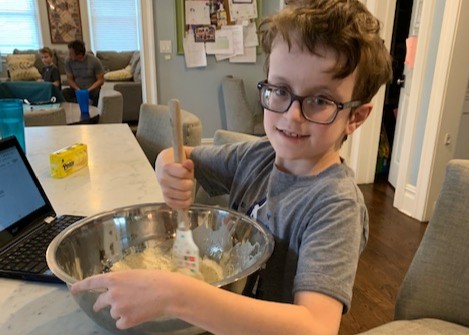
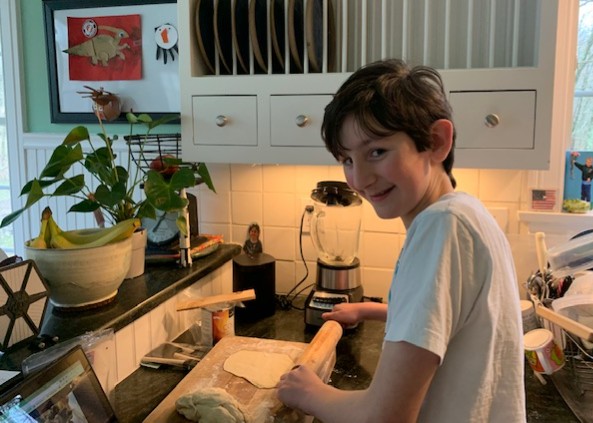
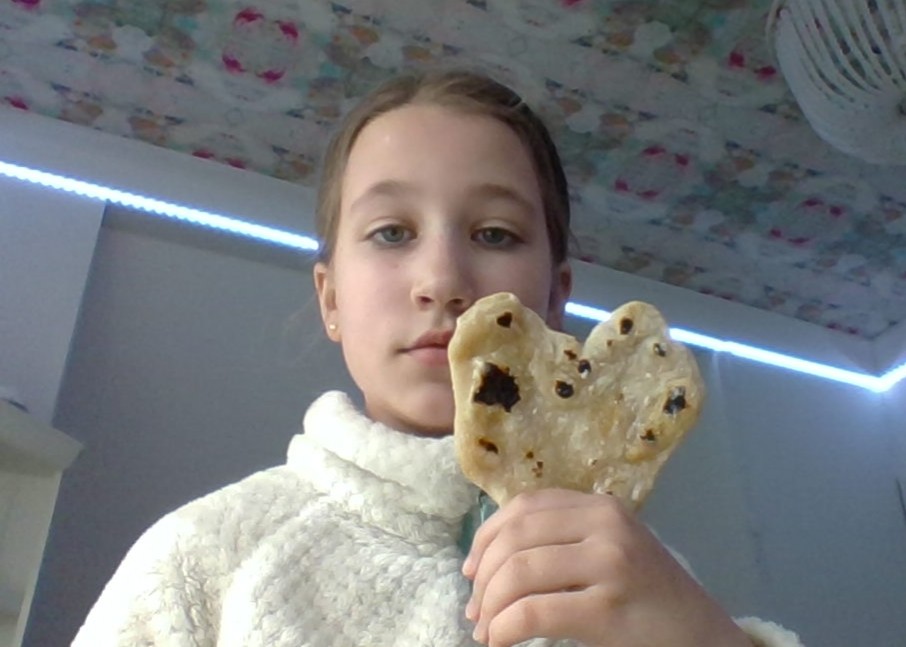
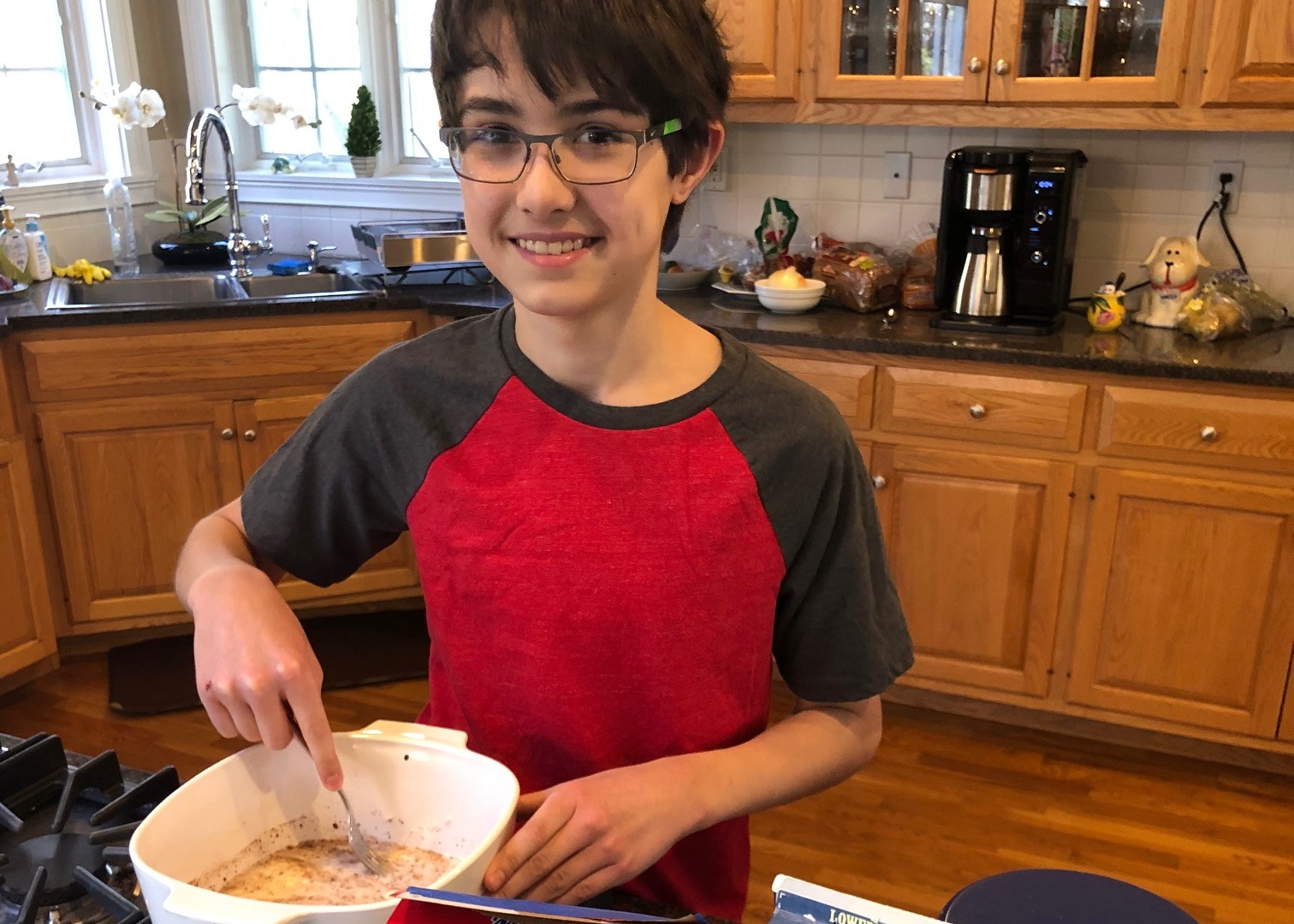
Over the last two weeks, as Distance Learning has become the norm for students and teachers, we’ve been working to figure out how best to augment digital lessons with aspects of our normal Unquowa community life that we’ve been sorely missing.
As some Upper School students are currently learning about ancient Indian (6th) and modern Middle Eastern (7th) countries and cultures in Humanities, we asked Chef Jess if she would be willing to do a video lesson helping students learn how to make an easy side dish or dessert from the regions they are studying. The idea was to allow students a content-relevant assignment that deepened their understanding of culture in a fun way.
And fun they had!
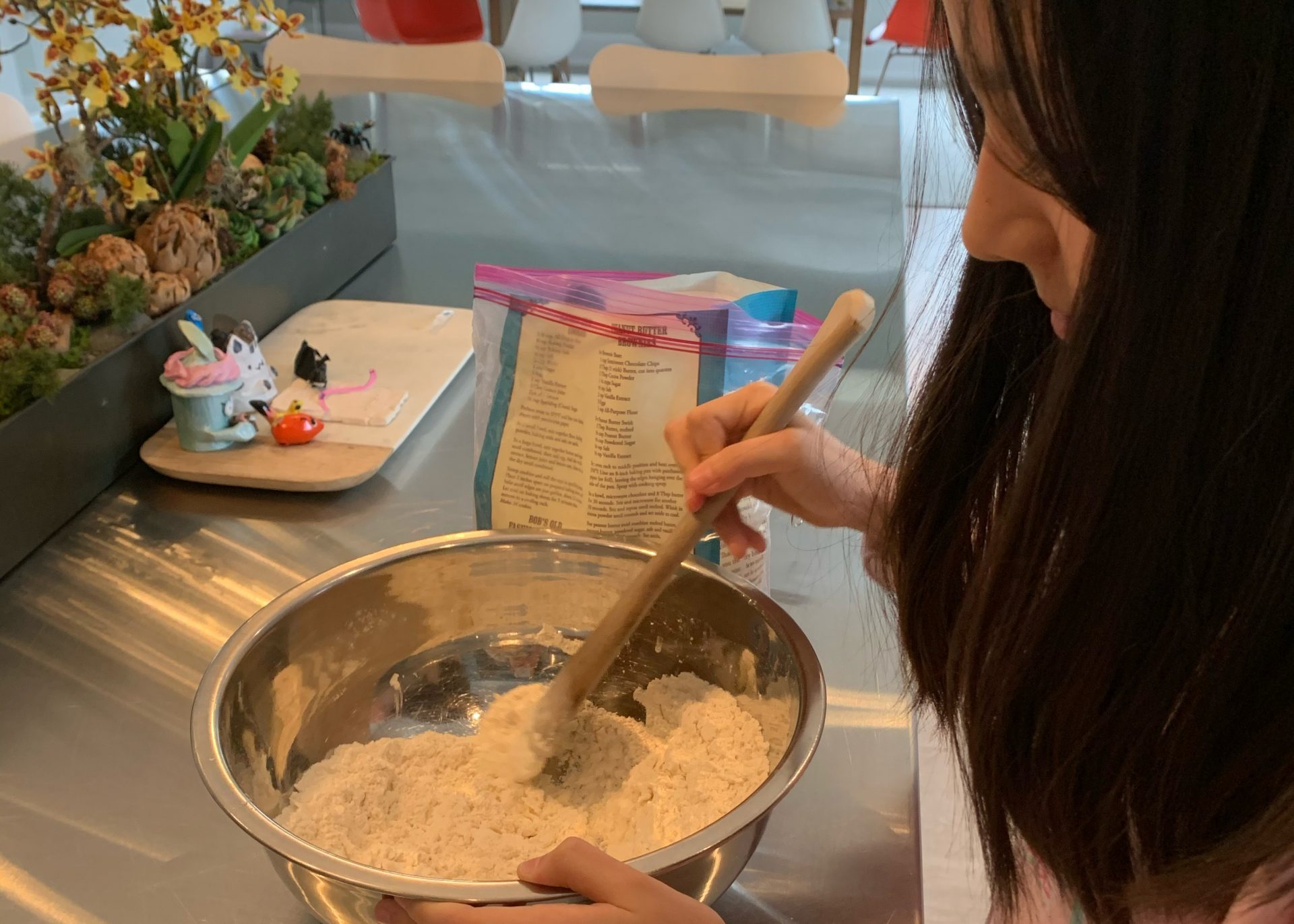
Our “Chef Jess Presents!” lessons have been a huge hit, with lots of positive feedback (including picture evidence above!) of students making Sheer Berenj (Afghan Rice Pudding) and Chapati (Roti) bread from India.
Take a look!
This is just one small way that we are working to keep our community life as vibrant and connected as possible during these uncertain times.
And everything is better with good food!
Thanks, Chef Jess!
PE Bulletin Board – Grades 4-8
Posted by Sarah Pollex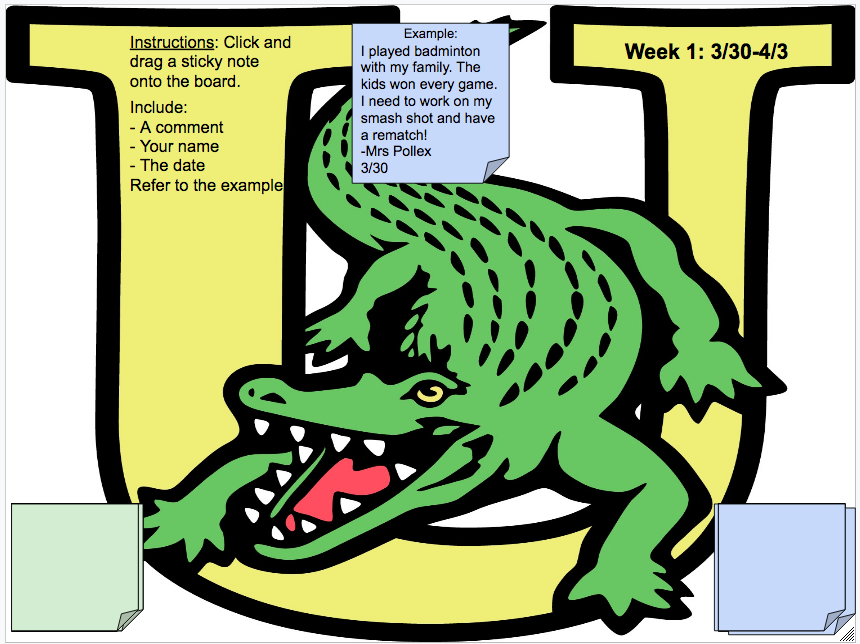
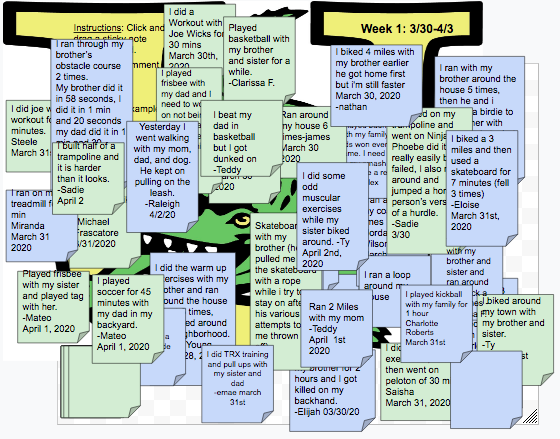
Our older students know that exercise is a key element of staying healthy and fit! They are choosing their daily physical activities and are astute to include muscular strength and aerobic fitness in their workouts. Students in each class interact with each other as they describe their workouts on post-its, then submit them to our Gators PE Bulletin Board.
Each week the board starts empty but quickly becomes a chaotic collage of post-its that lets everyone else know the awesome activities their classmates are up to: “I skateboarded with my brother (he pulled me on the skateboard with a rope while I tried to stay on after his various attempts to get me thrown off)”; “I played frisbee with my dad and I need to work on not being scared that the frisbee is going to hit me”; “I biked 4 miles with my brother – he got home first but I’m still faster”; “I ran with my brother around the house 5 times, then we passed a birdie to each other with tennis rackets, but with no net.” We may be kept physically separate but our PE bulletin board keeps us physically active and together!
2020 Science Fair
Posted by Carlene GordonDid you know that Saran Wrap will not prevent mold on cream cheese; coffee with milk will reduce the likelihood of stained tooth enamel; a rocket propelled by vinegar and baking soda can lift ten times its weight in vinegar; vegetables can provide electricity, you can, in fact, train a fish and nylon socks produce less foot odor than cotton ones?
At the 2020 Unquowa Science Fair our fourth, fifth and sixth grade scientists presented the science behind these facts and so much more! After months of research, planning procedures, trial and error and forming conclusions, student scientists proudly educated the Unquowa community. Visitors to each science fair booth were impressed by the extraordinary display of fascinating scientific research. Congratulations to our budding scientists and a great big THANK YOU to all who came together to make this event a success!
Carnival in Spanish
Posted by Rebeca Espinosa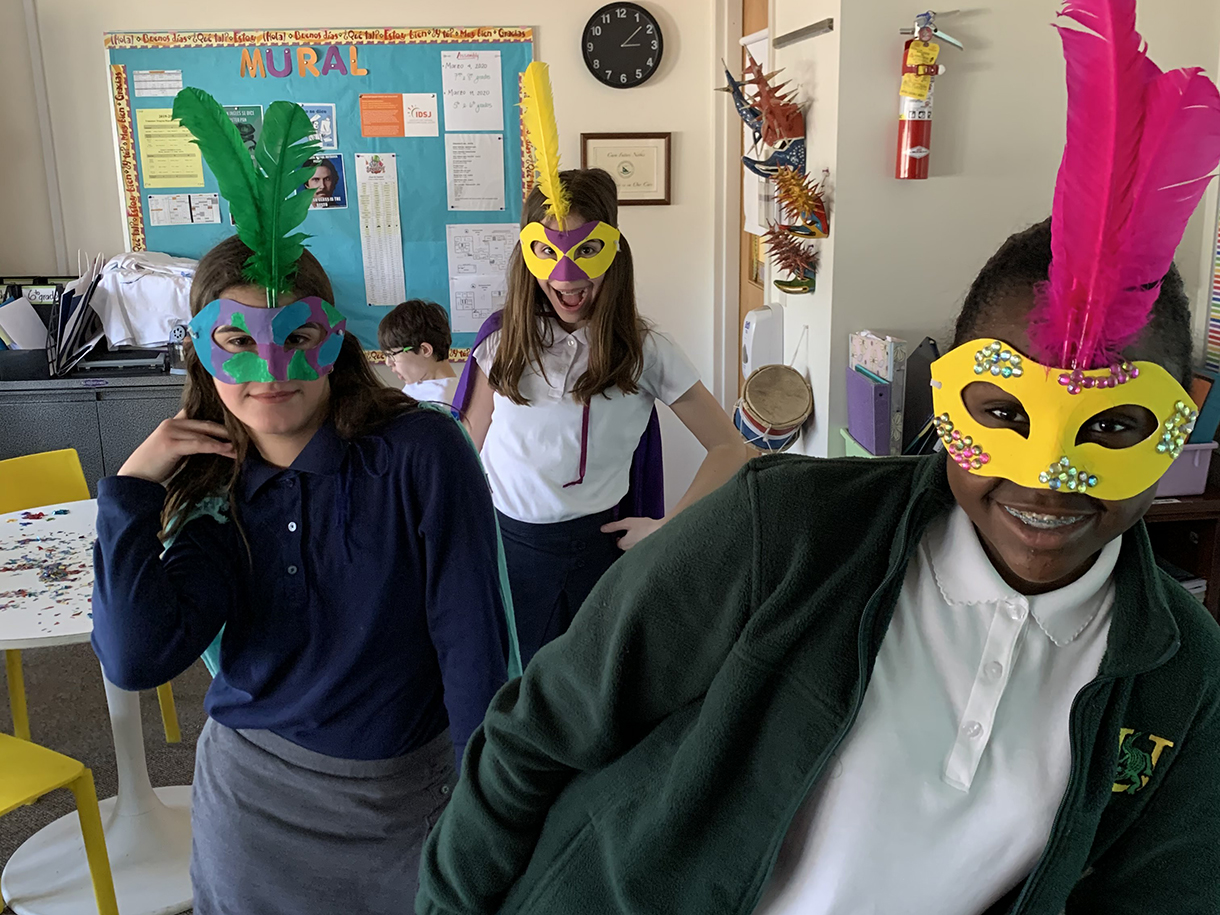
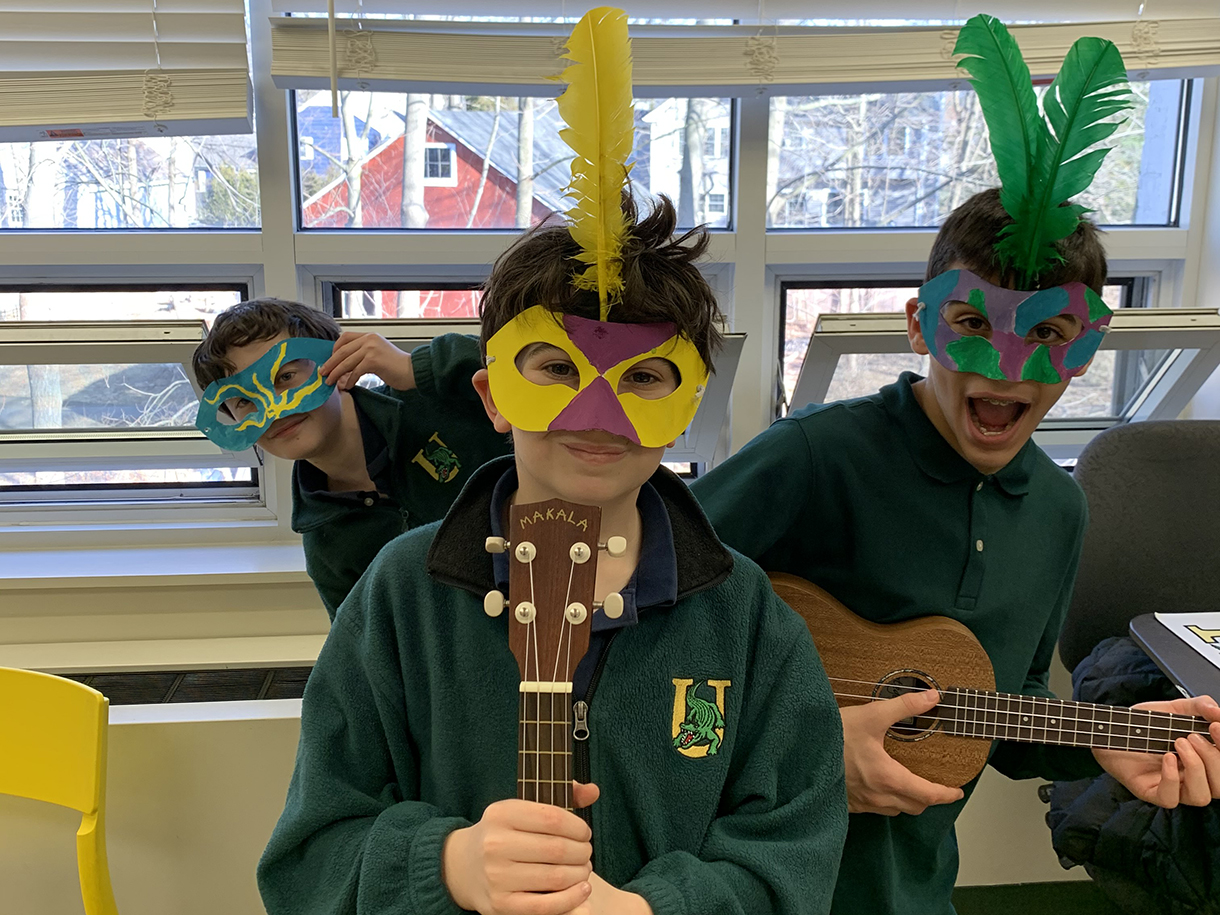

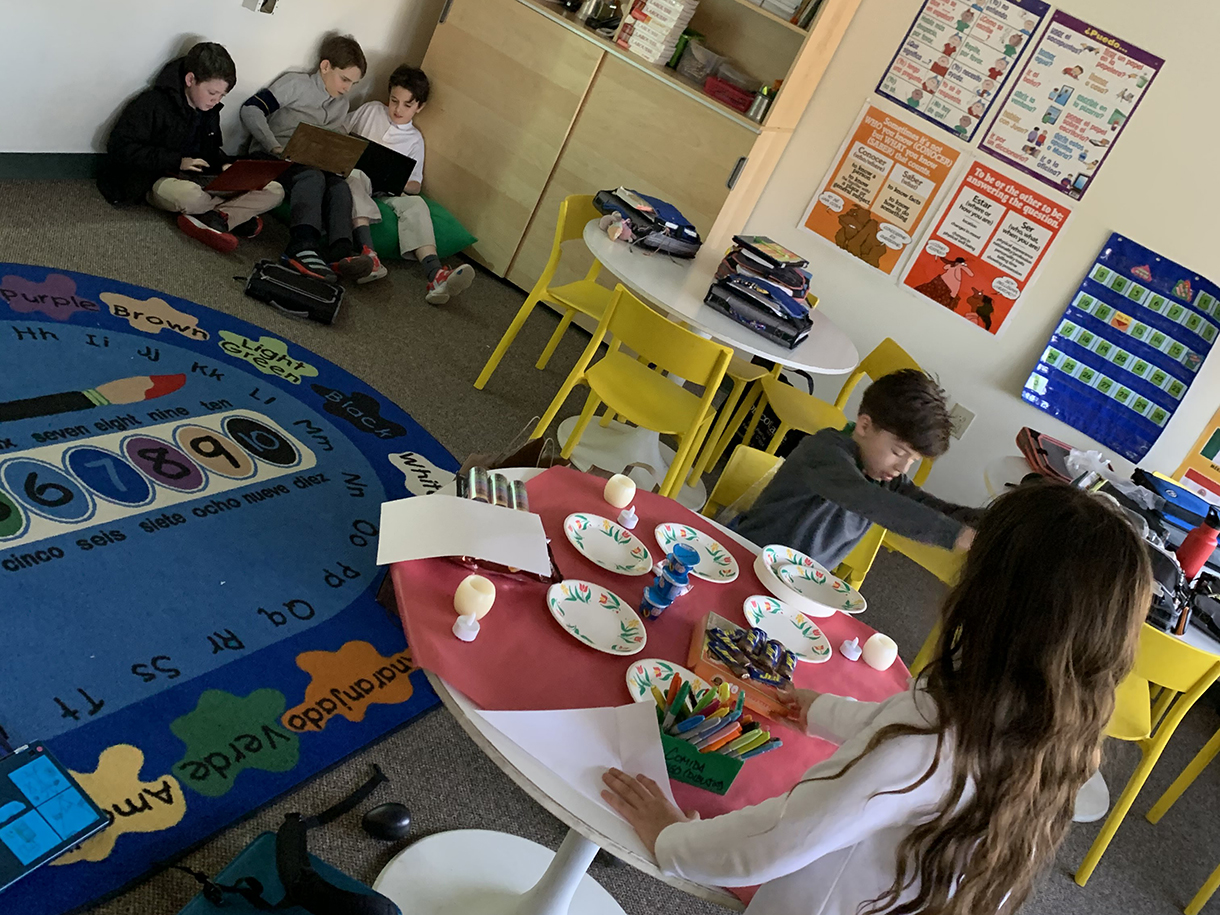
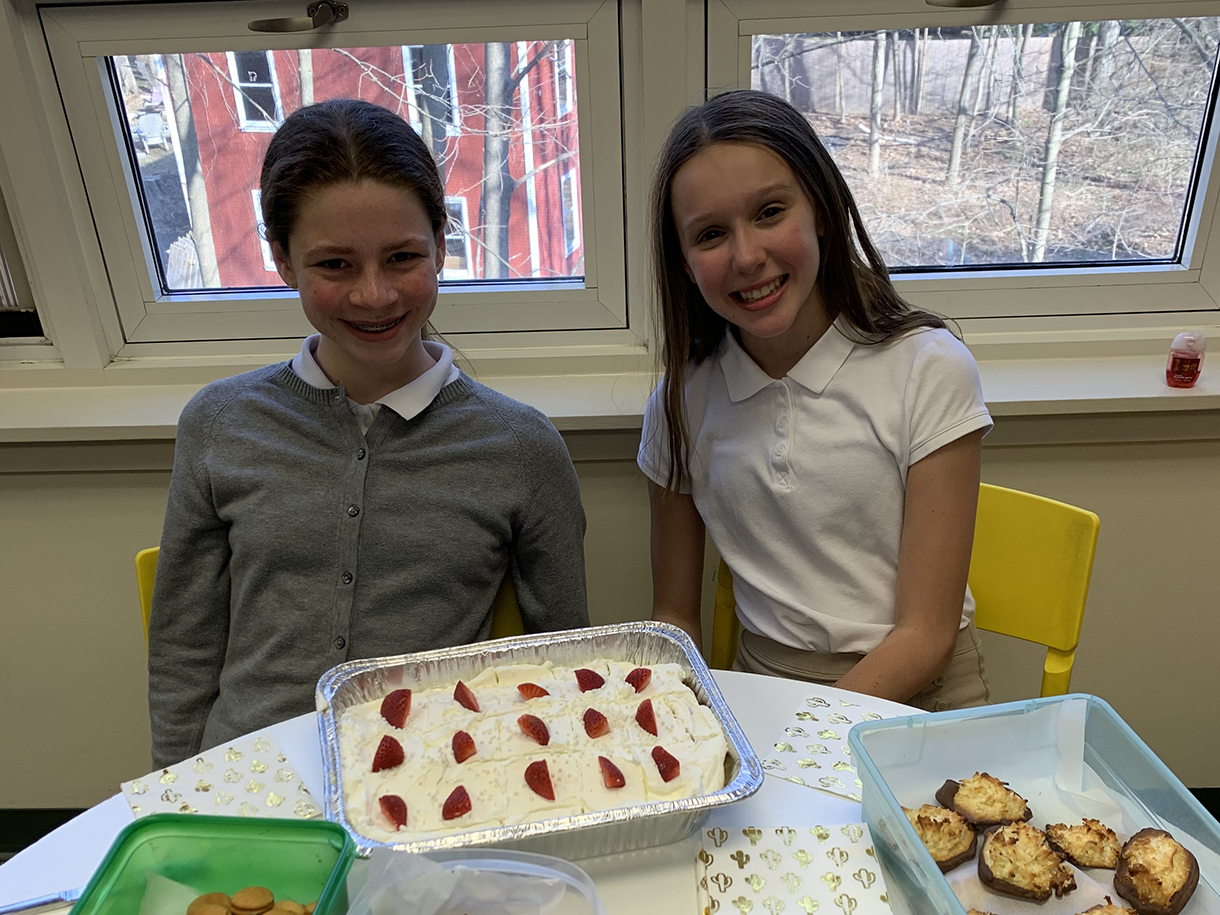
Carnival season in Latin America begins late January and typically ends in February or early March. Today, all Spanish-speaking countries celebrate their own Carnival showing the biggest expression of culture and long-standing traditions.
Students learned about Carnival in Spanish, as it’s the most famous and richest celebration of Spanish cultures. Students were exposed to cultural aspects and practiced the language in its proper cultural context. In our school, learning Spanish is to explore different cultures, to travel without leaving the classroom, and to learn about those amazing celebrations.
Syllables and Sibilants… What’s the Difference?
Posted by Eric Snow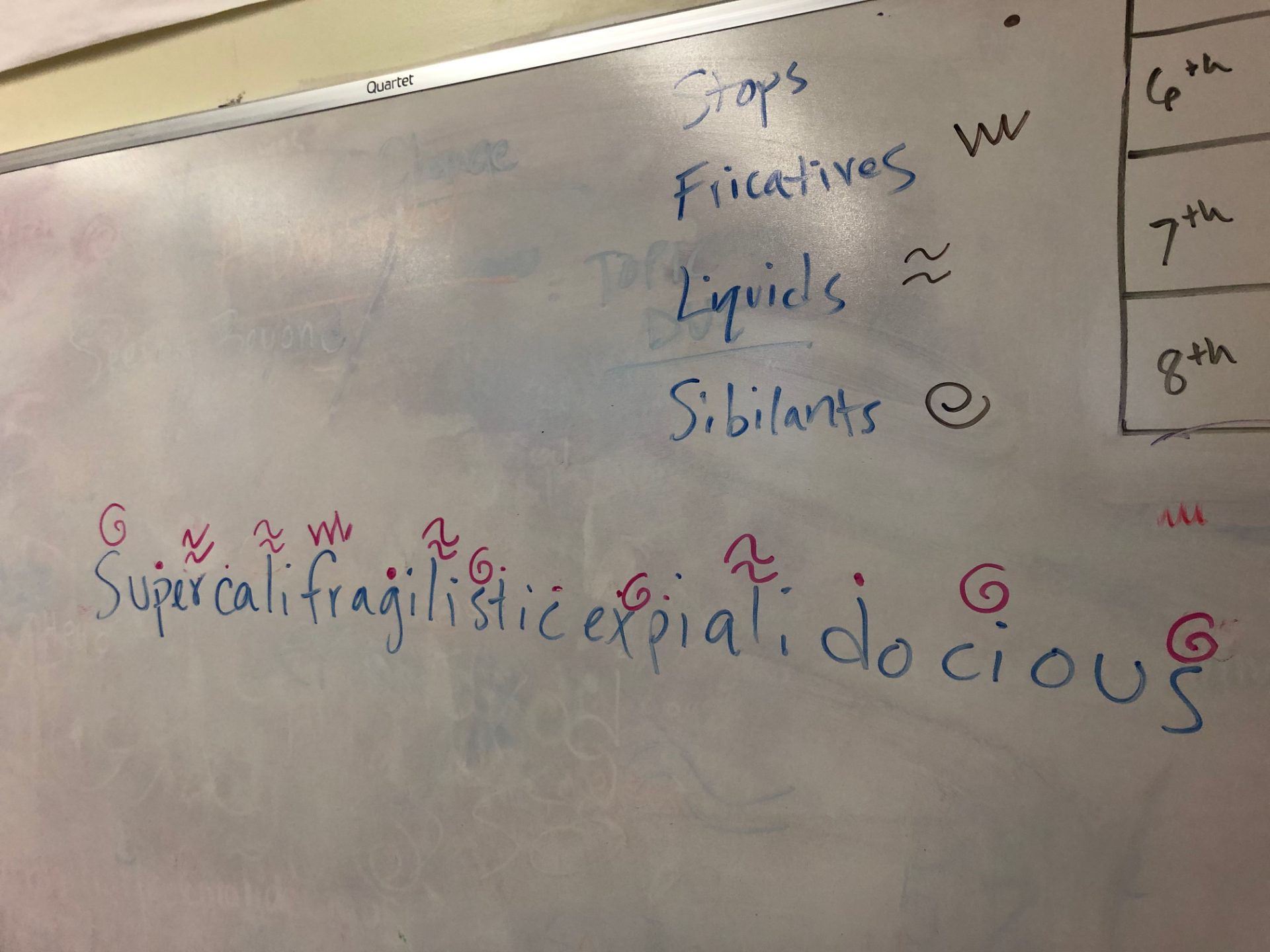
Poetry is one of those subjects that often elicits groans from sixth grade students, and it did when we first announced that we would be reading Love That Dog, an introduction to poetry by Sharon Creech. Whether it’s because students feel overwhelmed by a new form of writing, or, like the protagonist in the book, don’t think they have what it takes to be poets, students don’t generally get excited about reading and writing poetically.
But that changed this year.
In addition to the normal poetic devices of alliteration, assonance, consonance, syllables, rhyme, and repetition, we introduced students to some foundational linguistic information and helped them think about sound in new ways. “Speech sounds” might not sound like a difficult topic, but remembering, analyzing, and incorporating stop, fricative, liquid, and sibilant sounds into their own poetry has been an incredibly fun experience.
- Stops are harsh consonant sounds that seem to “stop” without going much further (ex: b, c [hard], d, g [hard], k, p, q, t sounds).
- Fricatives are vibrating sounds made with friction between the teeth, lips, and tongue (ex: f, gh/j, v, ch, th sounds).
- Liquids are smooth, resonant sounds that can carry on much like vowels (ex: l, m, n, r, w, and y [sometimes] sounds).
- Sibilants are hissing or shushing sounds (ex: c [soft], s, sh, z, zh sounds).
Almost every sound in the English language can be broken down into these four categories (with sub-categories below them, which students can investigate in college if they’re so inclined).
The great excitement of doing this in middle school, though, is how much fun the kids have making the sounds, and then noticing how poets use them (intentionally or not) to create interesting and engaging lines and rhythm in the poems we read.
During the weeks of this unit, one could find sixth graders around the Humanities rooms counting syllables on their fingers, making sounds that sounded like beatboxing snakes, and drawing funny symbols (see the image at the top!) above all sorts of complex words. The goal was to break down words, by sound (rather than letter), to notice commonalities and differences between various consonant sounds.
And wow did this really help improve their poetry (which you can see on display in the Humanities rooms)!