


Rot, Mold, and Magic: The Story of Pumpkin Rosie
Posted by Jennifer Do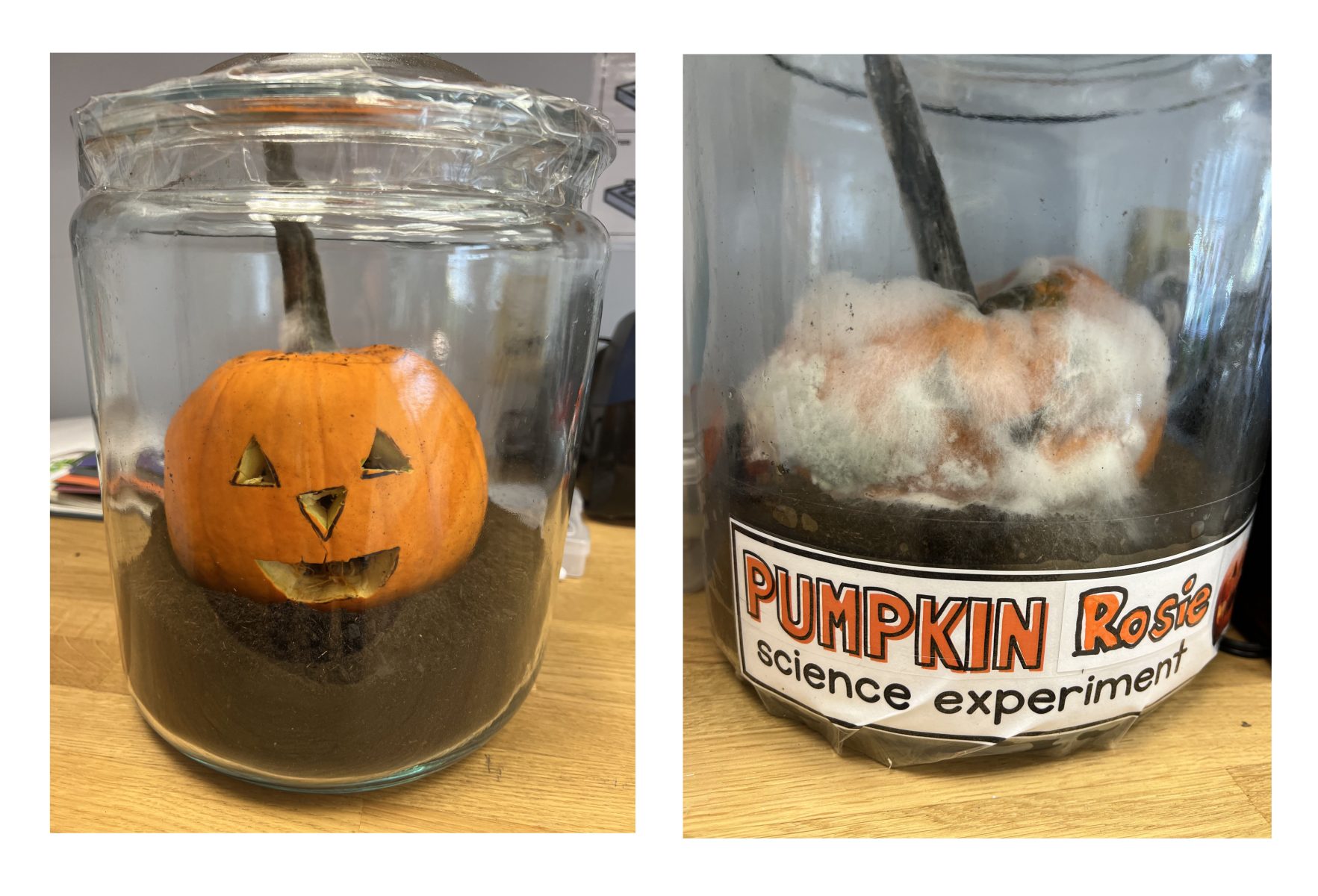
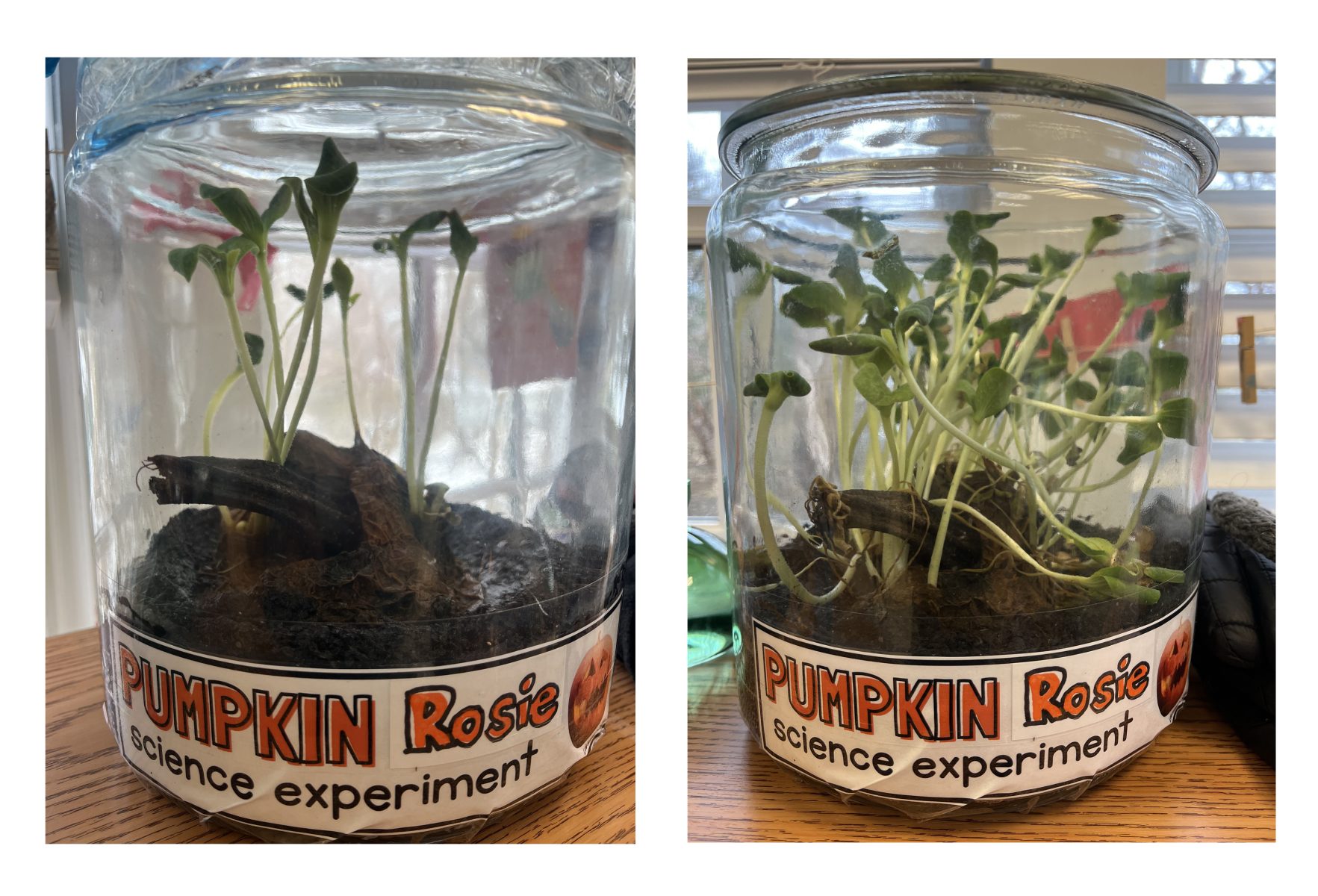
This year, our kindergarten class embarked on a truly memorable science journey—one that started with a simple pumpkin in the fall and continued all the way through the seasons!
Back in October, we carved our classroom pumpkin and named it Pumpkin Rosie. We placed Pumpkin Rosie, guts and seeds and all, into a clear jar, sealed it tightly, and began a year-long observation experiment. The children made predictions about what might happen inside the jar over time—would the pumpkin stay the same, disappear, or turn into something new?
With our sealed jar, we were able to safely observe the changes up close throughout the year while keeping everything contained.
What We Observed Over Time
- Fall: We noticed moisture forming inside the jar and some fogging on the glass. After about 4 weeks, we observed, what the students described as, “cotton” growing on Rosie’s head.
- Winter: The children were fascinated by the different colors and textures appearing inside the jar, and in time we saw more visible mold growth and further decomposition.
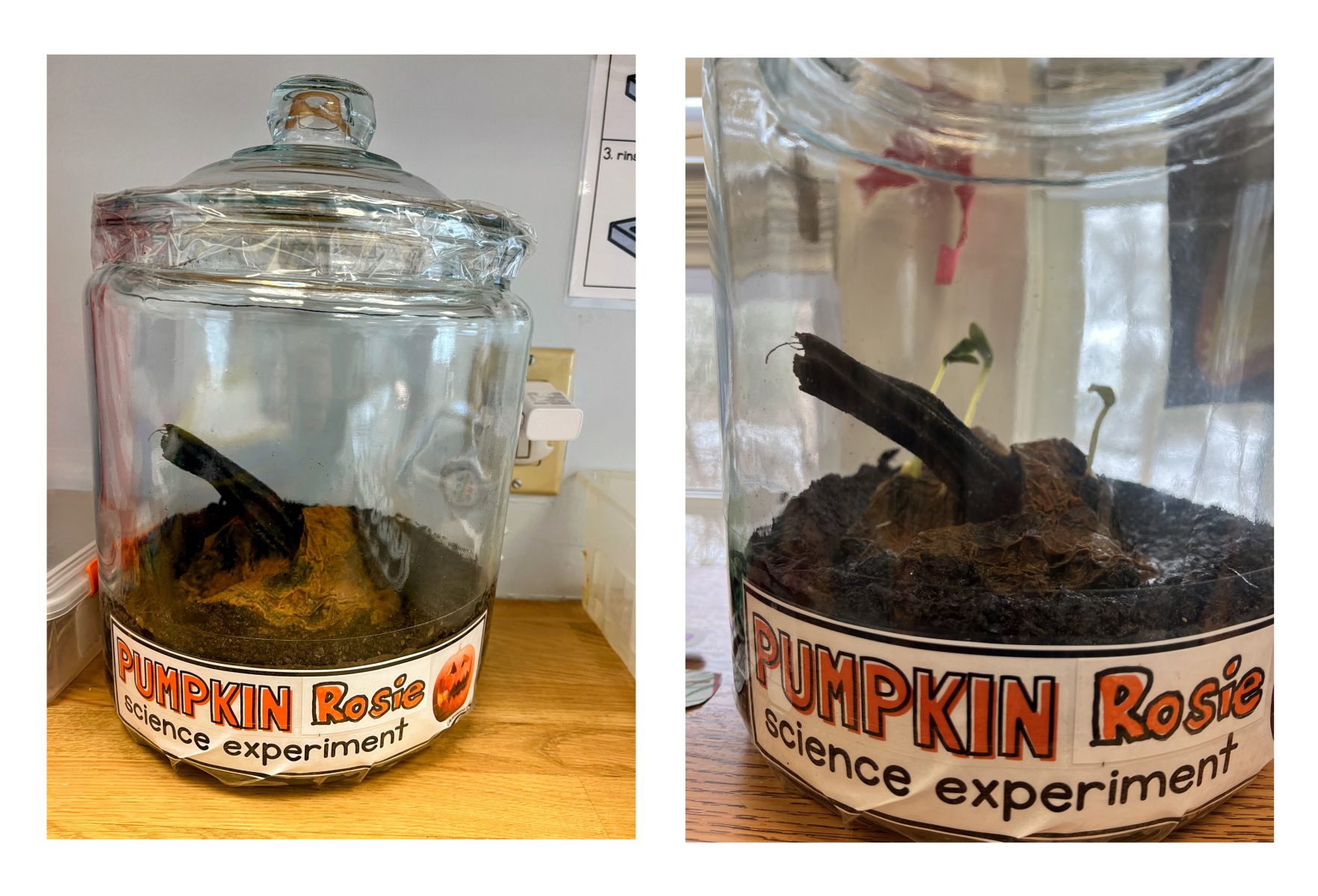
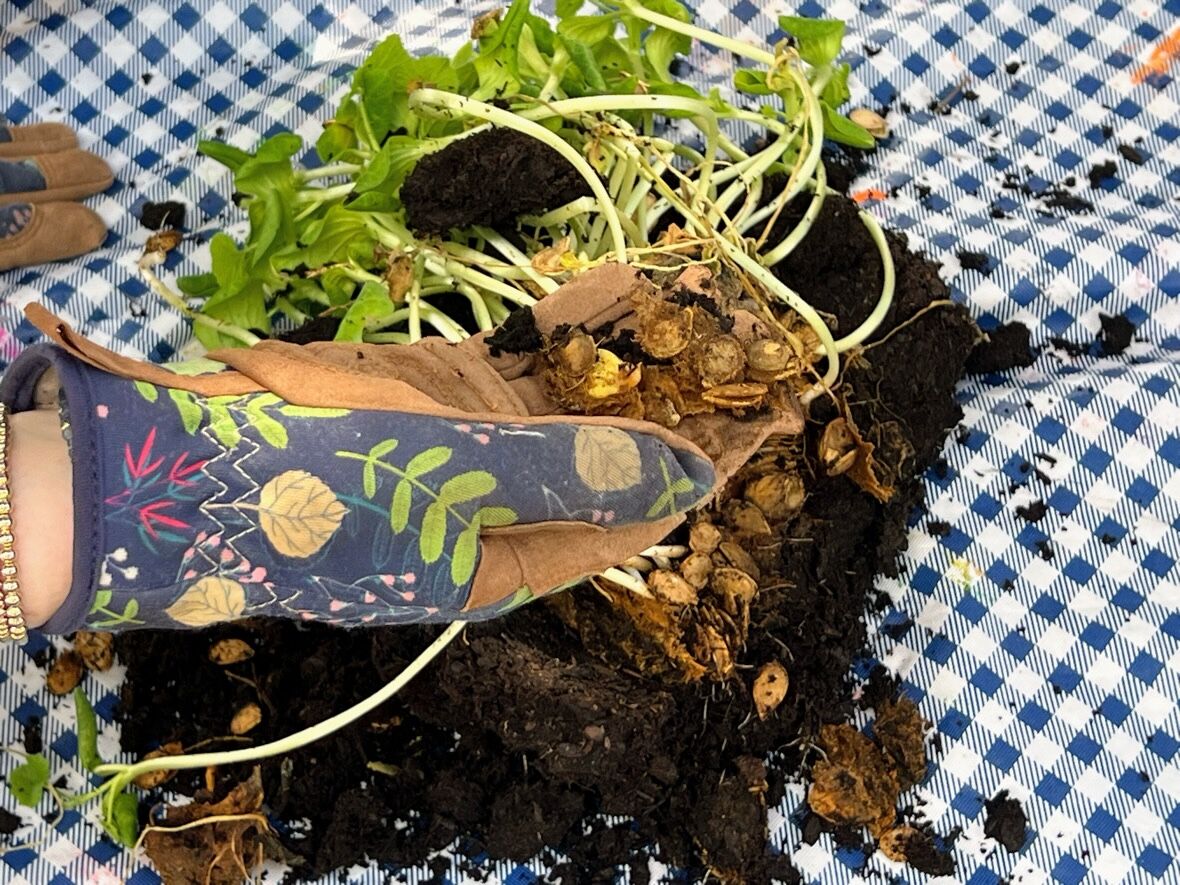
- Late Winter: The pumpkin had mostly decomposed into a dark, soil-like material.
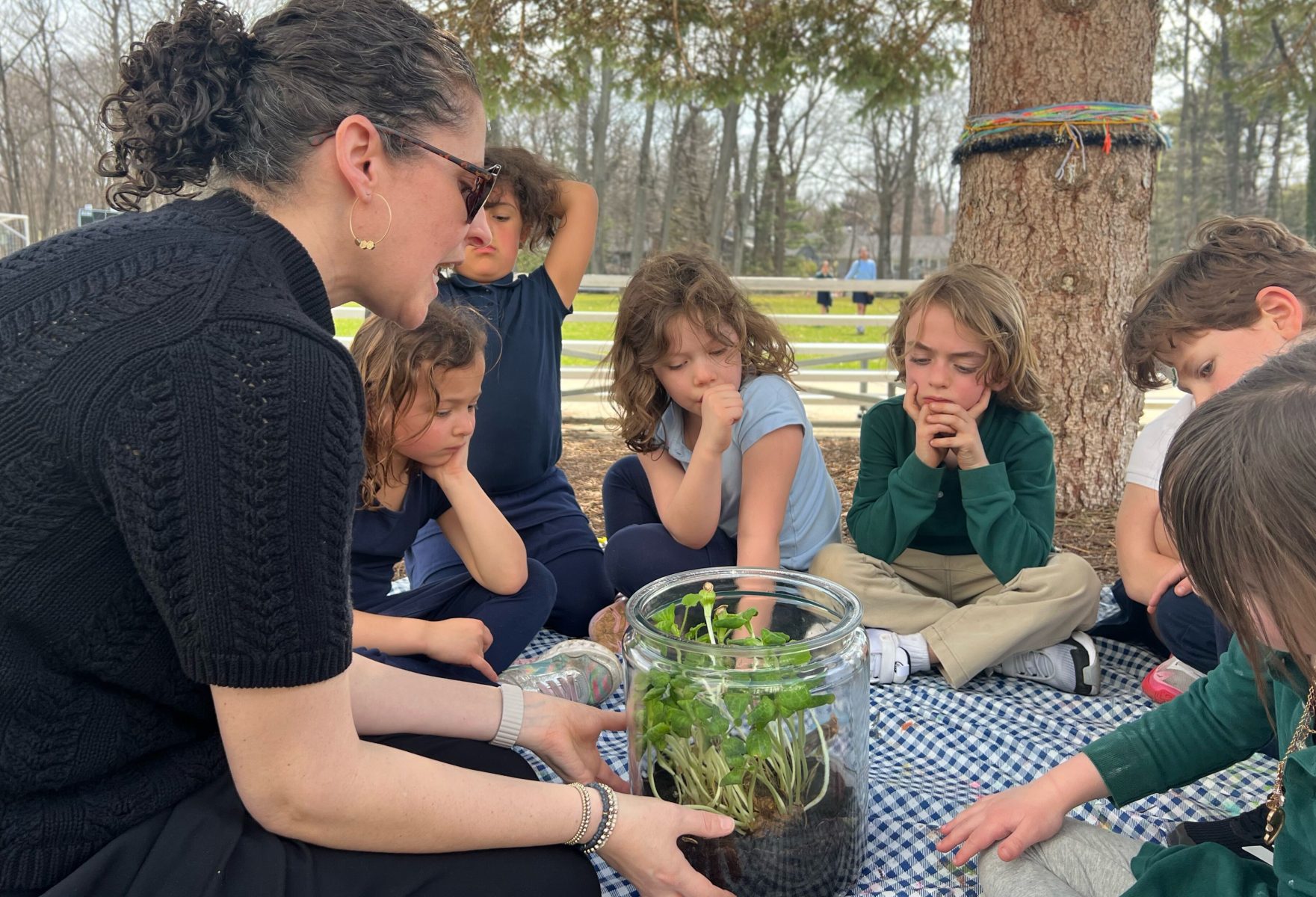
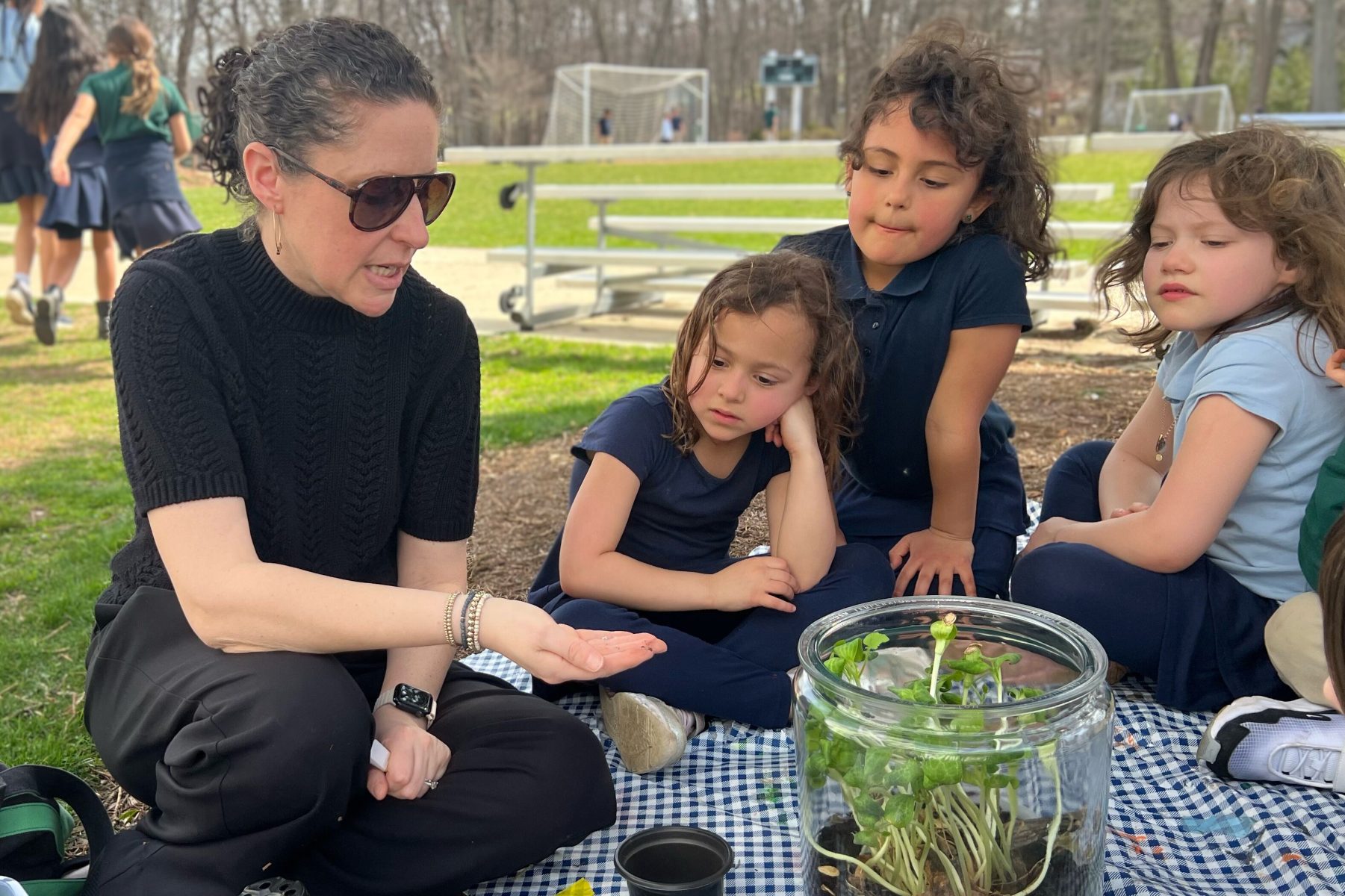
- Early Spring: Something amazing happened—pumpkin seeds inside the jar began to sprout! The students were so excited to discover new life growing from Pumpkin Rosie. Each day, the students checked to see if she had more babies! The babies grew so tall in the jar that we had to remove the top.
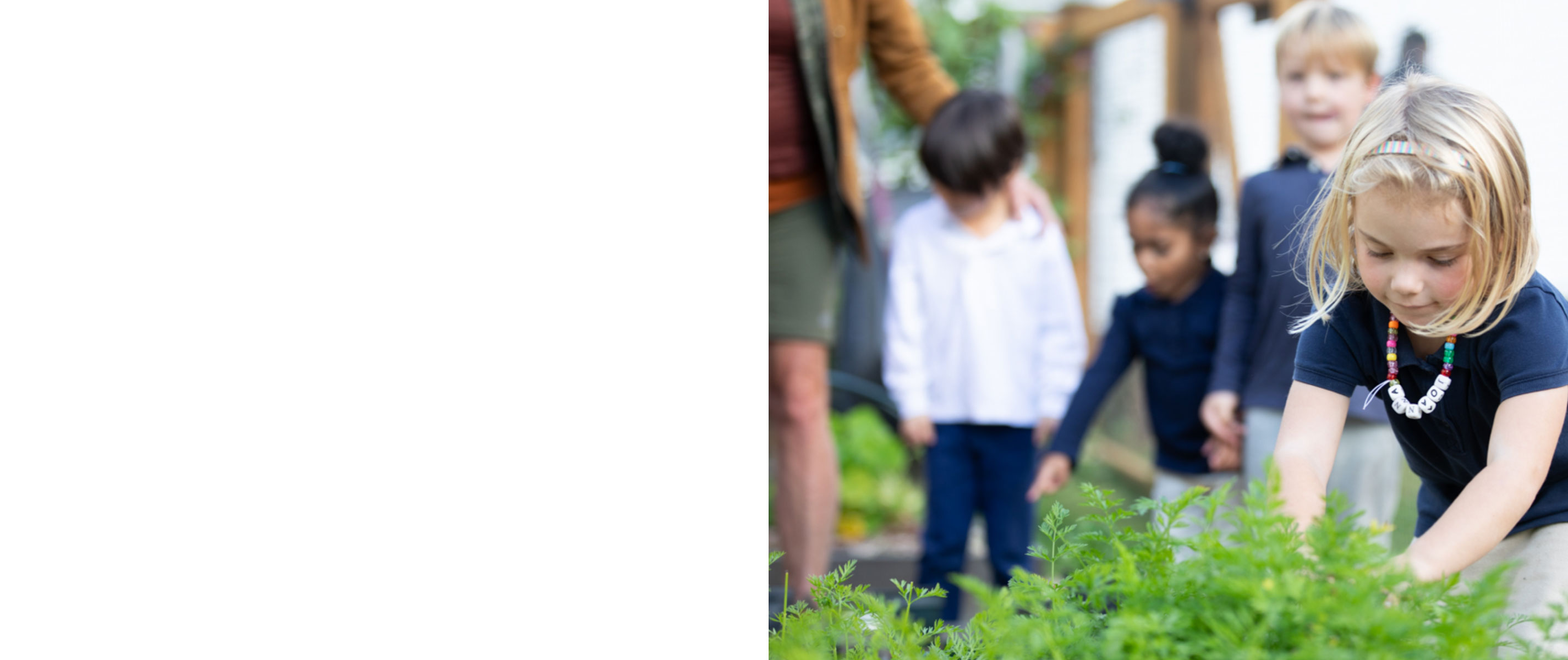
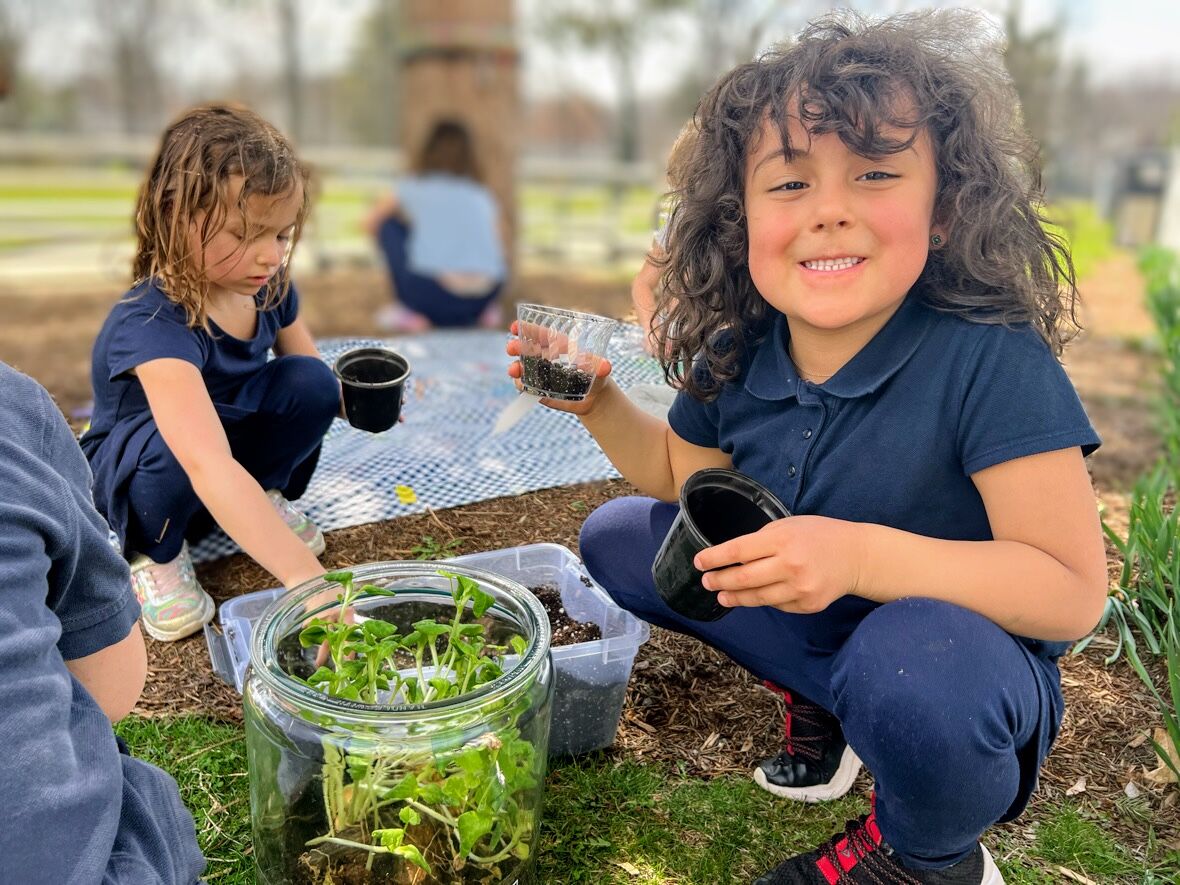
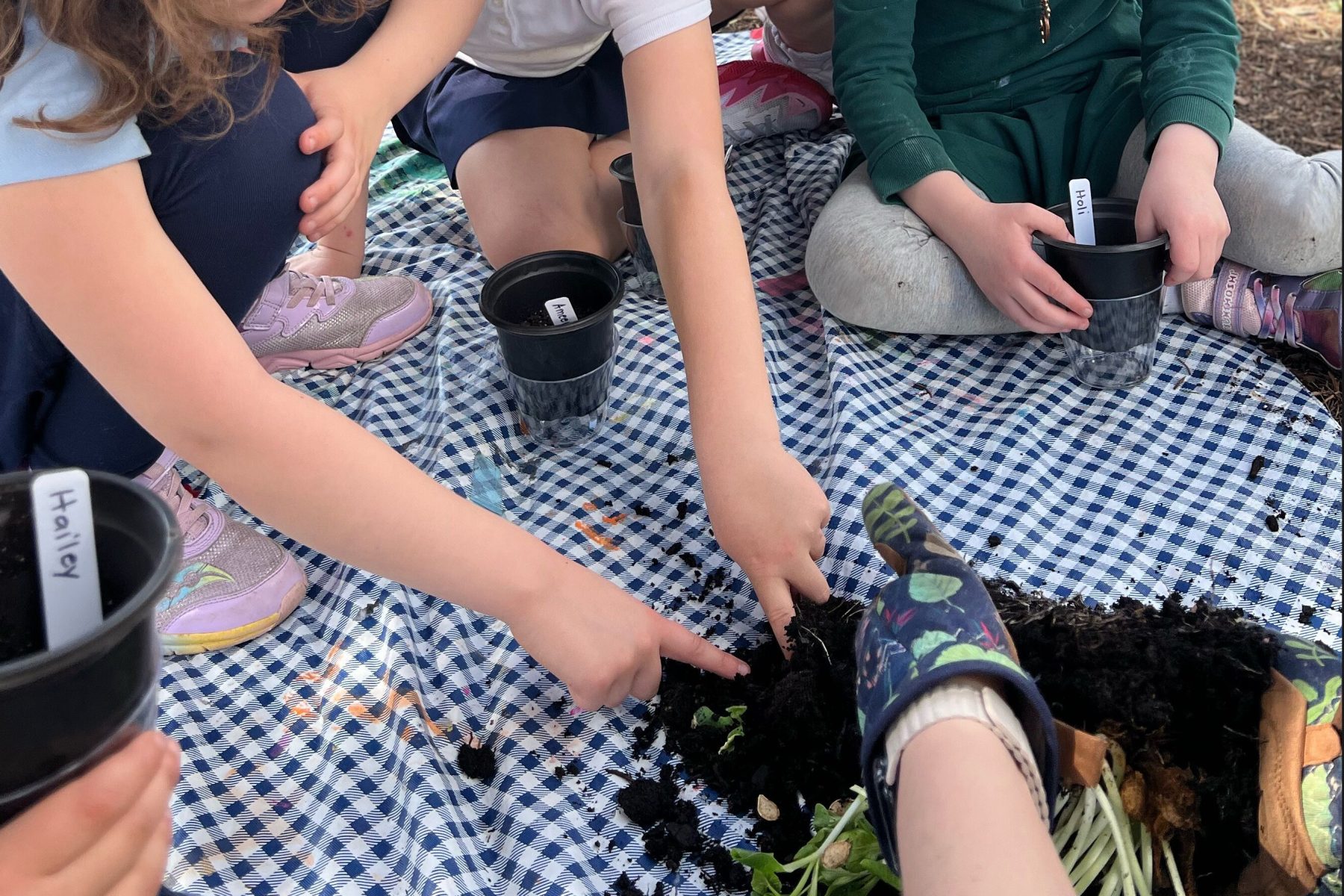
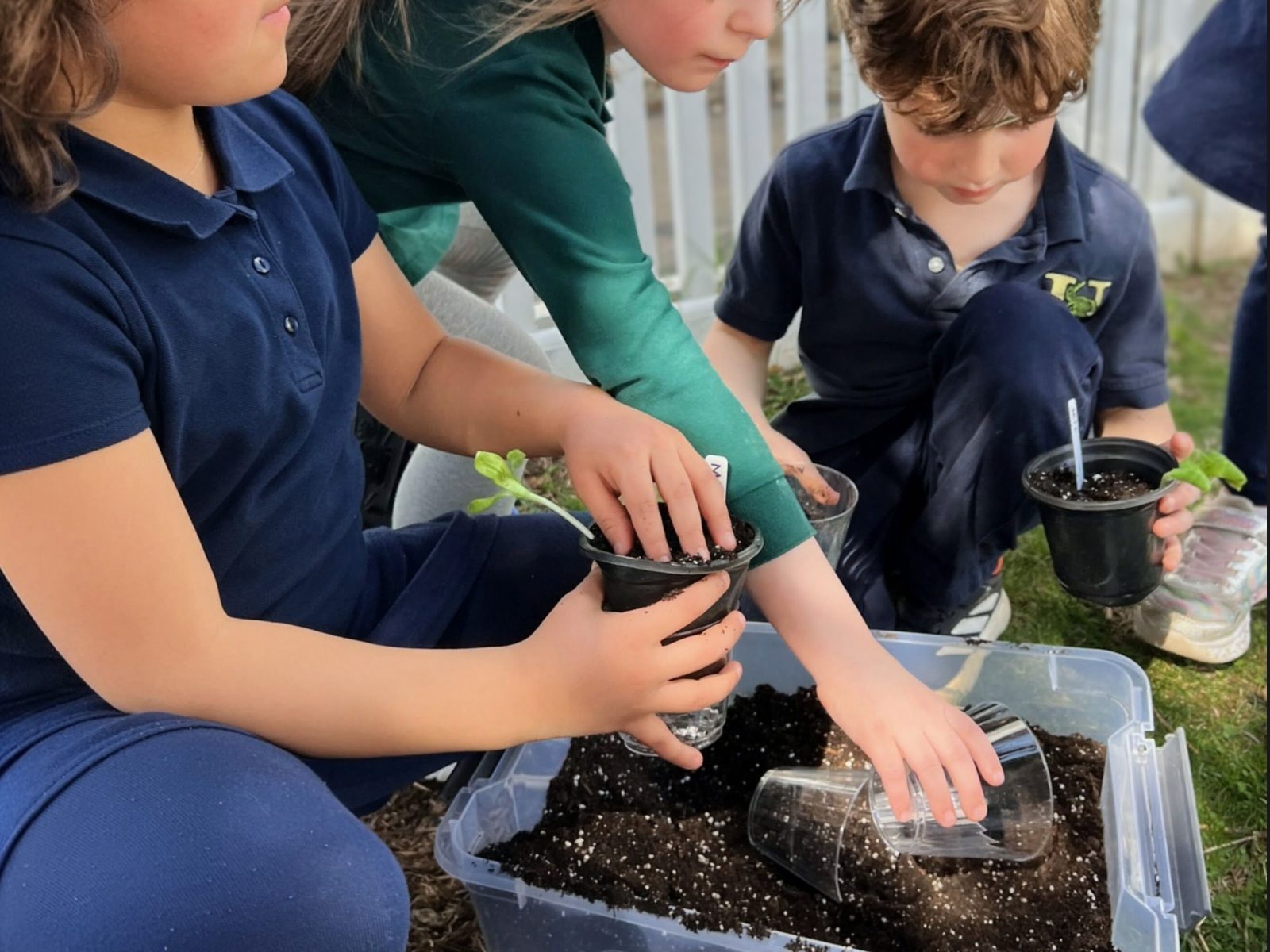
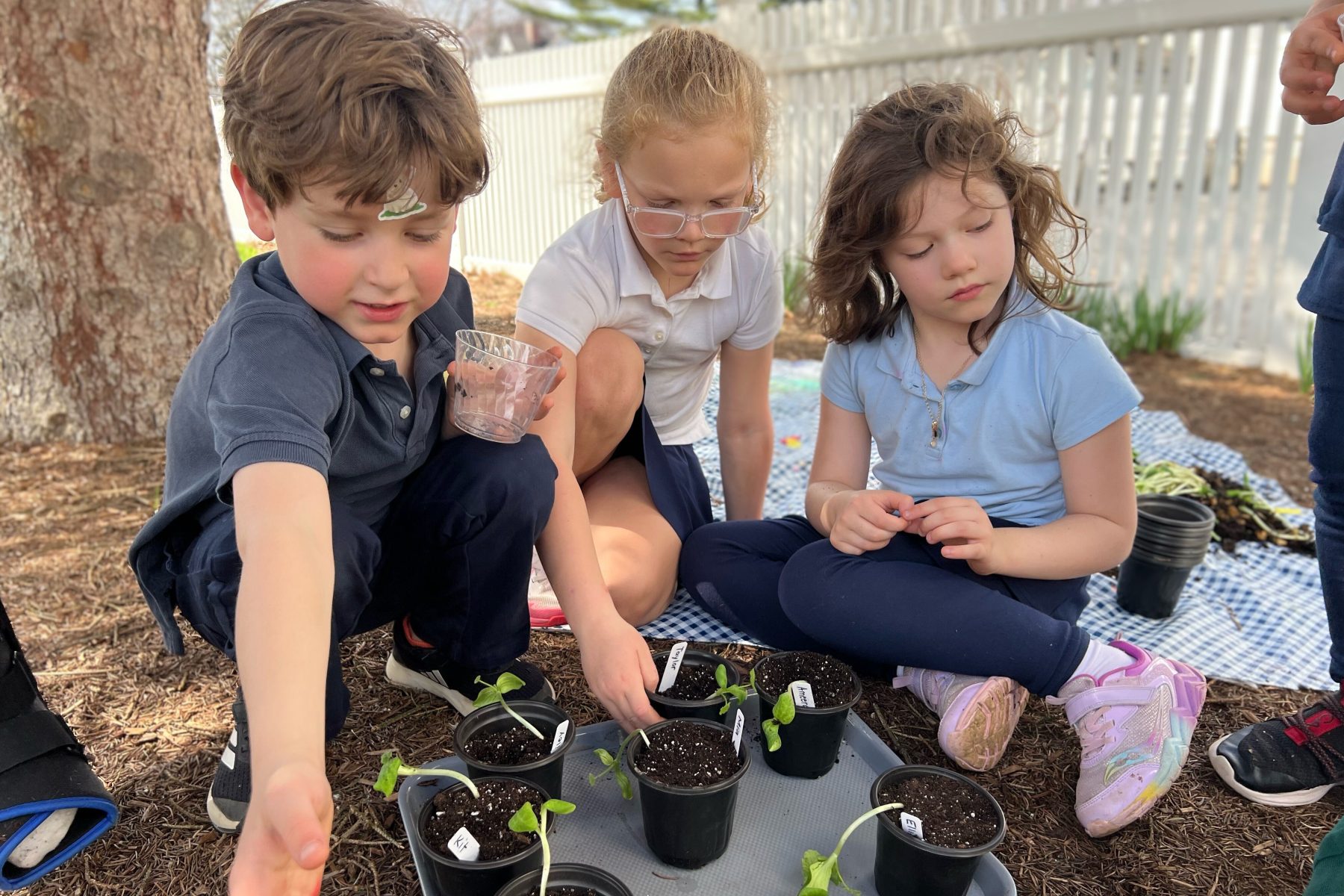
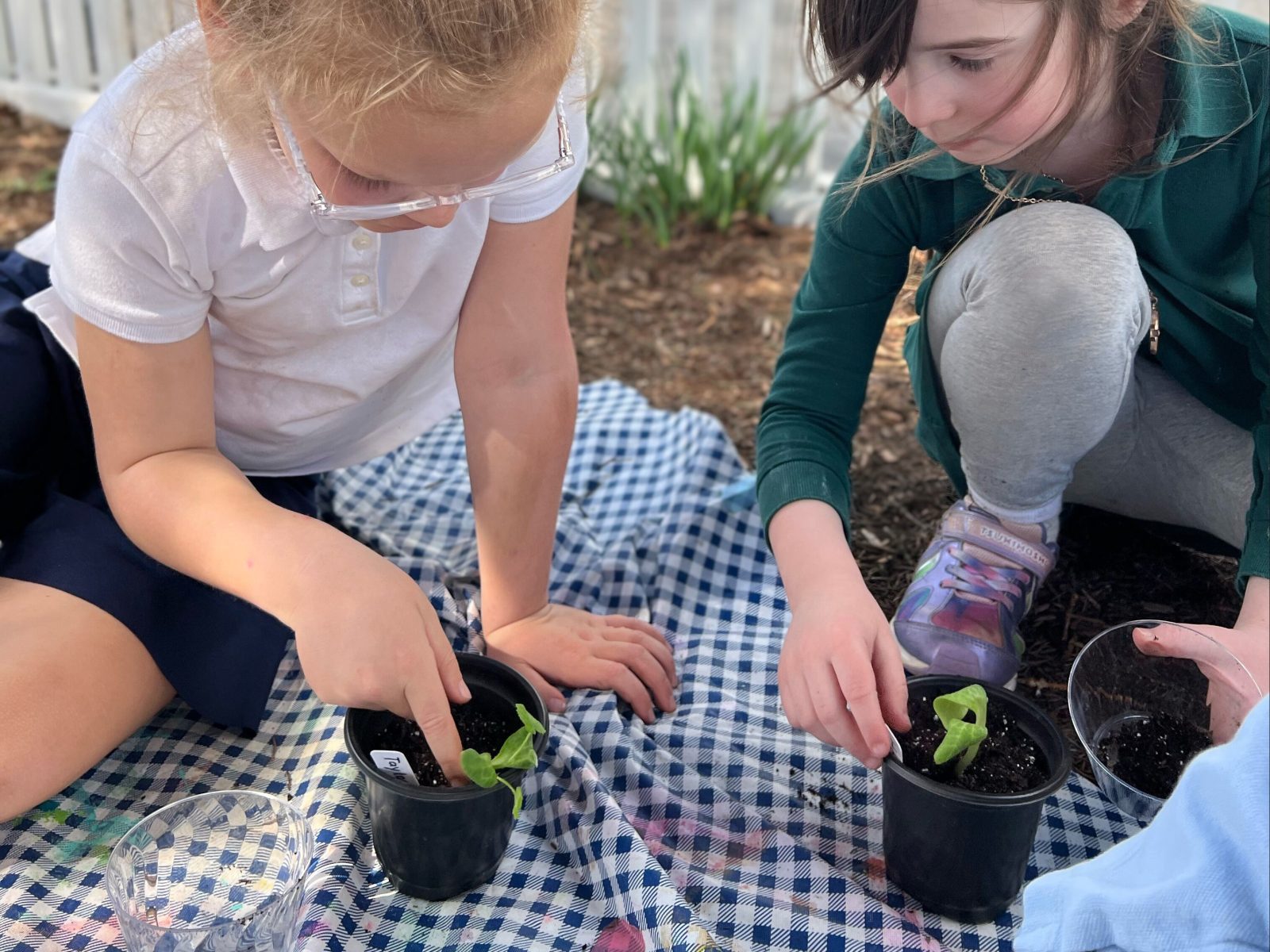
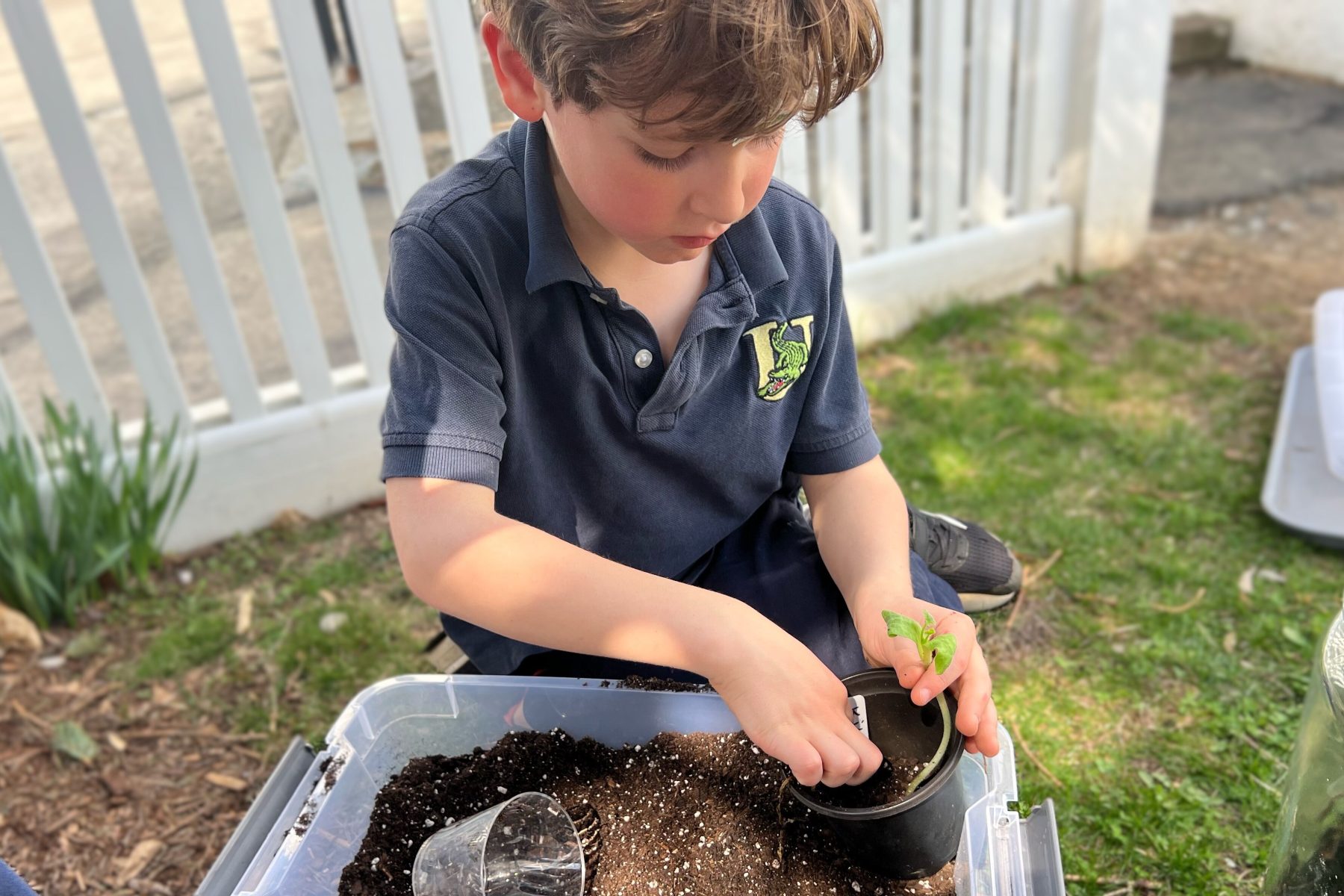
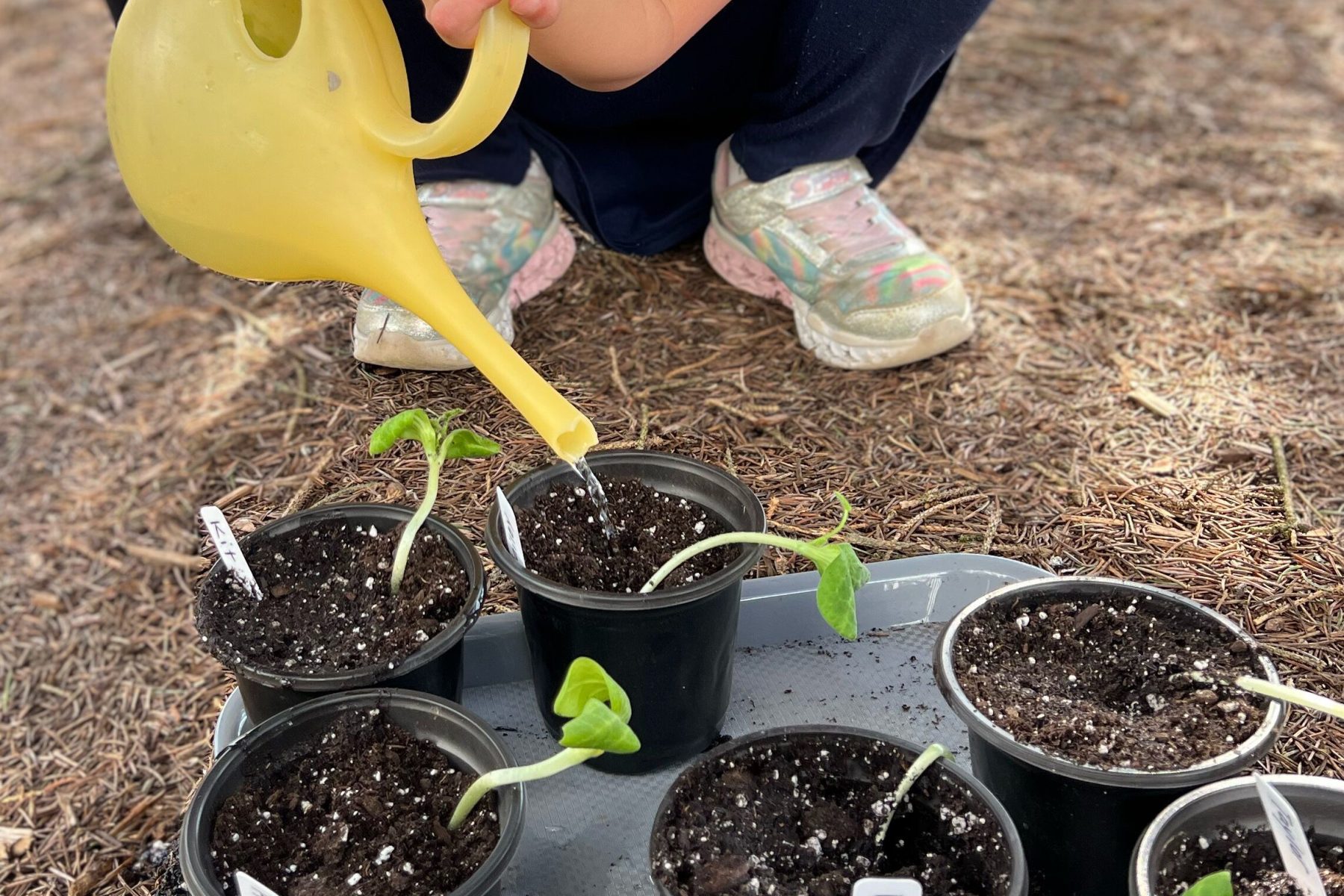
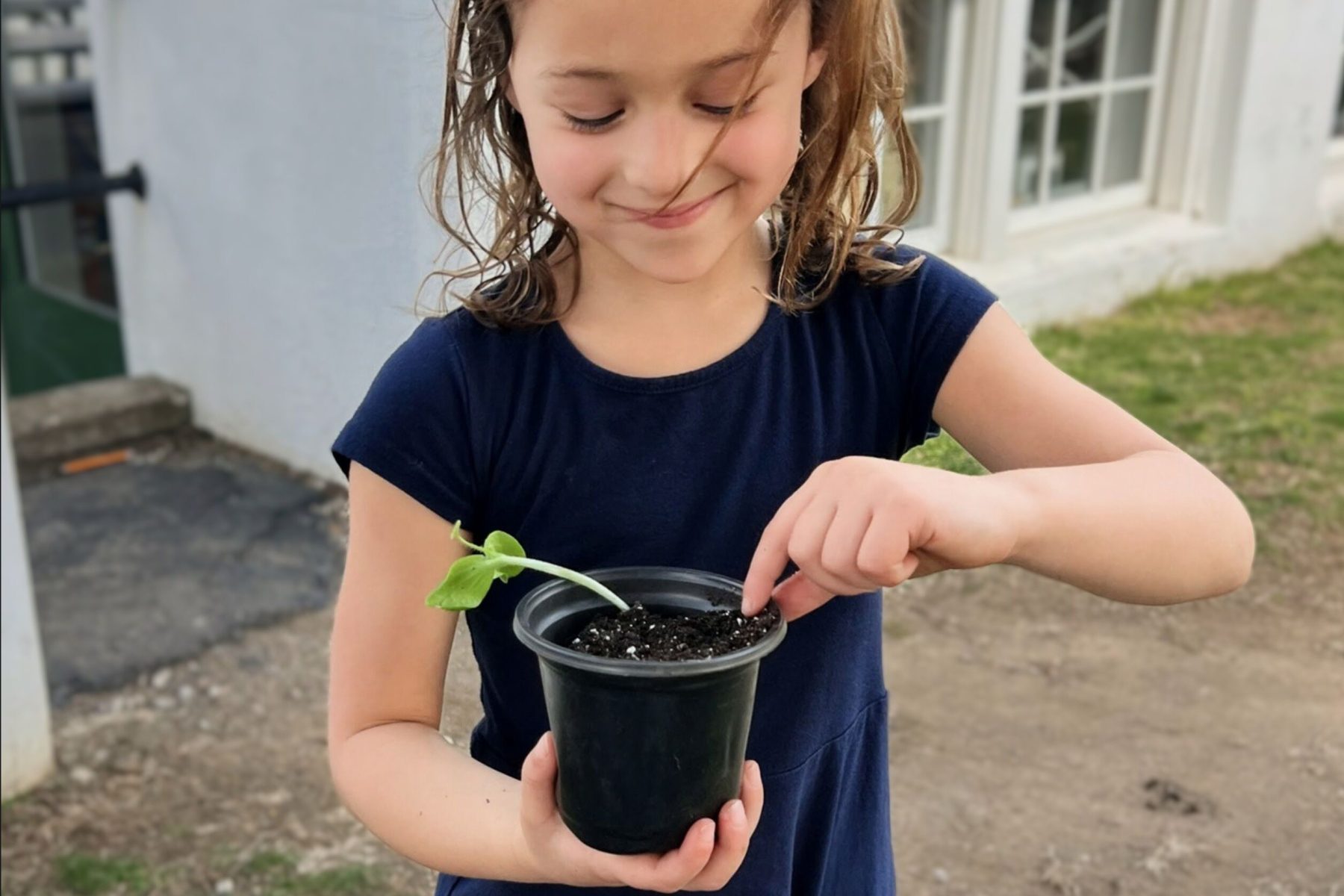
- This week: We carefully removed the seedlings and planted them into individual pots, so each child could take one home and continue observing and caring for their plant.
What We Learned
Through this long-term experiment, students explored important science concepts in a hands-on way:
- Decomposition: We learned how organic materials break down over time, even in a sealed environment.
- Life cycles: The children saw how a pumpkin changes from fresh to fully decomposed.
- Role of air and moisture: The sealed jar helped us think about what is needed for things to decompose.
- Observation skills: Students practiced being scientists by making predictions, noticing changes, and discussing their ideas.
← Drop Everything and Read! Language Learning the Fun Way! →