






Helping Students Transition at Different Stages
Posted by Lisa Sylvestro-

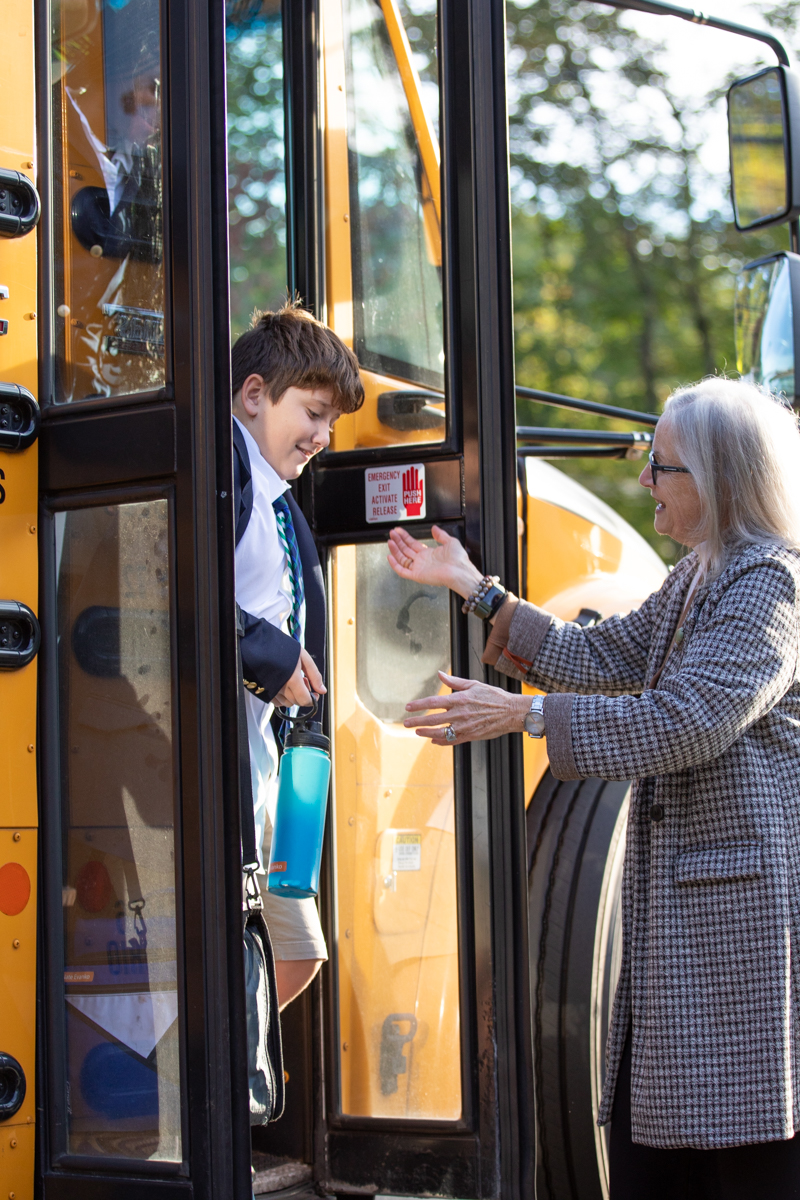
- Head of School, Sharon Lauer greets students to begin their day at Unquowa.

-

- A familiar face at the start of the day can make all the difference.
-

- Simple routines and warm welcomes help students build confidence as they transition into a new school year.
In a PreK through Grade 8 school, we think about transitions differently at each developmental stage. Helping a young child begin school requires a different approach than preparing a student to move into the Upper School. In both cases, our goal is to anticipate the academic and social adjustments students and families may experience before the school year begins.
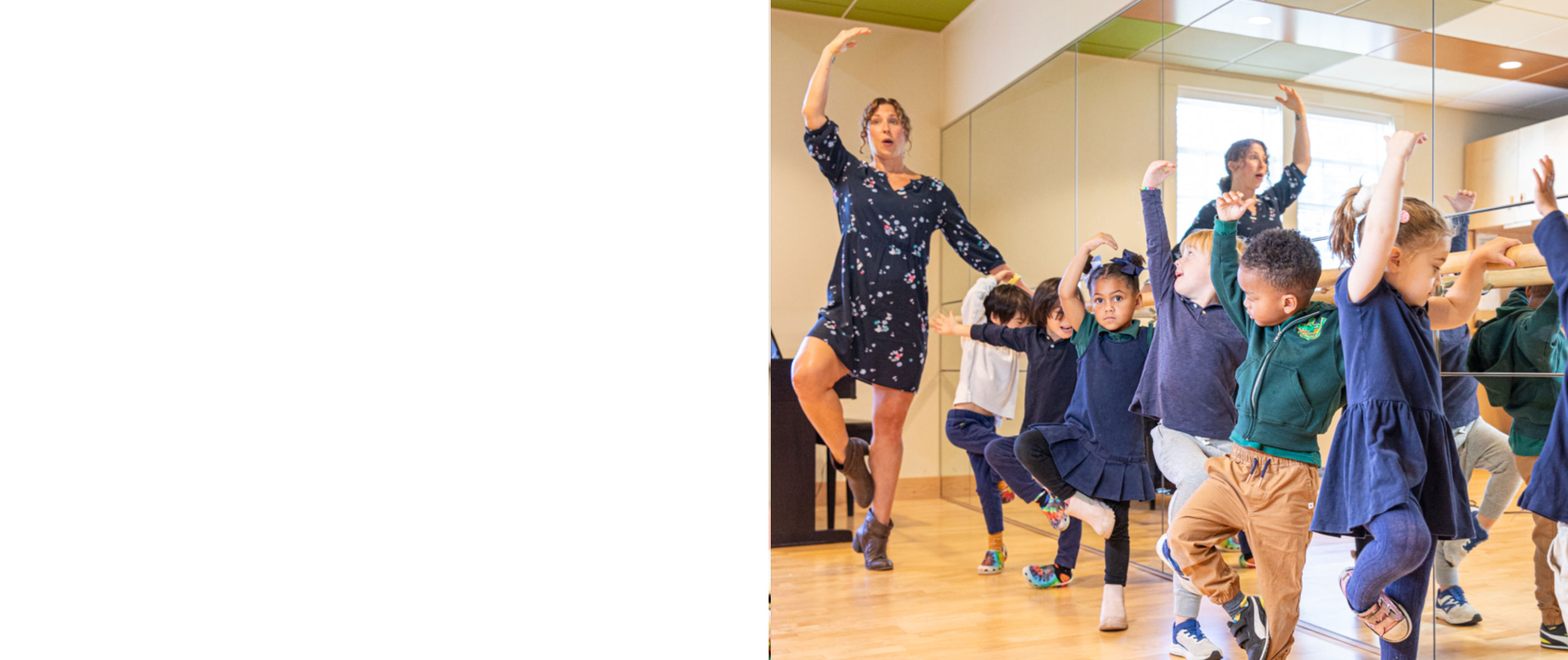
For our Early Childhood and Lower School students, familiarity and consistency are incredibly important. We host summer playdates and create opportunities for children to meet their teachers before the first day of school. Our parent association also organizes grade-level social events so students and families have opportunities to get to know one another, and individual family meetings with faculty are available when needed.
We also begin the year with an orientation day. We want students to know where they’re going, recognize the adults around them and feel happy to walk through the doors. When children feel comfortable and trust their environment, they’re better prepared for the academic challenge and growth that comes next.
-

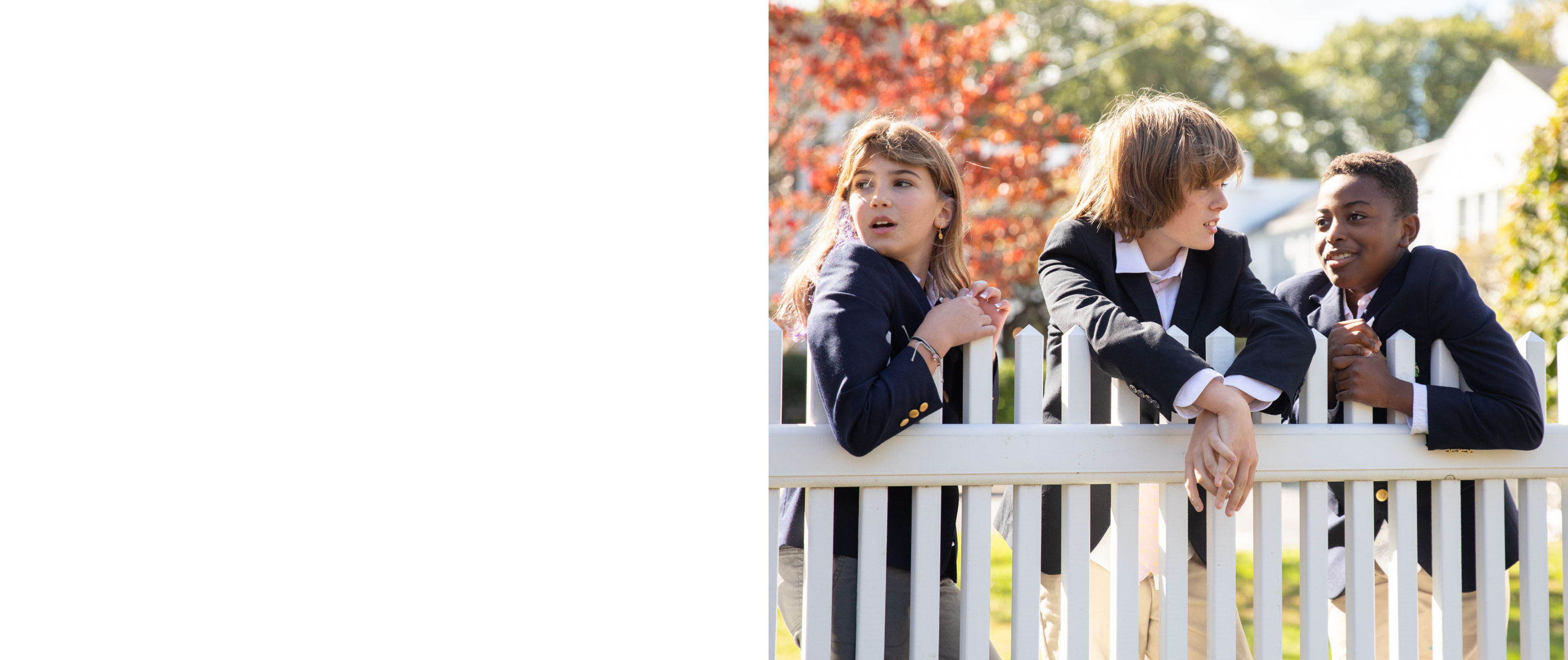
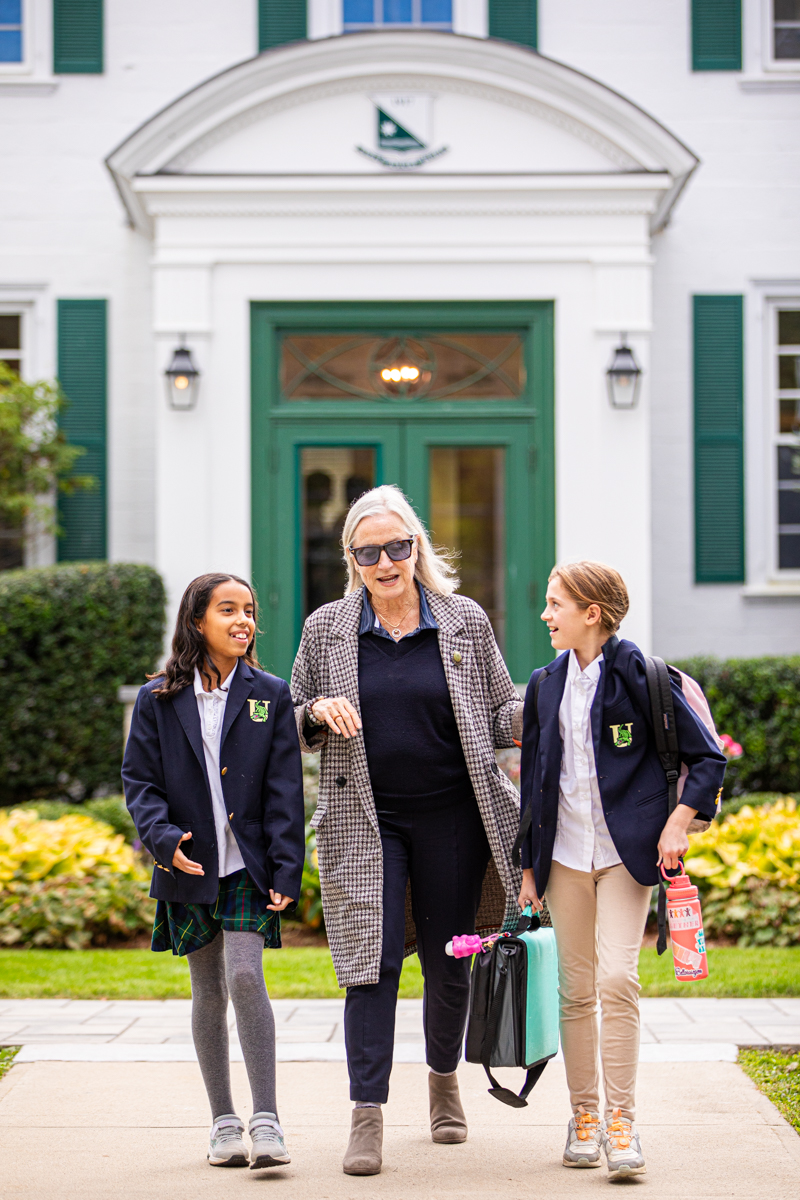
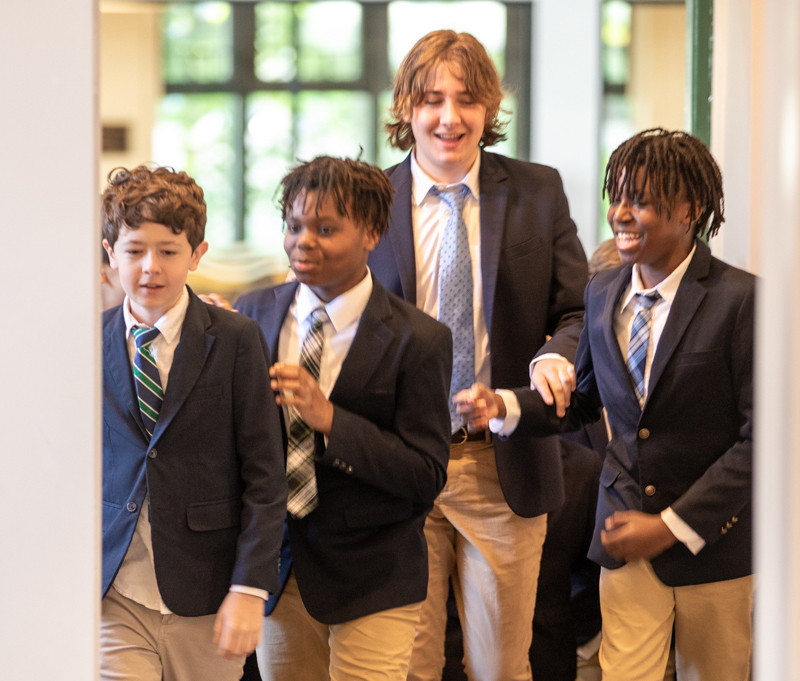
- Upper Scool students laugh and talk as they pass between classes.
-

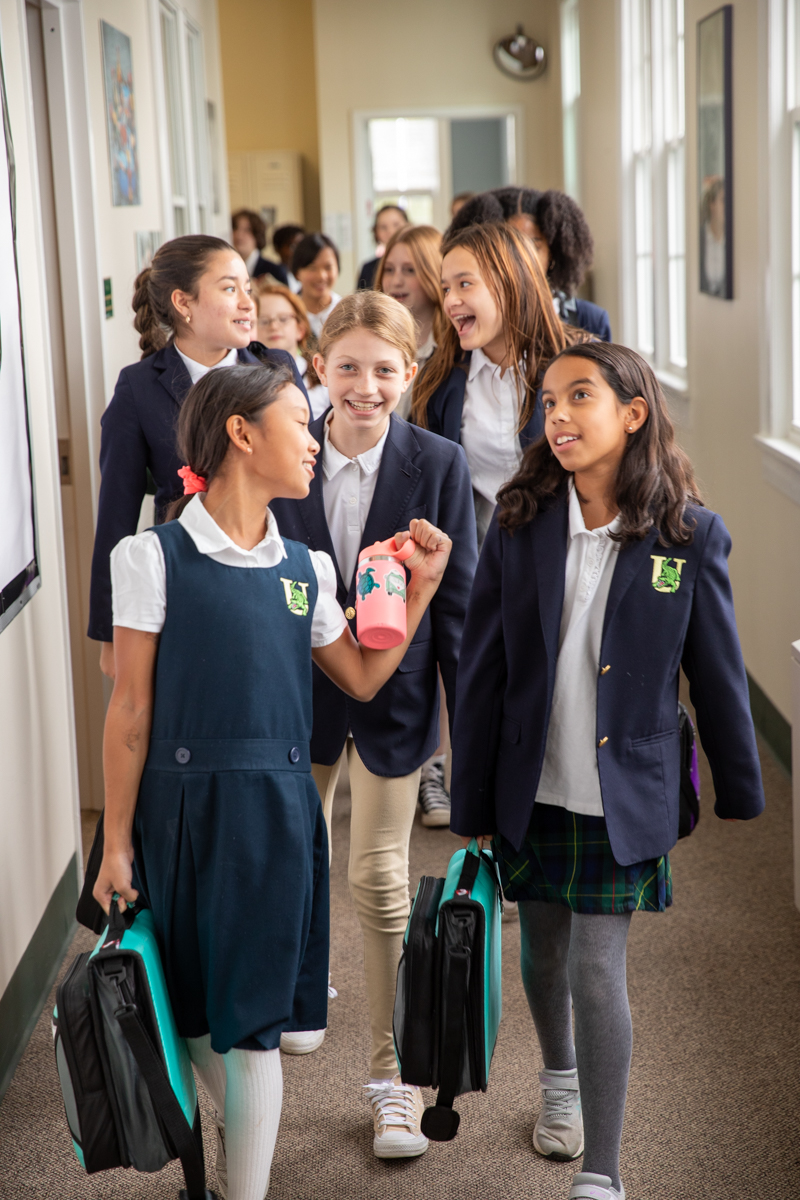
- The transition to middle school is about more than academics.
-

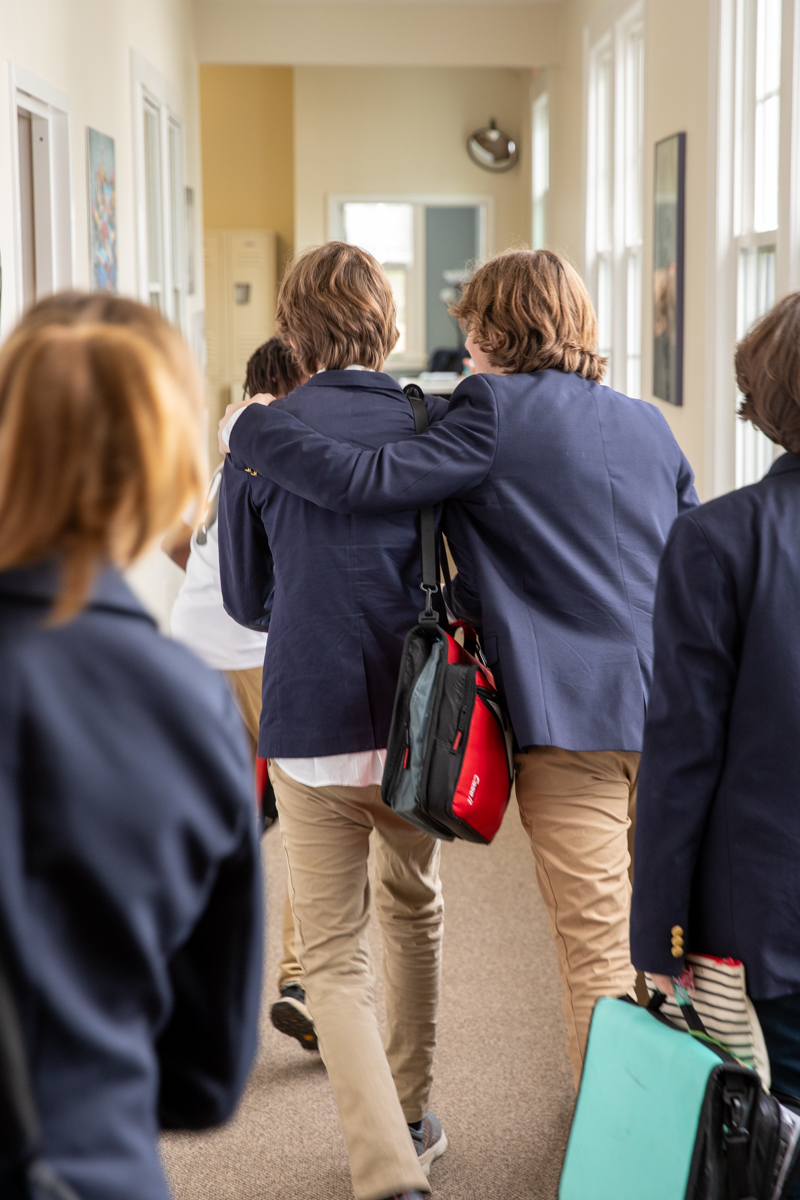
- As students grow in independence, they also learn to navigate friendships, collaborate with peers, and develop confidence within a supportive community.
One of the best ways parents can prepare their child for the transition to middle school is by replacing uncertainty with confidence. While middle school naturally brings higher academic expectations and greater independence, students are far more likely to embrace those challenges when they understand what to expect and know they have the tools to succeed.
Preparation begins with the practical. Before the school year starts, families should help students become familiar with schedules, summer reading and math assignments, school expectations, and organizational routines. These seemingly small details reduce unnecessary stress and allow students to focus on learning rather than navigating logistics.
Equally important is preparing students for the mindset shift that middle school requires. As children grow, they are expected to think more independently, participate in thoughtful discussions, collaborate with peers, advocate for themselves, and persevere through increasingly complex academic work. Rather than shielding students from challenges, parents can encourage them to view mistakes, questions, and productive struggle as essential parts of learning.
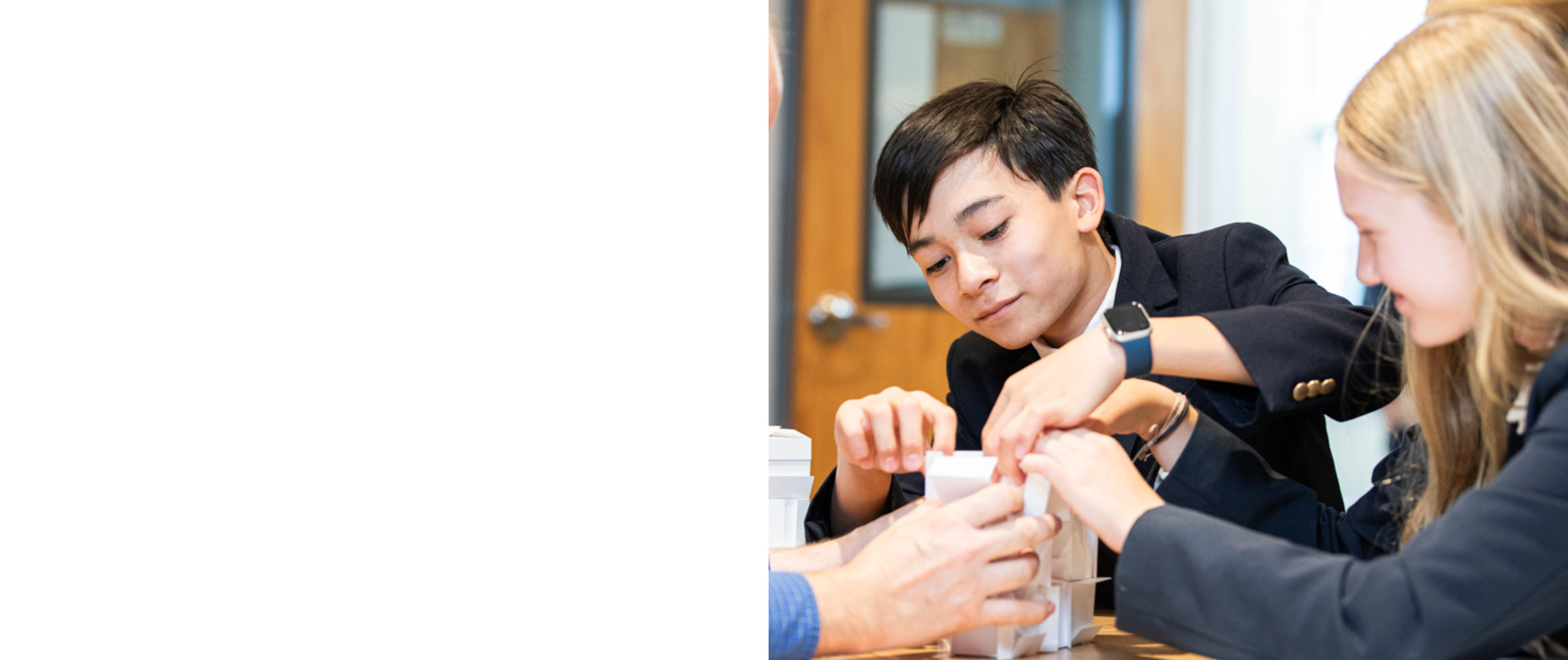
At Unquowa, we intentionally create structures that support this transition. Students have access to a centralized dashboard where assignments, calendars, athletic schedules, and announcements are easily available, helping them develop strong organizational habits. We also remove many of the unnecessary social uncertainties that can distract students by thoughtfully assigning advisory groups, classroom seating, lab partners, teams, and lunch tables. When students don’t have to worry about where they belong, they have the emotional bandwidth to engage fully in their learning.
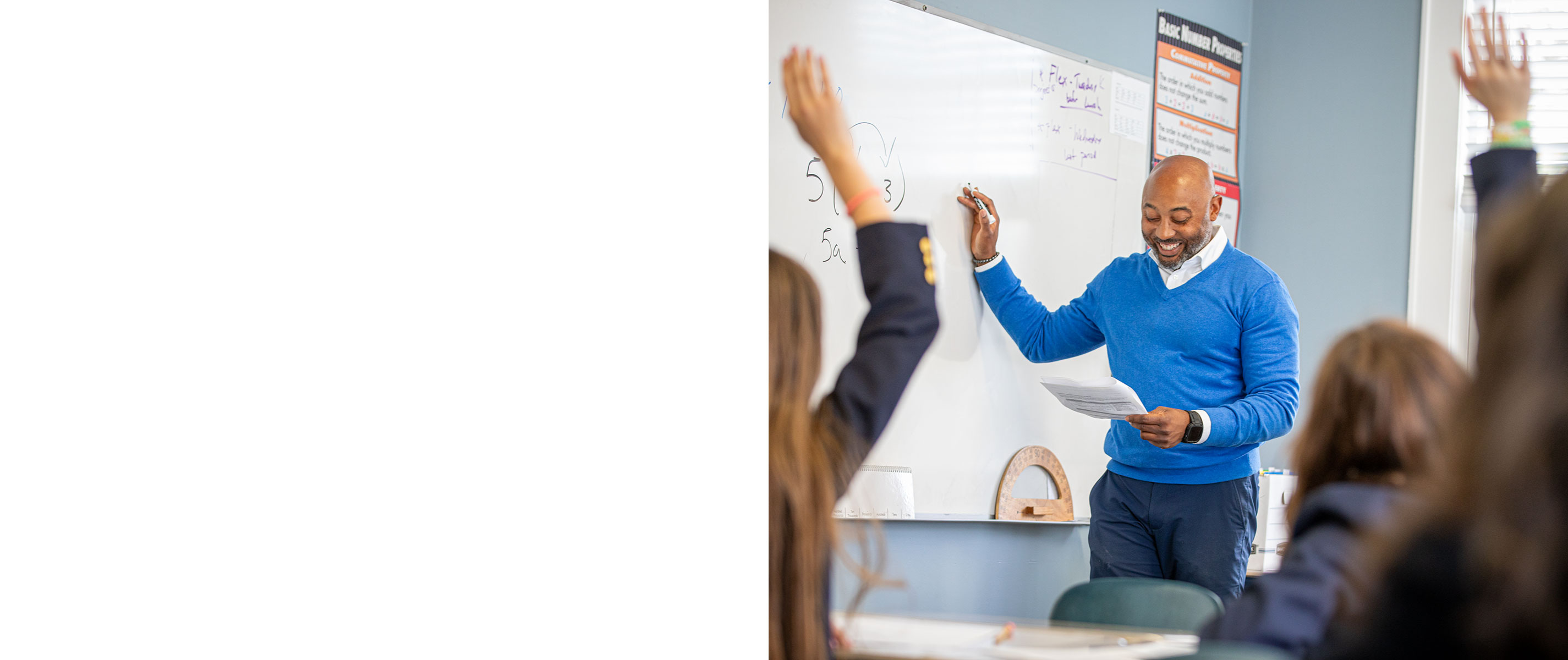
Our faculty also recognize that preparing students for middle school isn’t about making life easier, it’s about helping them become more capable. Students are regularly encouraged to lead discussions, participate in meaningful debate, consider perspectives different from their own, and take intellectual risks in a classroom environment built on trust and respect. Experienced teachers know when to provide support and when to step back, allowing students to work through obstacles independently and develop resilience.
This summer, for example, our incoming sixth graders began preparing for a new Passion Project by exploring topics they genuinely care about before the school year even begins. The goal is to replace anxiety about harder academic work with excitement about pursuing meaningful questions and taking ownership of their learning.
Ultimately, a successful transition to middle school isn’t about eliminating challenges. It’s about ensuring students feel prepared, supported, and confident enough to meet those challenges with curiosity, resilience, and a growing sense of independence.
← The Pros of Uniforms vs No Uniforms The People Who Bring Learning to Life →