












The Pros of Uniforms vs No Uniforms
Posted by Carlene Gordon-

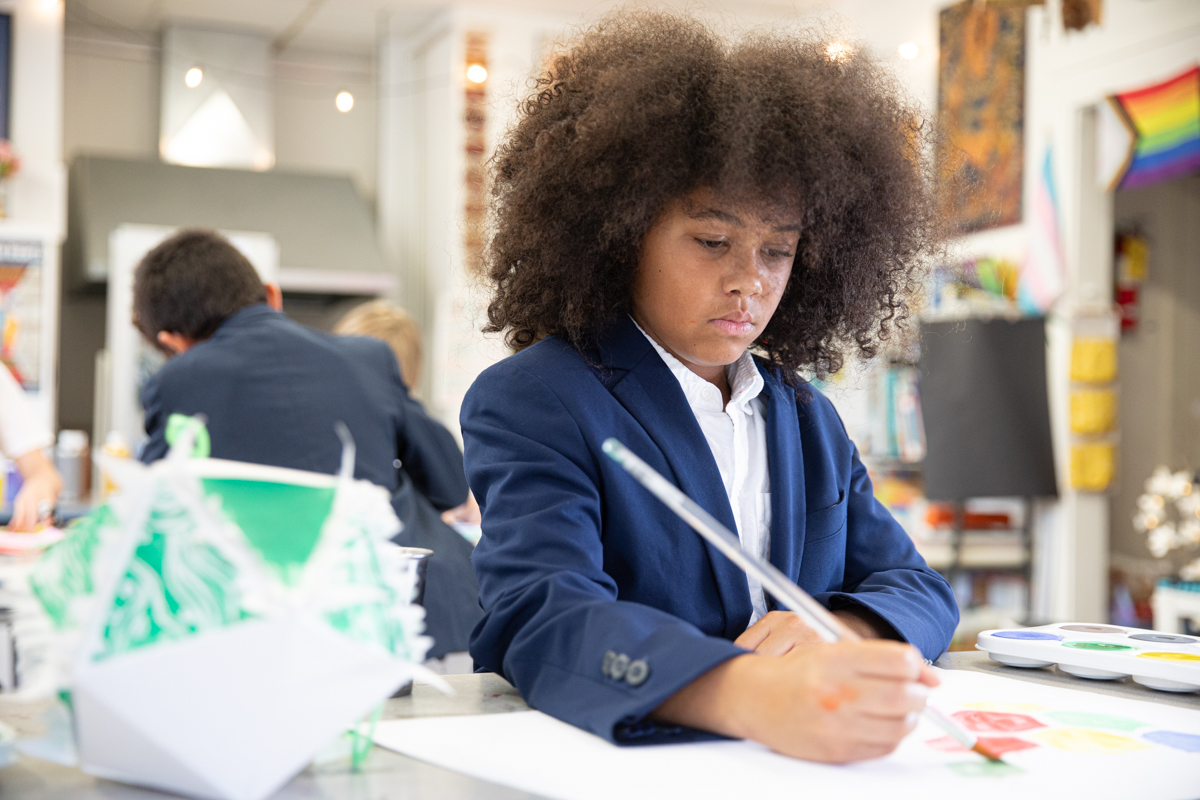
- When clothing becomes one less thing to think about, students can focus on what matters most:
-

- asking questions,

-

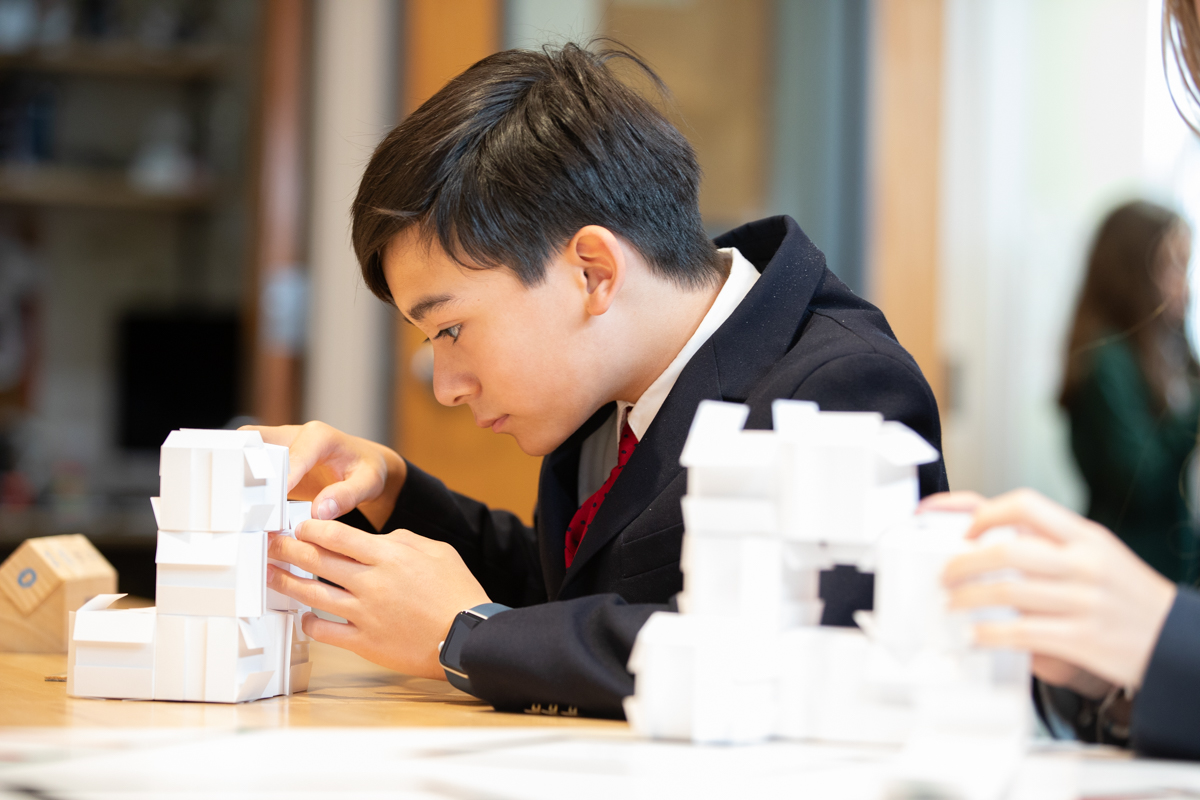
- solving problems
-

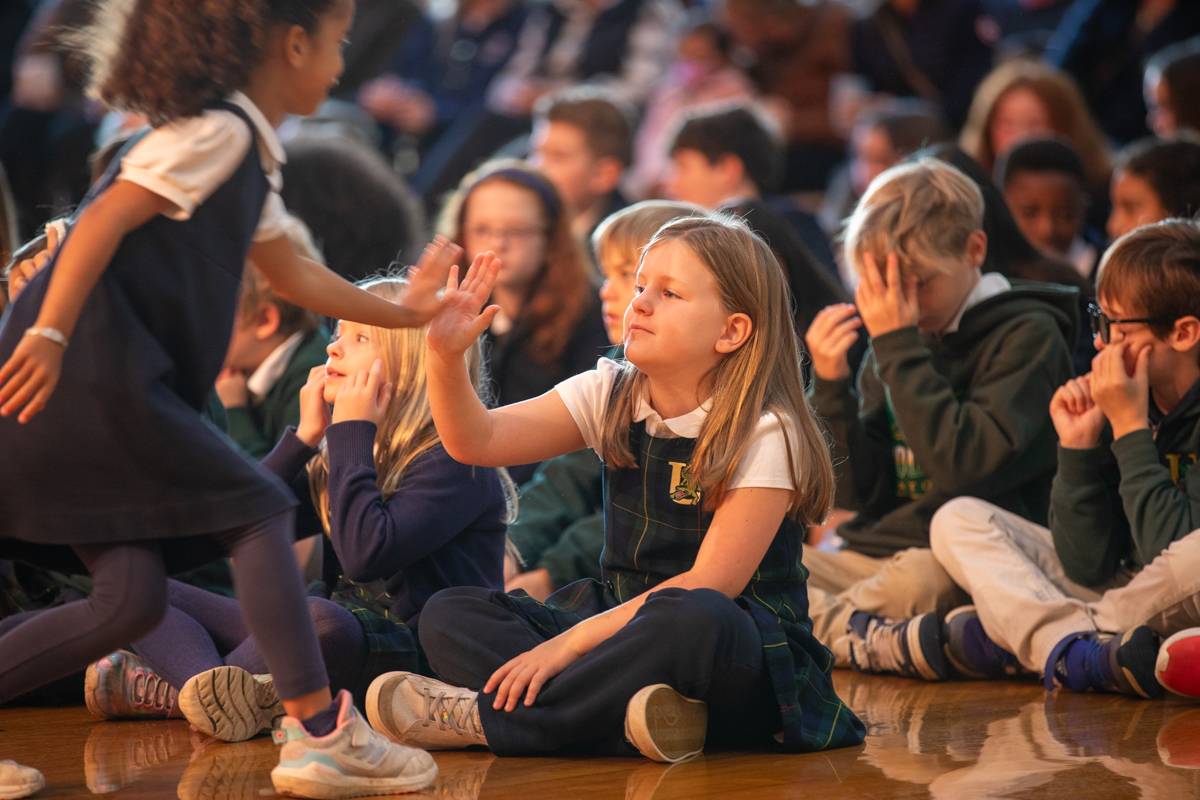
- collaborating with classmates
-

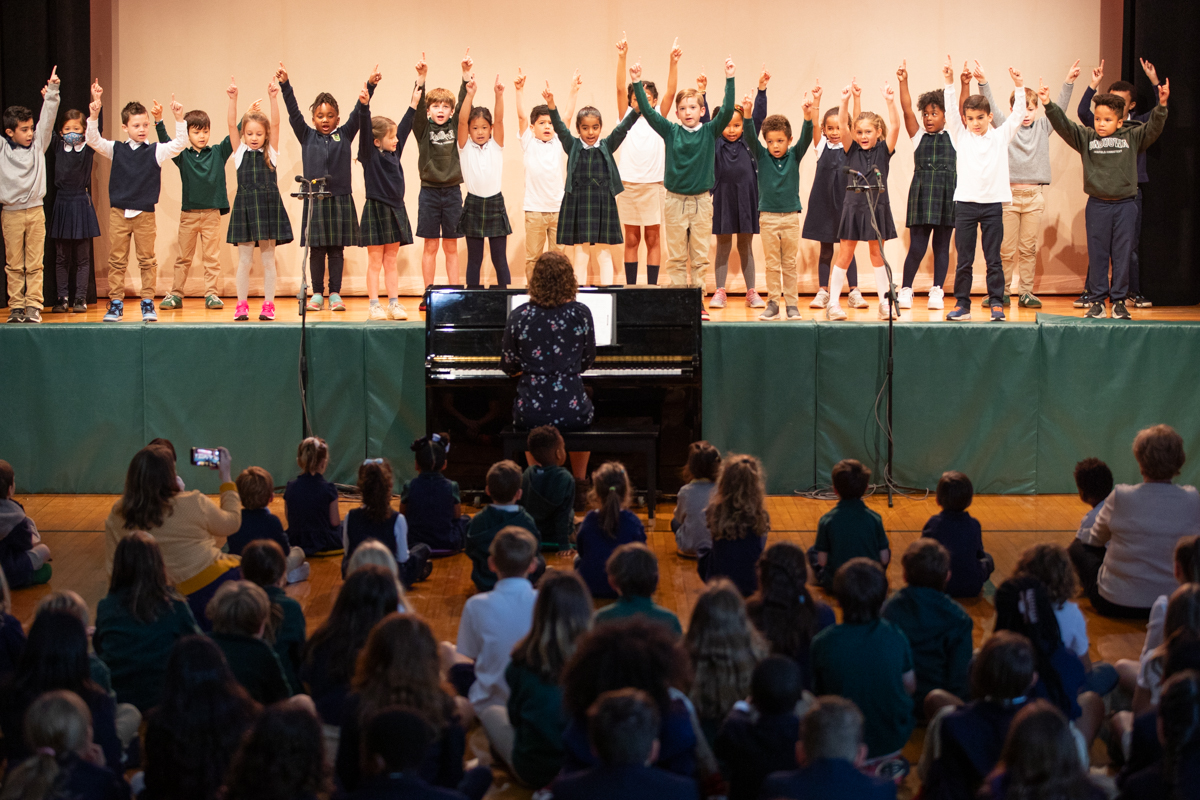
- and engaging deeply with their learning
One of the strongest arguments for a school uniform is that it teaches children, in a very practical way, that how we present ourselves can reflect the setting we are in and the responsibility we carry there. A thoughtful dress code can simplify the school day, reduce social distractions and help students develop an early understanding of situational awareness and etiquette.
At Unquowa, our dress code offers students choice within a range of uniform pieces. There is flexibility, but there is also a shared standard. For families, it can make the morning routine considerably easier. For students, it minimizes some of the comparison and conversation around clothing and allows the focus of the day to remain elsewhere.
We often tell students that the adults in their lives dress for the work they are there to do. Being a student is important work, too. As children mature, learning how to read a setting and present themselves appropriately is a social skill they will carry into high school, college and eventually their professional lives.
We see this most clearly with our Upper School students, who wear blazers for assemblies and certain field experiences. There is a noticeable shift in how they carry themselves. They understand that the occasion asks something different of them, and they respond with greater confidence and composure. As the oldest students on our campus, they are stepping into visible leadership roles, and their attire can reinforce that sense of responsibility.
Of course, personal expression matters as well. Our monthly casual days give students an opportunity to dress more informally and bring more of their individual style to campus. For us, the value is in the balance: helping children understand shared expectations while still creating appropriate space for individuality.
← The Power of Play: Why Unquowa is Reimagining Technology in the Early Years Helping Students Transition at Different Stages →