










From Observation to Understanding: Why Science Belongs in the Field
Posted by Joshua Bartosiewicz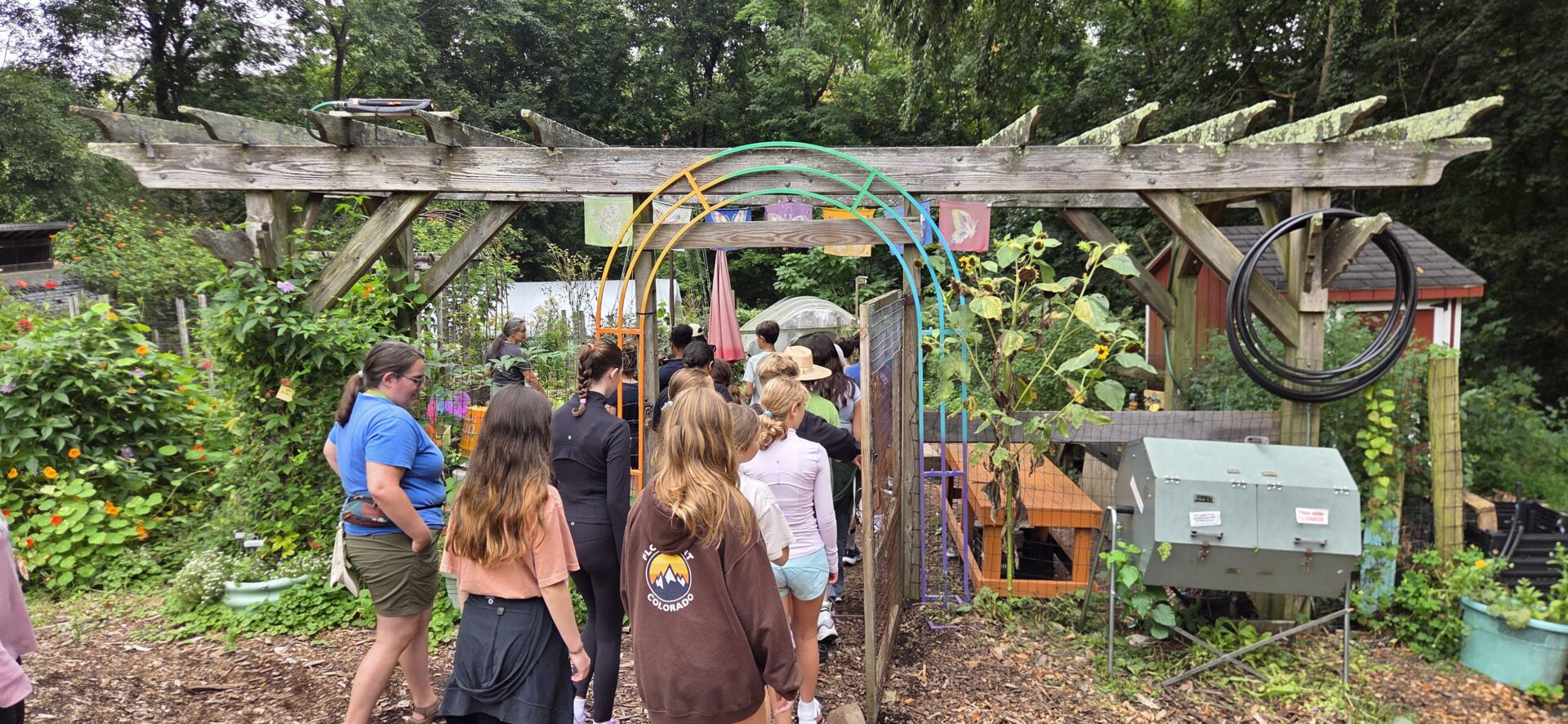
From Observation to Understanding: Why Science Belongs in the Field
By Joshua Bartosiewicz, Upper School Science Teacher
The best science learning often begins when students encounter something they did not expect.
A seed clings to a student’s clothing during a hike. A familiar vegetable looks entirely different growing in the soil. The shape of a plant raises a question about adaptation. Tracks along a trail offer evidence that an animal recently passed through.
These moments invite students to pause, observe and ask questions. They also reveal something important about science: it is not simply a collection of facts to be learned. It is a way of investigating and making sense of the world.
That is why field-based experiences are an essential part of science education at Unquowa.
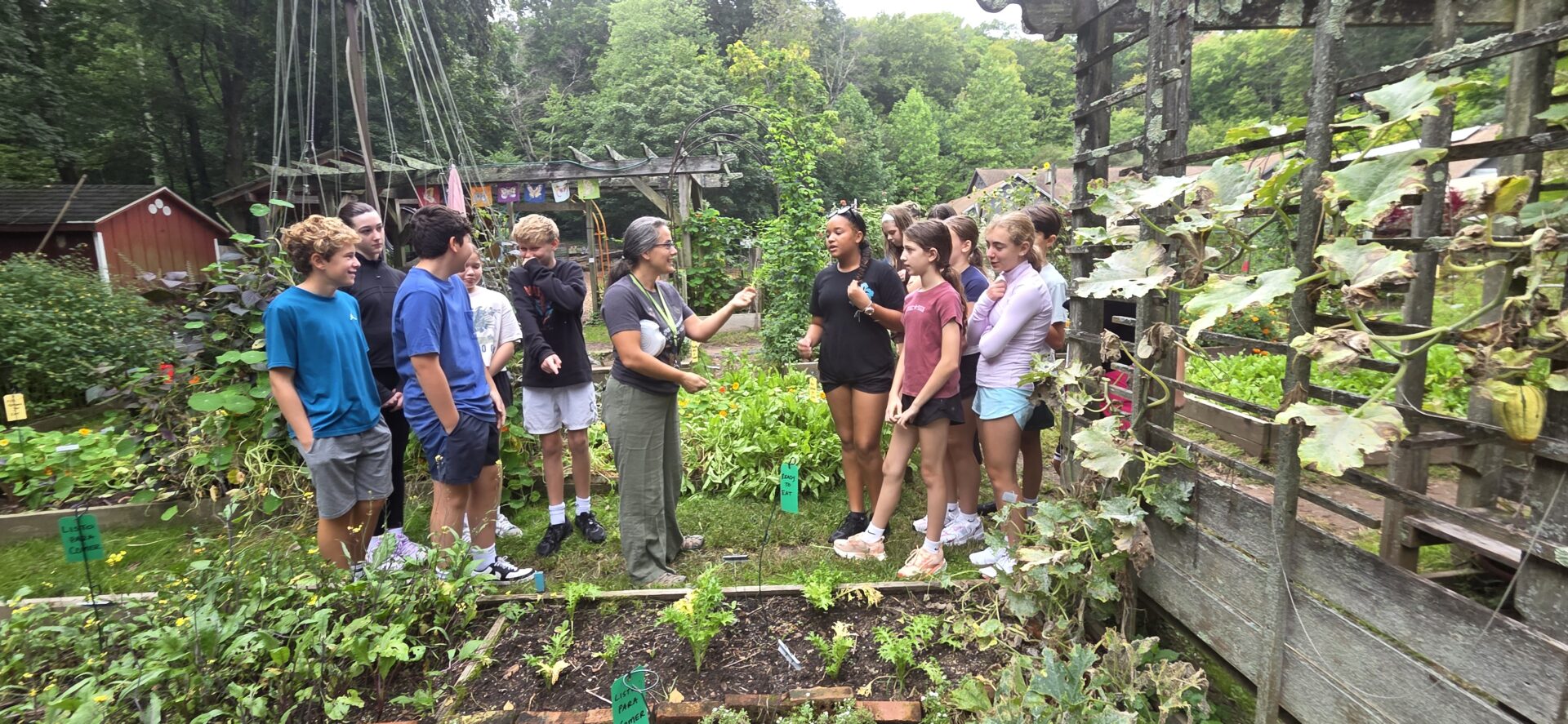
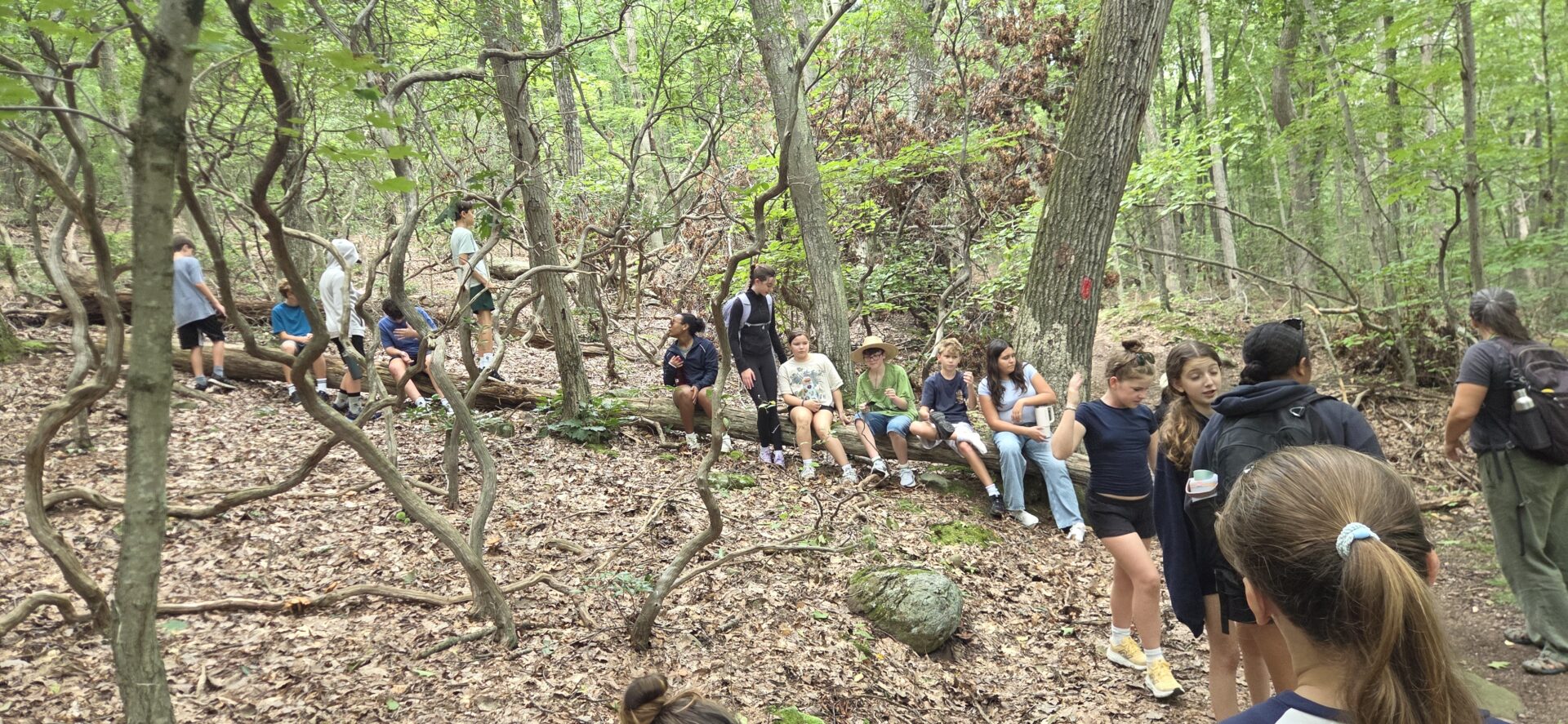
To begin the year, our seventh graders traveled to Common Ground in New Haven, where they explored gardens, prepared food from their harvest, interacted with farm animals and hiked through West Rock Park. The day introduced students to scientific concepts we will study throughout the year, but its greater purpose was to help them begin thinking and behaving like scientists.
Creating a Reason to Ask Questions
In a classroom, students may read about seed dispersal, pollination, species relationships, geological formations and biomimicry. In the field, they can see evidence of those processes unfolding around them.
This changes the nature of learning.
Instead of beginning with a definition, students begin with an observation: Why are these seeds shaped differently? How does this plant attract pollinators? What created this rock formation? How can we tell which animals have traveled through this area?
The scientific vocabulary still matters, but students now have an experience to connect it to. The concept is no longer abstract. It helps explain something they have actually noticed.
Understanding Systems Through Direct Experience
Field experiences also allow students to recognize relationships that are difficult to capture on a page.
At Common Ground, students moved from garden to kitchen as they harvested vegetables and herbs and used them to prepare their own mini pizzas. Along the way, they considered what it takes to grow, harvest, clean and prepare food. They learned about sustainable agricultural practices and saw how soil, plants, animals, people and food systems are interconnected.
This experience reinforced Unquowa’s Farm to Fork philosophy while encouraging students to think more deeply about a familiar part of their lives. A meal is not an isolated product. It is the result of a complex system involving natural resources, scientific knowledge, human labor and intentional choices.
Meeting and caring for chickens, goats, sheep and ducks added another layer to that understanding. Students considered not only what farm animals provide for people, but also the roles animals play within agricultural and environmental systems.
Helping Students Remember What They Learn
Experience alone does not guarantee understanding. The role of the teacher is to help students slow down, notice details, connect observations to scientific ideas and return to those experiences as their knowledge grows.
Throughout the year, our seventh graders will revisit many of the ideas introduced during this trip. When we discuss ecological relationships, plant reproduction, geology or environmental sustainability, students will have more than notes to reference. They will be able to recall what they touched, tasted, questioned and observed.
Those memories become intellectual anchors. They give new information somewhere to attach.
Most importantly, experiences like this help students see that science is happening all around them. They do not need to wait for a laboratory activity or a teacher’s instructions to investigate the world. They can observe closely, look for evidence, recognize patterns and ask thoughtful questions wherever they are.
Our goal is not simply for students to know more science. It is for them to begin seeing themselves as scientists, capable of using curiosity and evidence to better understand the world they share.
← High Expectations, Without the Assumptions