


Meet our Inspired Experts
Discover the expertise, ideas, and perspectives of the educators who bring learning to life at Unquowa
Raising Curious Thinkers
Posted by Sharon Lauer
Click here for Unquowa’s STEM Day family guide
Watch a young child encounter something unfamiliar, and you will witness curiosity in its most natural form. There is little hesitation in asking why, taking something apart, or imagining that an ordinary object might become something entirely different. Children are wonderfully unconcerned with whether their questions are sophisticated or their first attempts successful. Somewhere along the way, however, the desire to understand can give way to the desire to be right. The question becomes less important than the answer, and the possibility of being wrong begins to feel like something to avoid.
National STEM Day invites us to reconsider what we value in the learning process.
Science, technology, engineering, and mathematics are often associated with precision, logic, and measurable outcomes. Yet the intellectual habits at the heart of these disciplines are remarkably imaginative. Scientific discovery begins with a question. Engineering begins with a problem not yet solved. Innovation requires the willingness to challenge what we think we know. At Unquowa, this understanding has informed our approach to education since 1917. Learning by doing, questioning, and experimenting.
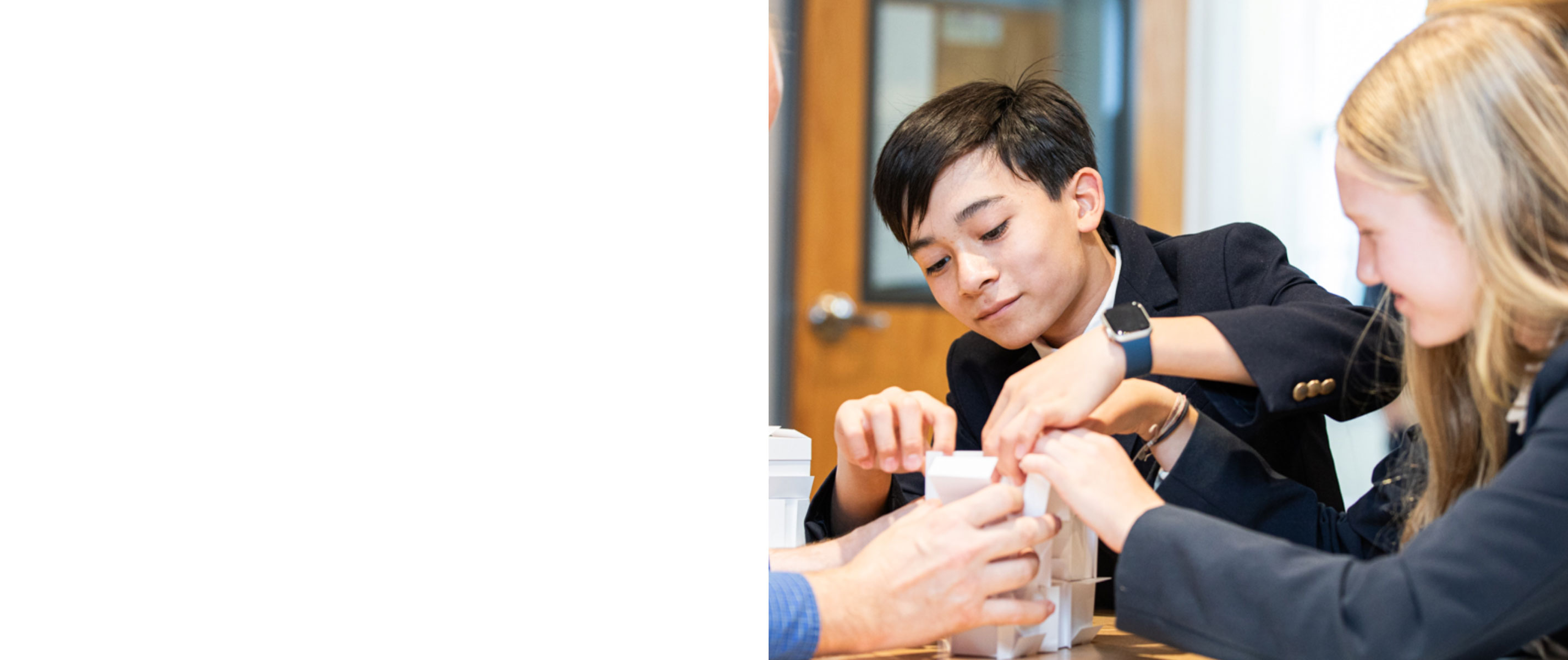
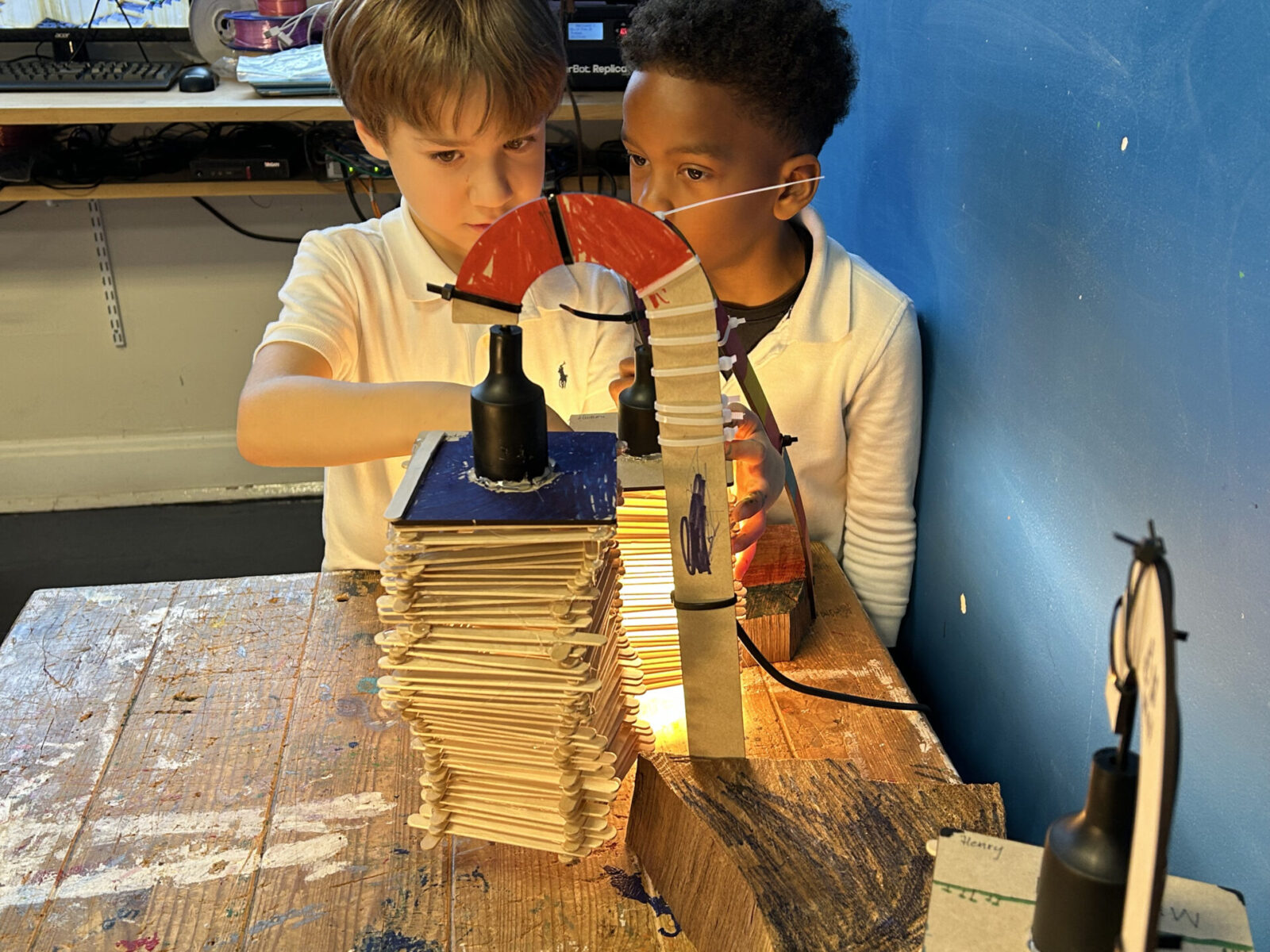
Our 1,500-square-foot Makerspace, where the garage meets the classroom, gives physical expression to this philosophy. Here, students work with wood, textiles, robotics, and 3-D printing, translating ideas into objects that can be examined, tested, dismantled, and reimagined. Our Makerspace Coordinator, Joey Casey, whose background is in design, understands that the creative process is rarely a straight line. In Joey’s words, “design teaches us that an idea is not something to defend, but something to investigate. When students learn to question their assumptions, test possibilities, and revise their thinking, they begin to understand that creativity and critical thinking are inseparable.” A failed design is not necessarily a failed endeavor. An unexpected result may reveal more than a predictable success. The student who pauses to reconsider an assumption is engaged in intellectual work every bit as important as the student who arrives at the correct answer.
This has implications for the language we use with children. When we praise them for being smart, we may inadvertently suggest that intelligence is something to demonstrate rather than develop.
When we notice the quality of a question, the ingenuity of an approach, or the willingness to begin again, we honor the thinking itself. Nor should we be too quick to rescue children from frustration. There is a difference between allowing a child to struggle without support and helping a child discover that difficulty need not signal defeat. Knowing when to intervene, when to ask another question, and when simply to give an idea room to develop is among the more nuanced responsibilities of teaching.
Ultimately, the habits cultivated through STEM extend well beyond the laboratory or Makerspace. They belong equally to the historian examining conflicting accounts, the writer revising a sentence, and the child learning to see a familiar problem from an unfamiliar perspective. Education should do more than equip children with answers to the questions we already know how to ask. It should cultivate the curiosity, judgment, and intellectual courage to confront those we have yet to imagine.
Before High School, Every Child Deserves the Chance to Lead
Posted by Sharon Lauer
-
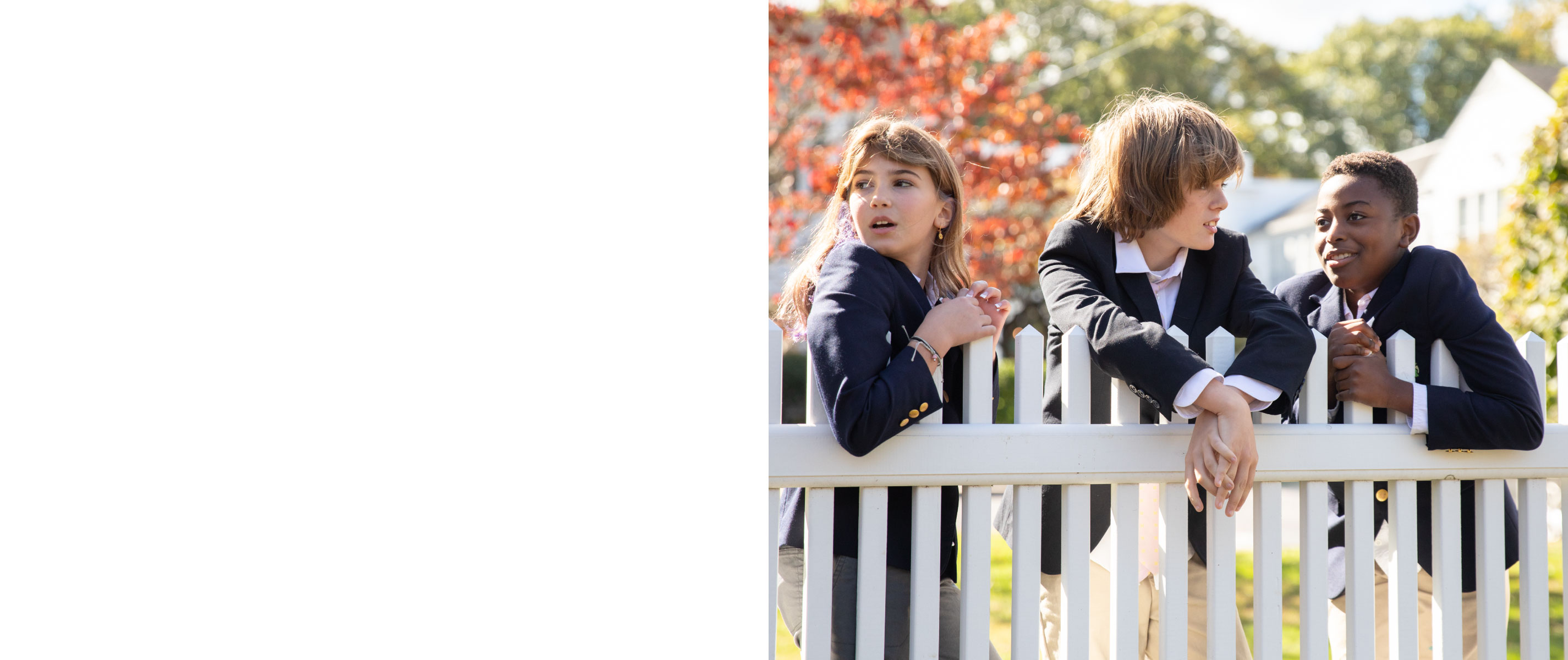
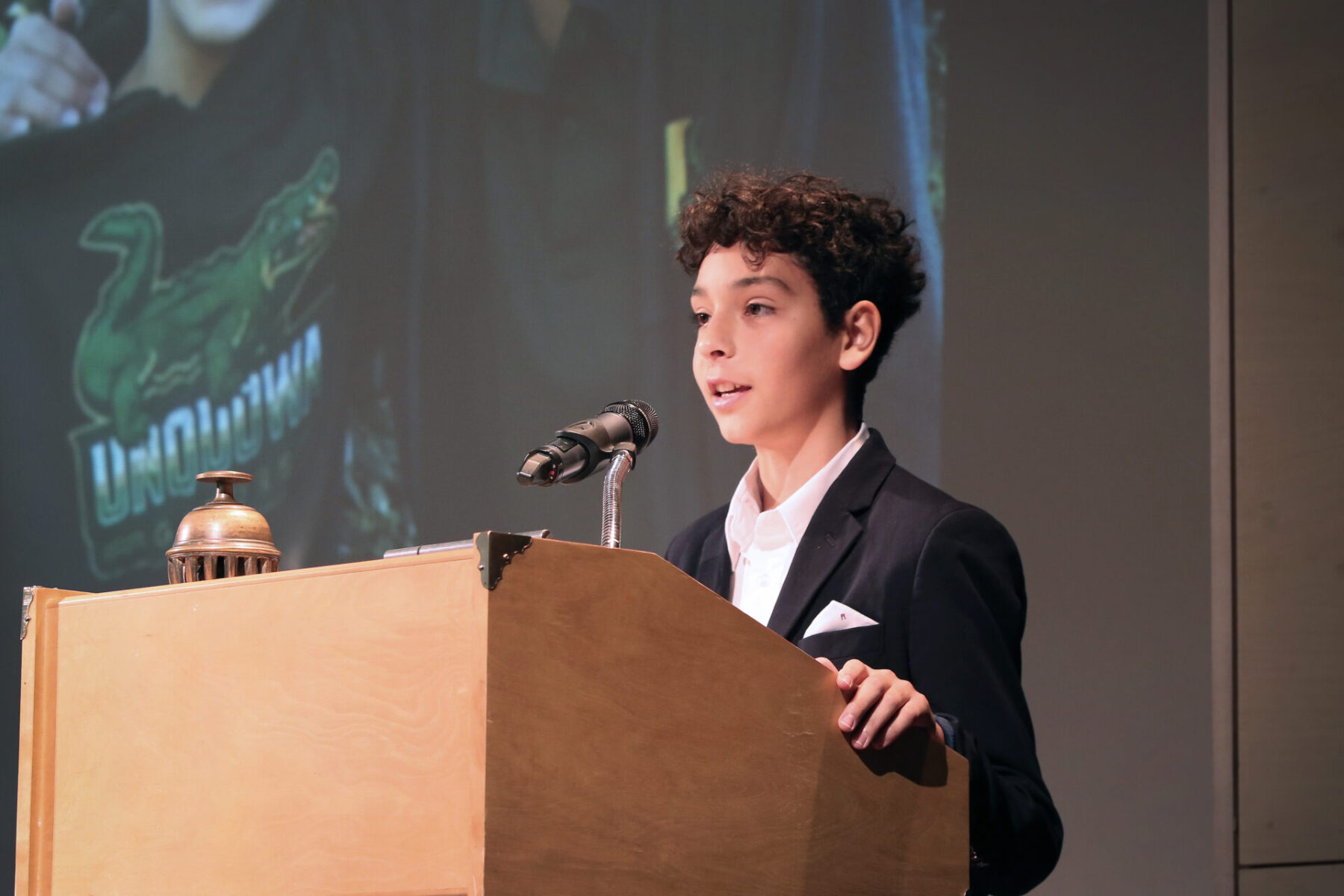
- As part of their eighth-grade capstone experience, students reflect on their learning, personal growth, and experiences at Unquowa, sharing their stories with the school community during Assembly
-
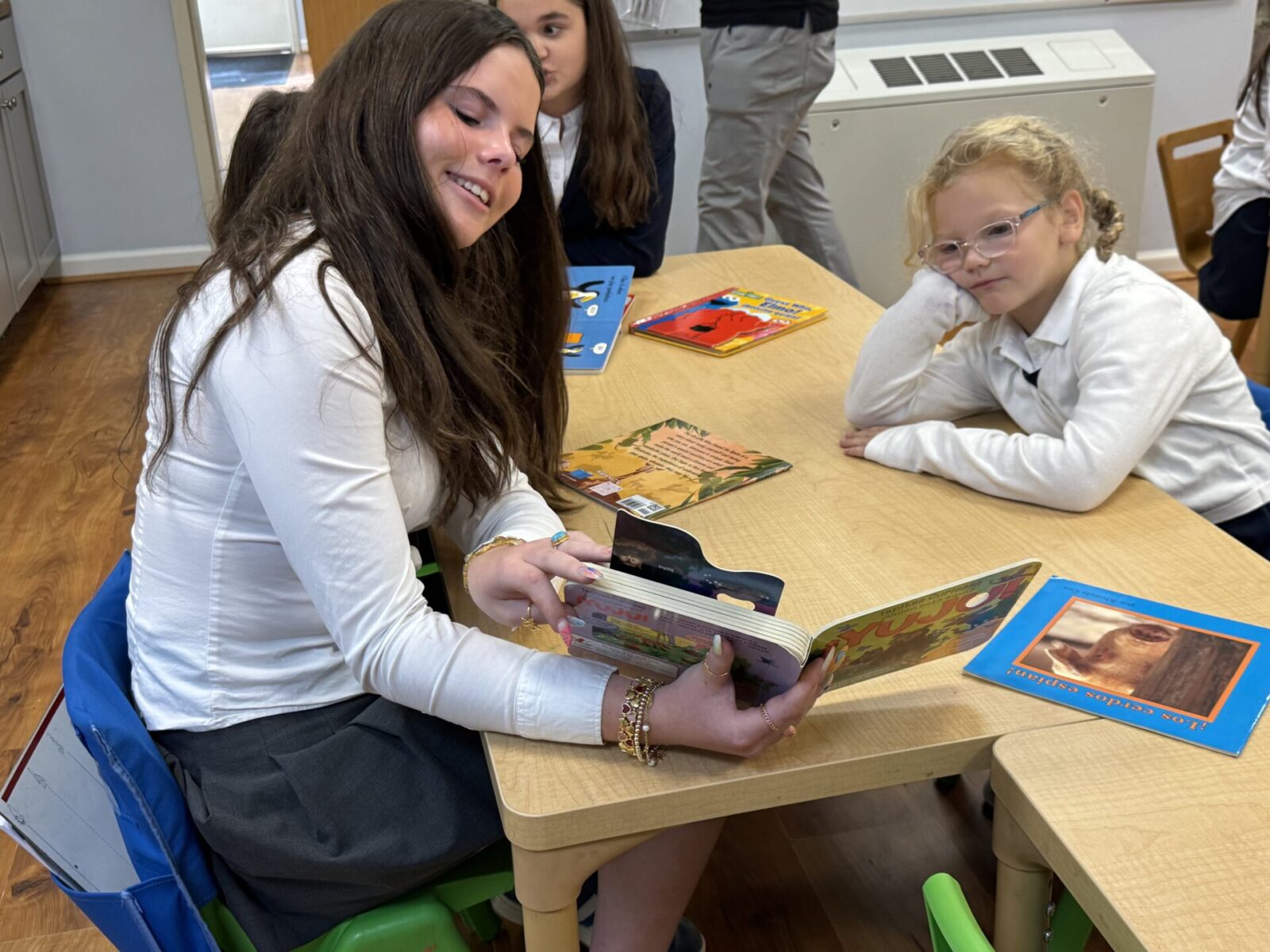
- Through opportunities to mentor and support younger classmates, Unquowa’s older students discover the compassion and confidence that come from being someone others look up to
-
- At Family Math Night, Upper School students take responsibility for guiding younger children through mathematical challenges, putting their knowledge and leadership skills into practice
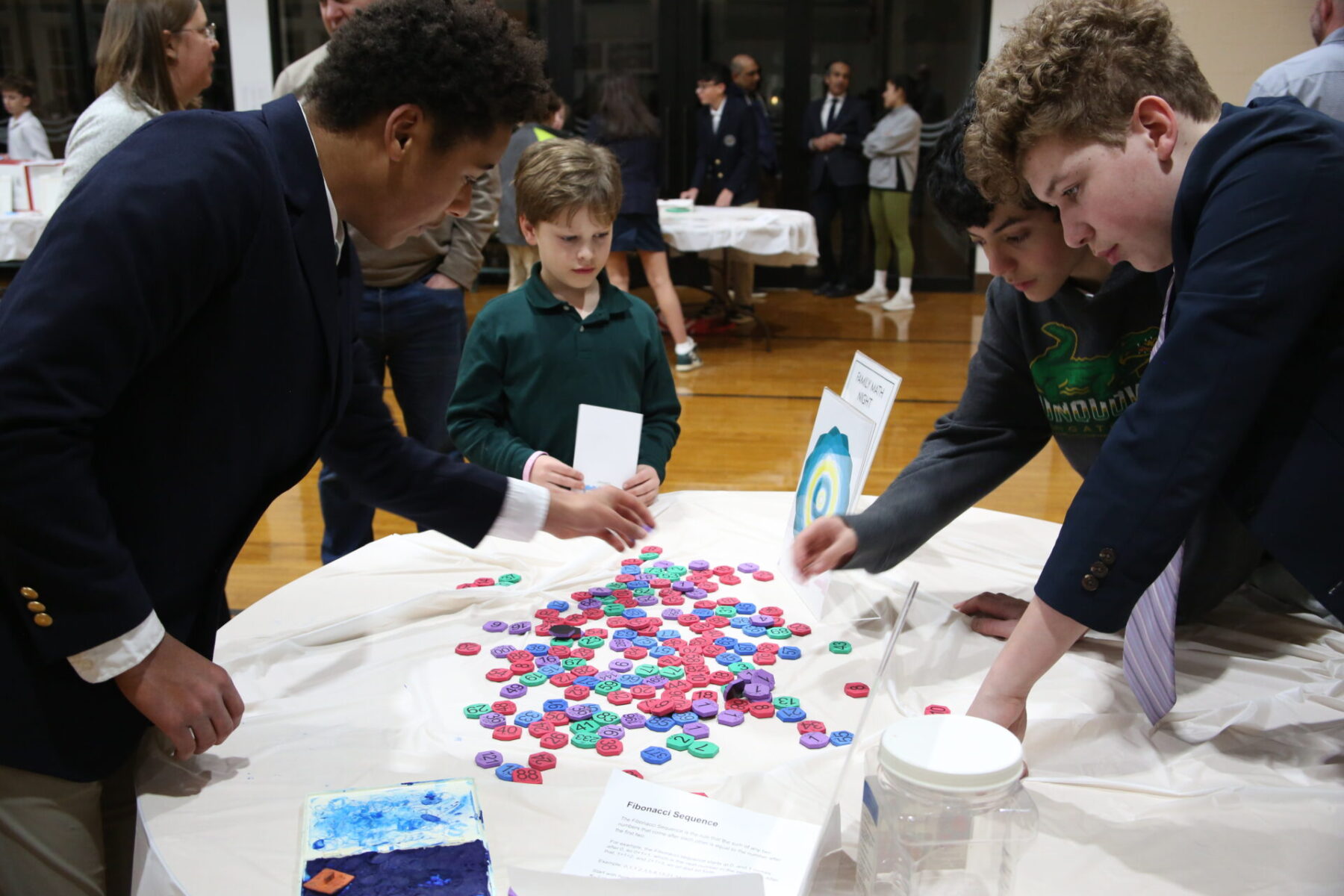
Ask an eighth grader what they remember about second grade, and you might expect stories about favorite teachers or classroom adventures. But at graduation, I often hear something else: the memory of an older student who offered a helping hand, spoke a kind word, or simply made them feel that they belonged.
The child who once looked up to an eighth grader, years later has become one. It is a gradual but remarkable transformation, and one of the most compelling arguments for a PreK–8 education.
We often speak of leadership as something children will develop when they are older. We guide them towards responsibility, independence, and confidence, as though these qualities emerge naturally with maturity and result in leadership qualities. But leadership is not simply a destination. It is a characteristic developed through practice, responsibility, and the experience of being needed and trusted.
This opportunity matters enormously during early adolescence, and in a PreK–8 school, eighth graders occupy a unique position to experience this opportunity. At an age when young people are beginning to understand their influence on others, the PreK-8 setting guides them to use that influence in a positive way by becoming the leaders of their community. Younger children look to them for guidance, teachers entrust them with responsibilities, and they see that their actions have consequences beyond their immediate circle of friends. The educational value lies not in the status of being oldest, but in what that position asks of them and how right action makes them feel.
At Unquowa, practicing this leadership role begins even earlier. Third and fourth graders help kindergarteners navigate school routines, and they contribute to their K-4th grade lunch service and cleanup. Older students welcome visitors, mentor younger classmates, and represent their school in the wider community. Responsibilities grow alongside their capacity to fulfill them. These are not symbolic gestures designed to make children feel important. They are opportunities to discover that they are important to the functioning of a community because they are capable.
There is an educational discipline in allowing children to take responsibility. Adults can usually accomplish a task more efficiently themselves. Teaching a child to take over requires patience, demonstration, encouragement, and occasionally the willingness to watch something unfold imperfectly. Yet that investment produces something far more enduring than a completed task: it produces competence and confidence. Confidence, after all, is not something we can simply give children through praise. It is something they acquire when experience teaches them that they are actually capable. A student who first speaks before a small group may eventually address the entire school at Assembly. Another may discover leadership not through public speaking, but through quietly helping a younger child, honoring a commitment, or finding the courage to challenge something unjust. Leadership doesn’t need to be loud to be consequential.
This is the key promise of the PreK–8 model. Before entering the larger, more complex social world of high school, students have an opportunity to see themselves as capable leaders in a community that knows them well, and this sends them off to high school with the confidence to spread their leadership wings in a larger school community.
Our responsibility as educators is not just to prepare students for the academic demands awaiting them in high school, though that is a crucial part of what we do. It is also to help them to develop the judgment, independence, and moral courage to meet an unfamiliar world with confidence and character. Before children must find their place in a larger community, there is extraordinary value in giving them the opportunity to live in and lead a smaller one.
Children Need More Than The Things We Can Measure
Posted by Sharon Lauer
When we become anxious about children’s achievement, our instinct is often to give them more of what we can measure. More math minutes. More reading instruction. More test preparation. More time devoted to the subjects most easily translated into scores, percentiles and benchmarks. The instinct is understandable. Parents and educators feel tremendous responsibility for preparing children for an increasingly competitive future. We worry about whether they are keeping pace, whether they will be ready for the next school, whether they will perform well on standardized tests and, eventually, whether they will gain admission to college.
But anxiety has a way of narrowing our thinking.
Perhaps the question is not, “What can we take away to give children more math?”
Perhaps the question is rather, “What are we unwilling to risk a child leaving school without having experienced?”
Too often, education is framed as a series of false choices: academics or the arts. Rigor or creativity. Achievement or joy. Preparation for the future or a rich childhood in the present.
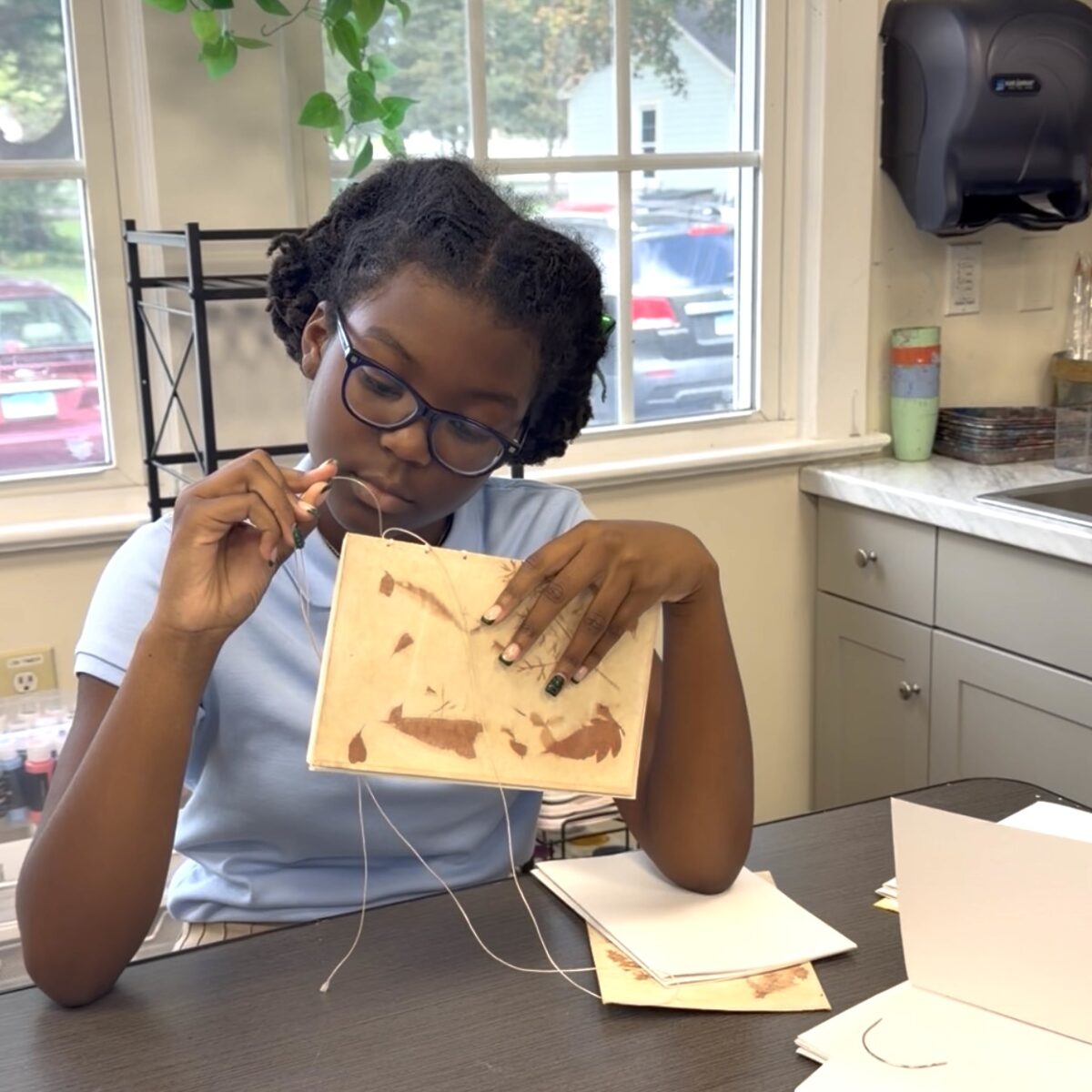
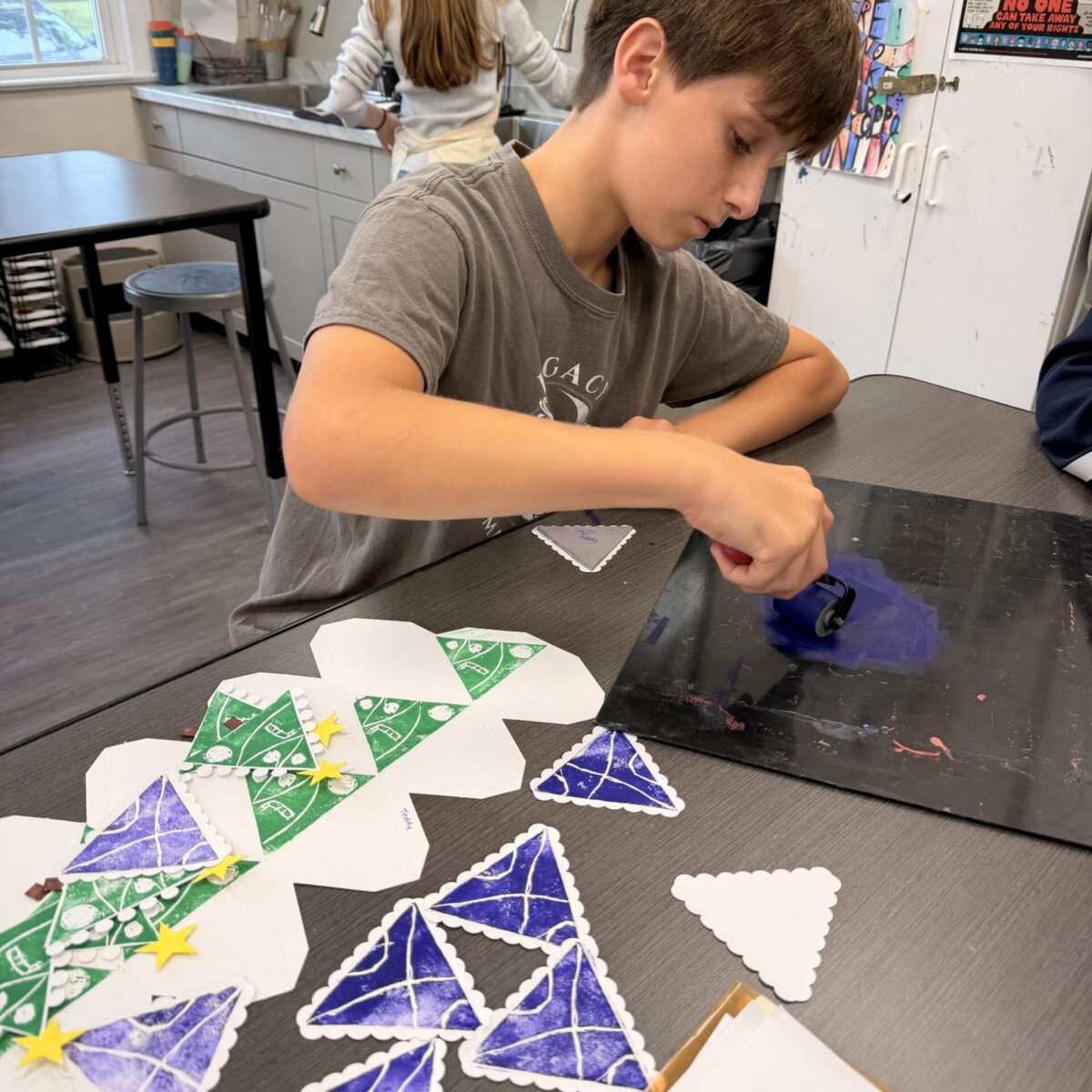
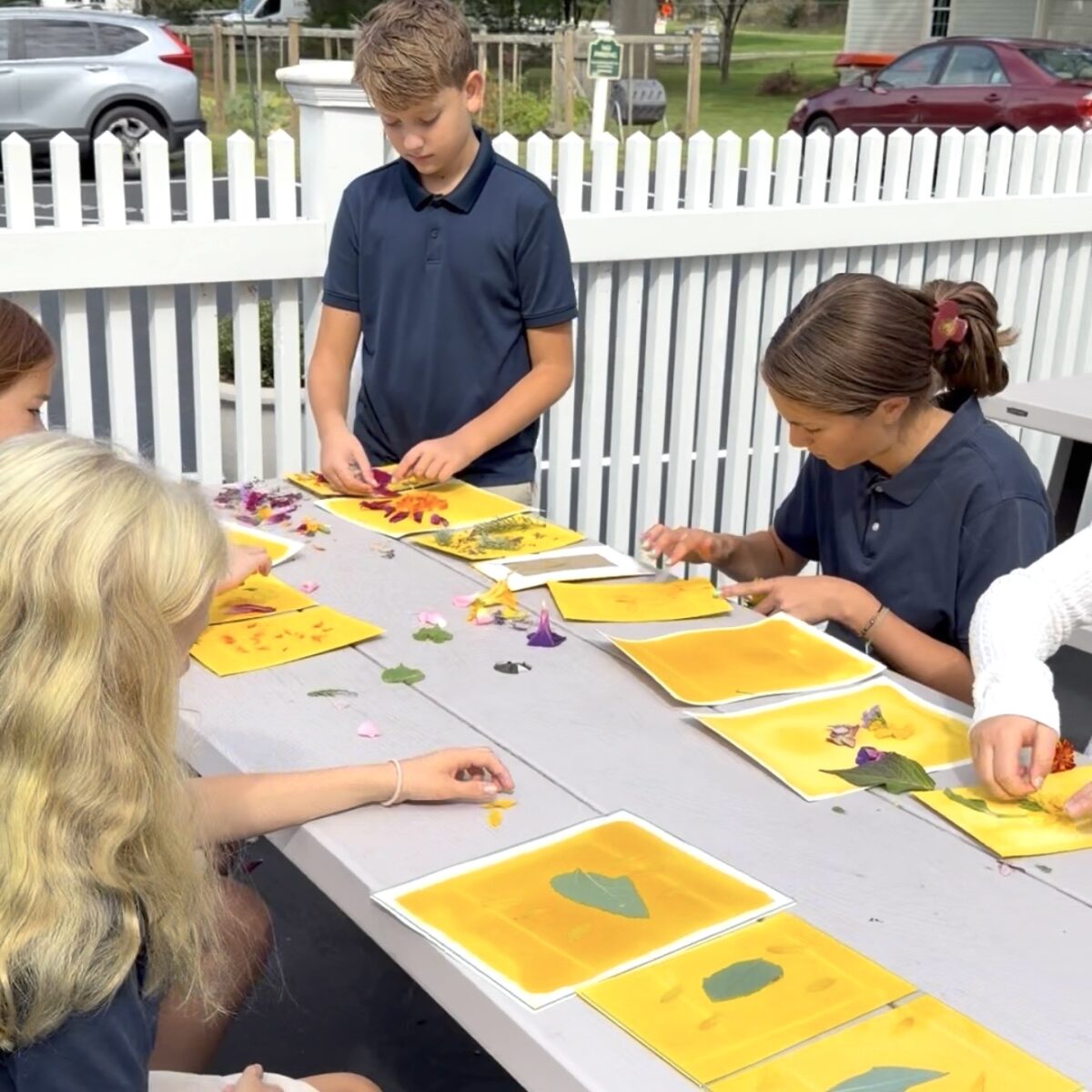
Powerful schools realize that these are not mutually exclusive choices but rather essential partners in a meaningful education. At Unquowa, students have time for serious mathematics and serious art. They can pursue an accelerated academic path that allows them to complete Algebra I and Geometry before eighth grade graduation, with some students advancing even further, and they also sing, paint, perform, build, play and create. Breadth does not require sacrificing depth. Belief in this matters because often when schools face pressure to demonstrate academic gains, the arts can become particularly vulnerable because their value is more difficult to reduce to a number. There is no percentile rank for being moved by a piece of music. No standardized assessment captures what happens when a child stands on a stage, takes a creative risk and discovers that they can command a room. Creativity, interpretation, aesthetic judgment and original thought resist tidy measurement, but that does not make them less important.
In fact, we should be careful not to confuse what is easiest to measure with what matters most. I do not believe we need to defend music because it might make children better mathematicians. We do not need to justify theater because it may improve reading scores or visual art because creativity could someday make a student more employable. Those arguments inadvertently concede the very premise we should be questioning: that the arts earn their place only when they can demonstrate their usefulness to something deemed more important. Children deserve encounters with beauty, culture, expression, imagination and performance because these experiences are part of becoming fully educated human beings.
Of course, measurable academic achievement matters. We are preparing students for competitive secondary schools and colleges, and we take that responsibility seriously. But college itself is not the final destination of an education. Life is. The child sitting in an elementary classroom today will someday need to navigate work, relationships, disappointment, uncertainty and change. We hope that child becomes not merely accomplished, but thoughtful. Not merely employable, but purposeful. Not merely successful by someone else’s metric, but capable of building a life that is ethical, meaningful and personally fulfilling.
No single test can measure that future. So when higher expectations tempt us to narrow a child’s education, we should do the opposite and protect its breadth fiercely. Our response to a demanding future should not be to offer children fewer measurable options. It should be to build an education expansive enough to prepare them for more possibilities.
Why Small Classes Matter Most When Children Are Just Beginning
Posted by Faith Barbuto
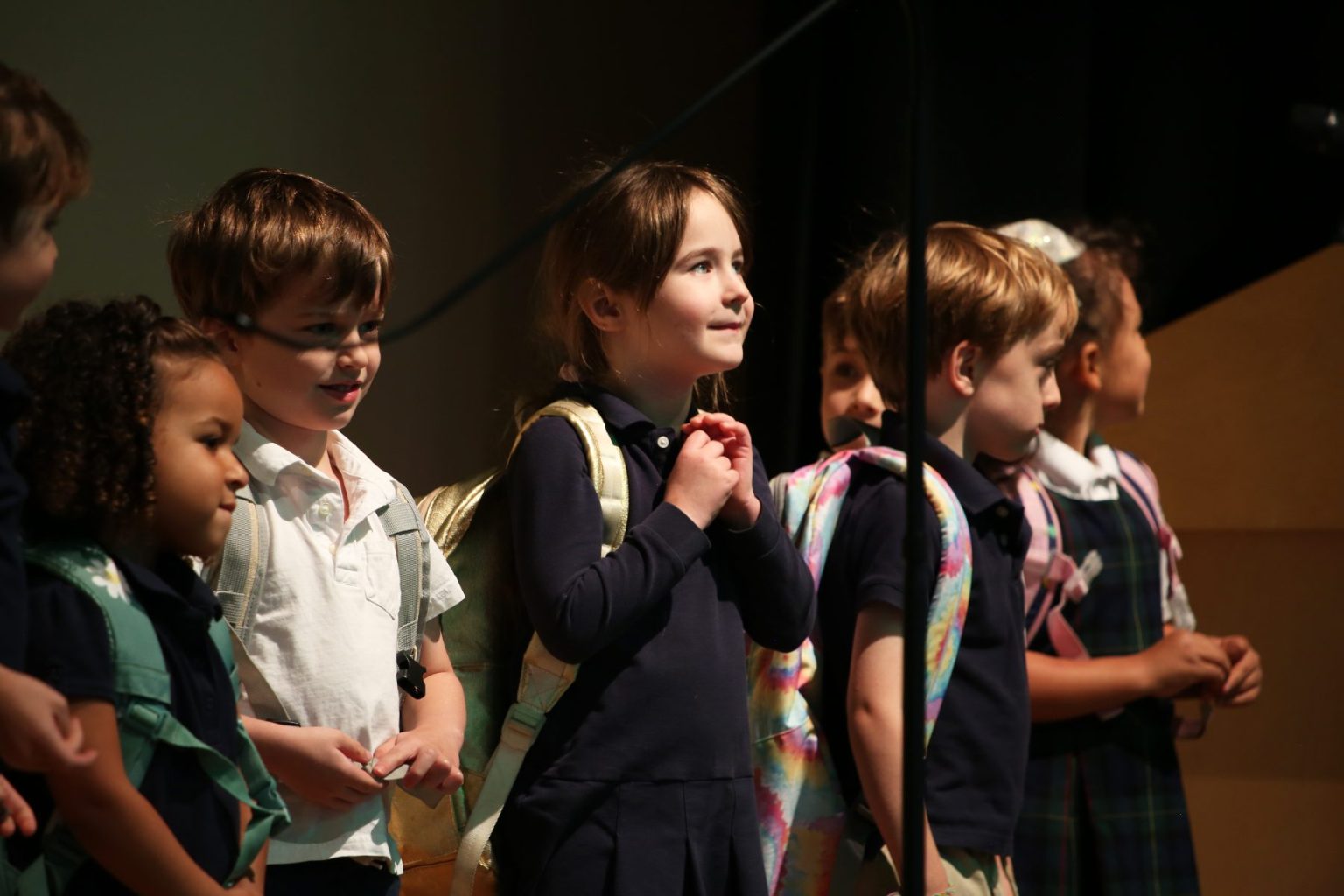
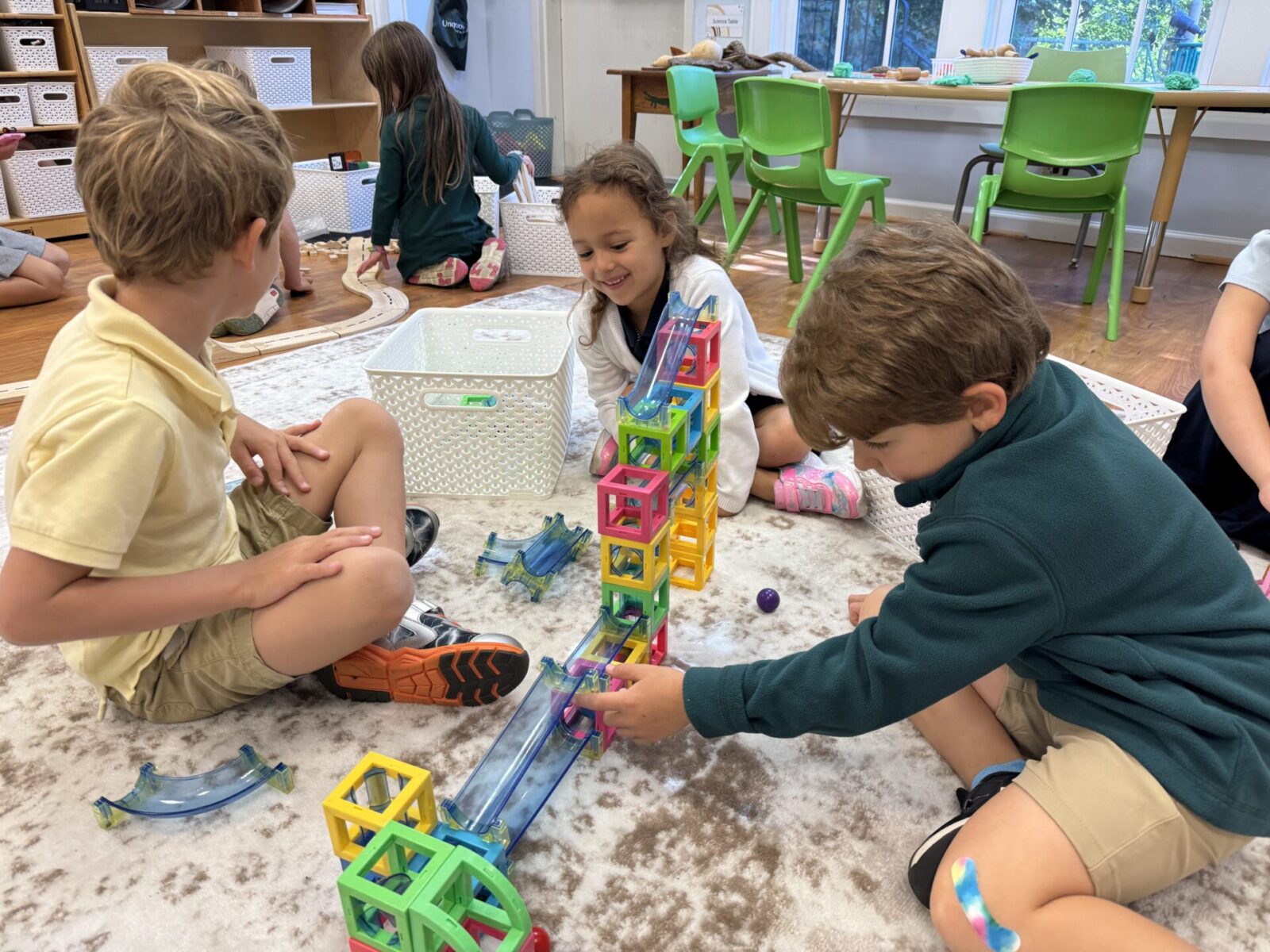
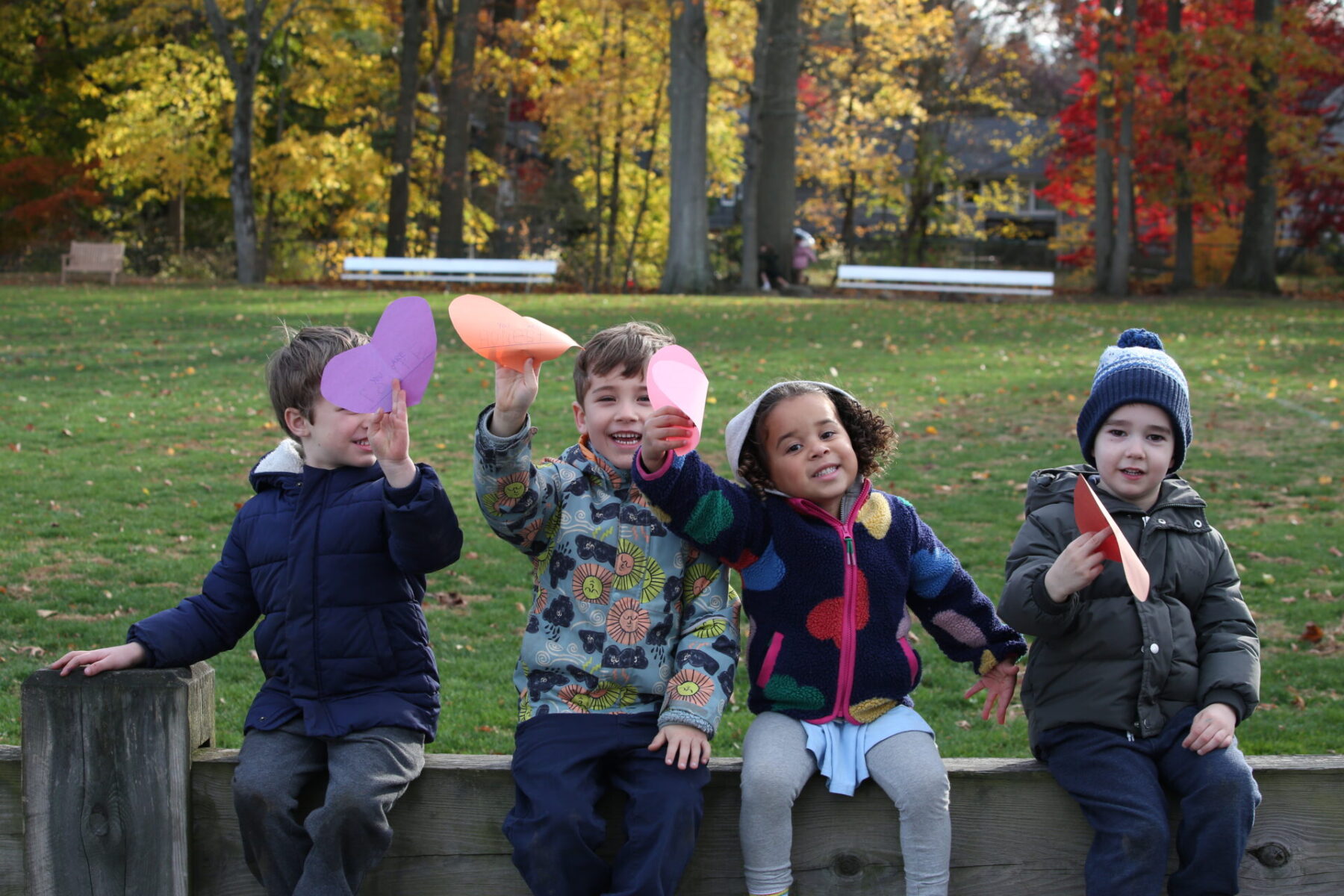
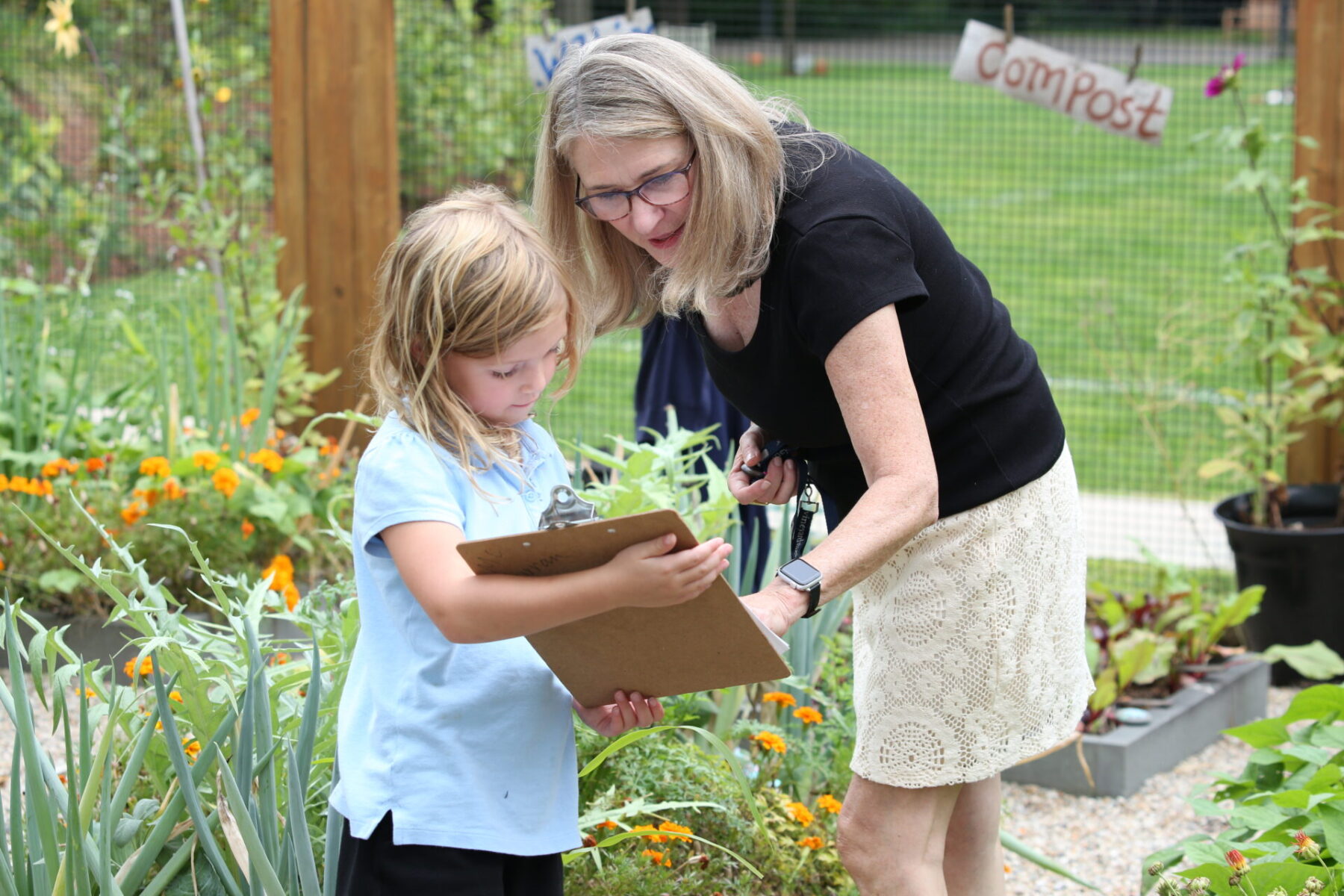
In the earliest years of school, being known isn’t simply comforting. It’s an educational advantage
Faith Barbuto, Early Childhood Coordinator, Unquowa School
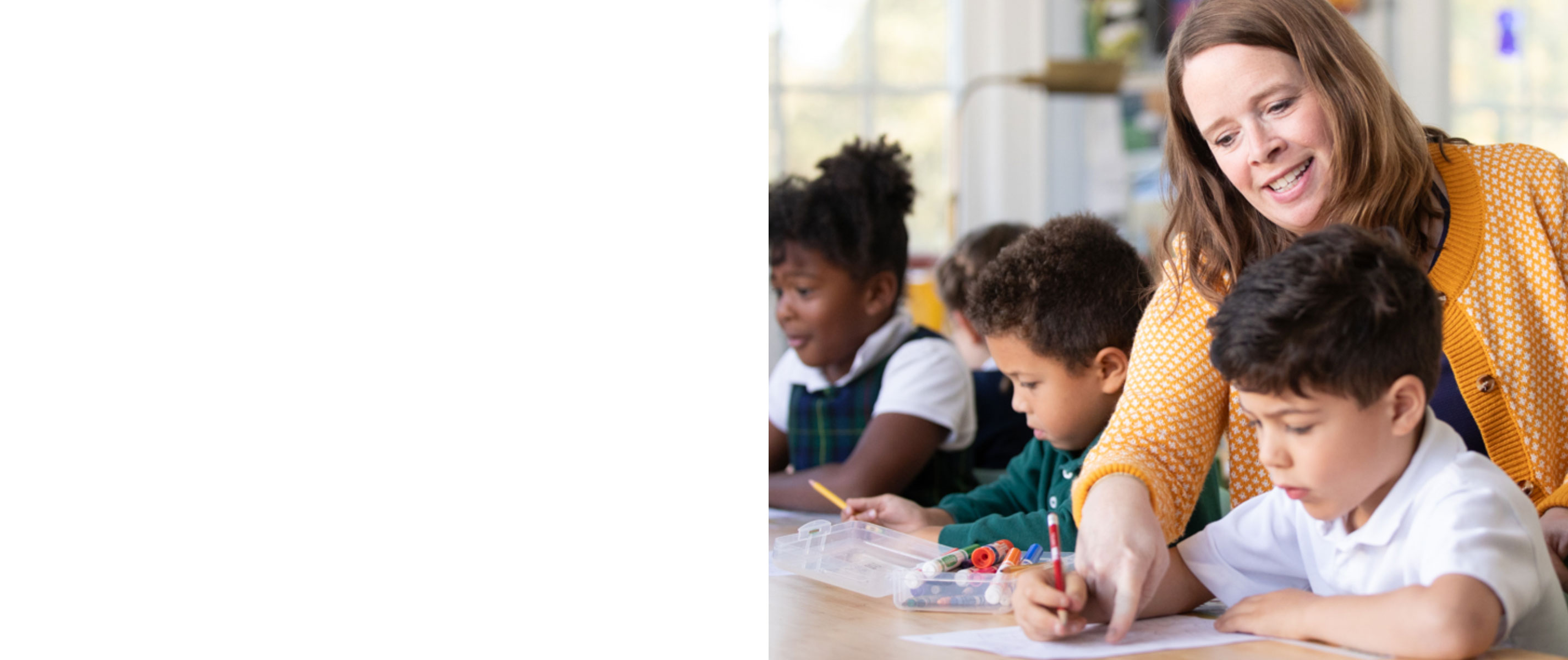
There is something interesting that happens in a small classroom: it becomes very difficult to disappear. A child can’t spend the morning quietly observing from the edges without a teacher noticing. A question doesn’t get lost because twenty other hands are raised. A misunderstanding can be caught before it becomes a habit. And when a child is ready for more, there is someone close enough to recognize that, too. In Early Childhood, that proximity matters enormously.
Four and five year olds arrive at school at remarkably different points in their development. Once may already be fascinated by letters while another is beginning to hear the sounds within words. One child may confidently enter a group while another is still learning how to join. Some need encouragement to slow down and persist. Others need the confidence to take a risk. None of this means lowering expectations. Quite the opposite. A teacher who knows children well can ask more of them because they know when the children are ready.
In a small classroom, instruction can respond to what is happening in real time. A teacher can extend the question for the child who has already grasped the concept, sit beside the student who needs another way into it, and recognize the moment when someone who usually hands back is ready to take the lead.
But perhaps the less obvious advantage of a small Early Childhood classroom is what happens between the children themselves. In a larger group, it can be relatively easy for a child to move away from a difficult social situation and find someone else to play with. Small communities work differently. Children see one another again and again. They have to negotiate whose idea to use. They have to wait. Share materials. Find words when they disagree. Repair friendships. Learn that the child who frustrated them yesterday may be their partner today.
Over time, a small classroom begins to function a little like a family. That doesn’t make the social experience smaller. In some ways, it makes it richer. Children cannot simply choose relationships that are easy. They learn how to be part of a community, including all the compromise, patience, empathy and resilience that requires. And the teacher is close enough to know when to step in and, just as importantly, when not to.
There is another relationship that becomes especially important in these early years: the relationship between teachers and parents. When classes are intentionally small, teachers don’t only have more opportunities to know their students. They have the opportunity to know their families, too. Conversations can go beyond reports about what happened during the school day. We can share the small things we are noticing, talk through a new behavior or developmental stage, celebrate progress that might otherwise go unseen, and offer perspective when a parent is wondering, Is this typical? Should I be concerned? How should I respond at home?
Those conversations matter because four- and five-year-olds are changing quickly, and parents are navigating those changes right alongside them. Sometimes a family needs information. Sometimes they need reassurance. Sometimes a teacher sees something at school that helps a parent understand what they are seeing at home, or a parent shares something that gives the teacher an entirely new understanding of what is happening in the classroom.
That kind of partnership gives us a fuller picture of the child. Teachers bring what they observe at school. Parents bring everything they know about their child beyond it. When those perspectives are shared openly, we can respond with greater consistency, challenge children more thoughtfully and help them develop increasing independence.
This is one of the great opportunities of Early Childhood education at Unquowa. We are not simply teaching children letters, numbers and how to sit at circle time. We are helping them develop their first understanding of themselves as learners and as members of a community, in partnership with the families who know them best.
Those beginnings deserve enormous attention.
At Unquowa, small Early Childhood classes are not small by accident. We believe these formative years benefit from classrooms where teachers can notice more, respond sooner, challenge thoughtfully, build strong partnerships with families and help children develop genuine independence.
Because in the years when children are learning what school is, being known well gives them more room to grow.
From Observation to Understanding: Why Science Belongs in the Field
Posted by Joshua Bartosiewicz
From Observation to Understanding: Why Science Belongs in the Field
By Joshua Bartosiewicz, Upper School Science Teacher
The best science learning often begins when students encounter something they did not expect.
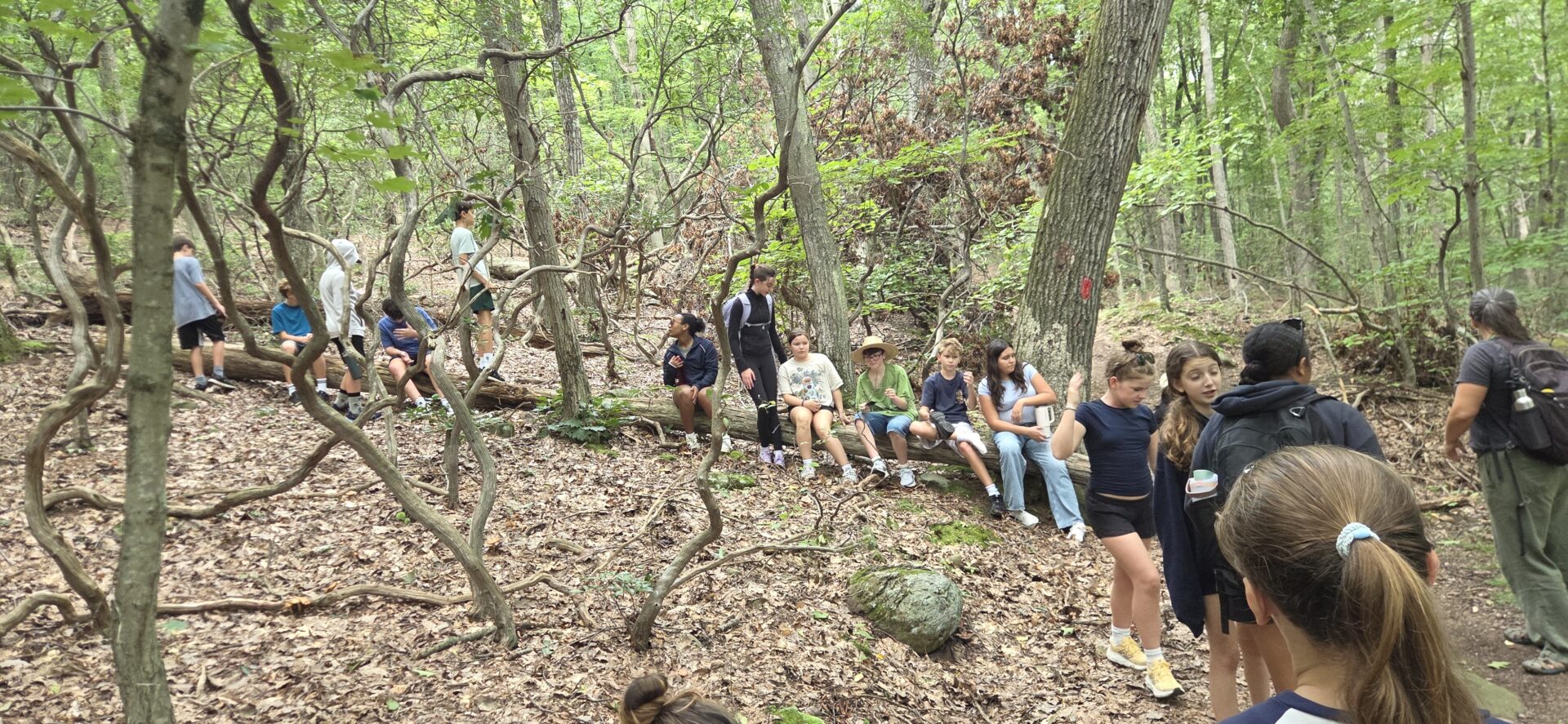
A seed clings to a student’s clothing during a hike. A familiar vegetable looks entirely different growing in the soil. The shape of a plant raises a question about adaptation. Tracks along a trail offer evidence that an animal recently passed through.
These moments invite students to pause, observe and ask questions. They also reveal something important about science: it is not simply a collection of facts to be learned. It is a way of investigating and making sense of the world.
That is why field-based experiences are an essential part of science education at Unquowa.
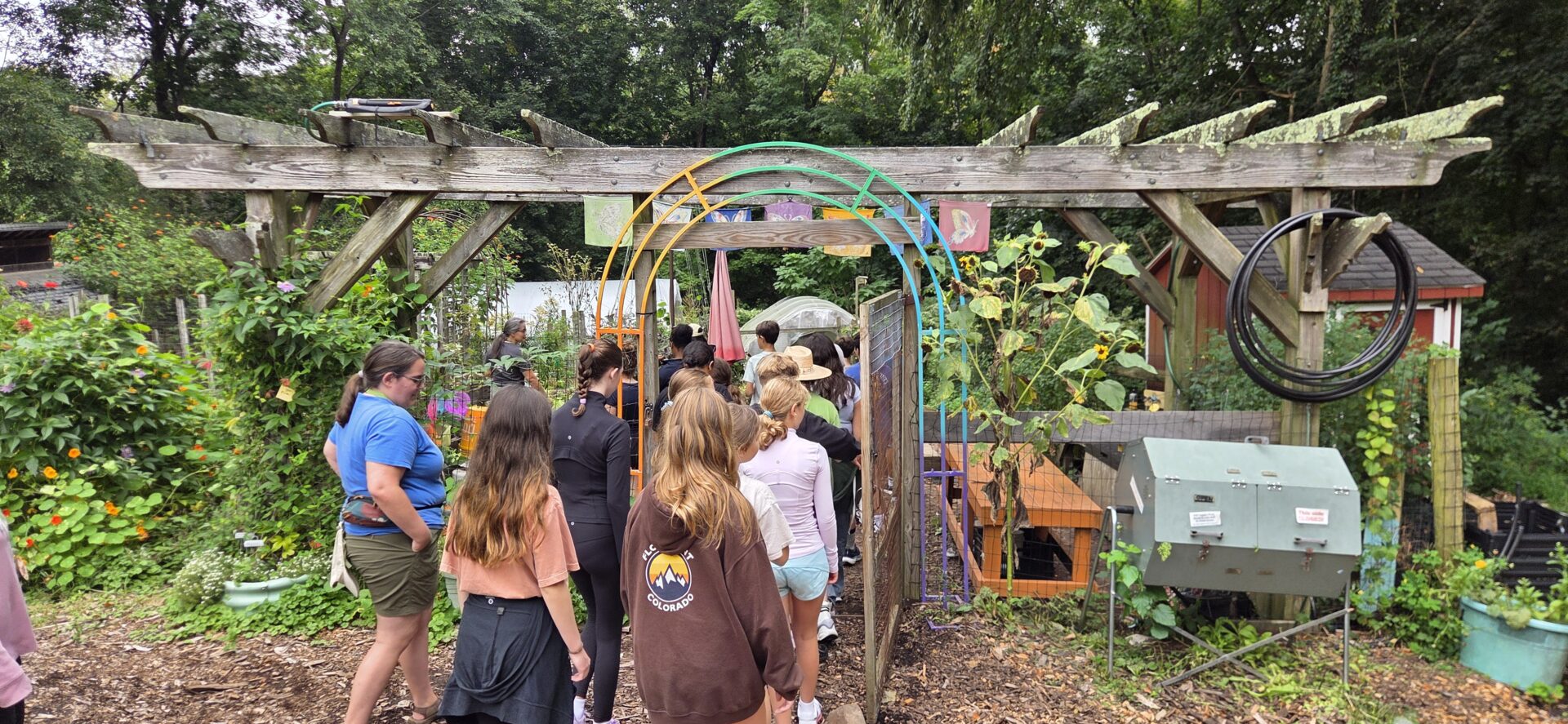
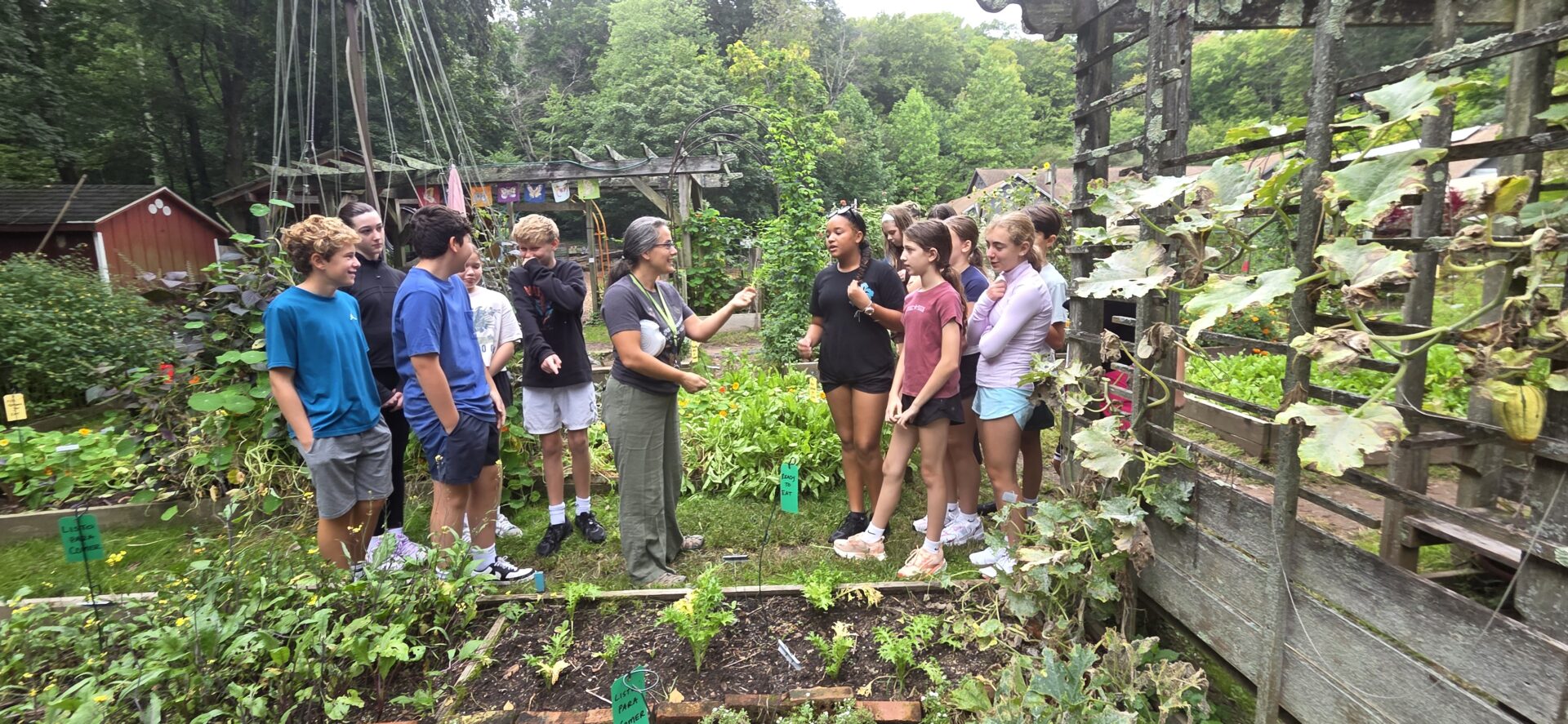
To begin the year, our seventh graders traveled to Common Ground in New Haven, where they explored gardens, prepared food from their harvest, interacted with farm animals and hiked through West Rock Park. The day introduced students to scientific concepts we will study throughout the year, but its greater purpose was to help them begin thinking and behaving like scientists.
Creating a Reason to Ask Questions
In a classroom, students may read about seed dispersal, pollination, species relationships, geological formations and biomimicry. In the field, they can see evidence of those processes unfolding around them.
This changes the nature of learning.
Instead of beginning with a definition, students begin with an observation: Why are these seeds shaped differently? How does this plant attract pollinators? What created this rock formation? How can we tell which animals have traveled through this area?
The scientific vocabulary still matters, but students now have an experience to connect it to. The concept is no longer abstract. It helps explain something they have actually noticed.
Understanding Systems Through Direct Experience
Field experiences also allow students to recognize relationships that are difficult to capture on a page.
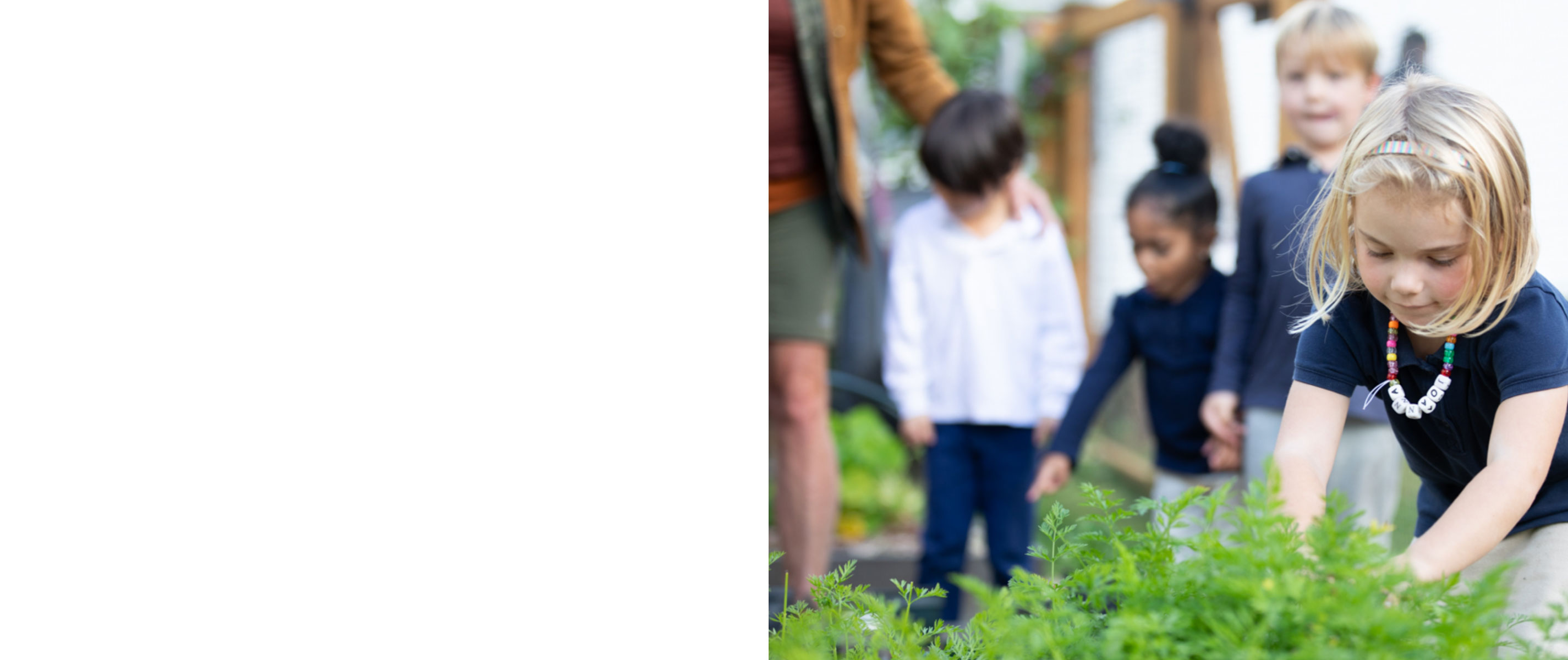
At Common Ground, students moved from garden to kitchen as they harvested vegetables and herbs and used them to prepare their own mini pizzas. Along the way, they considered what it takes to grow, harvest, clean and prepare food. They learned about sustainable agricultural practices and saw how soil, plants, animals, people and food systems are interconnected.
This experience reinforced Unquowa’s Farm to Fork philosophy while encouraging students to think more deeply about a familiar part of their lives. A meal is not an isolated product. It is the result of a complex system involving natural resources, scientific knowledge, human labor and intentional choices.
Meeting and caring for chickens, goats, sheep and ducks added another layer to that understanding. Students considered not only what farm animals provide for people, but also the roles animals play within agricultural and environmental systems.
Helping Students Remember What They Learn
Experience alone does not guarantee understanding. The role of the teacher is to help students slow down, notice details, connect observations to scientific ideas and return to those experiences as their knowledge grows.
Throughout the year, our seventh graders will revisit many of the ideas introduced during this trip. When we discuss ecological relationships, plant reproduction, geology or environmental sustainability, students will have more than notes to reference. They will be able to recall what they touched, tasted, questioned and observed.
Those memories become intellectual anchors. They give new information somewhere to attach.
Most importantly, experiences like this help students see that science is happening all around them. They do not need to wait for a laboratory activity or a teacher’s instructions to investigate the world. They can observe closely, look for evidence, recognize patterns and ask thoughtful questions wherever they are.
Our goal is not simply for students to know more science. It is for them to begin seeing themselves as scientists, capable of using curiosity and evidence to better understand the world they share.
High Expectations, Without the Assumptions
Posted by Karen Williamson
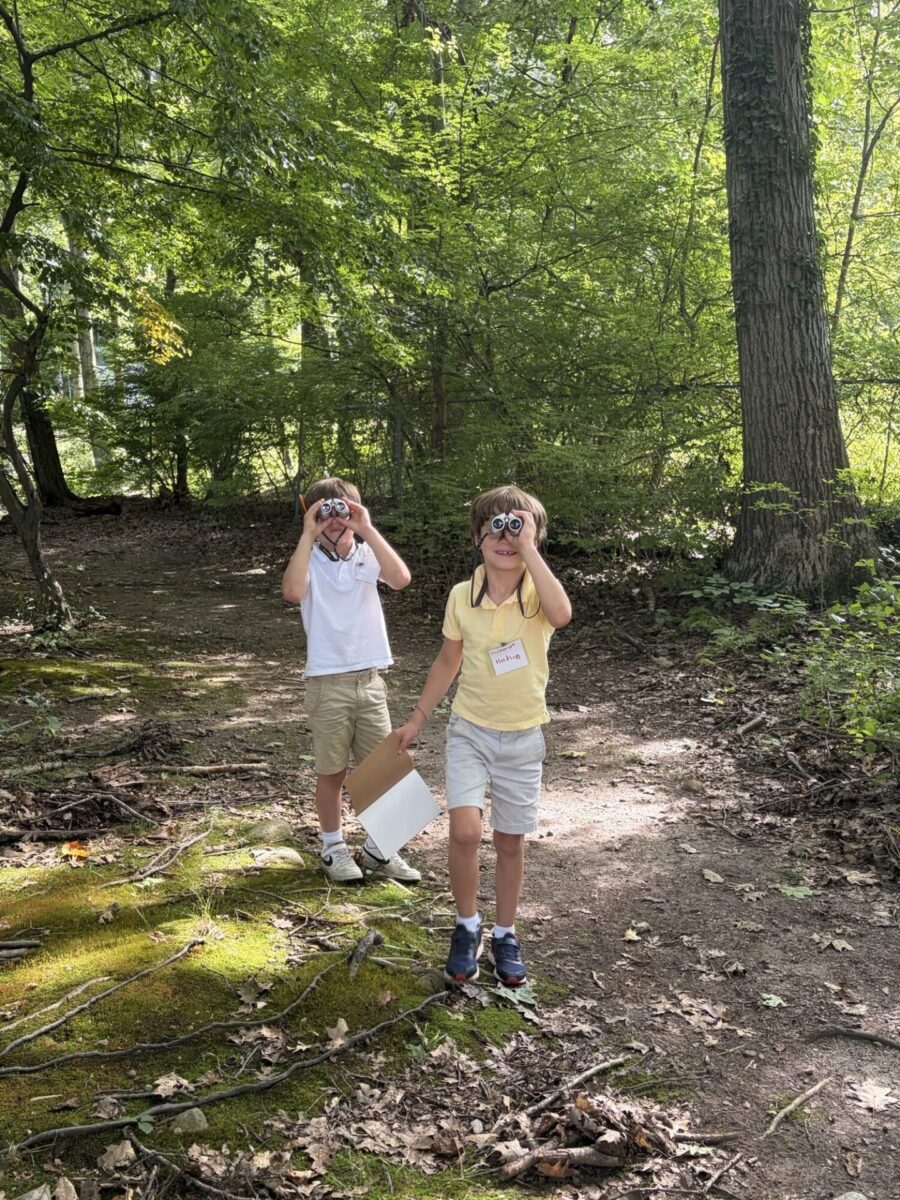
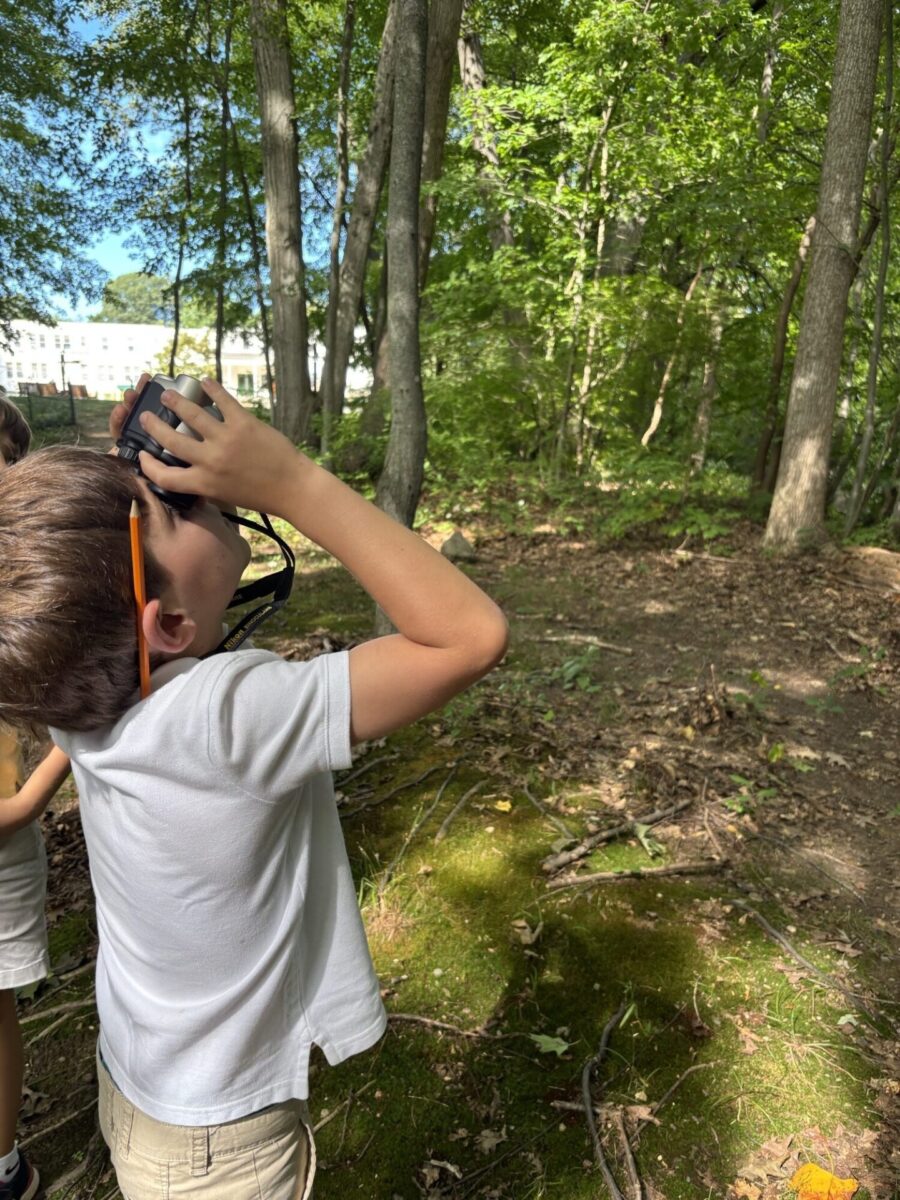
Understanding how children develop should expand what we believe they can become, not narrow it.
Faith Barbuto, Early Childhood Coordinator – Unquowa School
Spend enough time around children and patterns begin to emerge.
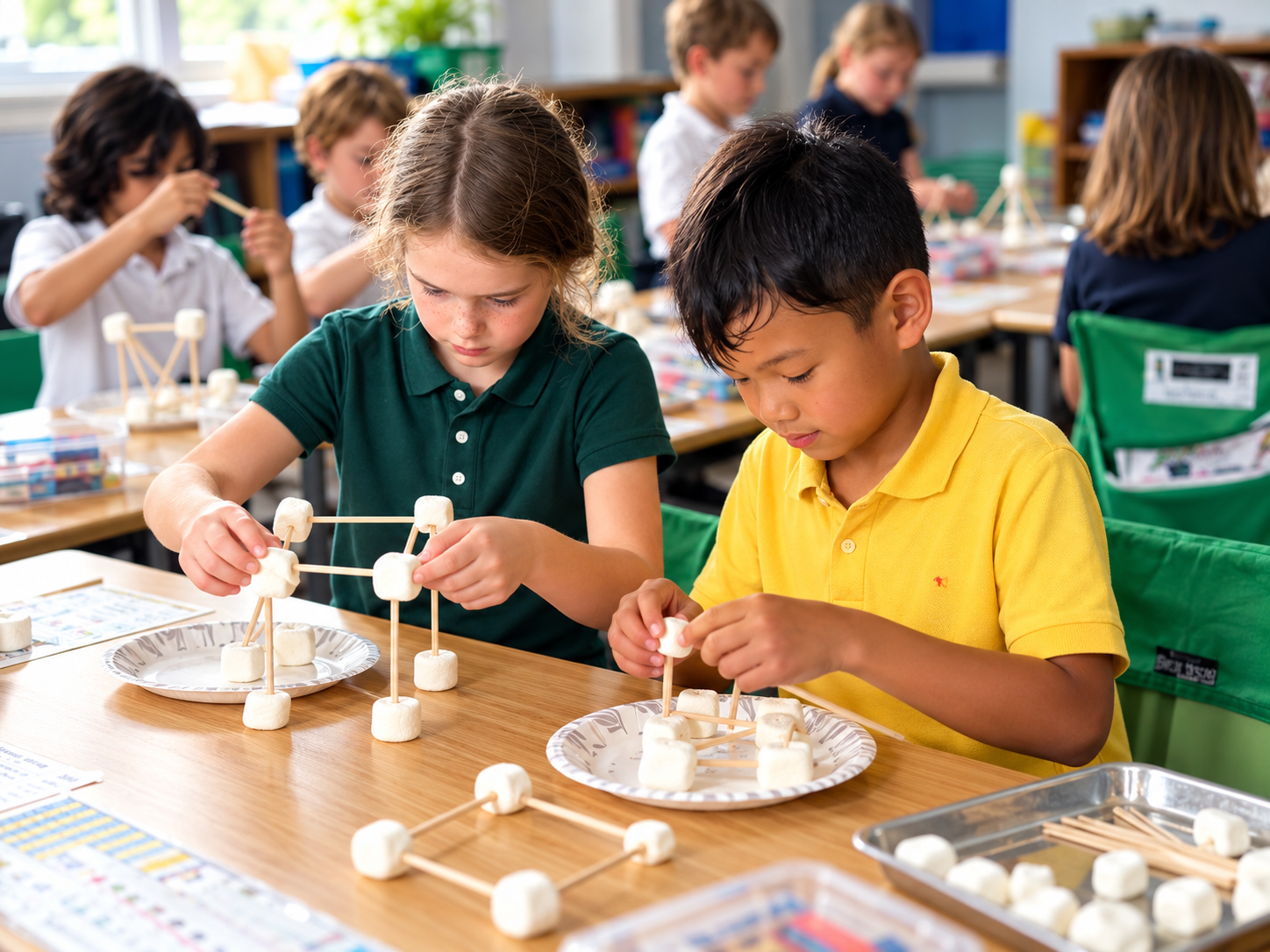
Young children need to move. They learn through experience. They need opportunities to build, explore, question, create and test ideas for themselves. There are developmental differences between children, and sometimes between boys and girls. Good educators understand those differences.
But understanding a difference is not the same as building an expectation around it.
We hear plenty about what boys need from school. They need movement. They need competition. They need to work with their hands. And many boys do thrive when they can run, build, investigate and turn an abstract idea into something tangible.
But that is only part of what they need.
A boy who loves competition also needs to learn collaboration. A child who would happily spend an afternoon building something needs to develop the patience to read deeply and write thoughtfully. The student who is comfortable taking physical risks may need encouragement to take an intellectual or creative one. And the child who rarely stops moving may surprise us with extraordinary focus when he discovers something that genuinely captures his attention.
The same is true for girls. Our assumptions about what children will enjoy, where they will excel or how they will learn can become surprisingly limiting if we allow them to shape the opportunities we put in front of them.
At Unquowa, we believe children deserve breadth.
They should encounter science and literature, athletics and art, mathematics and music, nature and technology. They should build things with their hands and wrestle with ideas in their minds. They should experience competition and cooperation, independence and responsibility, moments when they feel completely confident and others when they have to work at something that does not come easily.
And they should do all of this alongside classmates who bring different strengths, personalities and perspectives to the experience.
There is tremendous value in learning how to communicate and collaborate with people who are different from you. Children will eventually enter high schools, colleges, workplaces and communities filled with people of different backgrounds, genders, temperaments and ways of thinking. Learning how to navigate those relationships begins much earlier than adulthood.
Our responsibility as educators is not to ignore differences between children. It is to understand them without allowing them to become boundaries.
Because there is an important distinction between knowing who a child is today and deciding who that child will become tomorrow.
Understanding children well should help us challenge them more thoughtfully, not expect less from them.
So perhaps one of the questions families should ask when choosing a school is not simply:
Does this school understand a child like mine?
But something more ambitious:
What will this school believe my child is capable of becoming?
That is ultimately what high expectations should mean. Not asking every child to be the same, but refusing to let our assumptions determine how far any of them might go.