









Children Need More Than The Things We Can Measure
Posted by Sharon Lauer
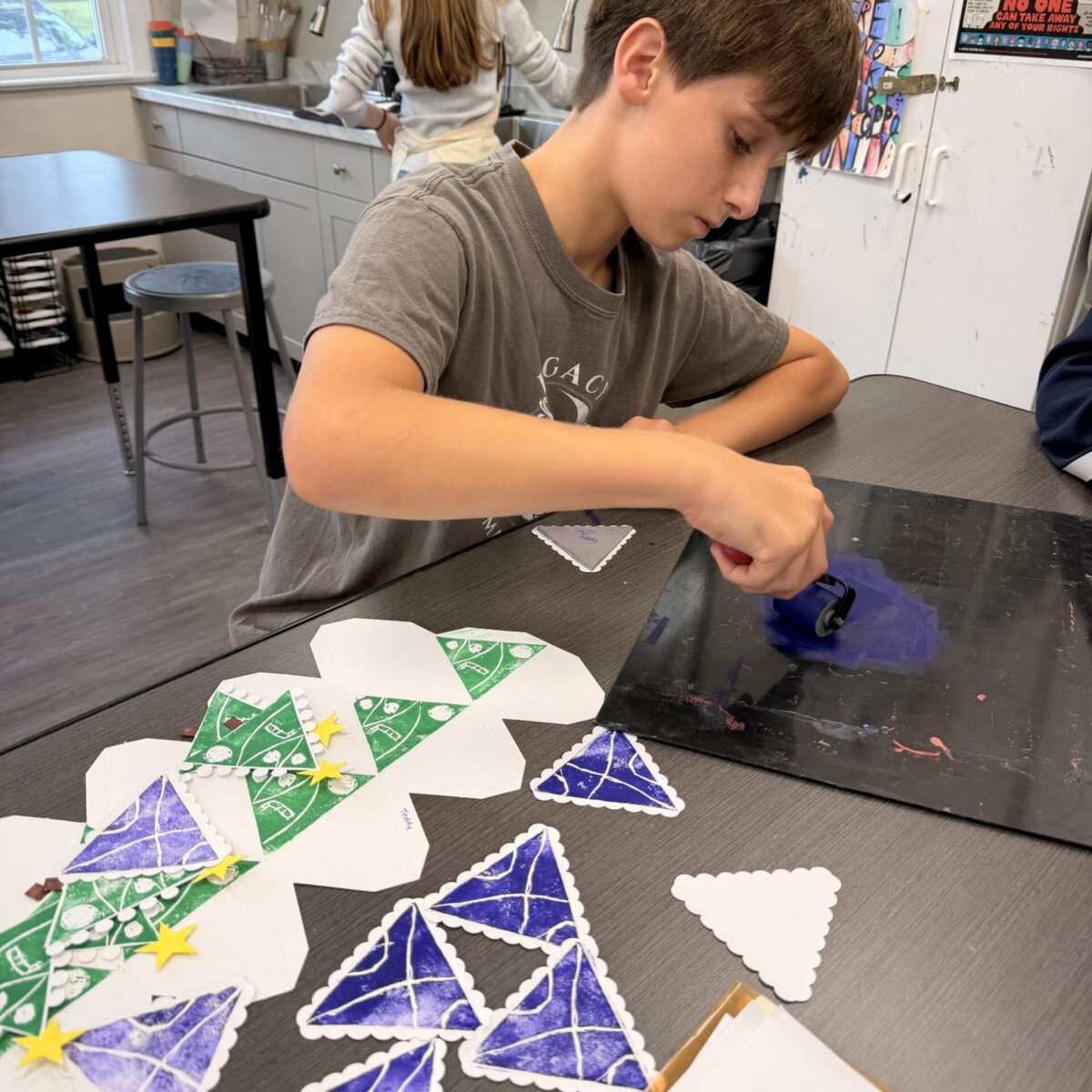
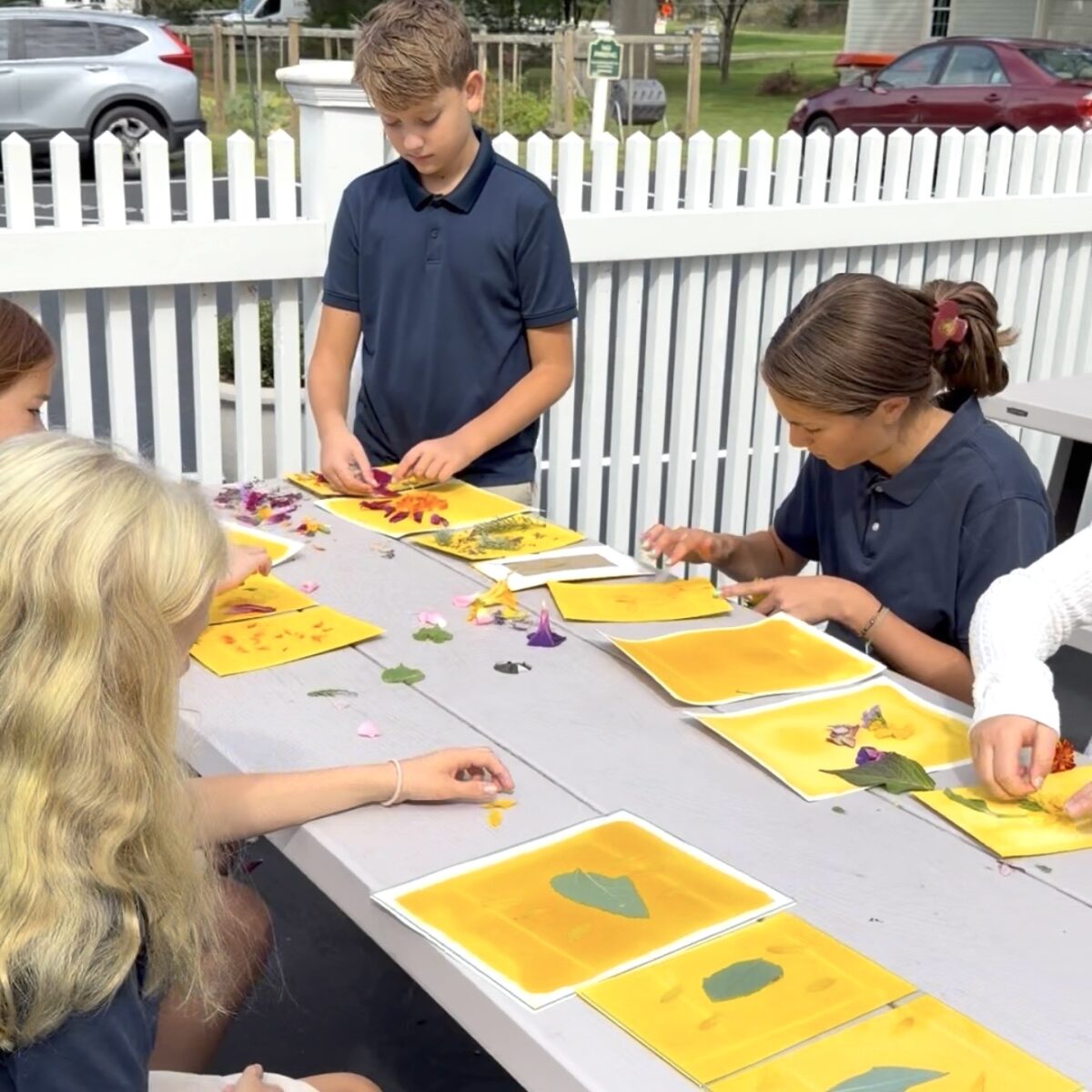
When we become anxious about children’s achievement, our instinct is often to give them more of what we can measure. More math minutes. More reading instruction. More test preparation. More time devoted to the subjects most easily translated into scores, percentiles and benchmarks. The instinct is understandable. Parents and educators feel tremendous responsibility for preparing children for an increasingly competitive future. We worry about whether they are keeping pace, whether they will be ready for the next school, whether they will perform well on standardized tests and, eventually, whether they will gain admission to college.
But anxiety has a way of narrowing our thinking.
Perhaps the question is not, “What can we take away to give children more math?”
Perhaps the question is rather, “What are we unwilling to risk a child leaving school without having experienced?”
Too often, education is framed as a series of false choices: academics or the arts. Rigor or creativity. Achievement or joy. Preparation for the future or a rich childhood in the present.
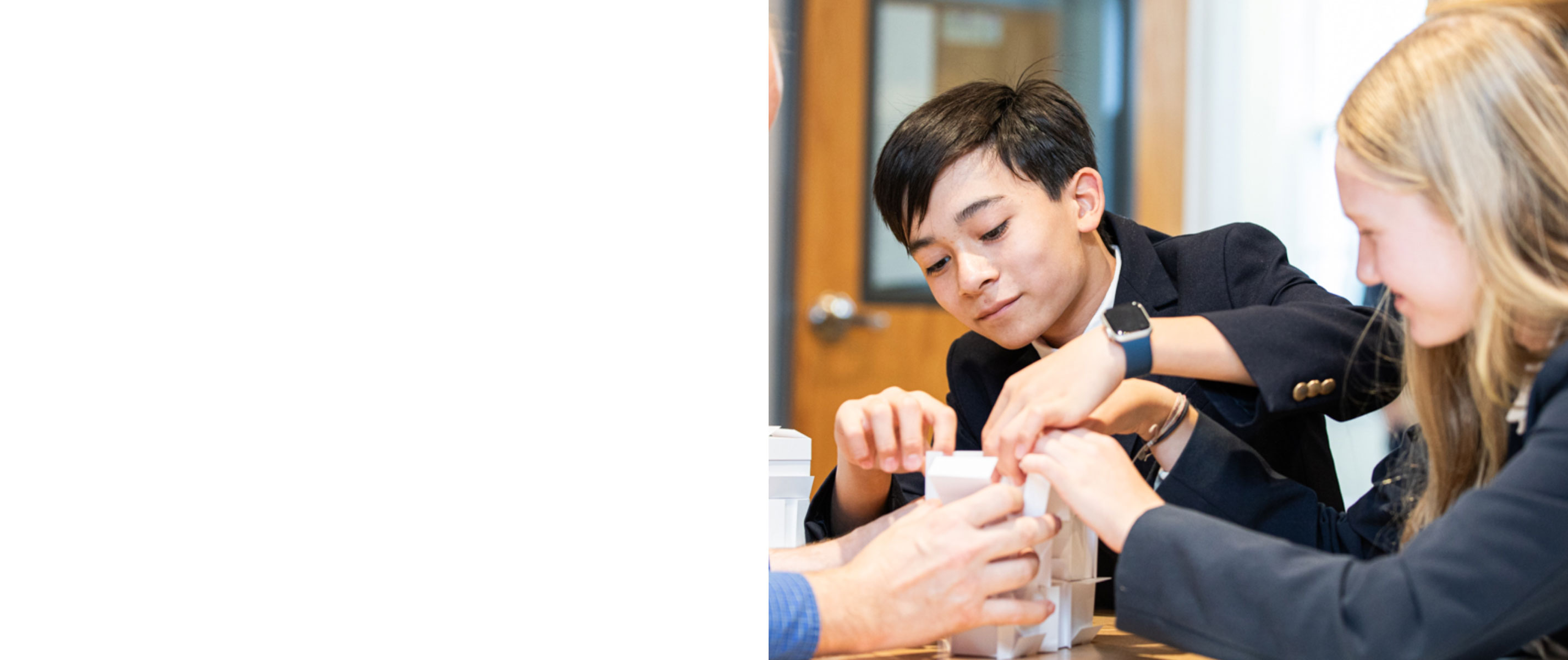
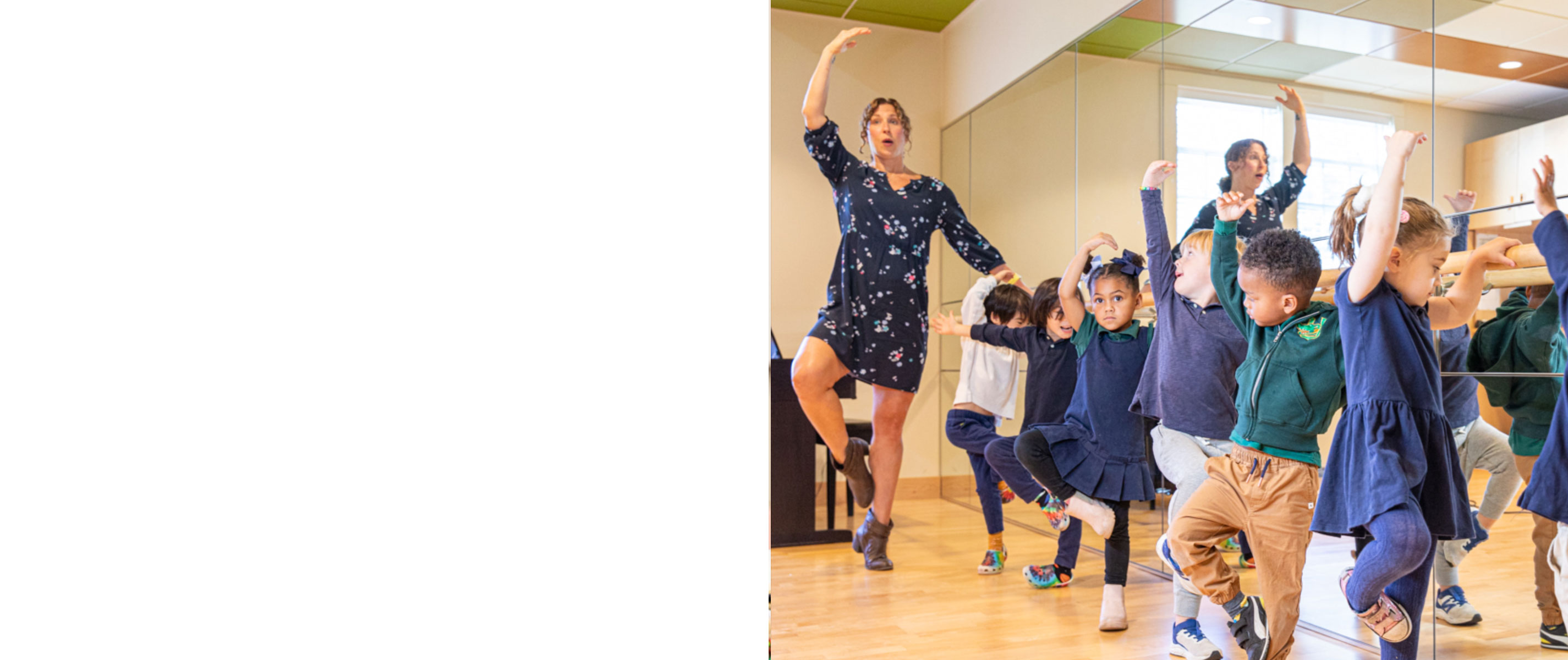
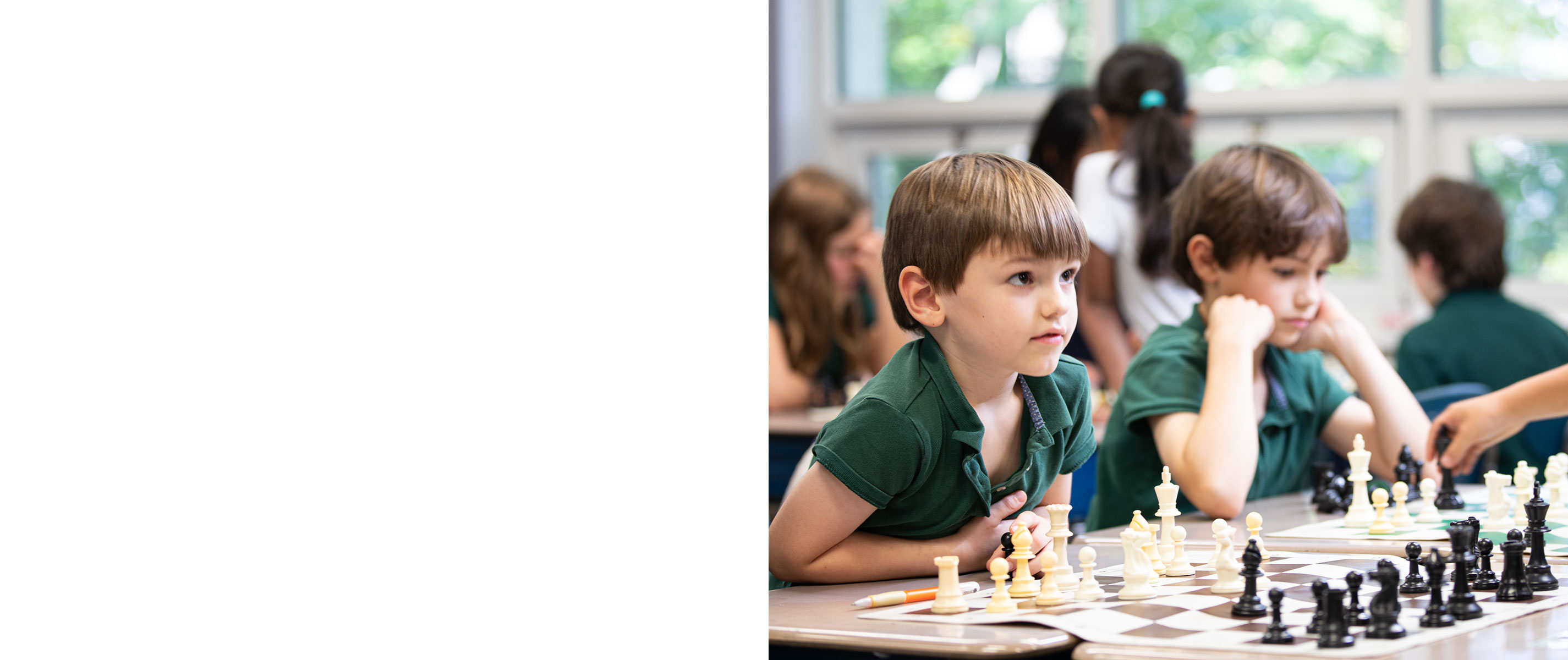
Powerful schools realize that these are not mutually exclusive choices but rather essential partners in a meaningful education. At Unquowa, students have time for serious mathematics and serious art. They can pursue an accelerated academic path that allows them to complete Algebra I and Geometry before eighth grade graduation, with some students advancing even further, and they also sing, paint, perform, build, play and create. Breadth does not require sacrificing depth. Belief in this matters because often when schools face pressure to demonstrate academic gains, the arts can become particularly vulnerable because their value is more difficult to reduce to a number. There is no percentile rank for being moved by a piece of music. No standardized assessment captures what happens when a child stands on a stage, takes a creative risk and discovers that they can command a room. Creativity, interpretation, aesthetic judgment and original thought resist tidy measurement, but that does not make them less important.
In fact, we should be careful not to confuse what is easiest to measure with what matters most. I do not believe we need to defend music because it might make children better mathematicians. We do not need to justify theater because it may improve reading scores or visual art because creativity could someday make a student more employable. Those arguments inadvertently concede the very premise we should be questioning: that the arts earn their place only when they can demonstrate their usefulness to something deemed more important. Children deserve encounters with beauty, culture, expression, imagination and performance because these experiences are part of becoming fully educated human beings.
Of course, measurable academic achievement matters. We are preparing students for competitive secondary schools and colleges, and we take that responsibility seriously. But college itself is not the final destination of an education. Life is. The child sitting in an elementary classroom today will someday need to navigate work, relationships, disappointment, uncertainty and change. We hope that child becomes not merely accomplished, but thoughtful. Not merely employable, but purposeful. Not merely successful by someone else’s metric, but capable of building a life that is ethical, meaningful and personally fulfilling.
No single test can measure that future. So when higher expectations tempt us to narrow a child’s education, we should do the opposite and protect its breadth fiercely. Our response to a demanding future should not be to offer children fewer measurable options. It should be to build an education expansive enough to prepare them for more possibilities.
← Why Small Classes Matter Most When Children Are Just Beginning