










Wellness: An Essential Part of the Curriculum
Posted by Faith Barbuto-

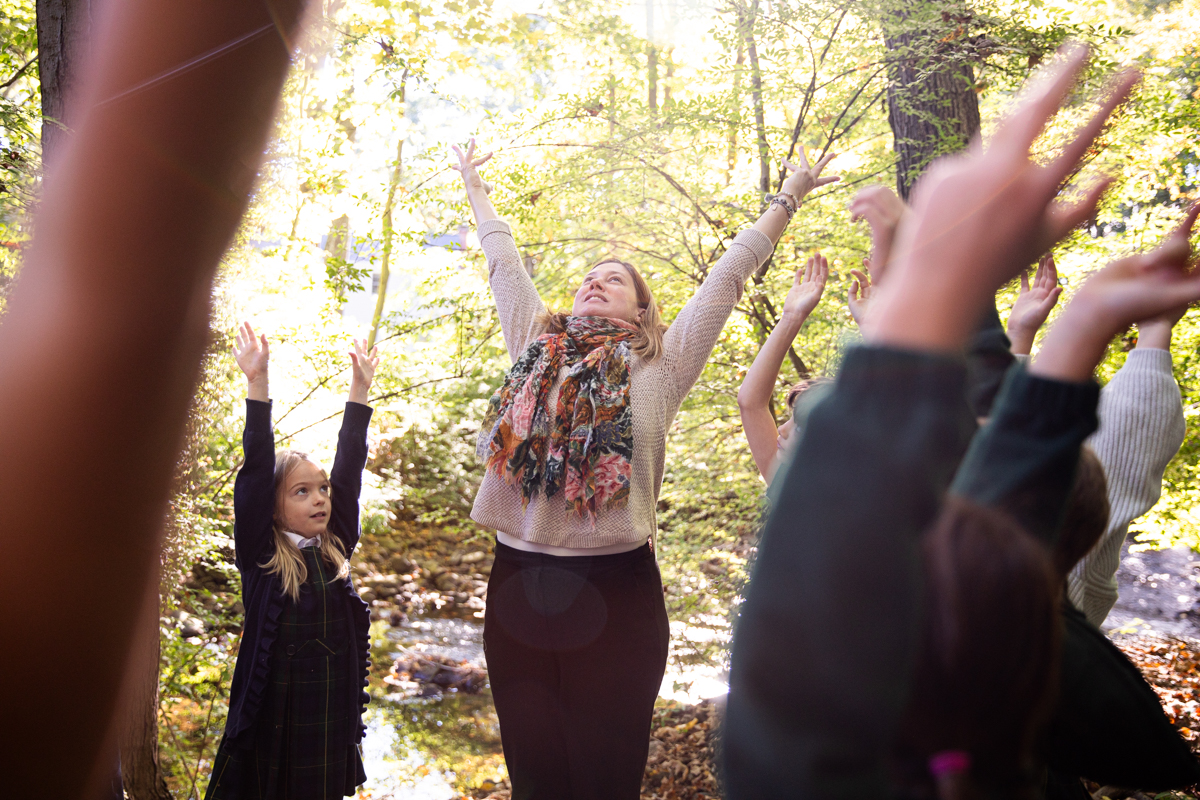
- Mindfulness helps children develop the awareness and emotional regulation needed to fully engage in learning.
-
- Practicing these skills outdoors encourages students to slow down, notice their surroundings, and build resilience one breath at a time.
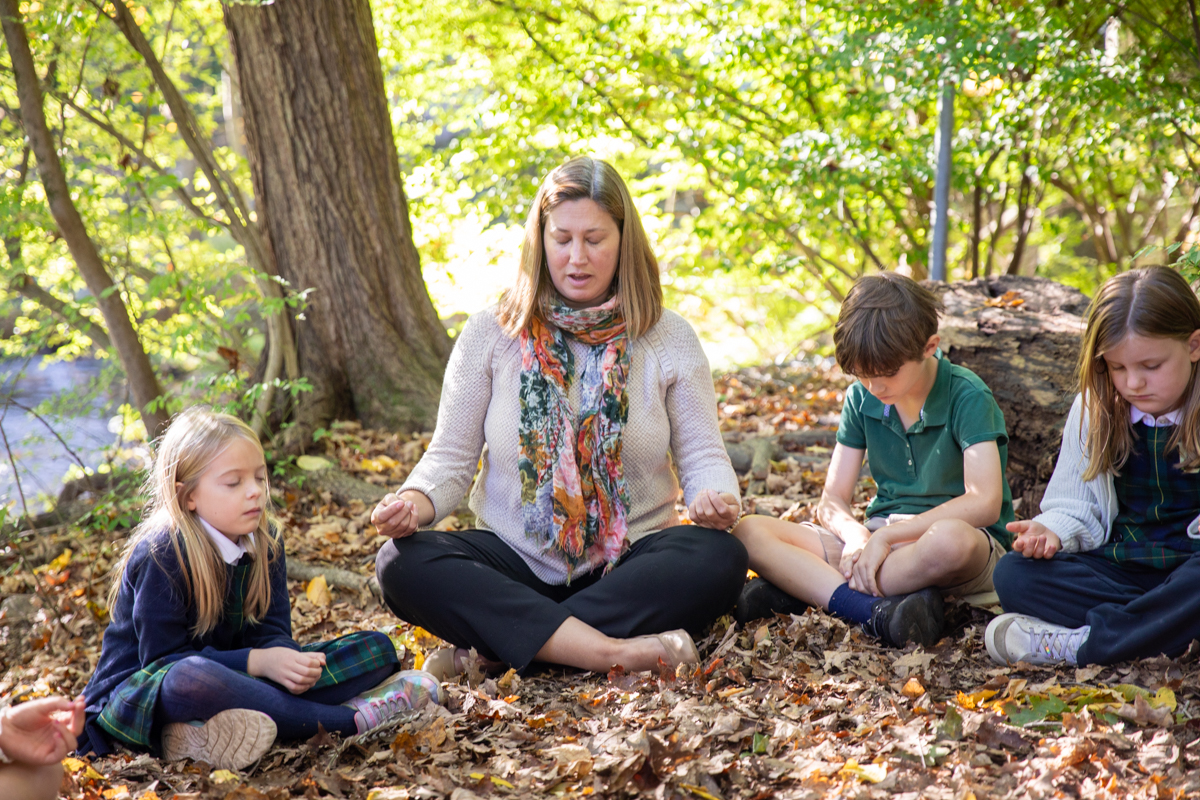
Student wellness should not be treated as a separate subject or something reserved for difficult moments, it should be woven into the fabric of the school day. Children cannot fully engage in learning until their basic needs are met, and emotional regulation is every bit as fundamental as physical safety or proper nutrition. When students feel emotionally secure, they are far more available for curiosity, collaboration and meaningful learning.
In my classroom, wellness isn’t confined to one lesson or activity. It begins during Morning Meeting with affirmations and continues through gratitude circles, conversations about emotions, opportunities for reflection and a daily mindfulness practice after lunch. Social-emotional learning becomes part of our literacy discussions, classroom routines and even our play. The goal is not simply to help children calm down in the moment, but to help them develop an awareness of themselves and the strategies that work best for them over time.
One of the most rewarding parts of this work is watching children begin to use these tools independently. At first, I model breathing techniques, mindfulness exercises and other regulation strategies for the entire class. Eventually, students begin recognizing when they need those tools on their own. Parents often tell me their children have asked to create “calm down corners” at home or have taught mindfulness strategies to siblings and family members. Those are the moments when you realize these skills are extending well beyond the classroom.
-

- For young children, movement is more than play, it is an important part of learning. Dancing, stretching, and active exploration help students develop body awareness, emotional regulation and the confidence to engage fully in the day ahead.
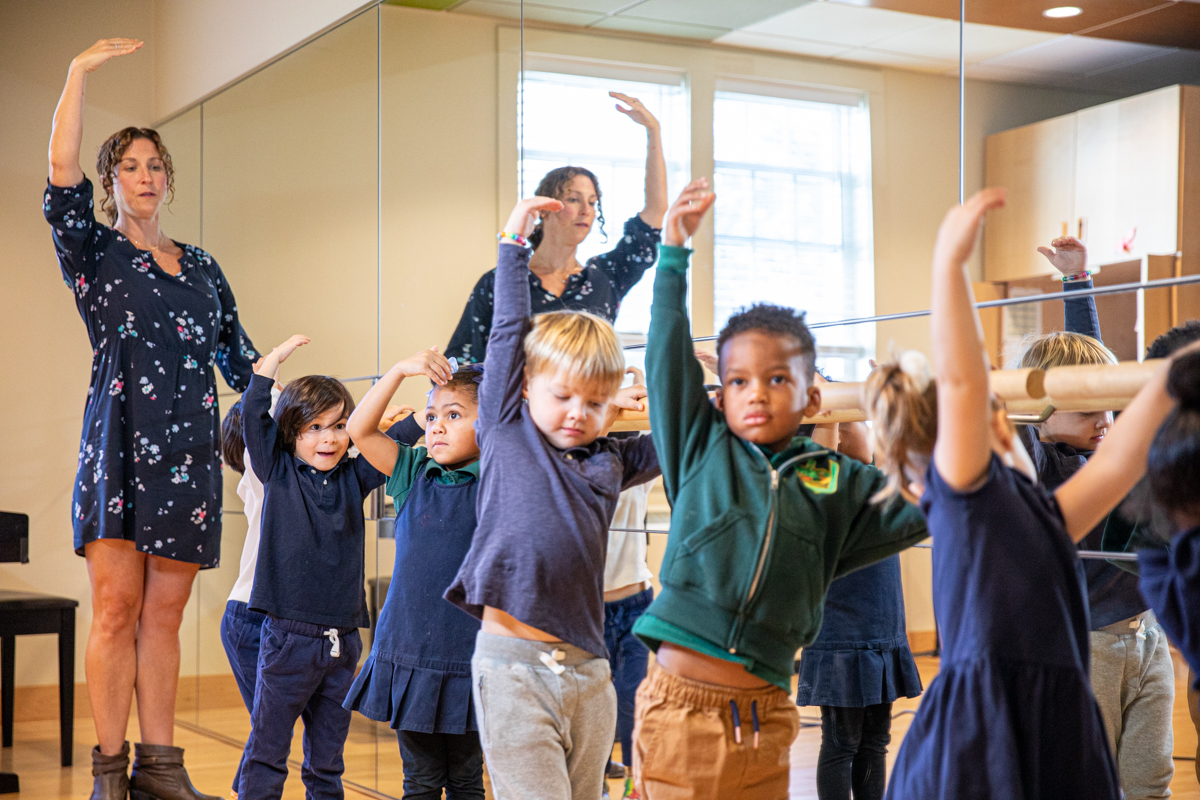
Developing emotional regulation at an early age also creates a foundation that students can build upon as academic expectations and life’s challenges become more complex. Mindfulness doesn’t eliminate stress; it helps children develop what educator Linda Lantieri describes as inner resilience, the ability to experience disappointment, frustration or uncertainty without becoming overwhelmed by it. That resilience is one of the greatest gifts we can give our students.
I also believe schools have an important responsibility to support educators in this work. Over the years, I have participated in a variety of mindfulness and social-emotional learning trainings, and I enjoy sharing those resources with colleagues. While the activities naturally evolve as children mature, the underlying goal remains the same: helping students better understand themselves so they can respond thoughtfully rather than react impulsively.
As educators and parents, we often define success by grades, college admissions or future careers. Those milestones certainly matter, but they are not enough on their own. Academic achievement without emotional well-being is an incomplete measure of success. If we want children to become capable learners, compassionate citizens and resilient adults, we must recognize that wellness is not separate from learning, it is the foundation that makes learning possible.
← The People Who Bring Learning to Life Are We Preparing Children, or Rushing Them? →