









Why Small Classes Matter Most When Children Are Just Beginning
Posted by Faith Barbuto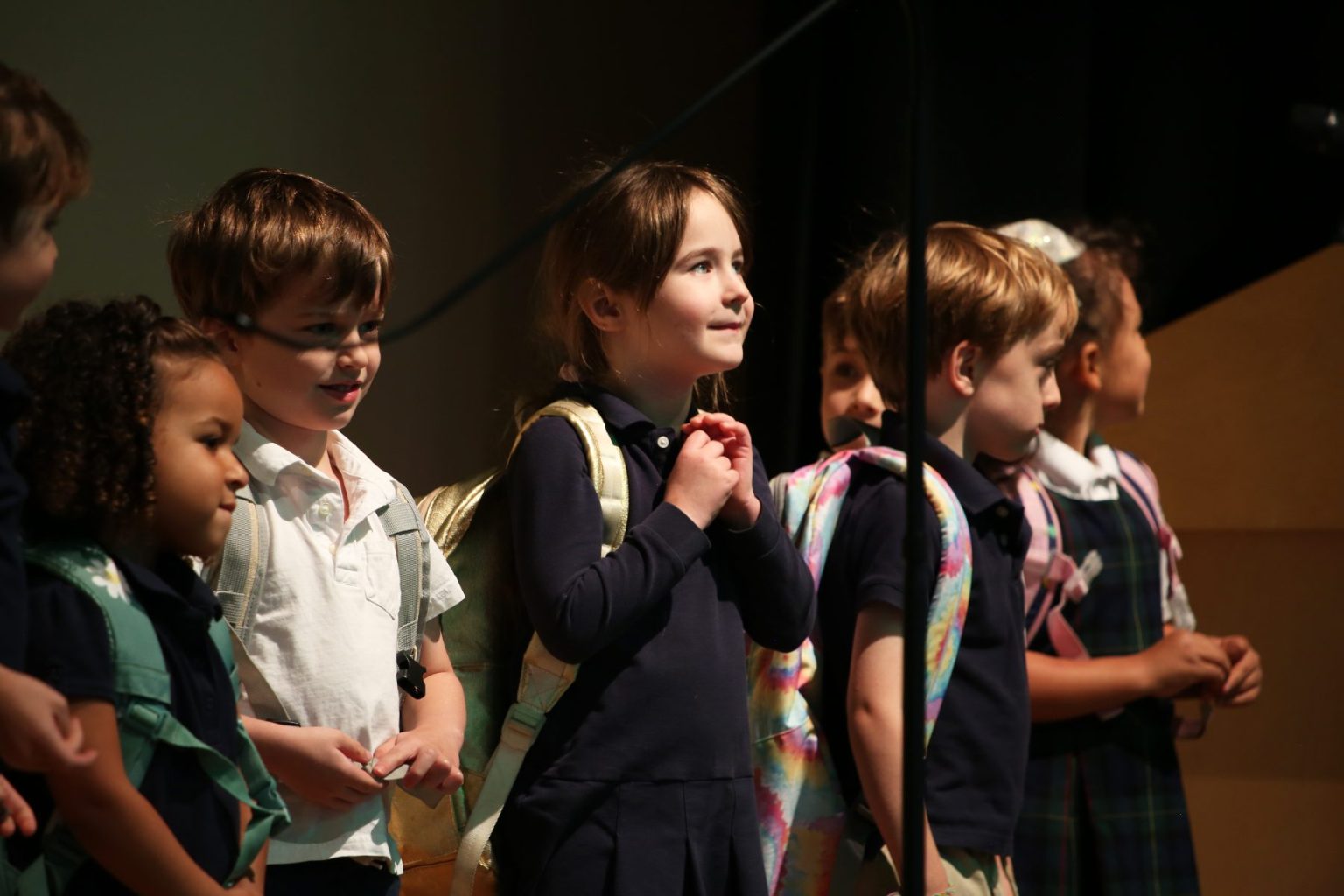
In the earliest years of school, being known isn’t simply comforting. It’s an educational advantage
Faith Barbuto, Early Childhood Coordinator, Unquowa School
There is something interesting that happens in a small classroom: it becomes very difficult to disappear. A child can’t spend the morning quietly observing from the edges without a teacher noticing. A question doesn’t get lost because twenty other hands are raised. A misunderstanding can be caught before it becomes a habit. And when a child is ready for more, there is someone close enough to recognize that, too. In Early Childhood, that proximity matters enormously.
Four and five year olds arrive at school at remarkably different points in their development. Once may already be fascinated by letters while another is beginning to hear the sounds within words. One child may confidently enter a group while another is still learning how to join. Some need encouragement to slow down and persist. Others need the confidence to take a risk. None of this means lowering expectations. Quite the opposite. A teacher who knows children well can ask more of them because they know when the children are ready.
In a small classroom, instruction can respond to what is happening in real time. A teacher can extend the question for the child who has already grasped the concept, sit beside the student who needs another way into it, and recognize the moment when someone who usually hands back is ready to take the lead.
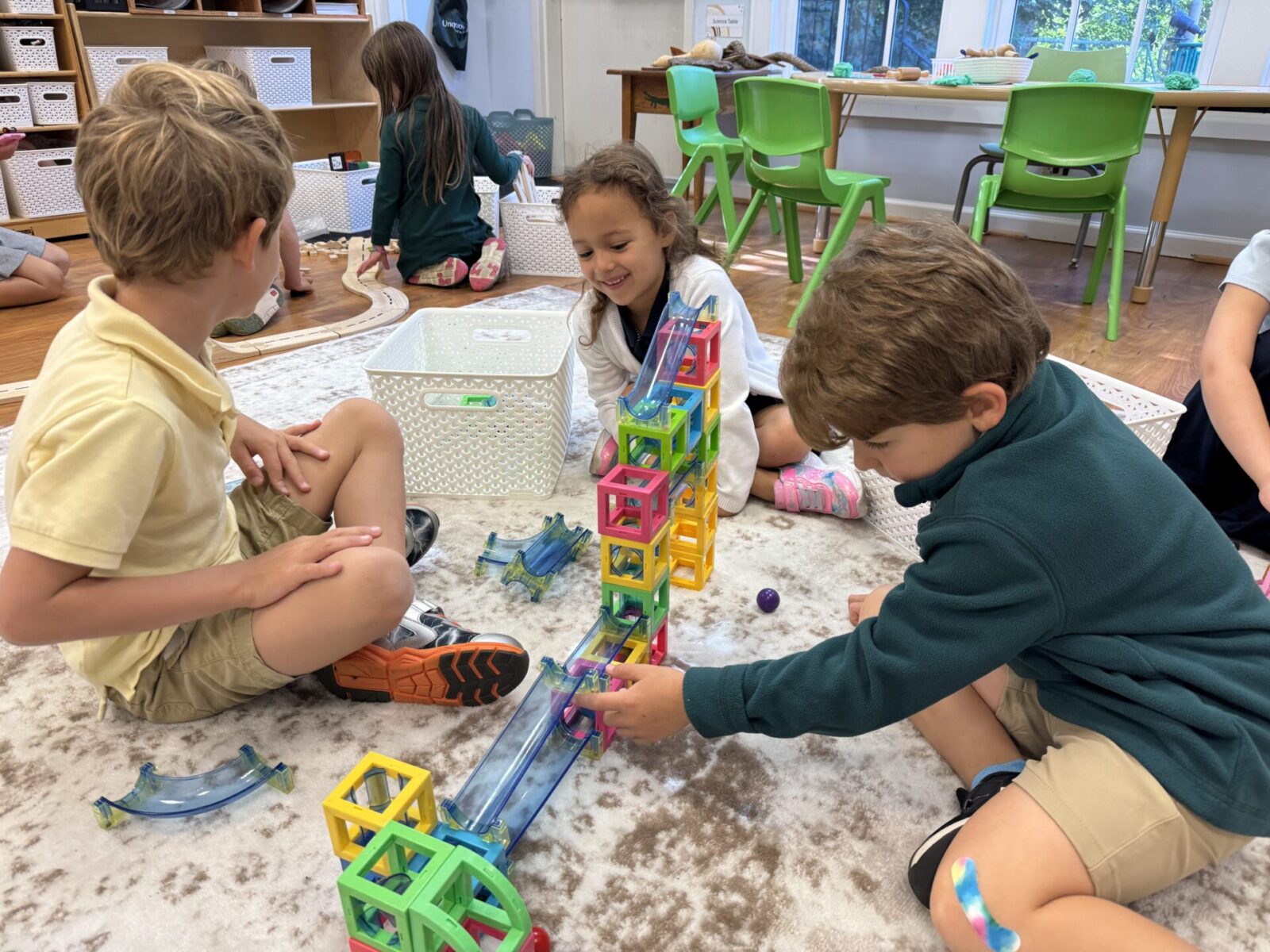
But perhaps the less obvious advantage of a small Early Childhood classroom is what happens between the children themselves. In a larger group, it can be relatively easy for a child to move away from a difficult social situation and find someone else to play with. Small communities work differently. Children see one another again and again. They have to negotiate whose idea to use. They have to wait. Share materials. Find words when they disagree. Repair friendships. Learn that the child who frustrated them yesterday may be their partner today.
Over time, a small classroom begins to function a little like a family. That doesn’t make the social experience smaller. In some ways, it makes it richer. Children cannot simply choose relationships that are easy. They learn how to be part of a community, including all the compromise, patience, empathy and resilience that requires. And the teacher is close enough to know when to step in and, just as importantly, when not to.
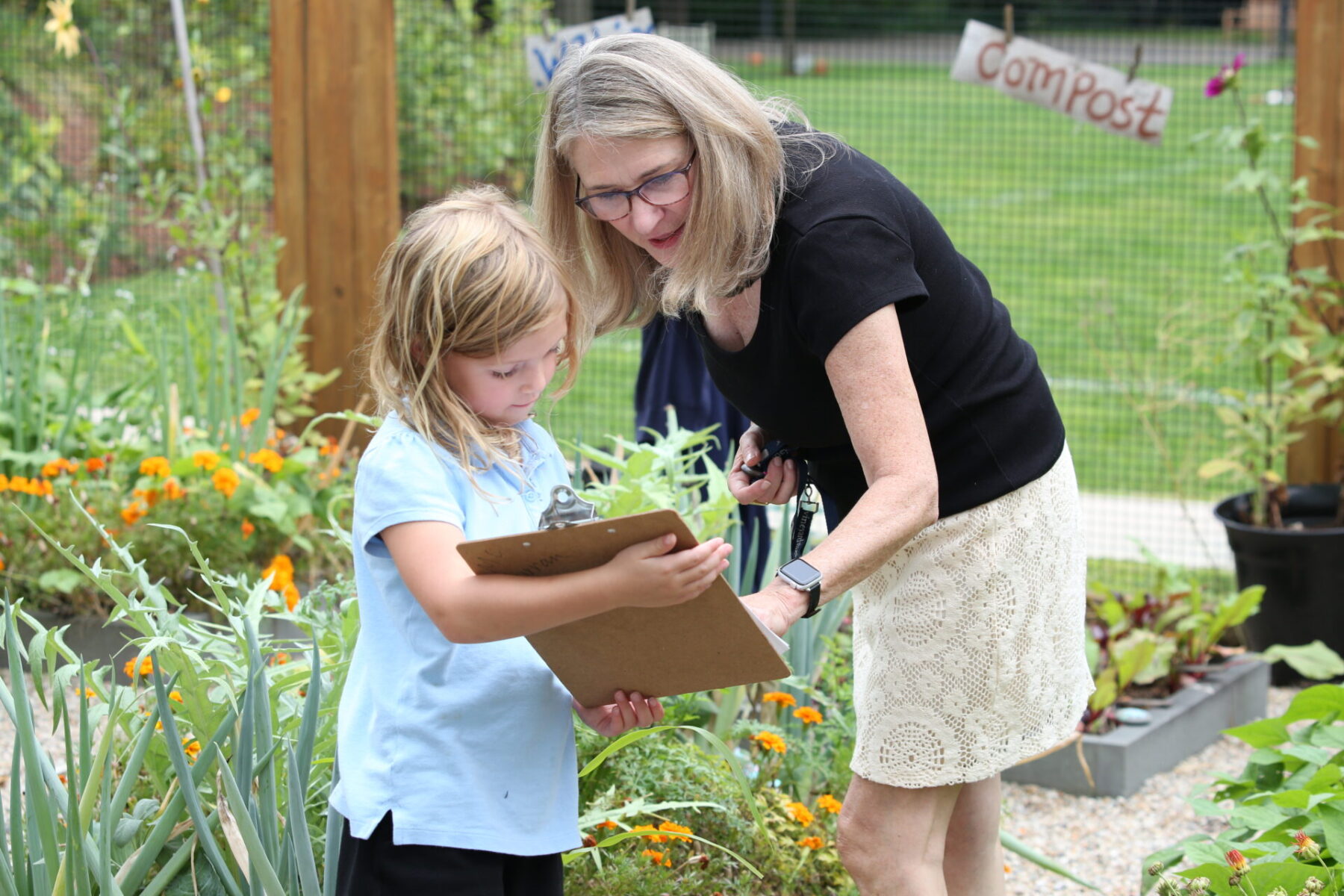
There is another relationship that becomes especially important in these early years: the relationship between teachers and parents. When classes are intentionally small, teachers don’t only have more opportunities to know their students. They have the opportunity to know their families, too. Conversations can go beyond reports about what happened during the school day. We can share the small things we are noticing, talk through a new behavior or developmental stage, celebrate progress that might otherwise go unseen, and offer perspective when a parent is wondering, Is this typical? Should I be concerned? How should I respond at home?
Those conversations matter because four- and five-year-olds are changing quickly, and parents are navigating those changes right alongside them. Sometimes a family needs information. Sometimes they need reassurance. Sometimes a teacher sees something at school that helps a parent understand what they are seeing at home, or a parent shares something that gives the teacher an entirely new understanding of what is happening in the classroom.
That kind of partnership gives us a fuller picture of the child. Teachers bring what they observe at school. Parents bring everything they know about their child beyond it. When those perspectives are shared openly, we can respond with greater consistency, challenge children more thoughtfully and help them develop increasing independence.
This is one of the great opportunities of Early Childhood education at Unquowa. We are not simply teaching children letters, numbers and how to sit at circle time. We are helping them develop their first understanding of themselves as learners and as members of a community, in partnership with the families who know them best.
Those beginnings deserve enormous attention.
At Unquowa, small Early Childhood classes are not small by accident. We believe these formative years benefit from classrooms where teachers can notice more, respond sooner, challenge thoughtfully, build strong partnerships with families and help children develop genuine independence.
Because in the years when children are learning what school is, being known well gives them more room to grow.
← From Observation to Understanding: Why Science Belongs in the Field Children Need More Than The Things We Can Measure →