





High Expectations, Without the Assumptions
Posted by Karen Williamson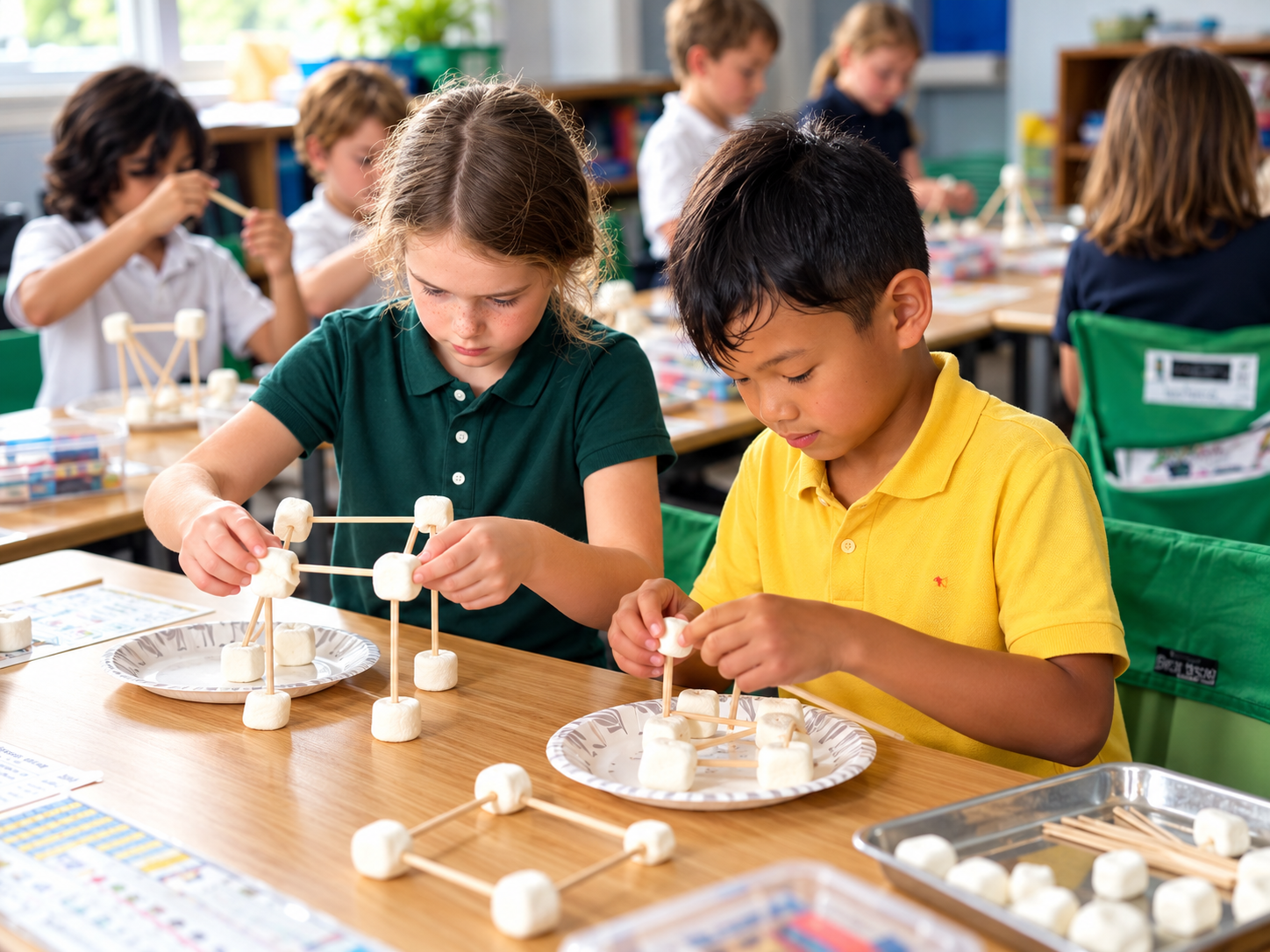
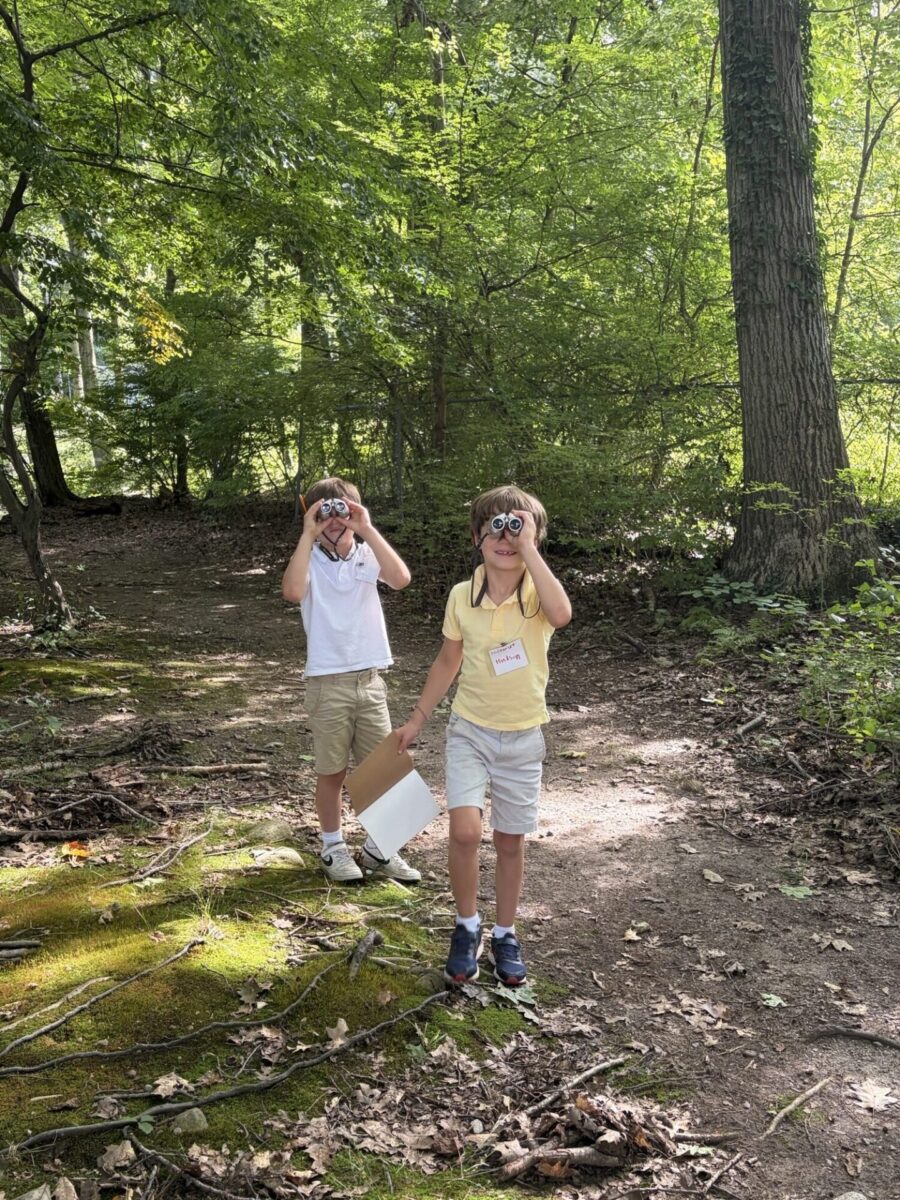
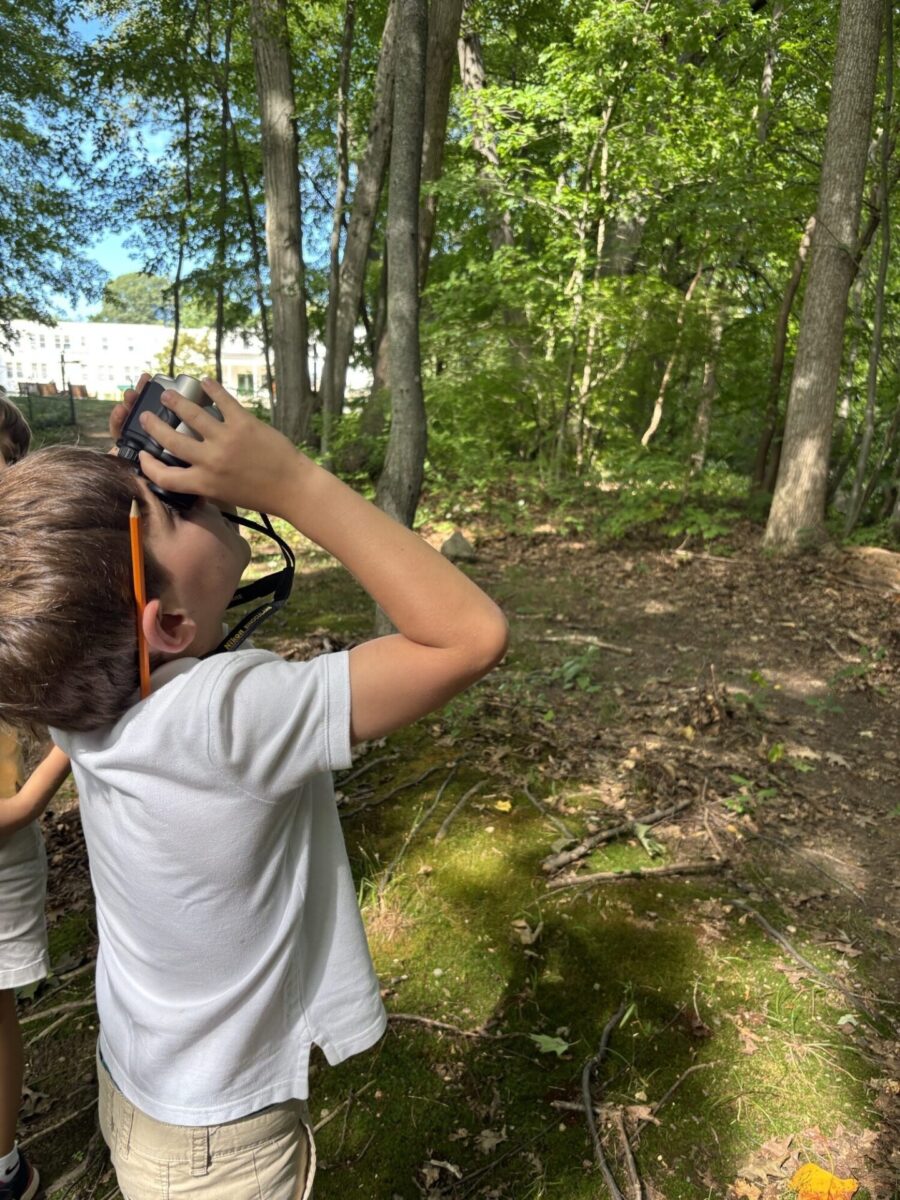
Understanding how children develop should expand what we believe they can become, not narrow it.
Faith Barbuto, Early Childhood Coordinator – Unquowa School
Spend enough time around children and patterns begin to emerge.
Young children need to move. They learn through experience. They need opportunities to build, explore, question, create and test ideas for themselves. There are developmental differences between children, and sometimes between boys and girls. Good educators understand those differences.
But understanding a difference is not the same as building an expectation around it.
We hear plenty about what boys need from school. They need movement. They need competition. They need to work with their hands. And many boys do thrive when they can run, build, investigate and turn an abstract idea into something tangible.
But that is only part of what they need.
A boy who loves competition also needs to learn collaboration. A child who would happily spend an afternoon building something needs to develop the patience to read deeply and write thoughtfully. The student who is comfortable taking physical risks may need encouragement to take an intellectual or creative one. And the child who rarely stops moving may surprise us with extraordinary focus when he discovers something that genuinely captures his attention.
The same is true for girls. Our assumptions about what children will enjoy, where they will excel or how they will learn can become surprisingly limiting if we allow them to shape the opportunities we put in front of them.
At Unquowa, we believe children deserve breadth.
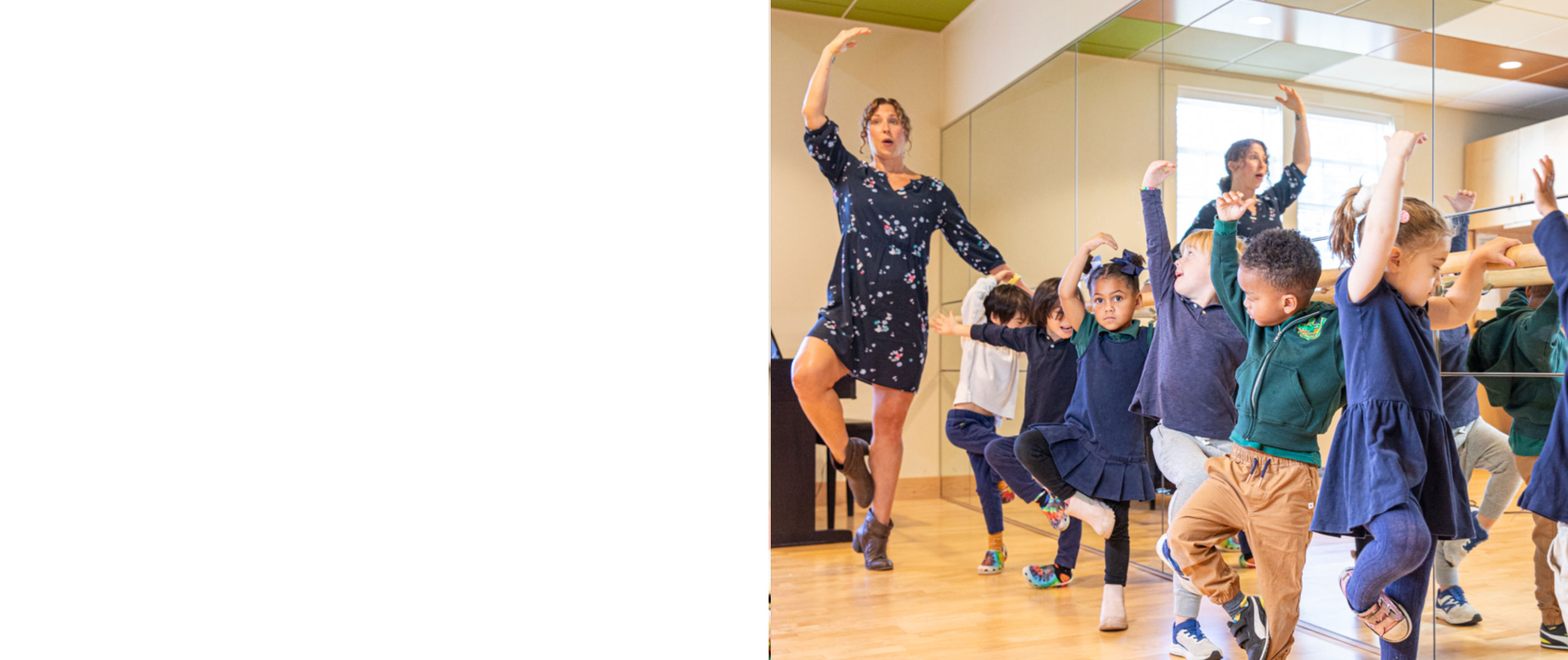
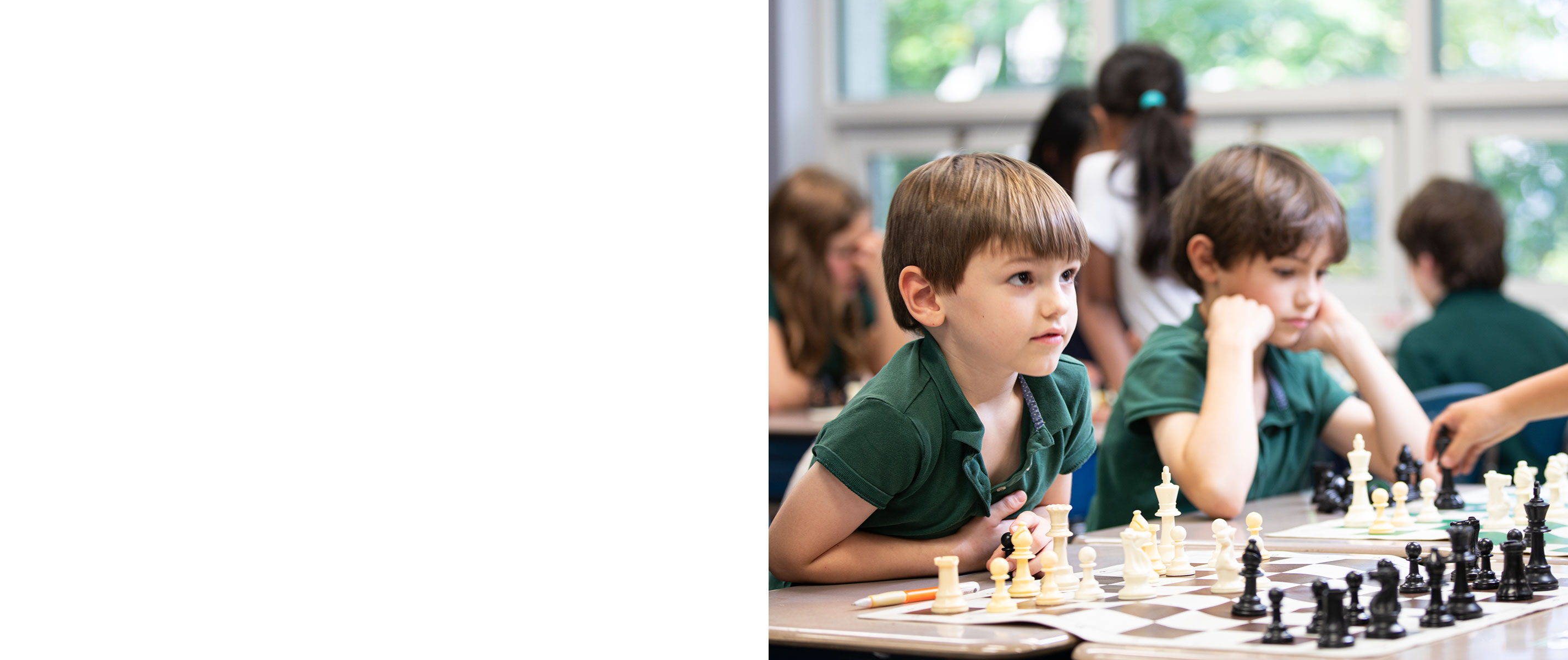
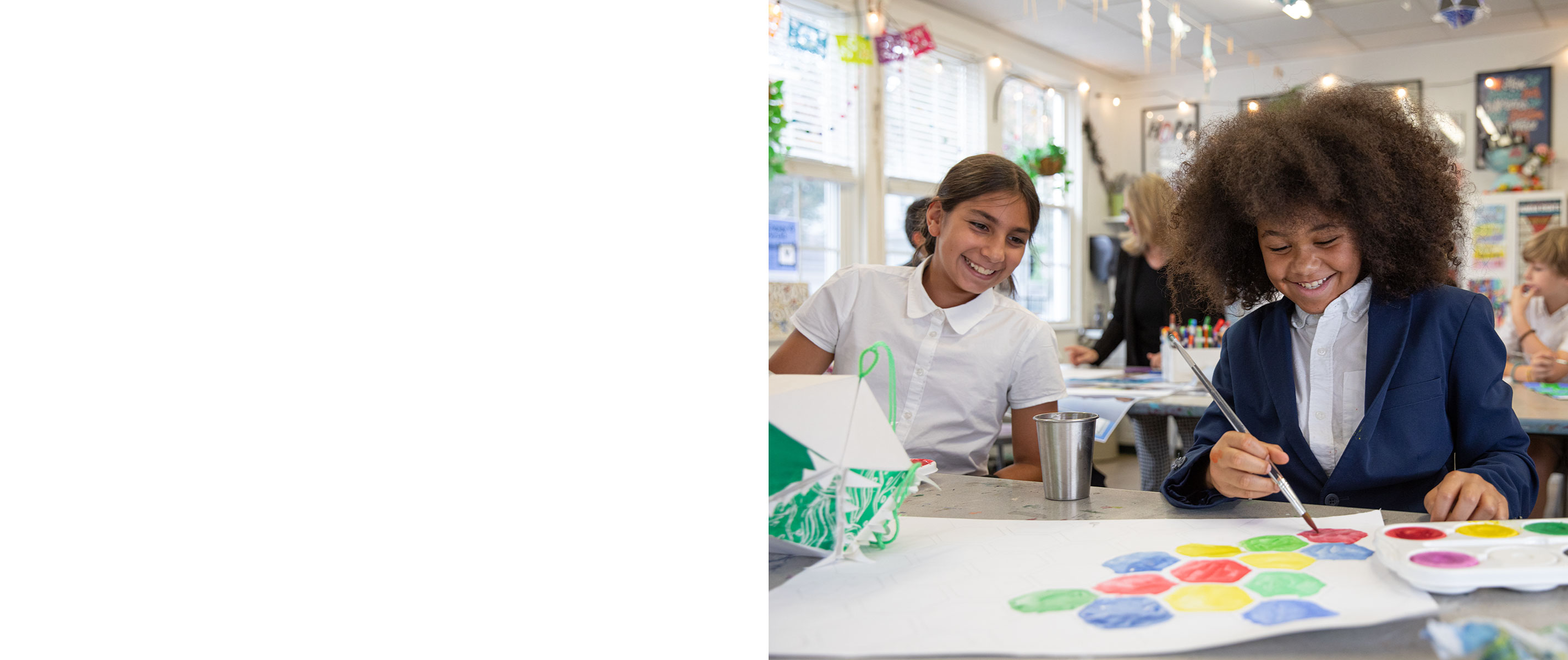
They should encounter science and literature, athletics and art, mathematics and music, nature and technology. They should build things with their hands and wrestle with ideas in their minds. They should experience competition and cooperation, independence and responsibility, moments when they feel completely confident and others when they have to work at something that does not come easily.
And they should do all of this alongside classmates who bring different strengths, personalities and perspectives to the experience.
There is tremendous value in learning how to communicate and collaborate with people who are different from you. Children will eventually enter high schools, colleges, workplaces and communities filled with people of different backgrounds, genders, temperaments and ways of thinking. Learning how to navigate those relationships begins much earlier than adulthood.
Our responsibility as educators is not to ignore differences between children. It is to understand them without allowing them to become boundaries.
Because there is an important distinction between knowing who a child is today and deciding who that child will become tomorrow.
Understanding children well should help us challenge them more thoughtfully, not expect less from them.
So perhaps one of the questions families should ask when choosing a school is not simply:
Does this school understand a child like mine?
But something more ambitious:
What will this school believe my child is capable of becoming?
That is ultimately what high expectations should mean. Not asking every child to be the same, but refusing to let our assumptions determine how far any of them might go.
← Are We Preparing Children, or Rushing Them? From Observation to Understanding: Why Science Belongs in the Field →