









Beyond the Textbook: Exploring Africa Through Research and Real-World Connections
Posted by erinhupal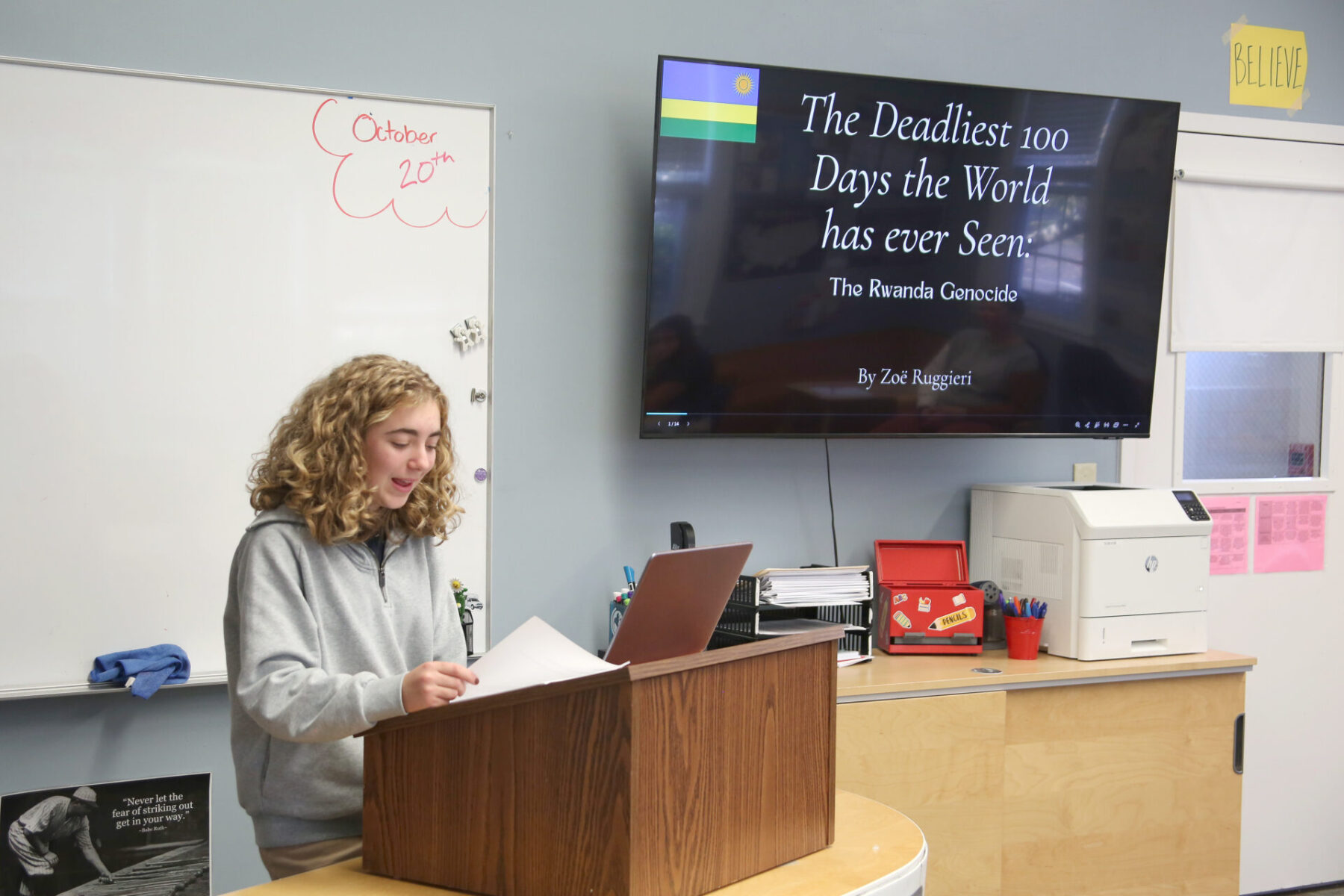
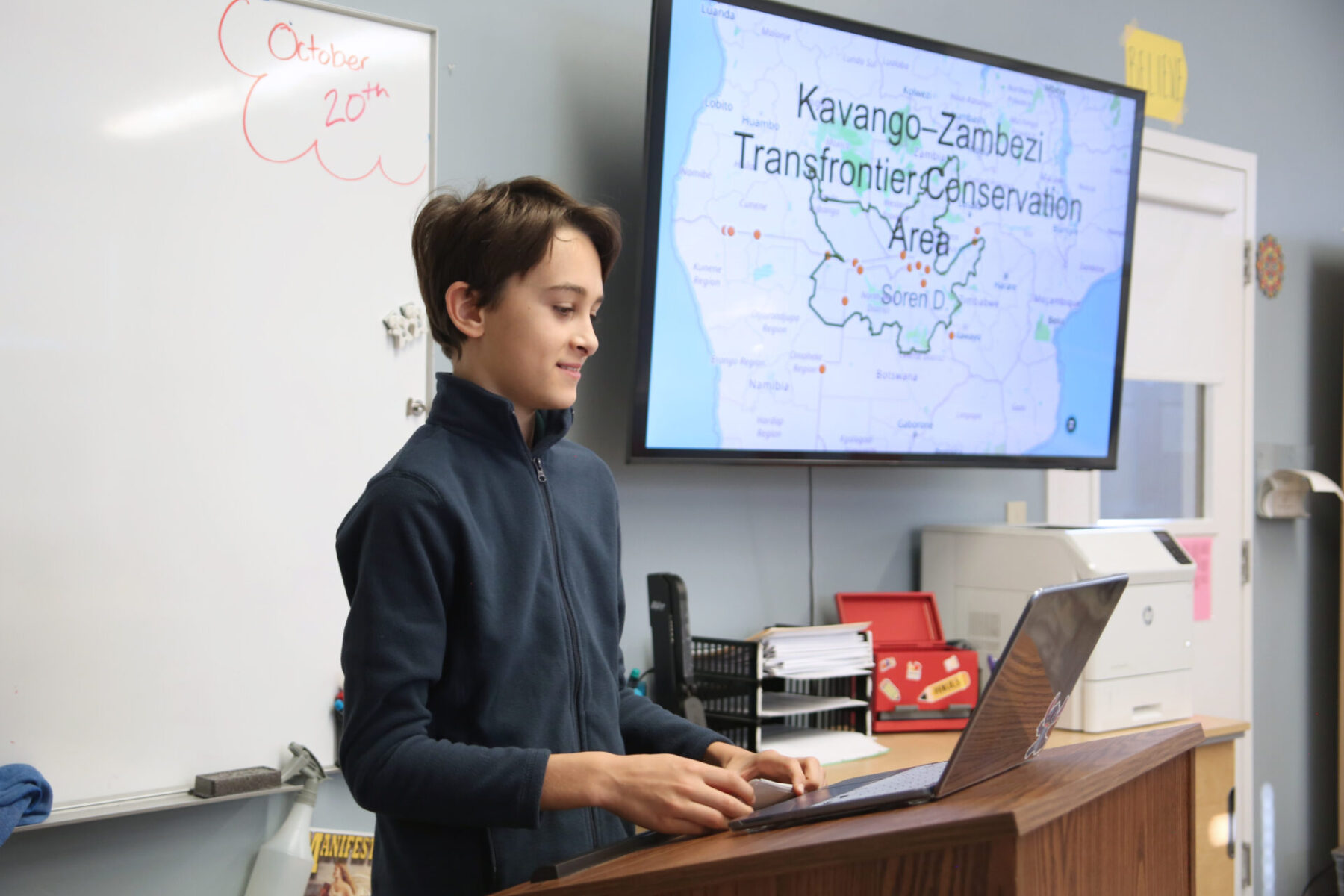
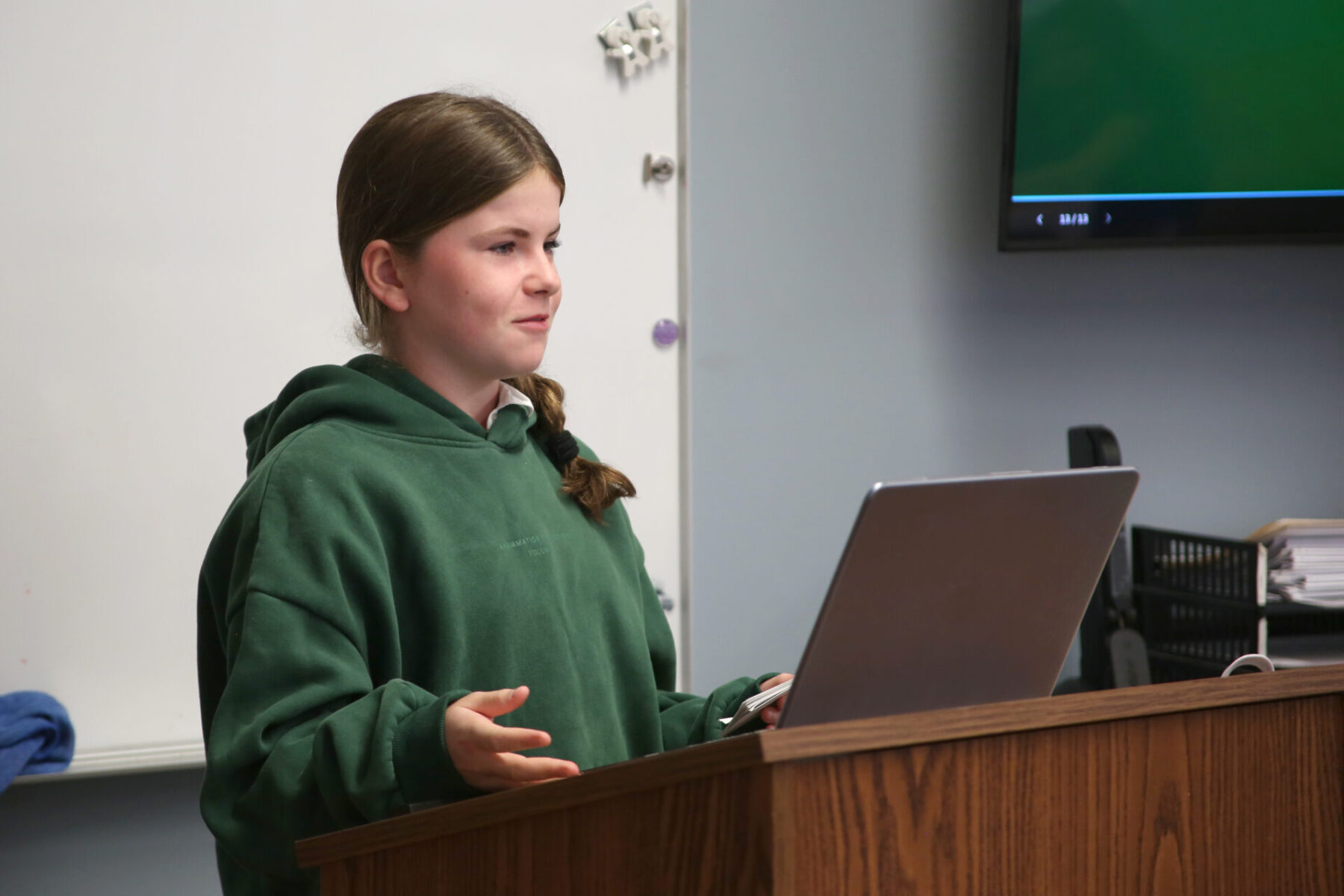
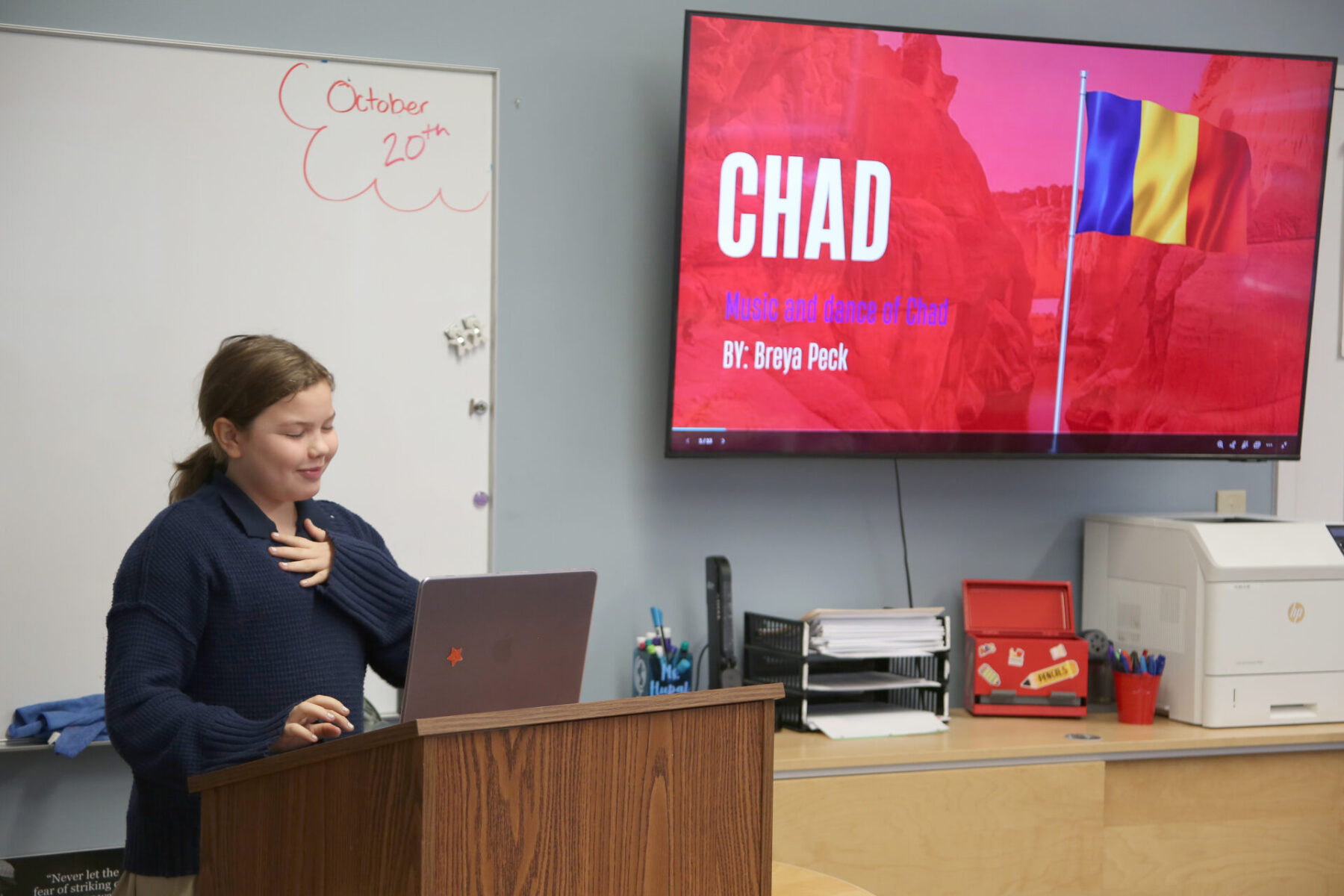
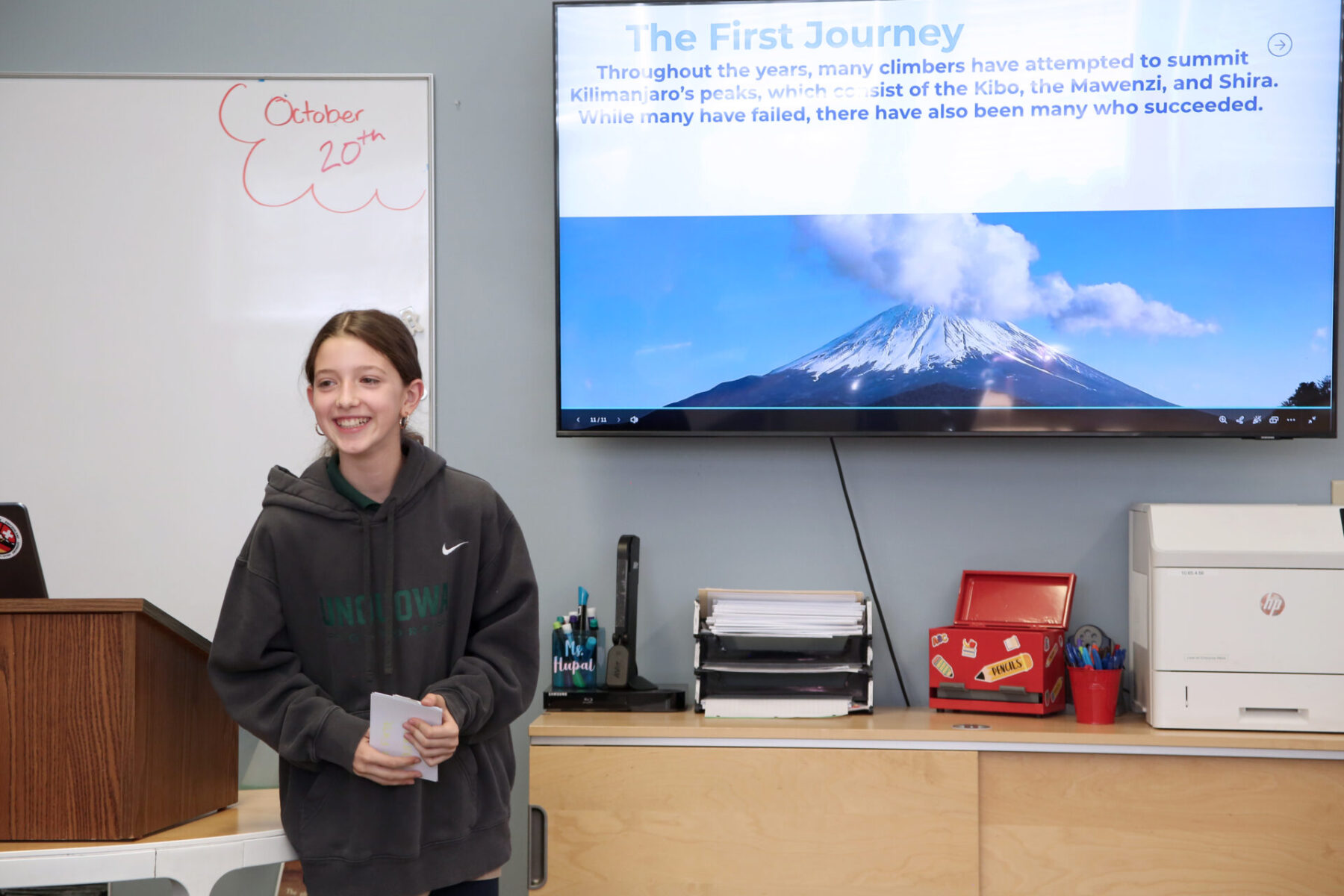
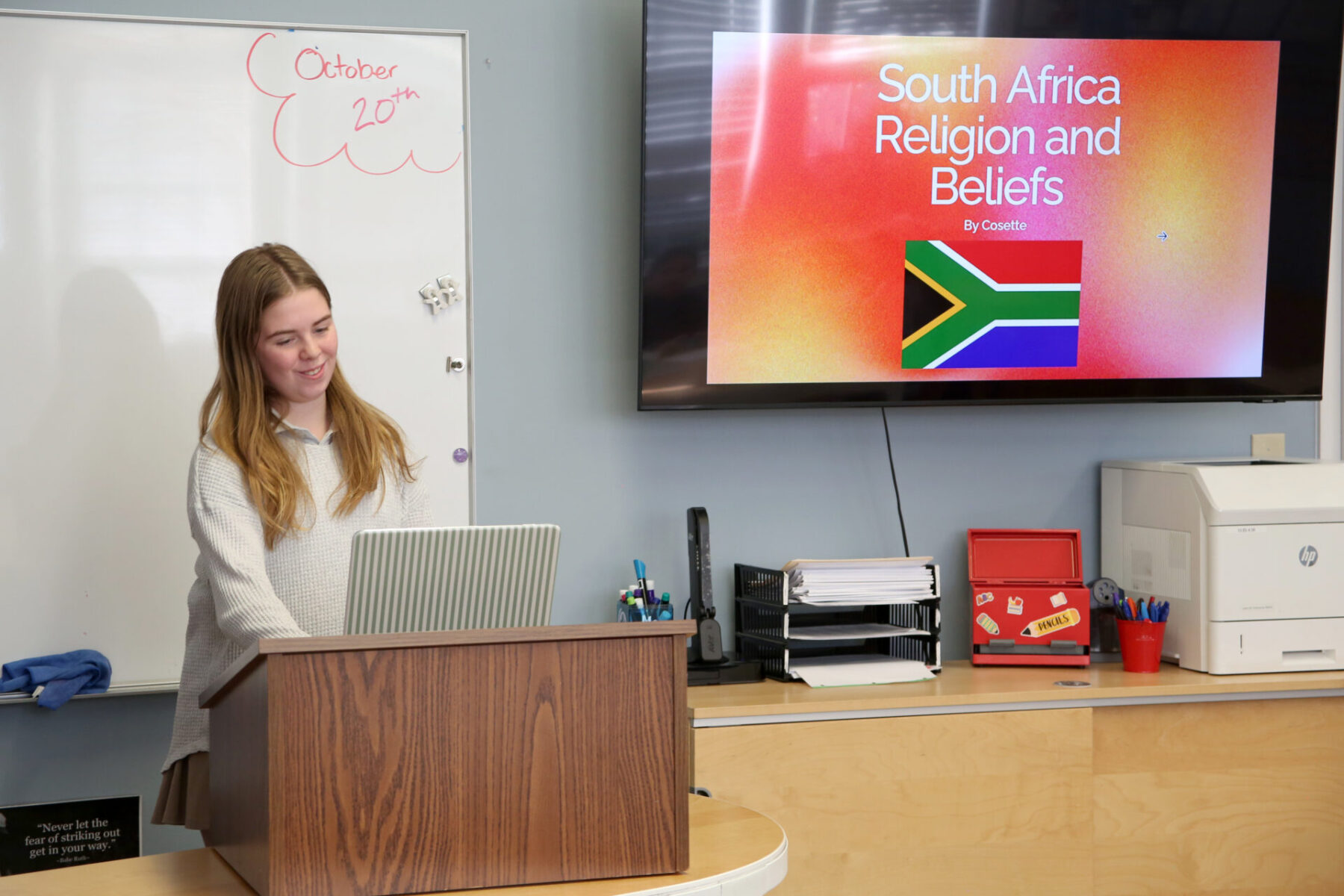
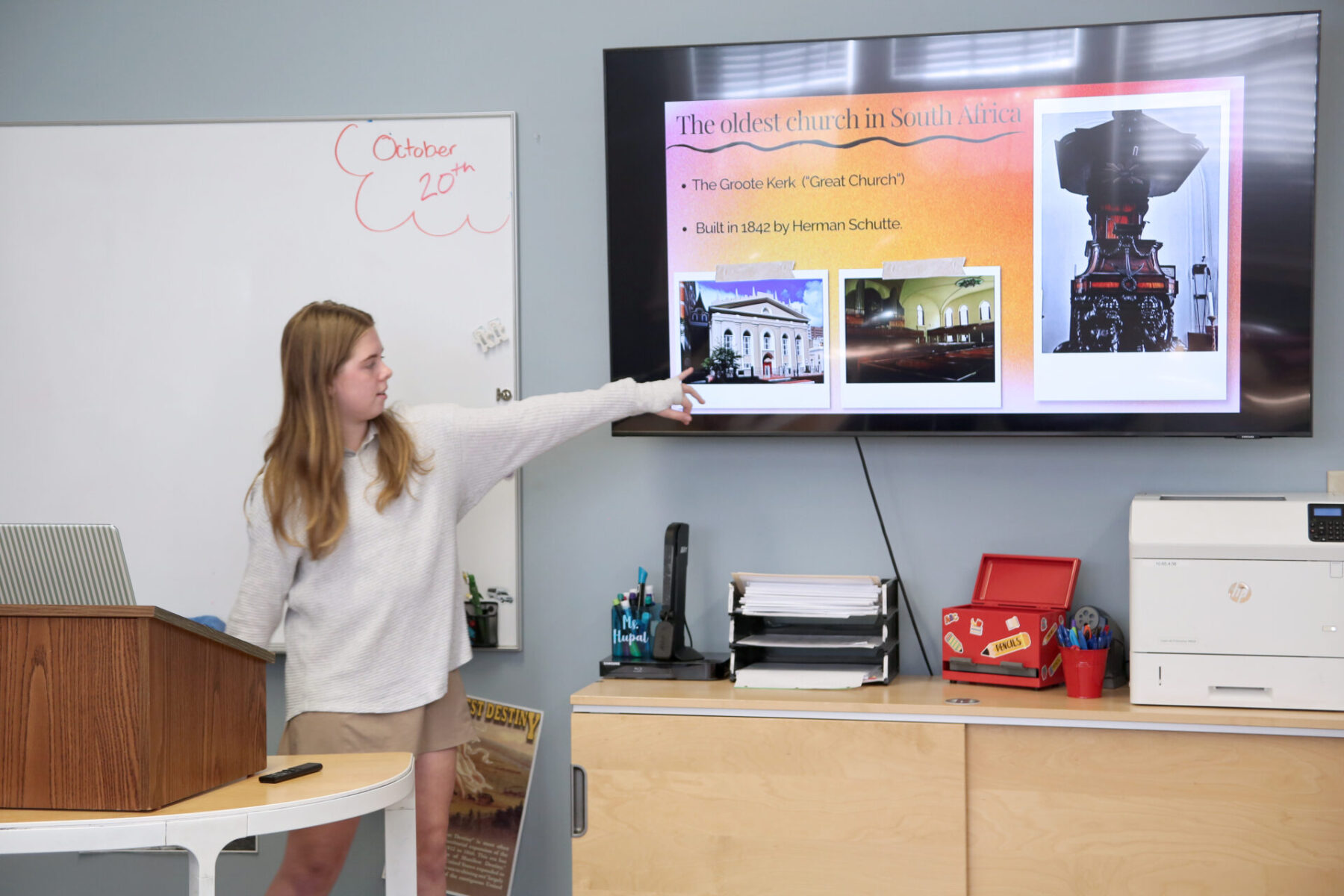
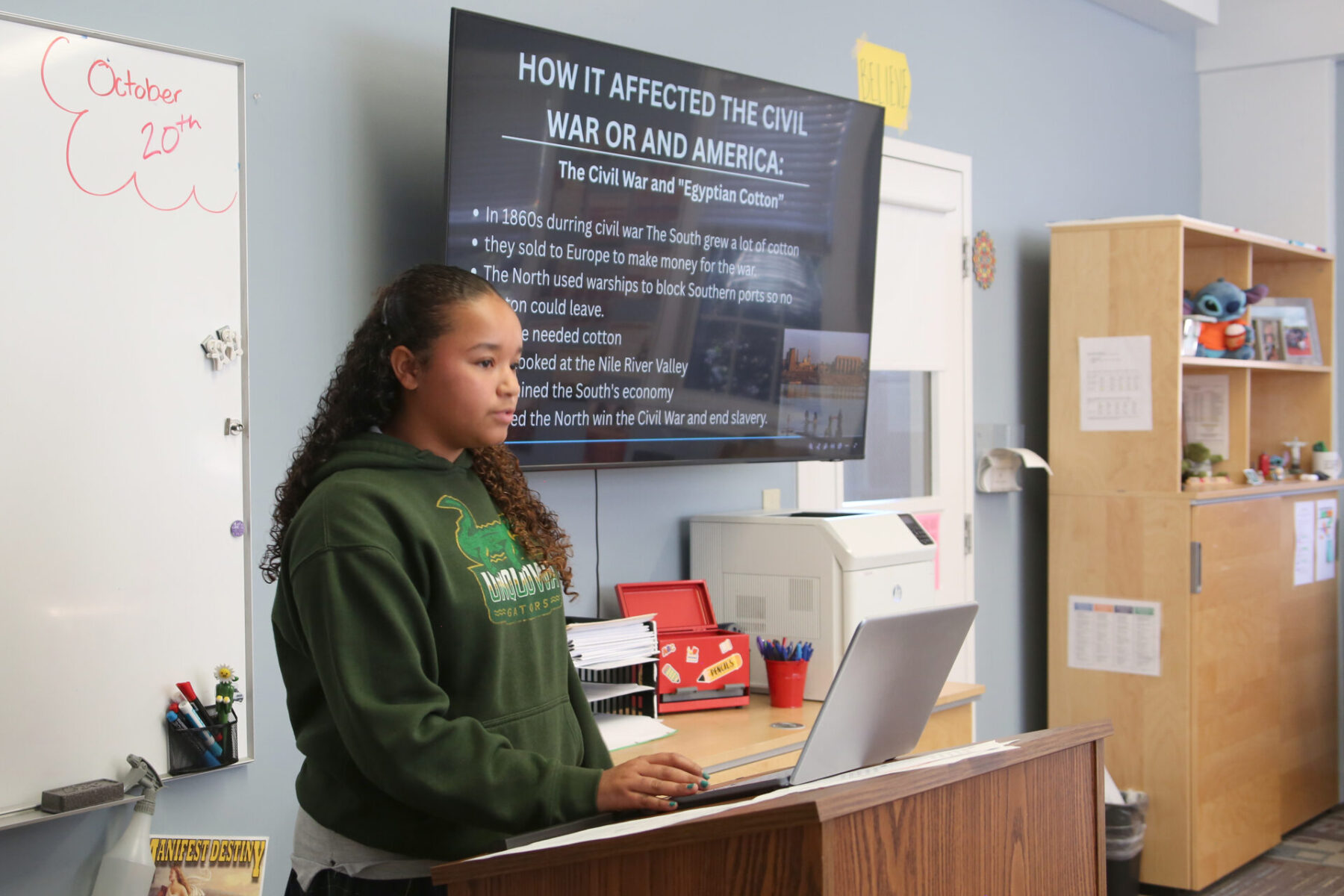
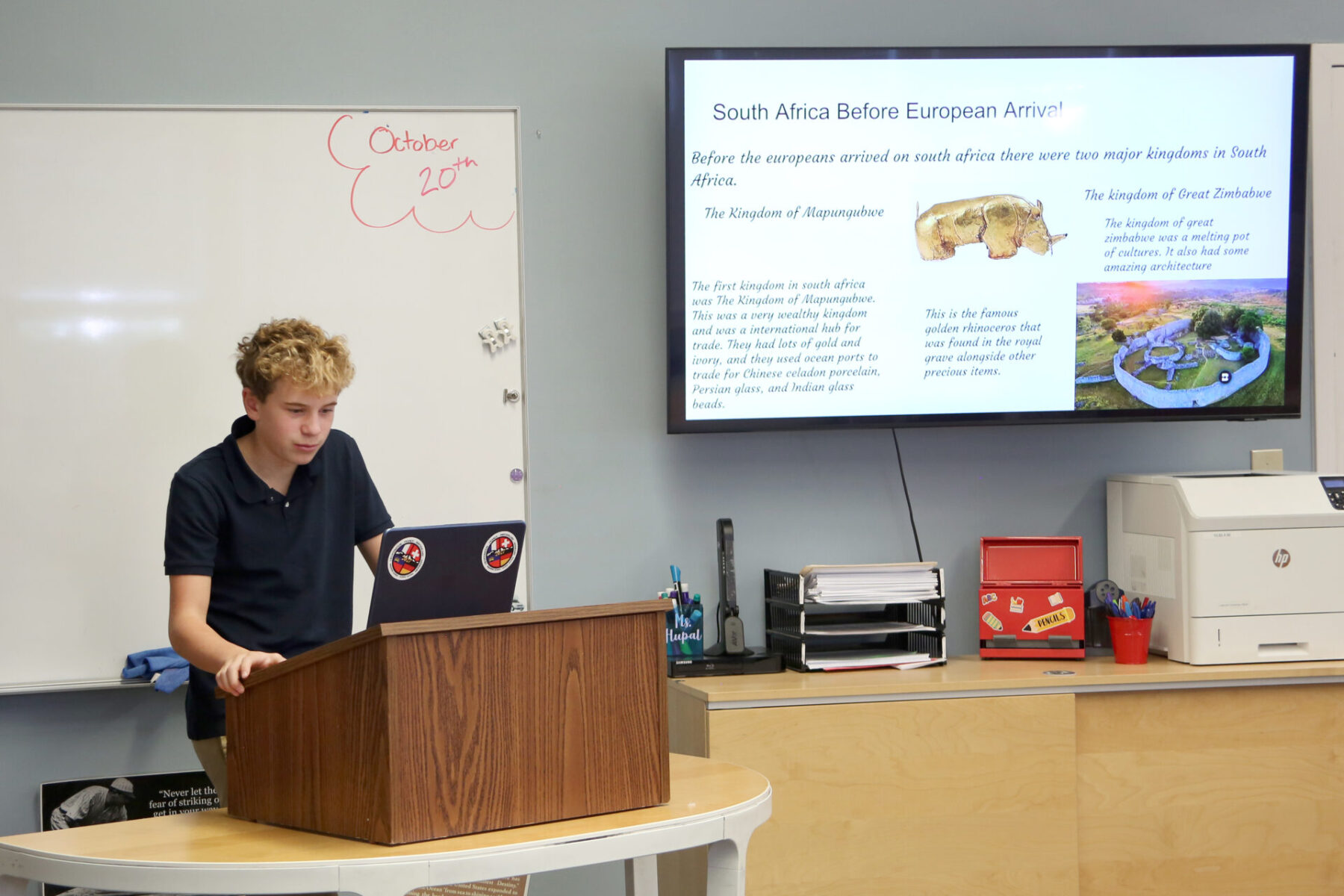
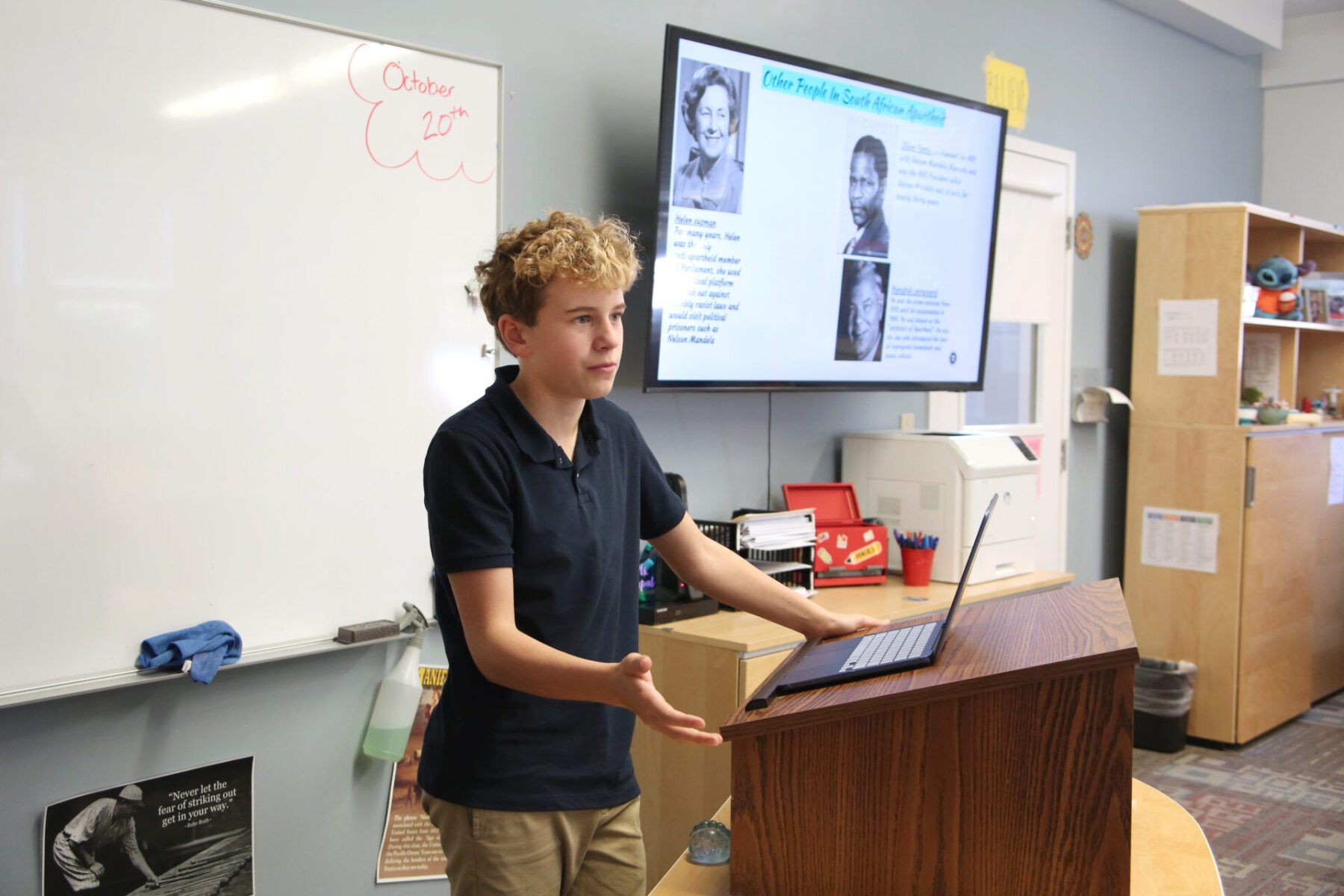
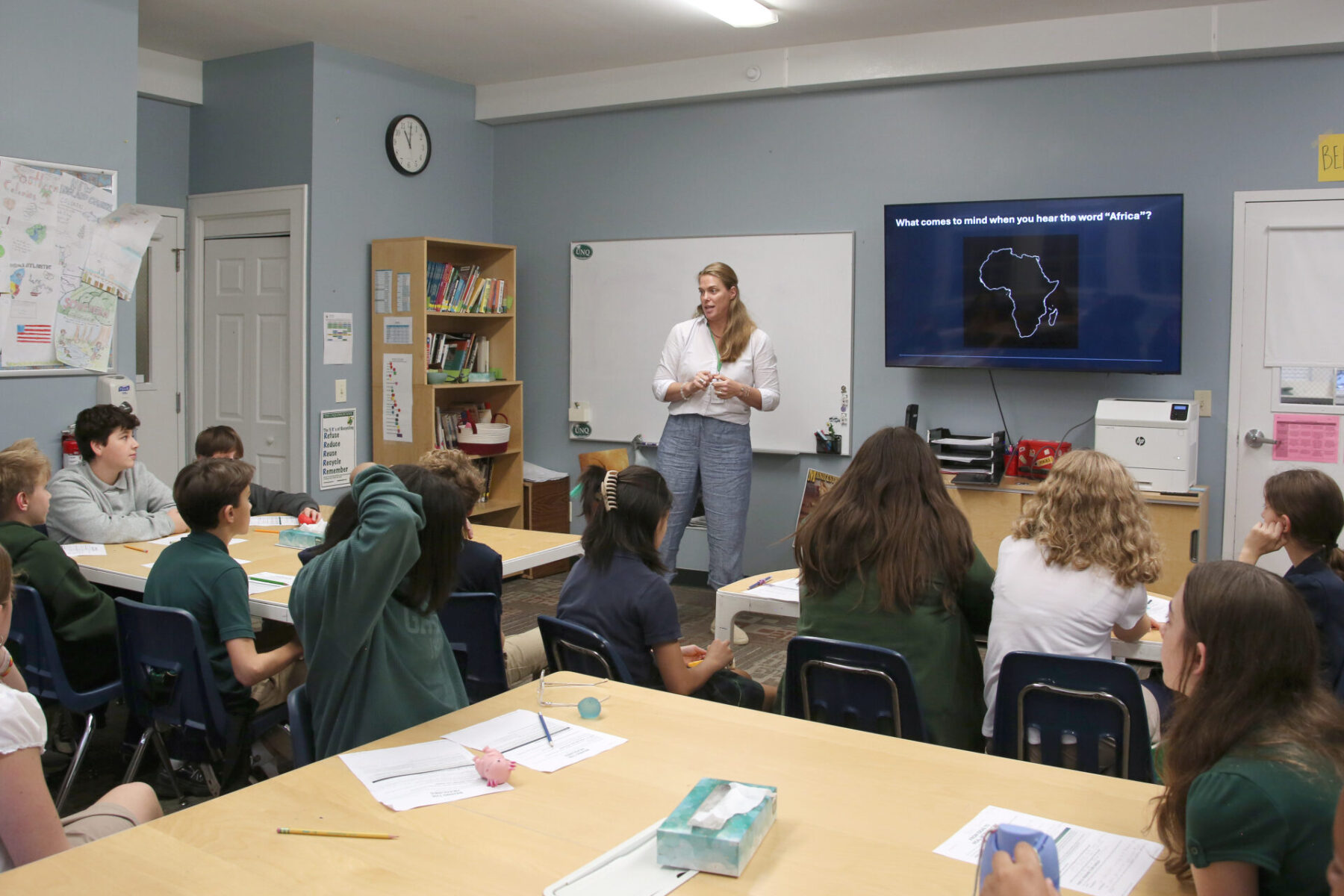
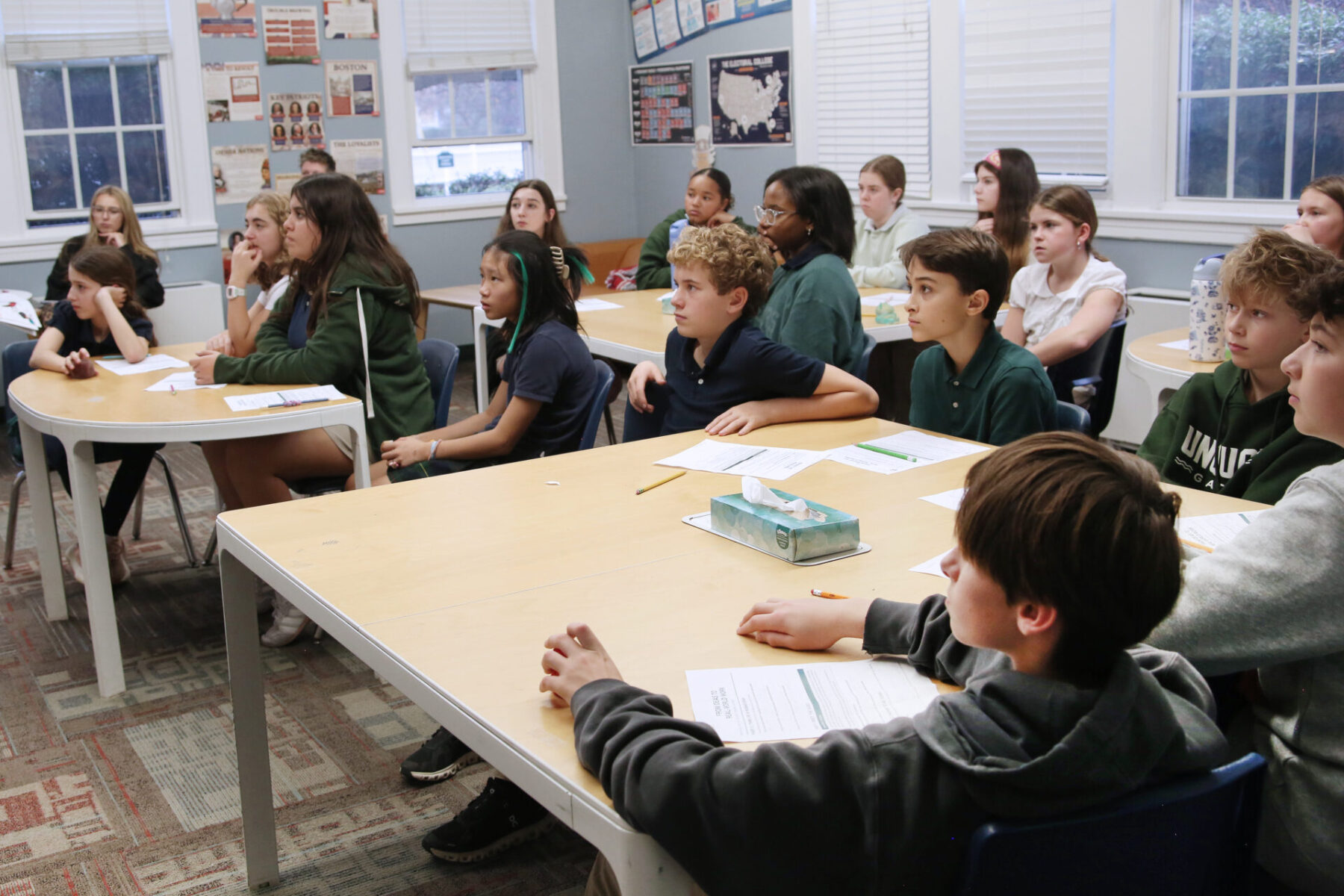
Over the past several weeks, our seventh-grade Humanities students have been immersed in an exploration of Africa’s geographic, cultural, historical, and political diversity. From studying physical geography and influential pre-colonial civilizations to examining the lasting impacts of European imperialism, apartheid, and artificial borders, students explored how Africa’s rich history continues to shape the modern day. Through hands-on activities, independent research, and meaningful conversations, students were challenged to look beyond common misconceptions and deepen their understanding of a continent with countless stories to tell.
A highlight of the unit was our Africa Choose Your Own Adventure (CYOA) Research Project. Students selected topics that sparked their curiosity, ranging from the Nile River and Lake Victoria to the Mali Empire, Mount Kilimanjaro, and religion in South Africa. Through independent research, essay writing, and oral presentations, students became the experts on their chosen topics and shared their discoveries with classmates. The project encouraged students to take ownership of their learning while strengthening their research, writing, and presentation skills.
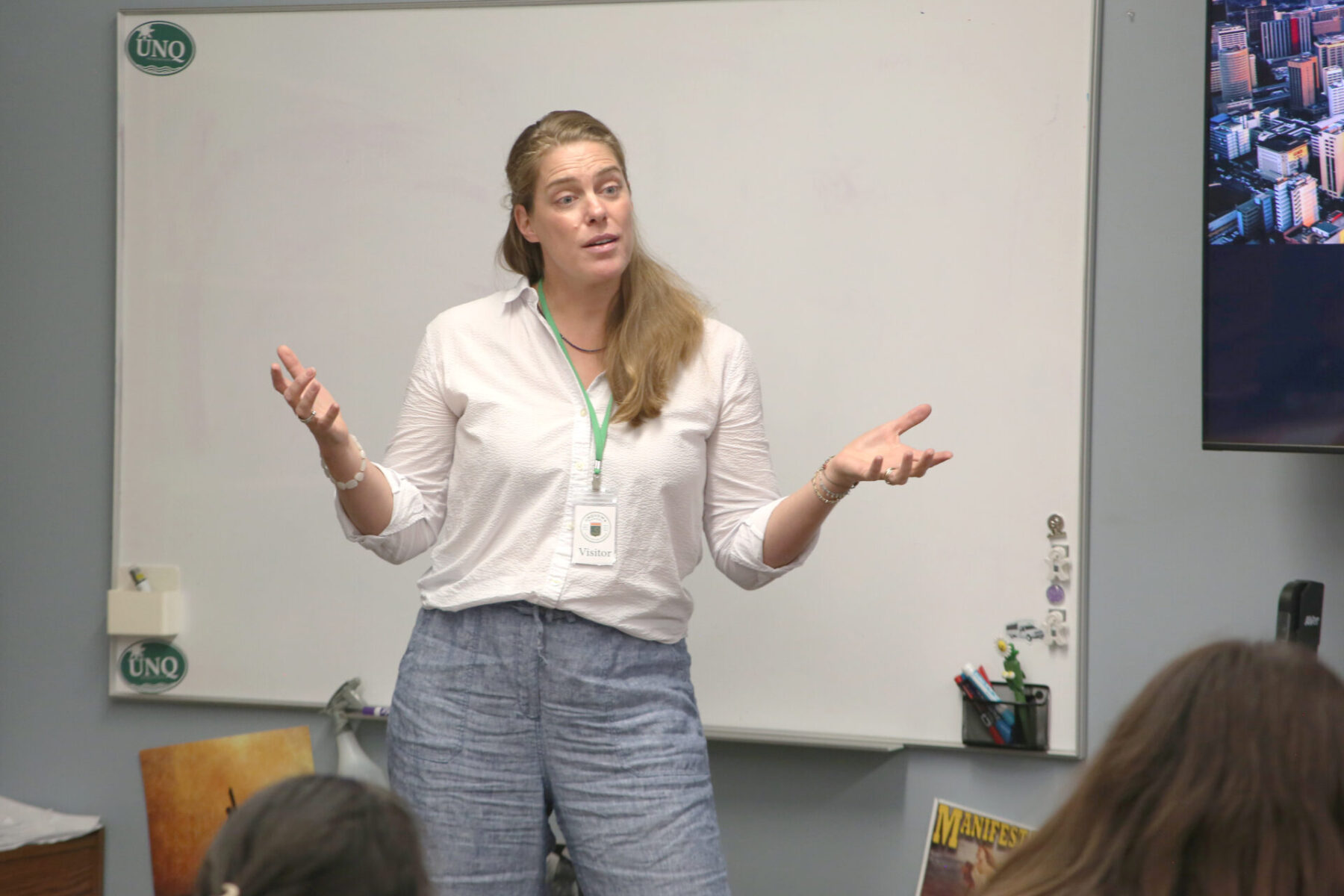
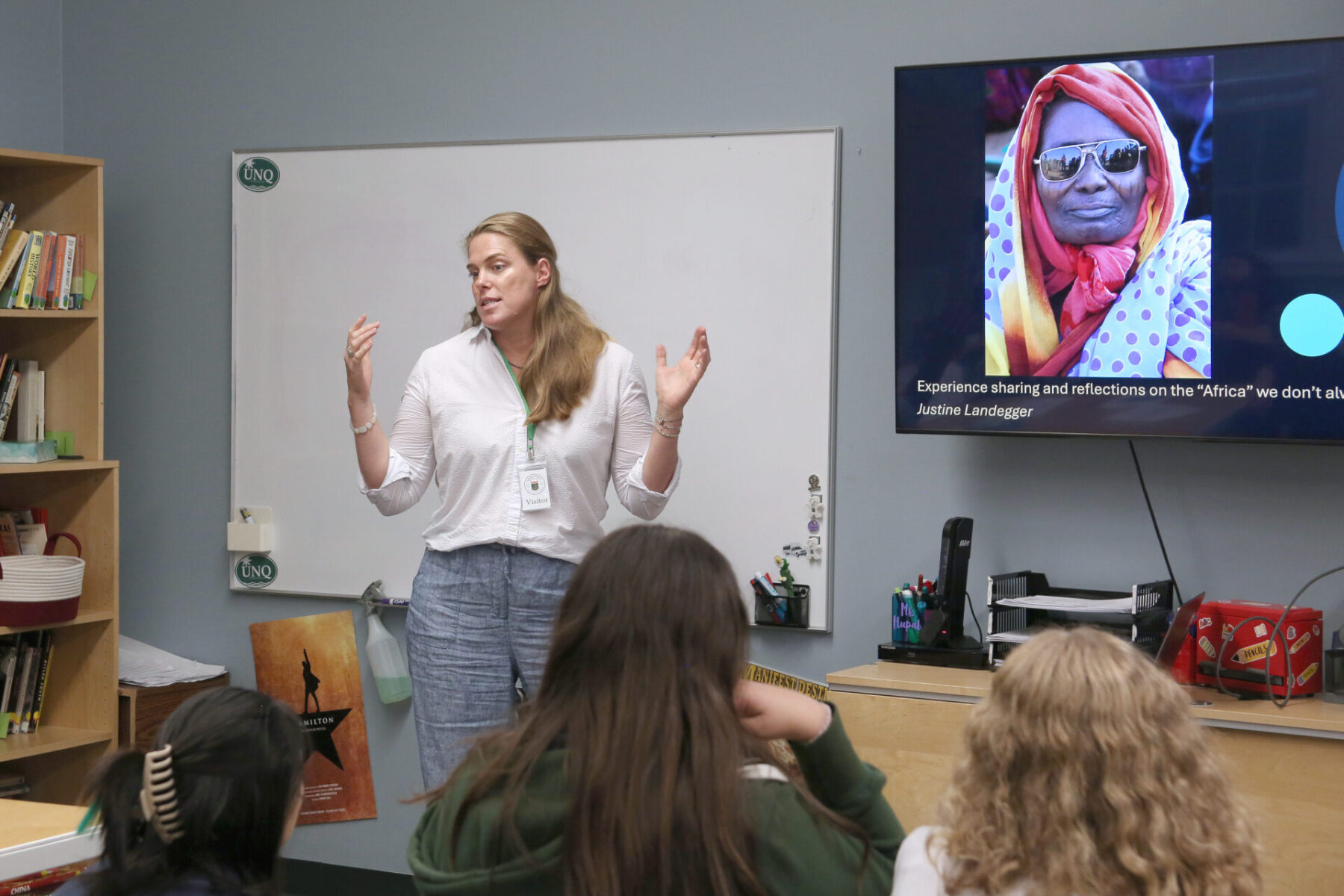
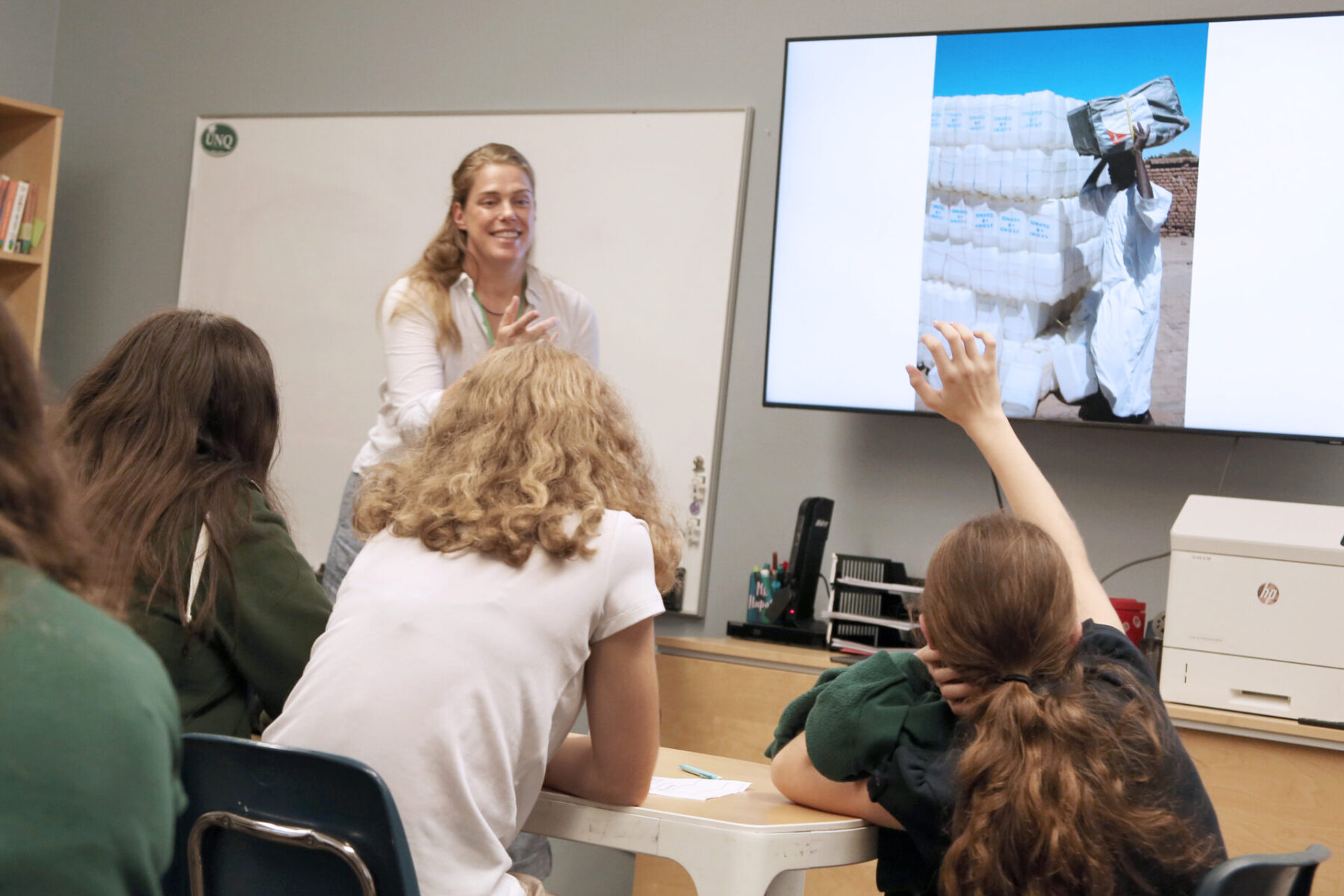
We were also fortunate to welcome Justine Landegger as a guest speaker. Drawing on more than two decades of experience in international public health and humanitarian work, Justine shared firsthand perspectives from her work with communities worldwide, including across Africa. Her presentation helped students connect the historical topics they had studied with contemporary challenges, while emphasizing the importance of community partnerships, local leadership, and sustainable solutions. Following her presentation, students reflected on the connections between Justine’s experiences and their own research before writing personal thank-you notes to express their appreciation.
Perhaps the greatest takeaway from this unit was the opportunity for students to challenge assumptions and recognize that Africa is not one country, one culture, or one story. It is a continent of 54 countries, thousands of languages, rich histories, and incredibly diverse communities.
Ultimately, our goal in Humanities is to help students make meaningful connections between the past and present, think critically about the world around them, and approach unfamiliar perspectives with curiosity and empathy. This unit provided a wonderful opportunity to bring those goals beyond the textbook and into the real world.
← Water, Weather, and Time! Solar Ovens →