












Observing Plant Bodies and its Systems
Posted by Joshua Bartosiewicz-
- Observing ground tissue and vascular tissue in a carrot root.
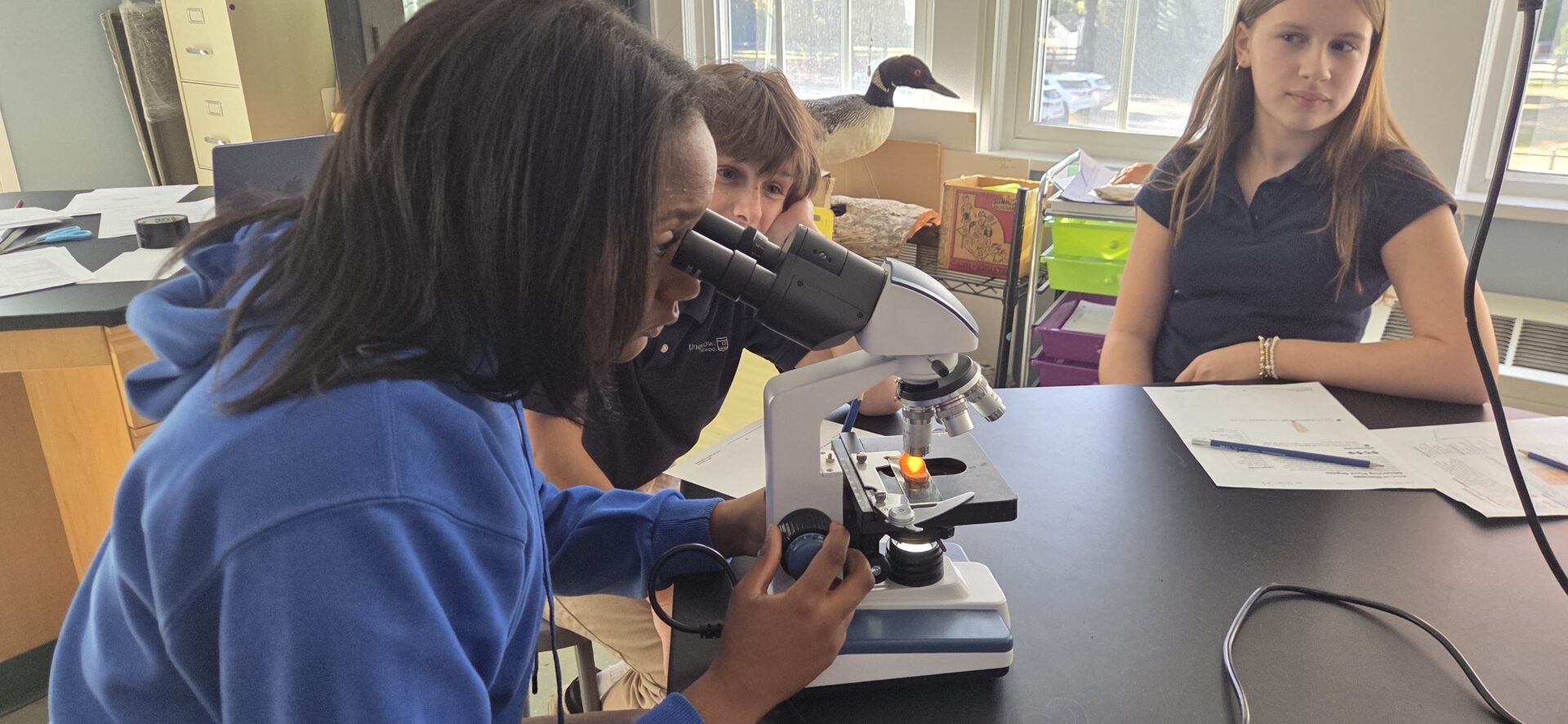
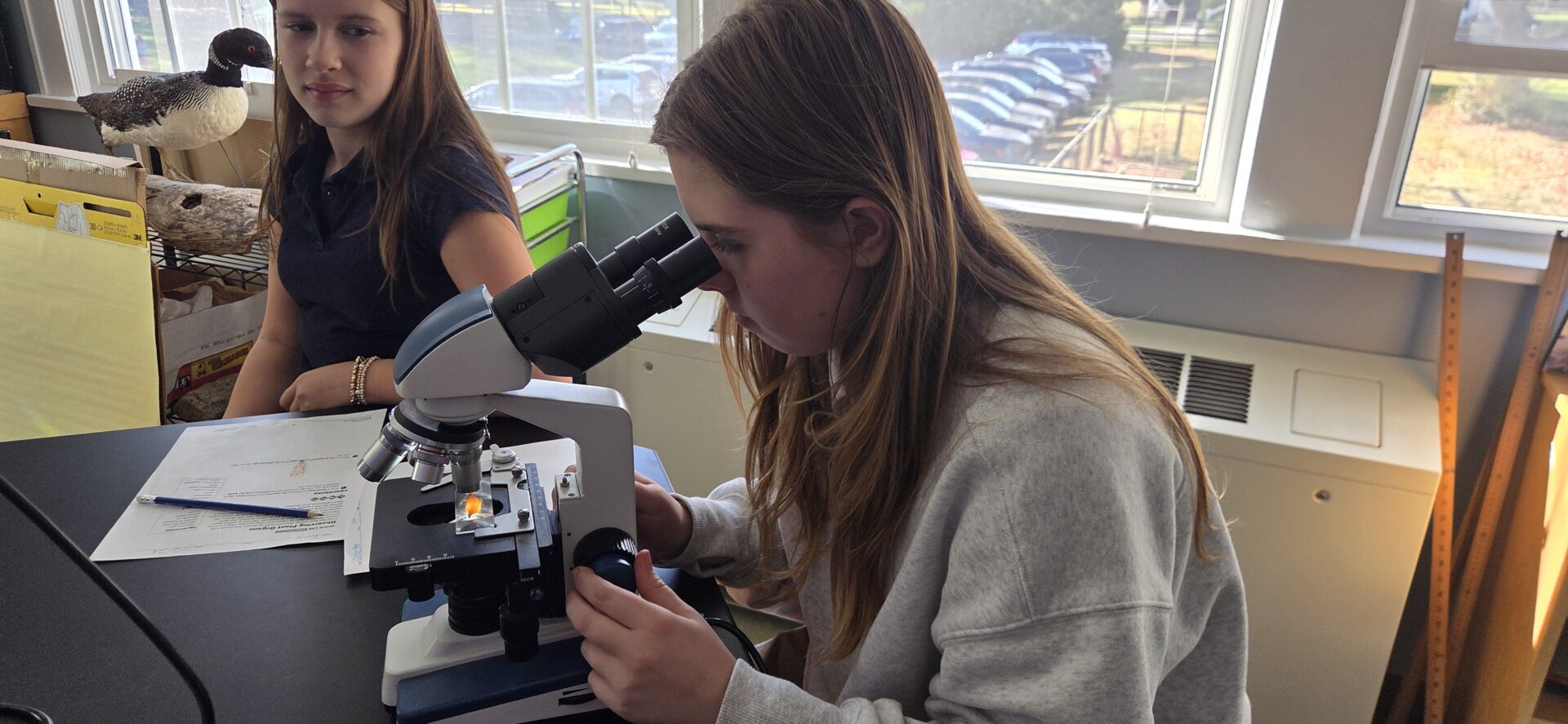
-
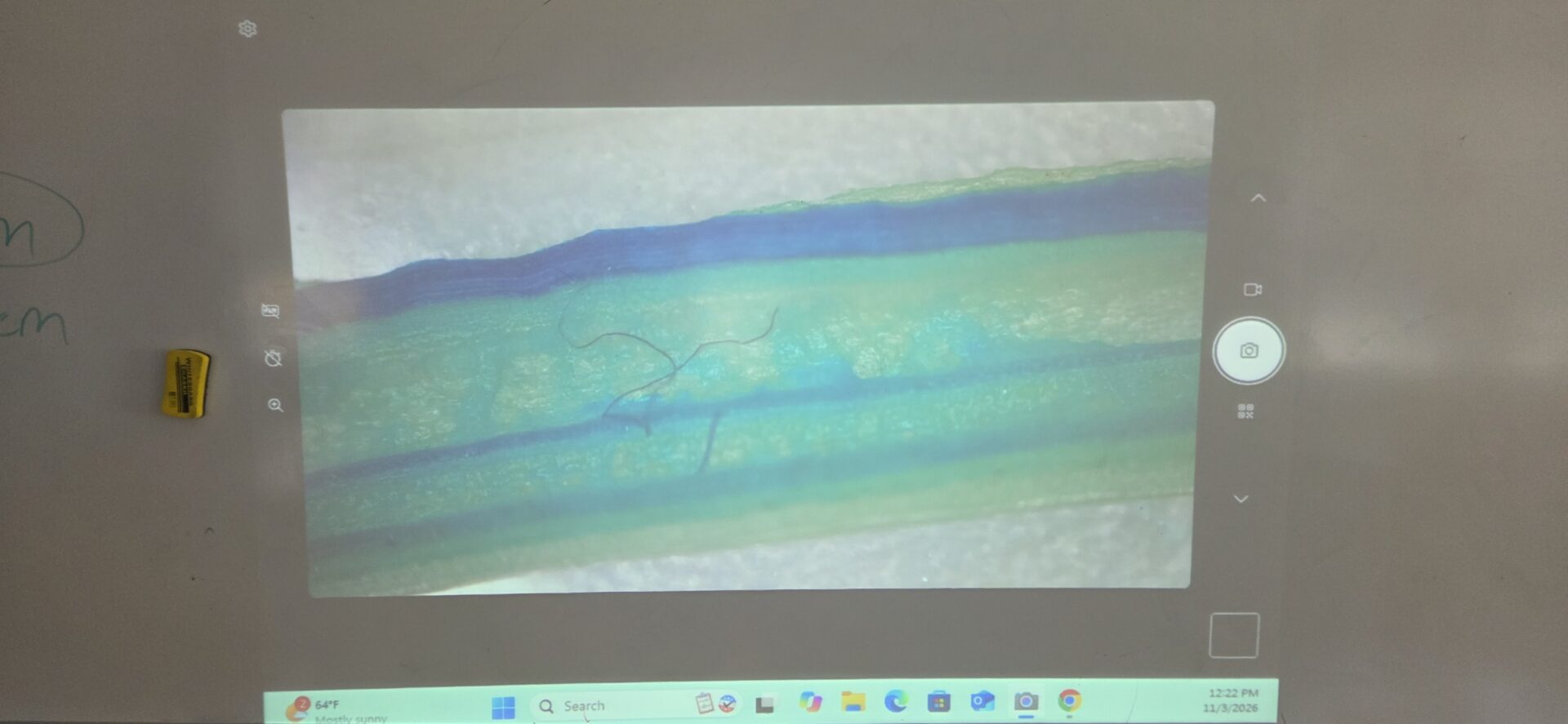
- Observing water transport through the vascular veins in a celery stalk.
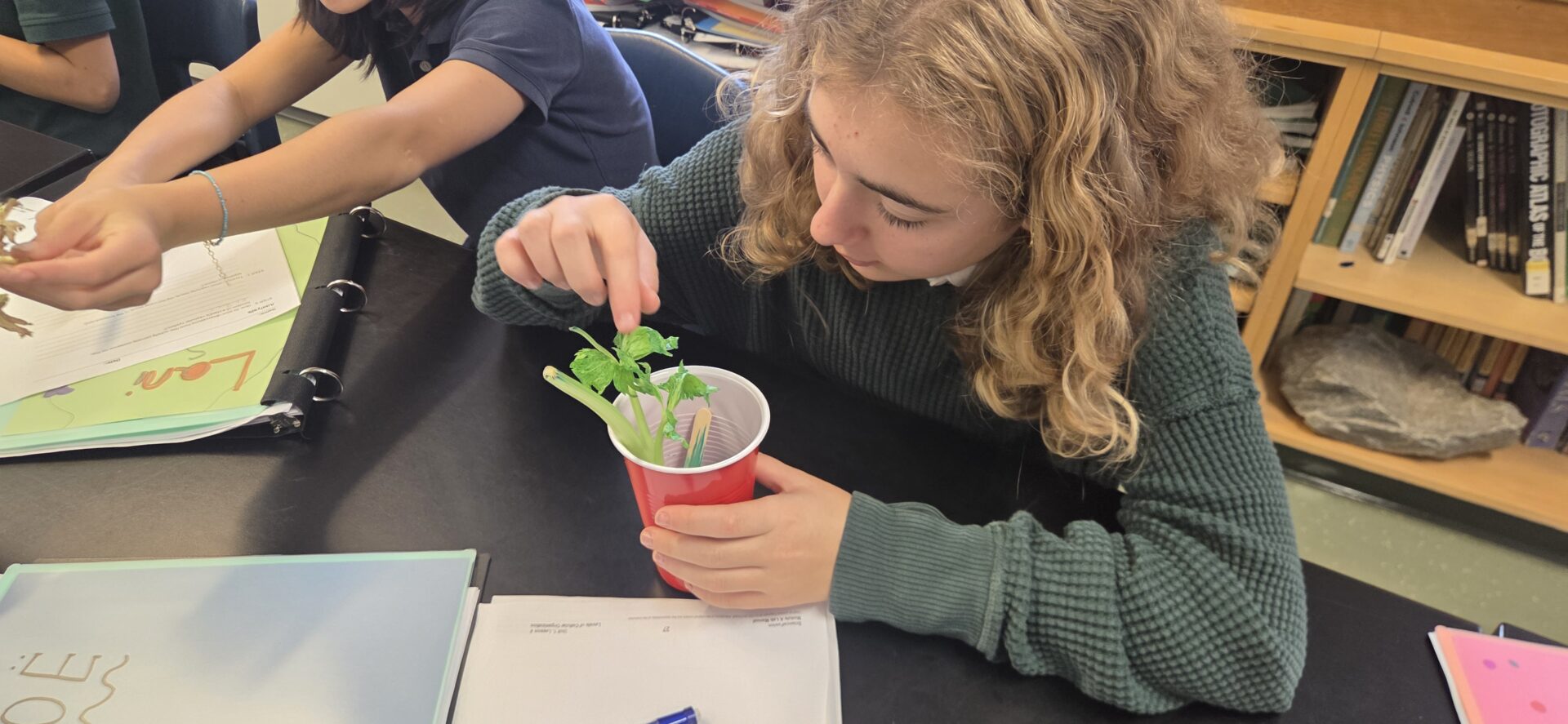
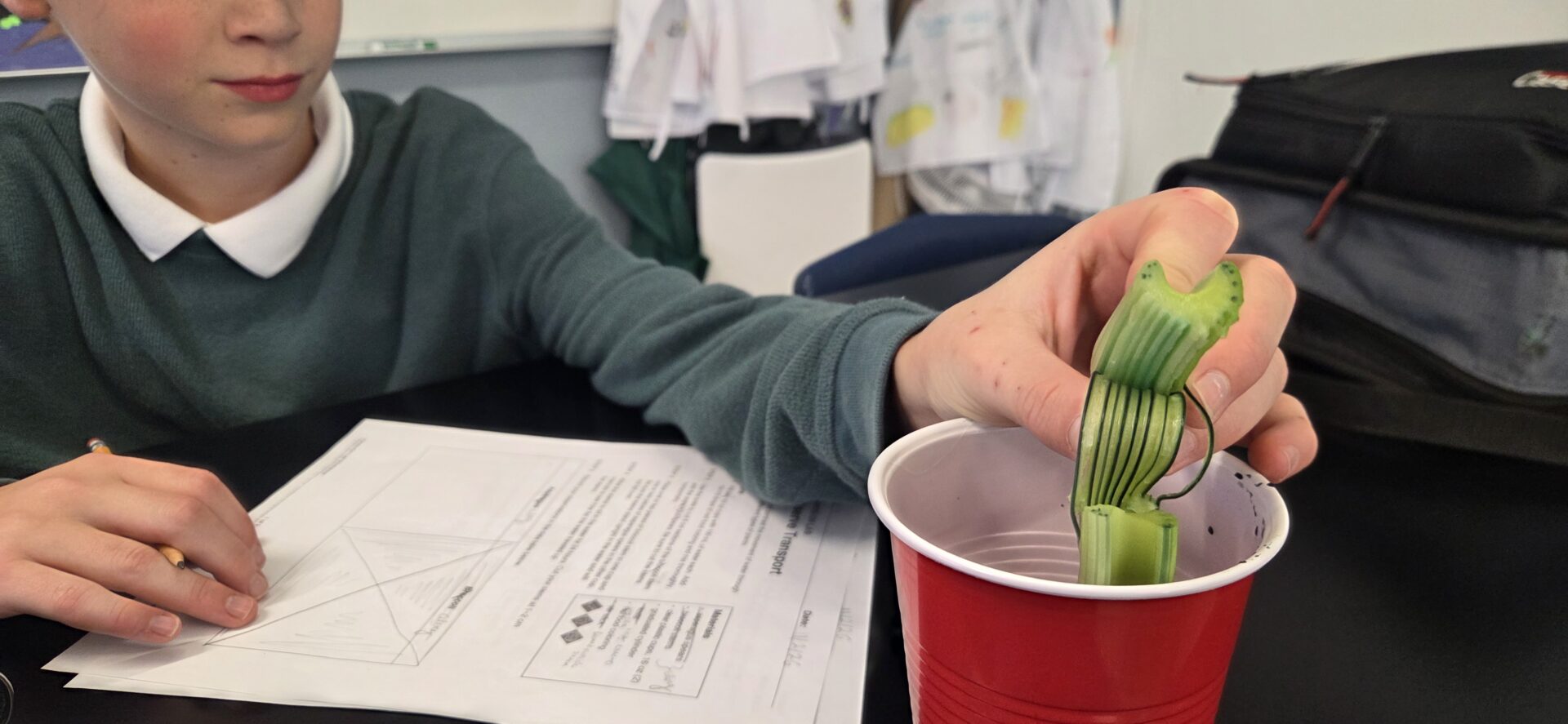
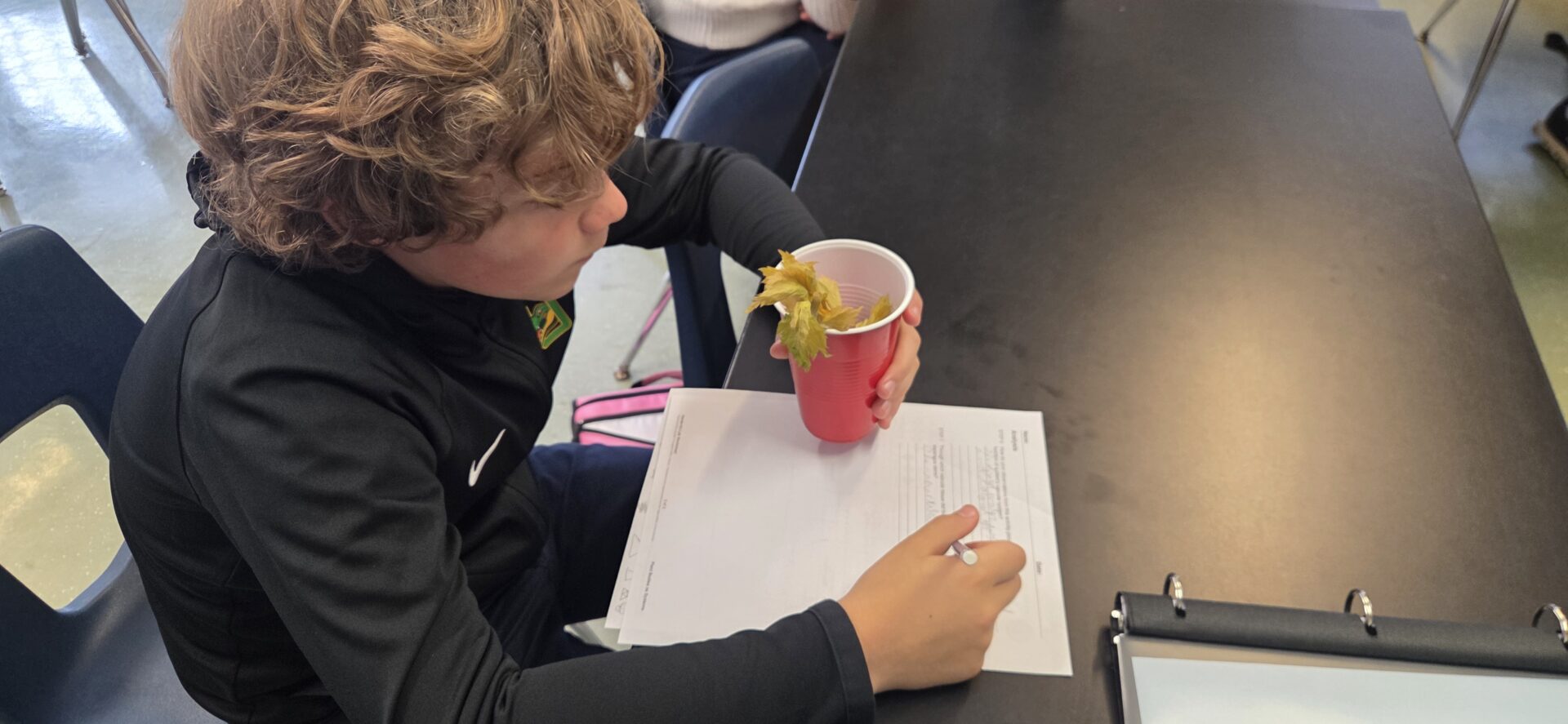
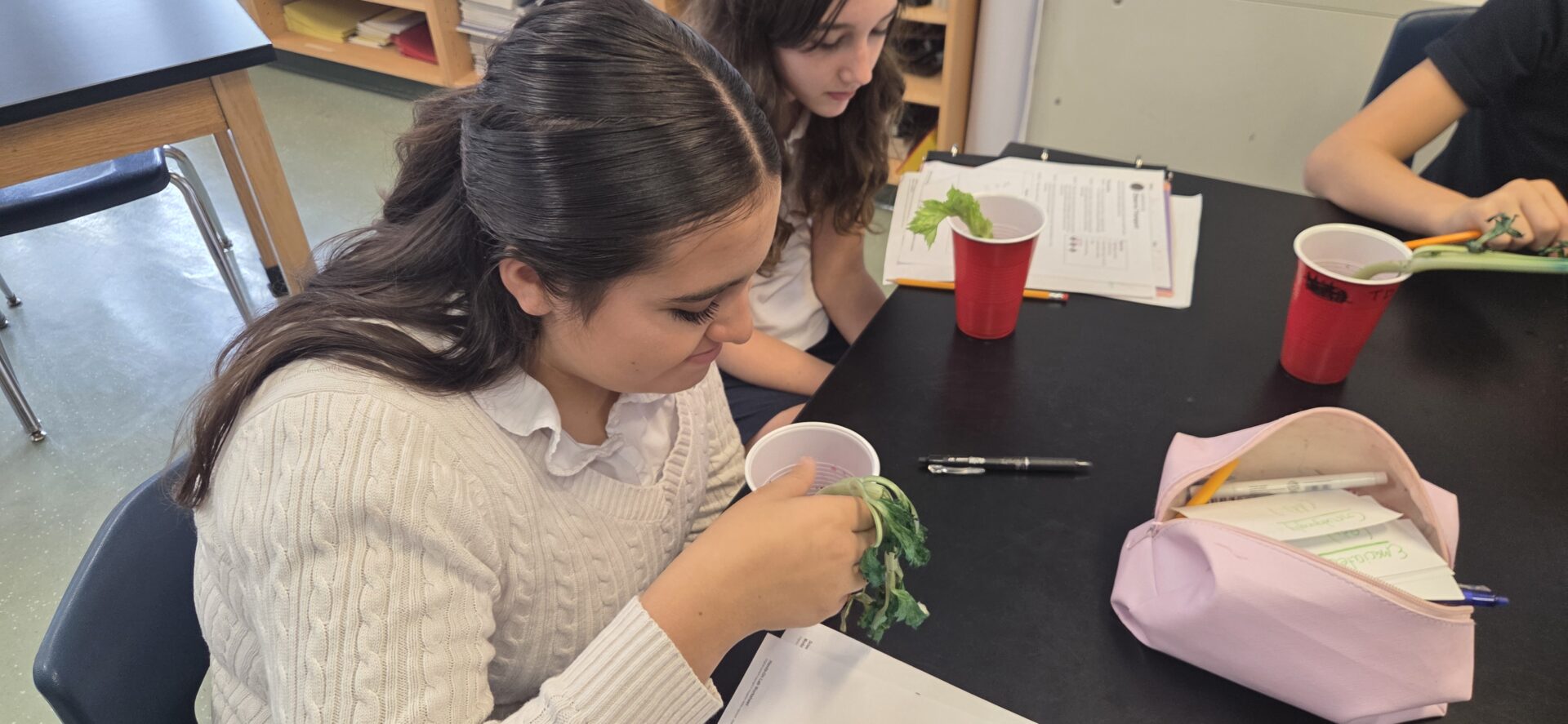
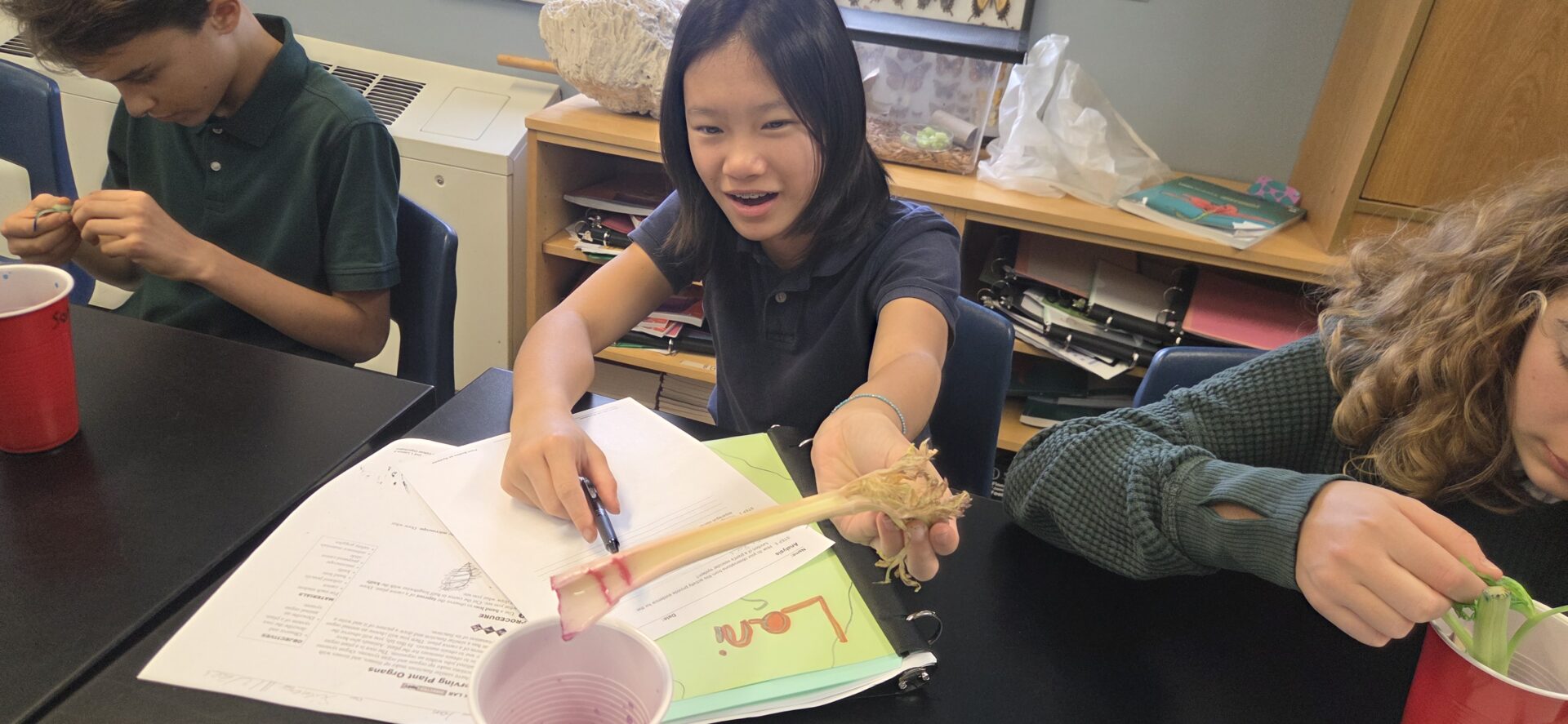
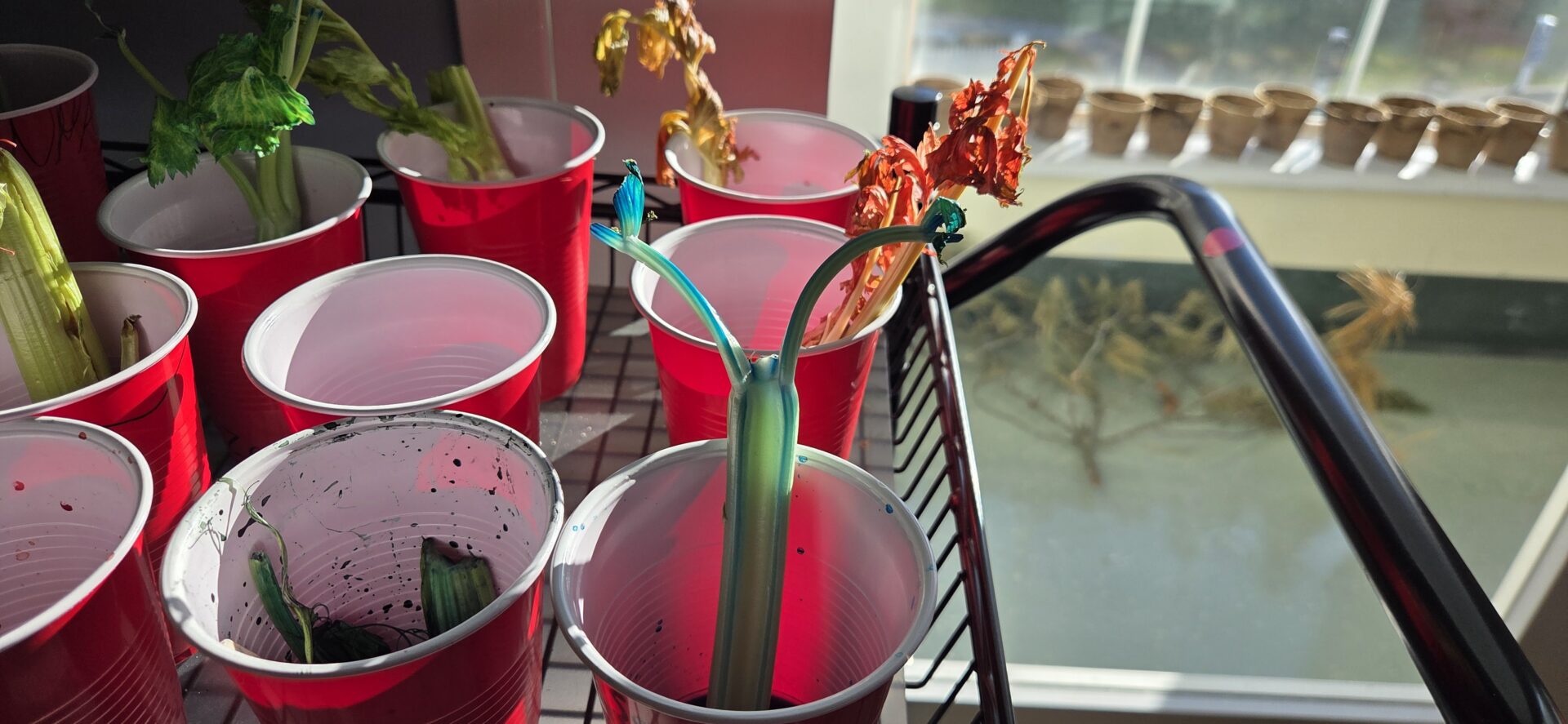
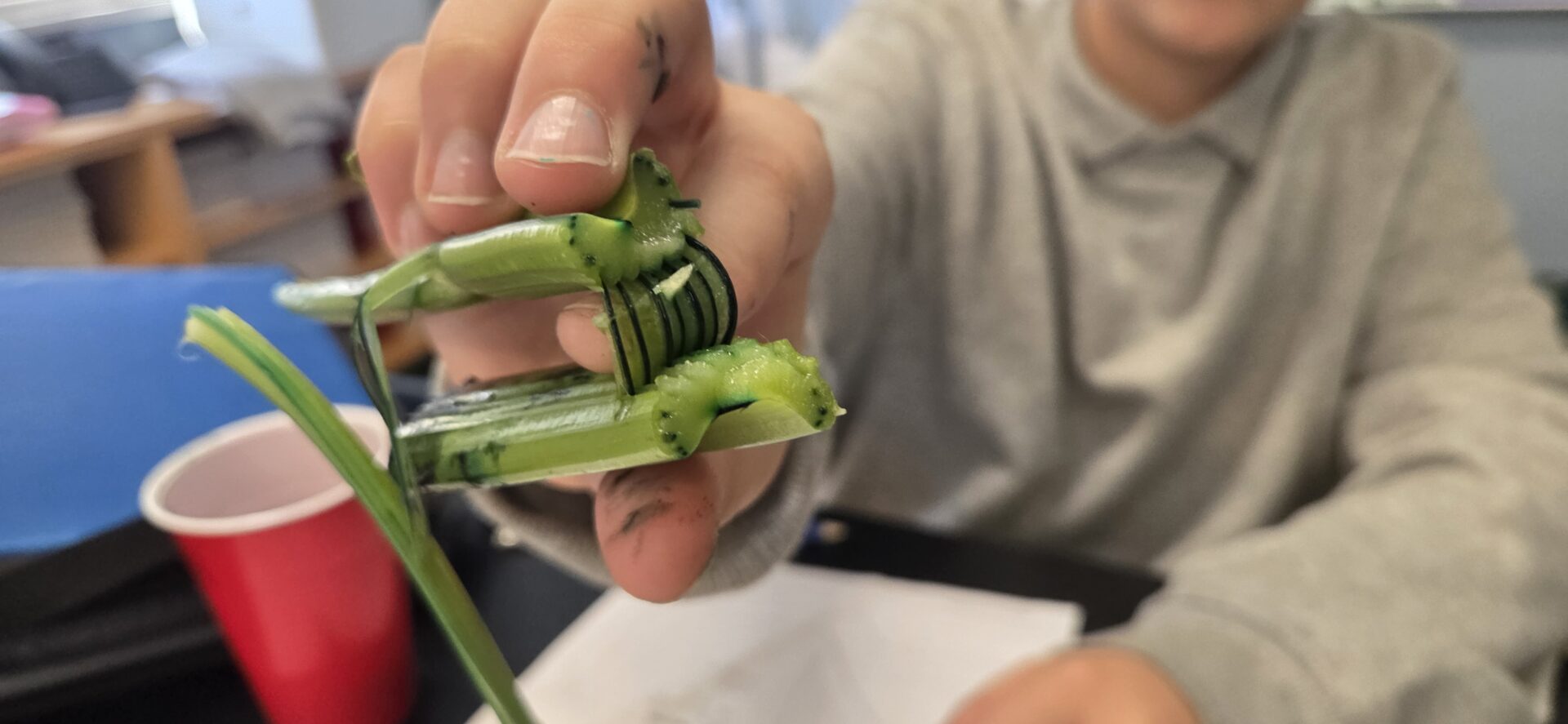
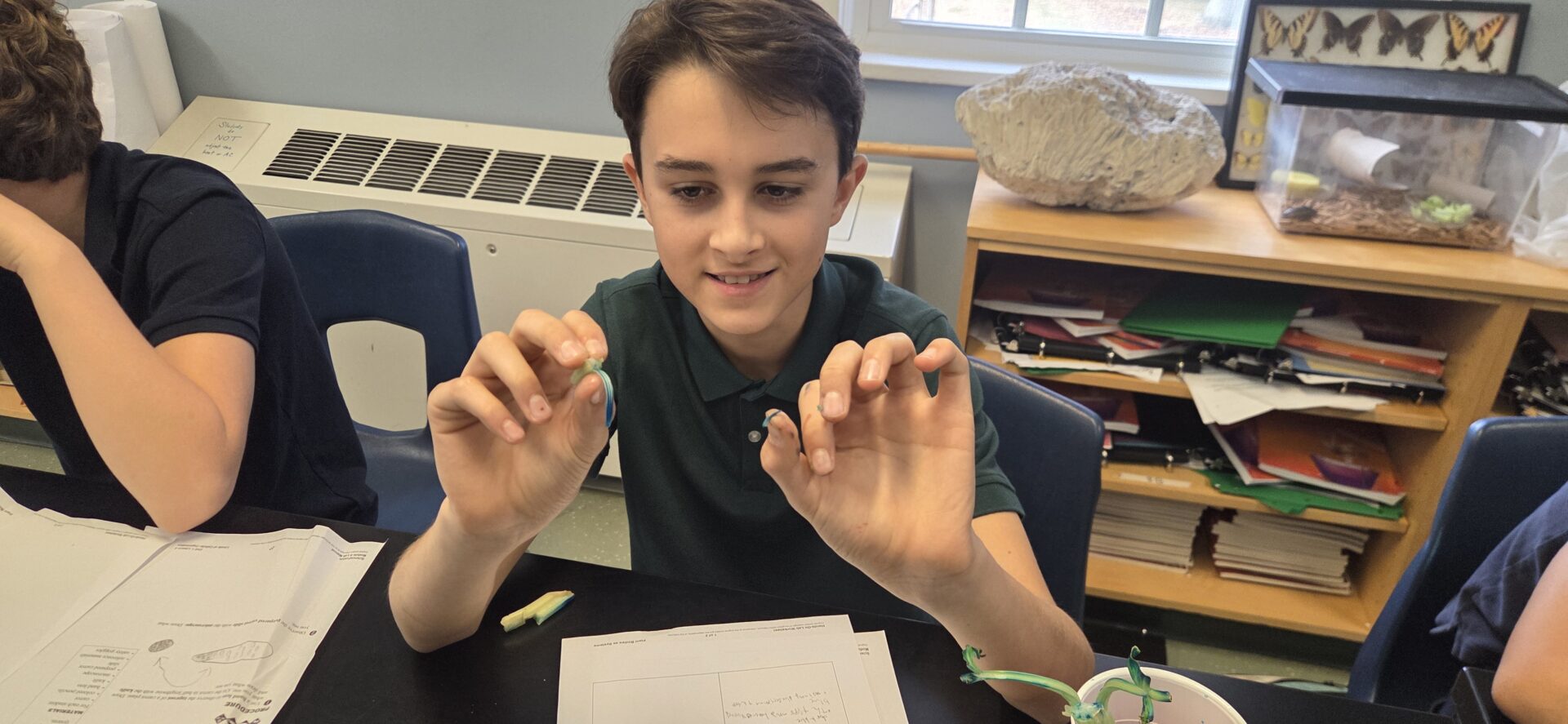
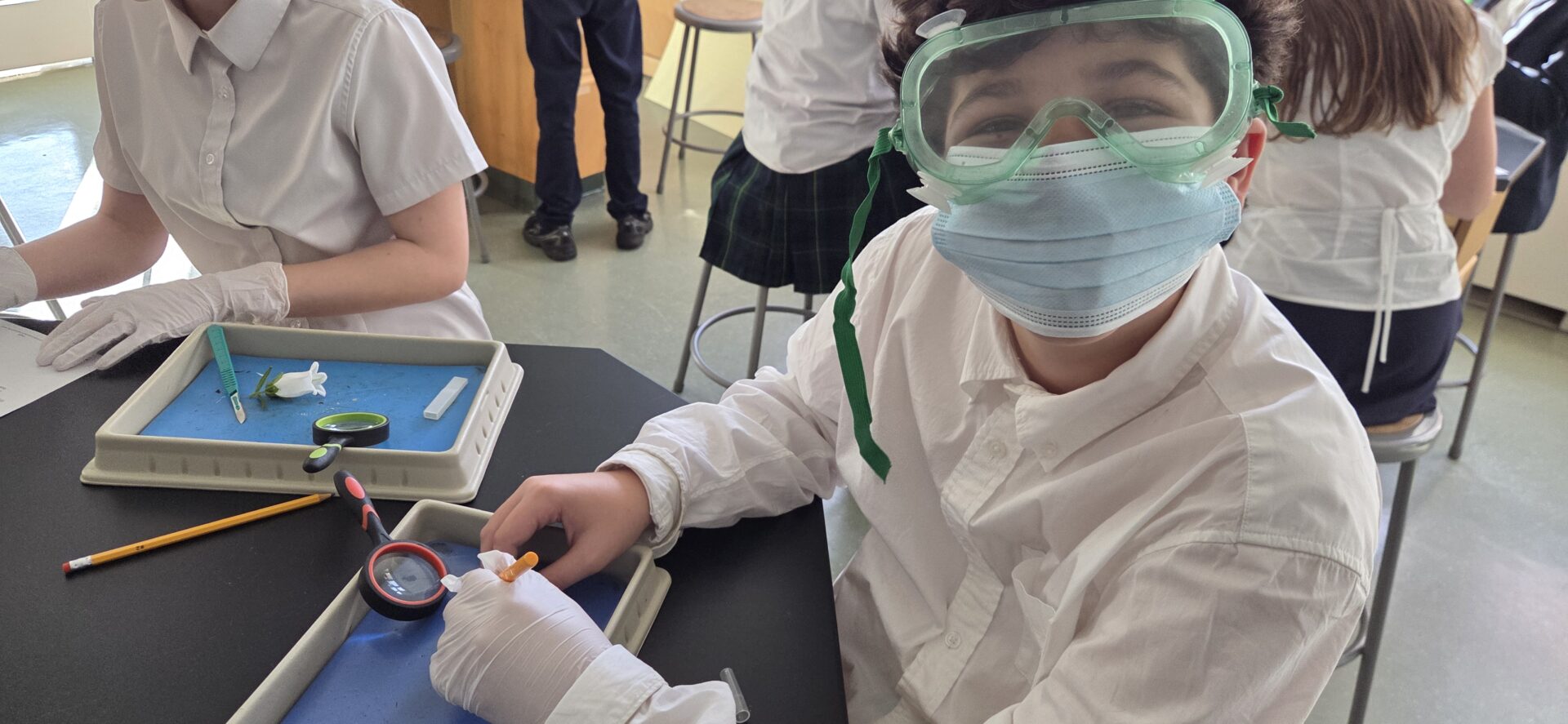
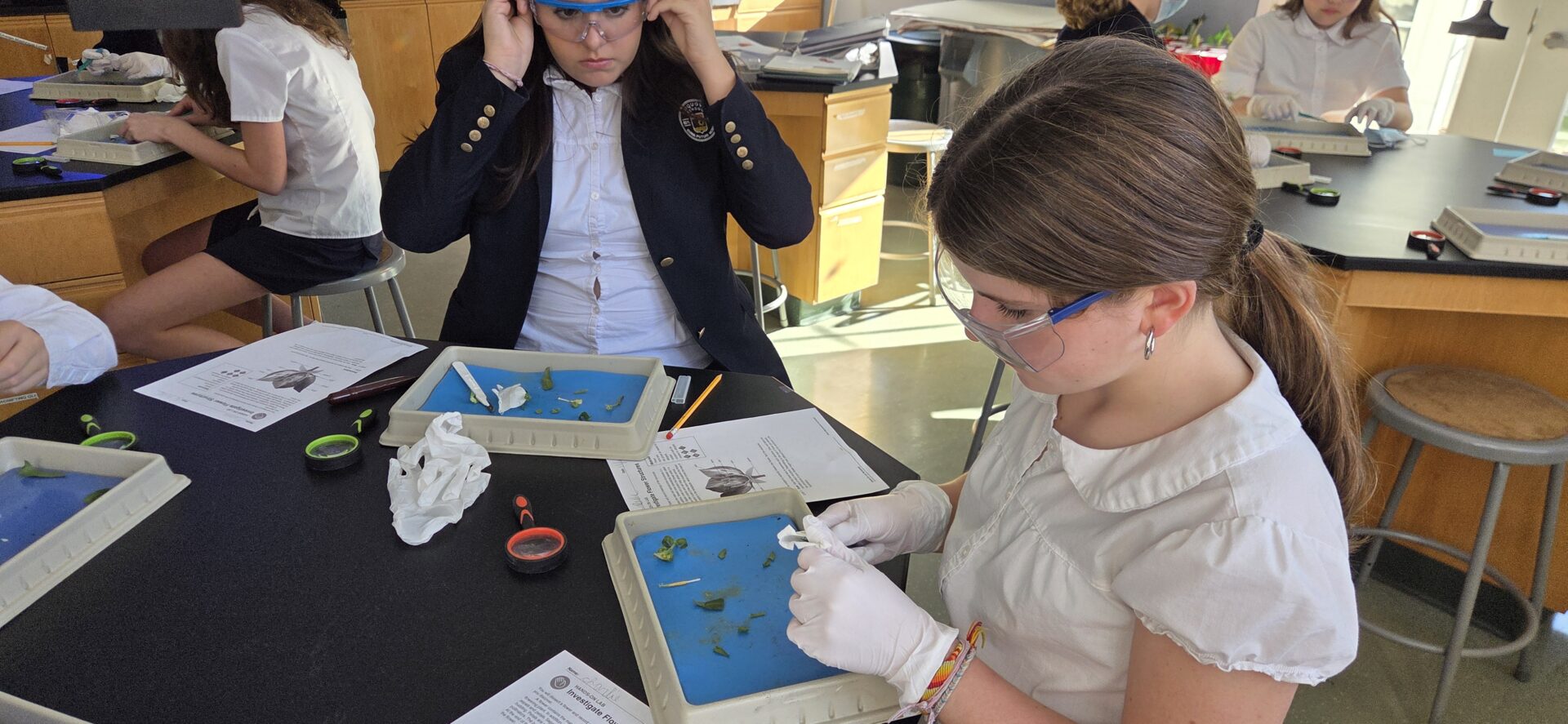
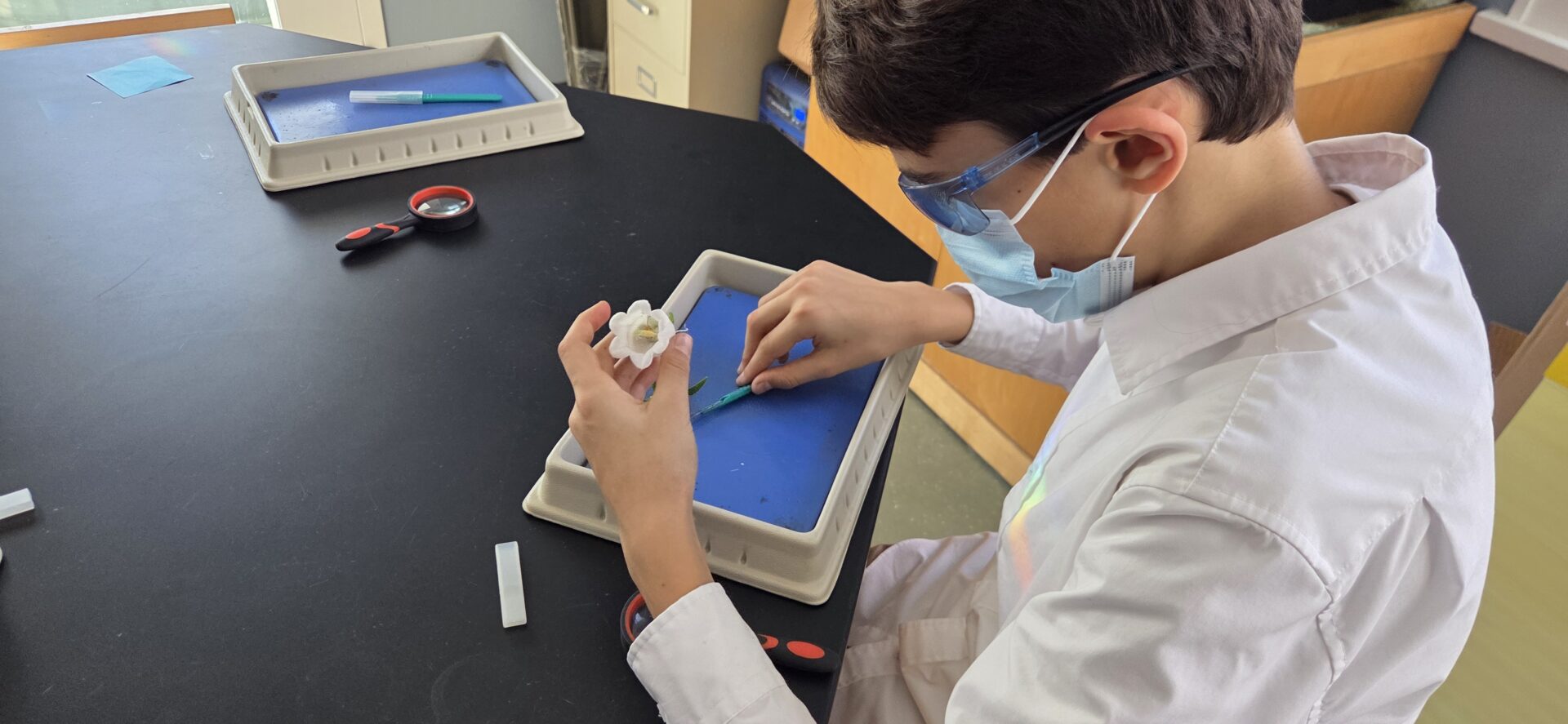
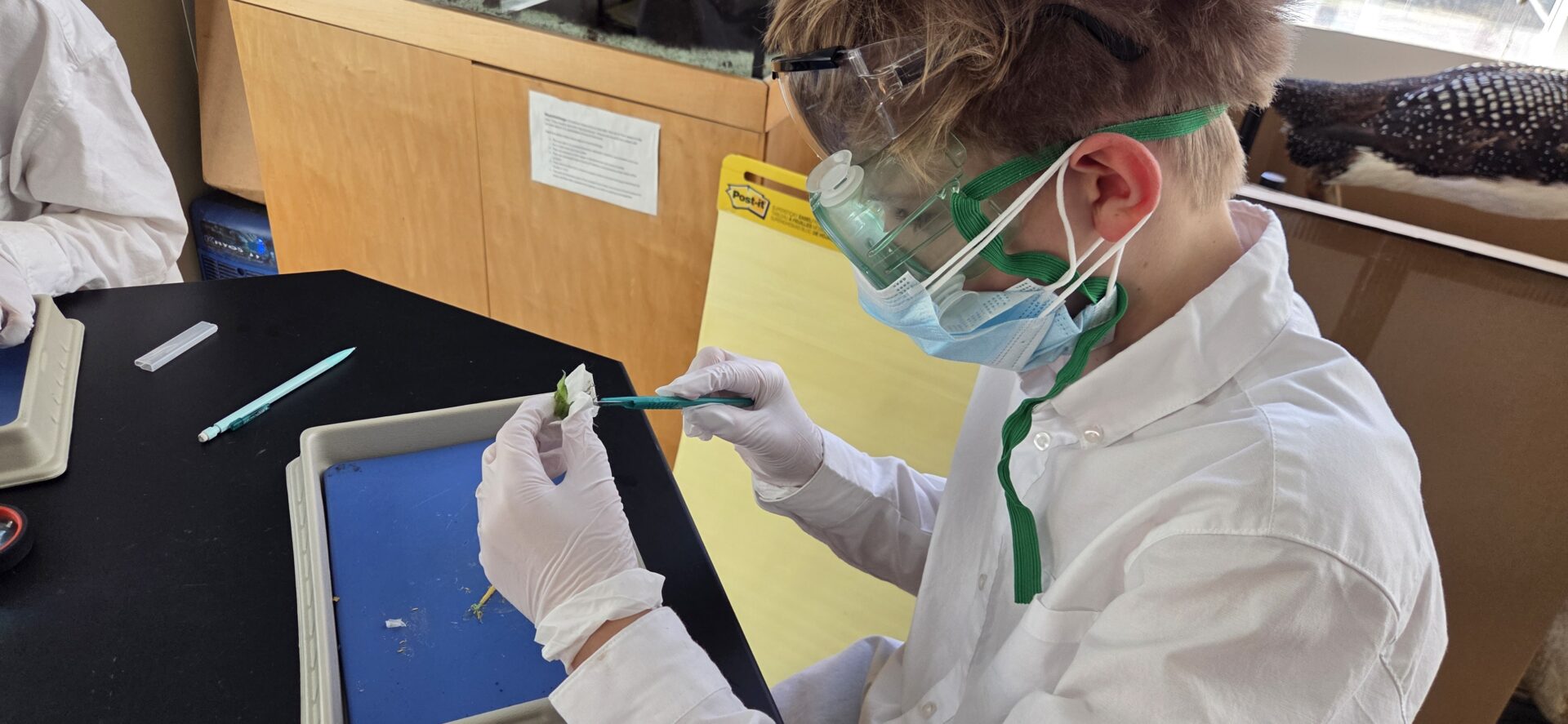
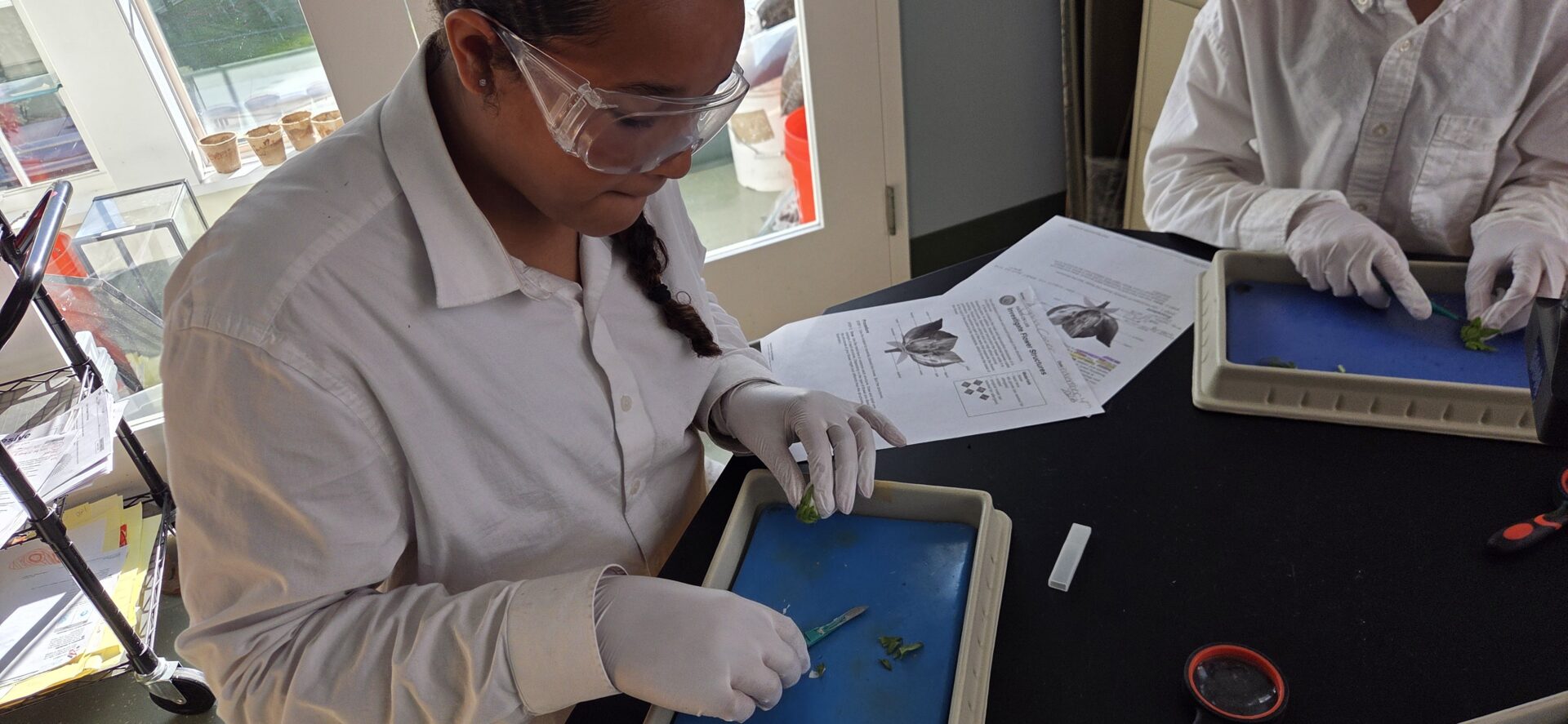
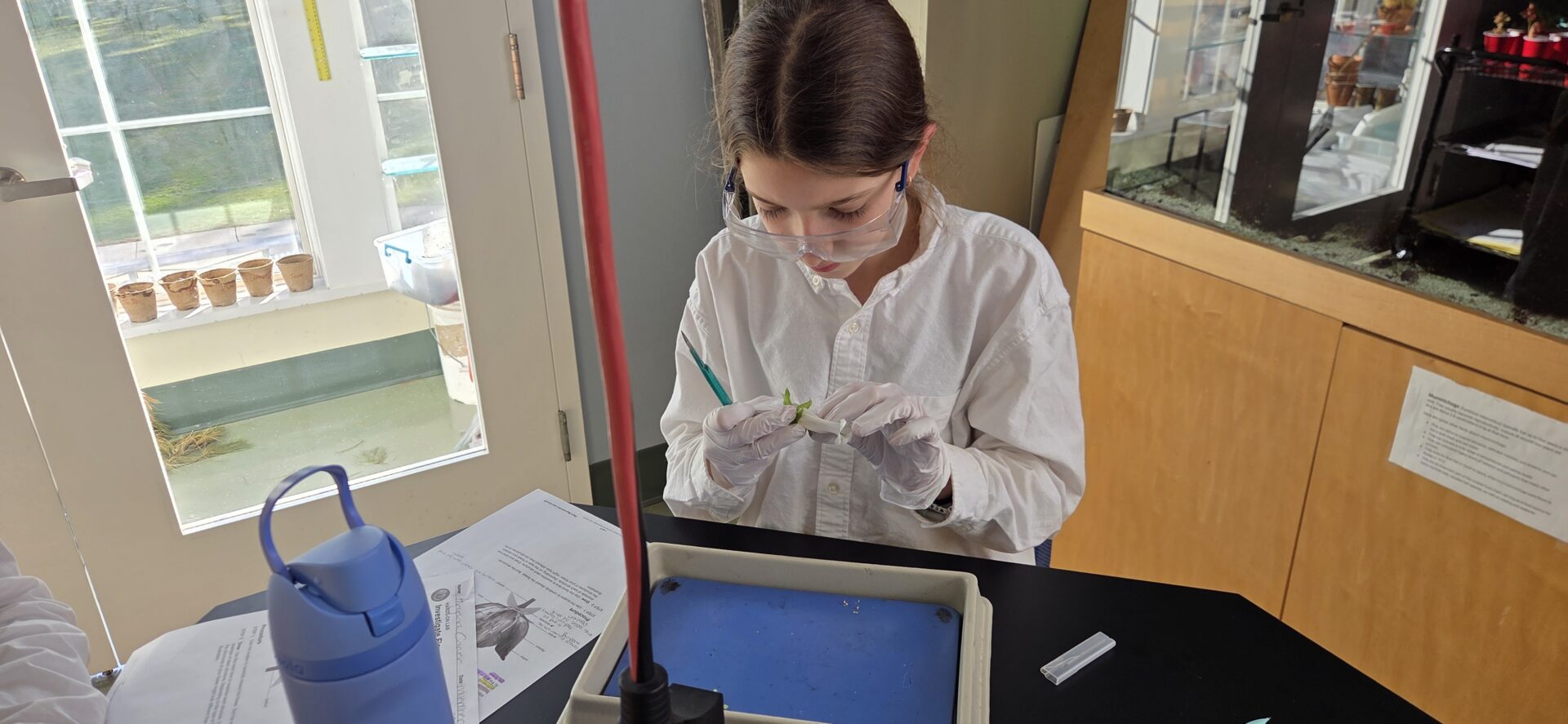
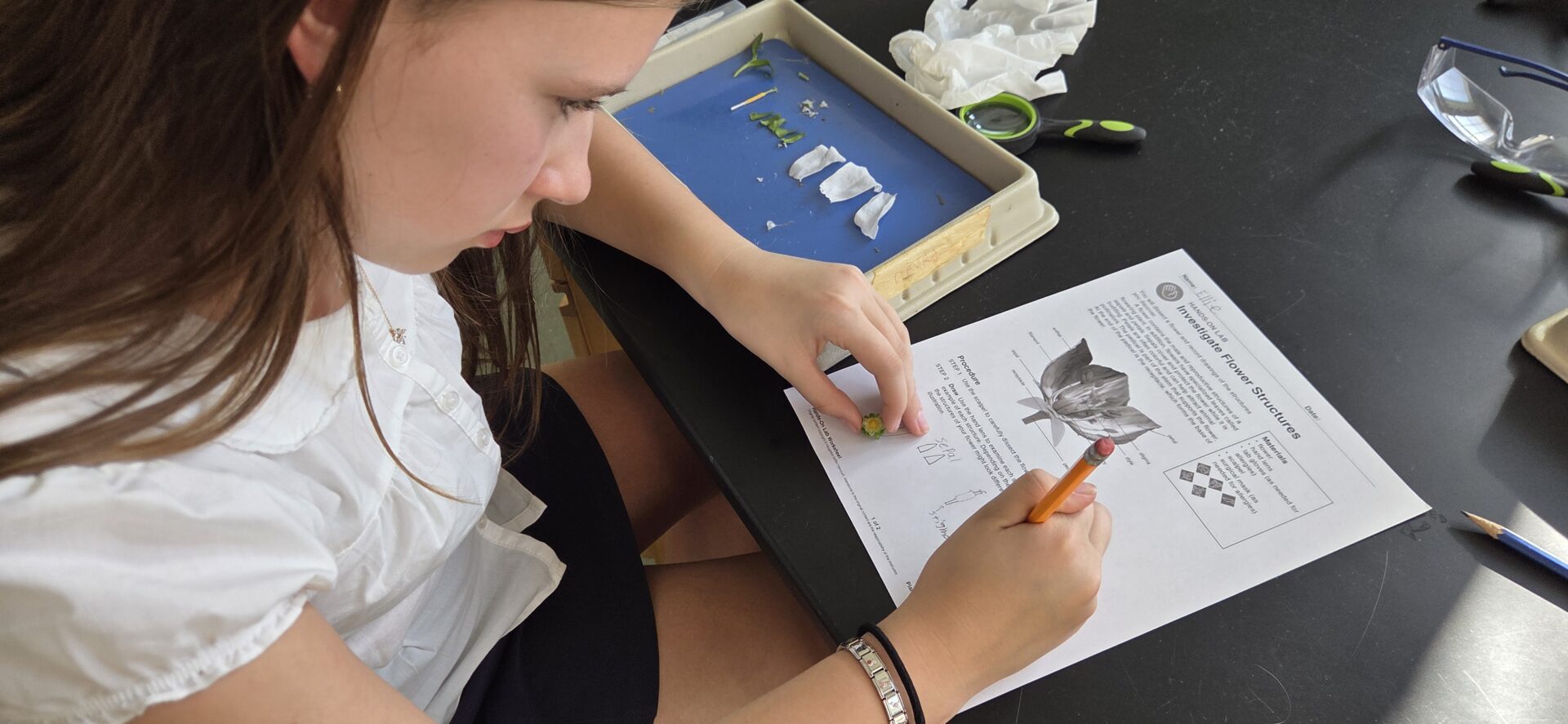
Our 7th grade has moved on from looking at individual cells to observing the structures and organisms that are composed of the cells!
In this lesson we have been focusing mainly on plant bodies and the systems that they are comprised of. Although plants don’t necessarily have the exact same organ systems humans have (or animals for that matter), they do have their own systems such as the shoot system (stems, leafs). These organ systems in the plant help to perform specific functions that will help the plant to survive; some of these systems are even similar in function to those in animals. For example, the shoot system helps bring nutrients around the plant while the circulatory system helps bring blood, oxygen and other nutrients (or waste) around the body.
The 7th grade then conducted a 3-day lab after this lesson where they could see the actual cells, tissues, and organs that make up plant bodies. Not only did we observe the structures, but we implemented a few experiments to see some plant processes in action! The first day, students observed a carrot which is actually a taproot for the carrot plant. Upon analyzing the different tissue types and structure of the root were able to identify its main job(s) for the plant body.
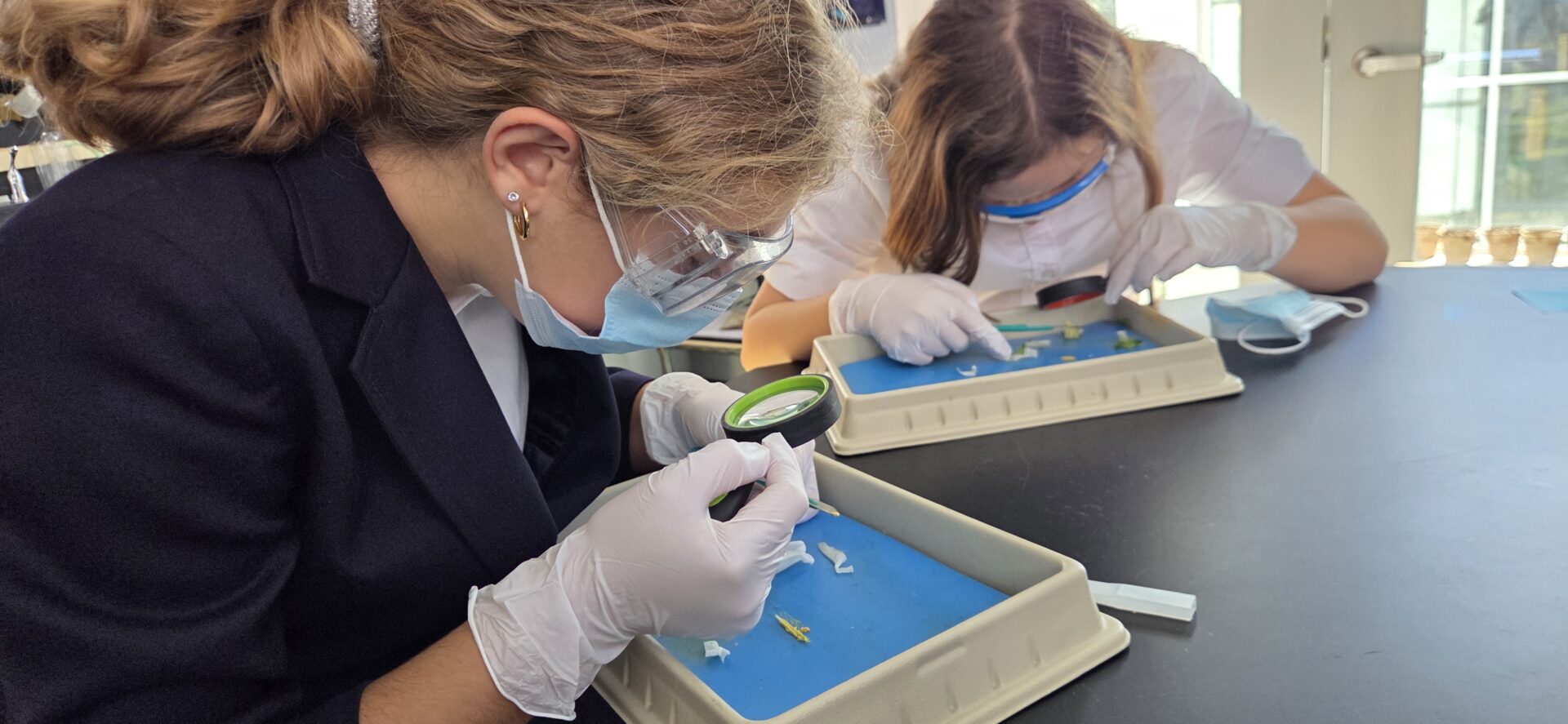
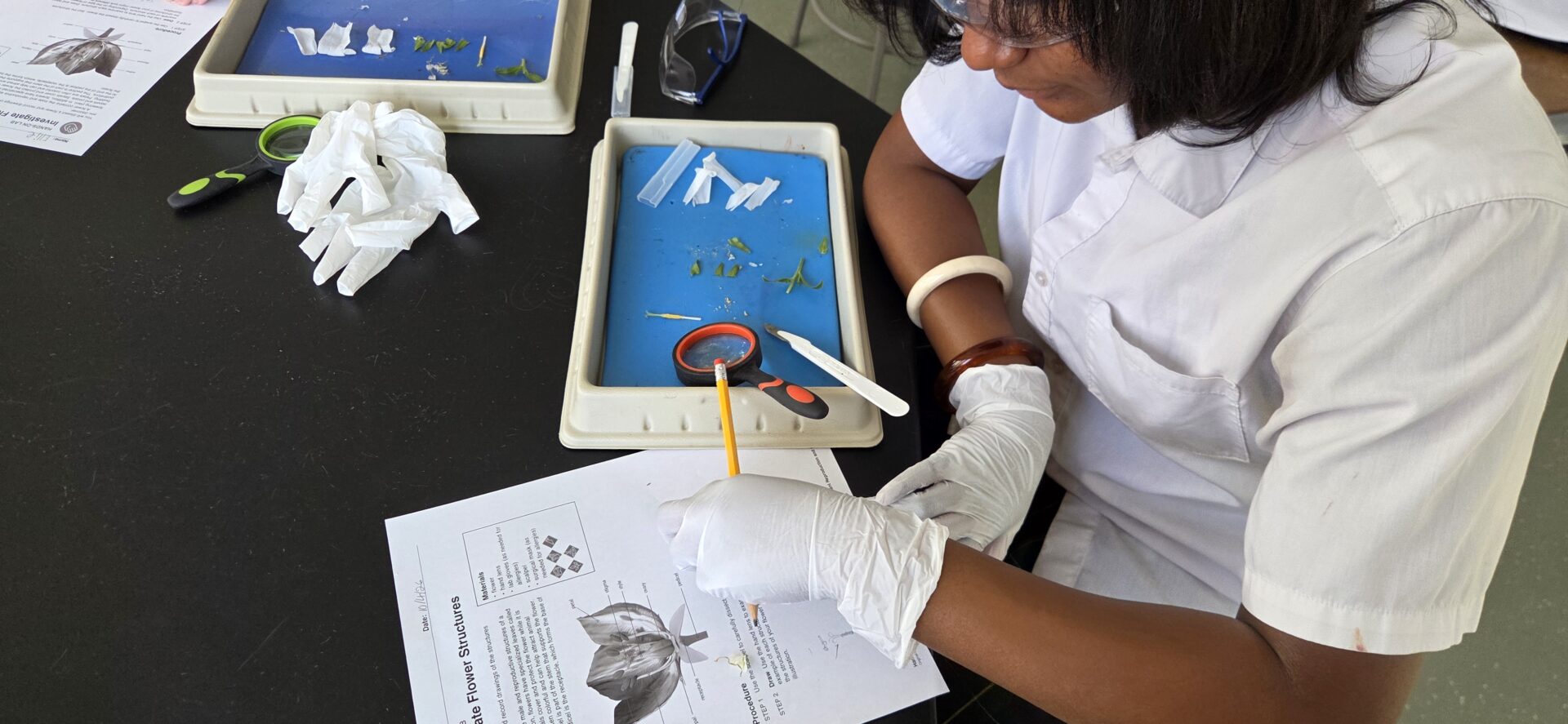
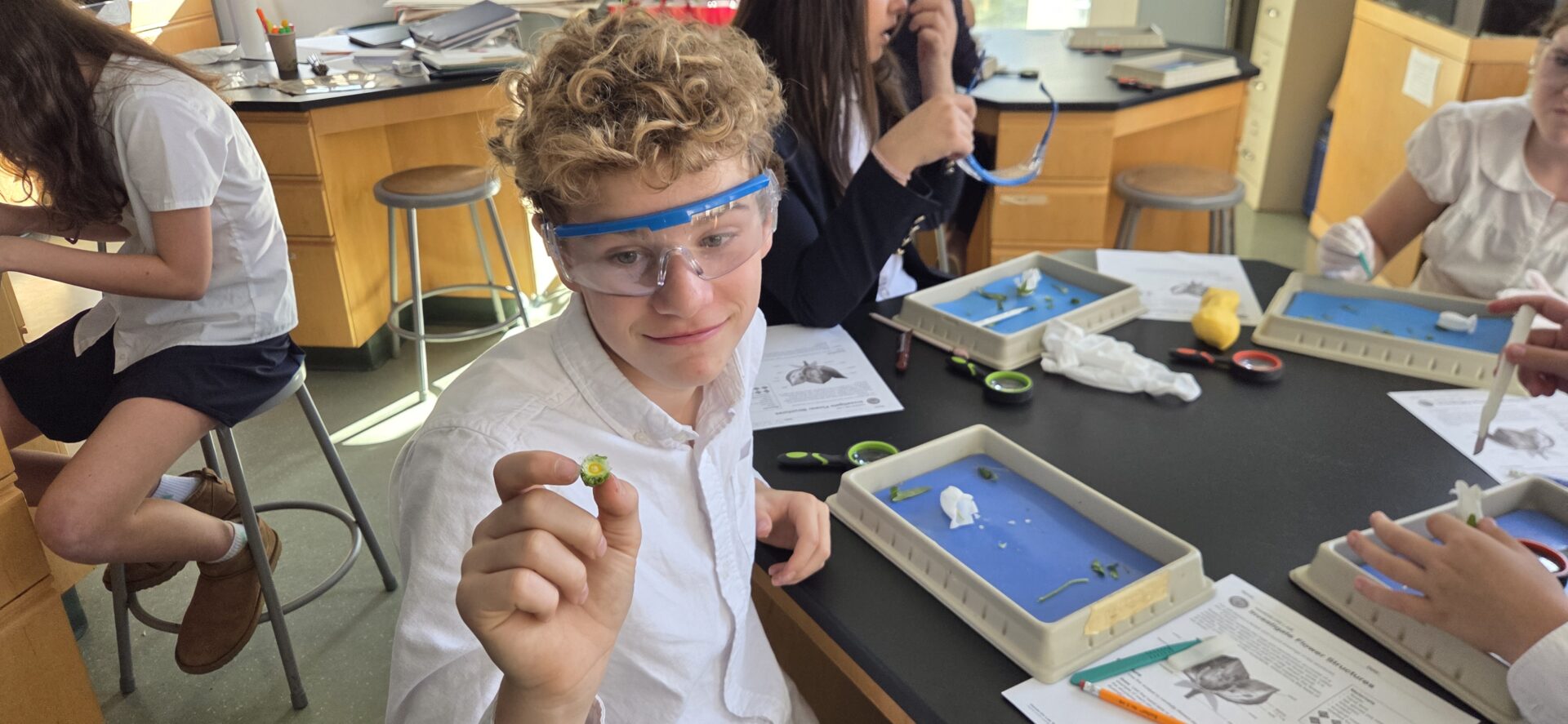
Before day one was over, students also took a cup of water and died the water a color of their choosing. Once they died the water with food coloring, they took a celery piece, scored the bottom of the stalk and put it into the cup of water. On day 2, students observed their celery that they let sit in colored water overnight. We were able to see the water transportation in action through the celery. Since the water was died a color, we saw the color being absorbed by the celery stalk which was evidence of water transport through the plant body. On day 3, students were able to dissect the flower organ of a plant which is part of the reproductive system. Every structure serves a purpose which our young scientists were able to study and analyze throughout this 3 day exploration.
← Quilting Without a Needle SHAPE: Building Skills for Life →